
Men no Youji belongs to Osaka’s serious ramen circuit: an eight-seat Kozu shop with a compact architecture of ramen, tsukemen, abura-soba and maze-soba. Its Tabelog 100 Ramen Osaka 2025 selection, score of 3.70, and long run of Hyakumeiten recognition place it in the city’s small-shop tier rather than casual convenience dining.
Pearl is the En Primeur Club membership app — saves, bookings, and concierge access live there. Same editors, same standards.
- Address
- 2 Chome-1-2 Kozu, Chuo Ward, Osaka, 542-0072, Japan
- Phone
- +81 6-6214-0670
- Website
- menno-yoji.com
 Saves & bookings on Pearl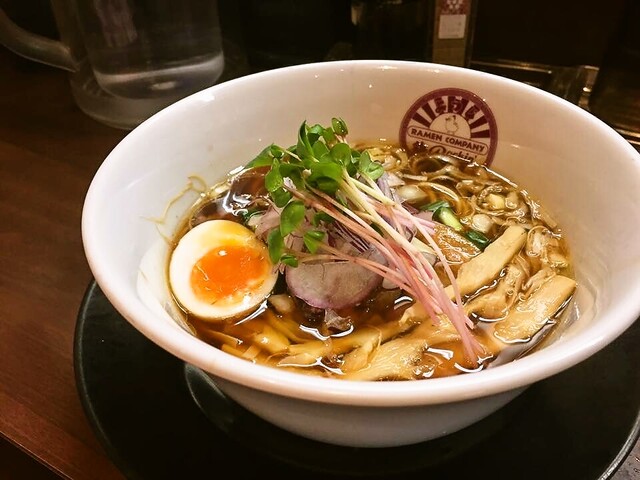
Approach Kozu from Nipponbashi and the ramen map of Osaka starts to feel less like a tourist trail and more like a set of small rooms with precise habits. The room here is built on compression: eight seats, split between counter and table, a no-smoking setup, and a format that suits solo diners as easily as pairs. In Osaka, where eating can swing from queue-driven street snacks to formal counter cooking within a few blocks, this scale matters. It keeps the meal close to the kitchen and makes the menu structure easier to read.
Chicken, vegetables, and a menu built in four lanes
Osaka ramen is not governed by a single orthodoxy. The city absorbs salt, soy, dipping noodles, mixed noodles, chicken broths, pork broths and seafood accents with less regional defensiveness than Sapporo miso or Hakata tonkotsu. That makes menu architecture a useful signal. Men no Youji sets its frame around ramen, tsukemen, abura-soba and maze-soba, a spread that gives diners four different ways to read the same kitchen: soup-led, dipping-led, oil-led and mixed-noodle-led.
The house emphasis is chicken and vegetable-based soup, with chicken-bonito salt ramen, chicken-bonito soy ramen and chicken broth dipping noodles named among the principal offerings. That is a meaningful distinction in Osaka’s ramen field. Chicken-bonito combinations sit in a cleaner, more aromatic lane than heavier pork-bone bowls, while tsukemen shifts attention toward noodle texture and concentrated broth. Abura-soba and maze-soba remove the full soup experience altogether, pushing seasoning, fat, tare and mixing technique forward. The point is not breadth for its own sake; it is a compact taxonomy of how broth, tare and noodle can be rearranged inside one small shop.
The Tabelog signal is unusually specific for a casual-price ramen counter. Selection for Tabelog 100 Ramen Osaka 2025 places the shop inside a curated city list rather than a broad neighbourhood directory, and the same Hyakumeiten line appears across recent years for Osaka and, before that, western Japan. A Tabelog score of 3.70 is also a useful Japanese dining clue: on that platform, scores cluster tightly, and movement above the mid-threes can indicate sustained local approval rather than novelty traffic. The award display order is not an official rank, but the repeated selection is the stronger point.
What the Kozu setting says about Osaka dining
Kozu sits close enough to Nipponbashi to catch central Osaka movement, but it is not the same proposition as eating directly in the Dotonbori glare. That difference helps explain the appeal of small ramen rooms in this part of Chuo Ward. They are practical, quick, and often more focused than multi-category casual restaurants, but they can also carry the discipline of serious counter dining. Eight seats create a natural limit on volume; reservations are not part of the format, so timing and patience become part of the diner’s calculation.
Compared with the supplied Osaka, the positioning is clear. Opus One belongs to a far higher spend bracket, while Tempura Sakugetsu signals a specialist tempura meal rather than noodle-shop rhythm. Okonomiyaki Momiji reflects another Osaka staple, a griddle-led social format with a different pace and budget. Mikuni Tei and Seiran sit in mid-priced casual-dining territory. Against that range, Men no Youji occupies the tight, low-ticket ramen lane where recognition has to come from repeatable execution, not ceremony.
That is why the categories matter more than decorative biography. Ramen, tsukemen, abura-soba and maze-soba each ask for a different balance of soup, sauce, fat and noodle structure. A shop that lists all four is making a statement about technical range within a narrow field. For a traveller building an Osaka eating day, this is the kind of stop that works between broader meals rather than replacing them: a focused bowl before a bar crawl, a midday counter lunch before Kuromon or Nipponbashi, or a low-commitment dinner when the city’s heavier food traditions start to stack up.
How to place it in a sharper Osaka itinerary
The smarter way to use this address is to treat it as part of Osaka’s spectrum rather than as a single destination meal. A noodle counter in Kozu gives a different reading of the city from pork buns at 551 Horai (551蓬莱), bakery culture at 52CHO-ME BAKERY, coffee at .cafe, Neapolitan cooking at 99 Pizza Napoletana Gourmet, or Italian dining at a canto (Italian). For wider planning, use Our full Osaka restaurants guide alongside Our full Osaka hotels guide, Our full Osaka bars guide, Our full Osaka wineries guide and Our full Osaka experiences guide.
Readers building a Japan-wide food itinerary can also place this ramen stop against different formats beyond Osaka: -Grilled beef Sukiyaki- KAMAKURA TANUKIAN 鎌倉 たぬき庵 in Kamakura. 鮪と炭火焼き うお炭 秋葉原店 in Tokyo.know in Kumamoto, (Shoku) Vietnam in Kawasaki, [Curry Senmon Ten] Maruyama Kyoju. in Sapporo and [ki:] in Kyoto. For North American Japanese-adjacent planning, Jōdo Saké Bar in Los Angeles and Onigiri Time in Pasadena show how a different market translates Japanese drinking and rice-based formats.
The editorial case is concise: this is a small Osaka ramen counter whose credibility rests on structure, repetition and selection history. The menu gives enough choice to compare broth, dipping and mixed-noodle formats without drifting into generalist sprawl. In a city that rewards both appetite and editing, that restraint is the useful part.
Comparable Options
Comparable venues at the same tier.
| Venue | Cuisine | Price | Notes |
|---|---|---|---|
| Men no YoujiThis venue — the venue you are viewing | Japanese Ramen | $ | Not listed |
| Okonomiyaki Momiji | Osaka-style okonomiyaki restaurant | $ | Tennōji |
| Men Factory Jaws | Japanese Ramen & Tsukemen | $ | Chūō |
| Mensho Shisei | Ramen | $ | Nishi |
| Curry & Nice Katool | Japanese spice curry stand | $ | Chūō |
| Saboten Shokudo | Japanese curry house with European and spice curries | $ | Nishi |
Recognition history
Dated appearances from independent guides and award organizations, with the underlying list record or original source where available.
Tabelog 100 #95 · No. 95
Tabelog · Tabelog 100 - Ramen - OSAKA - 2025
Continue exploring
More in Osaka
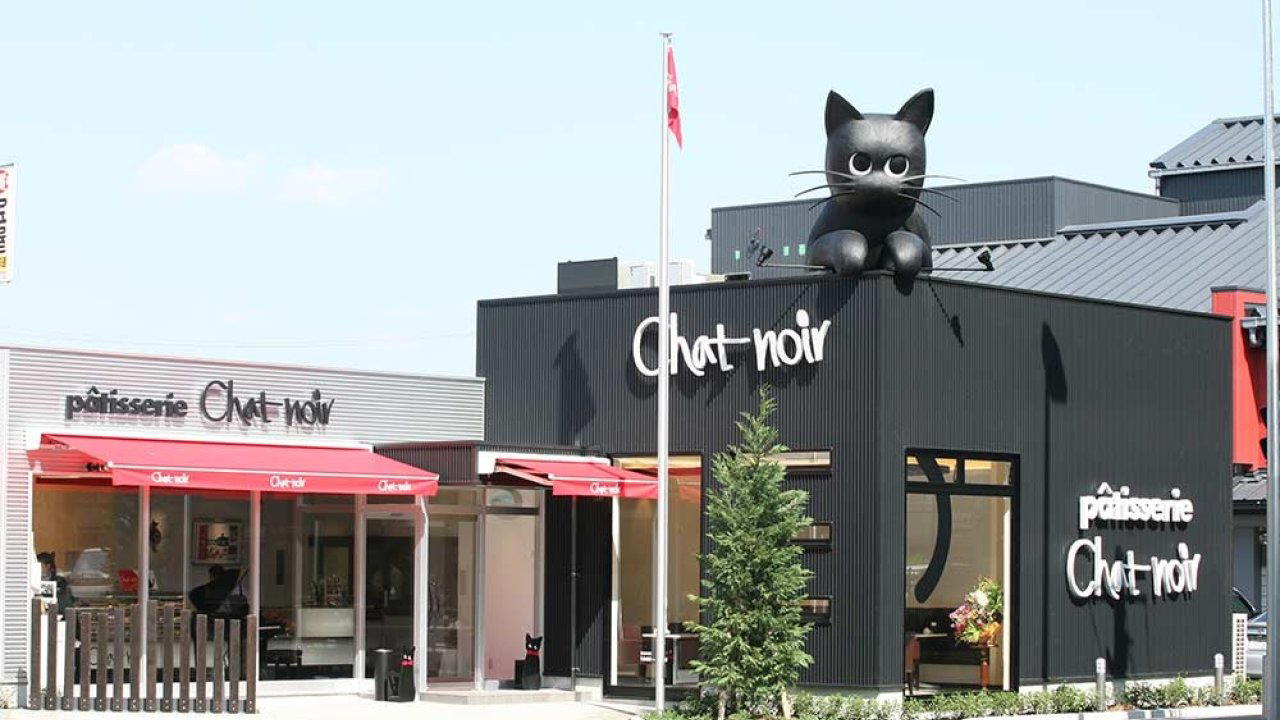
Restaurants in Osaka
Browse all →




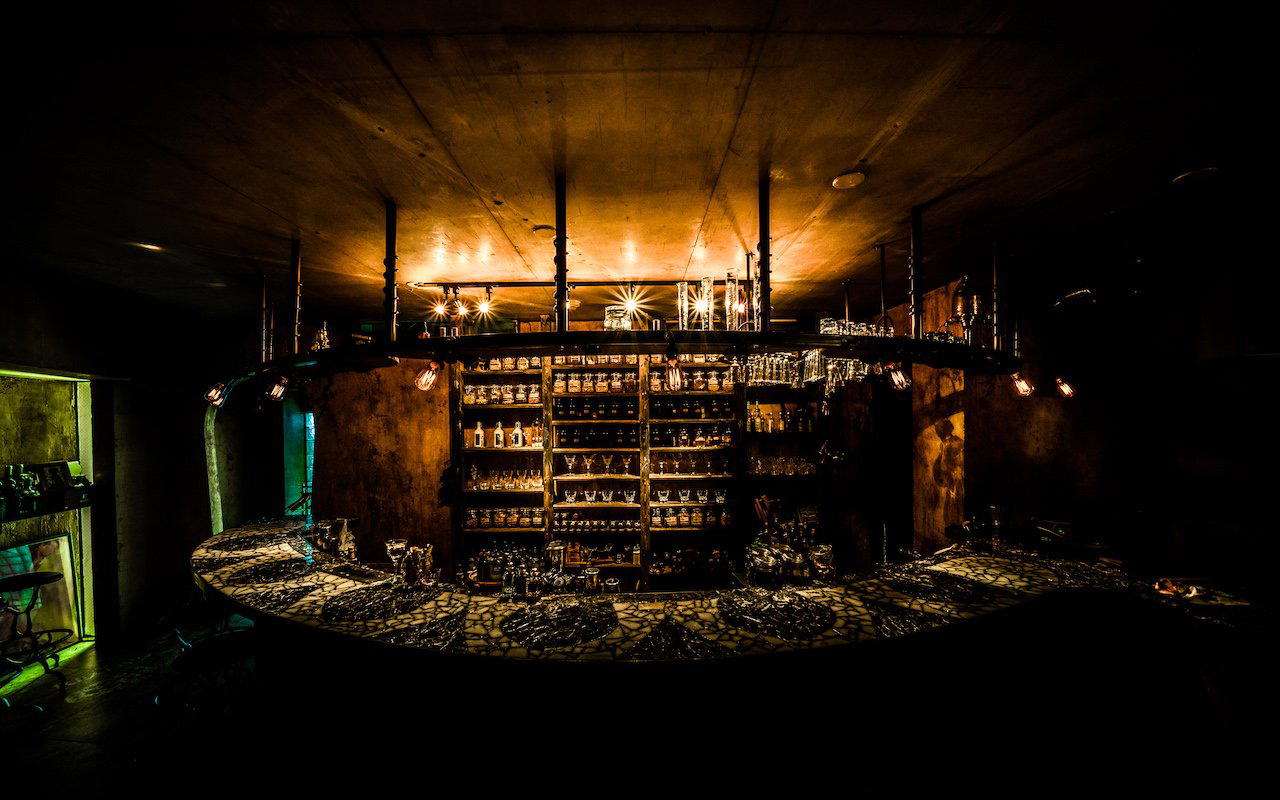
Bars in Osaka
Browse all →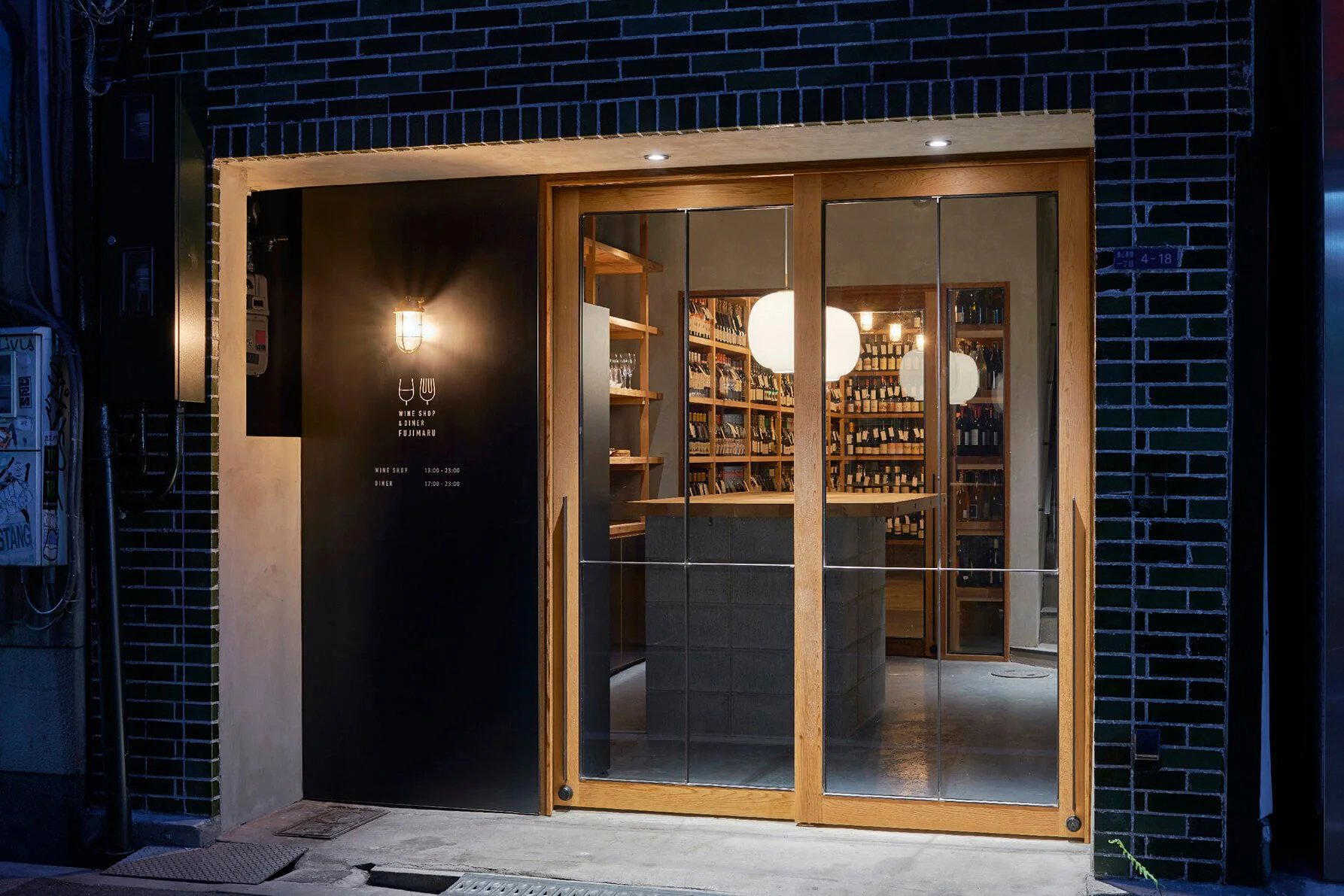

Hotels in Osaka
Browse all →



Wineries in Osaka
Browse all →
At a Glance
- Casual
- Cozy
- Classic
- Solo
- Casual Hangout
- Late Night
- Standalone
Current opening hours
- Monday
- 11:30 AM–2:20 PM, 6–8:30 PM
- Tuesday
- 11:30 AM–2:20 PM, 6–8:30 PM
- Wednesday
- 11:30 AM–2:20 PM, 6–8:30 PM
- Thursday
- 11:30 AM–2:20 PM, 6–8:30 PM
- Friday
- 11:30 AM–2:20 PM, 6–8:30 PM
- Saturday
- 11:30 AM–2:20 PM, 6–8:30 PM
- Sunday
- 11:30 AM–2:20 PM, 6–8:30 PM
Hours can change for holidays and private events. Last verified .
A compact, laid-back ramen counter atmosphere focused on a concentrated bowl experience rather than spectacle, with an easygoing casual feel.