
Kama Hiro belongs to Osaka’s serious everyday-noodle tier: a Tsurugaoka udon shop recognized in Tabelog’s Udon WEST “Tabelog 100” selections for 2020, 2022, and 2024. The appeal is neighbourhood scale rather than ceremony, with udon, tempura, and ten-don sitting in the city’s low-cost, high-precision dining culture.
Pearl is the En Primeur Club membership app — saves, bookings, and concierge access live there. Same editors, same standards.
- Address
- Japan, 〒546-0035 Osaka, Higashisumiyoshi Ward, Yamasaka, 5 Chome−2−27 ジョイフル鶴ケ丘
- Phone
- +81 6-6697-6543
- Website
- kamahiroudon.com
 Saves & bookings on Pearl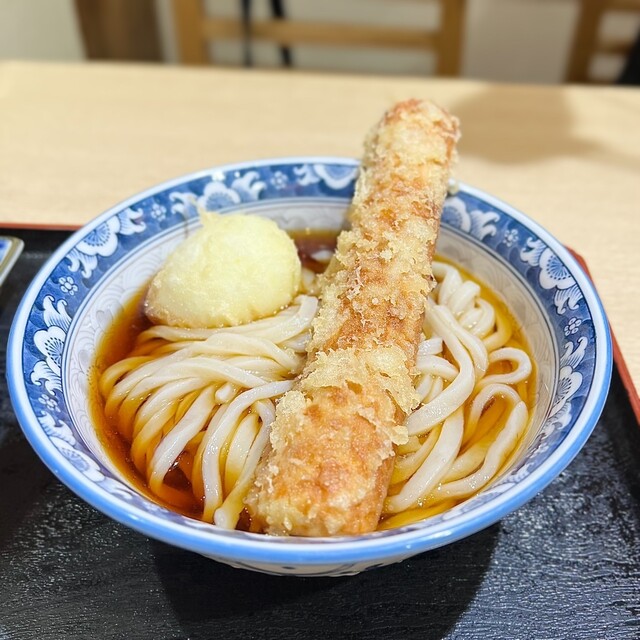
Approaching Tsurugaoka, Osaka changes register. The city’s louder food mythology belongs to Dotonbori signs, counter takoyaki, and late-night grill smoke, but the rail-side neighbourhoods south of Tennoji tell a quieter story: small rooms, short menus, regulars moving at lunch-hour pace, and noodle shops judged by repetition rather than spectacle. Kama Hiro fits that Osaka grammar. It is not an occasion restaurant dressed down for locals; it is a local udon address that has earned attention beyond its immediate station catchment.
That distinction matters in Osaka, where value cooking is not a lesser category. The city’s casual dining culture has long treated speed, portion, and craft as compatible ideas. Udon houses, kushikatsu counters, okonomiyaki rooms, and department-store basement stalls all operate inside a shared civic expectation: food can be direct without being careless. A Tabelog Udon WEST “Tabelog 100” selection in 2024, following selections in 2022 and 2020, places this shop inside a competitive regional conversation rather than a neighbourhood-only footnote.
Tsurugaoka gives the udon a different rhythm from central Osaka
Location shapes the meal here. Tsurugaoka is not Namba, Umeda, or Shinsekai; it is the kind of station area where a restaurant’s reputation has to travel by intent. Diners come for udon, tempura, and ten-don rather than for a broader entertainment district. That filters the room. The experience reads less like a crawl stop and more like a focused meal built around wheat noodles and frying, the two forms that reveal whether a kitchen can handle texture under pressure.
Osaka’s noodle scene rewards this kind of specialization. Soba Kiri Oshiro sits in a higher spend bracket for buckwheat noodles, while Udon Yukino and Kamaage Udon Isshin show how fierce the city can be at the lower end of the udon spectrum. Against that spread, Kama Hiro occupies the practical middle of everyday eating: serious enough to draw award recognition, plain enough to remain anchored to the neighbourhood. That is a harder balance than it looks. Many inexpensive noodle shops win on convenience; fewer hold attention when judged against the wider Kansai udon field.
The comparison is also useful because Osaka’s restaurant identity often gets flattened into excess. Matasaburo represents a different premium lane, PiEDRA another dining register entirely. Udon shops work by narrower margins of judgment: noodle firmness, broth clarity, frying discipline, turnover, and whether the meal feels coherent rather than merely cheap. In that context, recognition from a regional udon list is not decorative. It signals that the restaurant has been evaluated within a category where small differences carry weight.
Everyday pricing does not mean casual standards
Udon in western Japan has its own logic, distinct from the capital’s darker, sharper noodle traditions. Kansai generally prizes a clearer, more dashi-led profile, with wheat noodles carrying the meal through texture rather than heaviness. Tempura and ten-don expand the format without changing its centre of gravity. The point is not luxury; it is calibration. When a shop works in this mode, the meal depends on timing and restraint more than elaborate plating.
Kama Hiro’s category listing, udon, tempura, and ten-don, places it in that practical tradition. There is no need to inflate it into tasting-menu language. The stronger reading is civic: Osaka continues to produce restaurants where a modest bill can still sit inside a demanding food culture. That is why a Tabelog score of 3.72 and repeated inclusion in Udon WEST selections matter more than any invented romance about the room. They show durability in a city where diners are quick to sort convenience from craft.
For travellers, this is the kind of address that corrects an itinerary. Osaka is too often planned as a sequence of obvious central meals, with neighbourhood dining treated as filler between attractions. Tsurugaoka asks for a different approach: build the day around the railway map, eat with a narrower purpose, and let the meal explain how the city’s daily food economy works. It will not replace a splurge counter or a late-night bar, but it gives the trip a grounded register that central dining districts rarely supply.
How to place it within an Osaka food itinerary
The smart use case is not a long, ceremonial dinner. It is a focused noodle stop for travellers who care about regional craft and do not need every meal to perform luxury. The absence of private-room formality and the family-friendly positioning align with the broader Osaka habit of treating good eating as public, quick, and repeatable. That makes the restaurant more useful to an informed visitor than a louder venue with weaker category credentials.
It also pairs well with a wider Osaka plan that separates food by mood rather than by fame. For daytime casual eating, compare the city’s range through .cafe, 52CHO-ME BAKERY, and 551 Horai (551蓬莱). For a different register, the city’s Italian and pizza addresses, including 99 Pizza Napoletana Gourmet and a canto (Italian), show how Osaka absorbs non-Japanese formats without losing its appetite for value and precision.
Readers mapping a fuller trip should use Our full Osaka restaurants guide alongside Our full Osaka hotels guide, Our full Osaka bars guide, Our full Osaka wineries guide, and Our full Osaka experiences guide. For contrast beyond the city, EP Club also tracks Japanese and diaspora dining across formats, from -Grilled beef Sukiyaki- KAMAKURA TANUKIAN 鎌倉 たぬき庵 in Kamakura. 鮪と炭火焼き うお炭 秋葉原店 in Tokyo.know in Kumamoto, (Shoku) Vietnam in Kawasaki, [Curry Senmon Ten] Maruyama Kyoju. in Sapporo, and [ki:] in Kyoto to Jōdo Saké Bar in Los Angeles and Onigiri Time in Pasadena.
The verdict is practical rather than dramatic: this is a strong Osaka noodle address because it makes the city’s everyday standards legible. The restaurant is for diners who want proof that a modest udon meal can carry the same seriousness as a higher-spend reservation, provided the category is judged on its own terms.
The Essentials
Side-by-side context: comparable cuisine and price.
| Venue | Cuisine | Price | Notes |
|---|---|---|---|
| Kama Hiro | Higashisumiyoshi, Japanese Udon | $ | Not listed |
| Chuka Soba Sen | Sumiyoshi, Japanese Ramen | $ | Not listed |
| Curry Ya Madras | Naniwa, Japanese Curry | $ | Not listed |
| Tachinomi Sakaba Kakedashi | Not listed | $ | Chūō, Japanese standing izakaya & sake bar |
| Saboten Shokudo | Not listed | $ | Nishi, Japanese curry house with European and spice curries |
| Ichifuji Shokudo | Not listed | $ | Kita, Osaka shokudo with udon and oyakodon |
Recognition history
Dated appearances from independent guides and award organizations, with the underlying list record or original source where available.
Tabelog 100 #90 · No. 90
Tabelog · Tabelog 100 - Udon - WEST - 2024
Continue exploring
More in Osaka
Restaurants in Osaka
Browse all →




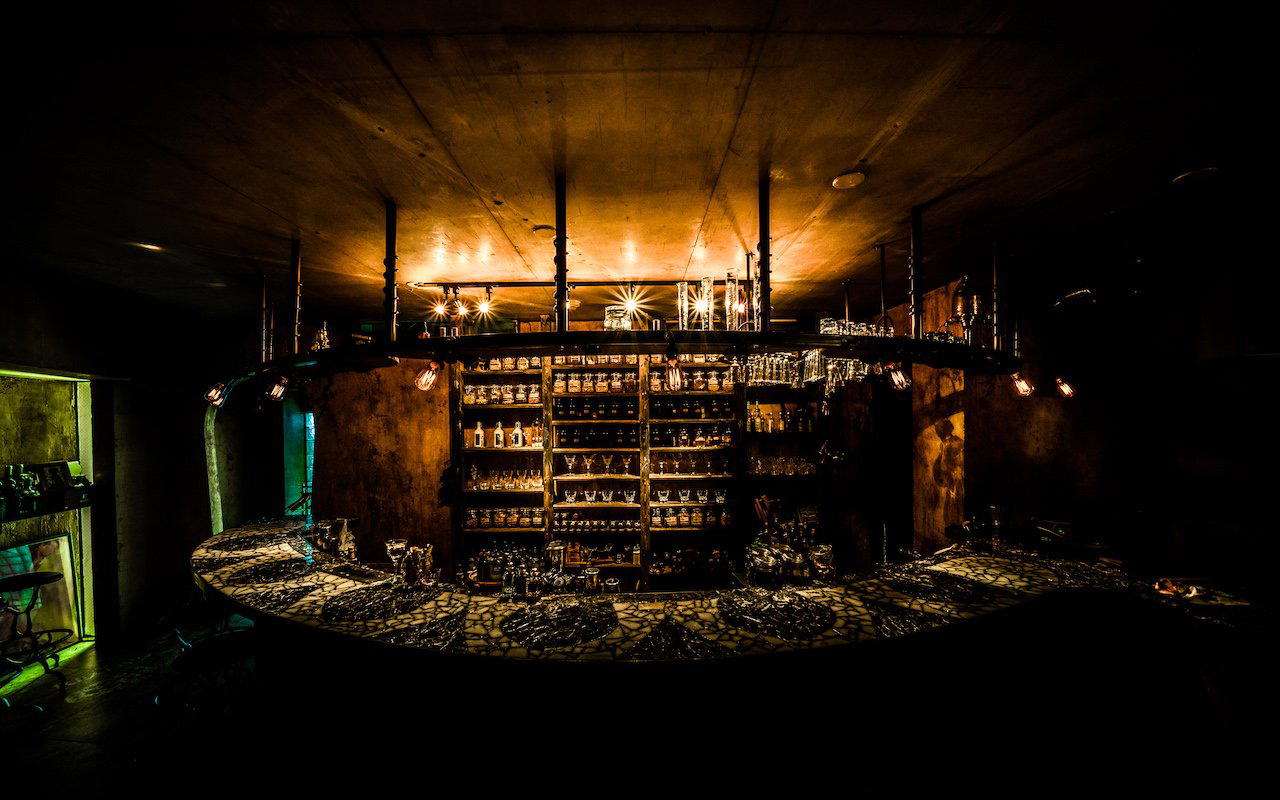
Bars in Osaka
Browse all →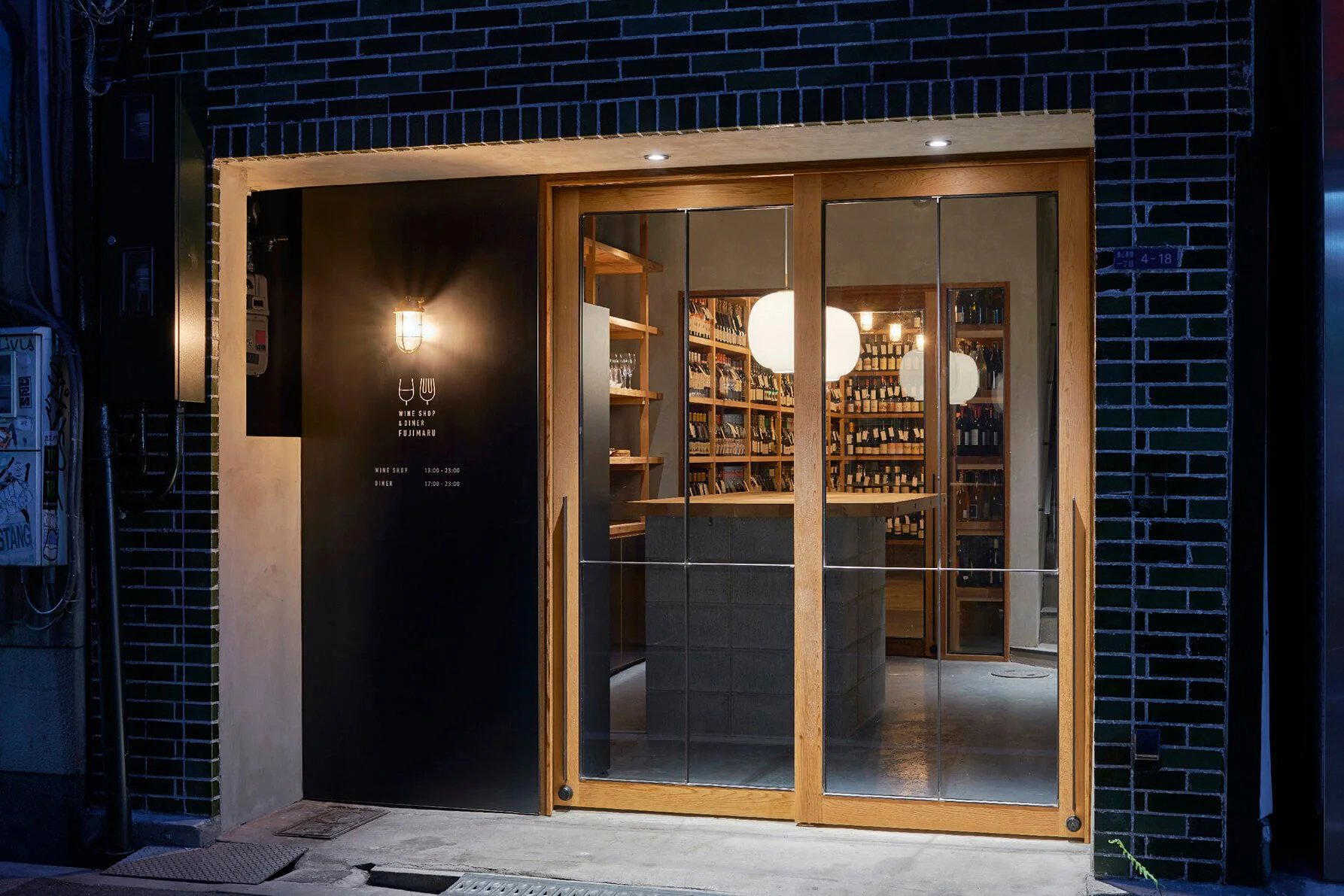
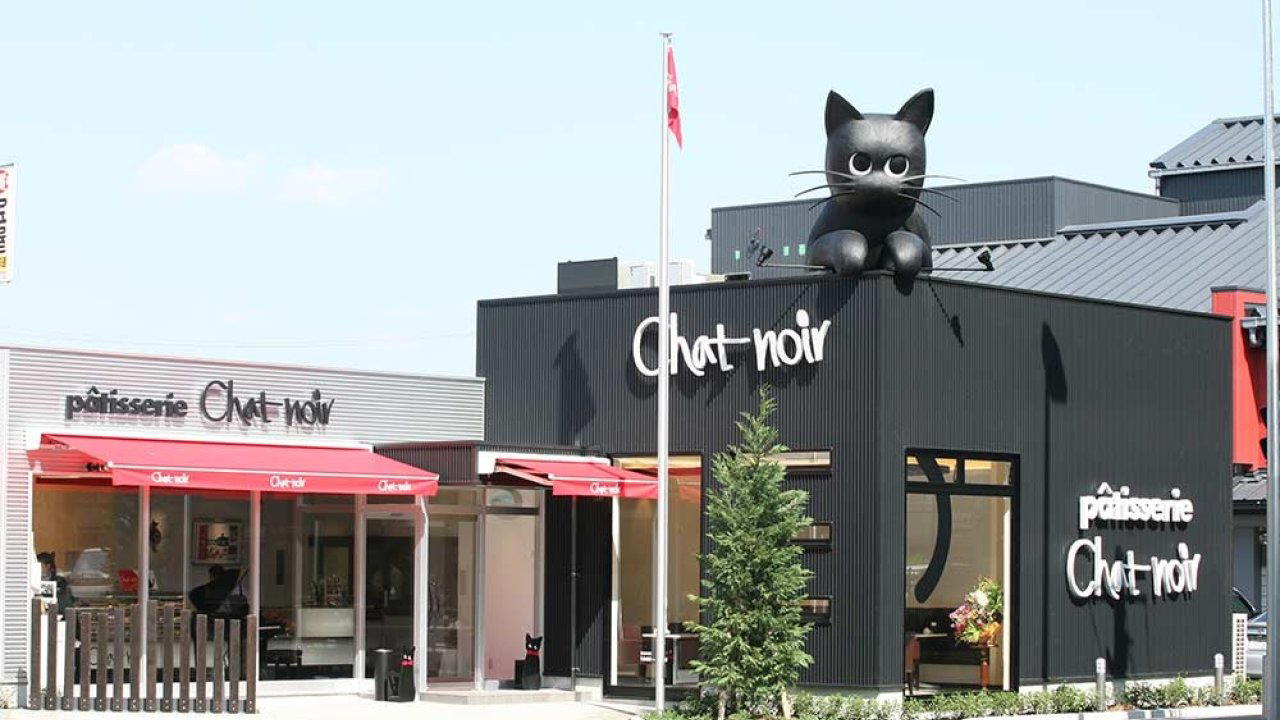


Hotels in Osaka
Browse all →



Wineries in Osaka
Browse all →
At a Glance
- Cozy
- Classic
- Solo
- Family
- Casual Hangout
- Group Dining
- Standalone
Current opening hours
- Monday
- 11 AM–2 PM
- Tuesday
- Closed
- Wednesday
- 11 AM–2 PM, 5–8 PM
- Thursday
- 11 AM–2 PM, 5–8 PM
- Friday
- 11 AM–2 PM, 5–8 PM
- Saturday
- 11 AM–2 PM, 5–8 PM
- Sunday
- 11 AM–2 PM, 5–8 PM
Hours can change for holidays and private events. Last verified .
A warm, family-friendly udon shop with counter and table seating, focused on a traditional noodle-house feel rather than a polished dining-room experience.