Our verdict
Xi'an's Muslim Quarter is the city's most concentrated address for Hui Muslim street food, where centuries-old wheat and lamb traditions play out across a dense grid of stalls and small restaurants. The quarter runs along Beiyuanmen Street and draws visitors for roujiamo, yangrou paomo, and hand-pulled noodles prepared in the open. It operates at the accessible end of the city's dining spectrum, making it an essential stop for anyone reading Xi'an's food culture seriously.

Pearl is the En Primeur Club membership app — saves, bookings, and concierge access live there. Same editors, same standards.
- Address
- Xi'an, China
- Directions
- Get directions
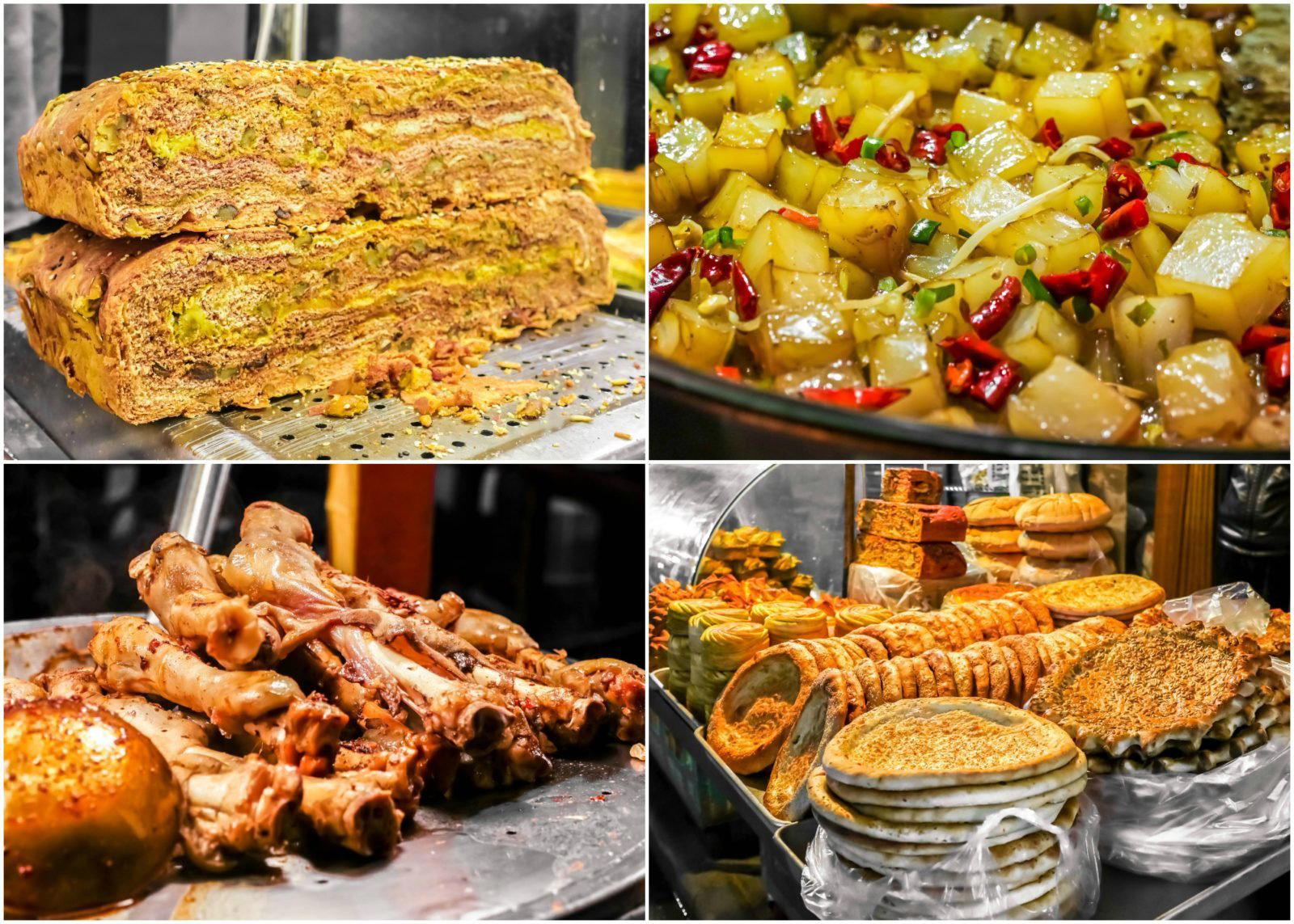
The menu
What to order
- Yangrou Pao Mo (mutton bread soup)
- Roujiamo (lamb burger)
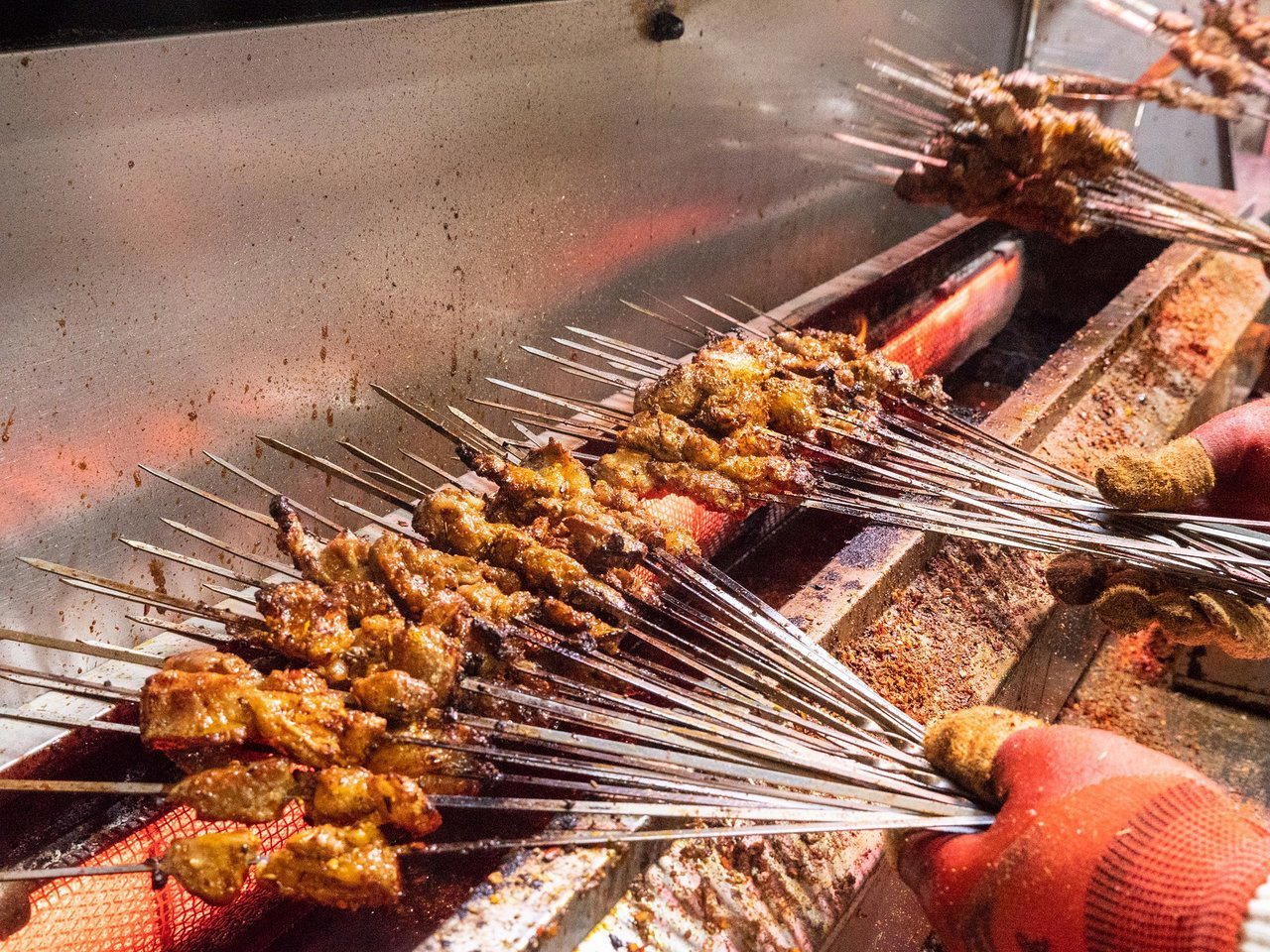
- Yangrou Chuan (lamb skewers)
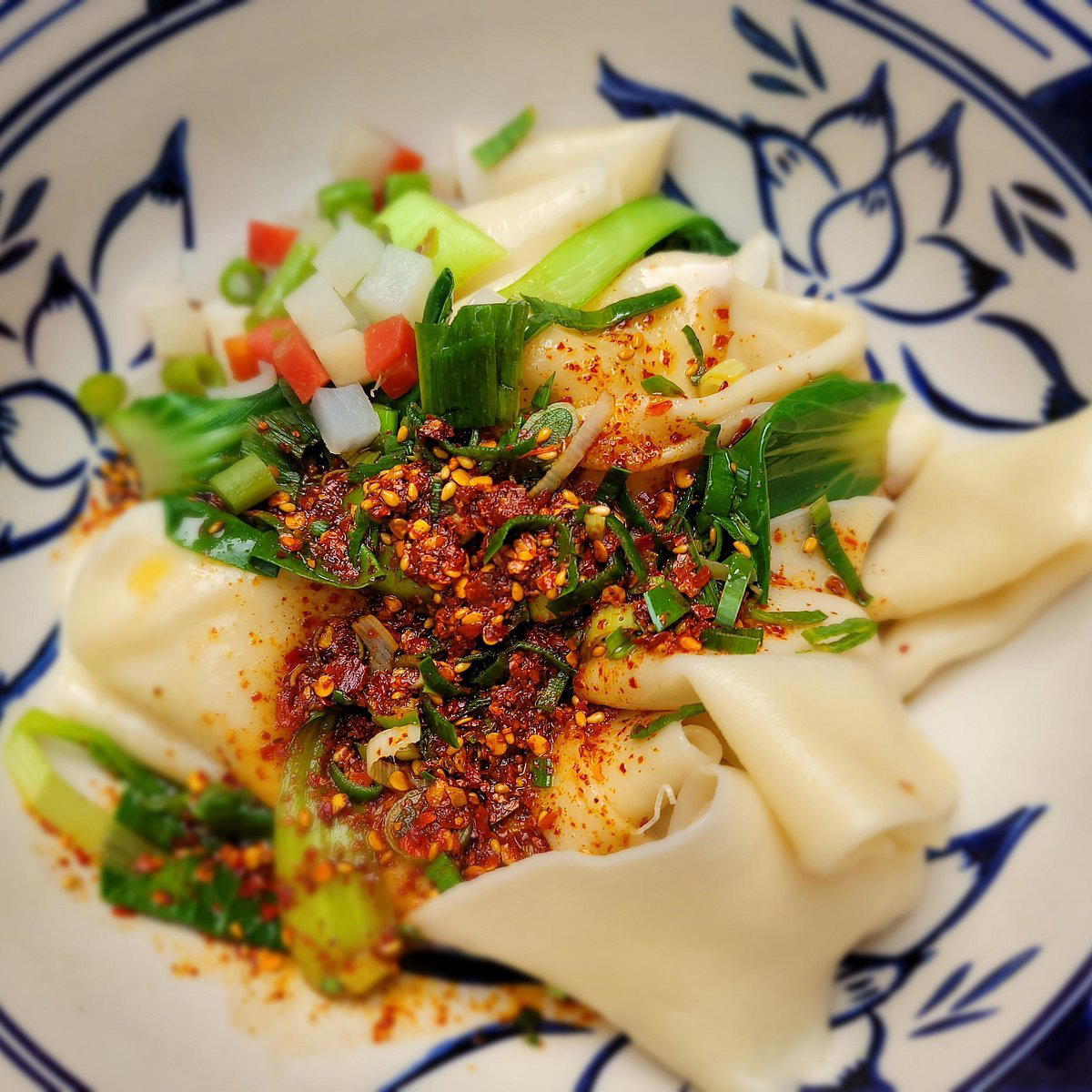
- Biangbiang Noodles
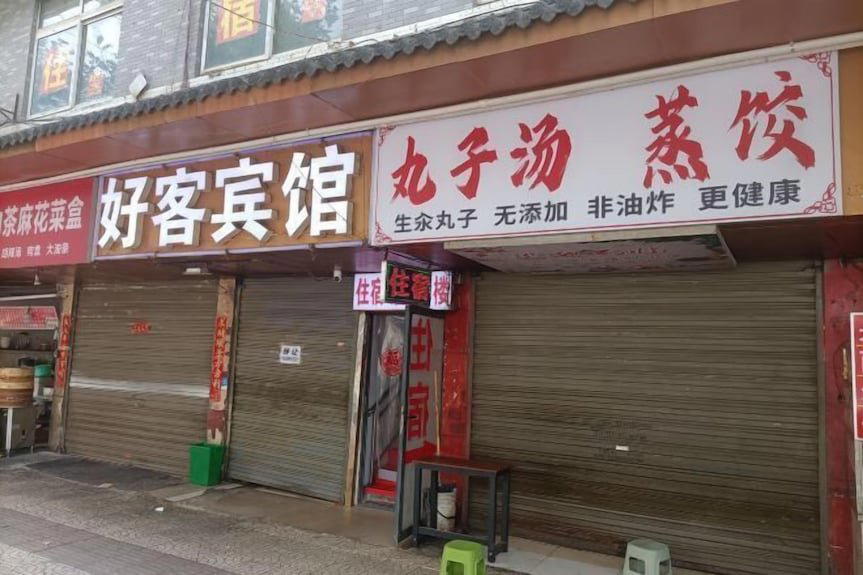
- Xi'an Soup Dumplings
- Oil Bread
Where Xi'an's Oldest Food Traditions Still Operate in Public
Approach Beiyuanmen Street from the south end of the Drum Tower and the shift is immediate: the air carries cumin and charcoal before the stalls come into view. This is Xi'an's Muslim Quarter, a district that has functioned as the city's Hui Muslim commercial and residential hub for centuries, and whose food traditions predate any restaurant category the modern travel industry has invented for it. The cooking here is not performative. Vendors roast flatbreads in clay ovens, ladle lamb-bone broth into ceramic bowls, and stretch noodle dough by hand because these are the techniques the quarter has always used, not because they are staging authenticity for visitors.
That distinction matters when reading the quarter against Xi'an's broader dining scene. Restaurants such as Cai Feng Lou and CHANG AN CLUB represent a refined, seated version of Shaanxi hospitality, where service structure and décor are part of the proposition. The Muslim Quarter operates without that frame. It is a working neighbourhood that tolerates visitors rather than accommodating them, and the food is better for it.
What the Ingredients Say About the Cuisine
The sourcing logic of Muslim Quarter cooking is embedded in Hui dietary law and centuries of Silk Road trade. Lamb and mutton dominate the protein register because pork is absent across the quarter's stalls and small restaurants. The animals are halal-slaughtered by local butchers whose operations remain within the neighbourhood, keeping the supply chain short and visible in a way that most urban food districts in China no longer allow.
Wheat is the other structural ingredient. Xi'an sits in China's wheat belt, and the Muslim Quarter's cooking reflects that geography directly. The flour used for roujiamo flatbreads and biang biang noodles is milled from hard winter wheat varieties that give both a density and chew that southern rice-based cuisines cannot replicate. When you pull apart a roujiamo, the bread tears with a resistance that comes from proper gluten development and a hot oven, not from added softeners or industrial shortcuts. The lamb filling inside is typically simmered with a spice blend that includes cumin, chili, and sometimes star anise, flavours that trace a direct line to the spice trade that moved through Xi'an when the city was the eastern terminus of the Silk Road.
Yangrou paomo, the quarter's most labour-intensive dish, makes the ingredient relationship even more explicit. Diners receive a hard unleavened bread and break it by hand into small pieces, then return the bowl to the vendor who adds boiling lamb broth, vermicelli, and additional lamb. The bread pieces absorb the broth over several minutes, and the result depends almost entirely on the quality of the bone stock, which is typically made from lamb carcasses simmered for six hours or longer. There is nowhere to hide a weak stock in yangrou paomo. The dish's structure exposes the sourcing.
The Quarter in Relation to Xi'an's Restaurant Tier
Xi'an's formal restaurant scene has developed a recognisable upper tier: DaDong Sea Cucumber Shop at Xi'an SKP, Lotus, and MING JIA occupy a price and format bracket defined by private rooms, curated wine lists, and tasting menus. The Muslim Quarter sits at the opposite structural pole, where the transaction is fast, the seating is communal when it exists at all, and the price per head remains among the lowest in the city for a meal that is genuinely representative of local food culture.
That contrast is worth holding alongside the broader picture of Chinese regional dining. Visitors moving between cities often encounter high-end Cantonese or contemporary Chinese at venues like Imperial Treasure Fine Chinese Cuisine in Guangzhou or refined tasting formats at Chef Tam's Seasons in Macau. The Muslim Quarter argues a different case: that in certain regional cuisines, the most direct expression of tradition lives in the street and market format, not in the dining room. Yangrou paomo is not waiting to be reinterpreted by a chef with fine-dining credentials. It already is what it needs to be.
How to Move Through the Quarter
The quarter operates primarily as a pedestrian zone, running roughly from the Drum Tower north along Beiyuanmen to the Great Mosque of Xi'an. Mornings are the most practical time to visit for yangrou paomo, when stock has been simmering longest and the bread-breaking ritual feels unhurried. The late afternoon and evening hours draw larger visitor numbers, particularly on weekends and during national holiday periods, when the main thoroughfare becomes difficult to move through efficiently.
Navigation is direct: the main lane holds the most tourist-facing stalls, while the side streets running east and west tend to have smaller, family-operated operations serving a local clientele. Prices across the quarter sit at the accessible end of the city's food economy, with most dishes falling well below the cost of a comparable meal at a seated restaurant. No reservation system exists. The format is arrive, queue where queues form, and eat standing or at shared tables when available. For broader planning of a Xi'an visit, our full Xi'an restaurants guide maps the city's dining options across format and price tier.
The Quarter Among China's Street Food Districts
China's major cities each maintain at least one district that functions as the primary address for regional street food, though few operate with the Muslim Quarter's historical continuity. The Hui Muslim food corridors in cities like Lanzhou and Yinchuan follow a comparable sourcing and spice logic, while Xi'an's version benefits from the city's size and tourism infrastructure without being entirely absorbed by it. The Great Mosque at the quarter's northern end, one of the largest in China and operating since the Tang dynasty, provides a historical anchor that keeps the district's identity coherent even as the stall mix shifts over time.
For readers already familiar with high-format Chinese dining across the country, whether through Xin Rong Ji in Beijing, 102 House in Shanghai, or Xin Rong Ji in Chengdu, the Muslim Quarter operates as a useful counter-argument: not every significant food tradition in China has found its way into a formal dining room, and not every one should.
Frequently asked questions
Does Muslim Quarter work for a family meal?
The quarter works well for families precisely because there is no single venue to book and no fixed format to follow. Children and adults move through at their own pace, stopping at stalls that suit them. The pedestrian zone along Beiyuanmen means pushchairs and groups can move without competing with traffic, and the price point at most stalls keeps the outing low-stakes.
How would you describe the vibe at Muslim Quarter?
Functional and dense rather than curated. The quarter is a working food district, not a food hall designed for aesthetics: smoke from charcoal grills, vendors calling out from stalls, and queues that form organically around the most established sellers. Mornings are quieter and easier to move through; evenings compress the crowd considerably and the atmosphere shifts toward a loud, lit-up market pace.
How does the Muslim Quarter's Hui cooking tradition differ from mainstream Shaanxi cuisine?
Hui cooking in Xi'an follows Islamic dietary law, which means pork — central to much of Shaanxi's broader culinary output — is absent entirely, replaced by lamb, mutton, and beef sourced through halal supply chains with roots in centuries of Silk Road trade. The spice profile reflects that trade history: cumin, coriander, and dried chillies appear in concentrations rarely found in non-Hui Xi'an cooking. The Great Mosque of Xi'an, one of China's oldest Islamic institutions, sits at the northern end of Beiyuanmen and gives the district its continuous cultural and dietary coherence.
What dish is Muslim Quarter famous for?
Yangrou paomo — mutton soup with hand-crumbled flatbread — is the dish most closely identified with the quarter and with Xi'an's Hui cooking tradition broadly. Roujiamo, a spiced meat filling pressed into a baked flatbread, is the format that has travelled furthest beyond Xi'an's borders. Cumin-rubbed lamb skewers cooked over charcoal are present at nearly every stall and serve as the most immediate introduction to the sourcing logic of the cuisine.
How far ahead should I plan for Muslim Quarter?
No advance booking is required. The quarter operates as an open pedestrian district, not a reservation-based venue. Planning amounts to choosing the right time of day: mornings before 10am offer the clearest access to stalls and the most comfortable movement through Beiyuanmen; arriving in the evening on a weekend means accepting a significantly denser crowd.
In Context: Similar Options
| Venue | Cuisine | Price | Awards |
|---|---|---|---|
| Muslim QuarterThis venue — the venue you are viewing | Authentic Shaanxi Halal Street Food | $1–10 | Not listed |
| Cai Feng Lou | Elegant Cantonese Fine Dining | $50–100 | La Liste Top Restaurants · Black Pearl 1 Diamond |
| CHANG AN CLUB | Authentic Shaanxi Cuisine | $50–100 | Black Pearl 1 Diamond |
| DaDong Sea Cucumber Shop(Xi'An SKP) | Contemporary Chinese Sea Cucumber & Peking Duck | Not listed | Black Pearl 1 Diamond |
| Lotus | High-class Western | $20–30 | Black Pearl 1 Diamond |
| THE BEIJING KITCHEN | Traditional Cantonese | $50–100 | Black Pearl 1 Diamond |

Details
- Lively
- Well Known
- Rustic
- Energetic
- Casual Hangout
- Group Dining
- Solo
- Family
- Late Night
- Open Kitchen
- Historic Building
- Beer Program
- Local Sourcing
- Street Scene
- A La Carte
- Family Style
- Counter Dining
- Sour Plum Juice
- Local Soda
- Baijiu
- Halal
- Vegetarian Friendly
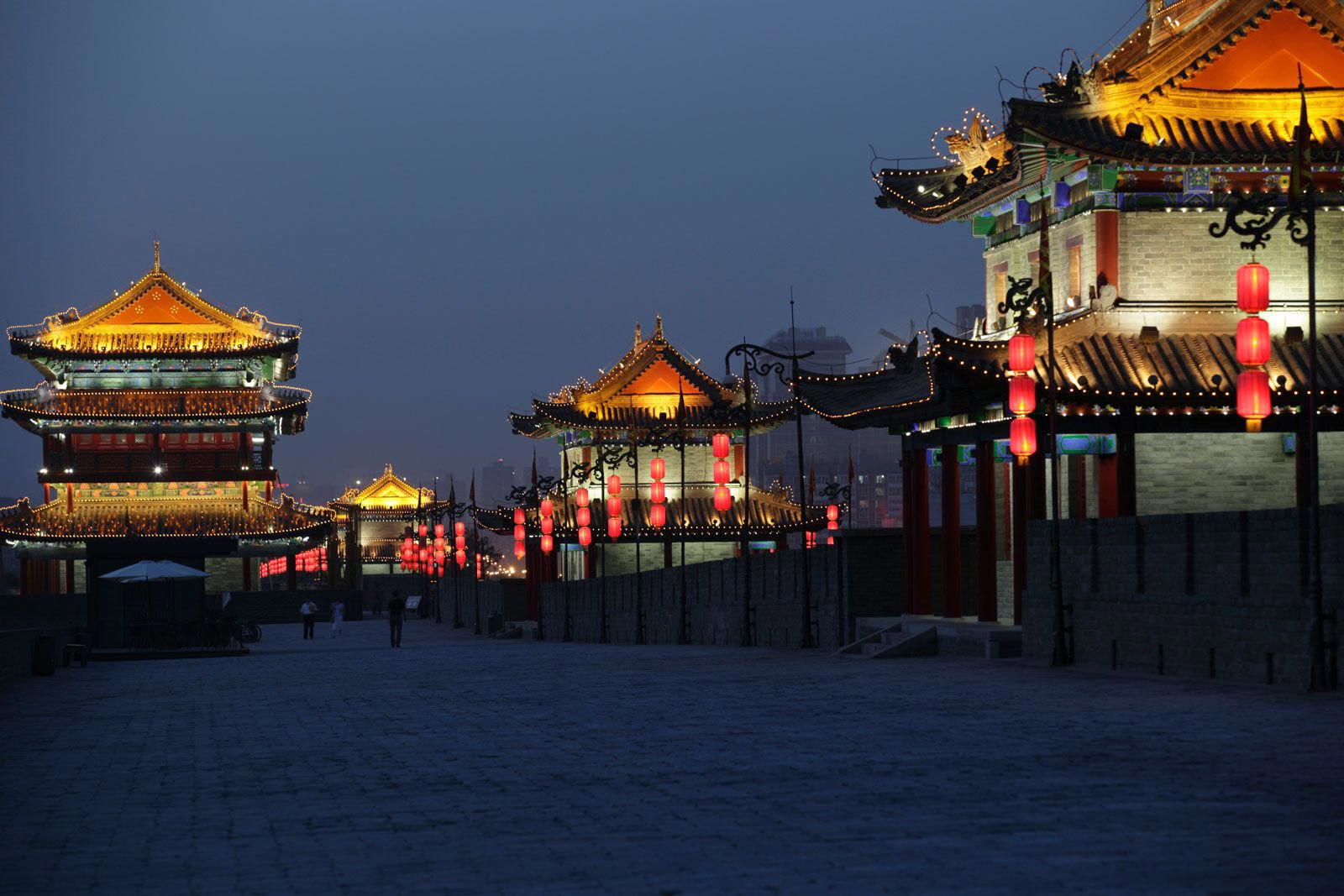
Bustling alleyways filled with irresistible aromas of roasted meats and spices, gray tiles and blue brick architecture, lively street atmosphere especially lively between 10 AM and 10 PM.