MUSE Brasserie
MUSE Brasserie occupies a considered position in Cheltenham's mid-to-upper dining tier, offering a brasserie format that suits the town's appetite for relaxed but serious eating. Positioned on St George's Place, it sits within reach of the town's more formal fine-dining addresses while operating at a different register. For visitors working through Cheltenham's dining scene, it provides a useful point of reference between the neighbourhood's two poles.
Pearl is the En Primeur Club membership app — saves, bookings, and concierge access live there. Same editors, same standards.
- Address
- 60 St George's Pl, Cheltenham GL50 3PN, United Kingdom
- Phone
- +441242239447
- Website
- musebrasserie.com
- Directions
- Get directions
 Saves & bookings on Pearl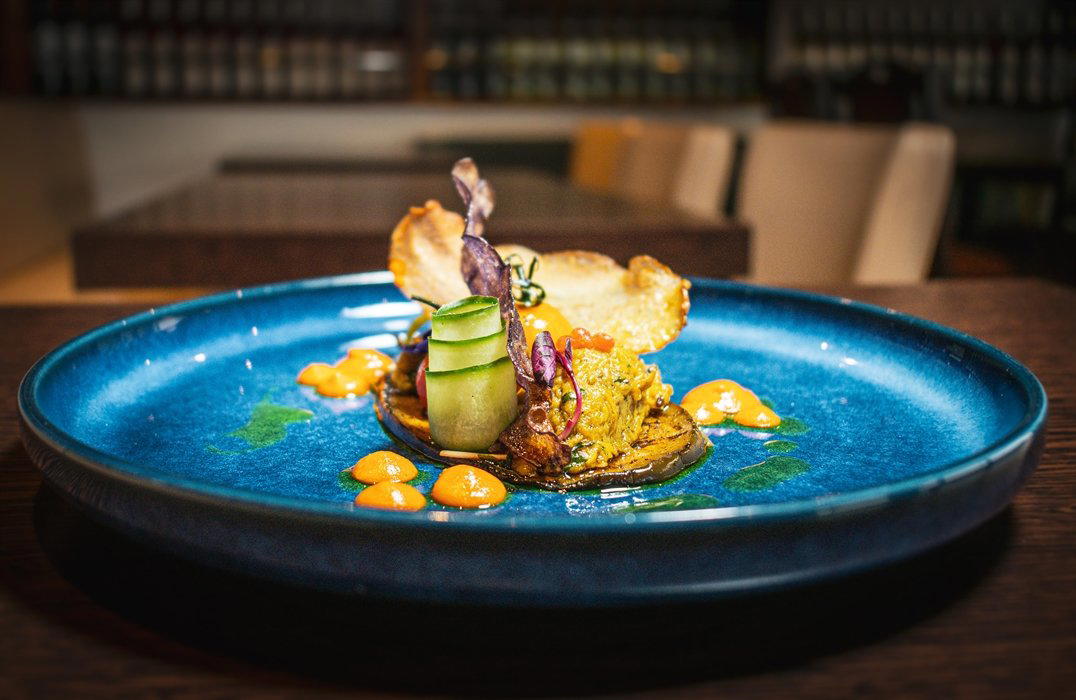
The Brasserie Register in a Fine-Dining Town
Cheltenham has a sharper fine-dining identity than most English market towns of comparable size. The presence of Le Champignon Sauvage and Lumière at the top of the local hierarchy has pulled the wider restaurant conversation upward for years, creating a town where diners are accustomed to calibrated service, considered menus, and the expectation that a meal is a structured event rather than a transaction. Within that context, the brasserie format occupies a specific and necessary role: it absorbs the demand for serious eating without the ceremony of a multi-course tasting menu or the formality of a white-tablecloth destination.
MUSE Brasserie, on St George's Place, positions itself inside that register. The address places it at the quieter, more residential fringe of Cheltenham's centre, a few minutes from the Promenade's retail axis and the racecourse's event orbit. That geography shapes the rhythm of a meal here. The crowd tends to be local rather than tourist-led, which in Cheltenham means a clientele that has dined at the town's tighter, more expensive rooms and arrives with formed preferences rather than wide-eyed first impressions.
How a Brasserie Meal Moves
The brasserie form has a distinct pacing logic that separates it from both the casual bistro and the formal tasting-counter. At its most functional, it allows a table to move at its own pace: a single course and a glass of wine is as accepted as a full three-course progression with dessert. The kitchen's job is to hold quality across that range of table durations, which demands a different kind of discipline than a set-menu operation where every diner moves in lockstep.
In the broader British context, the brasserie revival of the last decade has been driven partly by post-pandemic recalibration and partly by a genuine shift in how professional diners want to eat. Restaurants like Hand and Flowers in Marlow and hide and fox in Saltwood have demonstrated that technical ambition and a relaxed physical format are not mutually exclusive. The question for any brasserie operating in a fine-dining town is whether it absorbs that technical influence or contents itself with reliable comfort cooking. The former is harder to sustain but earns the loyalty of the same diners who, on another night, would book Midsummer House in Cambridge or Le Manoir aux Quat'Saisons in Oxford.
Cheltenham's Broader Dining Map
Understanding where MUSE sits requires a brief survey of what surrounds it. The town's Indian dining tier, represented by Bhoomi Kitchen and East India Cafe, operates in a different register entirely, serving a neighbourhood function that the brasserie format cannot replicate and does not try to. Newer entrants like JOURNEY are pushing at the edges of what Cheltenham expects from a restaurant experience, importing influences from broader international dining conversations. The brasserie, by contrast, is a stabilising format: it anchors a scene rather than disrupts it.
That stabilising role carries its own demands. A brasserie that simply holds the middle ground becomes forgettable in a town where the upper tier is as present as it is in Cheltenham. The comparison to what a diner could book at Gidleigh Park in Chagford or Moor Hall in Aughton is not an unreasonable one for a Cheltenham local who travels for food. The brasserie format succeeds when it earns its own distinct occasion value, not when it apologises for the ceiling on its ambition.
Placing the Reservation
St George's Place sits north of the Imperial Gardens, a short walk from the town's main hotel cluster. For visitors combining a Cheltenham Festivals visit with a dining programme, the address is logistically useful: close enough to the centre to walk after an evening at the racecourse or Everyman Theatre, far enough from the busiest dining corridors to avoid the surge crowds that move through the Promenade and Montpellier at peak periods. Booking ahead is advisable during festival weeks, when the town's entire dining capacity tightens considerably. Outside those windows, the rhythm is calmer and the room more likely to reflect its local base.
For visitors building a broader trip through England's regional dining circuit, Cheltenham sits at a useful crossroads. It is within comfortable reach of Le Manoir aux Quat'Saisons to the east and the Cotswolds corridor that links to Waterside Inn in Bray. Those planning a longer UK itinerary that includes the north should cross-reference L'Enclume in Cartmel, which represents the opposite end of the regional fine-dining spectrum from what a brasserie format delivers. Internationally, readers calibrating expectations against Le Bernardin in New York City or Atomix in New York City should understand that the brasserie register is a deliberately different proposition, and should not be assessed against the metrics of a high-concept destination room.
For the full picture of what Cheltenham's dining scene offers across all price points and formats, the EP Club Cheltenham restaurants guide maps the key addresses by occasion type. For those whose dining in the Midlands and West will also pass through Birmingham, Opheem in Birmingham represents a relevant data point on what the regional fine-dining tier is achieving at its upper end. And for readers interested in how the London benchmark relates to the regional picture, CORE by Clare Smyth provides a useful ceiling reference against which to calibrate regional expectations.
How MUSE Brasserie Cheltenham compares with similar nearby venues.
| Venue | Cuisine | Price |
|---|---|---|
| Lumière | Modern Cuisine | ££££ |
| Memsahib's Lounge | Indian | £££ |
Continue exploring
More in Cheltenham
Restaurants in Cheltenham
Browse all →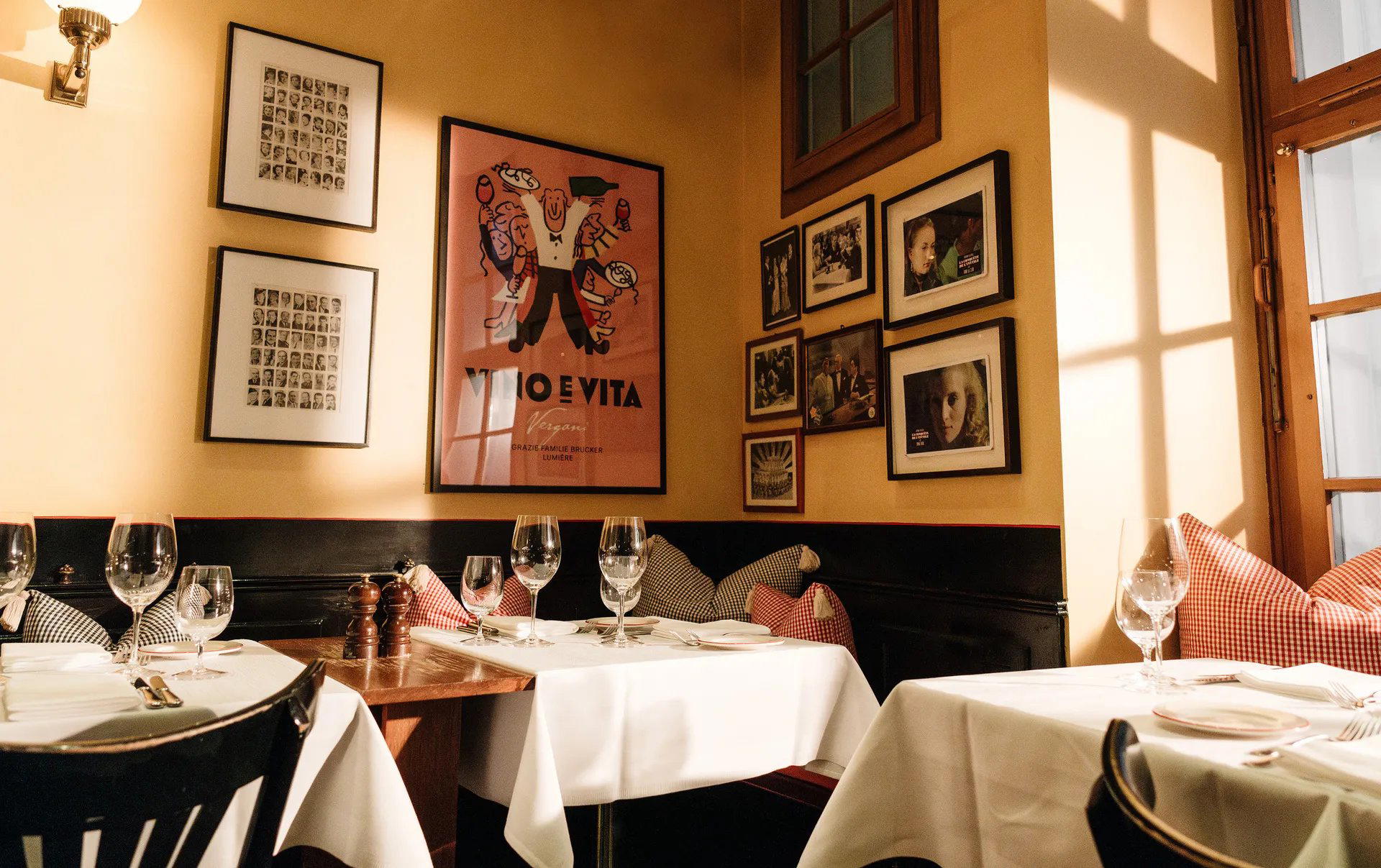
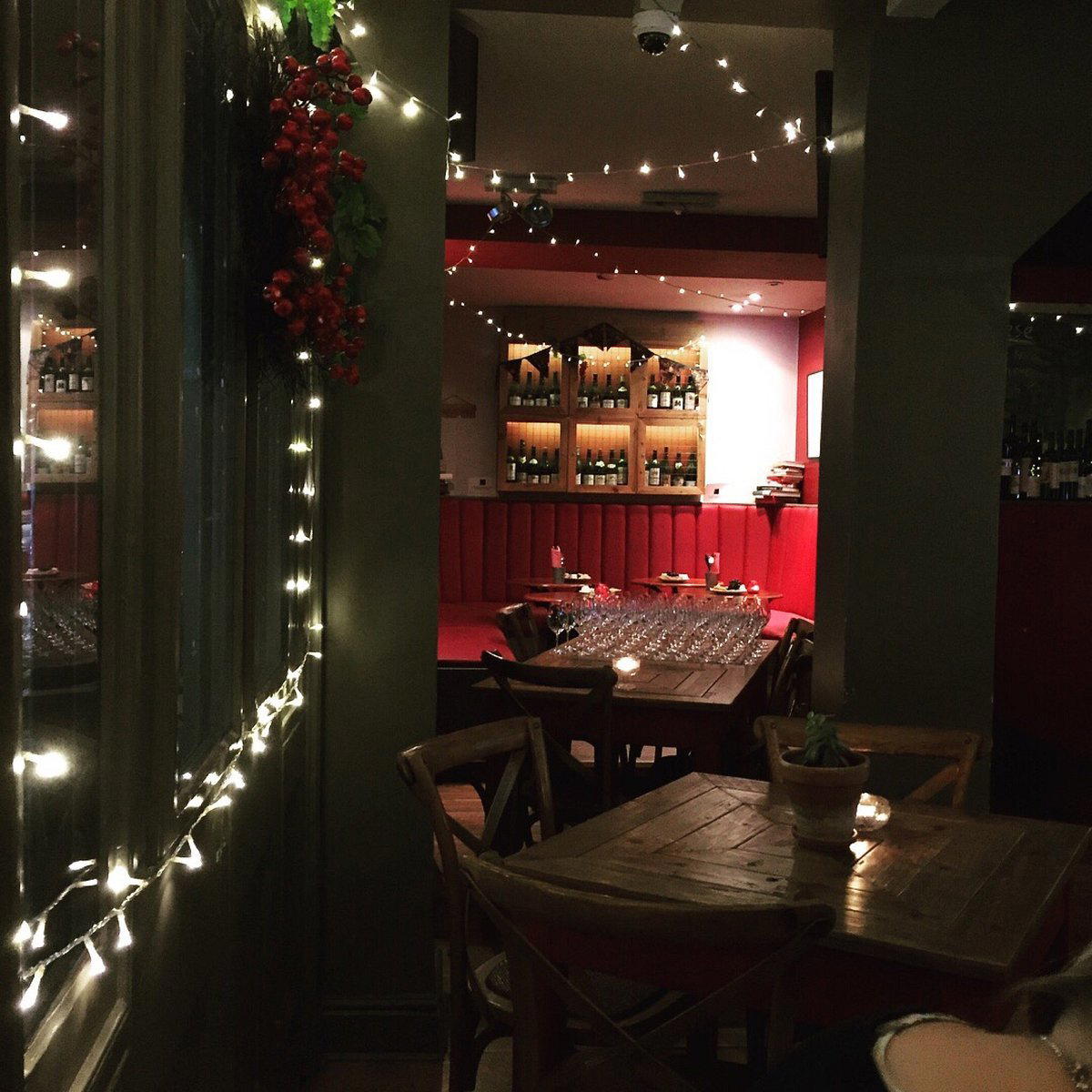
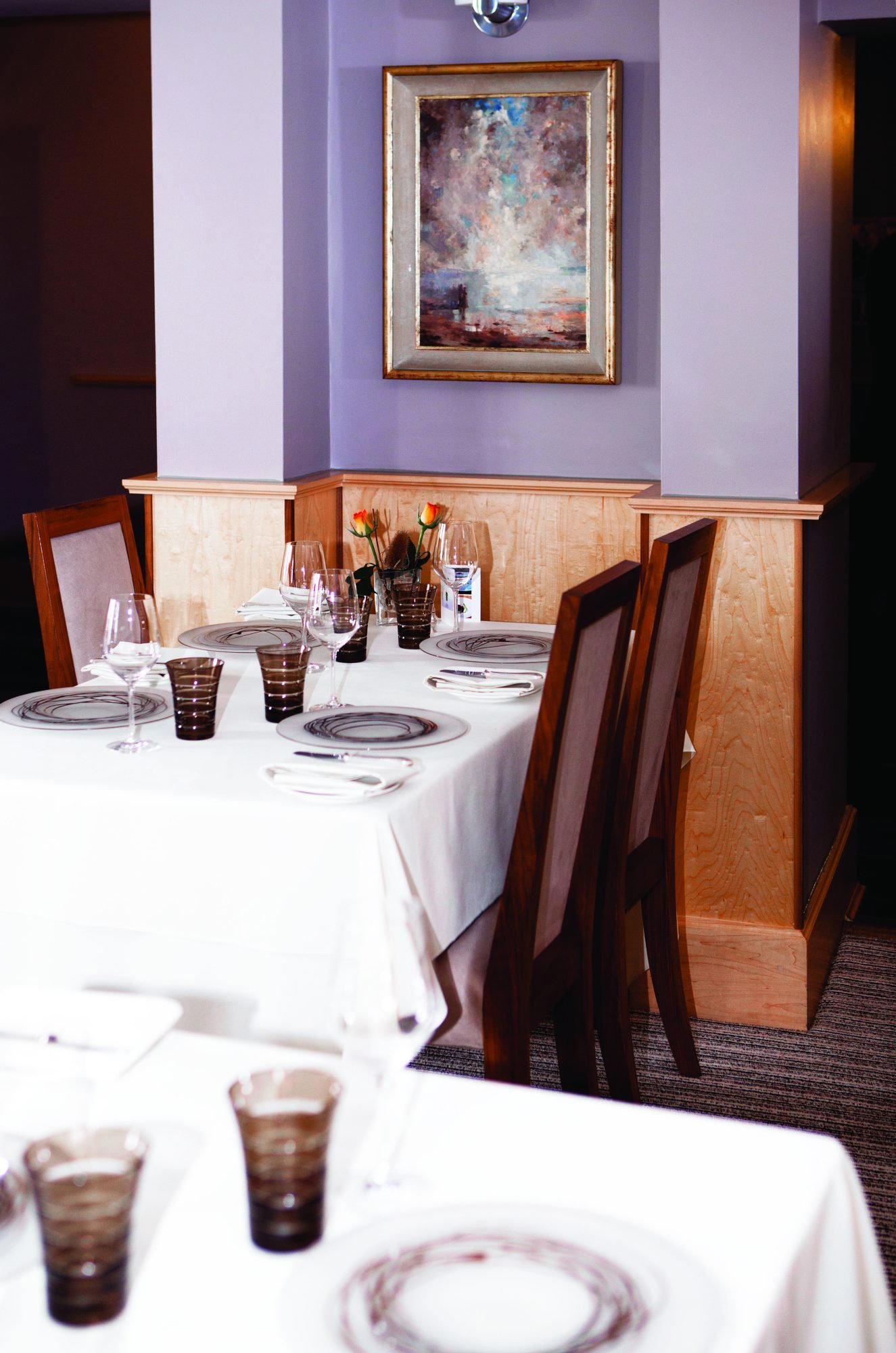
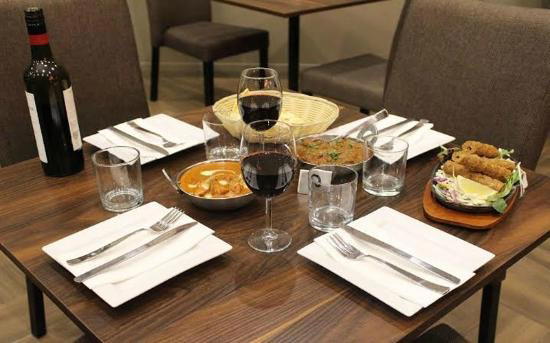
Bars in Cheltenham
Browse all →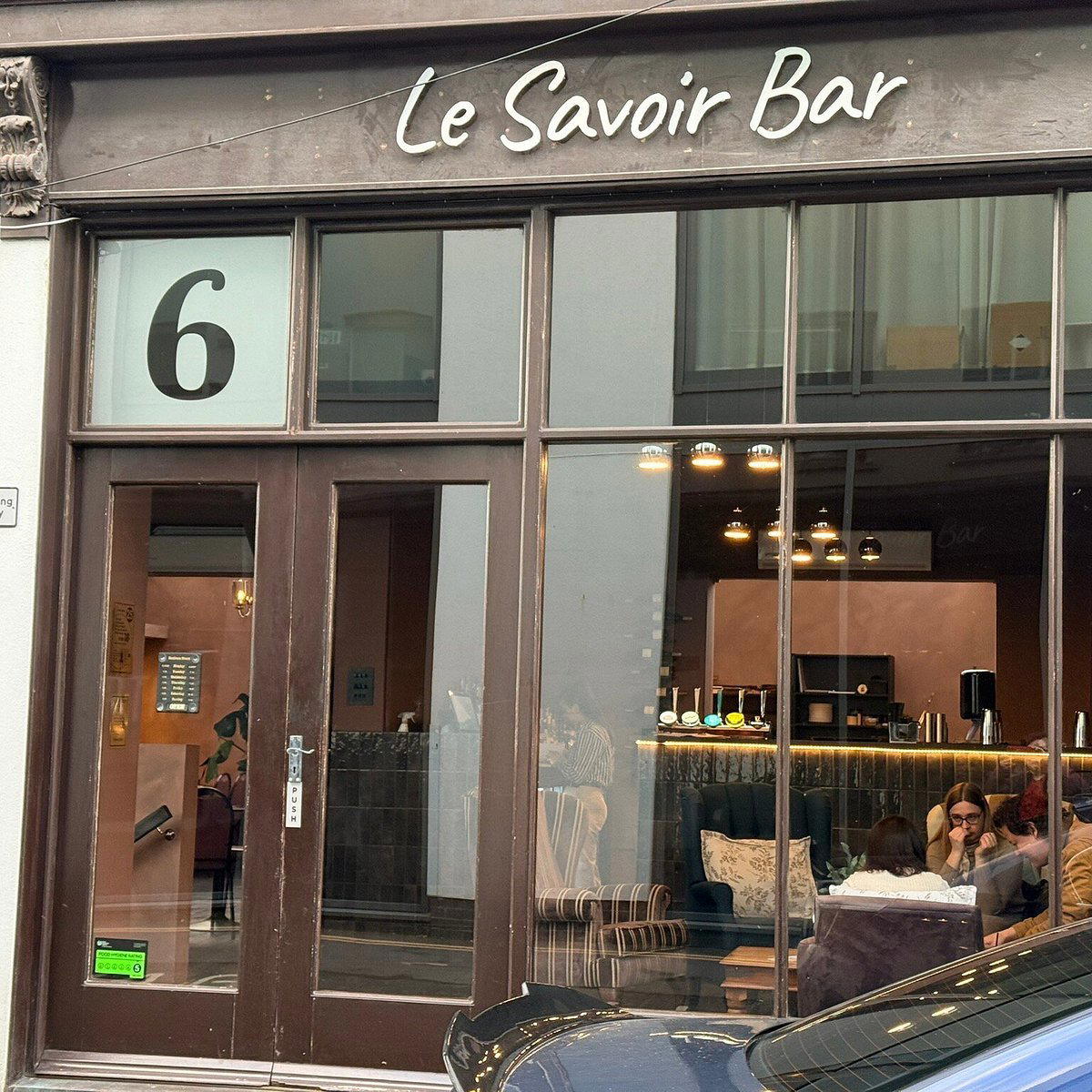

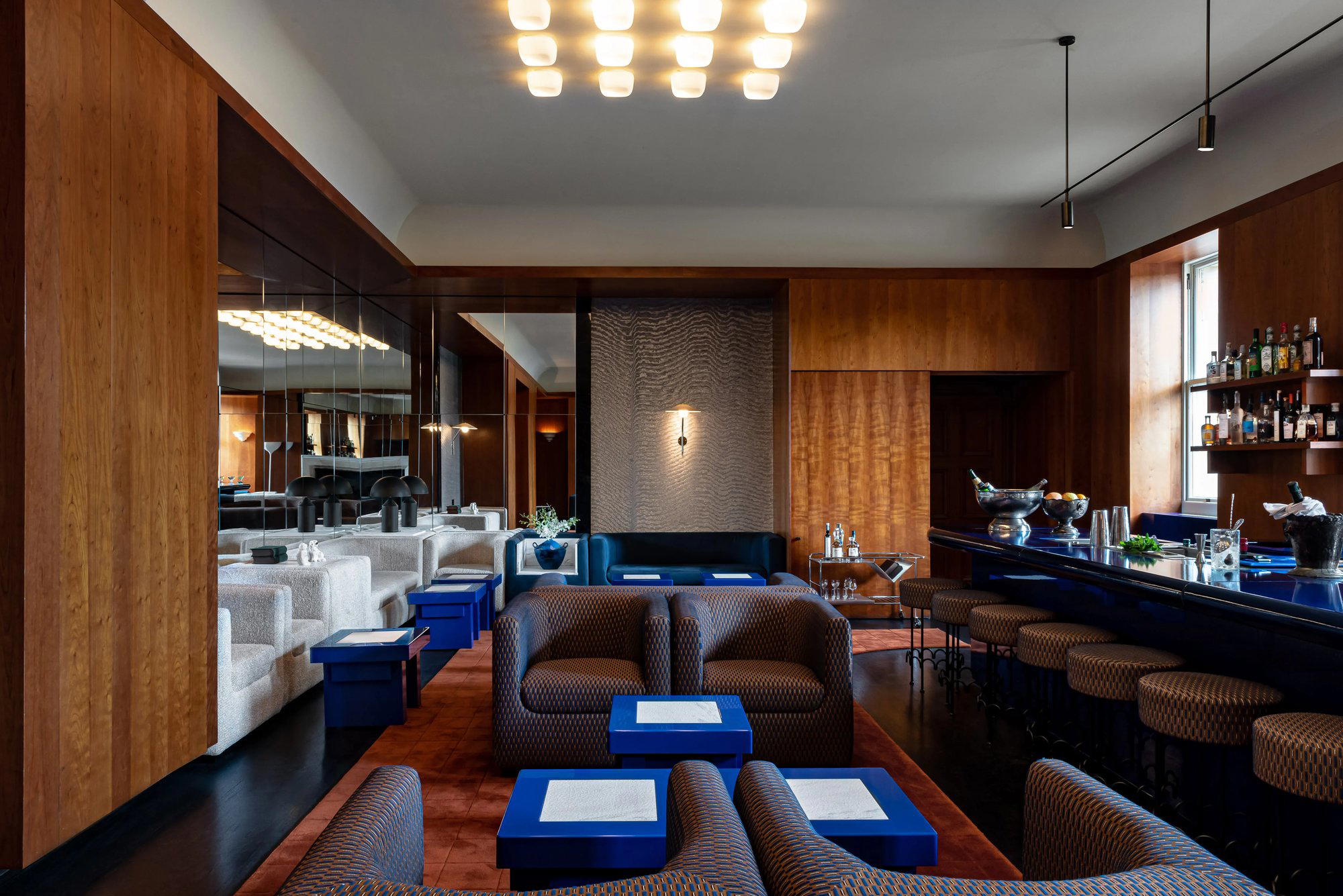
At a Glance
- Elegant
- Sophisticated
- Lively
- Modern
- Date Night
- Special Occasion
- Family
- Hotel Restaurant
- Extensive Wine List
Current opening hours
- Monday
- 12–2 PM, 5–10 PM
- Tuesday
- 12–2 PM, 5–10 PM
- Wednesday
- 12–2 PM, 5–10 PM
- Thursday
- 12–2 PM, 5–10 PM
- Friday
- 12–2 PM, 5–10 PM
- Saturday
- 12–2 PM, 5–10 PM
- Sunday
- 12–3:30 PM
Hours can change for holidays and private events. Last verified .
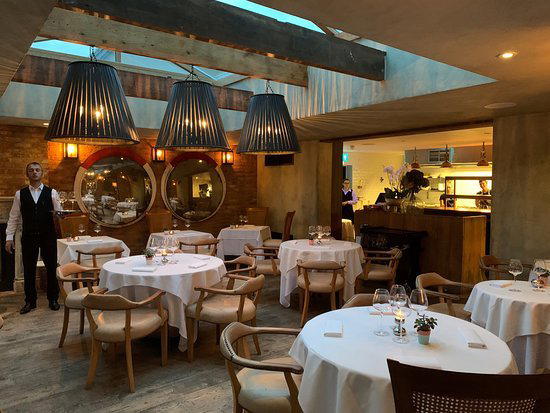
Lively and charming atmosphere with elegant interior, beautiful decor, and sophisticated comfort enhanced by attentive service.
Know Before You Go
- Getting there
- 60 St George's Pl, Cheltenham GL50 3PN, United Kingdom