Prithvi

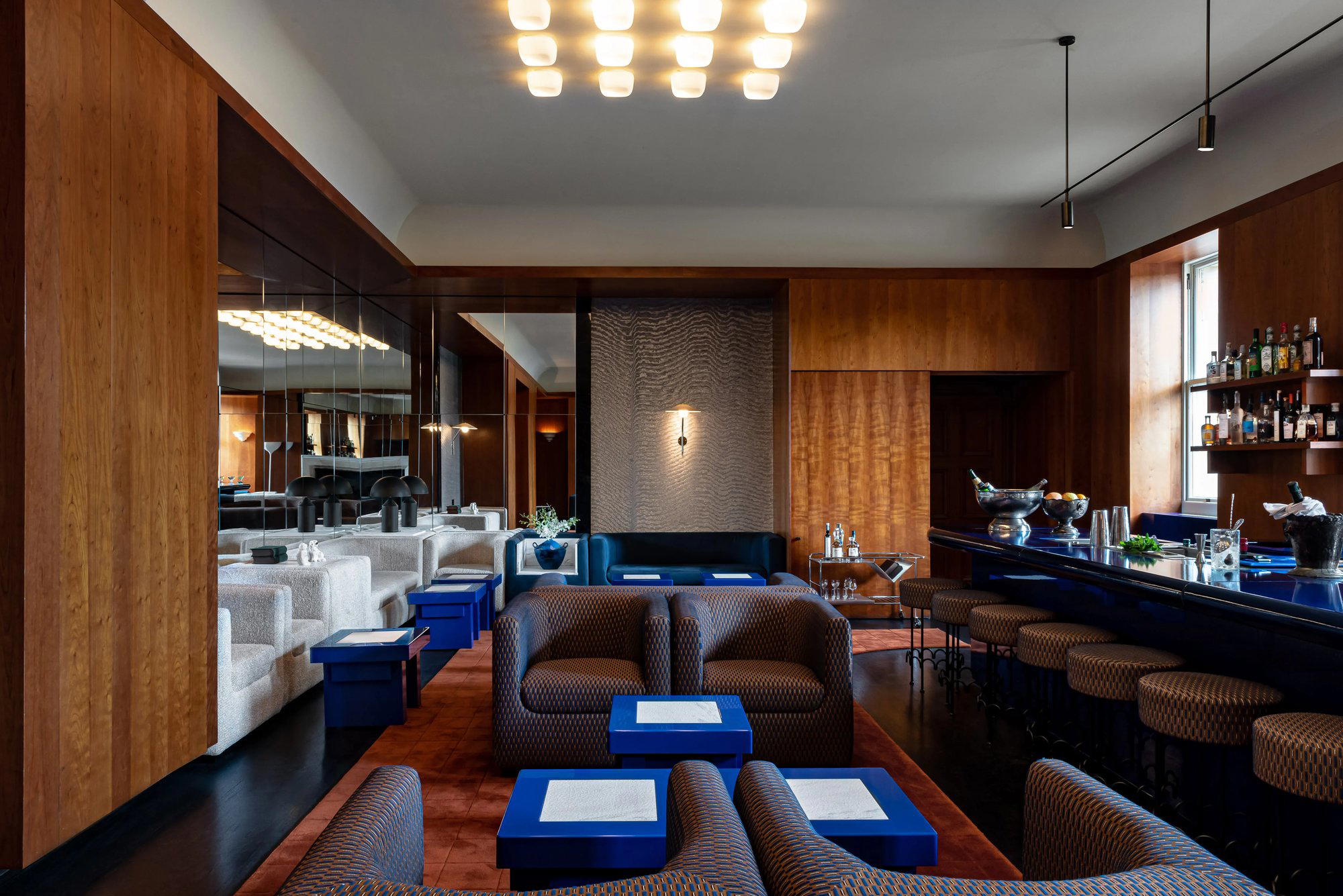
Prithvi on Bath Road brings a deconstructed, modern approach to classic Indian cooking, earning consecutive Michelin Plate recognition in 2024 and 2025. The two-floor space, drinks in the upstairs lounge, dinner below, gives the meal a deliberate rhythm. At £££ and holding, it sits at the sharper end of Cheltenham's Indian dining scene.
Pearl is the En Primeur Club membership app — saves, bookings, and concierge access live there. Same editors, same standards.
- Address
- Prithvi 37, Bath Rd, Cheltenham GL53 7HG, United Kingdom
- Phone
- +44 1242 226229
- Website
- prithvirestaurant.com
- Directions
- Get directions
 Saves & bookings on Pearl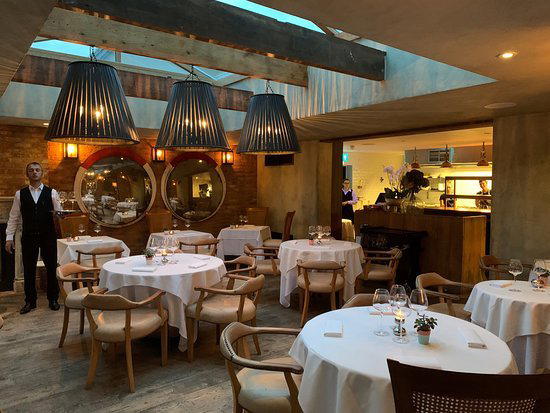
Where Modern Indian Cooking Finds Its Footing in Cheltenham
Bath Road runs south from Cheltenham's town centre through a corridor of Georgian terraces and independent businesses that sits at some distance from the Promenade's showier stretch. Prithvi occupies number 37.
Cheltenham's fine dining conversation has historically been anchored by French and modern European kitchens. Le Champignon Sauvage and Lumière occupy the ££££ tier and represent the town's longest-standing claims to serious culinary recognition. Prithvi operates in a different register: Indian in foundation, modern in presentation, and priced at £££. Bhoomi Kitchen at ££ and Memsahib's Lounge at £££ represent the wider Indian dining field in the town, but Prithvi's Michelin Plate recognition in 2024 and 2025 places it in a separate competitive bracket..
Deconstructed Technique and the Indian Flavour Framework
The dominant trend in ambitious Indian cooking over the past decade has been the tension between classical technique and contemporary plating. At its weakest, that tension produces dishes stripped of their essential character in pursuit of visual novelty. At its strongest, it forces the kitchen to understand the original so thoroughly that the deconstruction becomes a form of analysis rather than decoration. Prithvi's described approach, dishes inspired by classic Indian flavours and textures, presented in deconstructed, visually arresting form, places it inside that second current.
Indian cooking carries among the more layered technical repertoires in any culinary tradition: the sequence of whole spice tempering, the building of a masala base, the differential treatment of protein and vegetable, the use of dairy (ghee, yoghurt, cream) as a textural and flavour variable rather than mere enrichment. When a kitchen deconstructs within that framework, the benchmark is always whether the original architecture is still legible. The Michelin Plate suggests the kitchen is clearing that bar.
The Biryani Tradition and What It Demands
No single dish more completely tests an Indian kitchen's technical command than biryani. The dum method, in which par-cooked rice and a spiced protein layer are sealed together and finished over low heat, allowing the steam to do final cooking and the layers to exchange aromatics without collapsing into a single texture, requires control of heat, timing, and proportion that most kitchens underestimate. The distinction between a dum-cooked biryani and a mixed rice dish is detectable at the table.
Regional variation adds further complexity. The Hyderabadi kacchi dum method begins with raw meat and raw rice sealed together, placing more demand on the cook's judgment of the seal and heat source. The Lucknowi pakki dum approach pre-cooks both elements before the final sealing, offering more control but requiring the flavour development to happen earlier. A kitchen presenting biryani in a modern format, whether deconstructed, refined in portion, or reinterpreted in plating, must have resolved where it sits within that tradition before it can depart from it. The departure only reads as intelligent if the original is understood.
At the £££ price tier, the expectation is that these decisions have been made consciously. This is the level at which Indian fine dining, whether in London, Birmingham, or a Cotswold market town, separates itself from the bulk of the market.
Cheltenham's Position on the Fine Dining Map
The town punches above its size in terms of Michelin-tracked kitchens. Beyond Prithvi's Plate recognition, the presence of contemporary operations like JOURNEY alongside the town's established fine dining rooms indicates a dining culture that sustains ambition across multiple cuisines and price tiers. For a regional city outside the major metropolitan centres, that density is notable. Visitors to Cheltenham from London will find Prithvi performing against a national standard, not merely a regional one.
The broader Cotswolds and Southwest England scene provides additional context. Serious destination restaurants in the region include The Fat Duck in Bray, L'Enclume in Cartmel, Moor Hall in Aughton, Gidleigh Park in Chagford, Hand and Flowers in Marlow, and The Ledbury in London, all operating in European fine dining traditions. Prithvi occupies a different category within that geography: it is the kind of kitchen that demonstrates Indian cooking's capacity to hold its own in regional fine dining markets that have historically defaulted to French and British references.
Planning Your Visit
Prithvi sits at 37 Bath Road, Cheltenham GL53 7HG, roughly a ten-minute walk south of the town centre along a road well served by taxis and local transport. The £££ pricing places it in the same tier as Memsahib's Lounge.9 across 628 reviews is a strong signal of service reliability. Given that profile, this is a kitchen that rewards being treated as an evening out rather than a quick dinner.
Peers Worth Knowing
Comparable venues nearby, for context on price, style, and recognition.
| Venue | Cuisine | Price | Notes |
|---|---|---|---|
| PrithviThis venue — the venue you are viewing | Modern Indian Fine Dining | $$$$ | Not listed |
| Bhoomi Kitchen | Modern Southern Indian (Kerala) | $$ | Cheltenham |
| East India Cafe | Anglo-Indian Fine Dining | $$$ | Montpellier |
| Memsahib's Lounge | Modern Indian Fine Dining | $$$ | Cheltenham |
| JOURNEY | Modern Creative Fusion | $$$$ | Cheltenham |
| The Grape Escape | Wine Bar with Cheese & Charcuterie | $$ | Regent Street |
Recognition history
Dated appearances from independent guides and award organizations, with the underlying list record or original source where available.
AA Rosettes 3 Rosettes
AA Rosettes
Michelin Plate
Michelin
Michelin Plate
Michelin
Michelin Plate
Michelin
Continue exploring
More in Cheltenham
Restaurants in Cheltenham
Browse all →
Bars in Cheltenham
Browse all →
At a Glance
- Elegant
- Sophisticated
- Cozy
- Intimate
- Date Night
- Special Occasion
- Celebration
- Open Kitchen
- Extensive Wine List
- Local Sourcing
Current opening hours
- Monday
- Closed
- Tuesday
- 6–9:30 PM
- Wednesday
- 6–9:30 PM
- Thursday
- 12–1:30 PM, 6–9:30 PM
- Friday
- 12–1:30 PM, 6–9:30 PM
- Saturday
- 12–1:30 PM, 6–9:30 PM
- Sunday
- Closed
Hours can change for holidays and private events. Last verified .
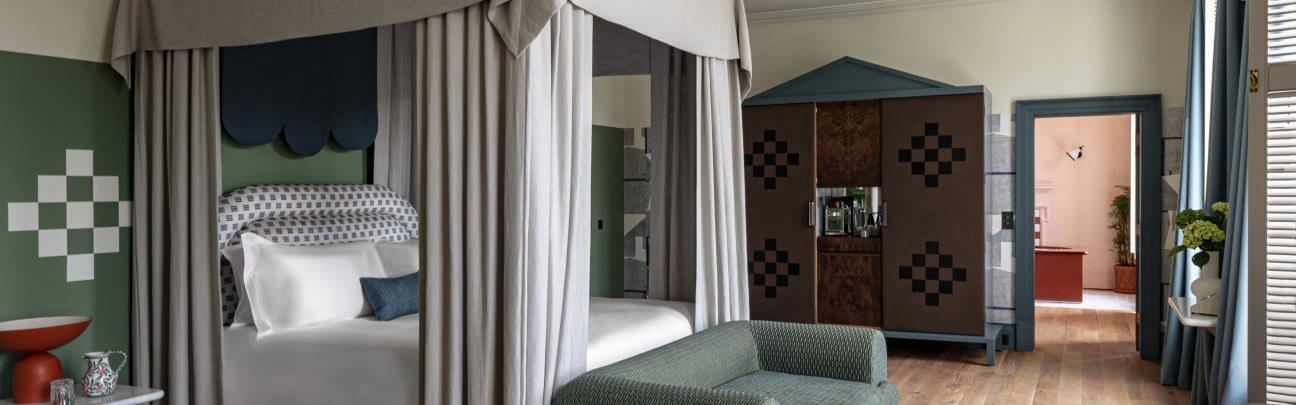
Elegant decor with sumptuous dark teal and gold tones, well-suited mood lighting, deep forest green walls, luxurious velvet seating, and a cozy, intimate atmosphere.