Simpsons Fish & Chips
Our verdict
Simpsons Fish & Chips on Priors Road sits within Cheltenham's broader dining offer as a neighbourhood chippy in the traditional British mould. In a town better known for its fine-dining credentials, a straightforward fish and chip shop occupies a different but equally legitimate place in the local food culture. Located at 75 Priors Road, GL52, it draws from the residential north of the town.

Pearl is the En Primeur Club membership app — saves, bookings, and concierge access live there. Same editors, same standards.
- Address
- 75 Priors Rd., Cheltenham GL52 5AL, United Kingdom
- Phone
- +441242521964
- Hours
- Mon 4–9 PMTue–Sat 12–2 PM, 4–9 PMSun 4–8:30 PM
- Website
- simpsonsfishandchips.co.uk
- Directions
- Get directions
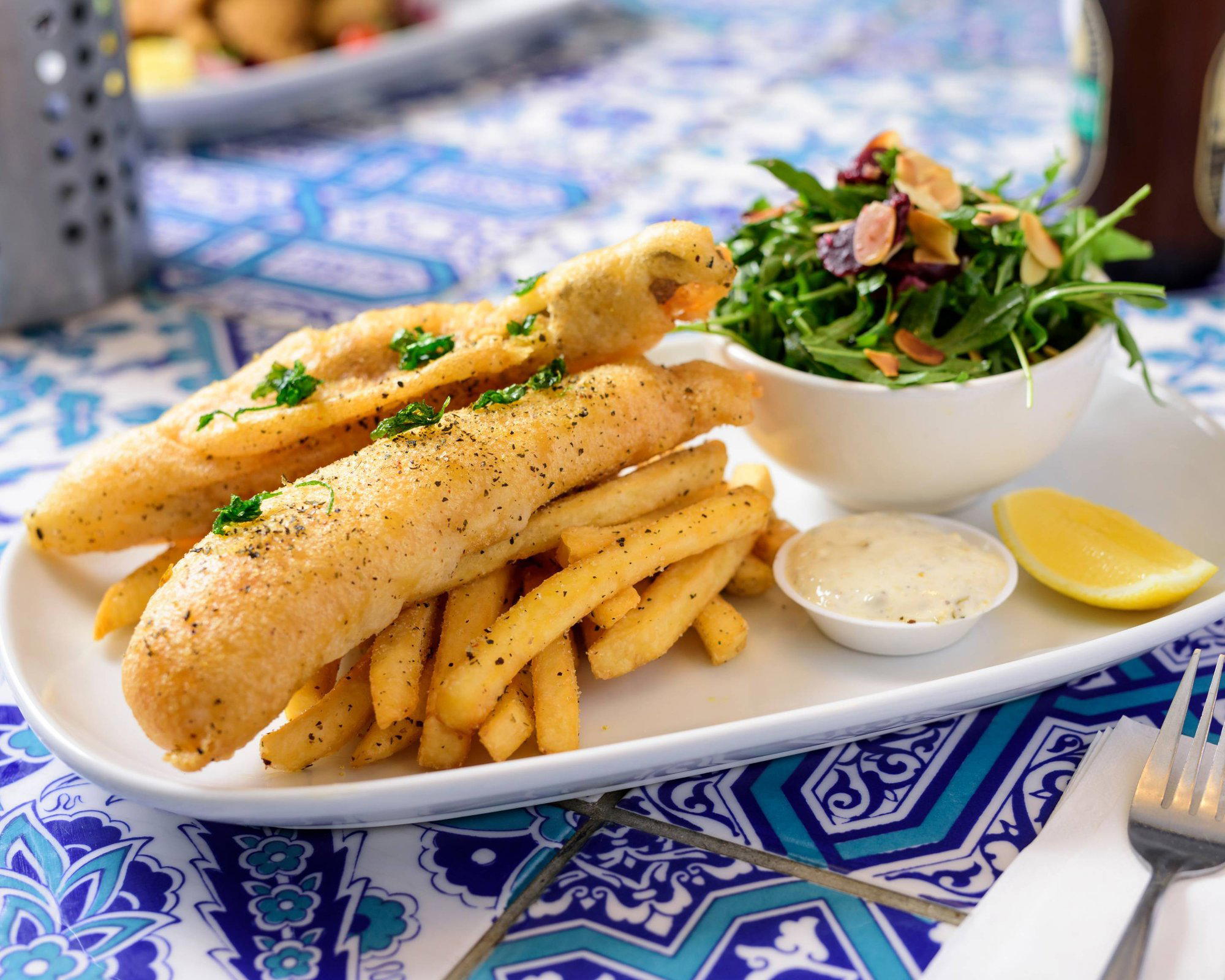
The menu
What to order
- King Prawns
- Cod
- Battered Squid
- Scampi
- Cod Goujons
- Thai Spiced Fishcake
Where Cheltenham Eats Without a Reservation
Cheltenham carries a reputation built around white-tablecloth ambition. Le Champignon Sauvage and Lumière operate at the ££££ tier, drawing visitors who treat the town as a regional destination for serious modern European cooking. But a town's food culture is never reducible to its most formally decorated addresses, and Cheltenham's residential streets — particularly in the Prestbury and Priors Road corridor north of the centre — sustain a parallel eating life that runs on familiarity, convenience, and deeply ingrained British ritual. Fish and chips sits at the centre of that ritual.
Simpsons Fish & Chips at 75 Priors Road, GL52, occupies this neighbourhood register. The address places it away from the Montpellier restaurant cluster and the town's tourist-facing dining concentration, in a stretch of north Cheltenham that serves its own catchment rather than visitors passing through. That geography matters: a chippy in this position succeeds or struggles almost entirely on repeat custom from the surrounding streets, which applies a different and arguably more demanding quality filter than the one applied to destination restaurants.
The Physical Language of a British Chippy
The sensory signature of a traditional fish and chip shop is one of the most consistent in British food culture, and it operates before you even reach the counter. The smell of hot oil and malt vinegar carries from the door. Inside, the visual grammar is familiar: the illuminated menu board overhead, the glass-fronted heated display cabinet, the white-wrapped parcels assembled with practised speed. Sound here is functional rather than atmospheric, the hiss of the fryer, the efficient back-and-forth of orders being called and confirmed.
This is a format with almost no pretension built into it, and that absence of pretension is the point. The British fish and chip tradition, which became a working-class staple through the late Victorian period and never entirely left that cultural register, depends on transparency of purpose. You know what you are getting before you arrive. The variables that distinguish one chippy from another, the batter's weight and crispness, the quality of the fish, the texture of the chips, the temperature management of a busy service, are real and consequential, but they operate within a narrow and clearly understood set of parameters. There is no menu philosophy to decode, no tasting notes to parse.
In a broader British dining context, this category sits at a considerable remove from the fine-dining fish cooking you find at Le Bernardin in New York City or the technically ambitious seafood work at hide and fox in Saltwood. It is also distinct from the format pursued by Cheltenham's own Bhoomi Kitchen or East India Cafe, where spice and regional specificity are the distinguishing variables. Fish and chips answers a different question: what does a neighbourhood eat on a Tuesday evening when nobody wants to cook?
Cheltenham's Dining Spread and Where This Fits
It is worth mapping Simpsons against the full spread of Cheltenham's food offer to understand where it operates. At the leading end, the town has genuine regional significance: Le Champignon Sauvage represents decades of serious modern French cooking, and the town's proximity to the Cotswolds means it draws comparison with other destination-dining towns in the English countryside, including venues like Le Manoir aux Quat'Saisons in Oxford and Gidleigh Park in Chagford. At the middle tier, places like JOURNEY and Purslane offer modern British cooking at £££ price points that serve a different local appetite.
Simpsons operates below all of this, in the everyday register that every functioning town needs. The distinction between a neighbourhood chippy and the destination dining associated with L'Enclume in Cartmel or Moor Hall in Aughton is not a value judgement; it is a category distinction. These are different instruments playing different music for different occasions. Understanding a city's food offer means accounting for all of it, not only the decorated tier. Our full Cheltenham restaurants guide maps the town across all price points and formats.
Seasonal Context: When Fish and Chips Makes Most Sense
The rhythm of the British fish and chip shop responds to season in ways that are easy to overlook. Demand tends to concentrate in colder months, when the format's combination of warmth, fat, and salt exerts its strongest pull. The post-Cheltenham Festival period in March, when the town swells with race-week visitors and restaurants run at high capacity, is exactly when a low-friction eating option like a neighbourhood chippy absorbs overflow. Equally, the school holiday calendar drives volume at family-facing takeaways, while summer evenings can bring their own demand from people eating outdoors in nearby parks and green spaces.
Fish sourcing in the UK chippy trade has also evolved. Cod and haddock remain the dominant choices nationally, with haddock dominant in the north and cod more common in the south and Midlands. Cheltenham sits in the Midlands catchment geographically, though patterns vary by individual operator. Seasonal variation in fish availability and price affects the category broadly, and responsible operators in recent years have moved toward more sustainable sourcing certifications, though specifics for any individual shop require direct verification.
Planning a Visit
For those planning a broader Cheltenham dining itinerary, a fish and chip visit pairs logically with exploration of the town's higher-end offer. Lumière and Le Champignon Sauvage require advance booking and represent a very different evening. The Cheltenham food scene also extends to Indian cooking at Bhoomi Kitchen, and wider regional British dining comparison points include Midsummer House in Cambridge, Opheem in Birmingham, and Hand and Flowers in Marlow for those moving through the region. Atomix in New York City and Waterside Inn in Bray represent the kind of destination-tier fish and seafood cooking against which the chippy format offers the sharpest possible contrast, and understanding that contrast is part of understanding what British food culture actually contains.
Frequently asked questions
What's Simpsons Fish & Chips's location?
Simpsons Fish & Chips is located at 75 Priors Rd. Cheltenham GL52 5AL, United Kingdom, Cheltenham.
Is Simpsons Fish & Chips a good option for a casual meal in north Cheltenham?
Simpsons Fish & Chips at 75 Priors Road sits in the residential north of Cheltenham, away from the town centre restaurant cluster. For residents in the GL52 area, it fills a gap that Cheltenham's concentration of destination-dining restaurants does not address: a no-booking, affordable fish supper close to home. The Priors Road location makes it a practical local option rather than a venue that draws visitors across town.
What do people recommend at Simpsons Fish & Chips?
Simpsons is a traditional British fish and chip shop on Priors Road, so the core order is what the format is built around: battered fish and chips. In a chippy context, the standard recommendation holds — cod or haddock with chips is the reference point against which everything else is measured.
Do I need a reservation for Simpsons Fish & Chips?
Traditional British fish and chip shops operate on a walk-in basis, and Simpsons on Priors Road fits that model. No reservation system is documented. Expect queues during peak evening hours, particularly in colder months when demand at chippies across the UK concentrates.
What's Simpsons Fish & Chips best at?
Simpsons operates in the classic British chippy format at 75 Priors Road in the residential north of Cheltenham — a town whose dining reputation is otherwise built around white-tablecloth restaurants. Its role is straightforward: accessible, no-booking fish and chips away from the town centre. That positioning in the local food spread is what defines it.
Is Simpsons Fish & Chips allergy-friendly?
Fish and chip shops in the UK are legally required to declare the 14 major allergens, so staff should be able to advise on request. Gluten from batter and fish are the most relevant considerations in this format. check the venue's official channels at 75 Priors Road, Cheltenham GL52 5AL for specific guidance.
Is Simpsons Fish & Chips overpriced or worth every penny?
Confirmed pricing data for Simpsons is not available, but the British fish and chip shop format sits firmly at the affordable end of Cheltenham's dining spread — well below the ££££ tier occupied by Le Champignon Sauvage and Lumière. For the Priors Road location and the format it operates in, value is generally aligned with category expectations.
Peers You’d Cross-Shop
Comparable venues nearby, for context on price, style, and recognition.
| Venue | Cuisine | Price | Awards | Notes |
|---|---|---|---|---|
| Simpsons Fish & ChipsThis venue — the venue you are viewing | Traditional British Fish and Chips | $10–20 | Not listed | Not listed |
| The Grape Escape | Wine Bar with Cheese & Charcuterie | Not listed | Star Wine List | Regent Street |
| My Pastalicious cafe - Italian deli | Italian Deli & Cafe | $10–20 | Not listed | heart of Cheltenham |
| Purslane | Modern British Seafood | $50–100 | Michelin Plate | Rodney Road |
| PORKETTA | Authentic Italian | Not listed | Not listed | High Street |
| Petit Coco Bistro | Classic French Bistro | $30–50 | Not listed | Bath Street |
Continue exploring
More in Cheltenham
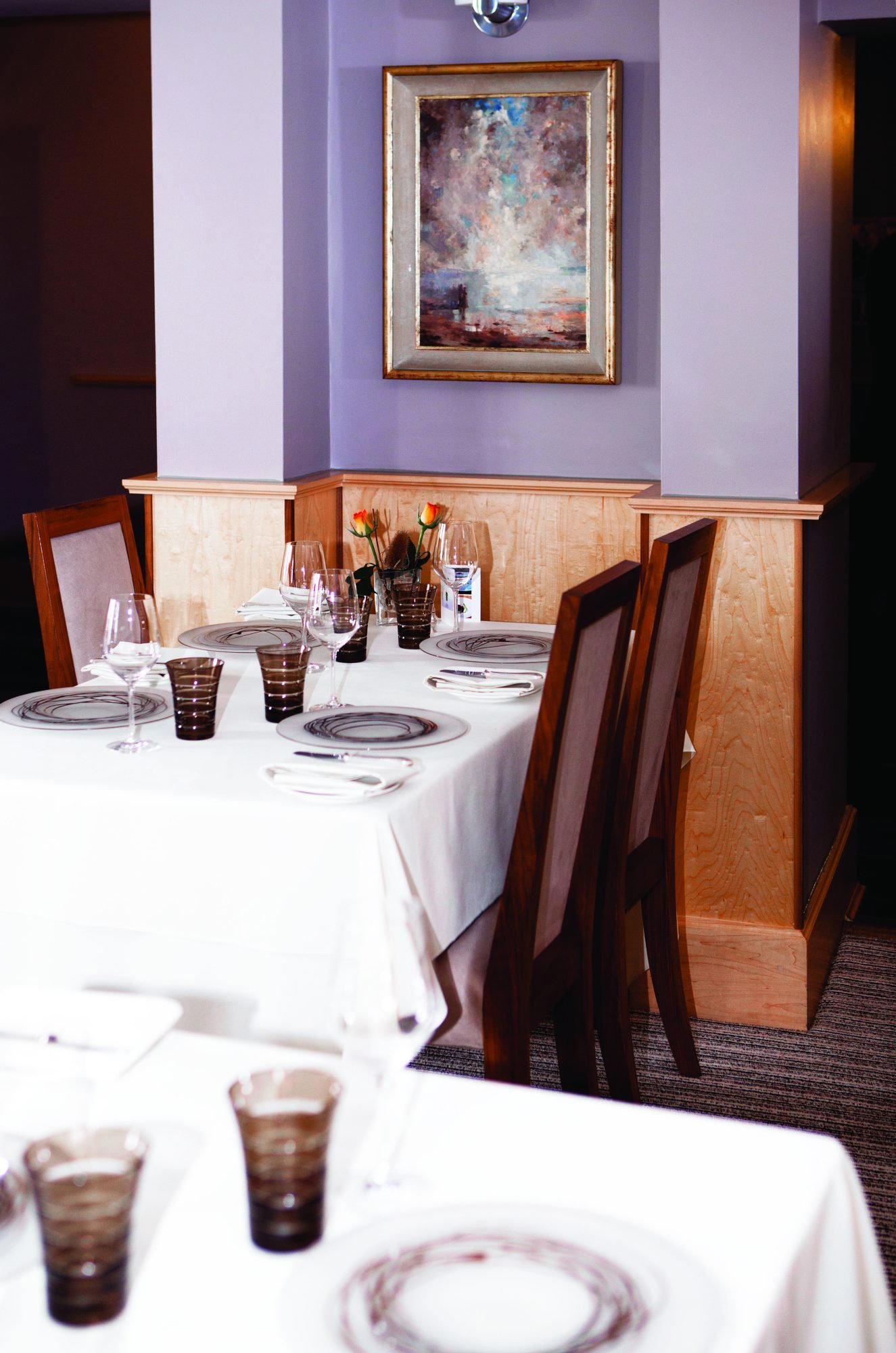
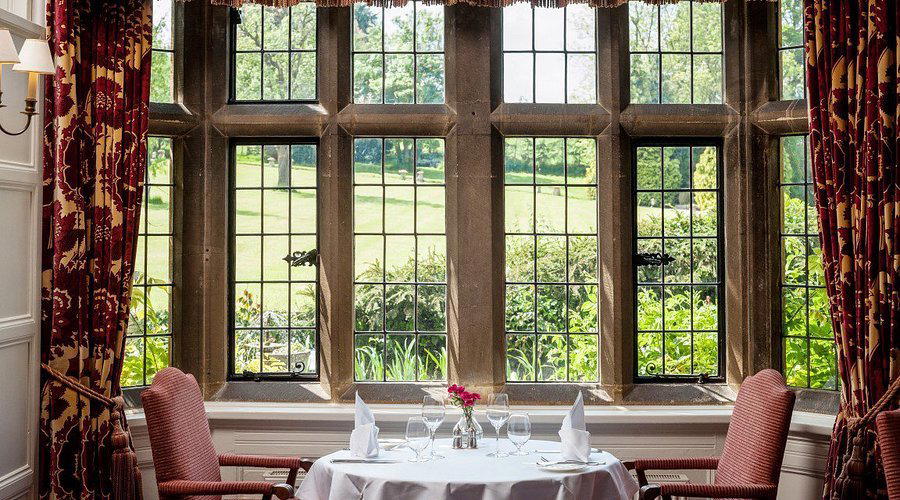
Restaurants in Cheltenham
Browse all →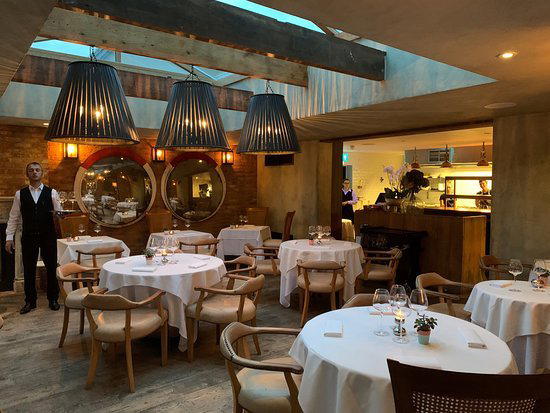
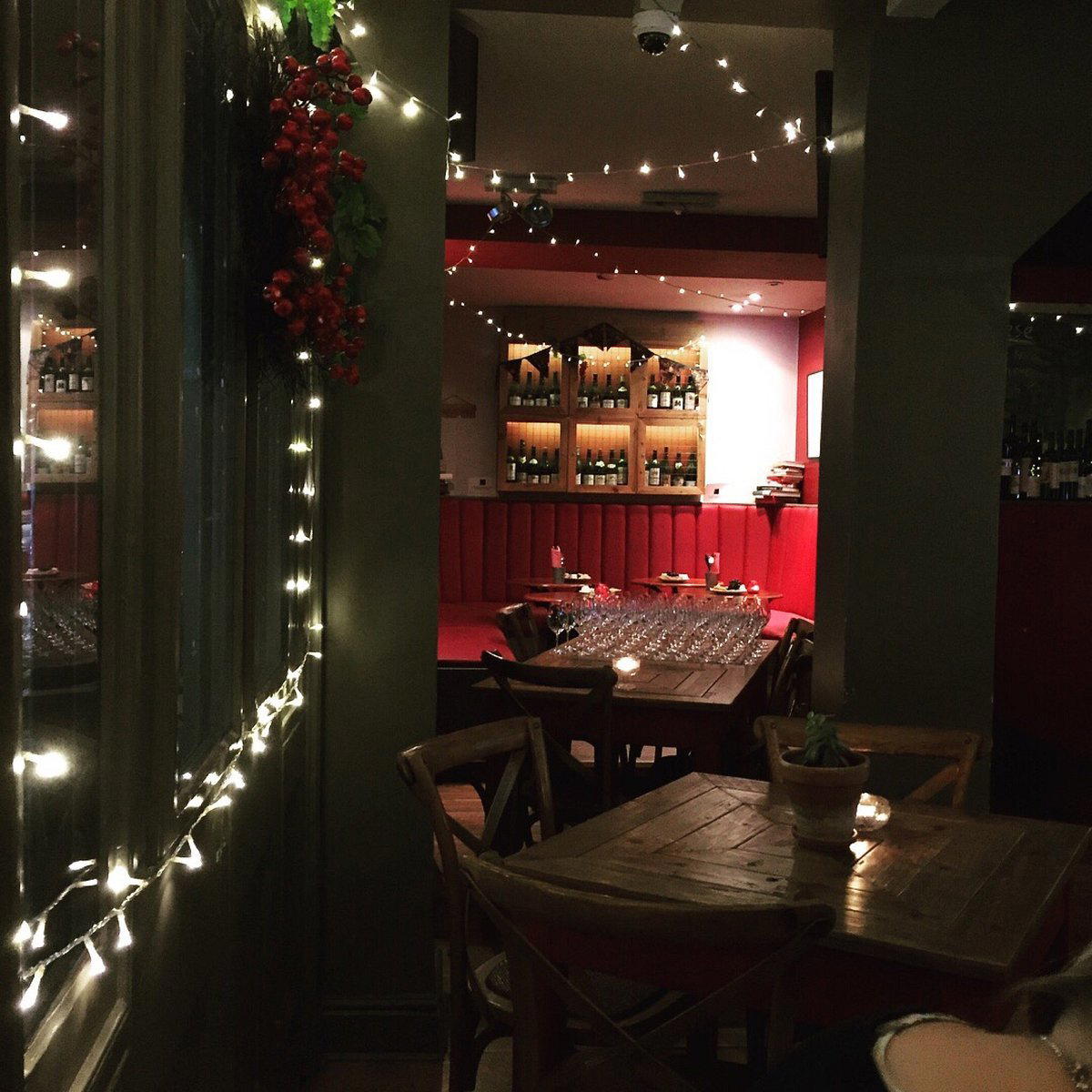
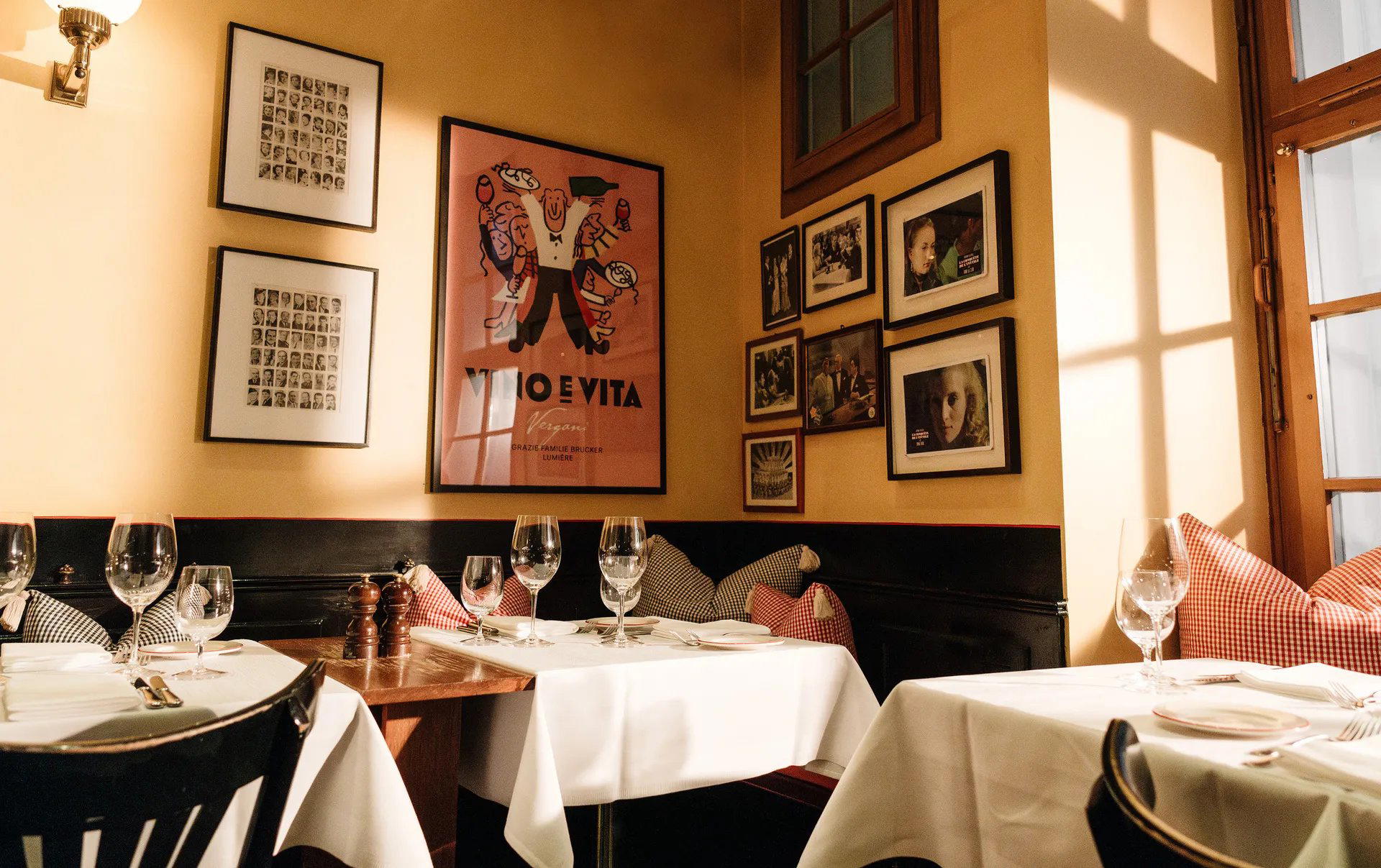
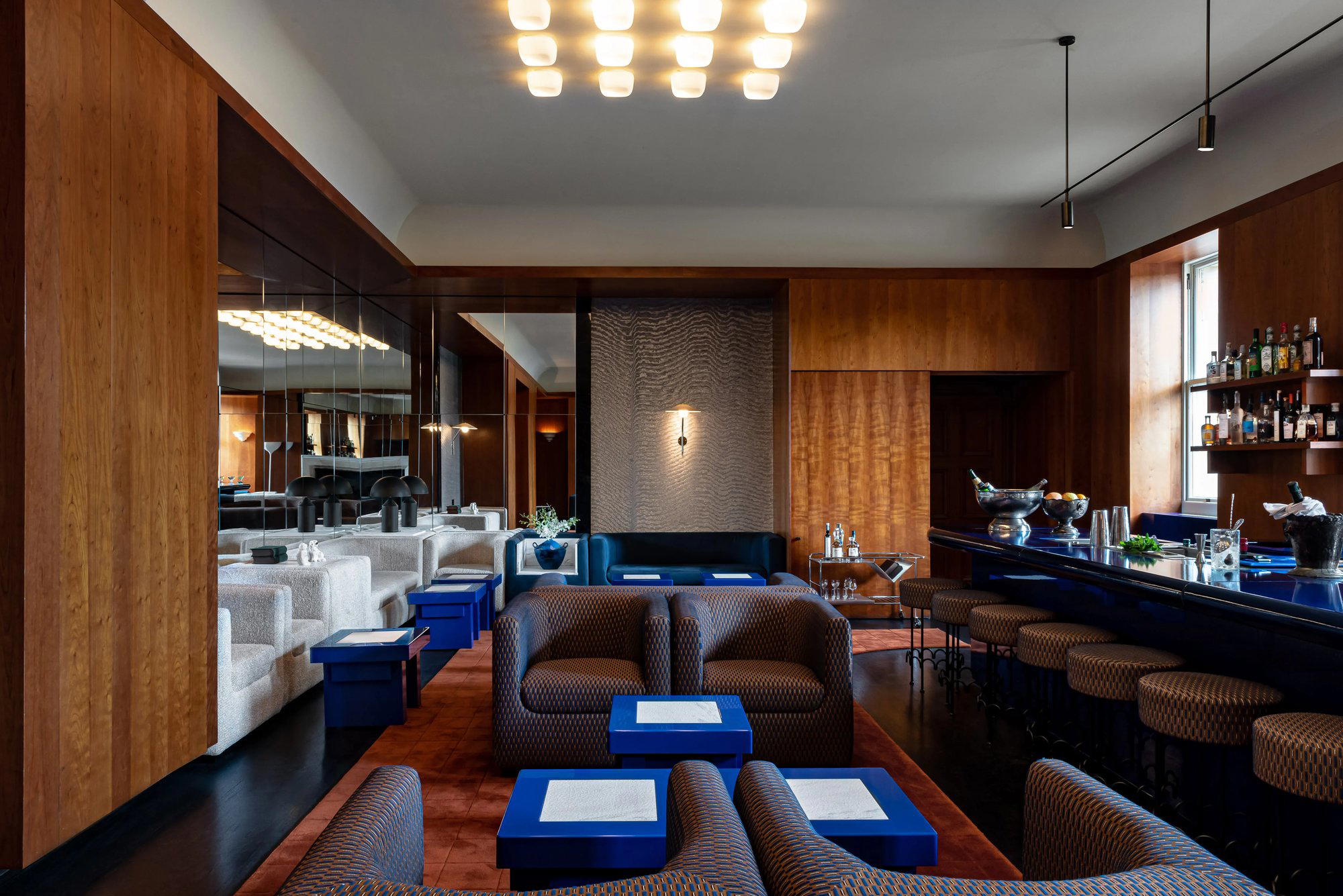
Bars in Cheltenham
Browse all →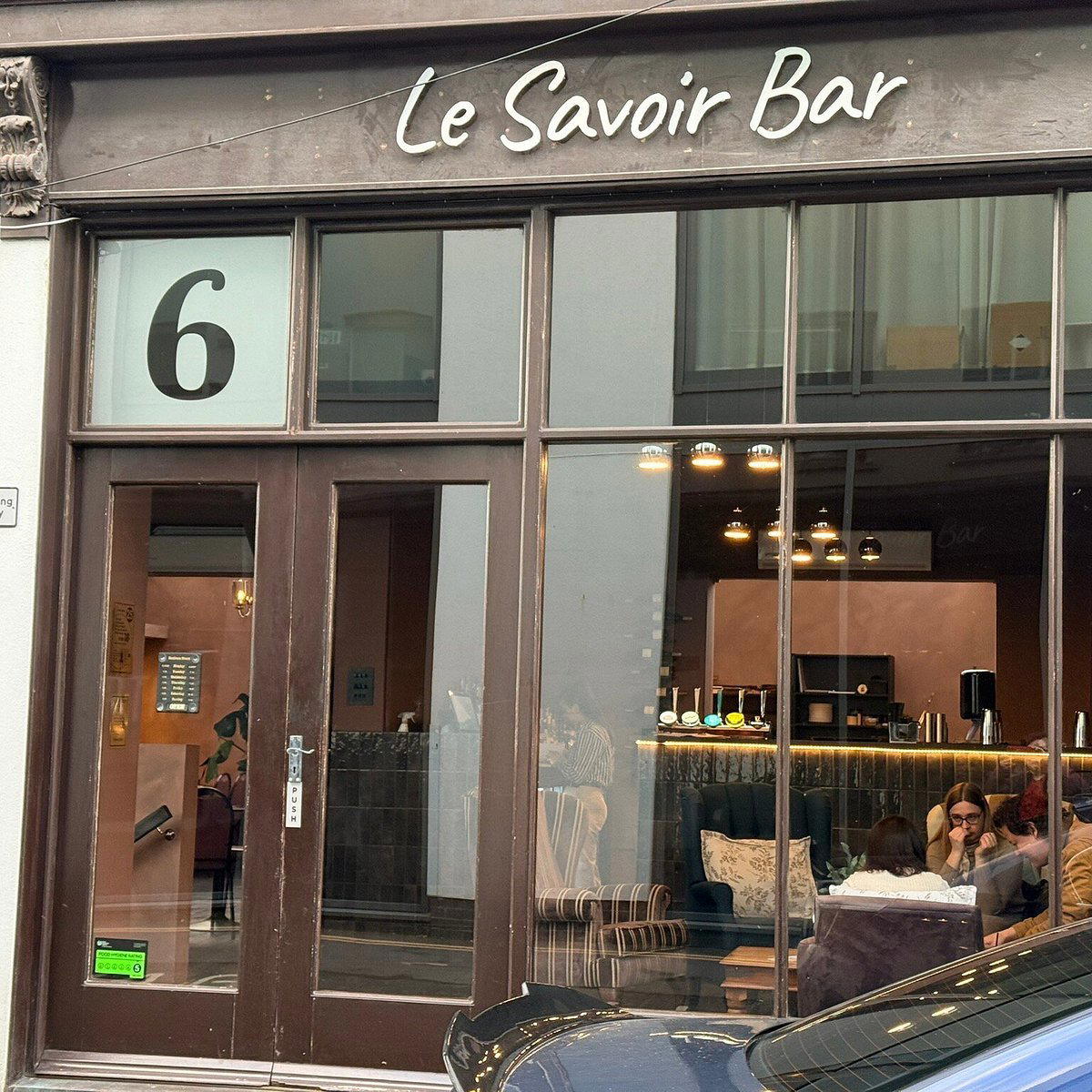

Details
- Casual
- Rustic
- Classic
- Casual Hangout
- Family
- Solo
- Group Dining
- Late Night
- Standalone
- Sustainable Seafood
- A La Carte
- Small Plates
- Vegetarian Friendly
- Gluten Free Options
- Pescatarian Friendly
Current opening hours
- Monday
- 4–9 PM
- Tuesday
- 12–2 PM, 4–9 PM
- Wednesday
- 12–2 PM, 4–9 PM
- Thursday
- 12–2 PM, 4–9 PM
- Friday
- 12–2 PM, 4–9 PM
- Saturday
- 12–2 PM, 4–9 PM
- Sunday
- 4–8:30 PM
Hours can change for holidays and private events. Last verified .
Casual, bustling takeaway and dine-in restaurant with a traditional chippy atmosphere; lively during service hours with efficient counter service.