Mujiri
On Main Street in Hayward's downtown corridor, Mujiri occupies a stretch of the East Bay that has grown quietly but steadily into a more considered dining destination. The address at 22530 Main St places it within walking distance of a cluster of independent operators redefining what the city's restaurant scene can offer. Contact and booking details are best confirmed directly with the venue.
Pearl is the En Primeur Club membership app — saves, bookings, and concierge access live there. Same editors, same standards.
- Address
- 22530 Main St, Hayward, CA 94541
- Phone
- +15102745669
- Website
- mujiri-hayward.com
- Directions
- Get directions
 Saves & bookings on Pearl
Main Street, East Bay: The Dining Context That Shapes Mujiri
Hayward sits in a particular position within the Bay Area dining map: close enough to Oakland and San Francisco to feel their gravitational pull, but independent enough to have developed its own culinary character. Main Street has been the axis of that development, with a concentration of independently owned restaurants that reflect the city's demographic complexity rather than import a ready-made dining identity from elsewhere. That diversity, spanning cuisines from South Asia to Latin America to West Africa, is not incidental to the street's character — it is the character. Places like Aama's Kitchen, Los Carnalitos, Favorite Indian Restaurant, and Neumanali each hold down a corner of that cultural range. Mujiri at 22530 Main St is part of that same fabric.
The broader Bay Area dining conversation tends to orbit a familiar set of reference points: the farm-to-table formalism of Single Thread Farm in Healdsburg, the institutional weight of The French Laundry in Napa, or the tasting-menu precision of Lazy Bear in San Francisco. Hayward's independent operators, Mujiri among them, work in a different register — closer to the community they serve, less mediated by industry recognition, and in many cases more directly expressive of a cuisine's source culture.
Georgian Cuisine and the Case for Hayward
The name Mujiri is Georgian in origin, and that root matters for understanding where the restaurant sits within the broader American dining scene. Georgian cuisine, from the Caucasus, not the American state, remains one of the more underrepresented traditions in U.S. restaurants despite a profile that has been rising steadily in European capitals, particularly London and Berlin, over the past decade. It is a cuisine defined by specific fermentation traditions, walnut-heavy sauces, open-hearth breads, and a spice grammar that overlaps with neither the Middle East nor Central Asia in any clean way. Its hospitality culture, anchored by the concept of the supra, the elaborate feast presided over by a tamada or toastmaster, is deeply embedded in the cooking's logic: the food is inseparable from the act of gathering.
In a North American context, Georgian restaurants outside of communities with significant Georgian or post-Soviet diaspora populations have been slow to establish themselves. That makes a dedicated Georgian kitchen in the East Bay a notable presence, regardless of format or scale. Hayward's demographic mix, which includes communities with cultural ties to the former Soviet region, creates the kind of local demand that can sustain a specialist kitchen in a way that a more homogeneous dining market might not.
For diners exploring this cuisine for the first time, the reference anchors are worth knowing. Khachapuri, the cheese-filled bread that exists in multiple regional variants, is the dish most associated with Georgian cooking in Western dining contexts, though it represents only one thread of a cuisine that also encompasses dishes like khinkali (dumplings), lobiani (bean bread), and pkhali (vegetable preparations with walnut paste). The wine tradition is equally significant: Georgia is among the world's oldest wine-producing regions, with amber wines made using extended skin contact in clay qvevri vessels that predate modern European winemaking methods by several millennia. Georgian wine, despite limited global distribution, has attracted serious attention from sommeliers at restaurants with the depth of programming found at places like Atomix in New York City and Blue Hill at Stone Barns in Tarrytown.
Positioning Within Hayward's Independent Dining Scene
Mujiri's placement on Main Street puts it in direct proximity to Hayward's most concentrated stretch of independent operators. The street functions more as a neighbourhood dining corridor than a destination dining address in the way that, say, a two-Michelin-star restaurant in San Francisco would be. That distinction is not a criticism, it reflects a different kind of value. Neighbourhood restaurants operating from a specific cultural tradition offer something that destination dining formats rarely provide: the accumulated knowledge of a community's own palate. The cooking has not been adjusted for a broader audience's assumed expectations; it has been calibrated for people who know what the dish is supposed to taste like.
That calibration is what separates this tier of dining from the broader fine-dining circuit. When critics discuss the programming at Le Bernardin in New York City, Alinea in Chicago, or Providence in Los Angeles, the conversation centres on technical execution, ingredient sourcing, and format innovation. The conversation around a specialist community restaurant on Hayward's Main Street centres on authenticity of reference and cultural fidelity, a different standard, but no less demanding in its own terms.
Practical Notes for Visiting
Mujiri is located at 22530 Main St, Hayward, CA 94541, on the principal commercial corridor through downtown Hayward. The BART Hayward station is the most direct public transit option from San Francisco or Oakland, placing the venue within a manageable walk of the platform. Street parking along Main Street is generally available, though weekend evenings tend to draw more foot traffic across the full corridor.
For a broader orientation to what the city offers, our full Hayward restaurants guide maps the range of independent operators across the Main Street corridor and surrounding neighbourhoods. For additional East Bay dining context, Emeril's in New Orleans and 8½ Otto e Mezzo Bombana in Hong Kong represent useful reference points for how specialist cuisine traditions scale across different city contexts, even if the formats differ significantly from Mujiri's neighbourhood positioning.
Continue exploring
More in Hayward
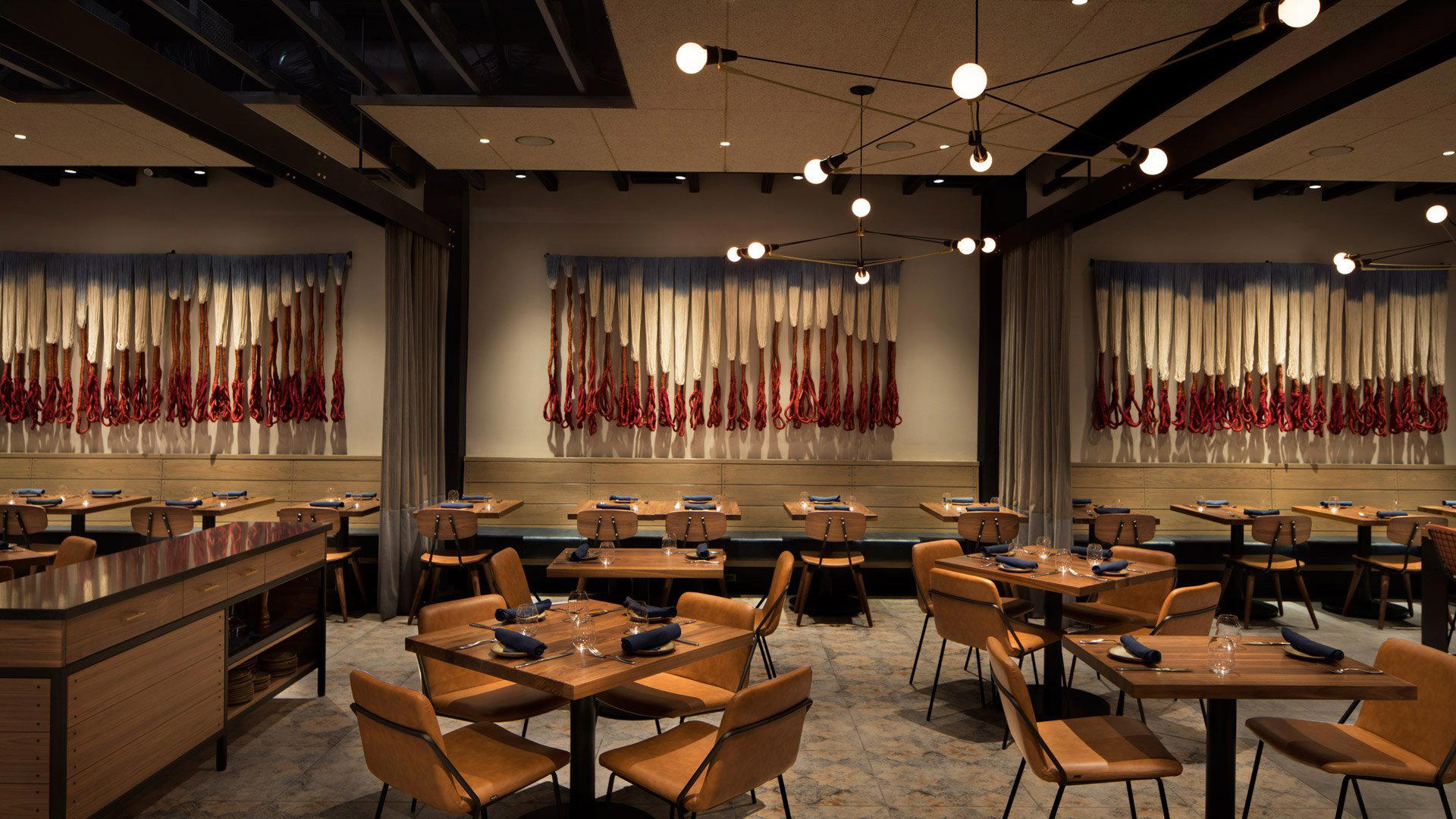
Restaurants in Hayward
Browse all →
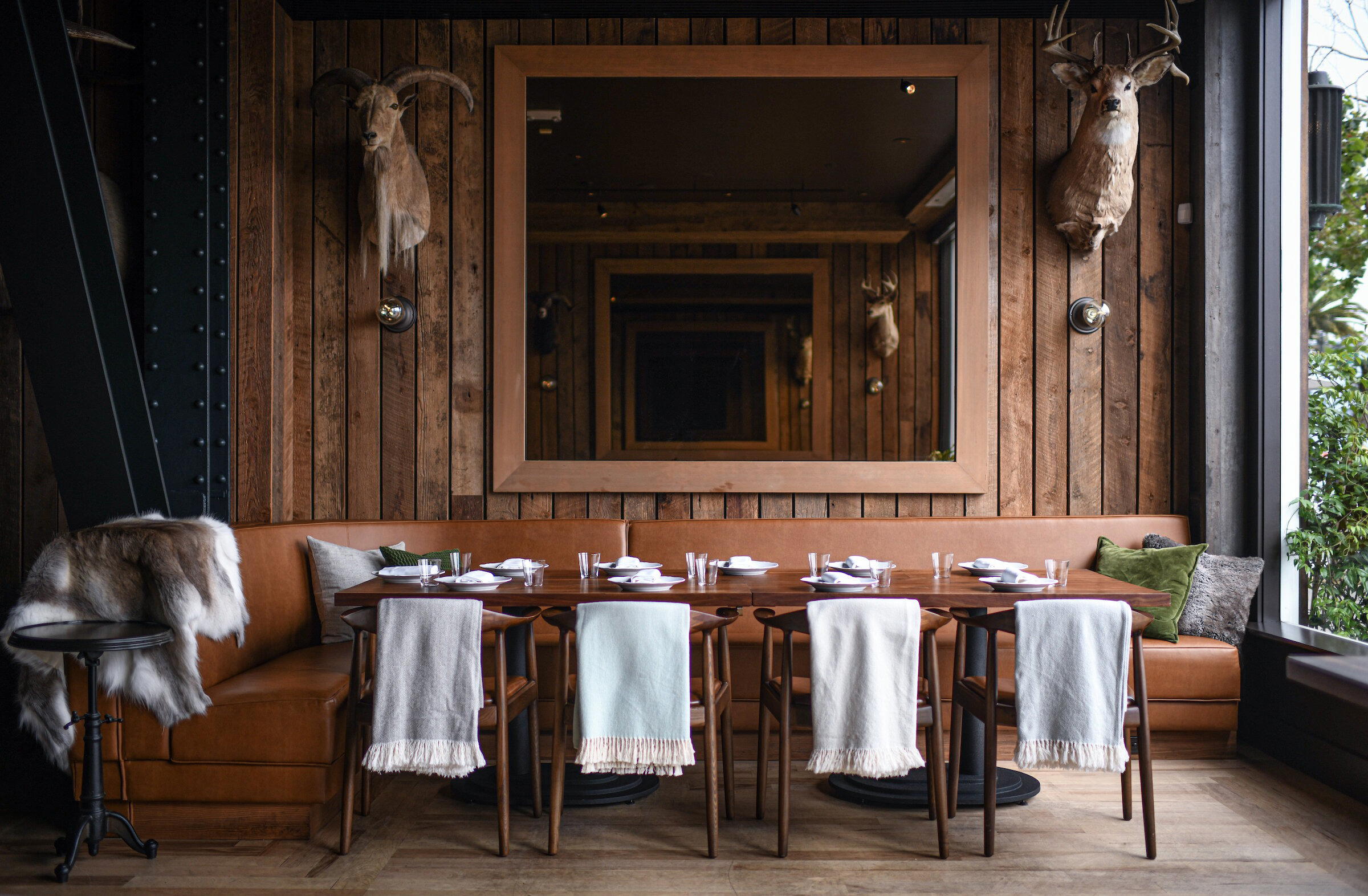
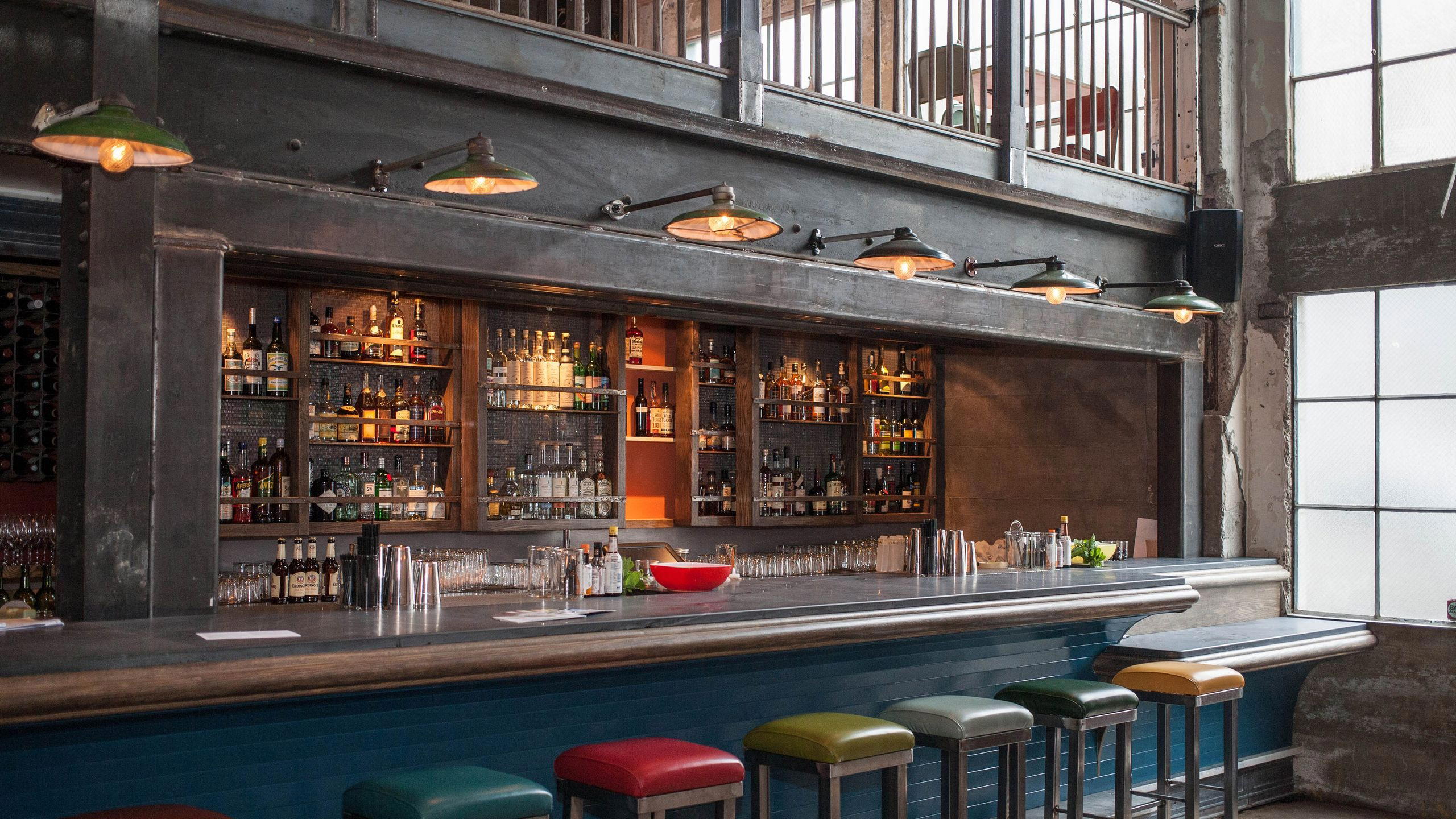
Bars in Hayward
Browse all →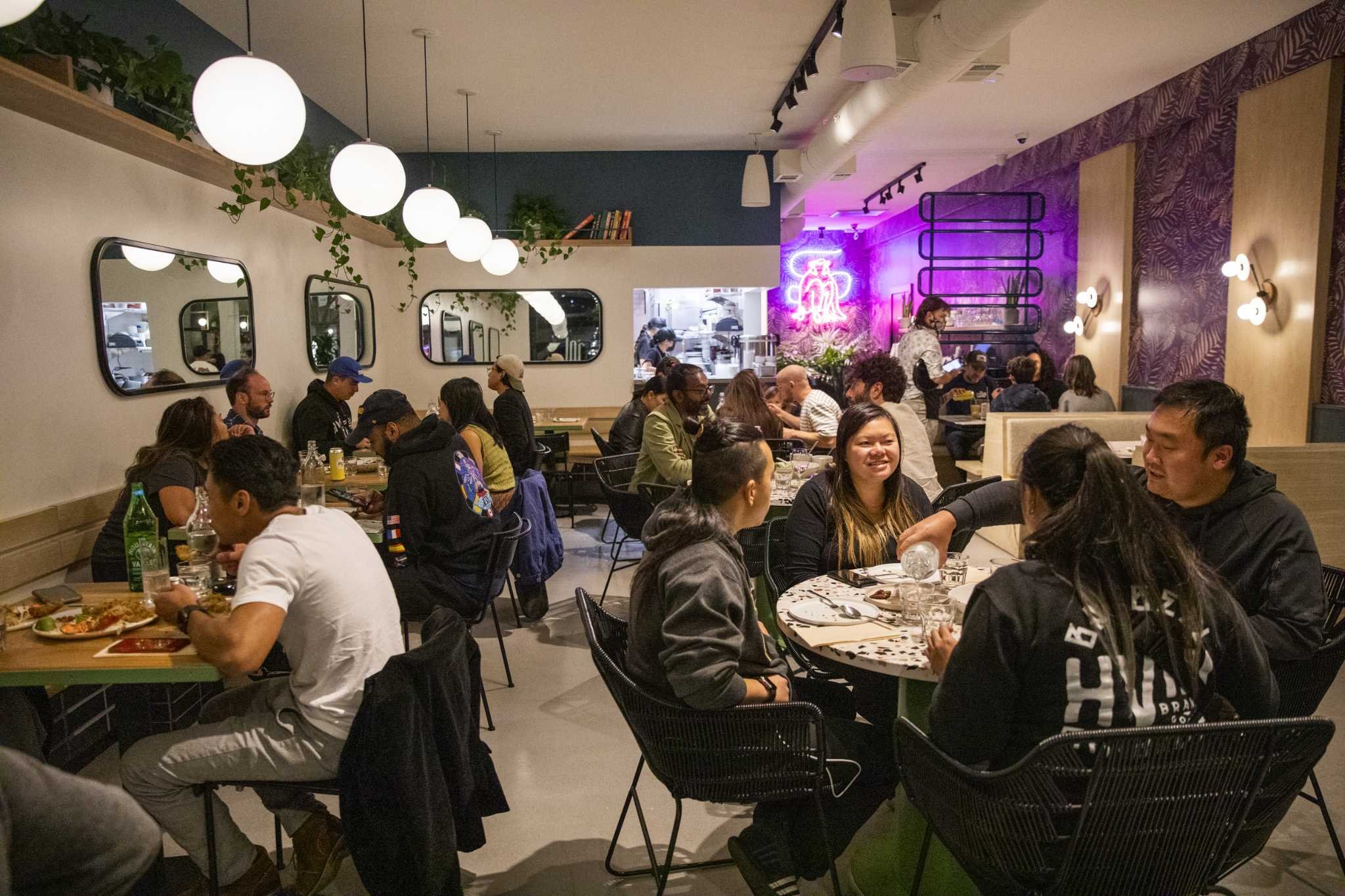
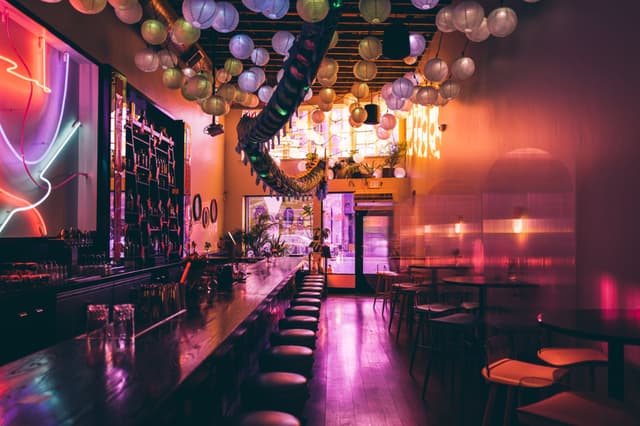
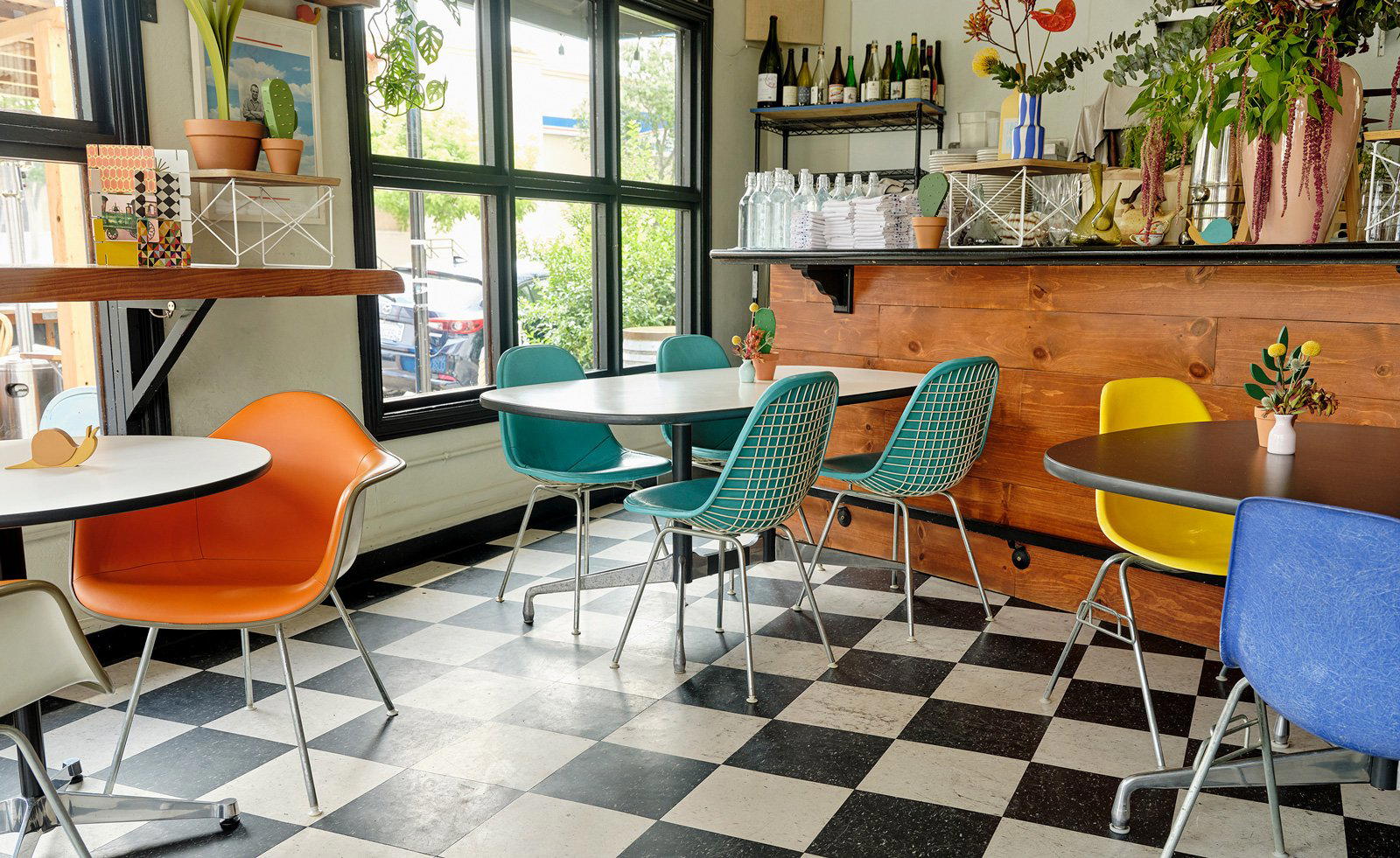
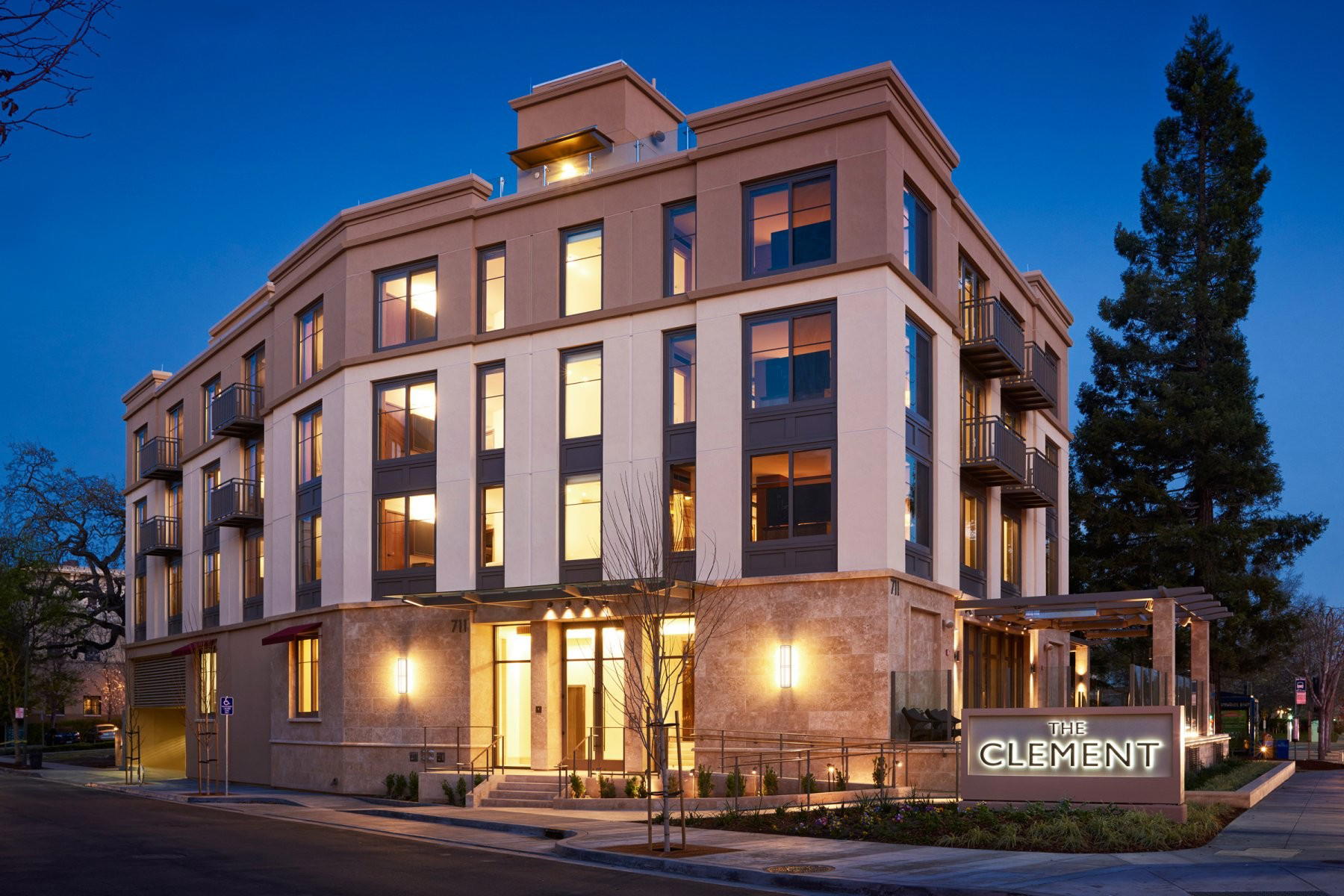
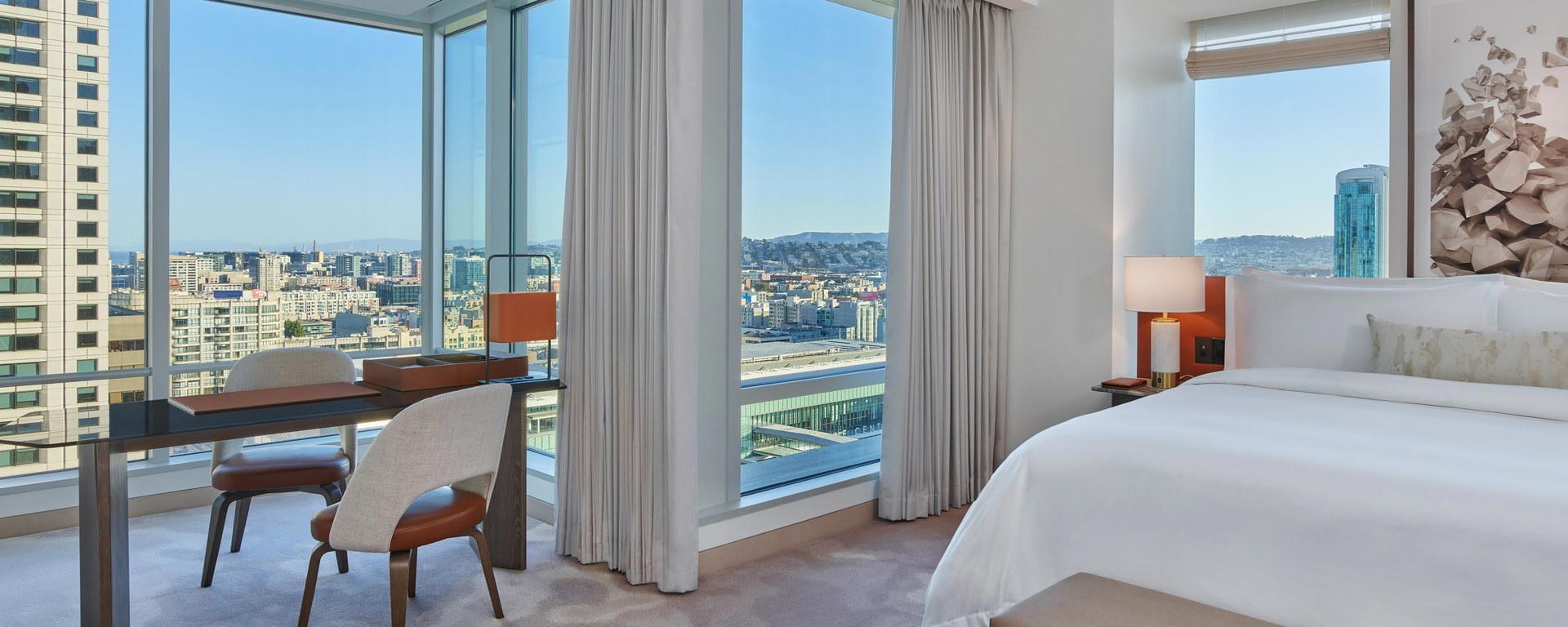
Hotels in Hayward
Browse all →



At a Glance
- Cozy
- Intimate
- Date Night
- Special Occasion
- Sake Program
Current opening hours
- Monday
- Closed
- Tuesday
- 11:30 AM–2:30 PM, 5:30–9 PM
- Wednesday
- 11:30 AM–2:30 PM, 5:30–9 PM
- Thursday
- 11:30 AM–2:30 PM, 5:30–9 PM
- Friday
- 11:30 AM–2:30 PM, 5:30–9 PM
- Saturday
- 11:30 AM–2:30 PM, 5:30–9 PM
- Sunday
- Closed
Hours can change for holidays and private events. Last verified .
Warm and inviting atmosphere focused on the sushi experience.
Know Before You Go
- Getting there
- 22530 Main St, Hayward, CA 94541