Aama's Kitchen
On Hayward's Foothill Boulevard, Aama's Kitchen operates within the East Bay's long-running immigrant kitchen tradition, where the name itself references Nepali home-cooking authority. The restaurant sits in a neighborhood corridor that rewards ingredient-attentive cooking without the visibility that similar kitchens receive in San Francisco or Oakland. It is a straightforward case for the reader who eats across formats and price points.
Pearl is the En Primeur Club membership app — saves, bookings, and concierge access live there. Same editors, same standards.
- Address
- 22556 Foothill Blvd, Hayward, CA 94541
- Phone
- +15102745855
- Website
- aamakitchen.com
- Directions
- Get directions
 Saves & bookings on Pearl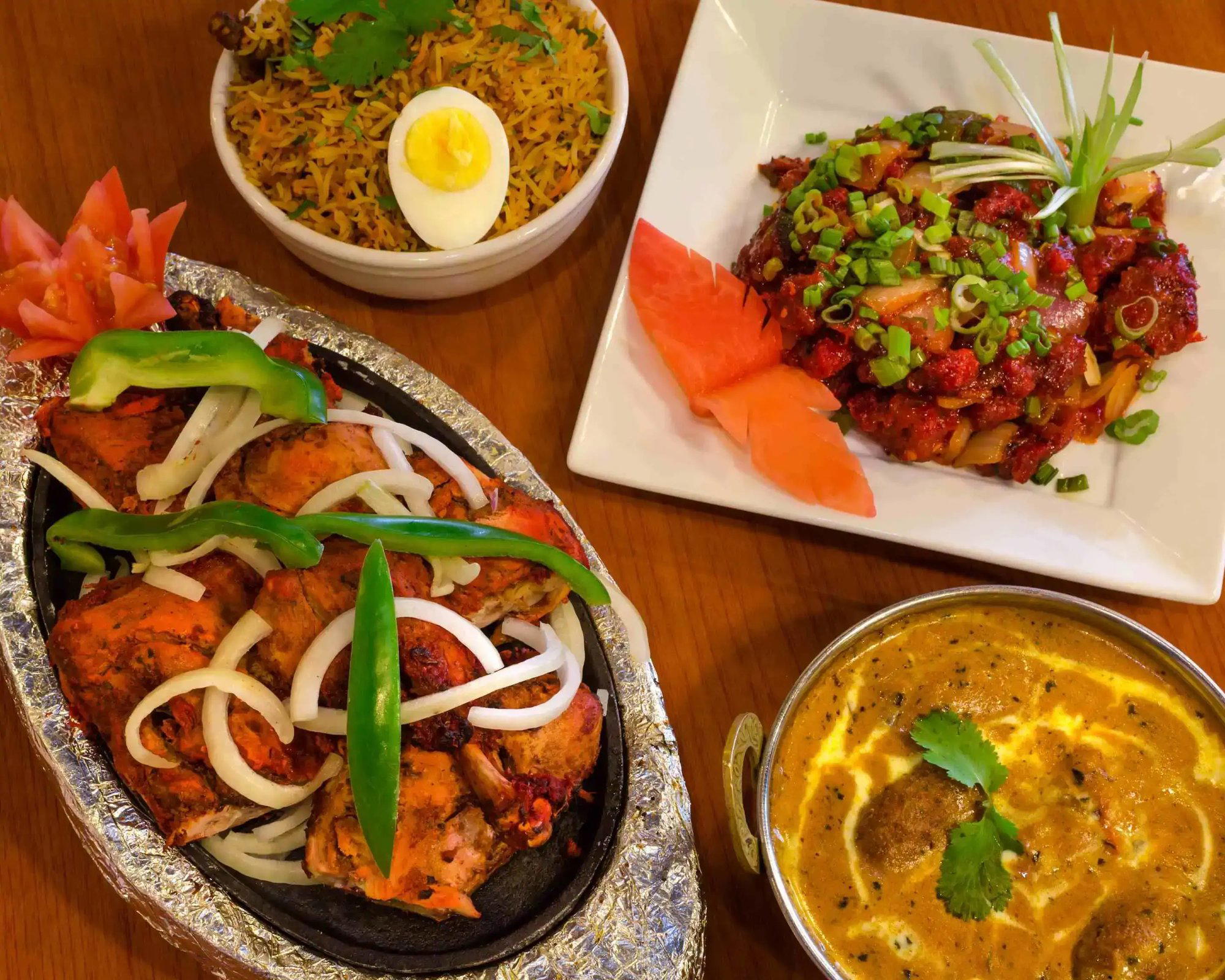
Foothill Boulevard and the Immigrant Kitchen Tradition
Hayward's Foothill Boulevard corridor has functioned for decades as one of the East Bay's more honest registers of immigrant food culture. The stretch running through the city's older commercial districts holds a density of family-operated kitchens that reflects the Bay Area's South Asian, Latin American, and Southeast Asian diaspora communities in a way that few adjacent cities match. Aama's Kitchen, at 22556 Foothill Blvd, sits within that context: a street-level address on a boulevard where the food proposition tends to be personal, ingredient-driven, and priced for the neighborhood rather than for a dining-out occasion.
The name itself is a signal. "Aama" translates to "mother" in Nepali, placing the restaurant squarely within a culinary tradition where sourcing and recipe authority flow from domestic practice rather than culinary school curricula. Across South Asian food cultures, the mother's kitchen is the reference point for spice balance, slow-cooking technique, and the use of seasonal or home-grown ingredients. That framing matters when thinking about where a restaurant's ingredient decisions come from: not a chef's tasting menu philosophy, but an inherited approach to what goes into the pot and when.
Where the Ingredients Come From and Why That Shapes the Plate
Hayward occupies an interesting geographic position for a restaurant oriented around ingredient integrity. The city sits at the edge of the East Bay flatlands, within reasonable proximity to the agricultural corridors of the Santa Clara Valley to the south and the Tri-Valley growing region to the east. For kitchens operating in the South Asian diaspora tradition, this access matters differently than it does for farm-to-table fine dining: the question is less about single-origin provenance and more about whether the produce reflects the freshness and variety that home-cooking technique requires.
Nepali and broader South Asian cooking traditions rely on spice layering built around fresh aromatics: ginger, garlic, turmeric, and fenugreek used at specific moments in a cooking sequence, not as a finishing blend. The sourcing of those base ingredients, and the quality of dried spices, determines whether the flavor architecture holds. Restaurants in the Foothill corridor have generally understood this longer than the wider Bay Area food conversation has acknowledged it, operating ingredient-forward kitchens without the accompanying press attention that similar practices attract in San Francisco's Mission District or Oakland's Temescal neighborhood.
For context within Hayward's dining scene, the comparison set is revealing. Los Carnalitos operates on a similar community-kitchen model with Mexican regional cooking, and the Favorite Indian Restaurant addresses the broader South Asian diaspora appetite on the same boulevard. Mujiri and Neumanali round out a Hayward dining picture that rewards the reader who looks past the city's relative obscurity in Bay Area food coverage. The full scope of that picture is in our Hayward restaurants guide.
Diaspora Cooking as a Culinary Category
The broader American dining conversation has spent the last decade slowly recognizing what communities like Hayward's have practiced for much longer: that diaspora home-cooking traditions produce technically demanding, ingredient-sensitive food that doesn't require fine-dining scaffolding to be worth serious attention. The awards conversation has begun to catch up, with recognition flowing toward restaurants like Atomix in New York City, which brought Korean culinary traditions into a format that attracted international critical attention, or Blue Hill at Stone Barns, which built its identity around sourcing rigor in a completely different register. The gap between those highly formalized expressions and a Foothill Boulevard kitchen is not a quality gap; it is a visibility and format gap.
Restaurants earning Michelin recognition or placement in major awards programs, from Le Bernardin in New York City to The French Laundry in Napa to Single Thread Farm in Healdsburg, operate with sourcing programs that are documented, narrated, and built into their pricing. The ingredient discipline at a kitchen like Aama's is no less real for being undocumented. It is simply expressed differently: through the food's internal logic rather than through a menu provenance section.
That observation holds across California's broader restaurant culture. Providence in Los Angeles and Addison in San Diego represent the formalized, award-tracked end of the sourcing conversation. Restaurants on corridors like Foothill Boulevard represent the less-documented but equally ingredient-attentive end. The reader who understands both ends of that range eats better across a wider range of budgets and cities.
Planning Your Visit
Aama's Kitchen is located at 22556 Foothill Blvd in Hayward, accessible from the Hayward BART station and served by AC Transit lines running along the boulevard. For a restaurant in this category and neighborhood, walk-in is typically the operative mode; calling ahead is advisable if you're arriving with a larger group or during peak weekend hours, though specific booking details are not listed publicly at this time. Dress is casual by any measure: this is a neighborhood kitchen, not a room where formality is part of the offer. Pricing reflects the Foothill corridor's community-restaurant positioning, which means it runs well below what comparable cooking effort would cost in a more press-visible part of the Bay Area.
Restaurants in this format tend to reward early arrival or off-peak visits, when the kitchen is working at full pace and the dining room's pace allows for more attention to each table. If you are exploring Hayward more broadly, the boulevard concentration of food options means a single afternoon or evening can cover meaningful ground without needing to drive between neighborhoods.
Continue exploring
More in Hayward
Restaurants in Hayward
Browse all →
Bars in Hayward
Browse all →
Hotels in Hayward
Browse all →

At a Glance
- Casual Hangout
- Family
Current opening hours
- Monday
- 11 AM–3 PM, 4:30–11 PM
- Tuesday
- 11 AM–3 PM, 4:30–11 PM
- Wednesday
- 11 AM–2 AM
- Thursday
- 11 AM–2 AM
- Friday
- 11 AM–2 AM
- Saturday
- 11 AM–2 AM
- Sunday
- 11 AM–2 AM
Hours can change for holidays and private events. Last verified .
Know Before You Go
- Getting there
- 22556 Foothill Blvd, Hayward, CA 94541