Google: 5.0 · 112 reviews
MÄS


MÄS brings a focused Cascadian menu to Ashland, Oregon, where Chef Josh Dorcak works with regional ingredients framed by a wine program curated by Sommelier Joseph Shaughnessy. The restaurant holds a 2-Star Accreditation from the World of Fine Wine & Lifestyle Awards, placing it among a small tier of Pacific Northwest destinations earning serious wine-forward recognition. Located at 141 Will Dodge Way, it operates at the quieter, more considered end of southern Oregon dining.
 Discover on Pearl
Pearl is the En Primeur Club membership app — saves, bookings, and concierge access live there. Same editors, same standards.
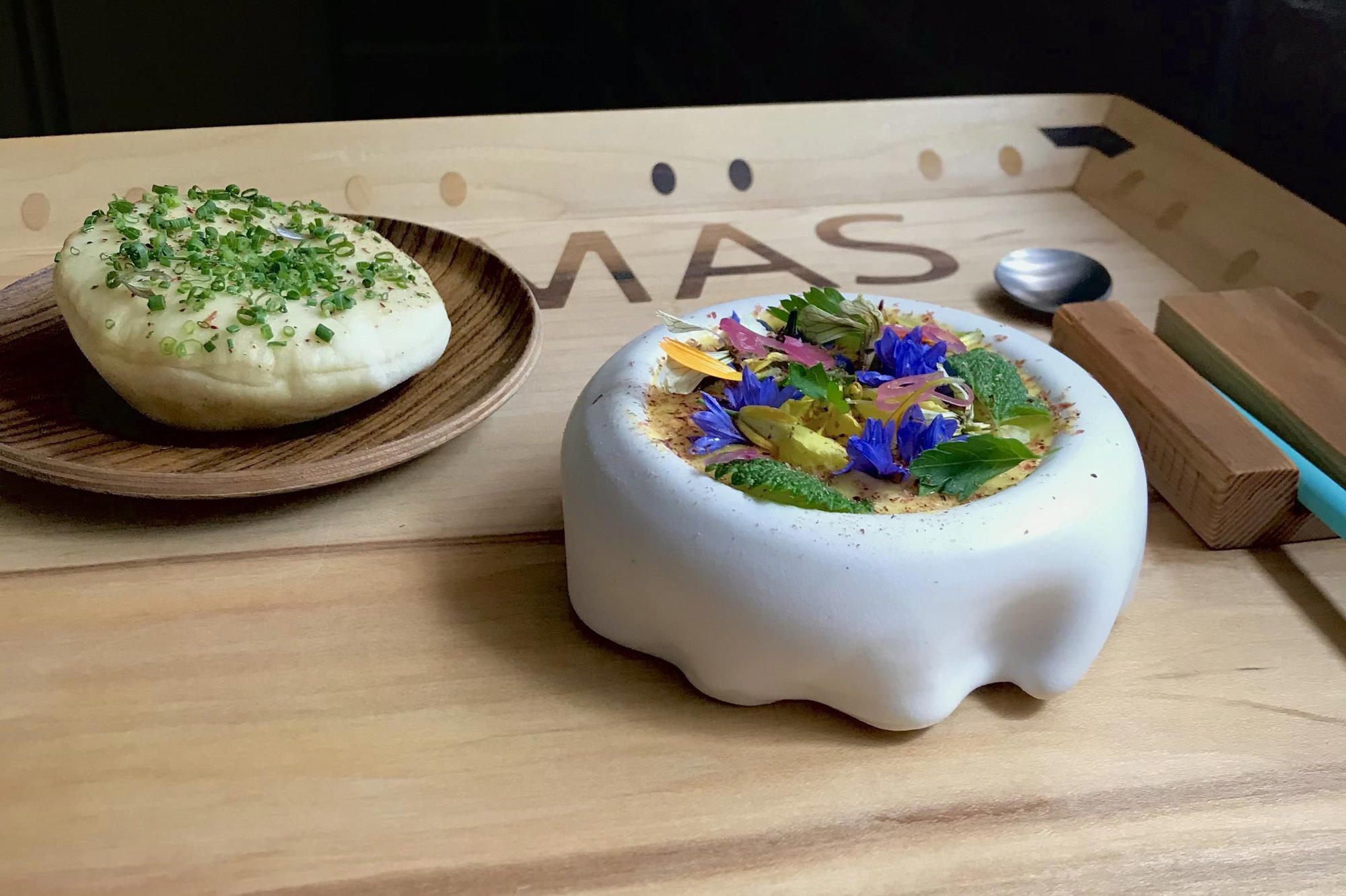
Southern Oregon has spent the last decade building a dining identity that sits at some remove from the louder coastal food cities. Ashland, anchored by the Oregon Shakespeare Festival and surrounded by the Rogue Valley's vineyards and farms, has produced a clutch of restaurants that draw on serious regional produce without the performance pressure of Portland or San Francisco. MÄS sits inside that movement, operating from a specific premise: that the Pacific Northwest bioregion, what some producers and chefs now call Cascadia, is coherent enough to support a cuisine with its own rules rather than borrowed European frameworks.
The address, 141 Will Dodge Way, is off the main commercial drag, which tells you something about who MÄS is not trying to attract. Venues that depend on walk-in foot traffic position themselves differently. The physical approach here is quieter, suited to a room where the cooking rather than the setting does the signaling.
What Cascadian Cuisine Actually Means
The term Cascadian gets used loosely in Pacific Northwest food writing, but at its most coherent it refers to a cooking approach built around the ecological zones that run from northern California through Oregon and Washington into British Columbia. These zones share forage cultures, cold-water fisheries, high-altitude rangelands, and volcanic soils that produce ingredients with strong individual character. Chefs working inside this framework treat the regional larder as both constraint and creative engine, which tends to produce menus with a spare quality, fewer components per dish, and a strong emphasis on preservation and fermentation to extend seasonal availability.
Chef Josh Dorcak works within that discipline at MÄS. The approach connects to a broader American regionalism that has been quietly building credibility since the early 2000s, when a handful of kitchens began pushing back against the idea that serious American cooking needed French or Italian scaffolding. Venues like Blue Hill at Stone Barns in Tarrytown made farm-to-table a serious critical category rather than a marketing phrase. What has happened in the Pacific Northwest since is arguably more rigorous, because the terroir argument is harder to fudge when your local ingredients are as specific as Dungeness crab, Walla Walla onions, or Oregon black truffles.
For context on how this regional approach compares to the broader American fine dining spectrum, consider how differently MÄS positions itself from technically ambitious urban venues such as Alinea in Chicago or Lazy Bear in San Francisco, both of which operate inside a progressive American idiom that foregrounds technique and theatrical presentation. The Cascadian approach is less interested in spectacle and more interested in specificity of source.
The Wine Program as Editorial Statement
The 2-Star Accreditation from the World of Fine Wine & Lifestyle Awards is the clearest external signal of where MÄS sits in the competitive tier. Wine accreditations at this level are not granted for list size or cellar depth alone. The WoFW assessment process examines curation logic, staff knowledge, and the coherence between the list and the kitchen. At 2-star level, a restaurant is being recognized as a genuinely wine-forward dining destination, not simply a restaurant that happens to have wine.
Sommelier Joseph Shaughnessy's curation is described as inspired, which in wine-program language suggests a list that makes considered choices rather than defaulting to recognizable appellations or prestige labels. The Rogue Valley and broader Oregon wine country surrounding Ashland provide obvious local anchors, particularly Pinot Noir and Chardonnay from the Applegate and Umpqua valleys, but a well-constructed Cascadian wine program typically reaches into Washington State Syrah, Willamette Valley producers working outside the Pinot mainstream, and, increasingly, the small natural-leaning producers operating around southern Oregon's warmer sub-appellations.
For comparison, the wine programs at venues like Single Thread Farm in Healdsburg and Le Bernardin in New York City represent different ends of the wine-curation spectrum: Single Thread leans into the hyperlocal with similar regional conviction, while Le Bernardin maintains a classic French-weighted cellar built for seafood precision. MÄS, given its Cascadian framework, operates closer to the Single Thread model in philosophy, though on a smaller scale appropriate to Ashland's size and visitor base.
Where MÄS Sits in Ashland Dining
Ashland is not a large town, and its restaurant scene reflects both the sophistication of its festival-season visitor base and the constraints of a small market. The most-visited months cluster around the Oregon Shakespeare Festival's run, when the town draws audiences from across the western United States and beyond. That seasonal rhythm shapes how restaurants here build menus and staffing. MÄS operates in a tier that sits above casual dining and positions against the handful of serious-format restaurants in the region rather than the broader Ashland casual scene.
Locally, Larks Home Kitchen Cuisine represents a different approach to southern Oregon ingredients, with a broader accessible format. MÄS trades some of that accessibility for focus. That tradeoff is consistent with how the leading small-city fine dining tends to work: narrower programming, stronger ingredient sourcing, and a wine program that functions as a genuine part of the experience rather than an afterthought.
If you are building a broader Ashland visit, the full Ashland restaurants guide maps the complete scene. For pre- or post-dinner options, the Ashland bars guide covers the cocktail and wine bar tier, and the Ashland wineries guide is useful for anyone extending into the Applegate and Rogue Valley producers who supply many of the region's better restaurant lists. Accommodation context is available in the Ashland hotels guide, and for programming around the visit, the Ashland experiences guide covers the cultural and outdoor tier.
Planning a Visit
Given the 2-Star WoFW accreditation and the small scale typical of this kind of focused Cascadian format, advance booking is the sensible approach. Ashland's peak dining demand runs during festival season, generally spring through fall, when reservation windows at serious-format restaurants in small towns can extend several weeks out. Arriving without a reservation during high season carries real risk at a venue operating at this tier. The address at 141 Will Dodge Way is accessible on foot from most central Ashland accommodation, which suits the unhurried pace the meal format likely requires.
For context on the national fine dining tier that MÄS's accreditation places it alongside, venues such as The French Laundry in Napa, Providence in Los Angeles, Addison in San Diego, Emeril's in New Orleans, and The Inn at Little Washington in Washington represent what sustained critical recognition looks like across different American regional traditions. Internationally, 8½ Otto e Mezzo Bombana in Hong Kong and Alain Ducasse at Louis XV in Monte Carlo sit in the wine-forward fine dining tier that the WoFW accreditation system is designed to measure. MÄS earning 2-star recognition in a small Oregon city is a meaningful signal within that framework.
Price and Recognition
These are the closest comparables we have in our database for quick context.
| Venue | Price | Awards | Notes |
|---|---|---|---|
| MÄS | Cascadian cuisine by Chef Josh Dorcak. Inspired wines curated by Sommelier Josep… | This venue | |
| Le Bernardin | $$$$ | Michelin 3 Star | French, Seafood, $$$$ |
| Lazy Bear | $$$$ | Michelin 2 Star | Progressive American, Contemporary, $$$$ |
| Alinea | $$$$ | Michelin 3 Star | Progressive American, Creative, $$$$ |
| Atelier Crenn | $$$$ | Michelin 3 Star | Modern French, Contemporary, $$$$ |
| Benu | $$$$ | Michelin 3 Star | French - Chinese, Asian, $$$$ |
Continue exploring
More in Ashland
Restaurants in Ashland
Browse all →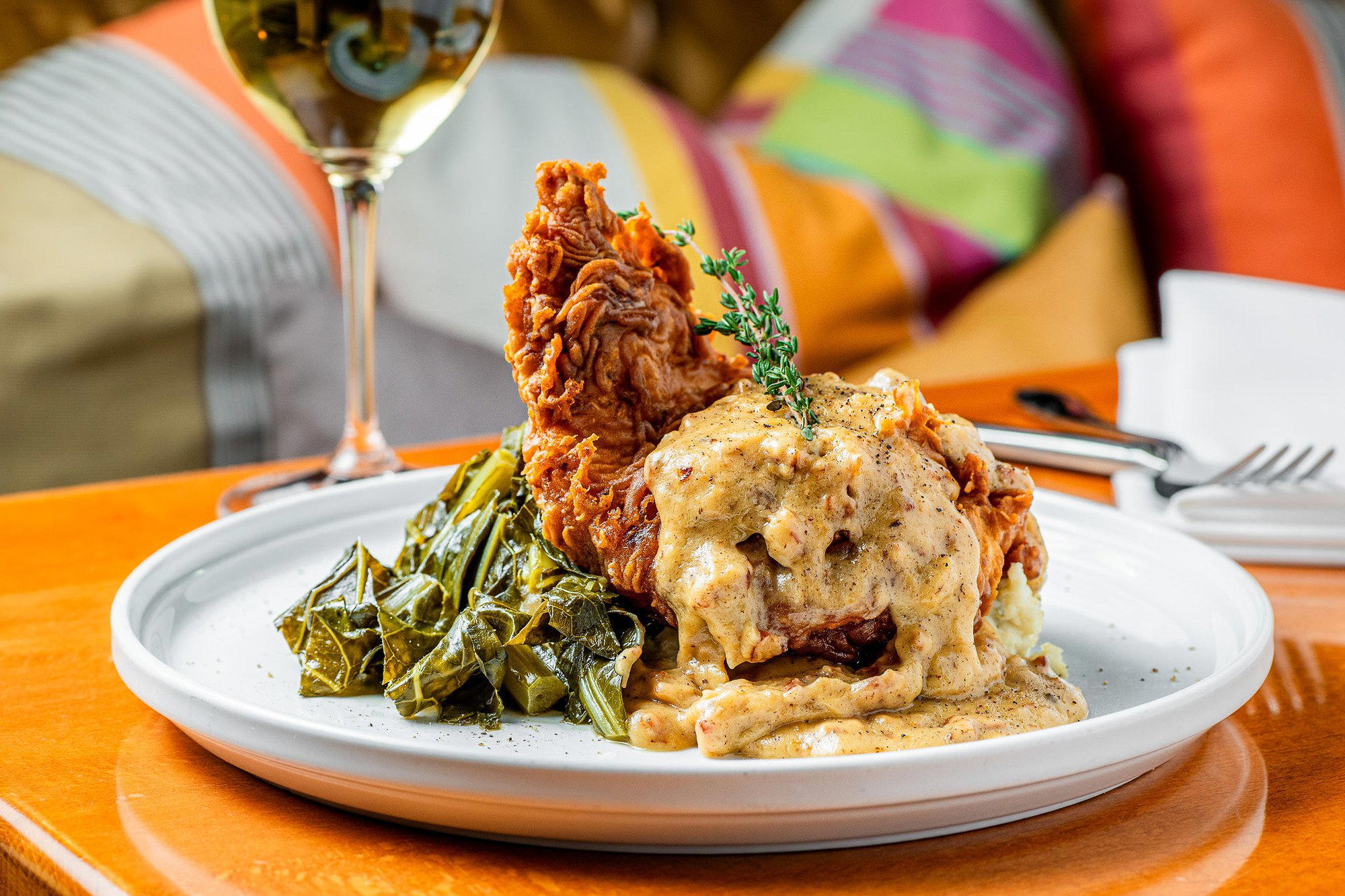
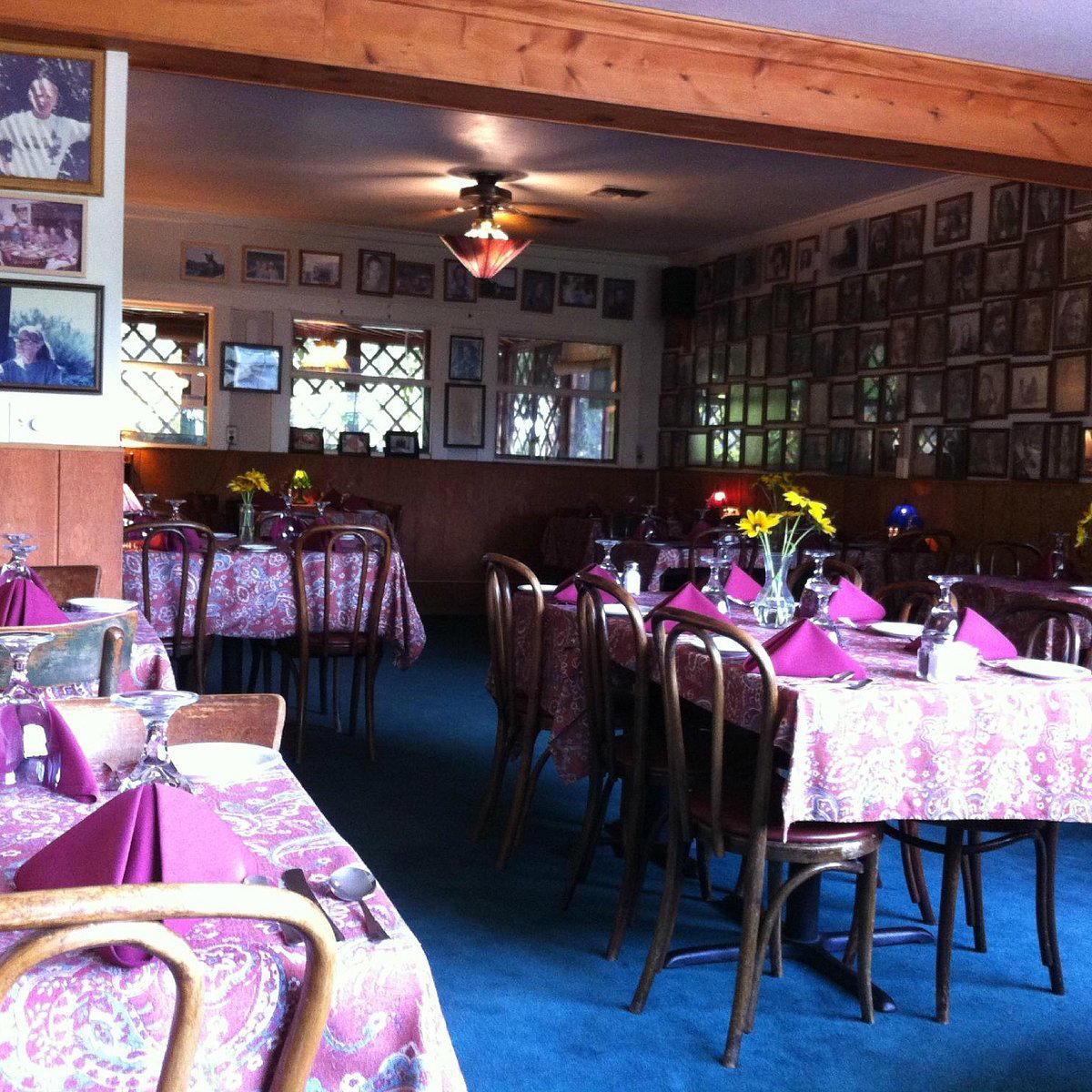
At a Glance
- Intimate
- Cozy
- Elegant
- Modern
- Date Night
- Special Occasion
- Chefs Counter
- Open Kitchen
- Extensive Wine List
- Sake Program
- Local Sourcing
- Farm To Table
- Street Scene
Dimly lit, homey space with wooden counters, bookshelves, artwork, and serene, intimate atmosphere.