Arbor House Restaurant
Arbor House Restaurant occupies a quiet address at 103 W Wagner Street in Talent, Oregon, a small Rogue Valley town that punches above its size when it comes to ingredient-driven cooking. The surrounding region's farms, orchards, and pastures give kitchens here a sourcing advantage that urban restaurants spend considerably more effort to replicate. For visitors moving between Ashland's theatre scene and Medford's airport corridor, Talent offers a lower-key alternative with real local character.
Pearl is the En Primeur Club membership app — saves, bookings, and concierge access live there. Same editors, same standards.
- Address
- 103 W Wagner St, Talent, OR 97540
- Phone
- +15415356817
- Website
- arborhouserestaurant.com
- Directions
- Get directions
 Saves & bookings on Pearl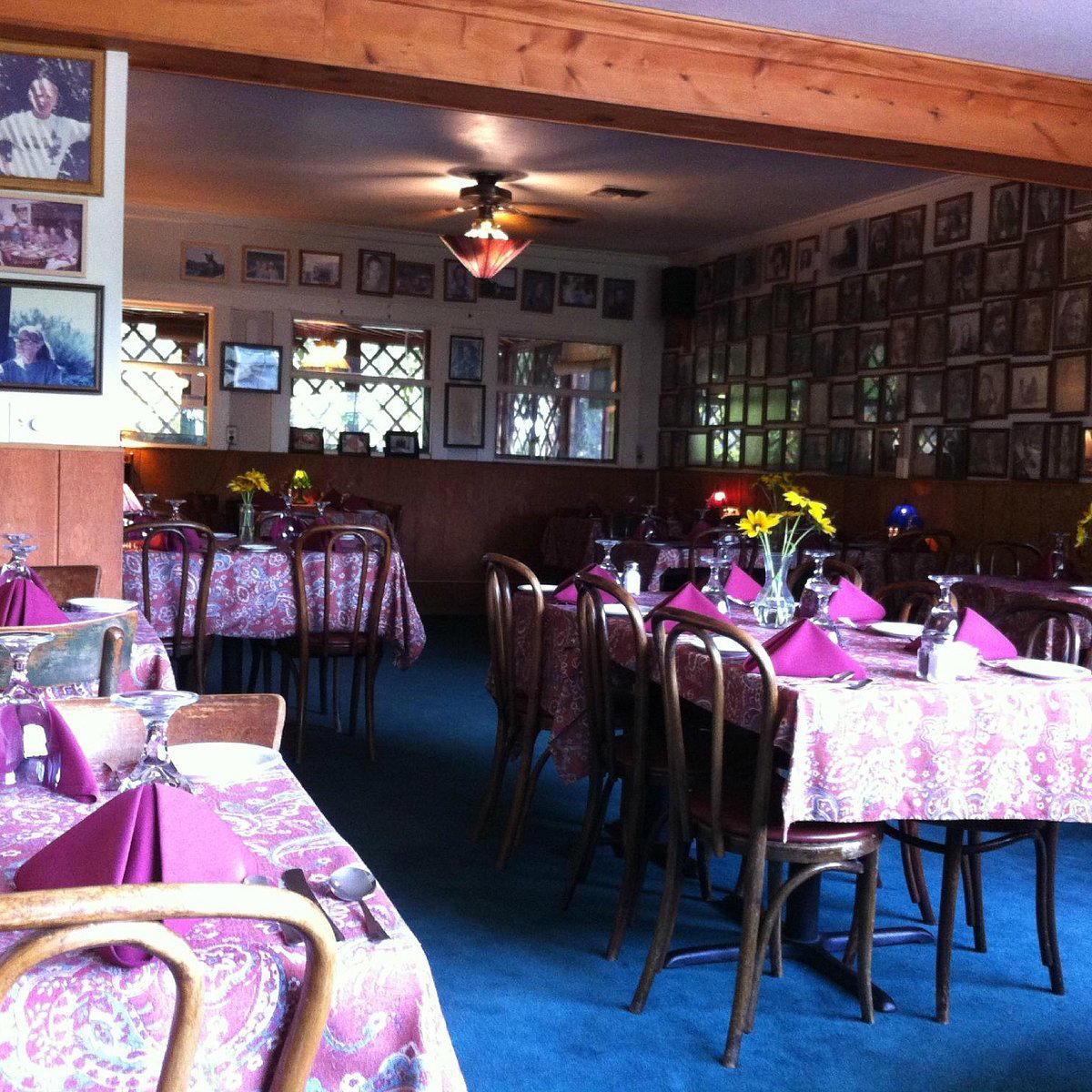
Talent, Oregon and the Rogue Valley's Sourcing Advantage
Southern Oregon's Rogue Valley sits in an agricultural corridor that most coastal food media underestimates. The valley floor, bracketed by the Siskiyou and Cascade ranges, produces a growing season that runs longer and warmer than the Willamette Valley to the north, yielding stone fruit, dry-farmed vegetables, heritage grains, and pasture-raised proteins within a tight geographic radius. For a restaurant in a town the size of Talent, population roughly 6,000, that proximity to source material is less a marketing point than a structural condition: the supply chain is short because there is no alternative. Contrast this with the effort that destination restaurants elsewhere invest in recreating that closeness. Blue Hill at Stone Barns in Tarrytown built an entire farm campus to achieve what Rogue Valley kitchens access by default, and Single Thread Farm in Healdsburg constructed an inn and working farm around the same sourcing logic. In Talent, the farm is simply next door.
What the Address Tells You
Arbor House Restaurant sits at 103 W Wagner Street, a few blocks from the main arterial that connects Talent to its larger neighbours, Ashland to the south and Medford to the north. The physical setting is characteristic of small-town Oregon commercial architecture: modest scale, a street presence that does not advertise itself through grand gesture. That restraint is not a weakness. Across the American restaurant scene, a pattern has emerged in which some of the more ingredient-focused cooking happens in towns that lack the overhead pressure of major urban markets. Lower rent structures allow kitchens to prioritise product cost over interior spectacle, a trade-off that tends to benefit the plate. The same logic applies to communities like Healdsburg in Sonoma County or the small towns surrounding wine-producing regions in the Pacific Northwest, where the land itself shapes what ends up on the menu.
For practical planning, Talent is accessible via Medford's Rogue Valley International Airport, which sits roughly eight miles north. Visitors coming from Portland or the Bay Area typically fly into Medford or drive the I-5 corridor south. Ashland, five miles south of Talent, offers the broadest selection of accommodation in the immediate area, with the Oregon Shakespeare Festival drawing a consistent visitor base that keeps lodging options functional year-round. Those planning a meal at Arbor House would do well to treat it as part of a broader Rogue Valley itinerary rather than a standalone detour. See our full Talent restaurants guide for additional context on the local dining scene.
Ingredient Sourcing as the Story the Region Tells
The editorial conversation around farm-to-table cooking has become so routine that it risks obscuring what genuine proximity to source actually delivers. In practice, it means a kitchen can take delivery of produce at a stage of ripeness that would not survive a longer transit, can respond to what a farm has in surplus that week rather than committing to a fixed menu months in advance, and can build relationships with individual growers that produce access to varieties grown for flavour rather than shelf life. The Rogue Valley's agricultural output spans pears, wine grapes, beef cattle, lamb, heritage pork, and a range of market vegetables that benefit from the valley's high-desert light and warm days. Restaurants operating in this environment, whether they make the sourcing explicit or simply let it shape the cooking, are working with a different palette than kitchens reliant on broad-line distribution.
This dynamic plays out differently across the country. Smyth in Chicago operates a linked farm in Michigan to supply its kitchen. Oyster Oyster in Washington, D.C. has built its identity around hyper-local and foraged Mid-Atlantic ingredients. Bacchanalia in Atlanta has sustained a sourcing-led approach for decades in a market where that required deliberate effort to build supply relationships. In the Rogue Valley, the geography does some of that work automatically; the question is whether a given kitchen uses that advantage with discipline.
The Broader Oregon Restaurant Context
Oregon's restaurant culture has developed a coherent identity over the past two decades, one that sits closer to the ethos of The Wolf's Tailor in Denver or Frasca Food and Wine in Boulder than to the white-tablecloth formalism of Le Bernardin in New York City or The French Laundry in Napa. The emphasis tends toward ingredient transparency, informal service, and menus that shift with season rather than holding to a fixed identity across the calendar year. Portland has driven most of that national recognition, but the influence has filtered south into the Willamette and Rogue valleys, where smaller towns support restaurants operating on similar principles at a fraction of the urban overhead.
That context matters when assessing what a restaurant in Talent represents. It is not a scaled-down version of a metropolitan fine-dining format. It is a different format entirely, one shaped by the rhythms of a working agricultural region, a visitor economy anchored in outdoor recreation and the arts, and a local customer base with genuine expectations around seasonal cooking. The dining rooms that have sustained themselves in towns of this size across the American West tend to succeed by serving that specificity rather than approximating something larger. Addison in San Diego, Providence in Los Angeles, and Lazy Bear in San Francisco each operate at a scale and price point that reflects their metropolitan positioning. A Rogue Valley restaurant answers to different accountabilities, and that is a feature rather than a limitation.
Planning a Visit
Talent's dining scene rewards visitors who build time into their southern Oregon itinerary rather than treating the town as a pass-through. The Wagner Street address is walkable from several of Talent's small commercial blocks, and parking is direct given the town's scale. Given the absence of confirmed hours or booking details in available records, contacting Arbor House directly before visiting is advisable, particularly for weekend evenings when the Ashland theatre circuit pushes additional traffic into the corridor. The seasonal character of Rogue Valley agriculture means menus at ingredient-driven restaurants in the region shift meaningfully between summer and the cooler months, making the time of year a real variable in what the kitchen is working with. For travellers who have spent time at sourcing-focused restaurants like ITAMAE in Miami, Atomix in New York City, or Atelier Moessmer Norbert Niederkofler in Brunico, the Rogue Valley offers a version of that commitment at a register that reflects where it sits: a small town in southern Oregon with unusually good land around it.
Side-by-Side Snapshot
| Venue | Cuisine | Price | Awards |
|---|---|---|---|
| Arbor House RestaurantThis venue — the venue you are viewing | This venue | Not listed | Not listed |
| Le Bernardin | French, Seafood | $$$$ | Michelin 3 Star |
| Lazy Bear | Progressive American, Contemporary | $$$$ | Michelin 2 Star |
| Atomix | Modern Korean, Korean | $$$$ | Michelin 2 Star |
| Per Se | French, Contemporary | $$$$ | Michelin 3 Star |
| Masa | Sushi, Japanese | $$$$ | Michelin 3 Star |
Continue exploring
More in Talent
At a Glance
- Intimate
- Elegant
- Classic
- Cozy
- Date Night
- Celebration
- Special Occasion
- Group Dining
- Family
- Private Dining
- Standalone
- Farm To Table
- Local Sourcing
Current opening hours
- Monday
- Closed
- Tuesday
- Closed
- Wednesday
- 5–9 PM
- Thursday
- 5–9 PM
- Friday
- 5–9 PM
- Saturday
- 5–9 PM
- Sunday
- Closed
Hours can change for holidays and private events. Last verified .
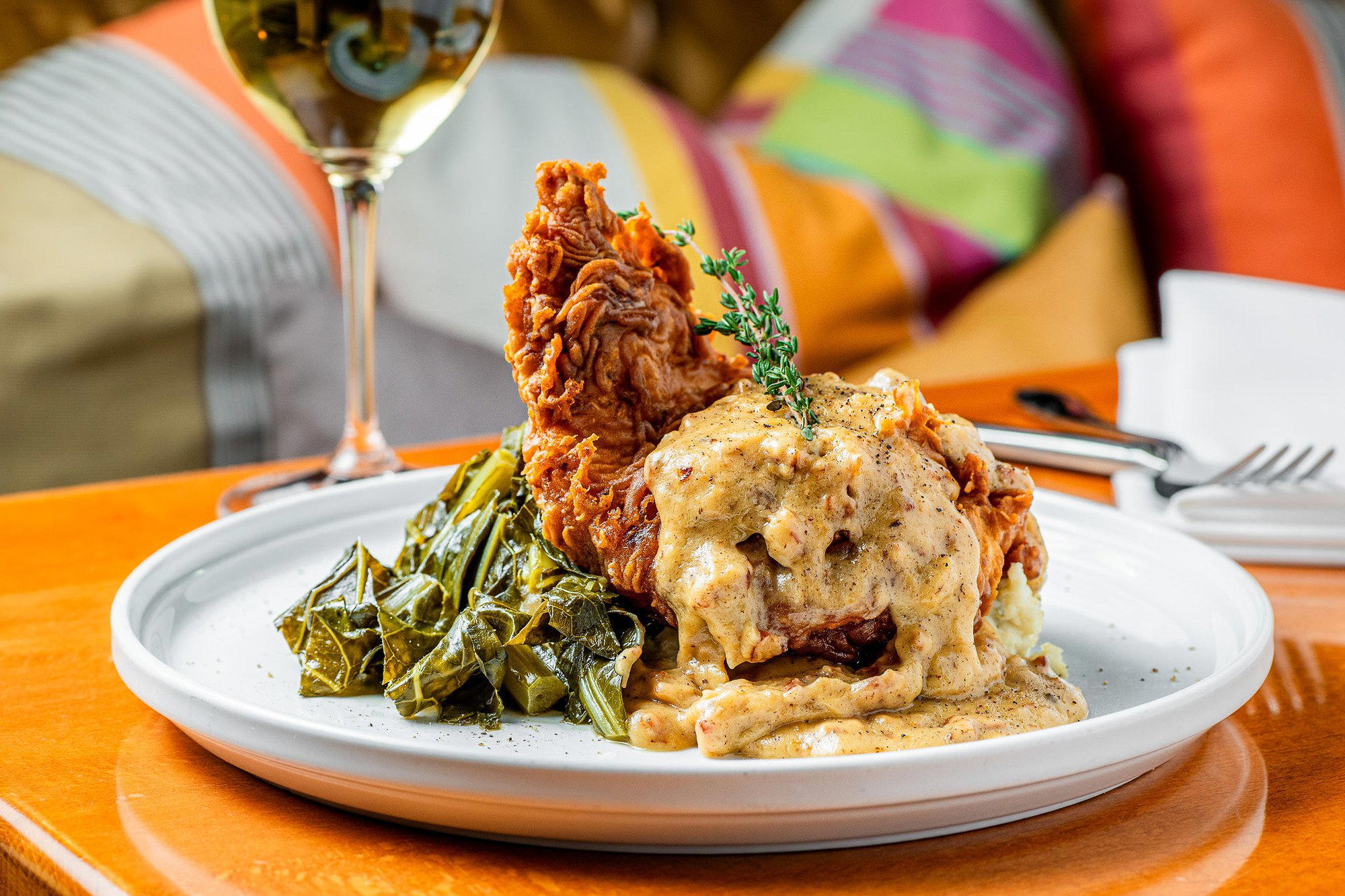
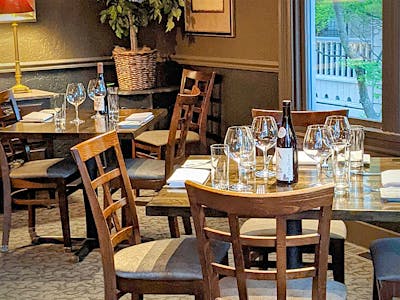
Warm, welcoming atmosphere with family photographs of local residents adorning the walls; intimate dining experience with attentive, personable service that makes guests feel like family.
Know Before You Go
- Getting there
- 103 W Wagner St, Talent, OR 97540