
Mrs. Yun gives Osaka’s Korean and dumpling dining a compact Kitahorie address with serious signals: Tabelog 100 Asian cuisine / Ethnic cuisine WEST selections in 2022, 2023, and 2024, plus a 24-seat room built around counter, table, and private-room formats. The appeal is less spectacle than clarity: Korean cooking, dumplings, sake, shochu, and a health-leaning menu in a city that judges casual food with unusual rigor.
Pearl is the En Primeur Club membership app — saves, bookings, and concierge access live there. Same editors, same standards.
- Address
- Japan, 〒550-0014 Osaka, Nishi Ward, Kitahorie, 2 Chome−6−15 ウインビル
- Phone
- +81 6-6535-1078
- Website
- tabelog.com
 Saves & bookings on Pearl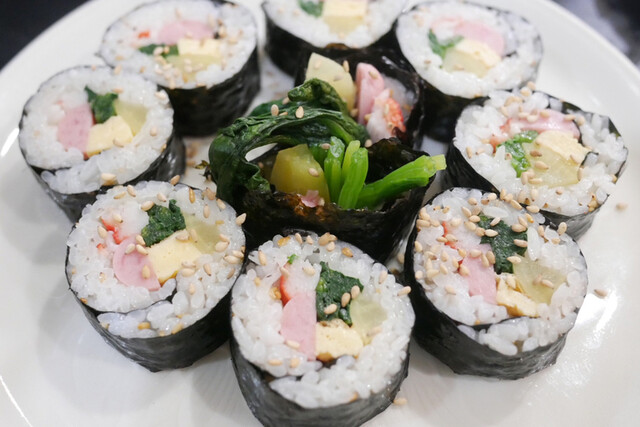
Kitahorie changes the register of Osaka dining. Around Nishi-Ohashi, streets are calmer than Namba, more design-shop than department-store, and restaurants work smaller: counters, compact rooms, regulars, and food that must justify itself without neon theatre. Here, Korean cooking is not a late-night afterthought to barbecue or beer; it becomes a focused neighbourhood table where fermentation, broth, dumpling craft, and vegetable balance carry the meal.
Mrs. Yun belongs to that smaller Osaka category: Korean and dumpling cooking consistent enough for Tabelog 100 Asian cuisine / Ethnic cuisine WEST in 2022, 2023, and 2024. In Japan, Tabelog’s Hyakumeiten lists signal local eating credibility more than imported luxury codes. A modest place can be taken seriously when repeat diners trust it. Here, the signal is not a chef biography or tasting-menu price, but Korean category focus, dumplings, a health-and-wellness menu tag, and recognition across three consecutive selection years.
Korean cooking in Osaka, judged by everyday precision
Osaka is severe about casual food. Takoyaki, okonomiyaki, kushikatsu, ramen, curry, bakeries, and cafés compete where diners notice texture, value, and timing before polish. Korean restaurants face the same scrutiny. The cooking must deliver force without heaviness, comfort without blur. Dumplings are especially revealing: wrapper, filling, heat, and seasoning arrive together, and imbalance shows fast.
That makes Mrs. Yun’s pairing useful. Korean and dumpling cooking suggests a meal organized around appetite rather than ceremony, while repeated Tabelog 100 WEST selections lift it above routine neighbourhood rotation. The 2024 listing sits in Asian cuisine / Ethnic cuisine rather than fine dining, which is the point. Osaka’s serious eating culture does not need white tablecloths to create hierarchy; it ranks places locals revisit for specific satisfaction, prepared with discipline.
The sourcing angle is subtler than at a farm-name restaurant, but Korean food makes sourcing visible through pantry logic. Fermented condiments, vegetables, grain, stock, and protein balance shape the meal before plating. A health-and-wellness menu designation suggests restraint and digestibility as much as richness. In Osaka, where many acclaimed casual formats chase fat, salt, or batter crispness, that offers food that is sociable without becoming an endurance test.
Comparison sharpens the position. Okonomi Tamachan Viva occupies nearby Osaka comfort food at JPY 4,000 to JPY 4,999, while Menya Taku represents lower-priced ramen intensity. LE PINEAU Kitahorie honten and Boulangerie P&B sit on the bakery and pastry side of the neighbourhood’s daily-food economy, and MIKI FRUITS CAFE shows Kitahorie also supports fruit-led café spending. Mrs. Yun sits between them: not a sushi-style special-occasion counter, cheap stop, or dessert room, but a compact Korean address with critical traction beyond its block.
A small-room format suits food built for sharing
The room format shows how to use the place. Twenty-four seats, including counter seats, table seats, and a private room for about eight people, put it in the intimate Osaka bracket rather than the group-hall bracket. That suits Korean dining built from several dishes instead of one main event. Counter seating keeps it casual; tables support friends; the private room works for a contained group wanting the spread without public-room noise.
The drinks list keeps the restaurant in Japan rather than simulating Seoul wholesale. Sake, shochu, and cocktails sit alongside Korean and dumpling cooking, common in Osaka’s better small restaurants: the cuisine may point outward, but drinking habits stay local. For visitors, that changes expectations. This is not a checklist Korean venue, but a Japanese urban interpretation of Korean comfort cooking, filtered through Osaka’s demand for repeatable pleasure and tight value.
There is a distinction between destination dining and itinerary dining. Destination dining asks travellers to reorganize the day around a reservation; itinerary dining rewards those already moving through the neighbourhood. The restaurant is stronger in the second category. Kitahorie folds easily into an afternoon of cafés, boutiques, galleries, and slower streets west of Shinsaibashi, then becomes dinner without changing the day’s mood. For a broader map, start with Our full Osaka restaurants guide, then cross-check nearby daytime options such as .cafe, 52CHO-ME BAKERY, 99 Pizza Napoletana Gourmet, and a canto (Italian).
Where it fits in a serious Osaka food trip
Osaka visitors often over-index on the city’s loudest eating symbols, missing how much food intelligence lives in medium-priced specialist rooms. A Korean dumpling table in Kitahorie can be as revealing as a famous queue because it shows how the city absorbs non-Japanese cuisines into its standards of portion, drink, pace, and price sensitivity. Private-room dining also helps travellers wanting the social shape of Korean eating without a large-format barbecue room.
The editorial case is clear: choose the restaurant when the trip needs a grounded dinner after a day of Osaka movement, especially for a group wanting Korean cooking, dumplings, and Japanese drinks in a small-room format. Repeated Tabelog 100 WEST selections give it more authority than a random neighbourhood pick, while the category keeps it relaxed enough for conversation. It also counterweights Osaka’s batter-and-griddle canon. After 551 Horai (551蓬莱), ramen, pizza, pastry, and okonomiyaki, Korean cooking brings fermentation, vegetables, and dumpling texture back into frame.
Travellers comparing Japanese regional dining beyond Osaka can also look at -Grilled beef Sukiyaki- KAMAKURA TANUKIAN 鎌倉 たぬき庵 in Kamakura. 鮪と炭火焼き うお炭 秋葉原店 in Tokyo.know in Kumamoto, (Shoku) Vietnam in Kawasaki, [Curry Senmon Ten] Maruyama Kyoju. in Sapporo, and [ki:] in Kyoto. For a transpacific contrast in Japanese drinking and casual formats, see Jōdo Saké Bar in Los Angeles and Onigiri Time in Pasadena.
Fast Comparison
Comparable venues to anchor price and recognition.
| Venue | Cuisine | Price | Notes |
|---|---|---|---|
| Mrs. YunThis venue — the venue you are viewing | Cozy Korean & Kimchi Gyoza House | $$ | Not listed |
| Korean Ryori Mugunfa | High-end Korean | $$$ | Kita |
| Toyo (とよ) | Seafood Izakaya | $$ | Miyakojima Ward |
| patisserie accueil | French-style patisserie & cake shop | $$ | Nishi |
| Magic Spice Naniwa ten | Sapporo-style soup curry | $$ | Naniwa |
| Le Premier Cafe Shinsaibashi honten | Specialty coffee & cafe | $$ | Chūō |
Recognition history
Dated appearances from independent guides and award organizations, with the underlying list record or original source where available.
Tabelog 100 #34 · No. 34
Tabelog · Tabelog 100 - Asian cuisine / Ethnic cuisine - WEST - 2024
Continue exploring
More in Osaka
Restaurants in Osaka
Browse all →




Bars in Osaka
Browse all →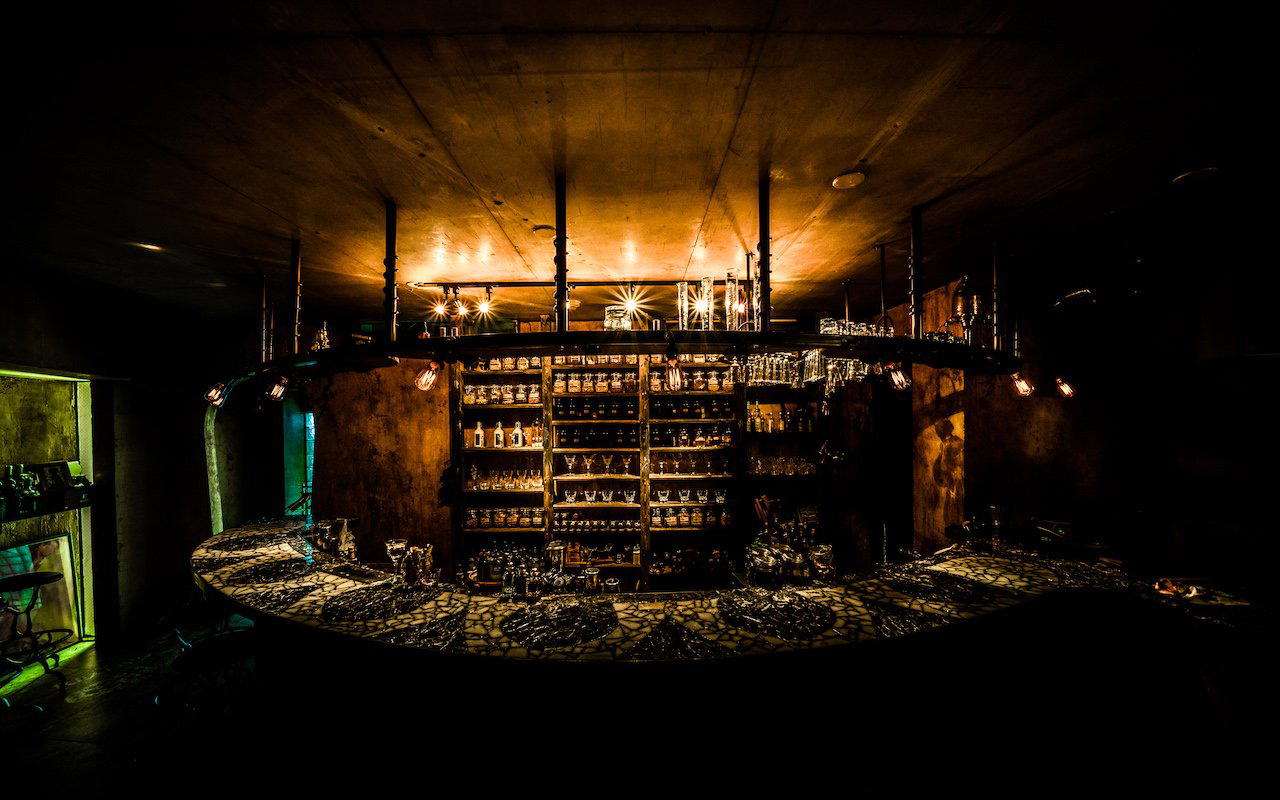
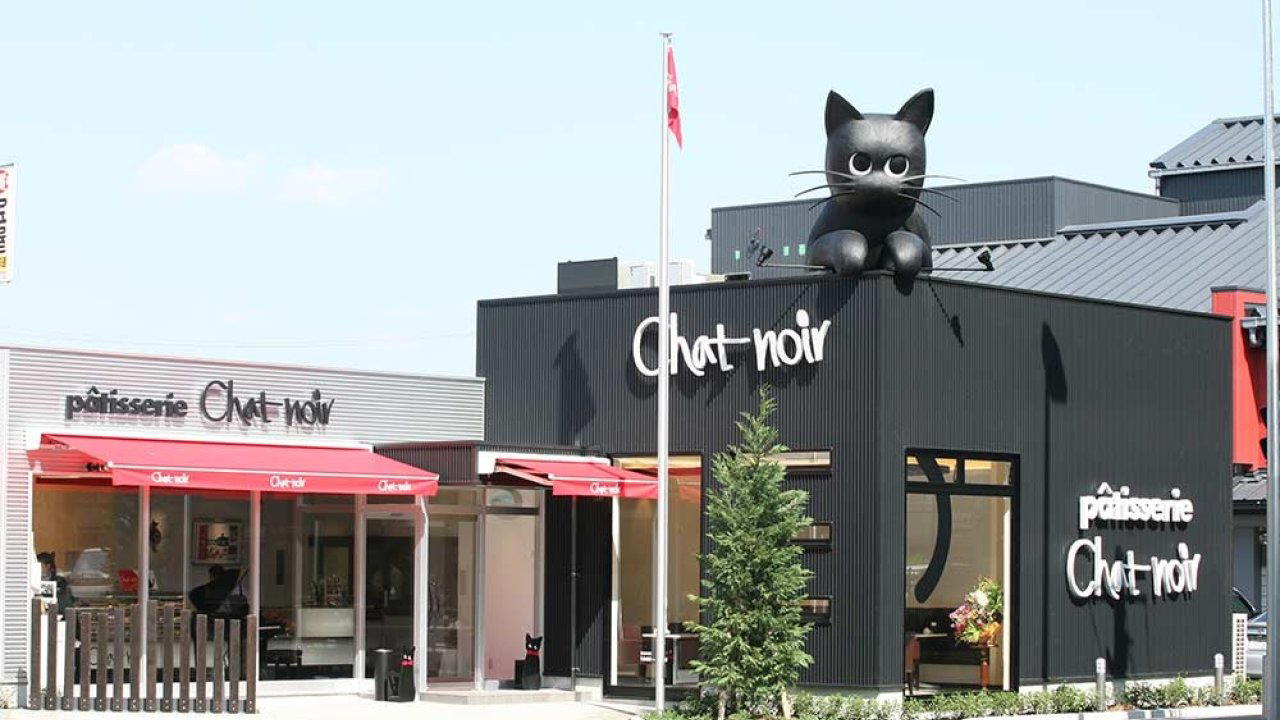


Hotels in Osaka
Browse all →



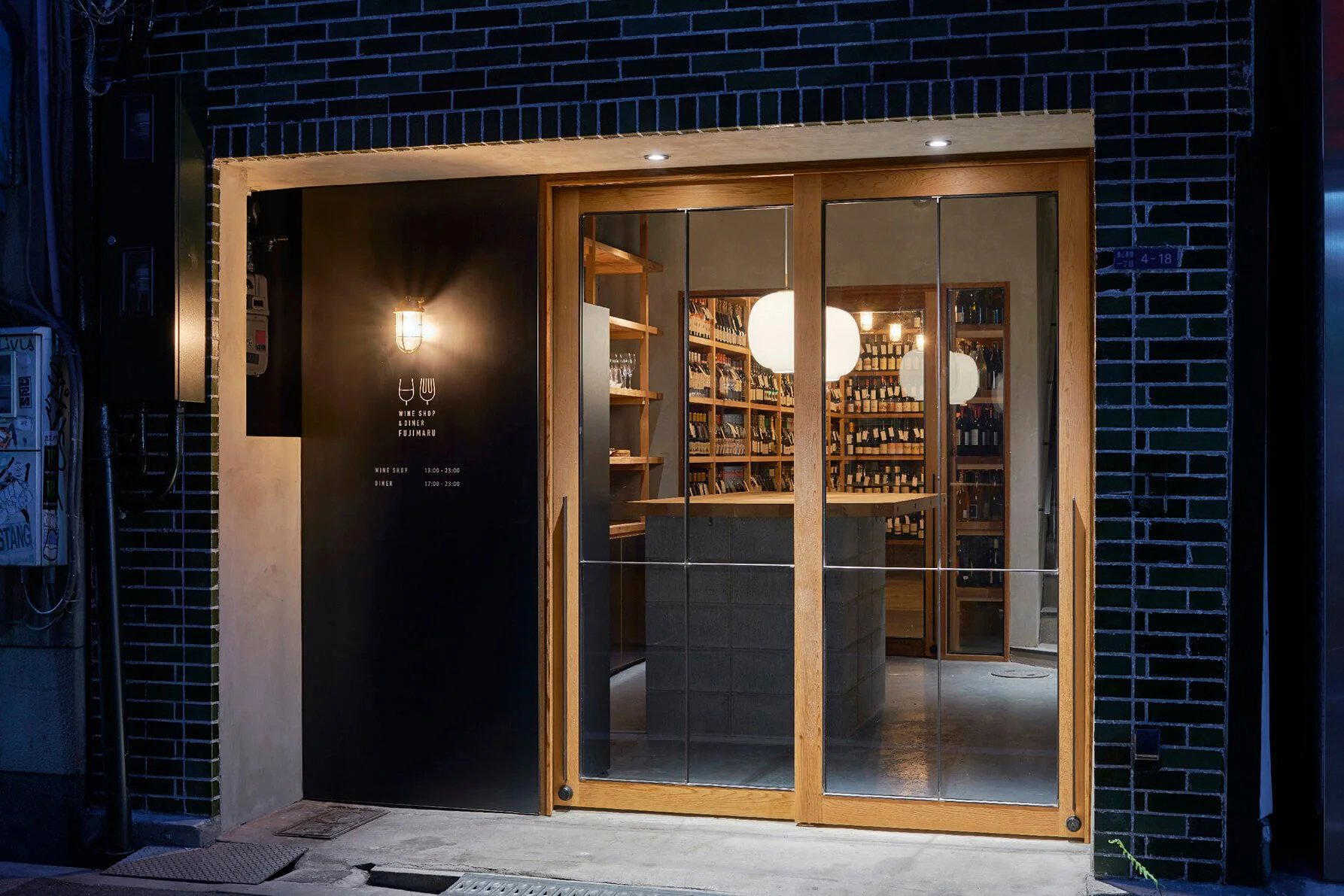
Wineries in Osaka
Browse all →
At a Glance
- Cozy
- Intimate
- Casual Hangout
- Group Dining
- After Work
- Solo
- Chefs Counter
- Private Dining
- Standalone
- Beer Program
Current opening hours
- Monday
- Closed
- Tuesday
- 5–11 PM
- Wednesday
- 5–11 PM
- Thursday
- 5–11 PM
- Friday
- 5–11 PM
- Saturday
- 5–11 PM
- Sunday
- 5–11 PM
Hours can change for holidays and private events. Last verified .
A cozy, hideout-style house restaurant with just 24 seats split between counter, tables, and a small tatami private room in the back, creating an intimate, relaxed atmosphere suited to friends and small groups over leisurely Korean comfort food and drinks.