Indian River
Our verdict
The Indian River in Portsmouth, Dominica sits at the intersection of rainforest, mangrove, and Atlantic waterway, one of the island's most atmospheric entry points into Dominican nature and local food culture. Tours along the river connect visitors directly to the ecosystem that defines much of what ends up on plates across the north of the island. For anyone tracing the source of Dominican cuisine, the river is where that story begins.

Pearl is the En Primeur Club membership app, where members save venues, book tables and use the concierge.
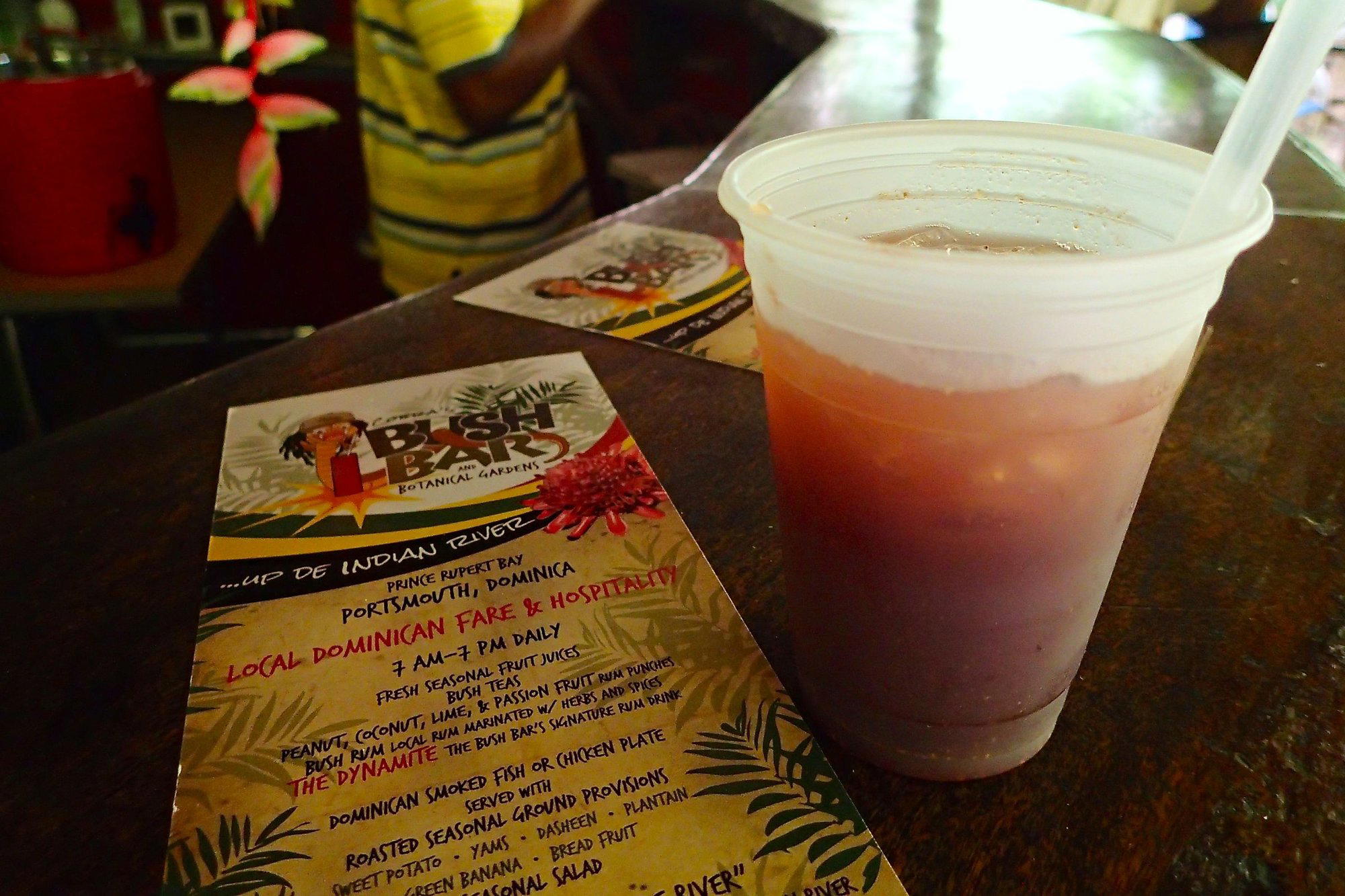
The menu
What to order
- Grilled fresh catch
- Local fish preparations
Where the Rainforest Meets the Table
Dominica's food identity is rooted in something most island cuisines have lost: a genuinely intact ecosystem that still feeds its people. The Indian River, flowing through Portsmouth into the Caribbean Sea in the parish of Saint John, is one of the most direct expressions of that relationship. The mangroves are dense here, the canopy low enough to paddle beneath, and the silence punctuated only by the calls of birds that also populate the menus of local cooking knowledge, not as ingredients, but as indicators of an environment healthy enough to produce dasheen, river crayfish, and wild provisions in volume. Arriving at the river's mouth in the early morning, before the sun clears the forest ridge, gives you a clearer sense of where Dominican cooking draws its depth than any restaurant interior can.
The Sourcing Argument, Made Physical
In an era when ingredient provenance is increasingly a marketing claim rather than a supply chain reality, the Indian River functions as a living demonstration of the alternative. The waterway and its surrounding forest sit within a broader agricultural belt that supplies Portsmouth's dining scene, places like Bwa Denn (Caribbean Fusion) and Captain's Table restaurant draw on the kind of hyper-local produce that this ecosystem sustains. Dasheen leaves, breadfruit, christophine, and freshwater species don't travel far in Dominica because they don't need to. The island's volcanic soil and year-round rainfall produce yields that most Caribbean competitors import.
This is the sourcing argument made physical rather than rhetorical. Kitchens at Dinnerhorn and Jumpin' Jay's Fish Café work within a short supply radius that a river tour makes legible. When cooks talk about local sourcing in Dominica, the Indian River corridor is part of what gives that claim weight, it is not a marketing phrase but a geography.
The Experience Along the Water
Guided boat tours are the standard way to access the upper reaches of the Indian River, where motor engines are banned to preserve the mangrove corridor. The boats are narrow, flat-bottomed, and rowed by local guides whose families have worked the river for generations. That institutional knowledge, which bend holds crayfish, where the heliconia grows thickest, which trees the parrots favour, is the kind of place-specific expertise that can't be replicated by a tour operator flown in from elsewhere. Portsmouth sits at the river's mouth, making it the logical base for the experience, and the town's broader dining circuit, covered in depth in our full Portsmouth restaurants guide, provides context before and after time on the water.
The ecological conditions along the river also explain why Dominica's provision crops taste the way they do. Alluvial soil deposited by the river's seasonal run-off feeds the agricultural plots that fringe its banks. Farmers here don't need to manufacture fertility. The river does it.
Portsmouth in the Wider Dominican Dining Map
Dominica's dining scene is not concentrated in one place, and understanding the Indian River means understanding its position in a distributed food geography. North of Portsmouth, Keepin' It Real in Toucari and Coral Reef Bar & Restaurant in Calibishie represent the coastal end of the sourcing chain, what the fishing boats bring in. East of the island, Islet View Restaurant & Bar in Castle Bruce operates in a similarly forest-adjacent context. South toward the capital, Palisades Restaurant in Roseau and Sardonyx Restaurant & Bar in Mero pull from a different agricultural zone. The Indian River sits at the northern end of this geography, feeding, directly and indirectly, the kitchens that cluster around Portsmouth's waterfront.
This distributed model contrasts sharply with the centralised fine-dining systems of cities like New York, where restaurants such as Le Bernardin and Atomix depend on logistics networks spanning continents to put local-seeming produce on the plate. The Dominican model, with the Indian River as one of its anchoring ecosystems, is structurally shorter and, by extension, more traceable. Similarly, farm-to-table operations at the level of Lazy Bear in San Francisco or the strict regional sourcing practiced at Atelier Moessmer Norbert Niederkofler in Brunico spend considerable effort approximating what Portsmouth's kitchens access by default.
Timing and Practical Orientation
Morning is the right time to be on the Indian River, the light is low and horizontal through the canopy, the heat manageable, and wildlife activity concentrated in the first hours after dawn. Tours typically launch from the river mouth near Portsmouth's centre, and local guides can be arranged through guesthouses or directly at the embarkation point. There are refreshment stops along the upper river where local bush rum and fresh coconut are available, and some guides connect visitors to small family operations growing provisions along the banks. The experience pairs naturally with a late-morning meal in Portsmouth; 15 Point Road is one starting point for the post-river dining circuit. For those travelling the island's food geography more broadly, Secret Bay in Tibay represents the higher end of what Dominica's north produces in a hospitality context. And for a point of comparison in the category of destination restaurants built on regional sourcing integrity, Dal Pescatore in Runate and Emeril's in New Orleans both demonstrate how deeply a kitchen can embed itself in its surrounding food culture, the Indian River corridor shows Dominica doing something similar, without the fine-dining apparatus around it.
Frequently asked questions
Can I bring kids to Indian River?
The Indian River is well-suited to children, particularly the guided boat tours that access the upper reaches of the waterway in Portsmouth. Motor engines are banned along that corridor, which keeps the journey calm and the noise low, practical advantages with young passengers aboard. The wildlife activity and mangrove canopy provide genuine engagement without requiring any specialist knowledge or physical fitness.
How would you describe the vibe at Indian River?
Slow and deliberate. The ban on motorised engines in the upper river sets the pace, this is a place where you move at the speed of a rowing boat through a mangrove corridor, not a tourist attraction engineered for throughput. Portsmouth is a working port town rather than a resort, which means the surrounding context stays grounded in everyday Dominican life rather than packaged scenery.
Is the Indian River in Portsmouth accessible without a guided tour, and what does the guided experience actually involve?
Access to the upper reaches of the Indian River requires a licensed guide, a regulation that protects the mangrove corridor and keeps motor engines off the water. The guided boat tour from Portsmouth typically covers the full length of the navigable stretch, with guides identifying wildlife and explaining the river's ecological function within Dominica's broader rainforest system. Morning departures are the practical choice: cooler temperatures and lower light through the canopy coincide with peak wildlife activity along the banks.
What should I eat at Indian River?
The Indian River itself is a natural and ecological site in Portsmouth rather than a dining venue, so there is no fixed menu or kitchen to speak of. What it represents in Dominica's food story is the intact sourcing infrastructure behind the island's cuisine: provisions, river fish, and forest ingredients that still move from land and water into local cooking. For dining in Portsmouth that reflects this sourcing reality, the surrounding town is the starting point.
Comparable Spots, Quickly
| Venue | Cuisine | Price | Awards | Notes |
|---|---|---|---|---|
| Indian RiverThis venue (the venue you are viewing) | Caribbean Riverside Grill | $10–20 | Not listed | Not listed |
| Bwa Denn | Caribbean-French Fusion | Not listed | Relais Chateaux Award | Caribbean Fusion |
| Purple Turtle Beach Club | Caribbean Beach Seafood | $20–30 | Not listed | Not listed |
| Captain's Table restaurant | British & Japanese Fusion | $30–50 | Not listed | Not listed |
| Dinnerhorn | Classic American Seafood | $20–30 | Not listed | Not listed |
| Jumpin' Jay's Fish Café | Fresh Seafood and Raw Bar | $30–50 | Not listed | Not listed |
Continue exploring
More in Portsmouth
Restaurants in Portsmouth
All restaurants in Portsmouth →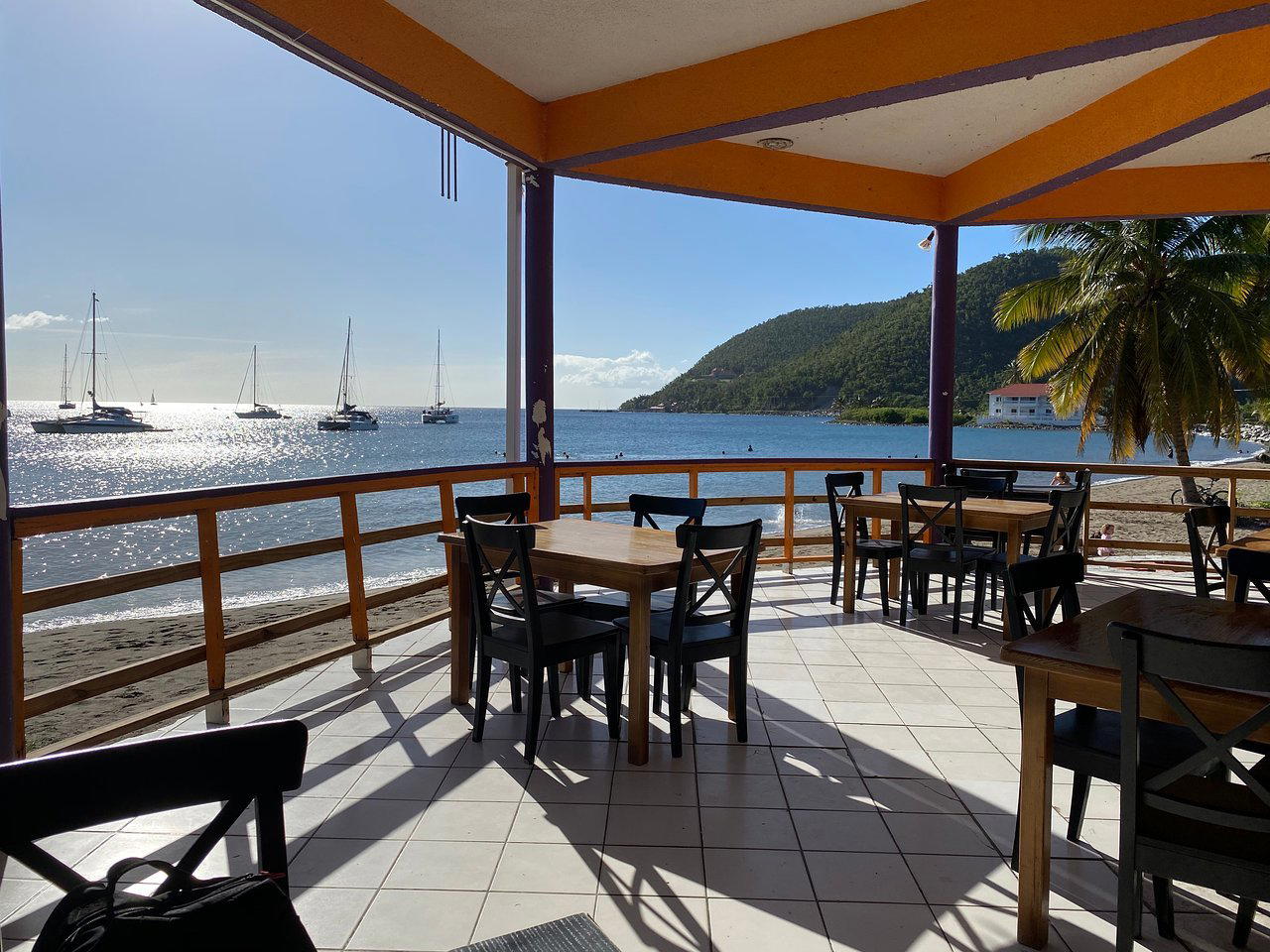
Bars in Portsmouth
Browse all →
Details
- Scenic
- Rustic
- Casual Hangout
- Family
- Group Dining
- Waterfront
- Open Kitchen
- Local Sourcing
- Waterfront
- A La Carte
- Pescatarian Friendly
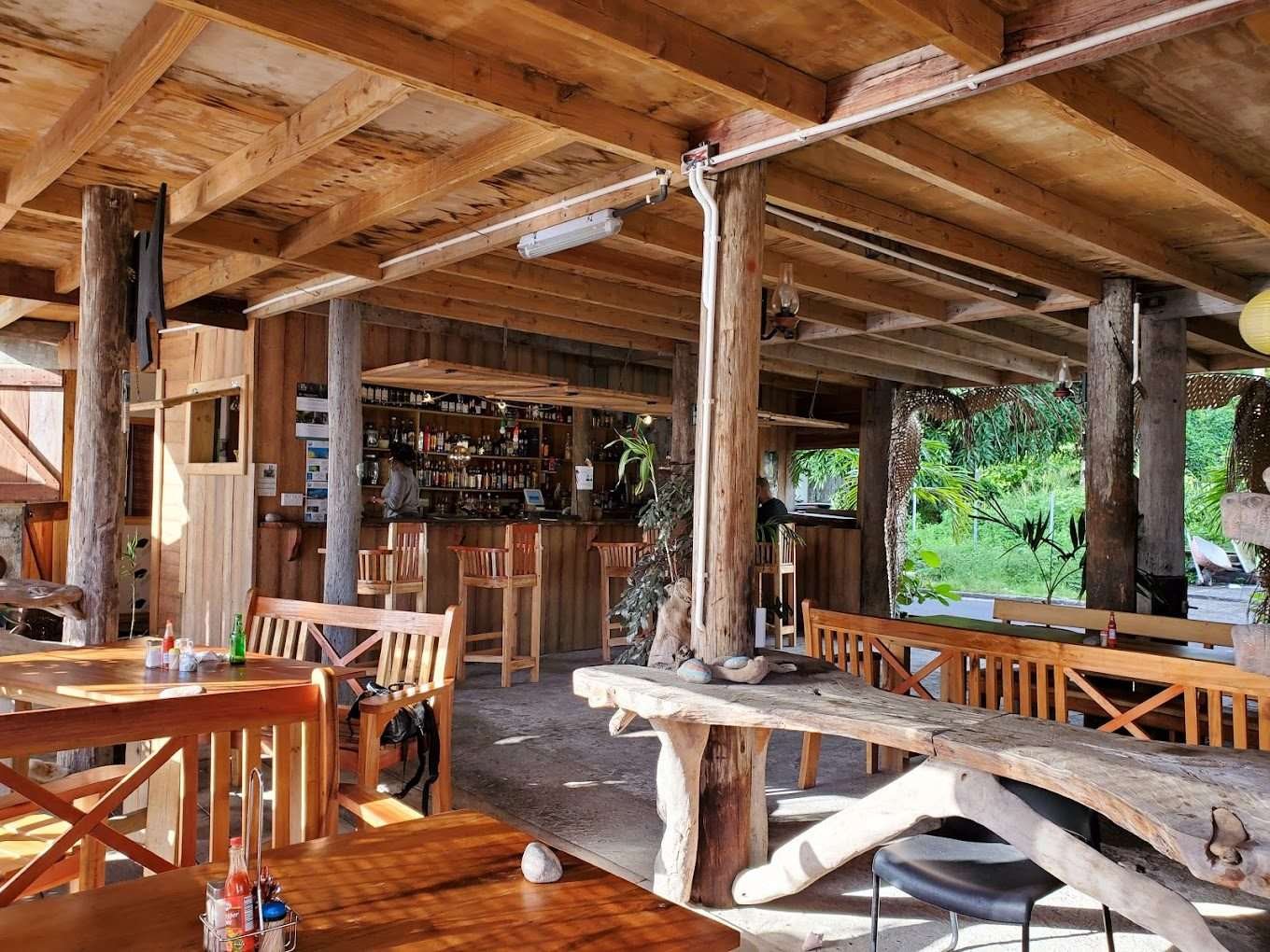
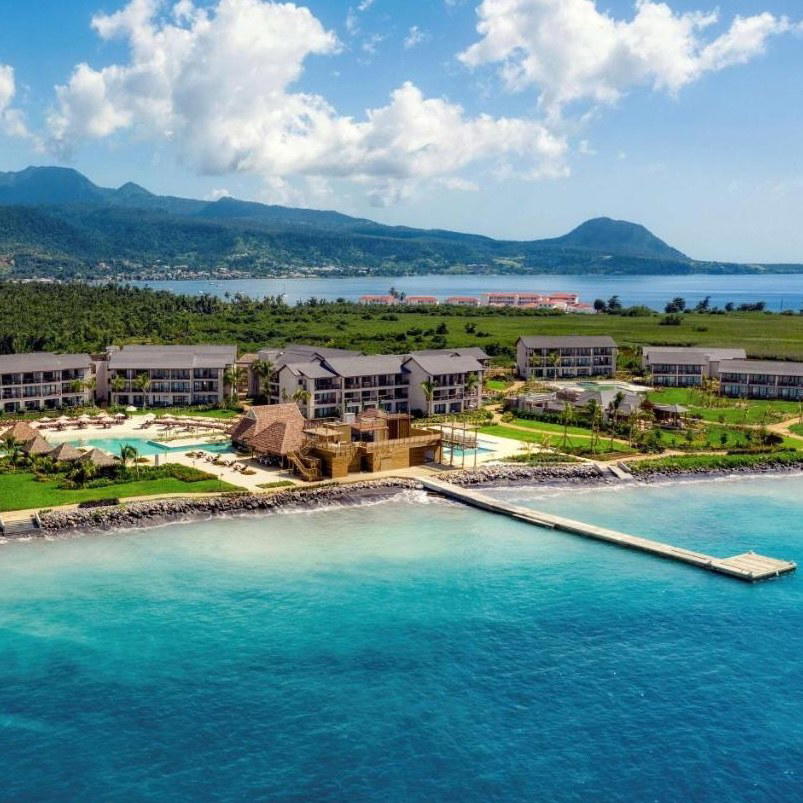
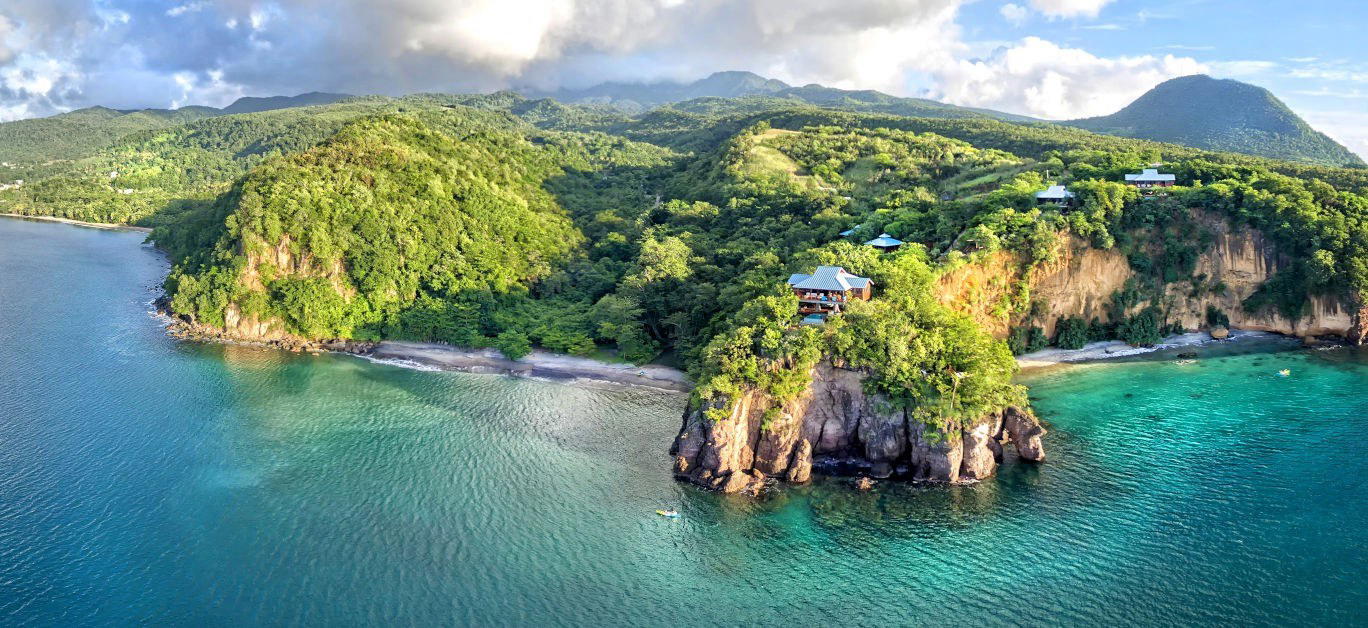
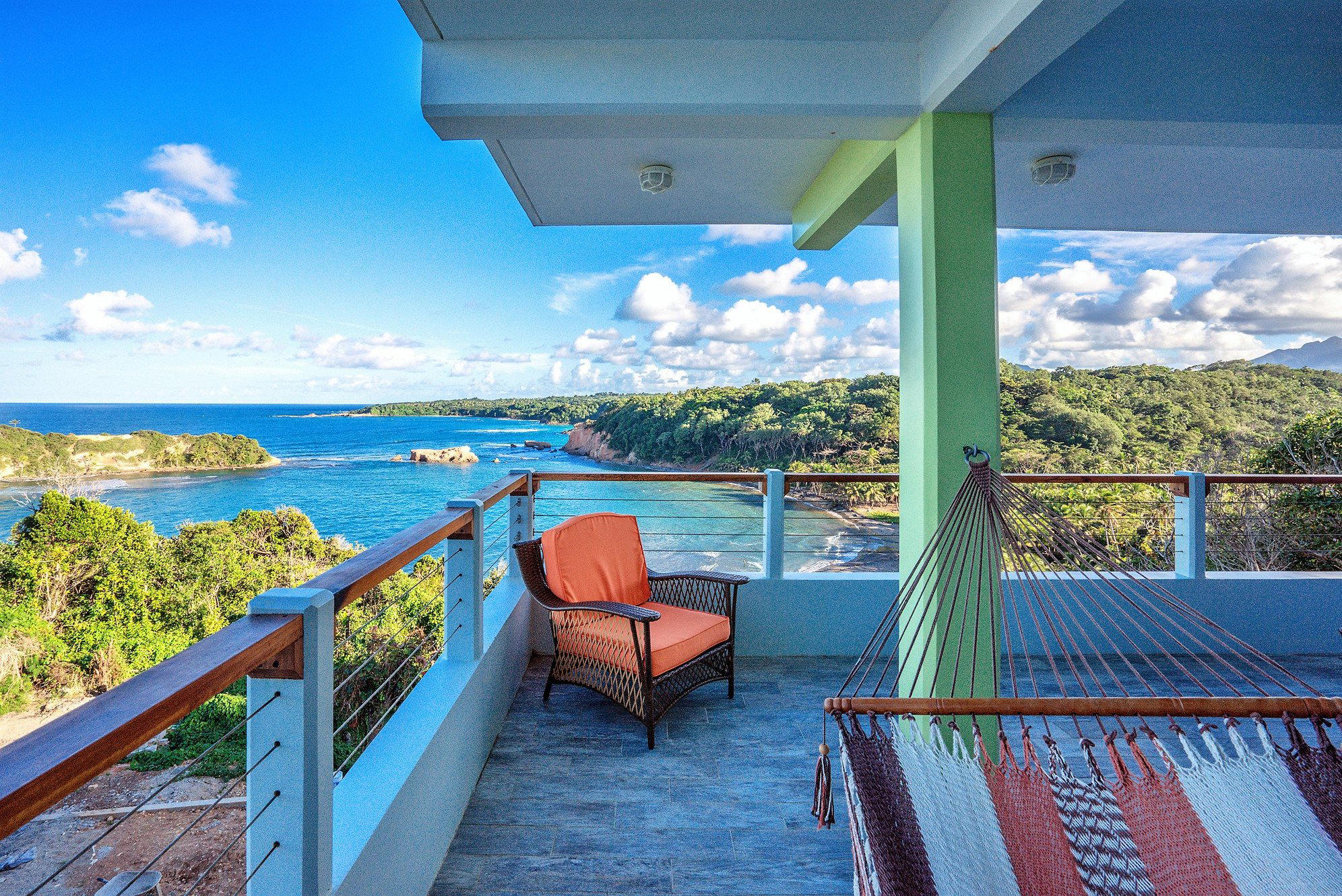
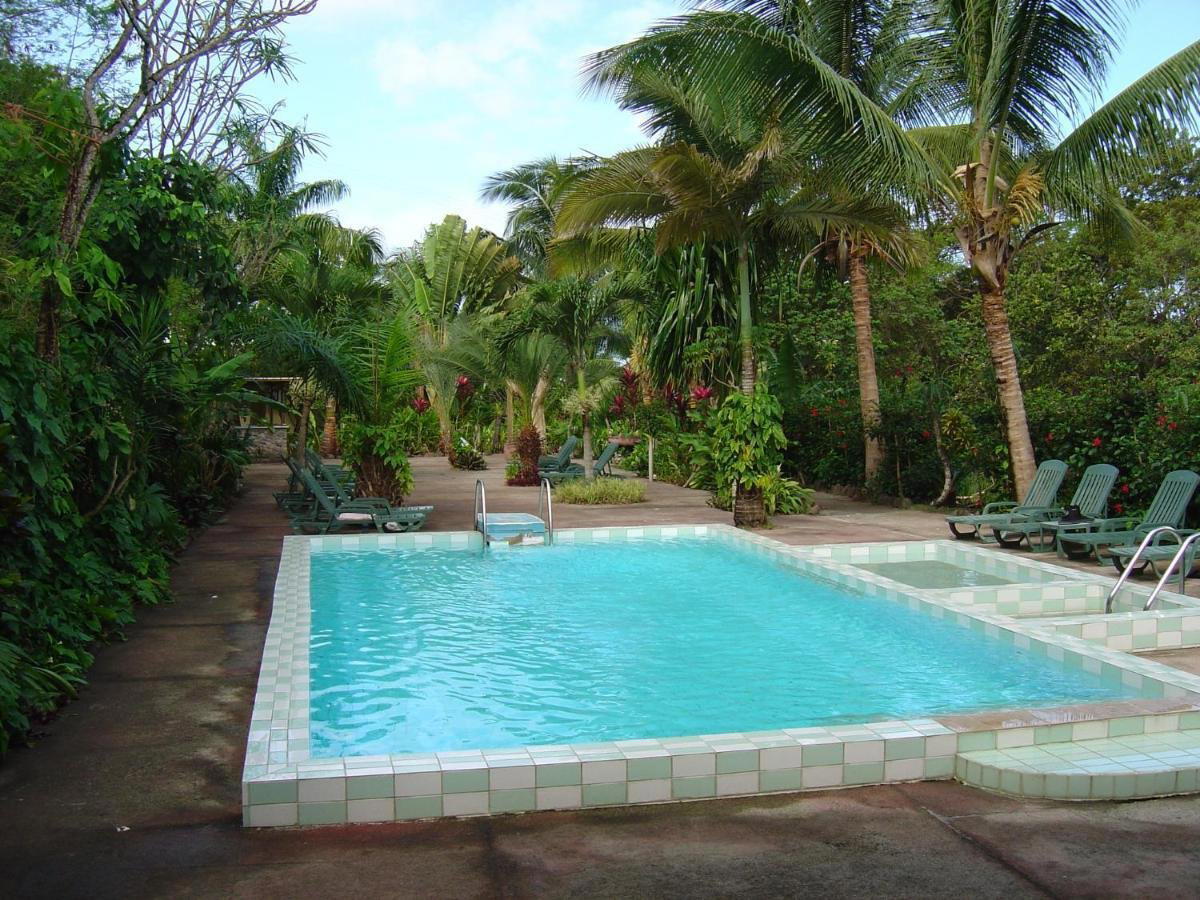
Open-air casual setting with natural riverside views and tropical atmosphere.