The Kitchin






A Michelin-starred fixture in Leith's converted whisky warehouse district since 2006, The Kitchin applies classical French technique to rigorously seasonal Scottish produce. The three-course lunch at £69 per person makes it one of Edinburgh's more accessible fine-dining propositions; dinner scales to £130 à la carte or £165 for the Surprise Tasting Menu. Ranked among Europe's top 500 restaurants by Opinionated About Dining in 2025.
 Discover on Pearl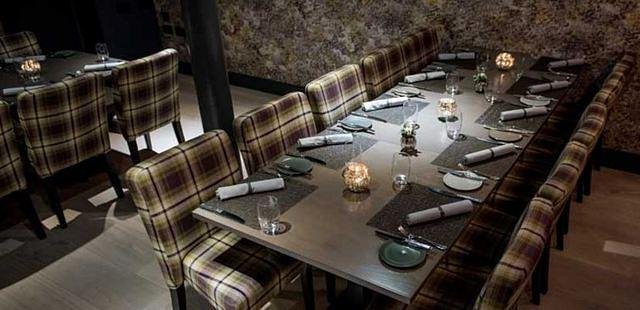
Leith's Warehouse District and the Case for Going at Lunchtime
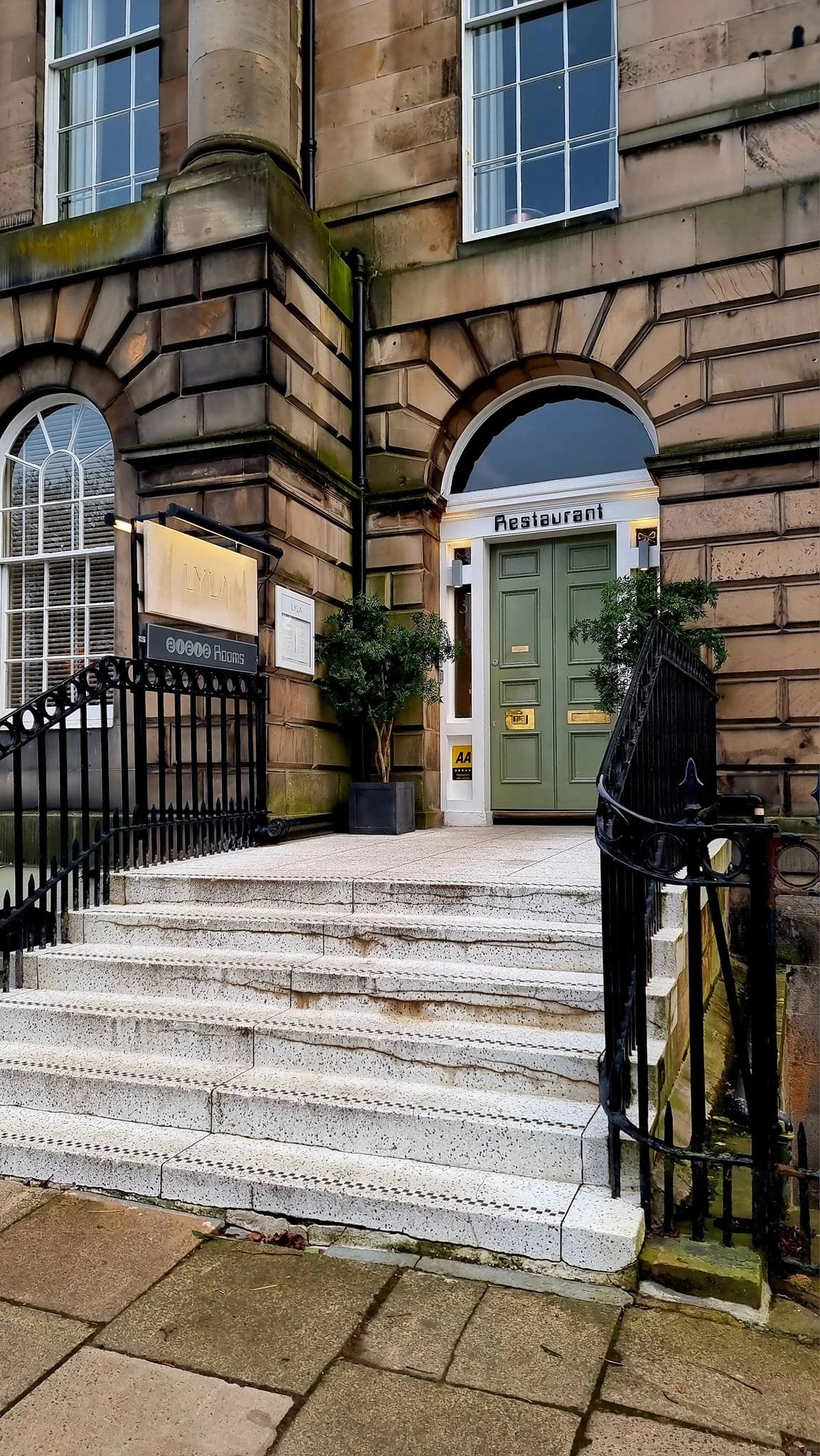
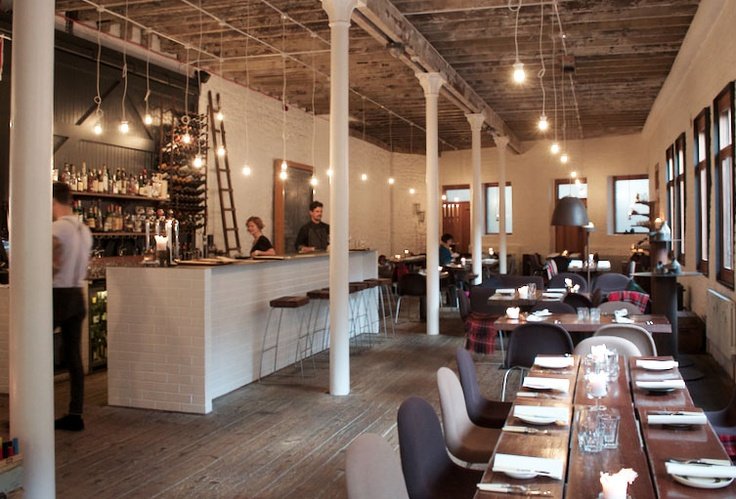
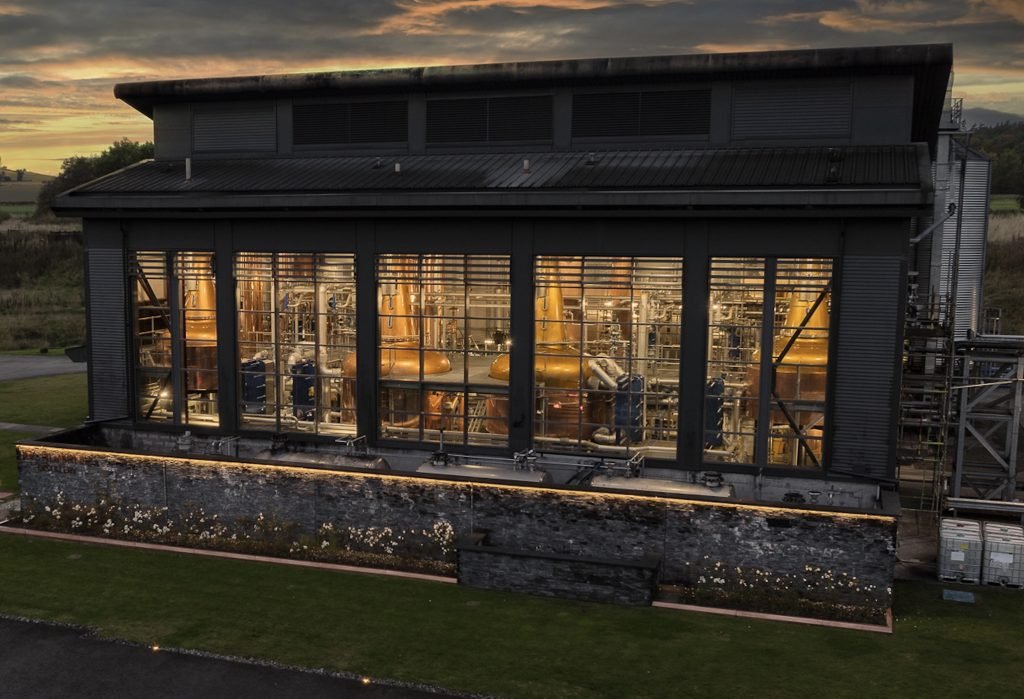
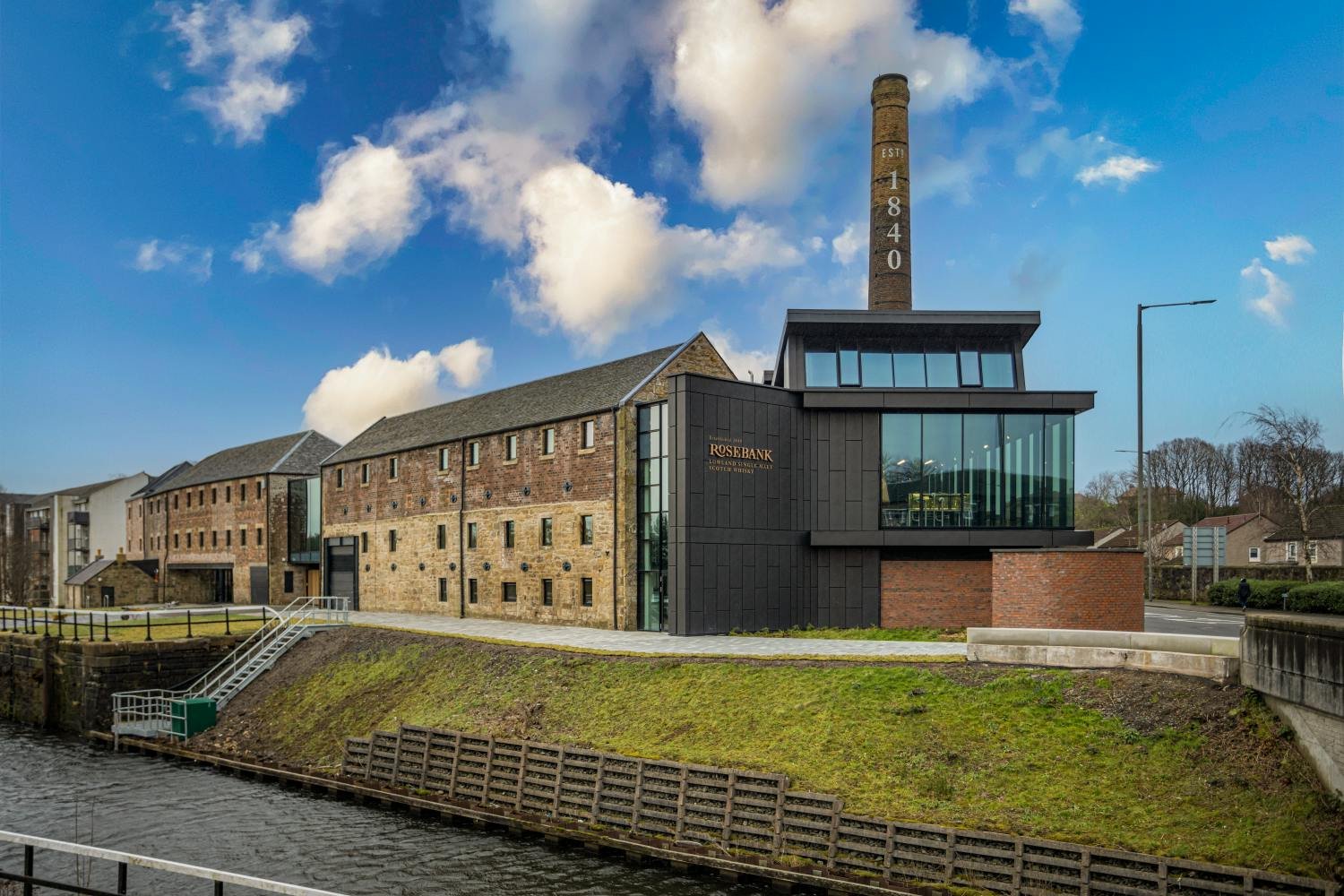
The old docks of Leith have a particular quality in the middle of the day: the light off the Water of Leith, the low industrial geometry of converted warehouses, a neighbourhood that feels like it belongs to the city rather than to tourists. It is in this setting, inside a former whisky warehouse at 78 Commercial Quay, that Edinburgh's most-discussed fine-dining address has operated since 2006. Arriving for lunch, when the room is quieter and the atmosphere less charged, is a different proposition from dinner — and in many ways the more instructive one.
Edinburgh's Michelin-starred tier has expanded meaningfully in the past decade, with venues like Martin Wishart, Timberyard, AVERY, and Condita each carving distinct identities. The Kitchin sits at the older, more established end of that peer set: two decades in operation, a Michelin star held since 2006 (the year it opened), and the highest comment volume in the Scottish capital in the most recent Hardens annual diners' poll. That kind of longevity either signals complacency or the accumulation of genuine institutional authority — and recent assessments suggest the balance tips toward the latter, after what observers noted was a renewed sense of focus and energy following a period of over-extension across the wider Kitchin group.
Two Meals, One Address: The Lunch and Dinner Divide
Few fine-dining venues in Britain make the lunch-versus-dinner calculus as legible as this one. The three-course lunch is priced at £69 per person , a figure that sits well below the dinner à la carte at £130 per person and substantially below the Surprise Tasting Menu at £165. What changes between the two services is not primarily the kitchen's ambition but the pace, the format, and the value density.
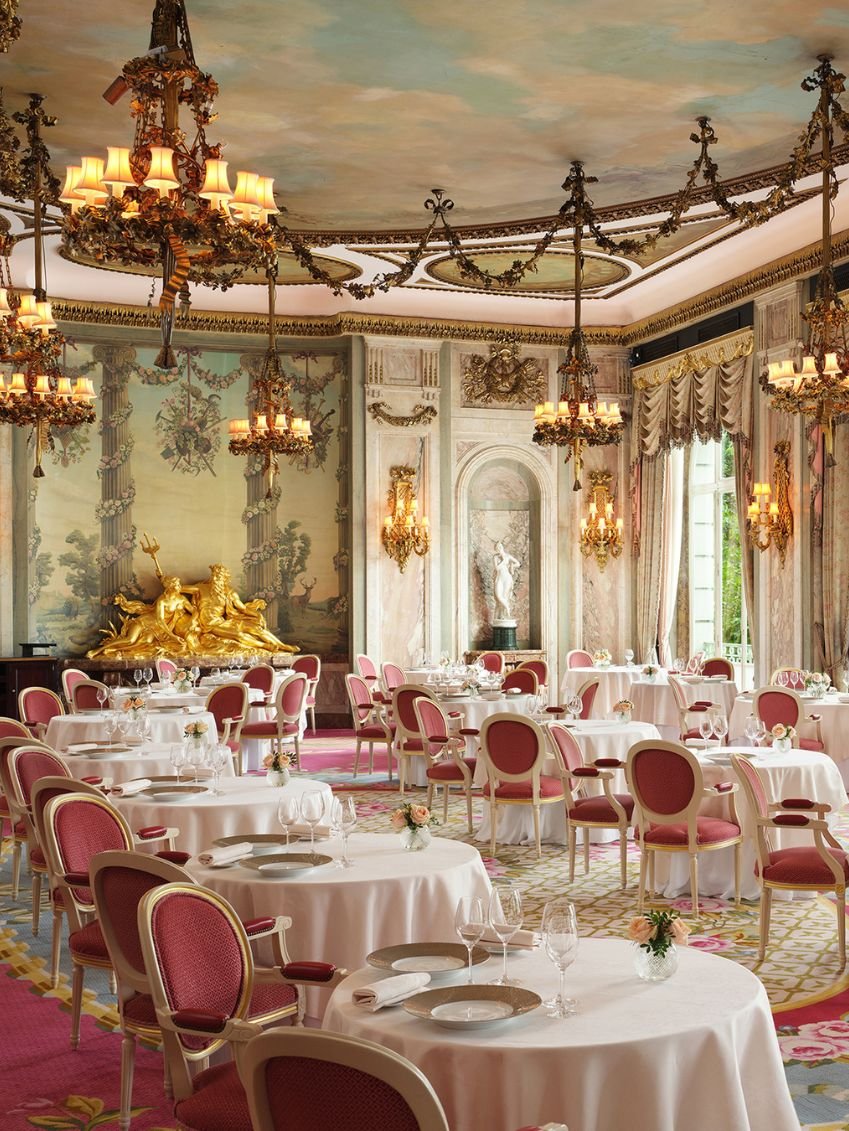
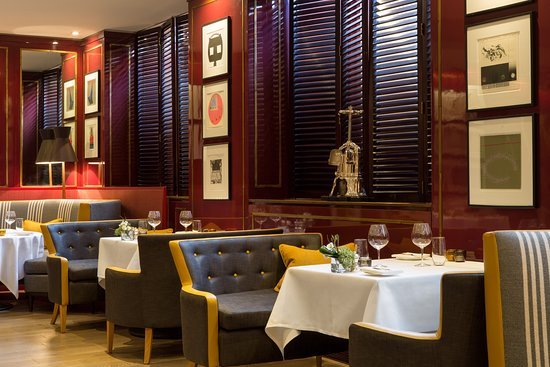
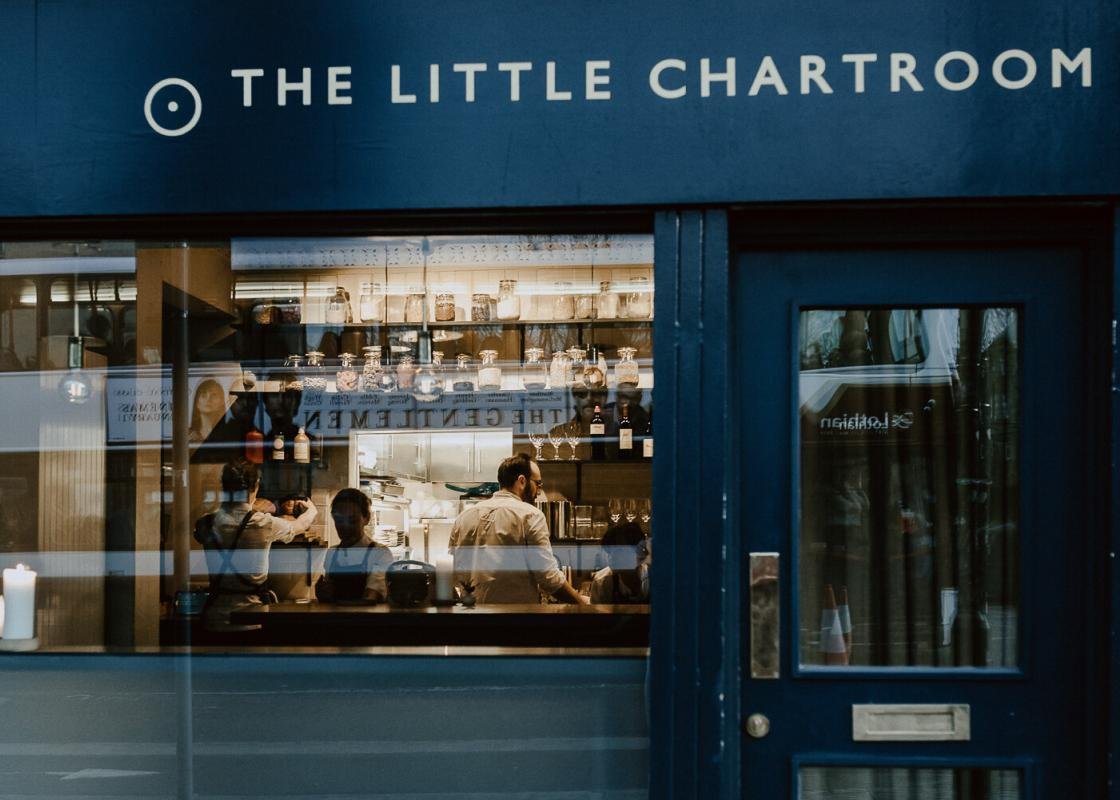
At lunch, the dining room carries a more relaxed register. The glazed wall between the room and the kitchen still delivers what amounts to a working theatre , head chef Lachlan Archibald directs the pass with the kind of quiet authority that comes from years in a kitchen that runs on precision , but the social temperature is lower, and the format allows guests to calibrate their own rhythm. Several repeat visitors note that game season, broadly autumn through early winter, is when the lunch menu achieves particular clarity: the kitchen's commitment to Scottish seasonality is most visible when grouse, venison, and Hebridean lamb are driving the menu rather than supplementing it.
Dinner operates at a different register. The room fills, service tightens its rhythm, and the choice between the carte and the tasting format becomes meaningful. The Surprise Tasting Menu at £165 is structured to deliver the most complete account of the kitchen's range , the element of surprise is not theatrical; it reflects a kitchen philosophy rooted in whatever Scottish produce is at its seasonal peak on the day. Those who find the à la carte at £130 more comfortable should know that the kitchen's classical French-meets-Scottish identity comes through equally on both formats; the tasting menu simply extends the arc.
Among the British fine-dining venues that operate in comparable territory , think L'Enclume in Cartmel, Moor Hall in Aughton, or Winteringham Fields , The Kitchin occupies an interesting position: urban rather than rural retreat, warehouse industrial rather than country house, Scottish in identity rather than generically modern British. The comparison set for restaurants with this particular combination of setting and ambition is small. Within Edinburgh itself, the closest point of reference is arguably Martin Wishart, also in Leith, also holding a Michelin star, and also applying French classical training to Scottish ingredients. The distinction is in atmosphere and architecture as much as in menu philosophy.
The Kitchen and the Produce It Works With
The cooking at The Kitchin is broadly classifiable as French-trained technique applied to Scottish ingredient sourcing , a formula that has driven a particular strain of British fine dining since at least the 1990s and that venues like Gidleigh Park and Hand and Flowers have each interpreted in their own regional contexts. What distinguishes the Scottish version of this approach is the rawness of the source material: Hebridean lamb, wild game, North Sea fish, Orkney and Shetland produce all carry a particularity that rewards restraint as much as elaboration.
Documented dishes from recent assessments include venison carpaccio arranged on bone-broth jelly with hazelnuts and pickled wild garlic bulbs; braised beef shin with Café de Paris butter and pommes Pont-Neuf; Hebridean lamb pithivier with carrot variations and Espelette pepper; and a lemon soufflé served with local crème fraîche. These are dishes built on classical architecture , jelly, pithivier, Pont-Neuf potatoes, soufflé , but the Scottish provenance of the primary ingredients gives them a regional identity that menus at, say, Kitchen Table in London or The Fat Duck in Bray do not share.
The wine list is described in reviewed assessments as comprehensive without being overwhelming, balancing classical and contemporary options with a good range available by the glass and carafe. For visitors arriving primarily for the food rather than for a deep wine programme, this is a pragmatic approach: the list supports the menu without demanding that diners treat it as the evening's main project. The venue also holds a White Star recognition from Star Wine List, published January 2022, which signals a cellar of some seriousness.
Where the Venue Sits in the European Fine Dining Picture
Longevity at this level is not common. The Kitchin has held its Michelin star continuously since its opening year in 2006 , a run that now spans nearly two decades and that places it in a small cohort of British restaurants that have maintained starred status without interruption. In the 2024 and 2025 Opinionated About Dining European rankings, it placed at 459th and 475th respectively , a slight drift, but one that keeps it inside the top 500 of a field covering the whole continent. La Liste assigned it 82.5 points in 2025 and 81 points in 2026, a modest compression that mirrors broader scoring patterns across established European restaurants.
Within Edinburgh, where Ardfern and newer arrivals are extending the city's ambition, the more established Michelin tier , including venues of The Kitchin's vintage , functions as a benchmark against which newer restaurants define themselves. The highest comment volume in the Hardens Scottish capital poll for the most recent survey year is meaningful data: it indicates not just popularity but engagement, the kind of strong opinion, both positive and critical, that only a restaurant people care about attracts. The minority voice calling it overpriced at £130 for three courses is worth noting as a calibration: that view exists, and it is not irrational, but it sits against the majority position that the cooking represents strong value at its price point given the starred context.
For a fuller account of where The Kitchin fits within Edinburgh's current dining map, see our full Edinburgh restaurants guide. For planning the rest of a trip, our Edinburgh hotels guide, bars guide, wineries guide, and experiences guide cover the wider picture. For those interested in The Ledbury in London as a peer-set comparison in the wider British fine-dining conversation, the contrast in urban context , London's Notting Hill versus Leith's docklands , is instructive about how setting shapes identity at this level.
Planning a Visit
The restaurant opens Tuesday through Saturday for both lunch (12 PM to 2:30 PM) and dinner (6 PM to 10 PM), and is closed on Sundays and Mondays. The three-course lunch at £69 per person is the most accessible entry point; the evening à la carte runs to £130 per person for three courses, and the Surprise Tasting Menu is £165 per person. Tables by the kitchen's glazed viewing wall are worth requesting when booking , they give a direct line of sight to the pass without breaking the room's relaxed register. The restaurant sits at 78 Commercial Quay in Leith, accessible by Edinburgh's tram network (the Leith Walk corridor) or a short taxi from the city centre. Given the venue's position as the most commented-on restaurant in Edinburgh in the most recent Hardens poll, booking well in advance , particularly for dinner and especially during game season in autumn , is advisable. For Edinburgh visitors who want to compare across the city's Michelin-starred tier before committing, the Condita and Timberyard pages offer useful contrast in format and price structure.
The Short List
A quick peer list to put this venue’s basics in context.
| Venue | Notes | Price |
|---|---|---|
| The Kitchin | This venue | ££££ |
| Martin Wishart | Modern European, Modern Cuisine, ££££ | ££££ |
| Timberyard | Modern British - Nordic, Modern British, ££££ | ££££ |
| AVERY | Creative, ££££ | ££££ |
| Condita | Modern Cuisine, ££££ | ££££ |
| Dulse | Seafood, ££ | ££ |
Continue exploring