Moritz Bio-Restaurant sits at Schulgasse 1 in Hohenems, Vorarlberg, placing organic-led cooking inside a region where farm sourcing and seasonal discipline have long defined local restaurant culture. The address situates it within easy reach of the Rhine Valley's agricultural producers, and the bio designation signals a specific commitment to certified organic supply chains that separates it from the broader casual dining tier in town.
- Address
- Schulgasse 1, 6845 Hohenems, Austria
- Phone
- +436801573427
- Website
- biomoritz.at
- Directions
- Get directions
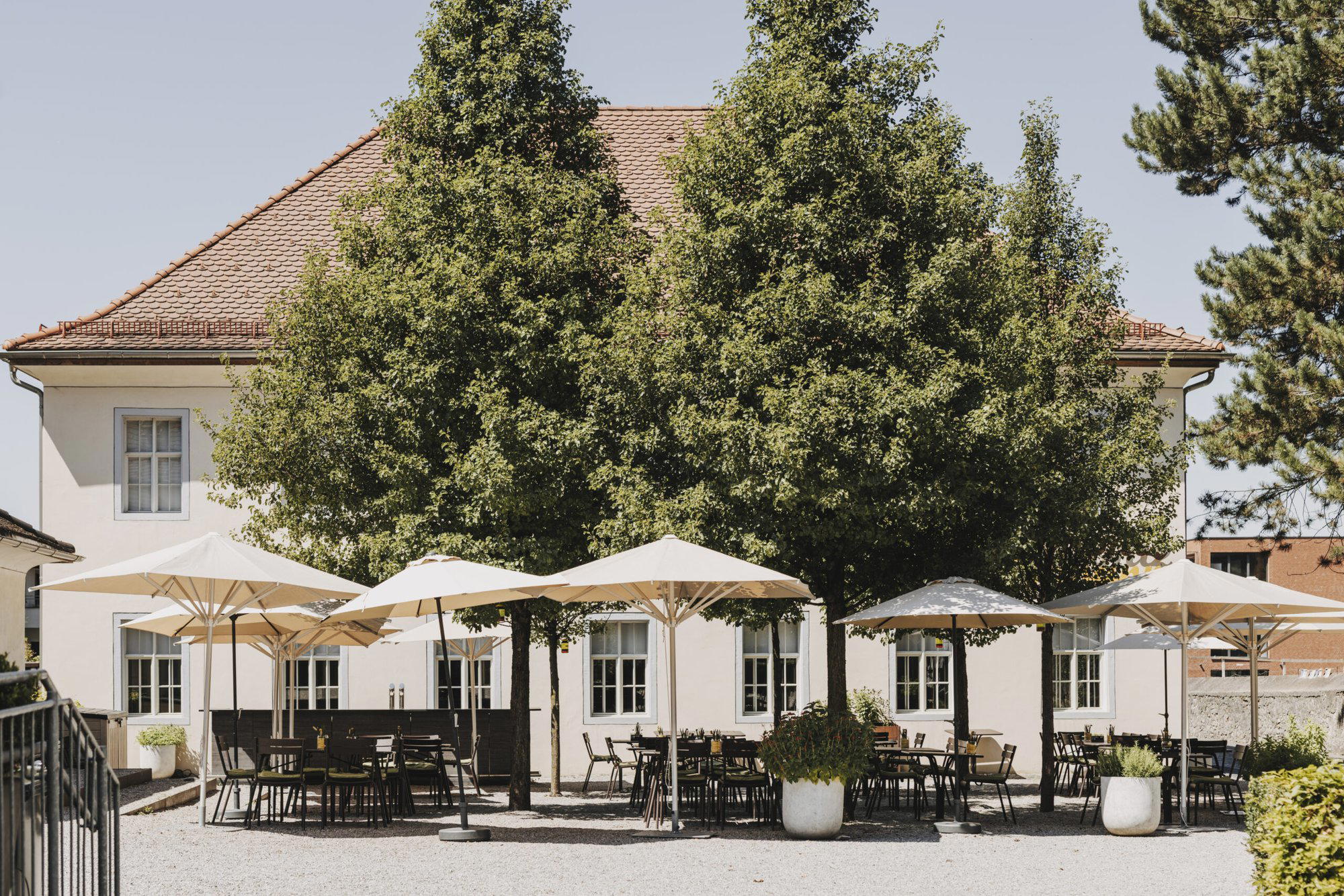
Organic Cooking in the Vorarlberg Tradition
Vorarlberg has always operated at a slight remove from the rest of Austria's restaurant culture. Geographically wedged between Switzerland, Germany, and Liechtenstein, the region developed a food identity shaped more by Alpine practicality and cross-border agricultural exchange than by the grand bourgeois cooking traditions of Vienna or Salzburg. The result, across decades of slow evolution, is a regional table that privileges ingredient provenance, seasonal limits, and restraint in preparation over showmanship. Moritz Bio-Restaurant, at Schulgasse 1 in Hohenems, is a restaurant serving Organic Regional Austrian cuisine at a price tier of about $35 per person.
Hohenems itself is a compact historic town in the Rhine Valley, roughly equidistant between Dornbirn to the north and Feldkirch to the south. It is not a restaurant destination in the way that Steirereck im Stadtpark in Vienna draws visitors from across Europe, nor does it carry the alpine culinary prestige of Griggeler Stuba in Lech or Gourmetrestaurant Tannenhof in Sankt Anton am Arlberg. What it offers instead is a genuinely local dining scene, where the primary audience is residents rather than tourists, and where a bio-designated restaurant occupies a specific and meaningful position in the daily food culture of the town.
What Bio Certification Actually Means Here
In Austria, the bio label operates within a regulated certification framework. Restaurants that carry it are sourcing from certified organic producers, which in Vorarlberg typically means the short-supply-chain farms of the Rhine Valley and the Alpine foothills immediately to the east. The practical implication for a diner is that the menu reads differently from a conventional kitchen: availability shifts seasonally, certain proteins appear when the farming calendar allows rather than on demand, and the range of vegetables reflects what the region's soil and climate actually produce at a given time of year.
This is a meaningful distinction from the broader Austrian bio-branding that sometimes amounts to little more than a marketing gesture. The Vorarlberg agricultural zone, with its combination of Rhine Valley flatland and Alpine pasture, supports a genuine diversity of organic production, from dairy and beef through to vegetables, fruit, and grain. A restaurant operating within that supply network is working with a fundamentally different ingredient set than one sourcing conventionally through regional wholesalers. For context, Austria's commitment to organic agriculture has grown substantially in recent decades, with the country consistently ranking among Europe's highest in terms of organic farmland as a share of total agricultural area, a structural fact that shapes what bio restaurants can credibly offer.
Hohenems in the Context of Vorarlberg Dining
The Vorarlberg restaurant scene stratifies fairly clearly. At the upper end, internationally recognised kitchens like Stüva in Ischgl and Schwarzer Adler in Hall in Tirol operate within the high-alpine tourism economy, where the guest is often on holiday and the price point reflects that context. Elsewhere in Austria, destination kitchens such as Döllerer in Golling an der Salzach, Obauer in Werfen, and Ikarus in Salzburg draw significant out-of-region audiences. Moritz Bio-Restaurant operates in a different register entirely: a town-based organic restaurant serving a community where the choice to eat bio is a considered daily decision rather than an occasion-driven one.
That positioning matters because it sets different expectations. The benchmark is not peer kitchens operating at Michelin-aspiring level, as you might apply when thinking about Kräuterreich by Vitus Winkler in Sankt Veit im Pongau or Landhaus Bacher in Mautern an der Donau. The benchmark is whether the sourcing commitment translates into a kitchen that cooks the ingredient well, without obscuring its quality through technique that prioritises complexity over flavour. In the leading bio restaurants in the German-speaking Alpine world, the discipline of limited, seasonal, organic supply actually sharpens cooking: when you cannot substitute ingredients freely, you learn to work more precisely with what you have.
Within Hohenems specifically, the dining options span a range that includes Berghof Hohenems-Reute, Marios Xi Burger, and Spuds – die GRUMPRAREI, representing a spread from casual to more considered formats. Moritz Bio-Restaurant's organic certification positions it at the end of the local spectrum most explicitly concerned with ingredient quality and supply-chain transparency. For a fuller sense of what the town offers across categories, the full Hohenems restaurants guide maps the options in detail.
The Cultural Logic of Bio Dining in This Region
Across the German-speaking Alpine region, the relationship between farming community and restaurant has historically been more direct than in many other European contexts. In Vorarlberg, where geography limits the size of farms and agriculture has always been small-scale and diversified, that connection remained intact even as industrialised food supply transformed restaurants elsewhere. The bio restaurant in this cultural context is not a reaction against a broken food system so much as a formalisation of what the region's leading village kitchens were already doing: buying from neighbouring farms, adjusting menus to what was available, and treating the ingredient as the primary object of interest rather than the sauce or the technique applied to it.
That framing is useful for understanding where the restaurant sits relative to the broader Austrian farm-to-table movement that has produced celebrated kitchens at places like Ois in Neufelden and Restaurant 141 by Joachim Jaud in Mieming. Those restaurants have gained wider editorial recognition by pushing the sourcing-led approach into more explicitly gastronomic territory. A bio restaurant in a small Vorarlberg town is working the same logic at a more everyday register, which is a different ambition but not a lesser one. The daily organic lunch in a provincial Austrian town is where the cultural argument for bio food is made most practically and most honestly.
Planning Your Visit
The restaurant is located at Schulgasse 1 in Hohenems, in the central part of town and accessible from the main rail line connecting Dornbirn and Feldkirch.
Booking and Cost Snapshot
Comparable venues nearby, for context on price, style, and recognition.
| Venue | Cuisine | Price | Notes |
|---|---|---|---|
| Moritz Bio-RestaurantThis venue — the venue you are viewing | Hohenems, Organic Regional Austrian | $$ | Not listed |
| Berghof Hohenems-Reute | Emsreute, Austrian Regional with Views | $$ | Not listed |
| Spuds – die GRUMPRAREI | Not listed | $ | Jewish quarter, British Potato Street Food |
| Marios Xi Burger | Hohenems, American Burgers | $ | Not listed |
| Café Naiv. | Saggen, Vegan Breakfast Café | $$ | Not listed |
| Milchpilz | Not listed | $ | Lake Constance promenade, Well-known Austrian Milk Kiosk |
Continue exploring
More in Hohenems
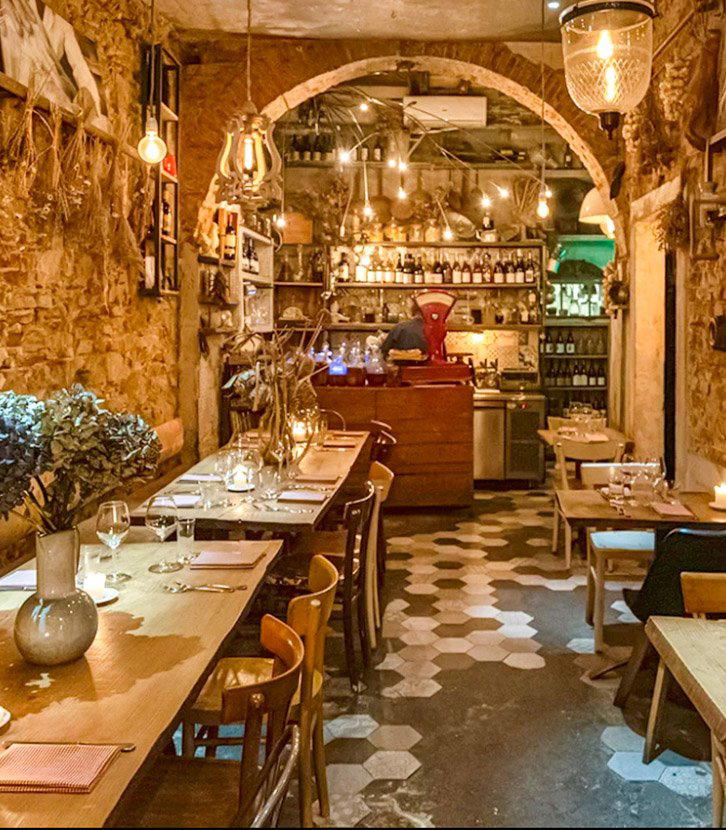
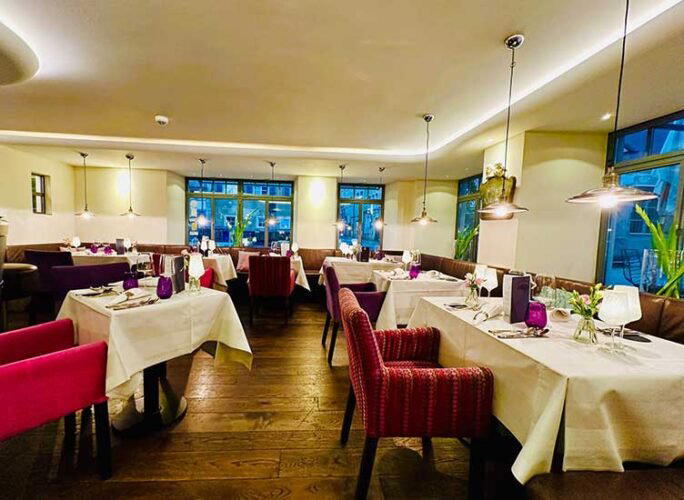
Restaurants in Hohenems
Browse all →
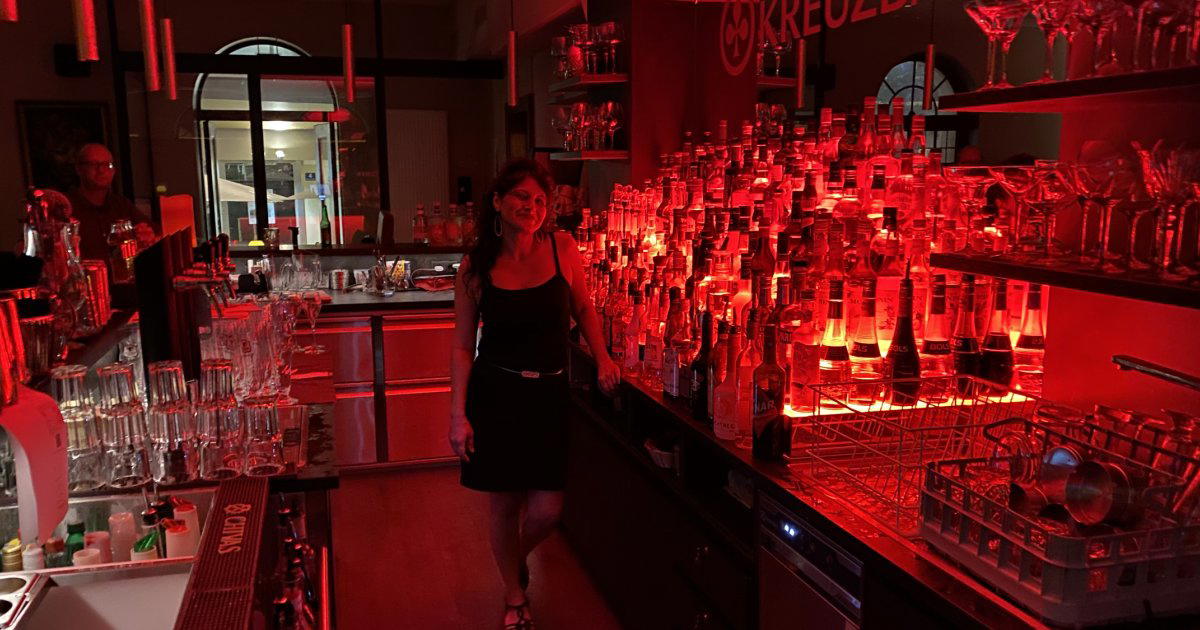
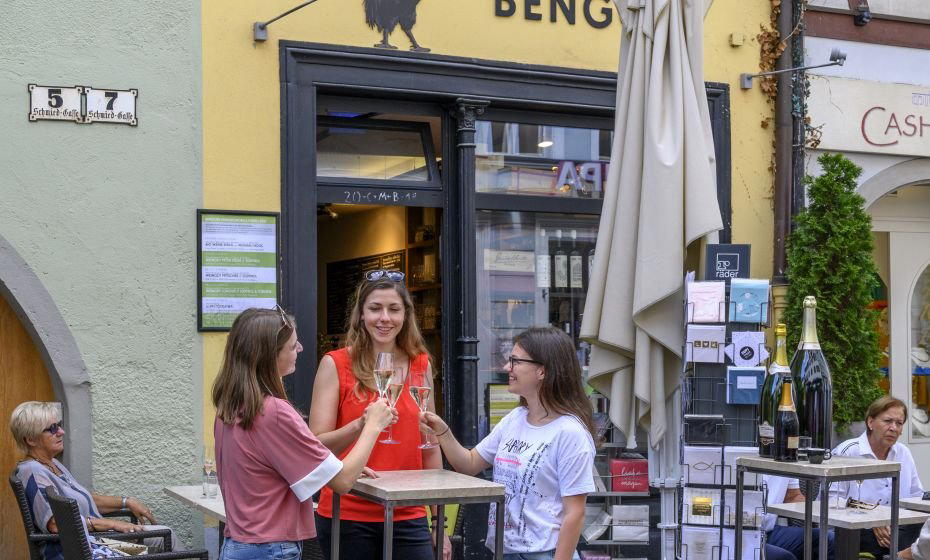
Bars in Hohenems
Browse all →
Hotels in Hohenems
Browse all →

At a Glance
- Cozy
- Rustic
- Intimate
- Family
- Casual Hangout
- Garden
- Historic Building
- Organic
- Local Sourcing
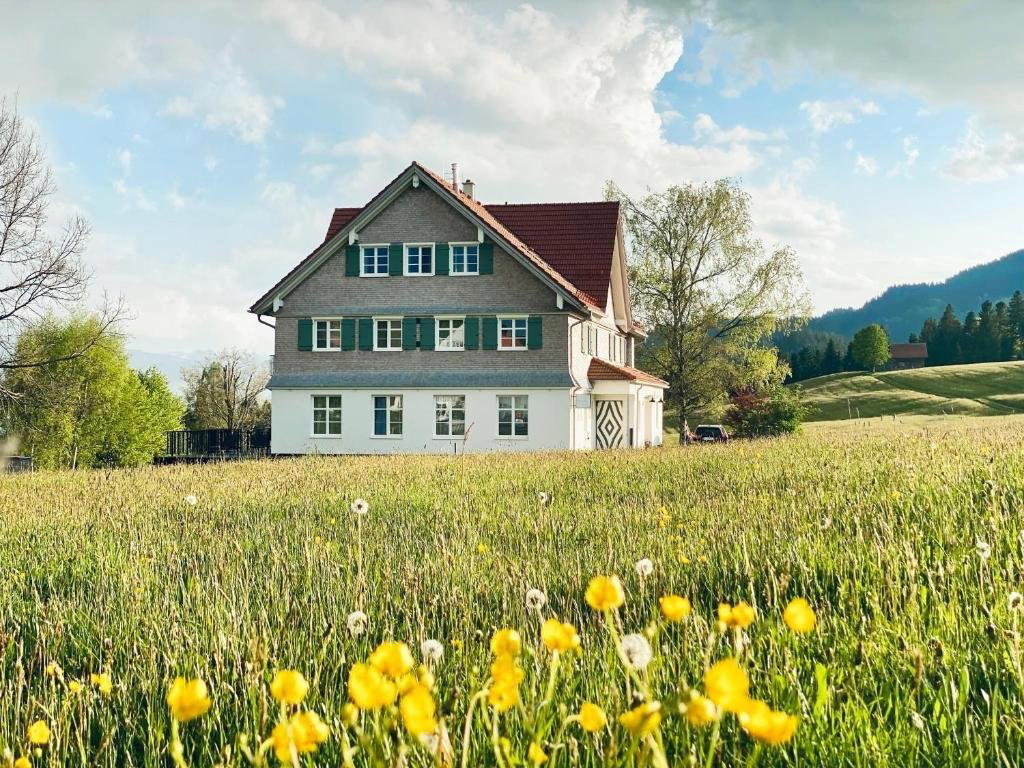
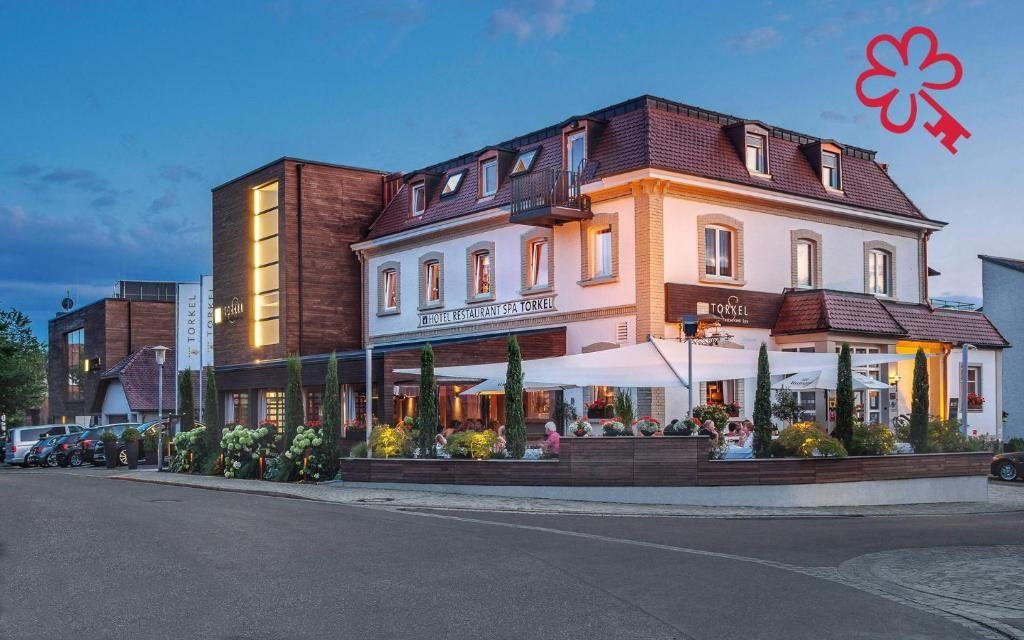
Cozy and refined atmosphere in a historic renovated building with a secluded quiet location and pleasant guest garden.