Moreno
Moreno at 60 Hyde Park Gate places itself inside South Kensington's quieter, residential dining tier, a neighbourhood where address weight and room quality tend to matter as much as the menu. The setting near the old Royal Borough boundary carries a particular spatial seriousness that shapes the experience before the first course arrives. For London's premium dining circuit, this postcode signals intention.
Pearl is the En Primeur Club membership app — saves, bookings, and concierge access live there. Same editors, same standards.
- Address
- 60 Hyde Park Gate, South Kensington, London SW7 5BB, United Kingdom
- Phone
- +44 20 7368 5800
- Website
- all.accor.com
- Directions
- Get directions
 Saves & bookings on Pearl
A Room That Does the Talking: Dining at the Edge of Hyde Park
South Kensington's restaurant offer has always split along a clear axis. On one side sit the casual Franco-Italian stalwarts that have fed the neighbourhood's European resident community for decades. On the other, a smaller tier of address-led rooms where the physical container, the weight of the postcode, and the proximity to major cultural institutions carry as much meaning as the menu. Moreno is a Colombian Latin American cafe at 60 Hyde Park Gate, South Kensington, London, with a price point around $35 per person. Moreno at 60 Hyde Park Gate sits in that second category. The address alone, metres from the former residences that line the park's southern edge and within a short walk of the Royal Albert Hall, positions this as a room with spatial ambitions beyond the purely functional.
That distinction matters in a city where London's premium dining circuit is increasingly legible through its geography. CORE by Clare Smyth in Notting Hill, The Ledbury in the same neighbourhood, and Dinner by Heston Blumenthal at the Mandarin Oriental are all rooms where the surrounding architecture and residential density shape expectations before a diner sits down. Hyde Park Gate operates on the same principle: the street is quiet, the buildings are substantial, and a restaurant in this location signals a specific kind of seriousness about the experience it intends to deliver.
The Physical Container: Space, Scale, and the Architecture of Expectation
In London's higher-end dining rooms, the spatial arrangement tends to communicate something before any food arrives. The current generation of premium addresses has moved away from the grand-hotel ballroom model, which characterised places like Sketch's Lecture Room and Library or the original format of Restaurant Gordon Ramsay in its formal Royal Hospital Road configuration, and toward rooms that feel more considered in their proportions, where table spacing, acoustic management, and material quality are deployed with deliberate restraint.
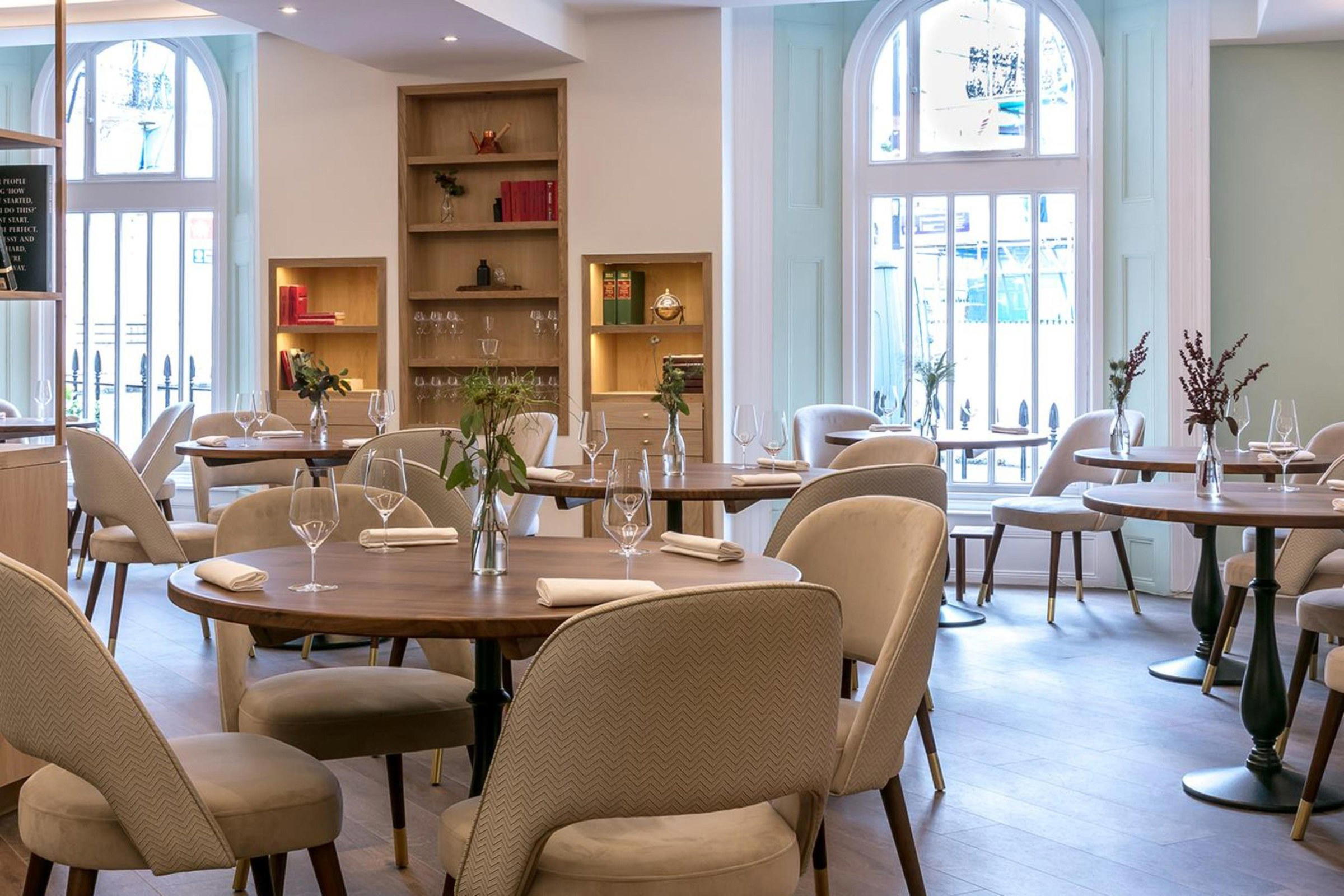
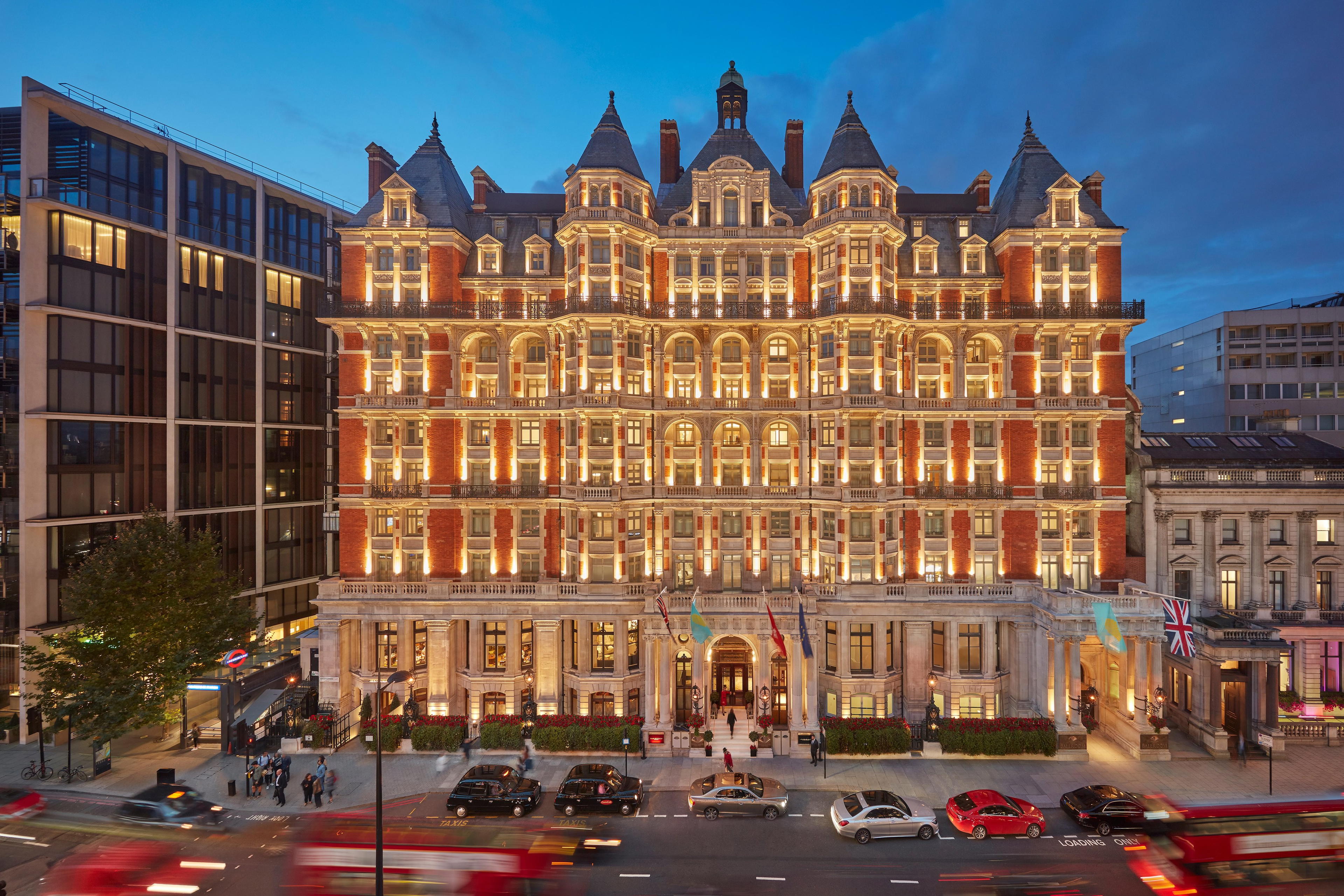
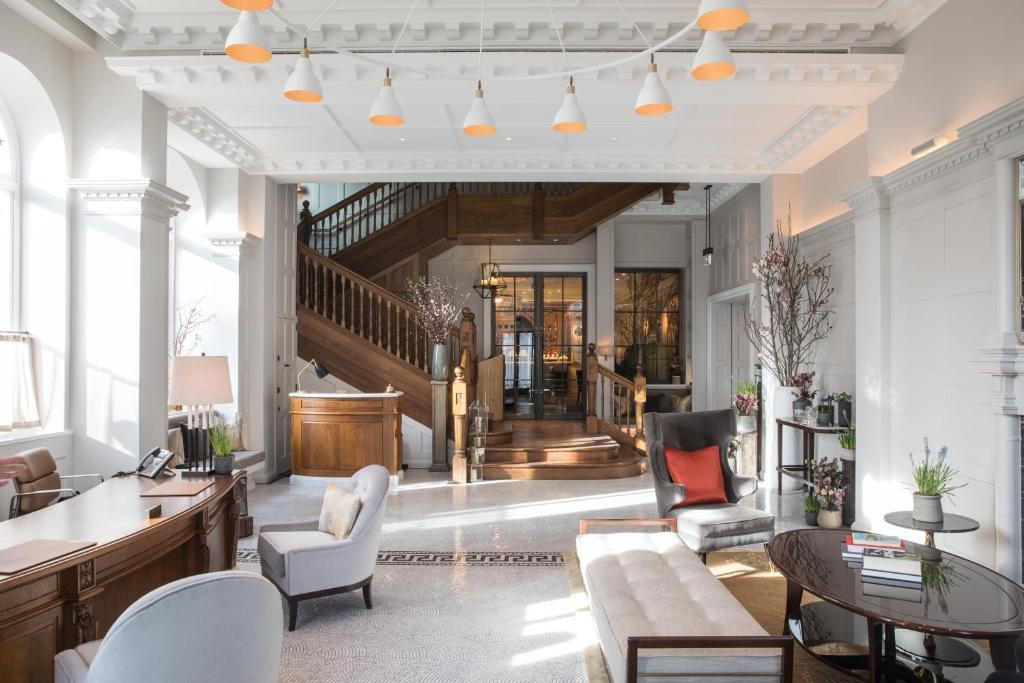
A Hyde Park Gate address in a period building suggests high ceilings, generous window proportions, and the kind of room geometry that the newer generation of purpose-built restaurant interiors in Mayfair or the City cannot easily replicate. Period architecture in this part of SW7 tends to do specific things to dining: it slows the pace, it adds acoustic warmth through plaster and timber, and it creates a sense of occasion that a stripped-back contemporary interior in a newer development would need to manufacture. Whether Moreno's interior fully exploits that architectural inheritance is a question that a visit answers directly, but the structural starting point is advantageous.
This is a neighbourhood where comparable rooms in similar buildings have leaned into those period bones rather than against them. The design decision at this address, and what it communicates about the intended experience, places the room in a competitive conversation with South Kensington's better-established dining addresses rather than the casual bracket further down the Old Brompton Road corridor.
South Kensington's Dining Position in the London Context
South Kensington is not, by the standards of contemporary London dining discourse, where particularly discussed new openings tend to cluster. That activity has migrated toward Hackney, Peckham, and parts of north London over the past decade, or it consolidates further west in Notting Hill and Shepherd's Bush. South Kensington's dining identity has remained more conservative, anchored by its international residential population, its proximity to the museum district, and the particular demands of a neighbourhood that values reliability and quality over novelty.
That conservatism is not a weakness at the premium end of the market. It means the neighbourhood's better rooms tend to operate at consistent quality levels over longer periods rather than spiking in attention and fading. The comparison set in this part of London includes addresses that have maintained their standing across multiple years rather than emerging and receding on the back of a single season of press coverage. For a room on Hyde Park Gate, that peer context, rather than the more frenetic new-opening circuit, defines what success looks like.
Beyond London, the format of a serious room in a residential neighbourhood with period architecture and a high-value surrounding postcode has parallels in the UK's broader fine dining geography. Le Manoir aux Quat' Saisons in Great Milton, L'Enclume in Cartmel, and Moor Hall in Aughton all demonstrate that the physical setting and the quality of the room itself are not secondary to the food at the higher end of the market. They are part of the proposition. Gidleigh Park in Chagford and Hand and Flowers in Marlow extend that point further: address, architecture, and spatial character are not incidental. They are arguments the room makes before the kitchen makes its own.
Internationally, the logic holds across categories. Le Bernardin in New York maintains a room whose formal proportions and material seriousness have always been part of its positioning, and Atomix's counter format in the same city demonstrates how deliberately designed space communicates ambition as directly as any award citation. The Fat Duck in Bray has long used its converted pub rooms to productive effect, turning spatial constraint into a feature rather than a limitation. The Fat Duck's approach reinforces a broader point: the relationship between a room's physical character and its dining proposition is a deliberate editorial decision, not an accident of real estate.
Planning a Visit
Know Before You Go
Address: 60 Hyde Park Gate, South Kensington, London SW7 5BB
Nearest Tube: High Street Kensington or Gloucester Road (both within walking distance)
Neighbourhood: South Kensington, Royal Borough of Kensington and Chelsea
Booking: Reservations are recommended
Dress code: Smart casual
Comparable Venues
Comparable venues nearby, for context on price, style, and recognition.
| Venue | Cuisine | Price | Notes |
|---|---|---|---|
| MorenoThis venue — the venue you are viewing | Colombian Latin American Cafe | $$$ | Not listed |
| Amaro | Cocktail Bar with Light Sicilian Plates | $$$ | Kensington Palace Gardens |
| The Ladbroke Arms | Modern British Gastropub | $$$ | Notting Hill |
| Admiral Codrington | British Gastropub | $$$ | Knightsbridge |
| Pantechnicon | Modern Japanese-Nordic Fusion | $$$ | Belgravia |
| Zayna | Authentic Pakistani & Indian | $$$ | Marble Arch |
Continue exploring
More in London
Restaurants in London
Browse all →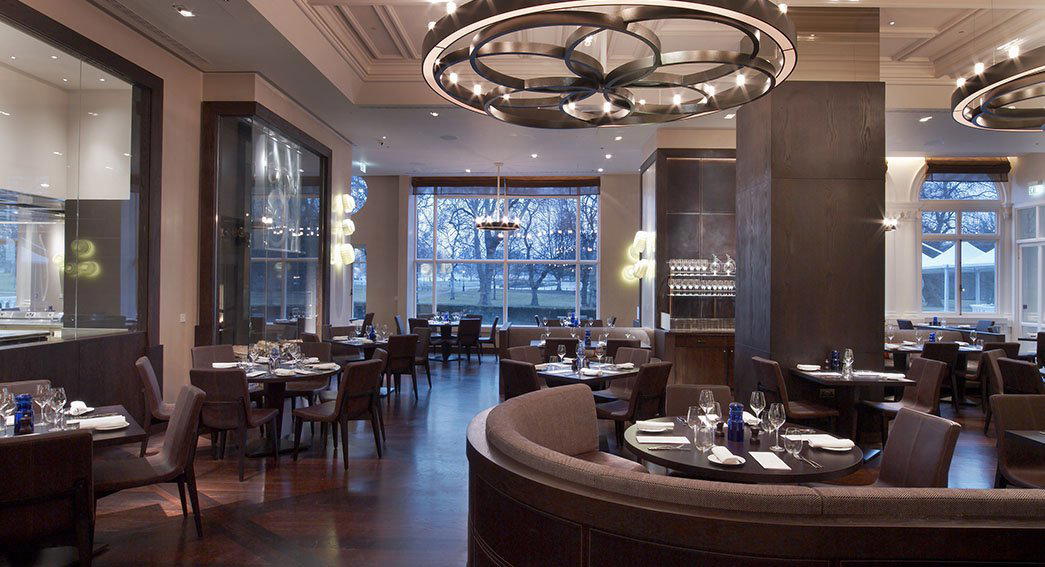
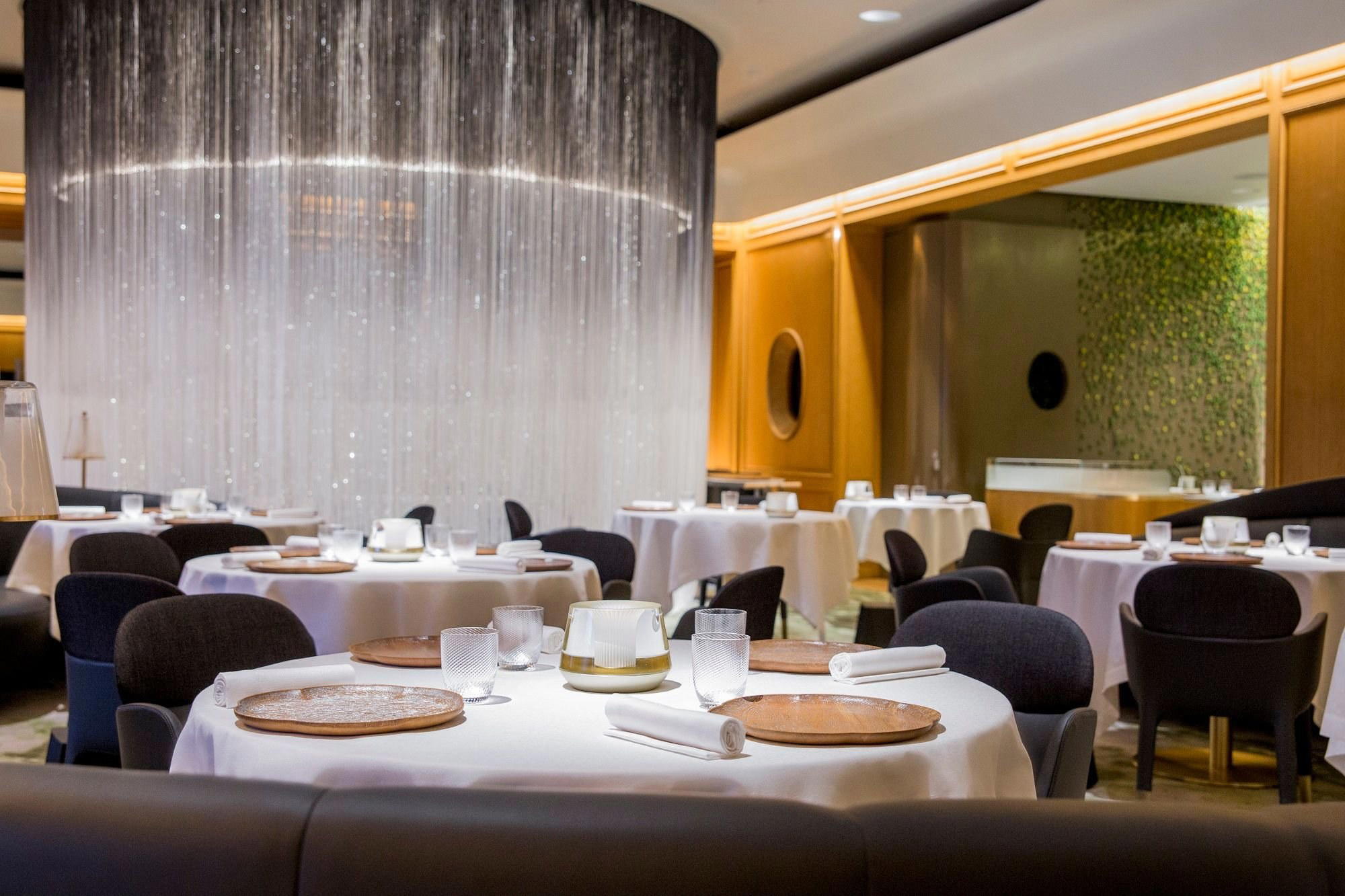
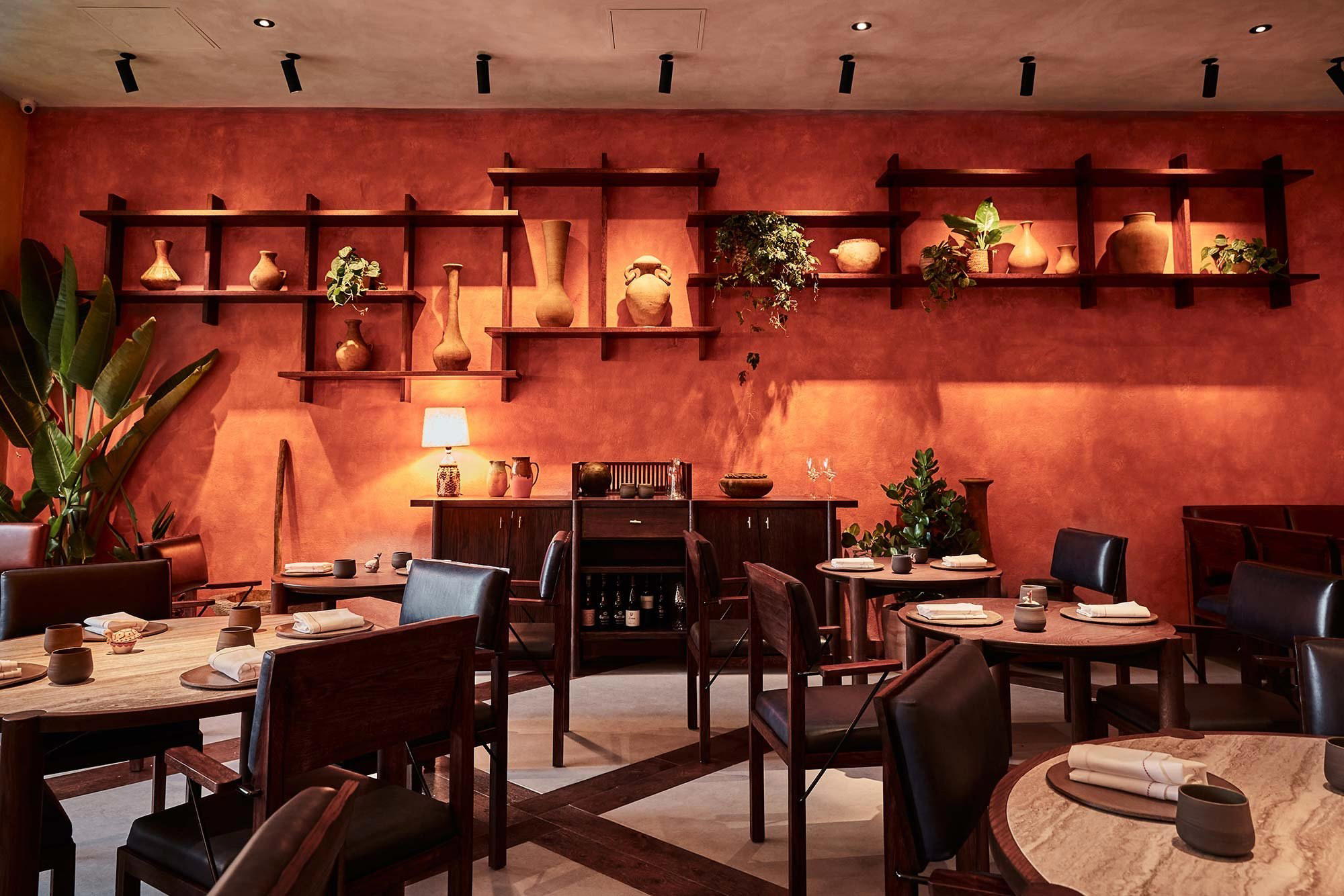
Bars in London
Browse all →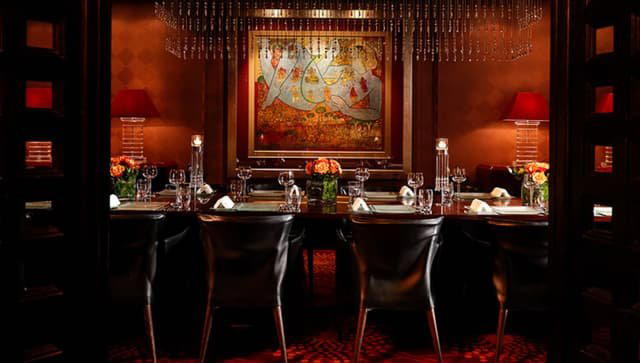
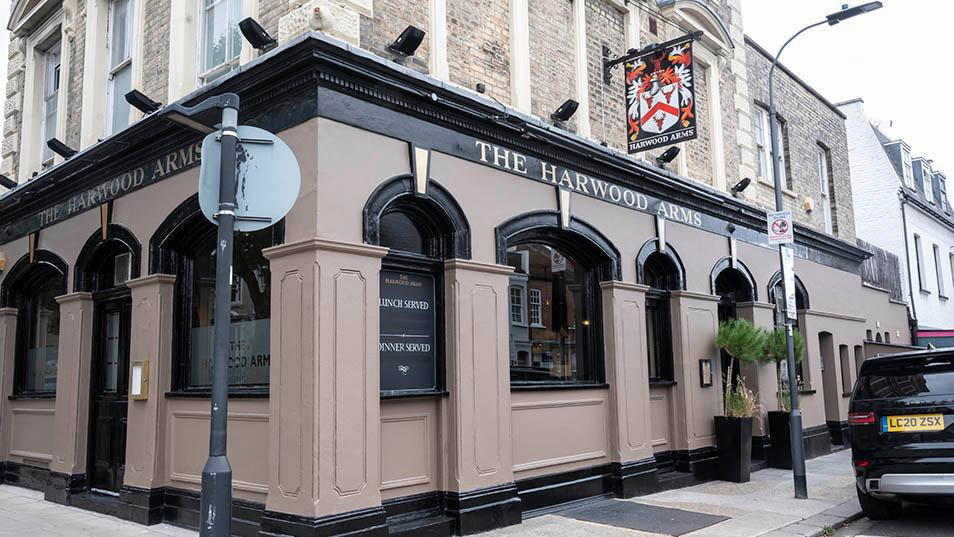
Hotels in London
Browse all →
Wineries in London
Browse all →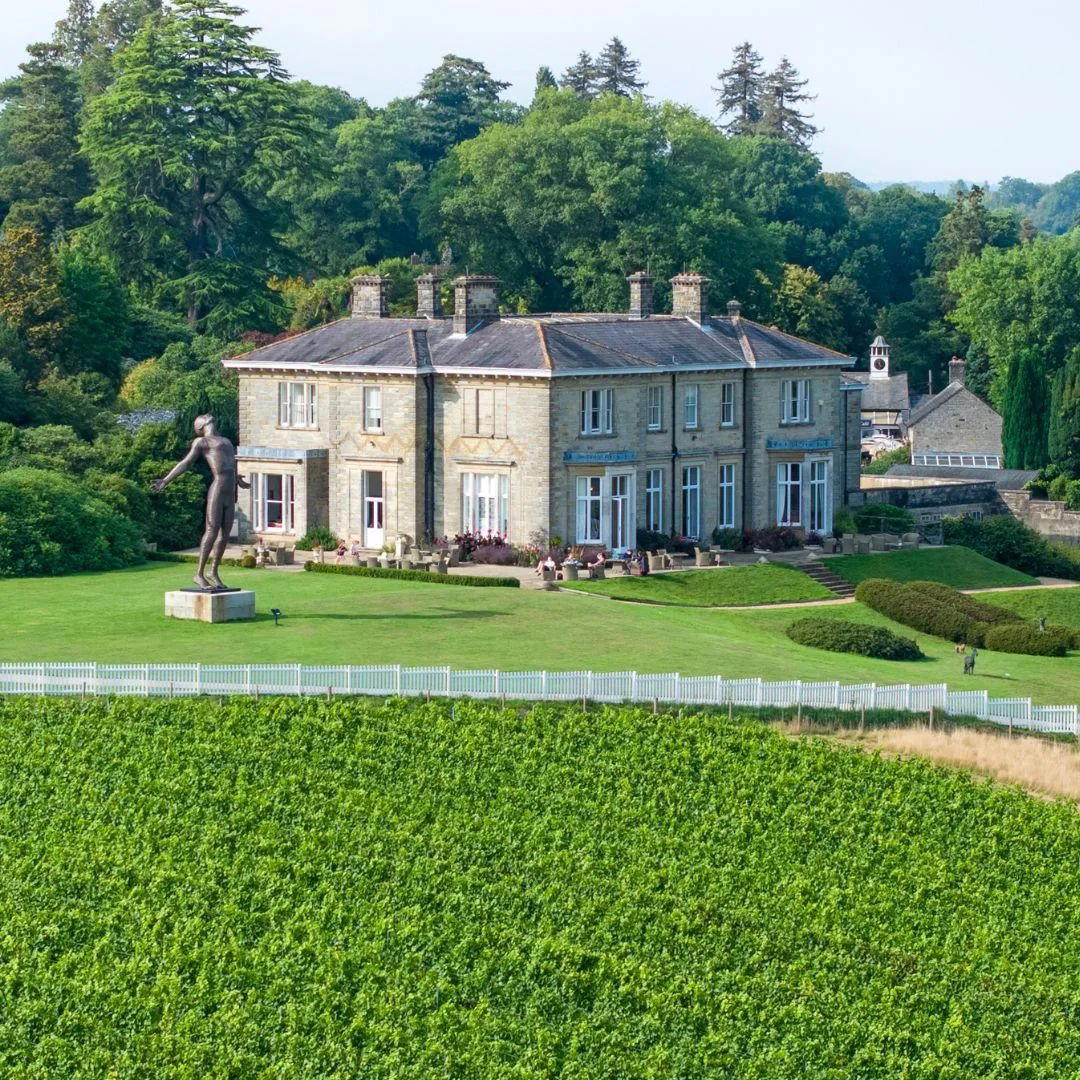
At a Glance
- Elegant
- Cozy
- Modern
- Brunch
- Casual Hangout
- Date Night
- Group Dining
- Terrace
- Craft Cocktails
Light, airy, and welcoming with a cozy yet modern aesthetic; described as pleasant and stylish with a calm, inviting atmosphere suitable for both casual and leisurely dining