


A Michelin-starred address on Sheung Wan's antique-lined Cat Street, Mora 摩 applies European technique to a menu built around the soybean in its many forms, tofu skin, bean sauce, soymilk, fermented beans. Chef Fai Choi's approach ranks among the more considered French-meets-Cantonese propositions in the city, recognised by both Michelin (one star, 2024) and Opinionated About Dining's 2025 Asia ranking at #246.
Pearl is the En Primeur Club membership app — saves, bookings, and concierge access live there. Same editors, same standards.
- Address
- 40 Upper Lascar Row, Sheung Wan, Hong Kong
- Phone
- +852 9583 8590
- Website
- mora.com.hk
- Directions
- Get directions
 Saves & bookings on Pearl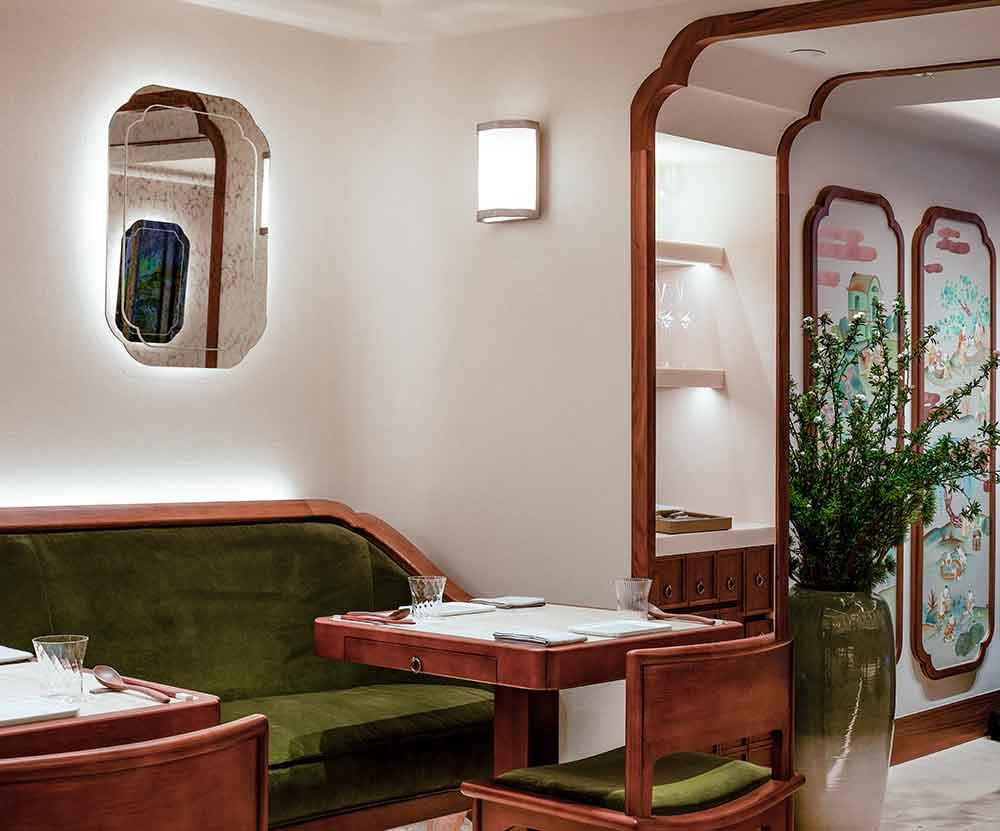
Cat Street, Cream Walls, and a Single Ingredient as Architecture
Upper Lascar Row in Sheung Wan has long operated as one of Hong Kong's more atmospheric back streets. The antique and junk dealers that give Cat Street its character, porcelain fragments, jade pendants, pre-war ephemera stacked on folding tables, create an environment that sits at a deliberate remove from the glass towers and hotel dining rooms where much of the city's fine-dining infrastructure is concentrated. Arriving at number 40, the shift inward is immediate: a cream interior with softly curving lines reads as a considered counterpoint to the market noise outside, and that tonal restraint carries through to the cooking.
In Hong Kong's French-creative tier, where addresses like Amber and Caprice have anchored European technique in hotel settings for years, Mora 摩 represents a different calculation: a street-level, neighbourhood-adjacent restaurant where the architectural premise of the menu is not provenance or protein but a single category of ingredient. The soybean is not a garnish or a gesture toward local flavour. It is the structural logic of the kitchen, appearing across forms, bean sauce, tofu skin, soymilk, fermented beans, and asked to hold its own against French technique at every course.
A Menu Built from One Crop's Full Range
The editorial angle most useful for understanding Mora is not the Franco-Cantonese fusion framework, which Hong Kong has seen iterations of for decades. It is the question of what happens when a kitchen commits to a single source ingredient and forces its classical European training to work within that constraint rather than around it.
Soybeans occupy a position in East Asian food culture roughly analogous to the role dairy plays in French cuisine: a foundational material that transforms dramatically depending on process, time, and intention. Tofu skin (yuba) has a delicacy that rewards French technique, the kind of precision cooking that suits a kitchen trained in Europe. Fermented bean paste carries depth that functions like a reduction. Soymilk, handled carefully, can anchor a sauce where cream would ordinarily go. Chef Fai Choi works through this range systematically, which produces a menu with internal coherence rather than the grab-bag quality that sometimes afflicts fusion premises.
The mapo tofu, flagged in OAD commentary as a dish not to overlook, is a useful test case for that coherence. Mapo tofu in its Sichuan original is a dish of contrasts: silken curd against numbing spice, delicacy against aggression. A version filtered through French technique might reach for refinement at the cost of those contrasts. The broader pattern in restaurants working at this intersection, comparable approaches appear at Ta Vie, though with a Japanese rather than Cantonese base, is that particularly successful dishes hold the source culture's logic intact and apply European method to execution rather than translation.
Where Mora Sits in the Hong Kong French-Creative Tier
Hong Kong's French-creative restaurant segment spans a wide range of price points and formats. At the leading end, multi-Michelin-starred hotel restaurants operate with large teams and extensive wine programs. Mora works at $$$ pricing, placing it below the $$$$ tier occupied by Caprice, Amber, and Ta Vie, and at a comparable level to French Contemporary addresses like Feuille. A single Michelin star (2024) and an Opinionated About Dining Asia ranking of #246 (2025) are consistent signals for this tier: recognised quality, not yet at the two- or three-star price pressure of the hotel grand dining rooms.
The Cantonese anchor of the menu also places Mora in a different conversation from the predominantly European programs at 8 1/2 Otto e Mezzo Bombana or the classical French rooms. In that sense it is closer, structurally, to how restaurants in other Asian cities have approached European technique in recent years, Hajime in Osaka and Narisawa in Tokyo are both working in a French-meets-local-ecology framework, though with different ingredient logic. Among Hong Kong's heritage Cantonese addresses, Forum represents a wholly different tradition and price tier, operating without the European technique overlay.
Seasonal Sourcing and the Soybean as a Market-Driven Ingredient
The choice to build a tasting menu around soybeans carries specific implications for how the kitchen relates to sourcing. Soy is an agricultural product with meaningful quality variation: the region of cultivation, the variety, the processing method, and the fermentation duration all affect flavour in ways that a kitchen paying attention to ingredient integrity will track closely. In the broader movement of French-trained chefs who have built menus around single ingredients or ingredient families, the model has strong precedents in Europe and, at a different register, at addresses like Lazy Bear in San Francisco, the commitment tends to deepen over time as supplier relationships develop and the kitchen's fluency with the material expands.
Fermented soy products in particular are time-sensitive in ways that align with the seasonal logic common to market-driven French kitchens. Miso and doenjang cycles, bean curd fermentation windows, and the availability of fresh soymilk from local producers all create a calendar structure that rewards sourcing discipline. The parallel approach in Japanese-French kitchens, Aspirant in Hyogo is an instructive regional example, shows how ingredient-specific menus can sustain seasonal variation without requiring a wholesale menu overhaul.
The Neighbourhood as Context, Not Backdrop
Sheung Wan's position in the Hong Kong restaurant hierarchy has shifted across the past decade. Initially known more as a residential and heritage district than a dining destination, it now supports a range of independently operated restaurants and bars that have given it a character distinct from Central's corporate dining culture or Wan Chai's more heterogeneous mix. Cat Street itself is a short, primarily pedestrian stretch most active in the mornings when the antique stalls are open. By dinner, the foot traffic is specifically restaurant-oriented, which gives the block a settled, intentional quality.
That address context does some work for Mora's positioning. A Michelin-starred French-creative restaurant on an antique market lane reads differently than the same restaurant inside a five-star hotel. The setting implies a kind of seriousness about the food rather than the occasion, which is consistent with the menu's constraint-based logic. For travellers mapping Hong Kong dining beyond the Central hotel corridor, Sheung Wan is a productive area to spend time.
Planning a Visit
Mora 摩 holds a Michelin star. The $$$$ price range positions it within the Michelin-starred tier. The address is 40 Upper Lascar Row, Sheung Wan.
| Venue | Cuisine | Price | Stars | Setting |
|---|---|---|---|---|
| Mora 摩 | French, Innovative (soy-anchored) | $$$ | Michelin 1 | Street-level, Cat Street |
| Amber | French Contemporary | $$$$ | Michelin 2 | Hotel, Central |
| Caprice | French | $$$$ | Michelin 3 | Hotel, Central |
| Ta Vie | Japanese-French, Innovative | $$$$ | Michelin 3 | Hotel-adjacent, Central |
| Feuille | French Contemporary | $$$ | Michelin 1 | Street-level |
Budget and Context
Comparable venues nearby, for context on price, style, and recognition.
| Venue | Cuisine | Price | Awards | Notes |
|---|---|---|---|---|
| Mora 摩This venue — the venue you are viewing | French, Innovative | $$$$ | Michelin 1 Star | Not listed |
| Fu Ho | Not listed | $$$$ | Michelin 1 Star | Yau Tsim Mong South, Traditional Cantonese |
| Man Ho (Admiralty) | Central, Modern Cantonese | $$$$ | Michelin 1 Star | Not listed |
| Xin Rong Ji Restaurant HK | Wan Chai, Taizhou Cuisine | $$$$ | Michelin 1 Star | Not listed |
| Duddell's | Central, Modern Cantonese | $$$$ | Michelin 1 Star | Not listed |
| Beefbar | Not listed | $$$$ | Michelin 1 Star | Central, Michelin-Starred International Steakhouse |
Recognition history
Dated appearances from independent guides and award organizations, with the underlying list record or original source where available.
Michelin 1 Star
Michelin
Opinionated About Dining Top Restaurants in Asia Recommended
Opinionated About Dining
SCMP 100 Top Tables Restaurants
SCMP 100 Top Tables
Michelin 1 Star
Michelin
Opinionated About Dining Top Restaurants in Asia Ranked #246
Opinionated About Dining
Michelin 1 Star
Michelin
Continue exploring
More in Hong Kong
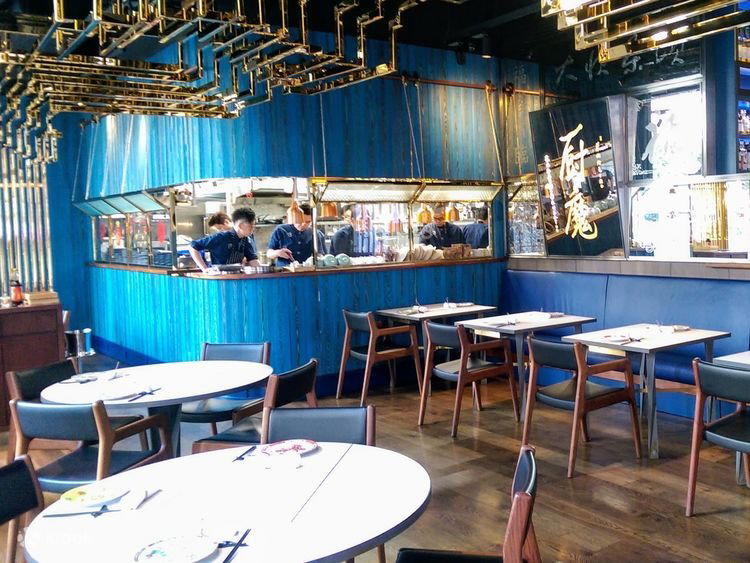
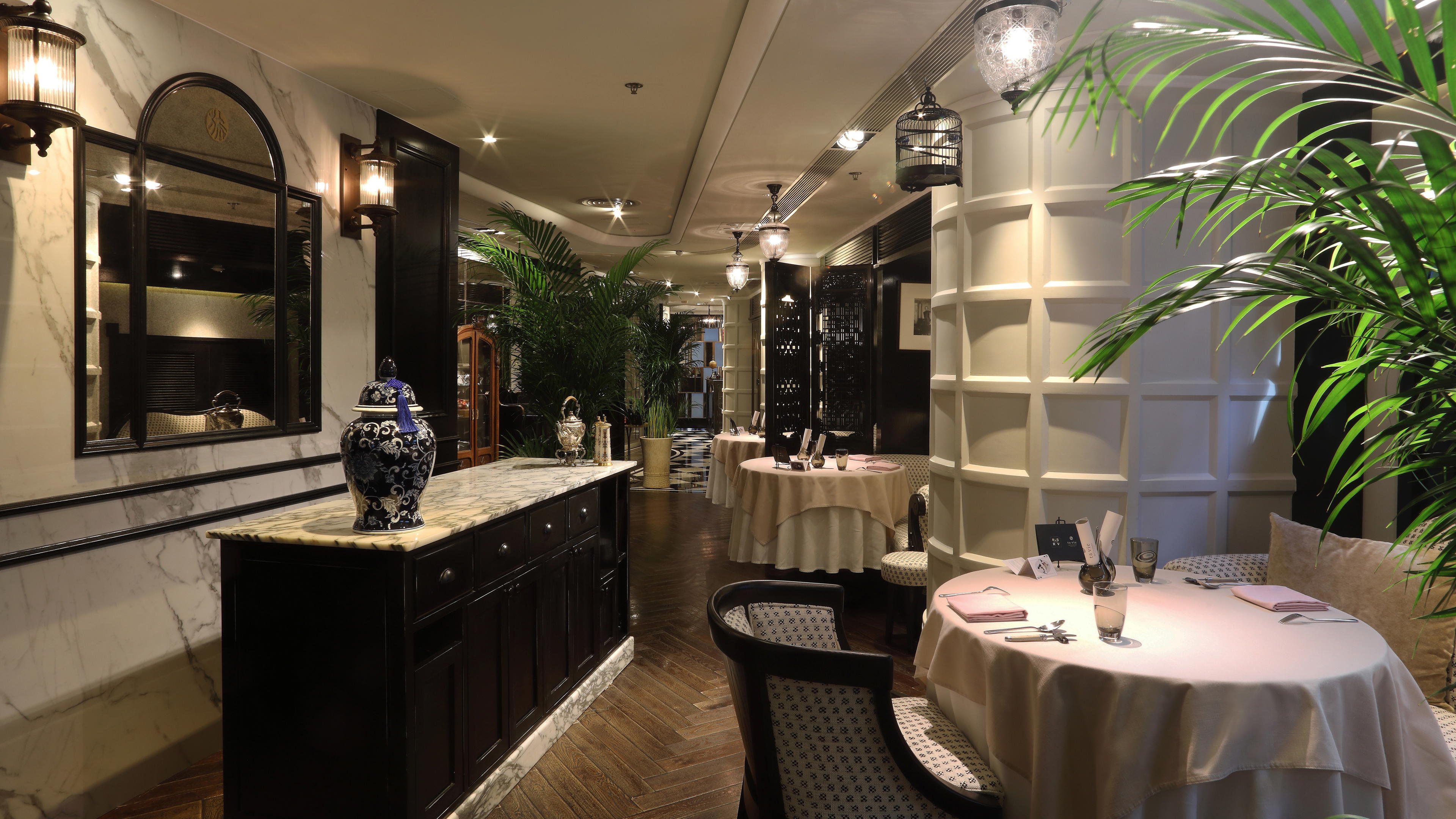
Restaurants in Hong Kong
Browse all →
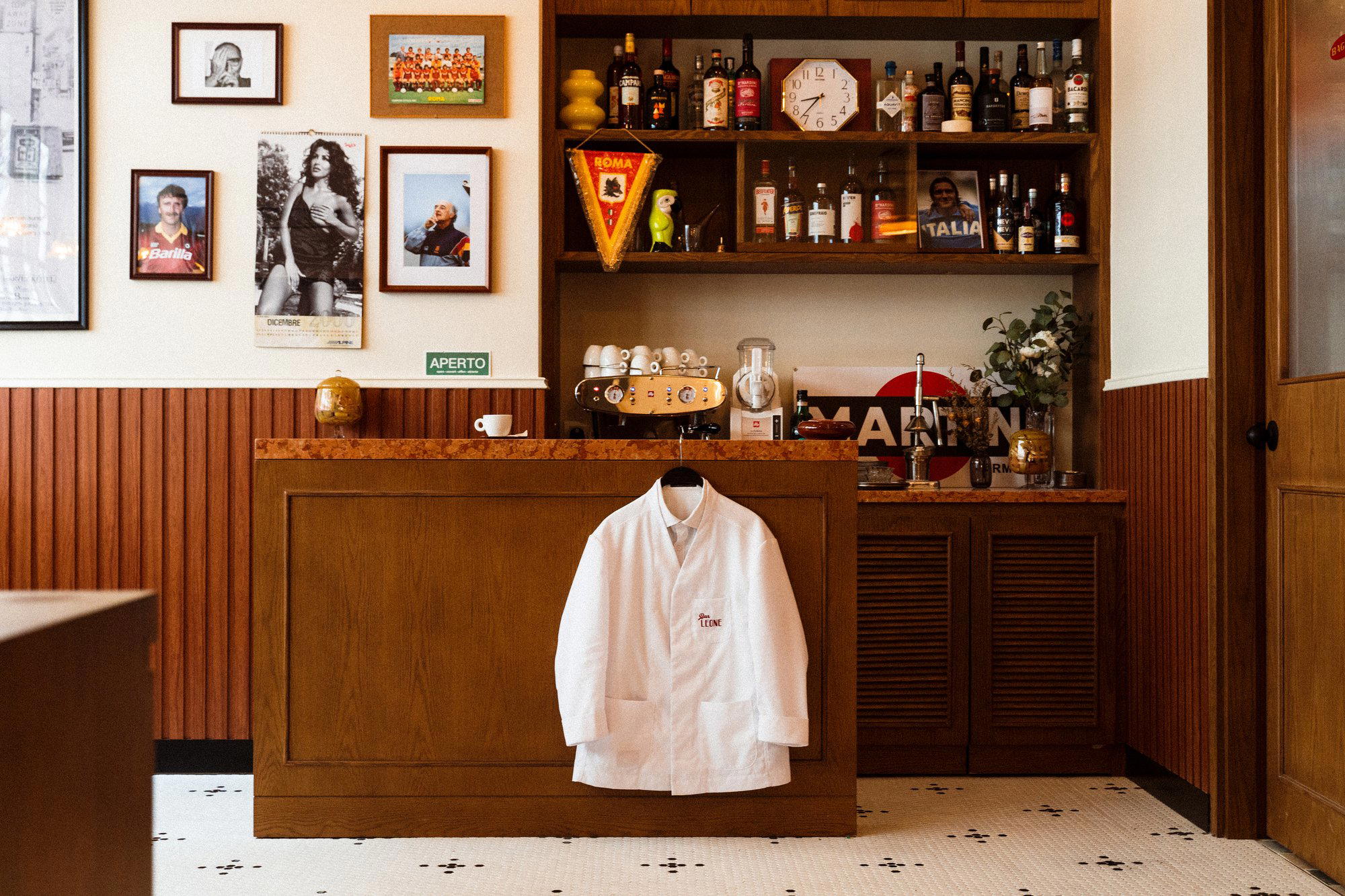
Bars in Hong Kong
Browse all →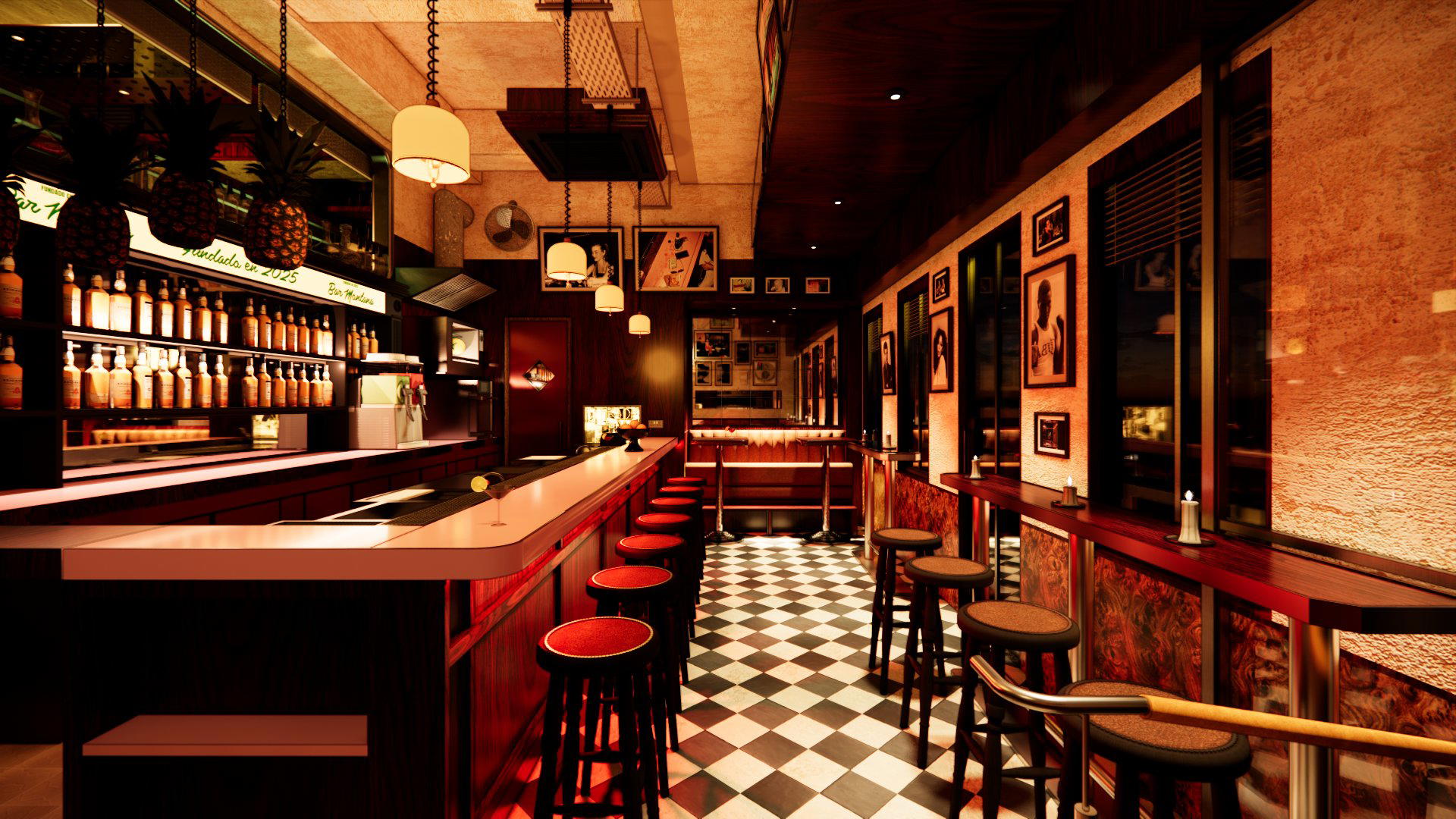
At a Glance
- Intimate
- Elegant
- Modern
- Sophisticated
- Date Night
- Special Occasion
- Open Kitchen
- Sake Program
- Local Sourcing
- Sustainable Seafood
Current opening hours
- Monday
- Closed
- Tuesday
- 6–11:30 PM
- Wednesday
- 6–11:30 PM
- Thursday
- 6–11:30 PM
- Friday
- 12–3:30 PM, 6–11:30 PM
- Saturday
- 12–3:30 PM, 6–11:30 PM
- Sunday
- Closed
Hours can change for holidays and private events. Last verified .
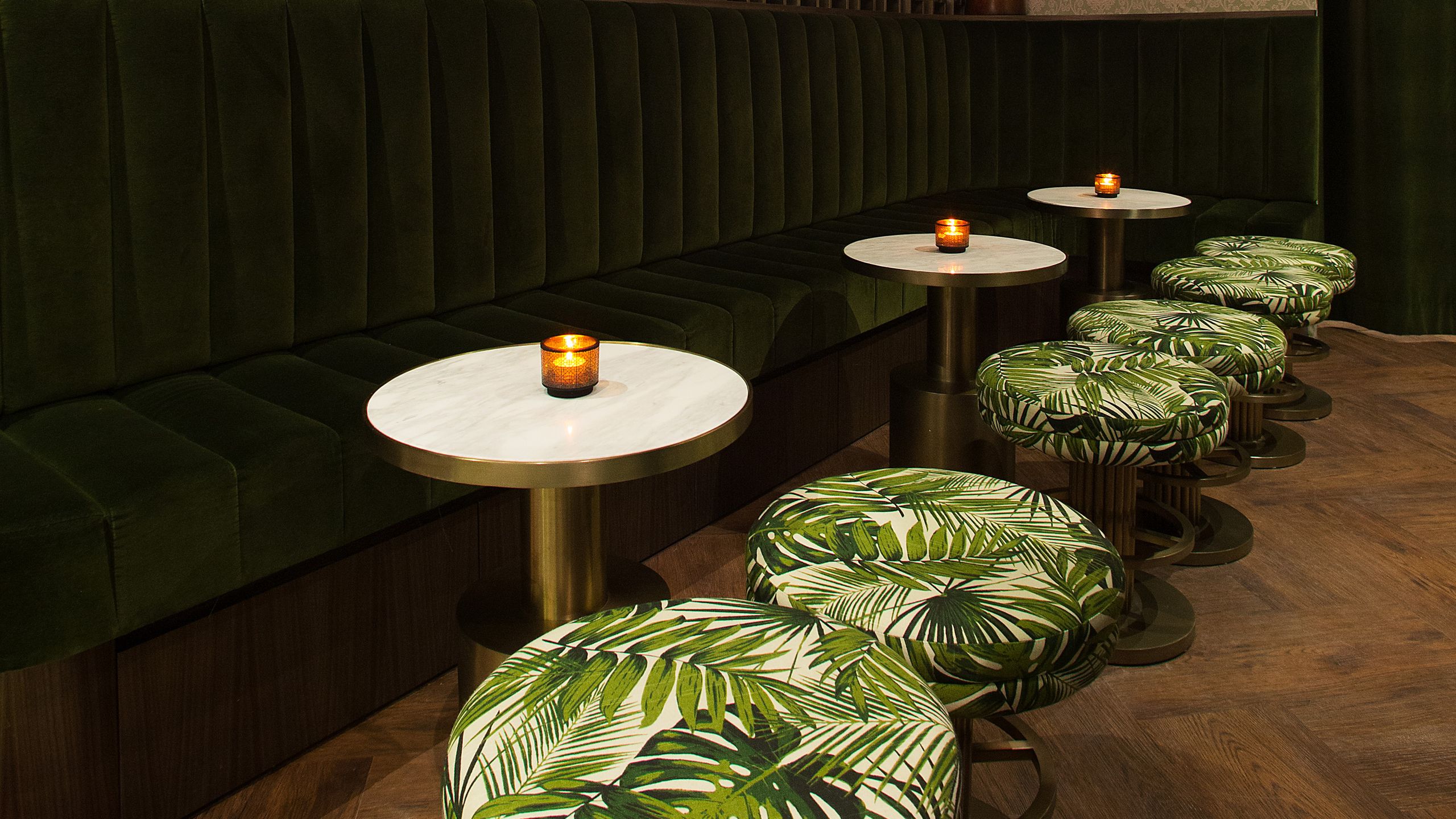
Intimate 28-seater dining room with comfortable dark wood furnishings and plush emerald sofas, creating a casual yet refined atmosphere.