Mojave Restaurant
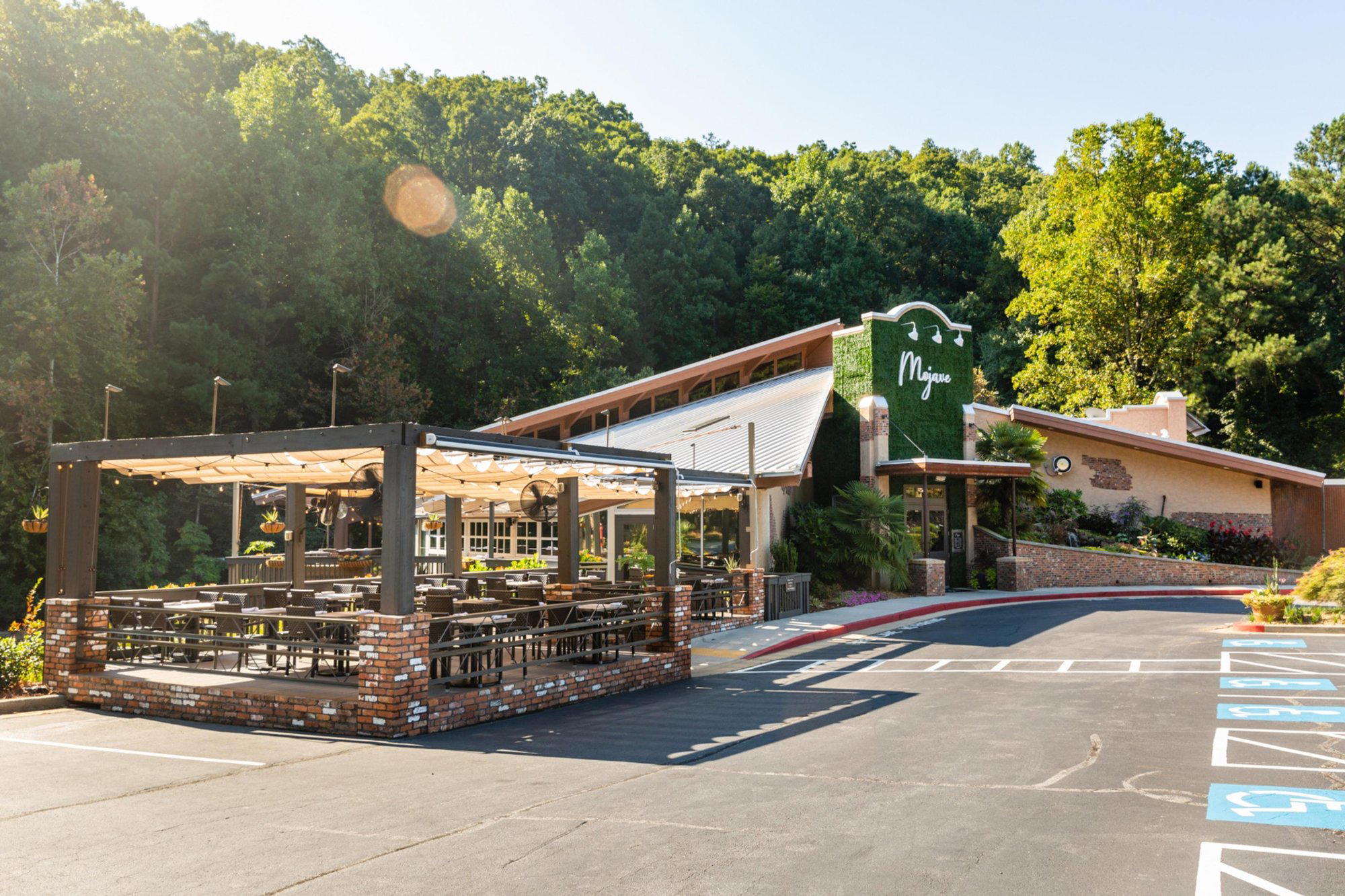
Mojave Restaurant on Powers Ferry Road sits within Sandy Springs' quieter northern dining corridor, where ingredient-forward cooking increasingly defines the area's better tables. The name evokes arid-land clarity, and the address puts it at a remove from the city's louder dining clusters, making it a deliberate choice rather than a casual drop-in.
- Address
- 6450 Powers Ferry Rd NW, Sandy Springs, GA 30339
- Phone
- +1 770 858 1720
- Website
- mojaverestaurant.com
- Directions
- Get directions
Sandy Springs' Northern Corridor and What It Signals
Sandy Springs occupies a particular position in metro Atlanta dining: close enough to Buckhead's polish and far enough from its expense-driven theatrics to attract a different kind of restaurant. The stretch of Powers Ferry Road where Mojave Restaurant sits at 6450 is part of that quieter northern band. That durability shapes the kind of cooking that survives here. Mojave's address places it squarely in that longer-game category.
In American cities of Sandy Springs' scale, this kind of off-centre location often correlates with a kitchen that sources deliberately. Across the broader Atlanta metro, that dynamic has produced some of the region's more interesting ingredient-driven cooking, particularly in neighbourhoods where the dining room functions as a genuine community anchor rather than a spectacle venue.
The Question of Provenance in Mid-Tier American Dining
The ingredient-sourcing conversation in American restaurants has matured considerably over the past decade. What began as a marketing differentiator, farm-to-table as signage, has stratified into something more nuanced. At the upper tier, kitchens like Blue Hill at Stone Barns in Tarrytown have made provenance the entire architecture of the menu, with sourcing dictating the tasting progression. At Single Thread Farm in Healdsburg, the kitchen operates its own farm, collapsing the distance between field and plate to near zero. These are extreme cases, but they set a directional standard that filters down through American dining at every price point.
The more consequential shift is what has happened in the middle register, in restaurants that are not operating tasting menus at flagship prices but are nonetheless making considered choices about where their proteins, produce, and pantry staples originate. This is where dining in cities like Sandy Springs gets genuinely interesting. The cost pressure is real, the sourcing ambition varies, and the kitchens that manage both tend to produce food that reads as honest rather than performed. Across the Sandy Springs dining scene, you find this tension playing out differently at different addresses, from the precise Thai herbalism at Bangkok Thyme to the Italian larder logic at Baraonda Ristorante.
What the Name Mojave Implies About Editorial Direction
Restaurant names are rarely neutral. Mojave points toward the American Southwest, a culinary reference set built around high-desert ingredients: chiles, agave, mesquite, stone fruit, game proteins, and the kind of bold, sun-concentrated flavours that come from arid-climate agriculture. If that framing holds, it positions the kitchen within a tradition that takes ingredient character seriously by necessity. Southwestern cooking at its most considered is an exercise in respecting strong primary flavours rather than mediating them. The chile is the point, not the backdrop.
That tradition has a reference lineage worth tracking. Kitchens like The French Laundry in Napa and Le Bernardin in New York City built their reputations on making a single ingredient's quality undeniable. The methodology differs, but the underlying principle, that sourcing is not a supporting act but the main event, is shared. Smyth in Chicago applies a similar logic to Midwestern produce, and Providence in Los Angeles extends it to Pacific seafood. The question for any restaurant operating under a regional-identity name is whether the sourcing actually reflects the stated geography or whether the name is purely aesthetic.
Sandy Springs in the Broader Georgia Dining Picture
Georgia's agricultural output gives Atlanta-area kitchens genuine sourcing optionality that restaurants in less productive states do not have. Vidalia onions, Georgia peaches, Sea Island red peas, Springer Mountain chicken, and a growing network of small farms in the north Georgia mountains all sit within supply-chain reach of a Sandy Springs kitchen. The state's culinary identity is often collapsed into Southern comfort food by outside observers, but the actual ingredient availability supports a much wider range of cooking. A kitchen willing to build relationships with Georgia producers can source at a level that rivals what is available in more celebrated food cities.
That context matters when assessing where Mojave fits in the local picture. The Sandy Springs dining corridor is not monolithic. Bishoku brings Japanese precision to the area, Brooklyn Cafe operates as a neighbourhood anchor with a different register entirely, and Café Vendôme draws on French bistro conventions. Each represents a different sourcing philosophy and a different answer to what the Powers Ferry corridor wants from its dining rooms.
Calibrating Expectations: Where Mojave Sits in Its comparable set
Mojave occupies an accessible neighborhood register. What the address and name together suggest is a neighbourhood restaurant operating with some degree of regional identity, rather than a concept-free casual dining entry. For reference, the ingredient-sourcing conversations happening at nationally recognised kitchens like Addison in San Diego, Lazy Bear in San Francisco, or Atomix in New York City define one end of that spectrum. Regionally, Emeril's in New Orleans and The Inn at Little Washington represent Southern-adjacent fine dining that has built durable reputations on regional identity and sourcing discipline. Atelier Moessmer Norbert Niederkofler in Brunico offers an international example of how deeply a kitchen can commit to a single region's ingredients as its entire menu logic.
Mojave operates at an accessible price point.
Planning a Visit
Mojave Restaurant is located at 6450 Powers Ferry Road NW in Sandy Springs, Georgia 30339, in the northern stretch of the corridor where parking is generally easier to manage than in denser dining districts. Mojave is walk-in friendly.
Quick Comparison
Comparable venues nearby, for context on price, style, and recognition.
| Venue | Cuisine | Price | Notes |
|---|---|---|---|
| Mojave RestaurantThis venue — the venue you are viewing | Mexican & Latin American | $$ | Not listed |
| Casi Cielo | Modern Oaxacan-Inspired Mexican | $$$ | Sandy Springs |
| Cibo e Beve | Authentic Italian Trattoria | $$ | Sandy Springs |
| Rreal Tacos - Sandy Springs | Authentic Mexican Taqueria | $$ | Sandy Springs |
| Hearth Pizza Tavern | Neapolitan-Style Pizza Tavern | $$ | Sandy Springs |
| Taco Mac Prado | American Sports Bar | $ | Sandy Springs |
Continue exploring
More in Sandy Springs
Restaurants in Sandy Springs
Browse all →
Bars in Sandy Springs
Browse all →
At a Glance
- Romantic
- Lively
- Casual Hangout
- Group Dining
- Celebration
- Standalone
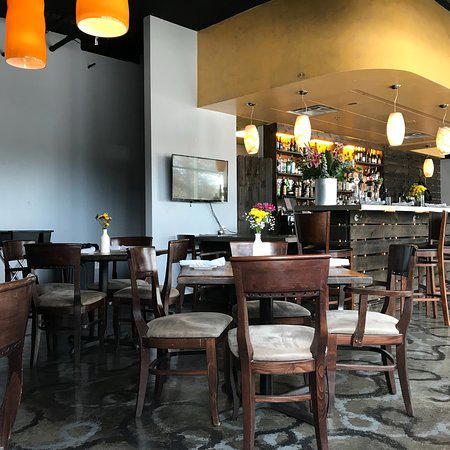
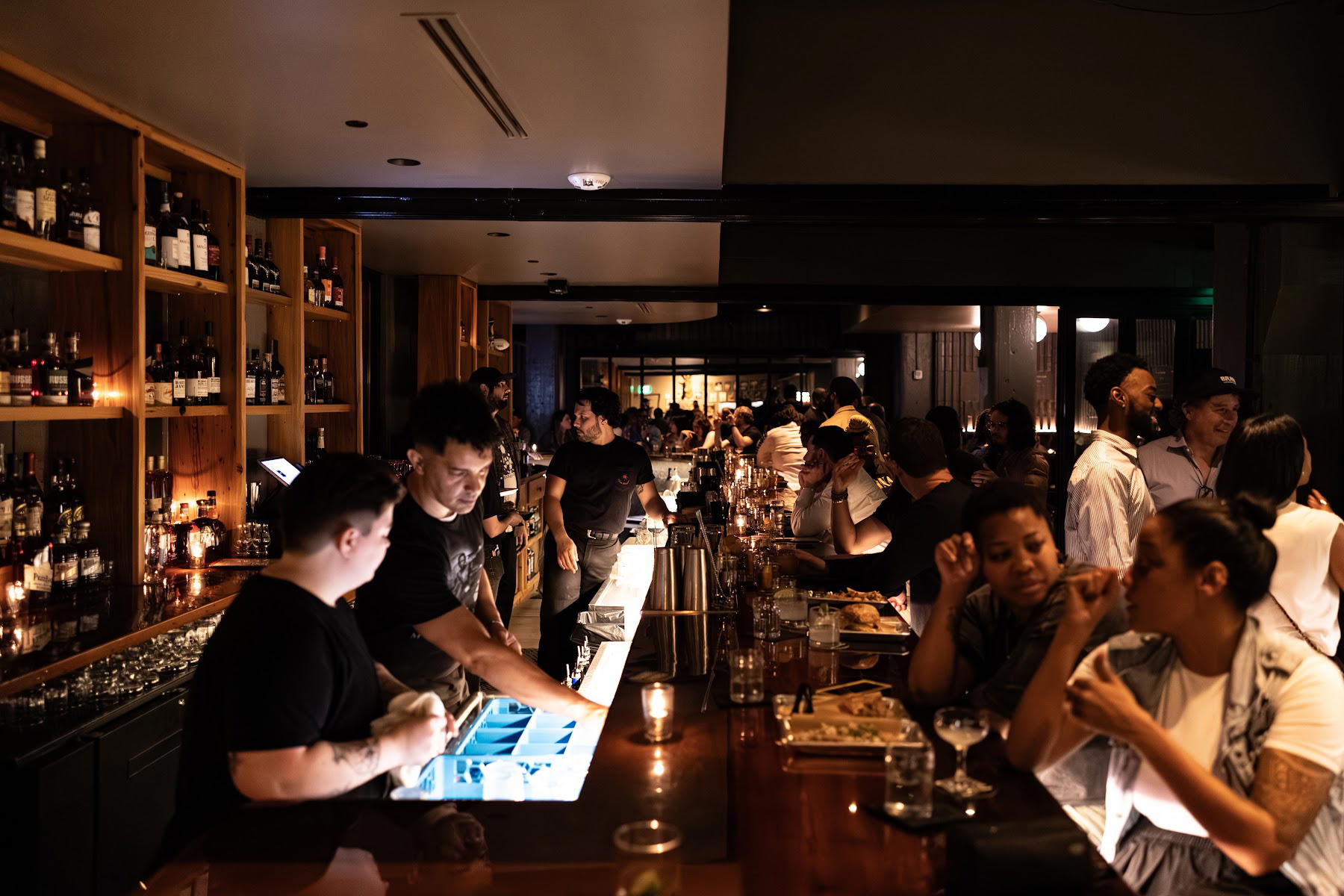
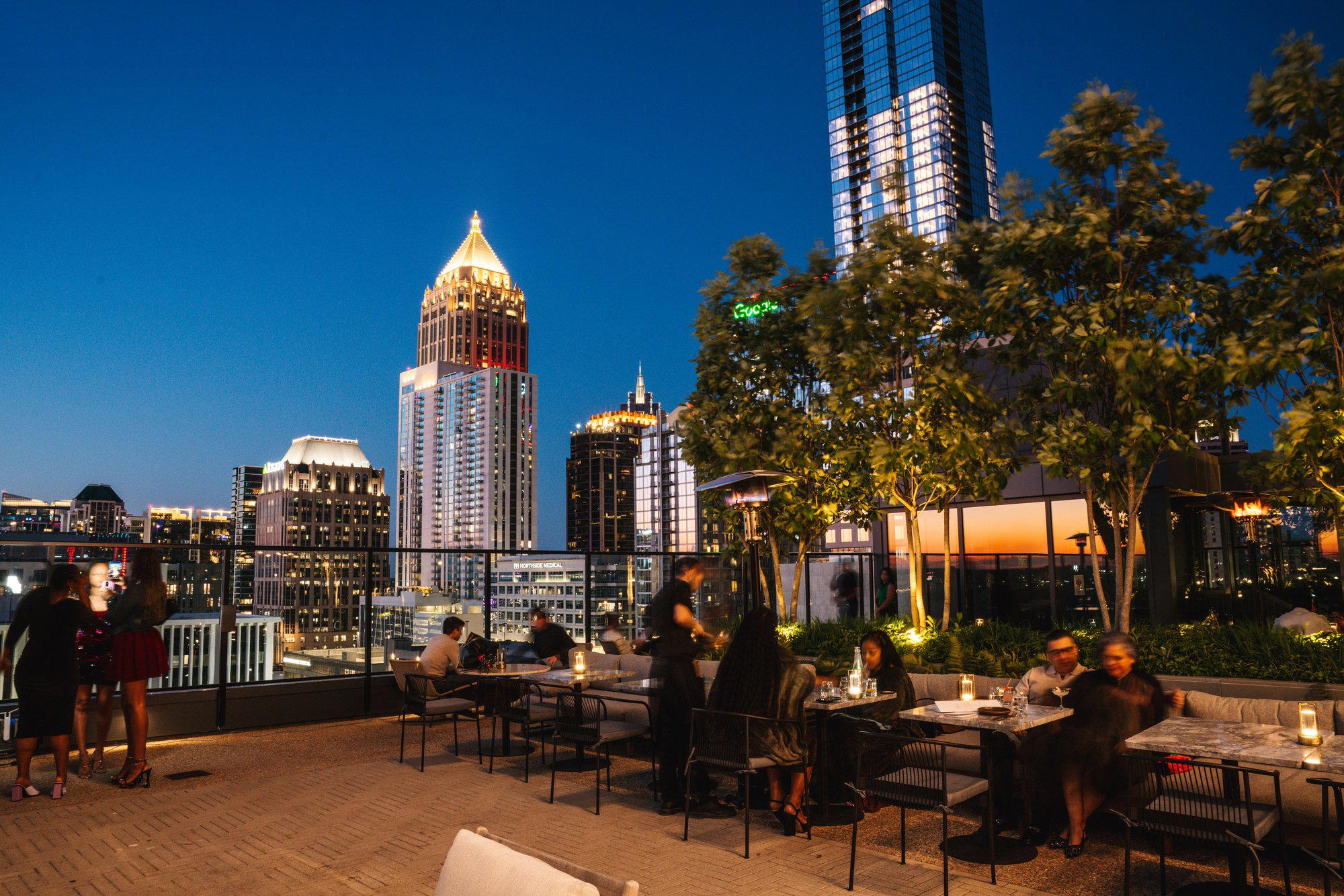
Lively and festive atmosphere celebrating Latin American culture with a focus on romance and community gathering.