
Tabelog 100 #100
Our verdict
Mochi So belongs to Ogaki’s quieter wagashi circuit, where regional sweets, low pricing, and everyday take-out culture matter more than ceremony. Its 2023 Tabelog 100 selection for Japanese traditional sweets and sweets cafés places it in a serious category, but the appeal is grounded in Gifu’s local rhythm rather than destination-dining theatre.

Pearl is the En Primeur Club membership app, where members save venues, book tables and use the concierge.
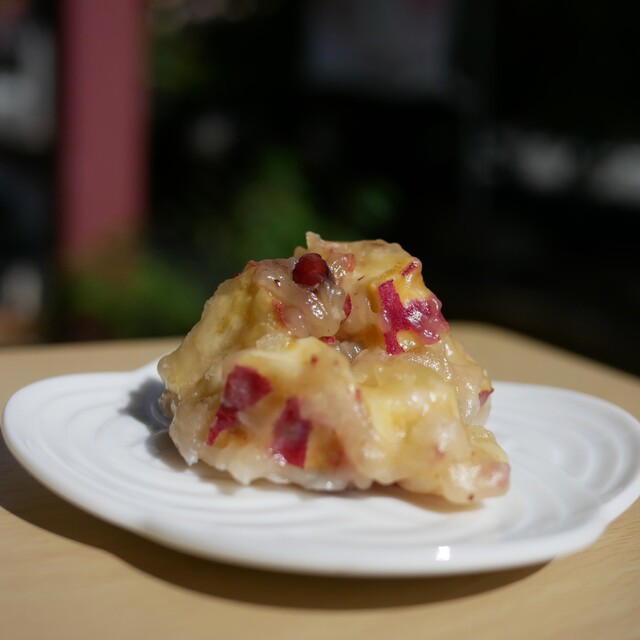
The menu
What to order
- Mizu manju
- Mizuman-kōri (water shaved ice)
- Sakura mochi - Yui
- Monaka to sable
- Yarawakamame purin
Approach Ogaki in the morning and the city’s sweets culture feels practical before it feels decorative: shopfronts open early, purchases travel home in paper bags, and the pleasure is often measured in small portions rather than long meals. Mochi So fits that rhythm. This is not the theatrical end of Japanese dining, and that is the point. Japanese traditional sweets in a regional city work through repetition, season, tea, and gifting habits; the serious addresses earn attention by making modest formats feel precise.
Ogaki sits away from the metropolitan circuits that tend to dominate English-language food coverage. That distance matters. In Tokyo or Kyoto, traditional sweets are often framed through ceremony or luxury retail. In Ogaki, the category keeps closer contact with daily errands, visits with friends, and small purchases. The local comparison is useful: Kinchoen Sohonke Oogaki ekimae honten occupies a related sweets lane, while Asahiya points to another everyday local option. Elsewhere on Ogaki’s restaurant map, CUCINA signals how quickly the city’s dining scene can move from casual regional eating into a different register.
Ogaki wagashi is built around sourcing, not spectacle
The ingredient story here is the wider Japanese-sweets story: small variations carry weight, and the best versions are rarely about abundance. They depend on restraint, freshness, and the maker’s control of texture. In a city like Ogaki, that also means proximity to local routines. Customers are not only buying dessert; they are buying something suitable for a house call, a shared tea break, or a short detour before the day continues.
Mochi So’s recognition by Tabelog’s 2023 Hyakumeiten selection gives the shop a clear trust signal in a category that rarely travels well in translation. For overseas visitors, the phrase “Japanese sweets café” can sound broad, even vague. In practice, the distinction matters: wagashi shops are judged less by menu sprawl than by how consistently they handle perishable, texture-sensitive items. The better ones do not need the grammar of a tasting menu. They work in the margin between craft and routine.
That makes the shop a useful stop for travellers trying to understand Ogaki beyond lunch and dinner reservations. More formal dining rooms in the city belong to different codes entirely, and other Ogaki dining can point toward different registers of service and appetite. Wagashi sits apart from both. It is shorter, cheaper, and more dependent on the day’s appetite for something precise rather than grand.
A casual sweets stop with serious category credentials
The format is casual, and that casualness should not be mistaken for lack of standards. Japanese regional sweets culture has always carried a double life: everyday enough for errands, formal enough for gifting, and disciplined enough to be judged by specialists. Mochi So belongs in that middle ground. Its Tabelog score of 3.59, combined with the 2023 Tabelog Hyakumeiten recognition, places it above the level of an anonymous neighbourhood snack stop without turning it into a white-tablecloth commitment.
The decision to go is therefore simple. If the day in Ogaki is built around walking, rail connections, or a broader food crawl, a sweets shop in this price bracket can make more sense than another full meal. If the itinerary is about deeper dining, use it as a contrast point: regional wagashi clarifies how Japanese food culture values timing, packaging, texture, and season outside restaurant service. The absence of ceremony is part of the education.
Service customs in small Japanese food shops can still surprise visitors used to international restaurant norms. Mochi So is best understood through its listed category: a cafe featuring Japanese sweets and Japanese traditional sweets. Those details reinforce the category: this is an everyday sweets address rather than a controlled dining room.
How to place it within an Ogaki food day
Ogaki rewards a mixed itinerary. The city is not built around a single dining street aimed at visitors; its appeal comes from stitching together small, practical stops and more deliberate meals. For a full local sweep, start with our full Ogaki restaurants guide, then branch into adjacent planning through our full Ogaki hotels guide, our full Ogaki bars guide, our full Ogaki wineries guide, and our full Ogaki experiences guide. The broader Japan file also helps calibrate scale: compare the everyday specificity of casual sweets counters, the regional logic of small local shops, or the focused single-format appeal of other dining rooms across the country.
For travellers building a Japan food map across price tiers, context prevents category confusion. Restaurants in larger cities and more structured dining rooms elsewhere in Japan all operate with different expectations around meal structure and appetite. Overseas Japanese food culture adds another layer, with different formats shaped by local demand. Mochi So is more modest in format, but it teaches something essential: in Japan, a small sweet can carry as much regional information as a long dinner.
Frequently asked questions
Is Mochi So child-friendly?
Its low listed price range can make it easy to use for families stopping in Ogaki. The format is casual and practical rather than formal.
Is Mochi So formal or casual?
Casual. Mochi So is listed as a cafe featuring Japanese sweets and Japanese traditional sweets in Ogaki.
Is Mochi So expensive?
Pricing at Mochi So is listed as - JPY 999 - JPY 999 View spending breakdown.
What is Mochi So known for?
Mochi So is known as a cafe featuring Japanese sweets and Japanese traditional sweets in Ogaki, with Tabelog Hyakumeiten recognition in 2023.
How It Stacks Up
Comparable venues by cuisine and price in the same metro.
| Venue | Cuisine | Price | Awards | Notes |
|---|---|---|---|---|
| Mochi SoThis venue (the venue you are viewing) | Traditional Japanese wagashi & shaved ice shop | $1–10 | Tabelog 100 #100 | Not listed |
| Kinchoen Sohonke Oogaki ekimae honten | Traditional Japanese wagashi & sweets café | $1–10 | Tabelog 100 #6 | Ogaki |
| Asahiya | Handmade Udon, Donburi & Teishoku | $10–20 | Tabelog 100 #83 | Not listed |
| 四鳥 | Japanese Kaiseki and Chicken Cuisine | $50–100 | Not listed | Ogaki |
| Sushi Matsuoka | Traditional aged sushi omakase | $100–150 | Tabelog 100 #71 | Minaminokawacho |
| A due passi | Traditional Italian | $20–30 | Tabelog 100 #95 | Sunomatacho Futatsugi |
Recognition history
Dated appearances from independent guides and award organizations, with the underlying list record or original source where available.
Tabelog 100 #100 · No. 100
Tabelog · Tabelog 100 - Japanese traditional sweets / Japanese sweets cafe - EAST - 2023
Continue exploring
More in Ogaki
Restaurants in Ogaki
All restaurants in Ogaki →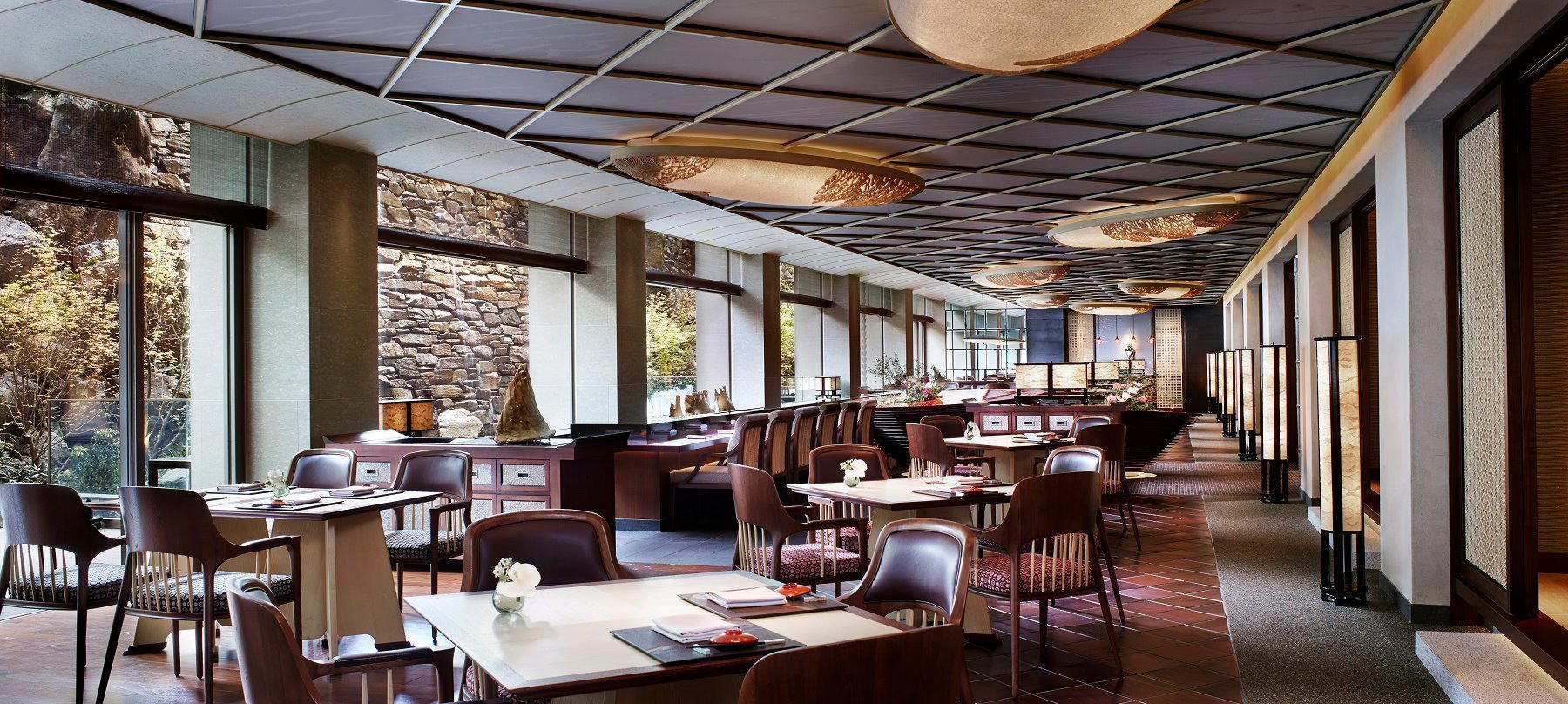




Details
- Classic
- Quiet
- Well Known
- Cozy
- Solo
- Family
- Casual Hangout
- After Work
- Historic Building
- Standalone
- Street Scene
- A La Carte
- Counter Dining
Current opening hours
- Monday
- 8:30 AM–5:30 PM
- Tuesday
- 8:30 AM–5:30 PM
- Wednesday
- Closed
- Thursday
- 8:30 AM–5:30 PM
- Friday
- 8:30 AM–5:30 PM
- Saturday
- 8:30 AM–5:30 PM
- Sunday
- 8:30 AM–5:30 PM
Hours can change for holidays and private events. Hours as of .
A classic neighborhood wagashi shop with a modest, traditional feel focused on takeaway, with a calm, everyday atmosphere rather than a café-style dining room.