

Mizūmi brings Asian contemporary cooking to the Austrian Alps, holding a 2025 Michelin Plate in a village better known for ski runs than soy-based broths. Priced at the accessible end of Leogang's dining range (€€), it occupies a genuine gap in the local scene, where most kitchens default to seasonal Alpine or Austrian formats.
Pearl is the En Primeur Club membership app — saves, bookings, and concierge access live there. Same editors, same standards.
- Address
- Hütten 2, 5771 Leogang, Austria
- Phone
- +43 6583 8561777
- Website
- mizumi.at
- Directions
- Get directions
 Saves & bookings on Pearl
Where the Alps Meet a Different Kind of Kitchen
Leogang's dining scene has a clear centre of gravity: seasonal Austrian produce, alpine herbs, and the kind of rich, mountain-calibrated cooking that makes sense after a day on the Steinernes Meer trails. That logic dominates the village's restaurants, from the high-end seasonal programs at Silva and dahoam by Andreas Herbst down to the more grounded Austrian comfort of Restaurant 1617. Against that backdrop, Mizūmi reads as a deliberate departure. Asian contemporary cooking in a small Salzburger Land village is not an obvious proposition, which is precisely what makes the 2025 Michelin Plate recognition meaningful.
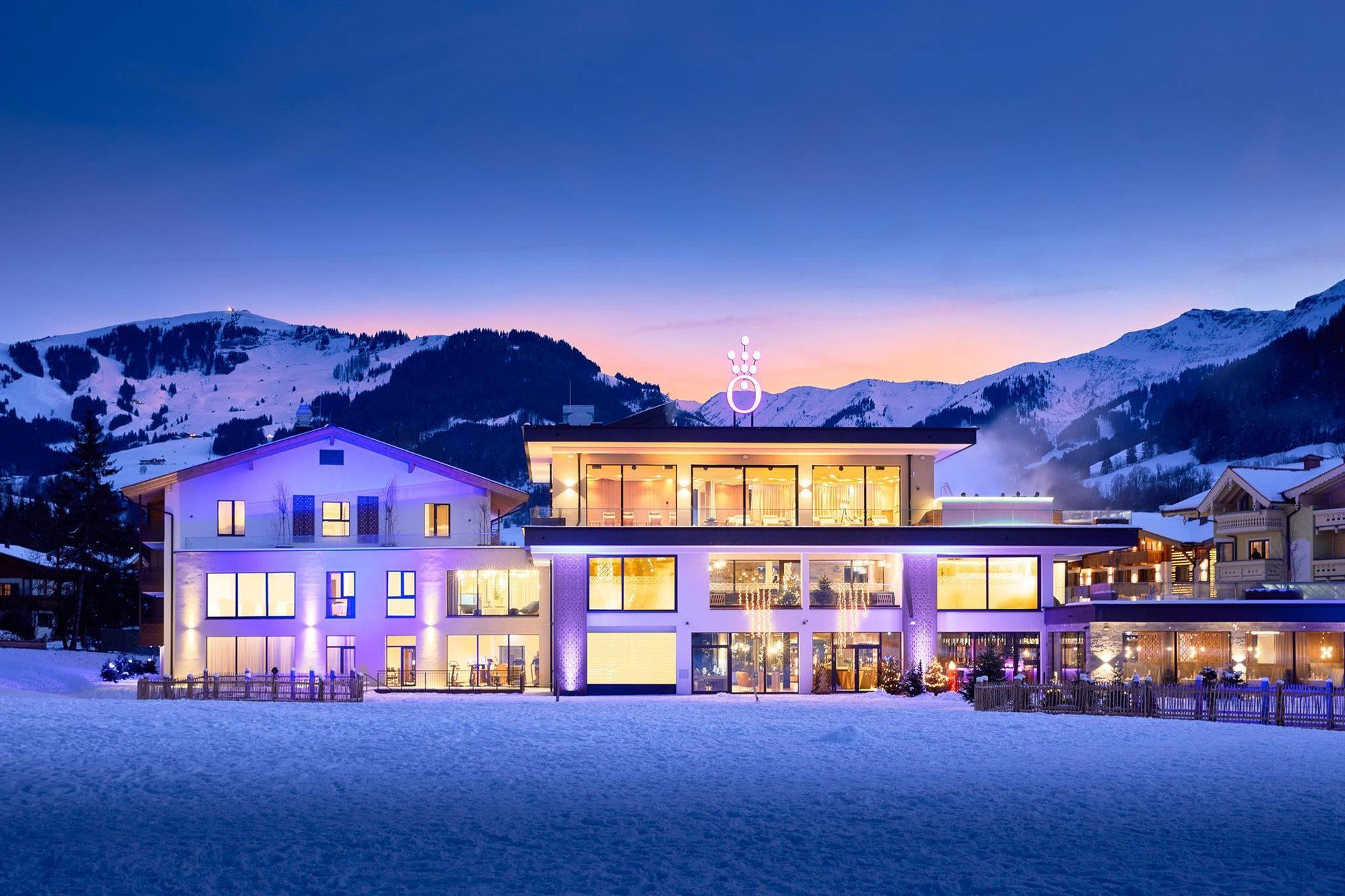
The address, Hütten 2, in the heart of Leogang, places Mizūmi within easy reach of the village's main accommodation corridor, the kind of location that catches a mix of resort guests and locals rather than destination-only diners. At the €€ price point, it sits below the upper tier occupied by Kirchenwirt, Silva, and dahoam, which all operate at €€€€. That positioning matters for understanding the ritual the kitchen is likely engaged in: Asian contemporary at a moderate price requires discipline in sourcing and technique, because the ingredients that define the cuisine, fermented pastes, citrus-forward acids, fresh aromatics, carry their own cost and cannot be easily substituted with local Alpine equivalents.
The Logic of Asian Contemporary in a Mountain Context
Asian contemporary as a category has expanded considerably across Europe over the past decade. In cities like Vienna, where Steirereck im Stadtpark anchors a scene that increasingly absorbs global technique, and in Salzburg, where Ikarus rotates international guest chefs through its kitchen, the format has become a recognisable strand of Austrian fine and mid-fine dining. What makes Mizūmi's position interesting is the geography: this is not an urban context where a broad dining public cycles through multiple cuisines in a week. Resort towns like Leogang attract a concentrated, often international, visitor base, skiers from Northern Europe, hikers from Germany and the Netherlands, families with specific tastes, and that demographic has historically supported Asian-leaning restaurants more readily than locally-rooted Austrian cooking. Mizūmi, at its price tier, appears to be reading that demand correctly.
For comparison within the Austrian alpine corridor, Gourmetrestaurant Tannenhof in Sankt Anton am Arlberg and Griggeler Stuba in Lech demonstrate that resort dining can reach the upper register of Austrian culinary recognition. Mizūmi is not operating at that tier, but its Michelin Plate signals a baseline of technical competence that places it meaningfully above the village's more casual dining options. The cuisine type also connects to a wider European conversation: venues like Willow in Singapore and Banyan in Istanbul represent how Asian contemporary formats anchor themselves in specific local contexts while drawing on pan-Asian technique. The approach in Leogang works within the same broad framework, adapted to an alpine resort rather than a coastal city.
The Dining Ritual: Pacing and Format in an Alpine Setting
Asian contemporary kitchens tend to organise meals around a specific rhythm: smaller plates that build in intensity, a balance of acid, heat, and umami across courses, and a format that rewards attention rather than demanding it. That pacing contrasts with the more linear structure common in Austrian seasonal cooking, where a starter-main-dessert sequence follows predictable escalation.
What the. That volume of reviews in a village the size of Leogang implies a steady throughput of diners over multiple seasons, and a 4.5 average at that volume is not maintained by outlier enthusiasm alone. The review count also points to a venue that has been operating long enough to build a local and resort-visitor following, rather than a recent opening still accumulating its initial responses.
For diners coming from the context of Salzburg's wider scene, including Döllerer in Golling an der Salzach, Obauer in Werfen, or Kräuterreich by Vitus Winkler in Sankt Veit im Pongau, Mizūmi represents a different register entirely. Those restaurants are engaged in the regionalist Austrian project: place-specific produce, generational technique, the language of mountains and seasons made edible. Mizūmi operates in a separate conversation, one that treats Leogang as a location rather than an ingredient. That is not a criticism. The two approaches serve different needs, and both have a place in a resort village that hosts an international visitor base for six to eight months of the year.
Planning Your Visit
Mizūmi is located at Hütten 2 in Leogang, Salzburger Land, accessible from the village centre and within the main accommodation zone. At the €€ price tier, it is among the more accessible options in Leogang's dining range, sitting well below the quartet of higher-priced seasonal restaurants that dominate the village's upper dining bracket. Booking ahead is essential, particularly during peak ski season (December through March) and summer hiking months (July and August), when resort capacity is high and restaurant availability contracts across all price points.
Cuisine and Credentials
Comparable venues nearby, for context on price, style, and recognition.
| Venue | Cuisine | Price | Awards | Notes |
|---|---|---|---|---|
| MizūmiThis venue — the venue you are viewing | Contemporary Japanese with Alpine Views | $$$ | Michelin Plate | Not listed |
| Silva | Modern Forest-Inspired French Fine Dining | $$$$ | Michelin Plate | Leogang |
| Restaurant 1617 | Traditional Austrian Alpine Cuisine | $$ | Michelin Plate | Leogang |
| mama thresl | Modern Austrian Grill | $$ | Not listed | Leogang |
| KrallerAlm | Alpine Austrian Grill & Pizzeria | $$ | Not listed | Rain |
| Gourmetrestaurant ESS:ENZ | Modern Austrian Fine Dining | $$$$ | Not listed | Leogang |
Recognition history
Dated appearances from independent guides and award organizations, with the underlying list record or original source where available.
Falstaff Restaurant - 95 Falstaff Points
Falstaff
Michelin Plate
Michelin
Michelin Plate
Michelin


At a Glance
- Elegant
- Scenic
- Modern
- Intimate
- Date Night
- Special Occasion
- Celebration
- Open Kitchen
- Waterfront
- Panoramic View
- Hotel Restaurant
- Private Dining
- Sake Program
- Extensive Wine List
- Local Sourcing
- Waterfront
- Mountain
Current opening hours
- Monday
- 11:30 AM–5 PM, 6–10 PM
- Tuesday
- 11:30 AM–5 PM, 6–10 PM
- Wednesday
- Closed
- Thursday
- Closed
- Friday
- 11:30 AM–5 PM, 6–10 PM
- Saturday
- 11:30 AM–5 PM, 6–10 PM
- Sunday
- 11:30 AM–5 PM, 6–10 PM
Hours can change for holidays and private events. Last verified .
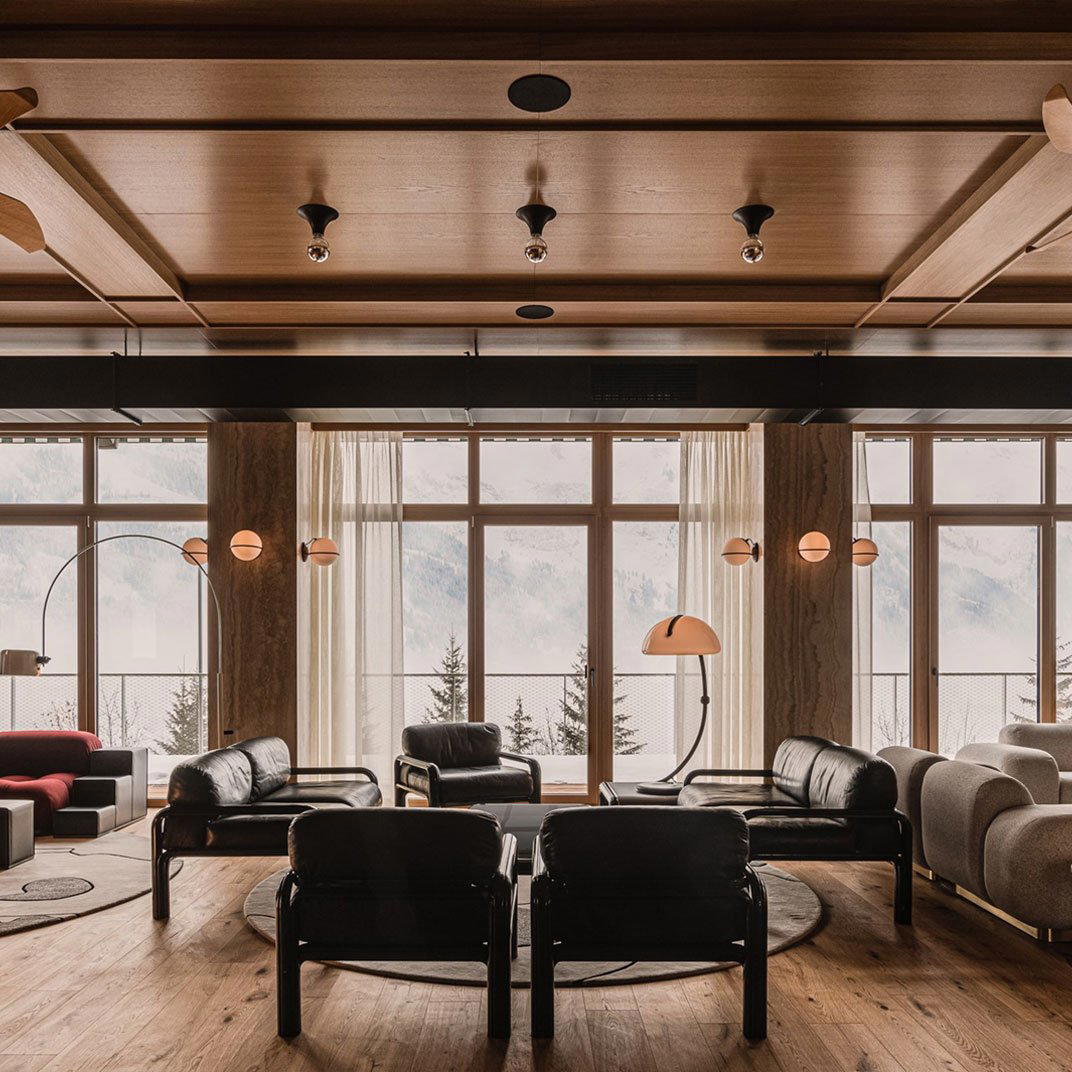
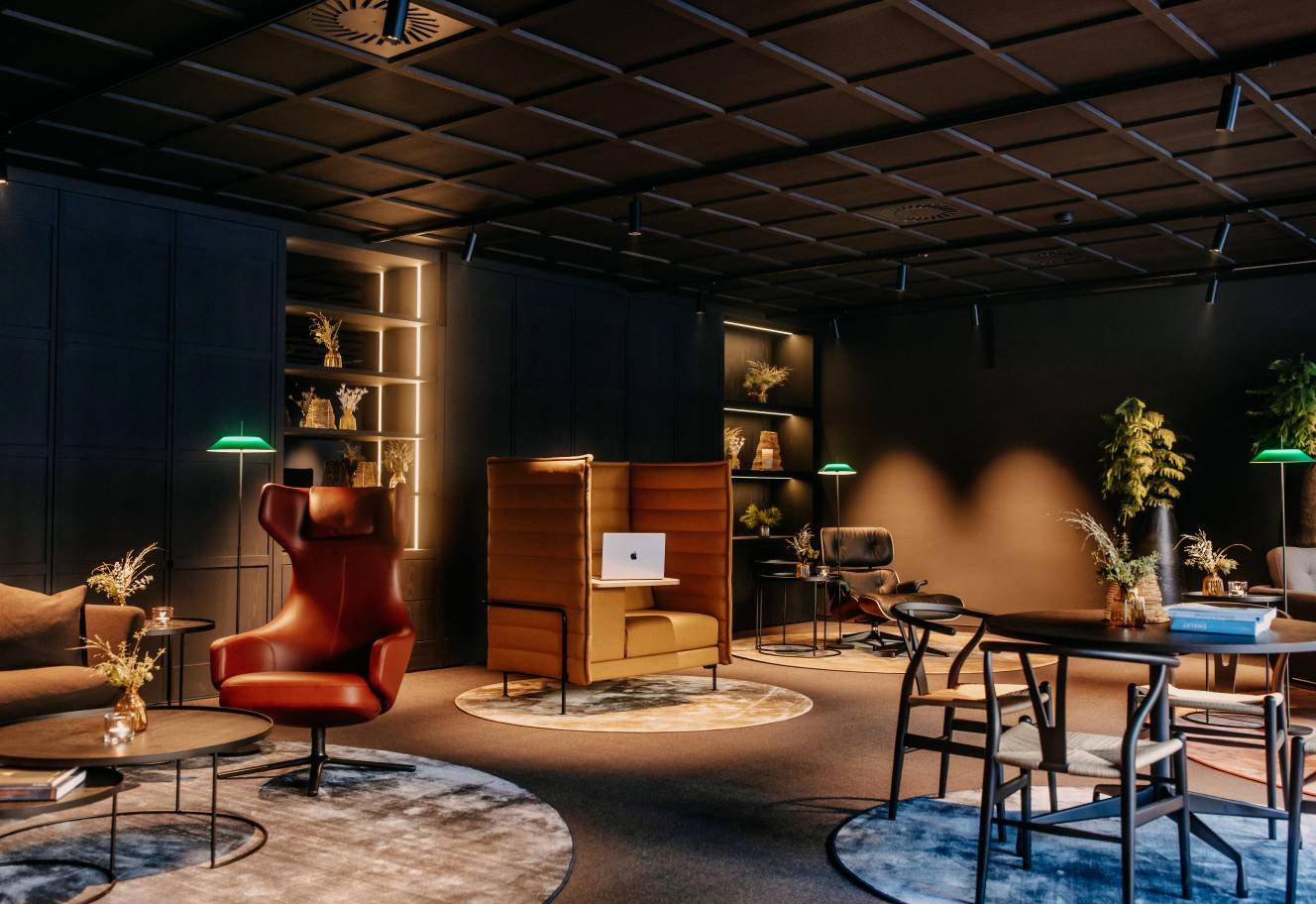
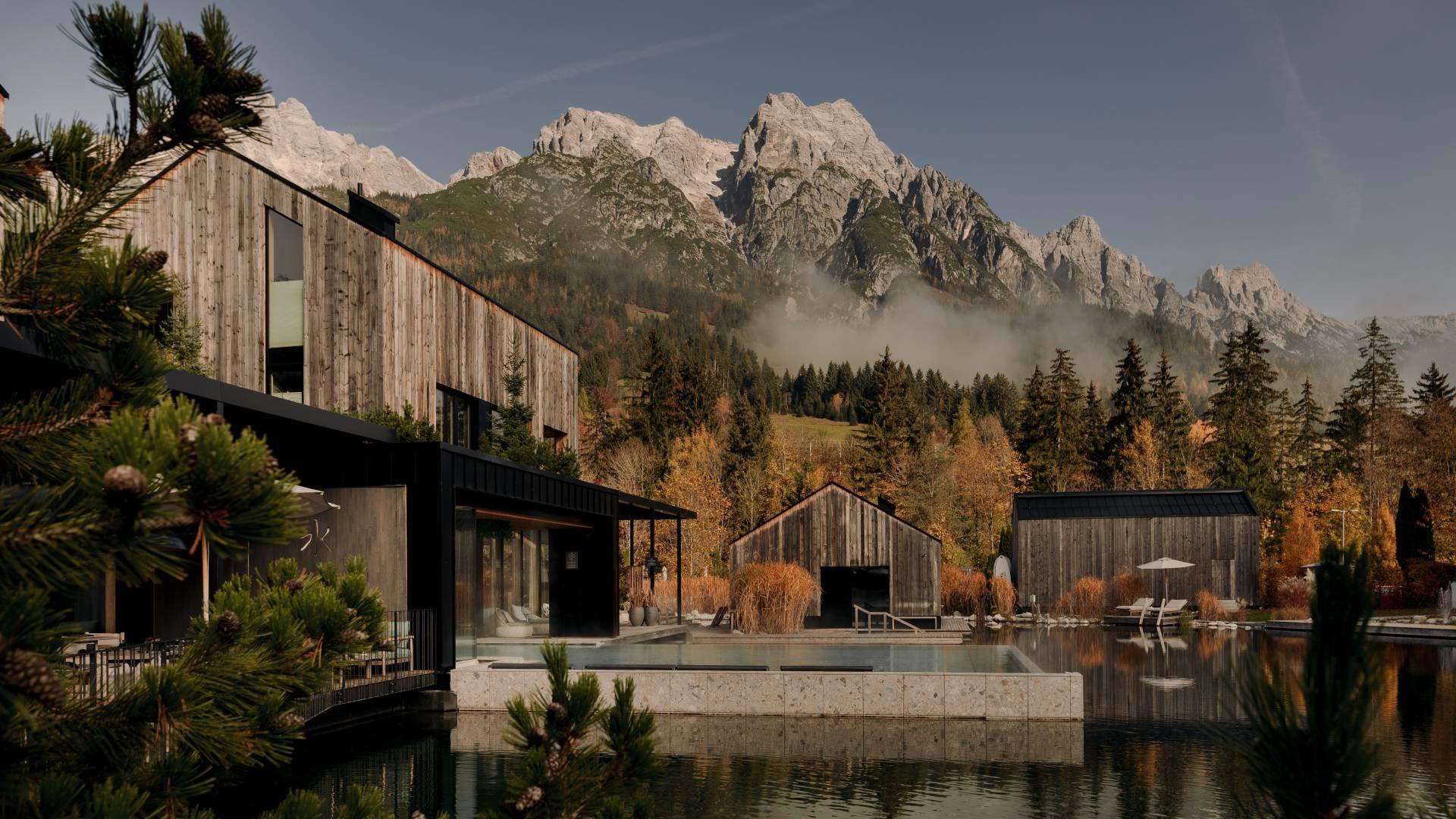
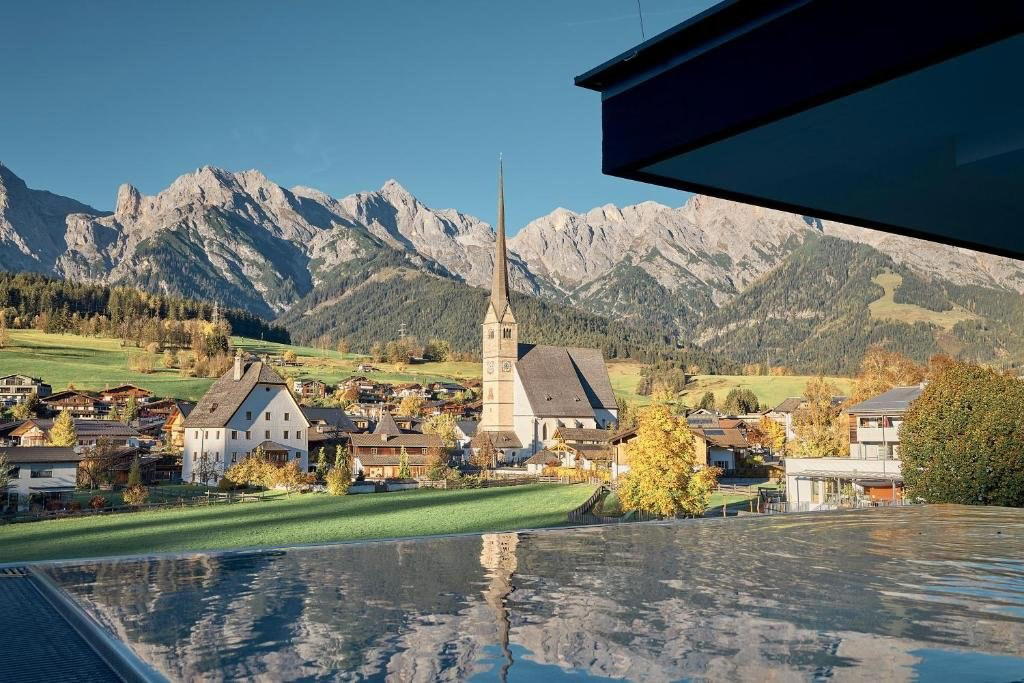
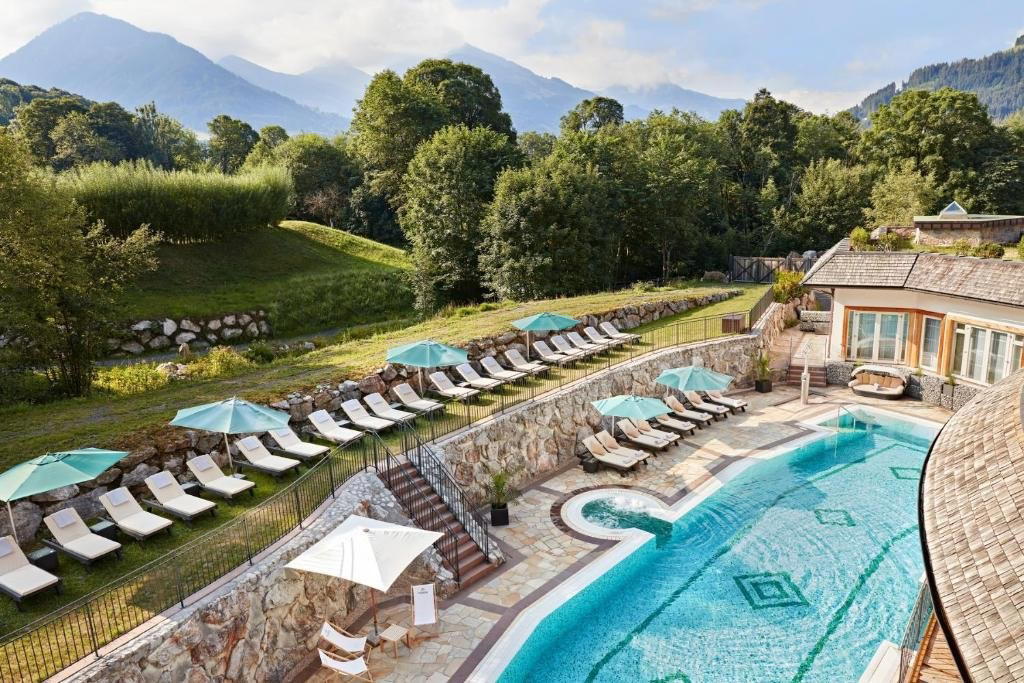
Modern minimalist interior with clean lines and dark tones, illuminated by natural light from expansive windows overlooking a natural pond and outdoor pool, creating a serene yet sophisticated atmosphere.