Mitch's Fish Market & Sushi Bar
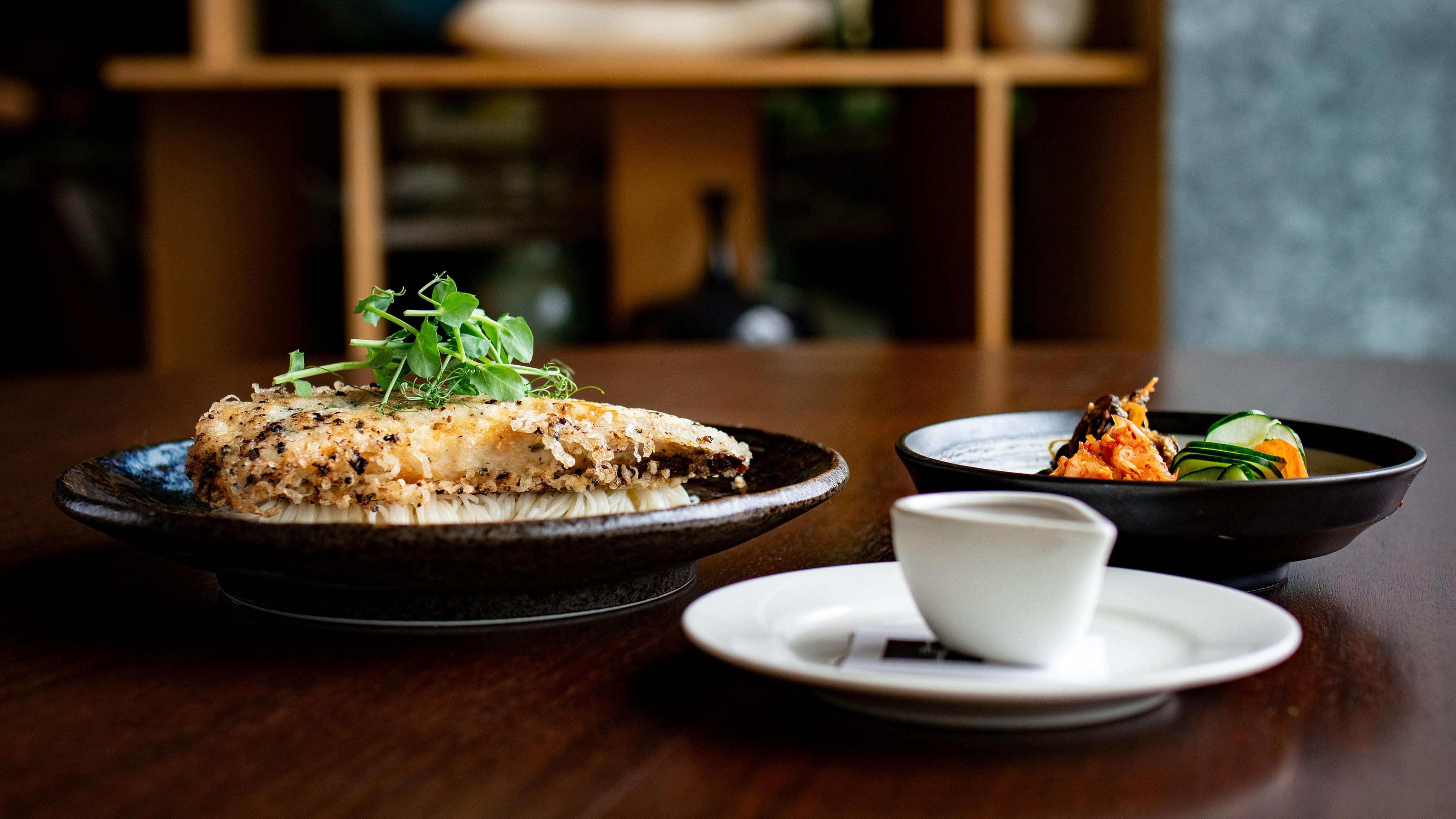
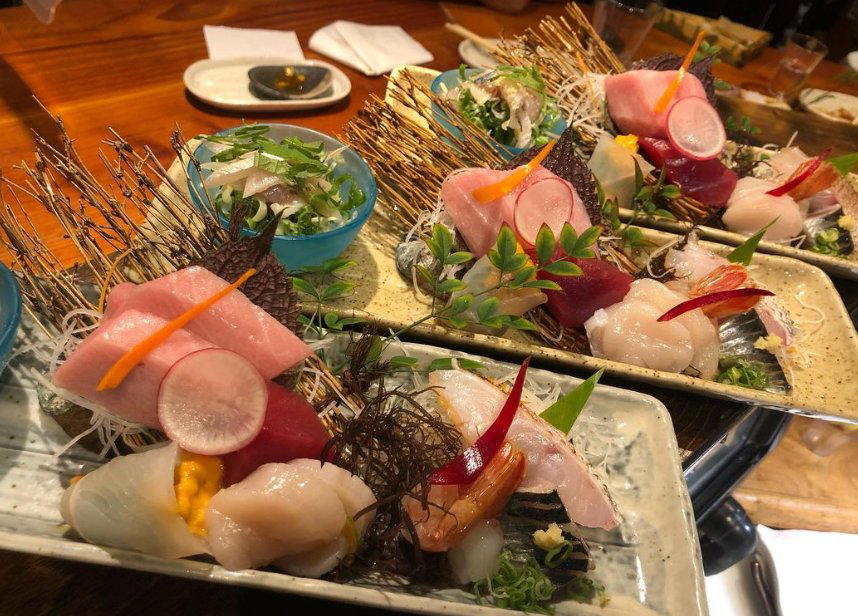
Near the airport, this tiny, BYOB counter is famed for ultra-fresh sashimi and nigiri cut from premium, often locally landed fish. A longtime favorite of local writers and a 2025 Hale ‘Aina Best Sushi honoree set, it’s all about the fish.
Pearl is the En Primeur Club membership app — saves, bookings, and concierge access live there. Same editors, same standards.
- Address
- 524 Ohohia St, Honolulu, HI 96819
- Phone
- +1 808 837 7774
- Website
- mitchssushi.com
- Directions
- Get directions
 Saves & bookings on Pearl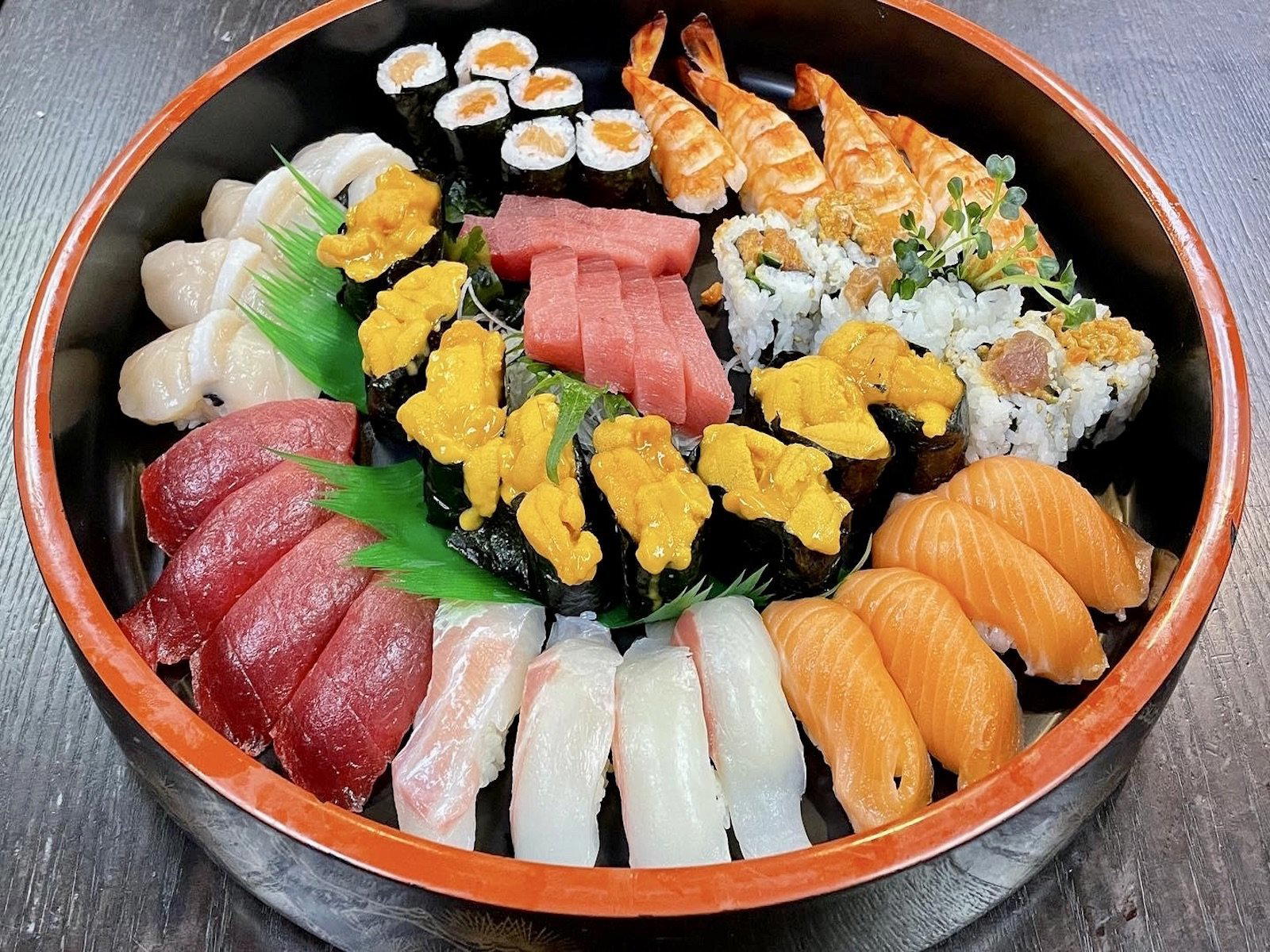
Where Industrial Honolulu Meets the Fish Counter
This is not Waikiki beachfront or Kakaako gallery district. The surrounding blocks run industrial: warehouse units, freight logistics, the functional hum of a working port city doing its actual work. That context matters, because it explains why Mitch's operates the way it does. Proximity to Honolulu's commercial fishing infrastructure is not incidental decor; it is the operating logic of the place. Fish markets that sit close to the source in this way occupy a specific tier in any port city's dining order, one defined less by interior polish than by what arrives that morning and how quickly it moves from ice to plate.
The Arc of the Meal: Reading the Counter as a Sequence
In Honolulu's sushi and seafood segment, the meal typically divides into two modes: the omakase counter, where the chef sequences the progression, and the market-style format, where the diner does the sequencing by reading what is available that day. Mitch's occupies the latter category, which places different demands on the person eating. You are not following a chef's narrative arc handed to you in a fixed menu. You are composing one from what is in front of you, informed by the day's catch and the counter staff's working knowledge of it.
This format has deep precedent in Hawaiian dining culture. The plate lunch tradition and the fresh fish counter have long coexisted as parallel tracks, both rooted in access to exceptionally good local product rather than imported culinary theater. In that context, a fish market with a sushi bar component is less a hybrid concept than a logical consolidation: the fish is already here, the rice can follow. The sequencing question becomes one of temperature, texture, and weight. Raw preparations typically lead, allowing the cleanest read on the fish before heat and seasoning enter the picture. Cooked items follow. If the market component is doing its job, the fish that finishes in a roll or a grilled preparation was the same quality as what opened the meal raw.
Honolulu's Seafood Geography
Hawaii sits at the center of a Pacific fishing network that supplies some of the highest-volume fresh tuna markets in the United States. Honolulu's Pier 38 fish auction runs in the early morning hours and sets prices that ripple through the city's restaurant supply chain. Venues positioned close to that supply chain, geographically and operationally, tend to operate with fresher product and tighter margins than those buying through a third-party distributor. The Ohohia Street address places Mitch's within that working geography, in a neighborhood that reads as utilitarian precisely because it is built around the business of food supply rather than the theater of food consumption.
That geographical positioning connects Mitch's to a broader pattern visible in port cities globally: the leading fish-focused eating often happens in the least photogenic blocks, in rooms designed for throughput rather than atmosphere, where the regulars know to arrive early before specific cuts or species sell out. Comparable dynamics appear at Tsukiji's outer market in Tokyo, at fish counters in Bergen's Fisketorget, and in the working-port neighborhoods of Marseille. Honolulu has its own version of this geography, and Ohohia Street is part of it.
Where Mitch's Sits in the Honolulu Dining Order
Honolulu's dining scene has expanded considerably in the past decade, with serious Japanese-influenced restaurants, destination cocktail bars, and chef-driven concepts adding depth across multiple neighborhoods. Venues like Bar Leather Apron in Honolulu represent the precise, technique-focused end of the city's hospitality spectrum. At the opposite end sits the market counter format, where the credential is the product, not the program. Mitch's belongs to the latter category, which means it draws a different kind of regular: industry workers, early risers, people who have already done their research on where the fish comes from and are there because of that answer.
Within the sushi and seafood tier, the comparison set for a market-sushi hybrid is not the omakase counter or the hotel restaurant. It is other market-adjacent operations: the places where you might eat standing up, where the menu changes based on what came in on the boats, and where the bill reflects wholesale proximity rather than dining room overhead.
For those moving between food stops in the city, the broader Urban Honolulu circuit includes spots across different registers: Andy's Sandwiches & Smoothies handles a different meal occasion entirely, while AGU Ramen - Ward Centre occupies the warming, broth-forward end of the Japanese-influenced spectrum. The Beachhouse at the Moana represents the hotel-dining pole of the market. These are not competitors to Mitch's so much as illustration of how wide Honolulu's eating range actually runs.
Drink, Pacing, and the Meal's Logic
The drink question at a fish market counter is largely answered by what the food demands. Raw fish at this quality level reads most clearly alongside cold beer, sake, or a dry, high-acid white wine. The market format does not typically build elaborate cocktail programs, and it would be somewhat beside the point if it did. For serious cocktail work elsewhere in Honolulu or across the US, the bar programs at venues like Kumiko in Chicago, Superbueno in New York City, ABV in San Francisco, and Jewel of the South in New Orleans represent that category at a high level. The fish market counter is a different occasion with a different drink logic.
Back in Honolulu's bar circuit, 9th Ave Rock House serves a different late-night function. For those interested in the craft cocktail end of the American South's bar culture, Julep in Houston and The Parlour in Frankfurt on the Main offer useful reference points for how serious bar programs build their identity around a specific product or regional tradition.
Planning Your Visit
The Ohohia Street address puts Mitch's in a neighborhood better reached by car or rideshare than on foot from central Waikiki. The industrial setting means there is no ambient hotel foot traffic or tourist circuit to rely on for information updates: the leading current details on hours, available cuts, and market pricing come from calling ahead or checking at the door. The restaurant is open daily from 11:30 AM to 8 PM, and reservations are recommended. The market format typically rewards early arrival; the freshest and most interesting product moves first, and the selection narrows across the day. At a venue operating on daily-catch logic, arriving at opening is a different experience than arriving at closing.
A Credentials Check
Comparable venues nearby, for context on price, style, and recognition.
| Venue | Cuisine | Price | Notes |
|---|---|---|---|
| Mitch's Fish Market & Sushi BarThis venue — the venue you are viewing | Dining | $$$ | Not listed |
| La Mariana Sailing Club | American Seafood with Polynesian Tiki Influences | $$ | Sand Island |
| Beachhouse at the Moana | Modern Island-Inspired Steakhouse & Seafood | $$$$ | Waikiki |
| Lucky Belly | Asian Fusion Ramen & Small Plates | $$ | Chinatown |
| Highway Inn Kaka'ako | Authentic Hawaiian | $$ | Kaka'ako |
| 1050 Ala Moana Blvd | Hawaiian Fast Food & Boba | $$ | Ala Moana - Kakaako |
Continue exploring
More in Urban Honolulu
Restaurants in Urban Honolulu
Browse all →
Bars in Urban Honolulu
Browse all →
At a Glance
- Casual
- Casual Hangout
- Standalone
Current opening hours
- Monday
- 11:30 AM–8 PM
- Tuesday
- 11:30 AM–8 PM
- Wednesday
- 11:30 AM–8 PM
- Thursday
- 11:30 AM–8 PM
- Friday
- 11:30 AM–8 PM
- Saturday
- 11:30 AM–8 PM
- Sunday
- 11:30 AM–8 PM
Hours can change for holidays and private events. Last verified .
Casual dive spot with a local vibe in an industrial location.