White Guide Denmark Restaurants - Masters Level
Our verdict
Miró occupies a quiet address on Marstrandsgade in Aarhus, operating within the city's growing tier of ingredient-focused restaurants that sit between the New Nordic rigour of Frederikshøj and the more accessible creative kitchens nearby. The restaurant draws on the depth of Danish seasonal produce with a format that rewards careful booking and a return visit as seasons shift.

Pearl is the En Primeur Club membership app — saves, bookings, and concierge access live there. Same editors, same standards.
Aarhus and the Ingredient-First Restaurant
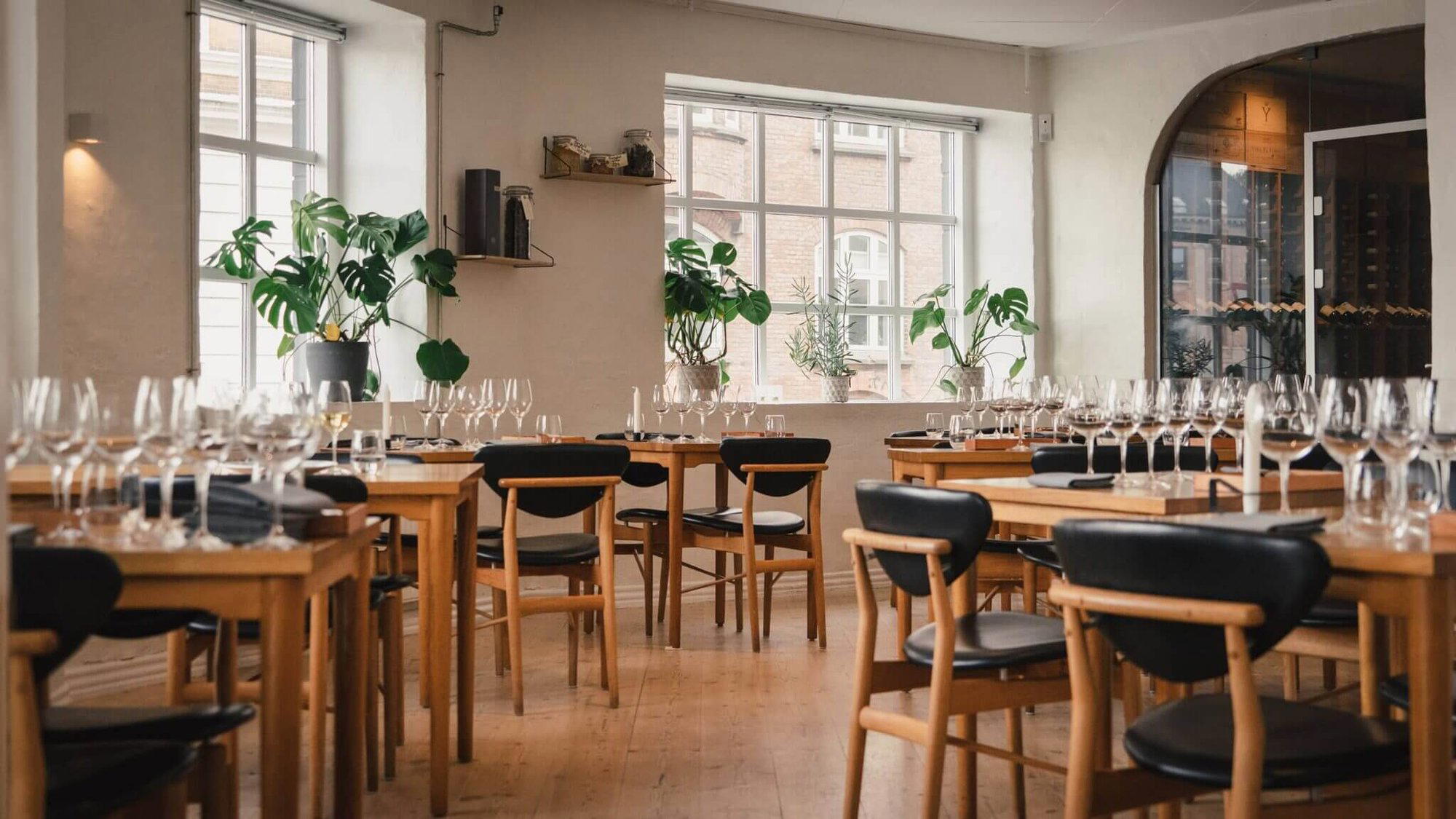
Aarhus has spent the better part of two decades developing a dining culture that punches well above its population size. The city sits in a productive agricultural region: the Jutland hinterland supplies root vegetables, dairy, game, and foraged material that underpin the menus of its most serious kitchens. What has emerged is a restaurant tier that connects directly to that supply chain, treating ingredient provenance not as a marketing position but as the actual organizing principle of what ends up on the plate. Miró, on Marstrandsgade in the city's central district, operates within that tier.
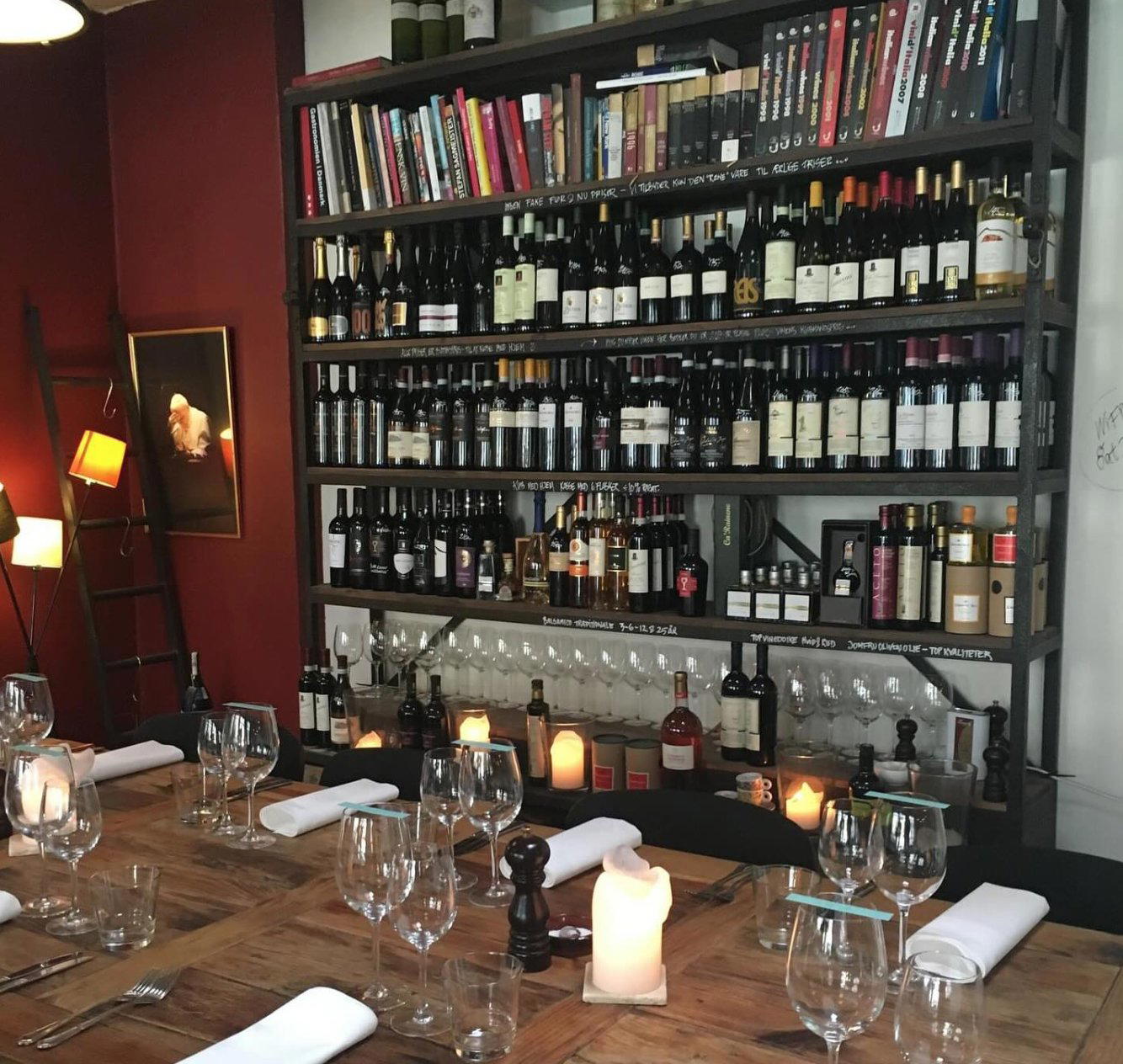
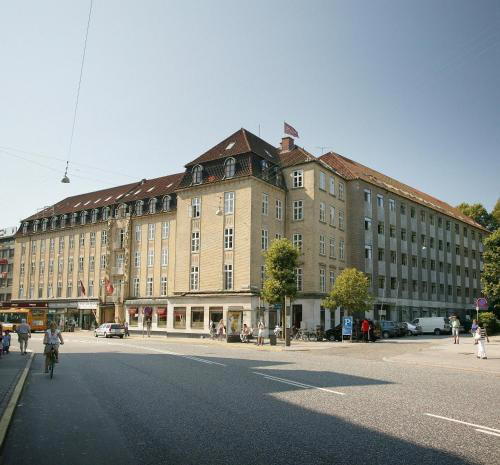
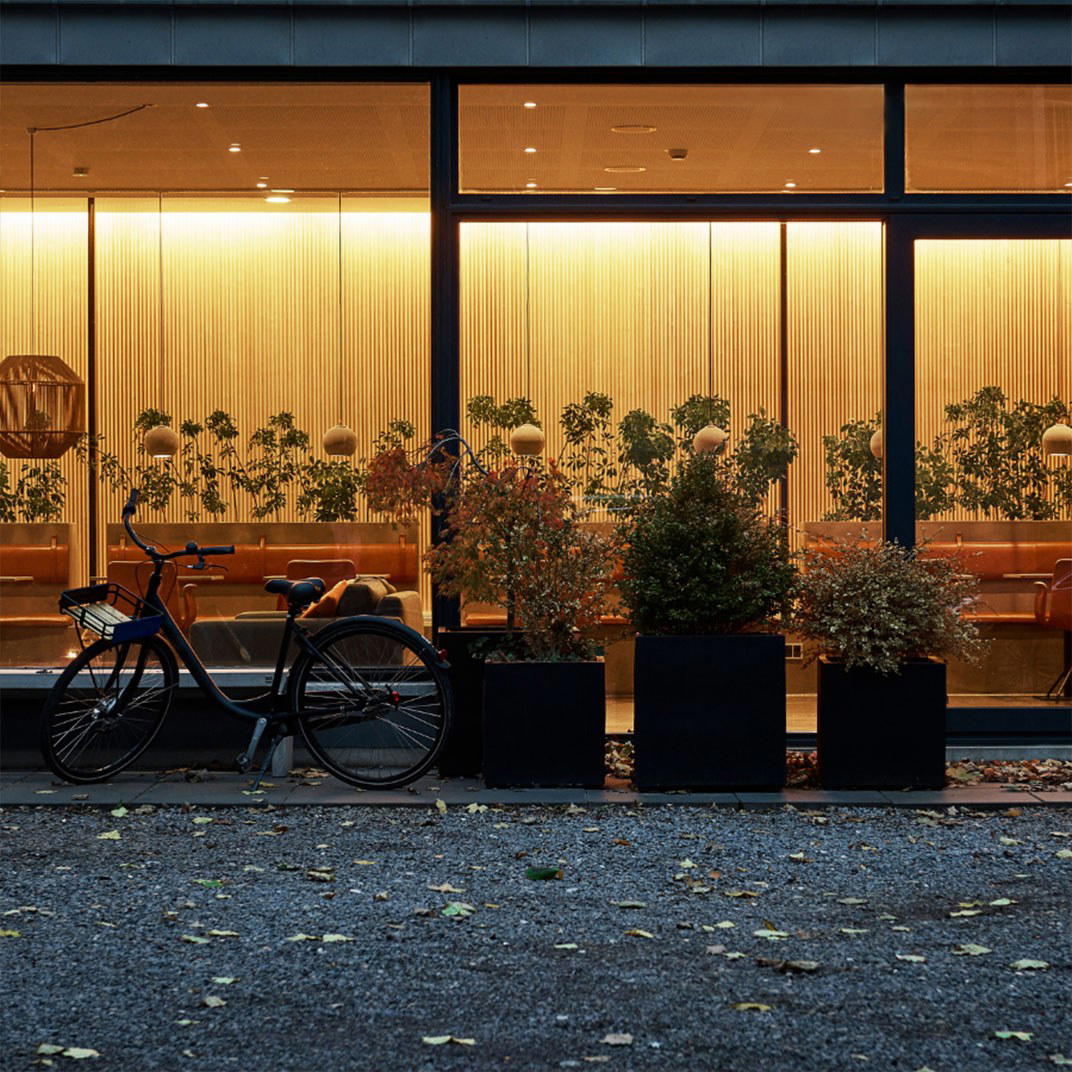
The address is a quiet one by Aarhus standards, which means something in a compact city where the distance between the harbour restaurants and the residential streets is measured in minutes on foot. Approaching from the canal-side direction, the building presents a low-key exterior that signals nothing about what's happening inside. That restraint is consistent with a broader pattern across Aarhus kitchens: Substans operates similarly, with a format that foregrounds the food rather than the setting. The drama arrives at the table, not at the door.
What Ingredient Sourcing Looks Like in Practice
The sourcing conversation in Danish fine dining has moved past the point where listing a farm name on the menu counts as sufficient evidence of commitment. The kitchens that have earned sustained recognition in Denmark, from Frederikshøj in Aarhus to Geranium in Copenhagen, have demonstrated that sourcing translates into timing decisions: when a vegetable is picked, how quickly it moves into the kitchen, and how the menu responds when a particular product isn't ready rather than substituting something inferior from a distant supplier.
Jutland's seasonal rhythm is specific. Spring brings coastal herbs and the first asparagus from protected growing areas; summer produces the soft-acid berry and brassica combinations that appear in the region's more creative kitchens; autumn delivers the game and mushroom abundance that shapes menus from September through November. Winter, the hardest season for sourcing, is where the quality gap between kitchens that have invested in preservation techniques and those that haven't becomes most visible. Restaurants that manage that gap well, using ferments, cures, and cellared roots intelligently rather than simply shortening their menus, tend to attract the more experienced local diners year-round rather than only during the high-season months of June through August.
Miró sits in that context. For visitors planning around the calendar, the autumn window offers the widest variety of high-quality Jutland produce, while a winter visit provides a clearer read on how the kitchen handles constraint. Domestic, which operates a well-regarded New Nordic format nearby, and Gastromé at the leading price tier provide useful reference points for how different kitchens in the same city approach the same seasonal raw material.
Aarhus in the Broader Danish Dining Map
Denmark's serious restaurant culture has historically concentrated in Copenhagen, with Jordnær in Gentofte and Henne Kirkeby Kro demonstrating that the country's secondary addresses can hold their own against the capital's pace. But Aarhus has developed a distinct identity: smaller in scale than Copenhagen's fine dining tier, less reliant on international press cycles, and more directly connected to the Jutland agricultural base that gives its kitchens a supply advantage their Copenhagen counterparts have to work harder to replicate.
Outside Jutland, cities like Aalborg, Odense, Vejle, Herning, Hørve, Præstø, and Nykøbing Sjælland have each developed their own serious dining formats, but none has built the concentrated cluster that Aarhus now maintains. The city's restaurant ecosystem functions as a self-reinforcing circuit: knowledgeable local diners, a university population with appetite for the new, and a food tourism infrastructure that has grown steadily since ARoS Aarhus Art Museum brought international visitor numbers to the city.
For a broader survey of where Miró sits relative to that circuit, our full Aarhus restaurants guide maps the city's current tier structure across price points and formats.
Peer Context: Where Miró Fits
Aarhus now has a legible tier structure. At the leading price point, Frederikshøj and Gastromé operate in the €€€€ bracket with full tasting formats and wine programmes to match. One step below, restaurants including Substans and Domestic work in the €€€ range, offering serious cooking without the full commitment of a four-hour tasting evening. For visitors who want the ingredient-focused angle with more flexibility, A-Kin Thai provides a different lens on the same sourcing-conscious approach from a Southeast Asian tradition.
Internationally, the comparison set for ingredient-first cooking in this format runs from the precision of Le Bernardin in New York, where a single category of ingredient organizes the entire menu, to the more experimental framing of Atomix, where sourcing intersects with cultural narrative. Aarhus kitchens operate at smaller scale and with a narrower international profile, but the underlying discipline with ingredients is comparable.
Planning a Visit
Marstrandsgade 2 sits in central Aarhus, walkable from the main train station and the harbour front. The city is served by direct rail from Copenhagen (approximately three hours) and has its own airport with Scandinavian connections. For visitors travelling specifically to eat, the concentration of serious kitchens within a fifteen-minute walking radius makes Aarhus an efficient destination: it's possible to eat at three or four different quality-tier restaurants across a two-night stay without covering significant ground.
For current availability and reservation options, visitors should check the restaurant's own channels directly. As with most Aarhus restaurants at this level, advance booking is advisable, particularly for autumn visits when the seasonal menu is at its most complex and local demand peaks. Dietary requirements are leading communicated at the point of booking to give the kitchen adequate preparation time.
Frequently asked questions
How do I find Miró?
Miró is located at Marstrandsgade 2, 8000 Aarhus, Denmark, Aarhus.
How does Miró's location in Aarhus compare to Copenhagen as a destination for serious dining?
Aarhus has spent roughly two decades building a dining culture that operates independently of Copenhagen's gravitational pull, and Marstrandsgade 2 sits in the central city — walkable from the main train station and the harbour. Direct rail connects Aarhus and Copenhagen in under three hours, which makes a dinner-focused trip viable without an overnight stay. For diners tracking ingredient-led cooking across Denmark, Aarhus now warrants the journey on its own terms.
What's the must-try dish at Miró?
Specific menu details for Miró are not published in advance, which is consistent with how ingredient-led kitchens in Aarhus tend to operate — the menu shifts with what the season and suppliers allow. Arriving without fixed expectations is the appropriate approach. The better question to ask on booking is what the kitchen is currently centred around.
Do they take walk-ins at Miró?
In Aarhus's current dining tier — where restaurants like Frederikshøj and Gastromé fill weeks ahead — walk-in availability at this level is uncommon on weekends. Contacting the venue directly before arriving without a reservation is the practical course.
What's Miró best at?
Based on Miró's positioning within Aarhus's ingredient-first restaurant scene, the kitchen's identity appears to be grounded in sourcing discipline rather than theatrical technique. Aarhus sits in one of Denmark's most productive agricultural zones, and restaurants operating at this address tend to let that geography do the structural work. That restraint, when executed well, is harder than it looks.
How does Miró handle allergies?
No allergy or dietary policy is published for Miró in the available venue data. The standard practice at ingredient-driven restaurants in Aarhus is to request dietary information at the time of booking rather than on arrival, since menus are built around a fixed set of seasonal products. Reaching out to Miró at Marstrandsgade 2 ahead of your visit is the right step.
Is Miró worth the price?
No pricing data is currently confirmed for Miró, which makes direct comparison difficult. Within Aarhus's dining tier, the €€€€ bracket is occupied by Frederikshøj and Gastromé; restaurants positioned below that still represent a meaningful spend by Danish standards. Value at this level in Aarhus is typically determined by sourcing transparency and kitchen consistency rather than room size or service formality.
City Peers
Comparable venues nearby, for context on price, style, and recognition.
| Venue | Cuisine | Price | Awards | Notes |
|---|---|---|---|---|
| MiróThis venue — the venue you are viewing | Classic French Fine Dining | Not listed | White Guide Denmark Restaurants - Masters Level | Not listed |
| L'estragon | Organic French Bistro with Scandinavian Ingredients | Not listed | Not listed | Latin Quarter (Midtbyen) |
| Bouchon | French Wine Bar | Not listed | Not listed | Central Aarhus |
| Cafe Viggo | French-Danish Café Cuisine | $30–50 | Not listed | Midtbyen |
| Tiende | Modern Danish European | $50–100 | Wine Spectator Best of Award of Excellence | Aarhus Ø |
| Mundo | Southern European Social Dining | $50–100 | Not listed | Aarhus C |
Recognition history
Dated appearances from independent guides and award organizations, with the underlying list record or original source where available.
White Guide Denmark Restaurants - Masters Level
White Guide