Milwaukee Delicatessen Company
Our verdict
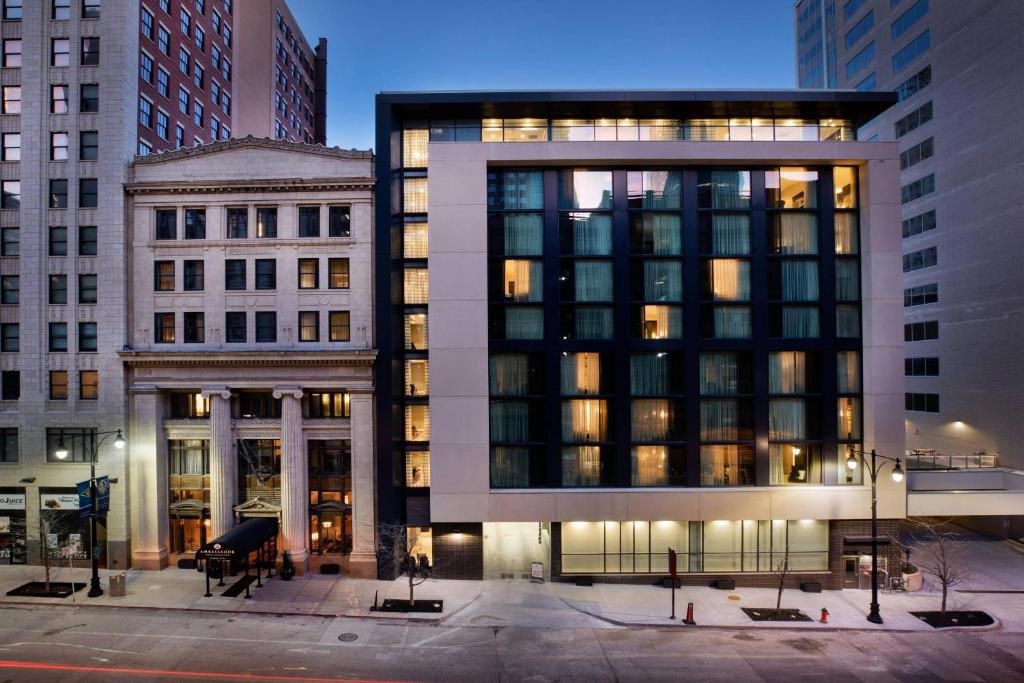
Milwaukee Delicatessen Company occupies a downtown Kansas City address at 101 W 9th St, placing it in the heart of a neighborhood where deli traditions and contemporary dining formats coexist. The name signals a genre with deep American roots, and the downtown location puts it within reach of the city's broader restaurant circuit, from barbecue institutions to modern tasting-menu formats.

Pearl is the En Primeur Club membership app — saves, bookings, and concierge access live there. Same editors, same standards.
- Address
- 101 W 9th St, Kansas City, MO 64105
- Phone
- (816) 471-6900
- Hours
- Mon–Thu 11 AM–9 PMFri–Sat 11 AM–10 PMSun Closed
- Website
- milwaukeedelikc.com
- Directions
- Get directions
The menu
What to order
- Milwaukee-style Reuben
- KC Corned Beef
- Central Branch Reuben
Downtown Kansas City and the Deli Format
The corner of 9th and Main in downtown Kansas City sits at a particular intersection of the city's food identity: close enough to the Power and Light District to draw after-work crowds, far enough from the Crossroads Arts District to feel like its own thing. Delicatessen culture in American cities has followed a specific arc over the past two decades, moving from neighborhood anchor to endangered species to deliberate revival. The name Milwaukee Delicatessen Company places itself squarely inside that revival conversation, invoking a Midwestern deli tradition at a Kansas City address on 101 W 9th St, Kansas City, MO 64105.
That name carries weight worth examining. Milwaukee's deli history runs through Eastern European immigrant communities that settled the city's south side, producing a style of cured meats, rye breads, and pickled vegetables that differs meaningfully from the New York Jewish deli canon most Americans default to. Bringing that reference to Kansas City, a city whose food identity is so thoroughly dominated by smoked barbecue, is a positioning statement in itself. It suggests a deliberate counterpoint to the smoke-and-slow tradition represented by institutions like Arthur Bryant's Barbeque, reaching instead toward a cured and brined idiom that has less competition in this market.
Where the Deli Fits in Kansas City's Dining Sequence
Kansas City's restaurant scene has matured considerably in the past decade. The city now supports a range of formats that would have seemed implausible fifteen years ago: ingredient-driven American cooking at places like Antler Room, European bistro sensibility at Aixois, and contemporary German-American cuisine at Affäre. Against that backdrop, a deli format occupies a specific and underserved position: casual enough for a midday stop, substantive enough to anchor a meal.
The deli as a format has an interesting relationship with sequencing. Unlike a tasting-menu restaurant, where the kitchen controls progression from lighter to richer, a deli meal is self-curated. The diner determines the arc: perhaps a cup of soup first, then a half-sandwich, then a pickle plate, then something sweet. That format demands more of the kitchen in some ways, because there is no chef-imposed structure to carry the diner through. Every component has to hold up independently. This is a different kind of discipline than what goes into, say, the multi-course progressions at Smyth in Chicago or the precisely calibrated tasting formats at Atomix in New York City, but it is discipline nonetheless.
Reading the Meal: How a Deli Progression Works
At its finest, a deli meal follows an instinctive arc that mirrors the logic of more formal multi-course dining. It opens on brightness: something acidic and sharp, a house pickle, a cup of consommé, a smear of mustard on dark bread. The middle course carries weight, the cured meat or the stuffed sandwich that forms the center of gravity. The finish is either rich (a slice of cheesecake, a rugelach) or deliberately restrained (a black coffee, nothing more). That arc, when the kitchen executes it well, produces the same satisfaction as a more formally structured progression at venues like Le Bernardin in New York City or The French Laundry in Napa, achieved through entirely different means.
The deli tradition also has a specific relationship with provenance that predates the farm-to-table rhetoric by decades. Sourcing the right cured meats, the right rye, the right dairy has always mattered in serious deli kitchens, because the format offers nowhere to hide. There is no sauce to carry a mediocre protein, no elaborate technique to compensate for a flat brine. The Milwaukee tradition in particular leans on that honesty: the quality of the product is the point, not the transformation of it.
Downtown Address, Downtown Context
The 9th Street address positions Milwaukee Delicatessen Company within walking distance of several of the city's reference points. Downtown Kansas City has attracted investment in food and hospitality over the past several years, and the daytime lunch economy in particular has room for a format that can serve quickly without sacrificing quality. A deli is well-suited to that context: it can handle volume without collapsing, and it offers price accessibility that the city's more ambitious dinner formats, including places that occupy a similar cultural register to Lazy Bear in San Francisco or Blue Hill at Stone Barns in Tarrytown, cannot.
That said, the downtown lunch crowd in Kansas City is competitive. The Beer Kitchen draws a consistent midday following, and barbecue remains the default choice for many locals who want something recognizably Kansas City. A deli format succeeds in that environment by offering something the barbecue institutions cannot: the cured and pickled idiom, the rye-bread sandwich, the soup-and-half format that is specifically suited to a working lunch.
Planning a Visit
For visitors building a Kansas City itinerary, Milwaukee Delicatessen Company fits naturally into a midday slot. The downtown location at 101 W 9th St is accessible from most central hotels, and the format suits a lunch visit between morning and afternoon activities rather than a destination dinner. Readers building a fuller picture of where this fits within Kansas City's dining range will find context in our full Kansas City restaurants guide, which maps venues across formats and neighborhoods. For those interested in how Kansas City's more formal dining compares to national tasting-menu benchmarks like Providence in Los Angeles, Addison in San Diego, Single Thread Farm in Healdsburg, The Inn at Little Washington, Emeril's in New Orleans, or Atelier Moessmer Norbert Niederkofler in Brunico, the guide provides a broader frame of reference. Current hours and booking information are best confirmed directly with the venue, as specific operational details are not available at time of publication.
Frequently asked questions
Where exactly is Milwaukee Delicatessen Company?
Milwaukee Delicatessen Company is located at 101 W 9th St, Kansas City, MO 64105, Kansas City.
Is Milwaukee Delicatessen Company a good option for a downtown Kansas City lunch near the Power and Light district?
Yes. The 101 W 9th St address puts Milwaukee Delicatessen Company within the walkable downtown Kansas City core, close to the Power and Light entertainment district. A deli format fits naturally into a midday slot, offering a structured but unfussy meal that does not require the time commitment of a full dinner service. For visitors building a Kansas City itinerary around the city centre, it represents a practical and considered lunch option.
What dish is Milwaukee Delicatessen Company famous for?
Specific signature dishes have not been formally documented in available editorial records for Milwaukee Delicatessen Company. As a delicatessen format operating at 101 W 9th St in downtown Kansas City, the menu likely follows the classic deli arc: cured and layered sandwiches, house-brined components, and the kind of acid-forward starters that anchor a proper deli progression. Confirming specific house specialties is best done directly with the venue.
How far ahead should I plan for Milwaukee Delicatessen Company?
Milwaukee Delicatessen Company occupies a downtown Kansas City address at 9th and Main, a corridor that draws lunch-hour foot traffic from the surrounding office and entertainment district. Deli formats at this kind of midday-oriented location typically seat on a walk-in basis, though peak lunch windows in dense downtown blocks can move quickly. Checking current hours and any reservation options before visiting is advisable.
What has Milwaukee Delicatessen Company built its reputation on?
Milwaukee Delicatessen Company has established its presence within downtown Kansas City's maturing restaurant scene, occupying a format that sits between casual counter service and considered, course-structured dining. The 101 W 9th St address places it within reach of the Power and Light district and the broader downtown core, giving it a consistent base of regulars from the neighbourhood. Its reputation rests on the deli format itself, a structure that Kansas City's dining culture has increasingly made room for alongside its more formal restaurant offerings.
Recognition, Side-by-Side
Comparable venues nearby, for context on price, style, and recognition.
| Venue | Cuisine | Price | Awards | Notes |
|---|---|---|---|---|
| Milwaukee Delicatessen CompanyThis venue — the venue you are viewing | Historic American Deli | $20–30 | Not listed | Not listed |
| Jazz A Louisiana Kitchen | Authentic Cajun & Creole | $20–30 | Not listed | The Legends |
| Beer Kitchen | American Gastropub | $20–30 | Not listed | Westport |
| The Town Company | Modern Midwestern Hearth Cuisine | $50–100 | James Beard Award Semi Finalist | Downtown |
| The Westside Local | Farm-to-Table American Gastropub | $20–30 | Not listed | Crossroads |
| Fiorella's Jack Stack Barbecue | Kansas City Barbecue | $30–50 | Not listed | Country Club Plaza |
Continue exploring
More in Kansas City
Restaurants in Kansas City
Browse all →
Bars in Kansas City
Browse all →
Details
- Classic
- Rustic
- Historic
- Casual Hangout
- Historic Building
- Craft Cocktails
- Local Sourcing
- A La Carte
- Cocktails
- Local Beer
- Vegetarian Friendly
Current opening hours
- Monday
- 11 AM–9 PM
- Tuesday
- 11 AM–9 PM
- Wednesday
- 11 AM–9 PM
- Thursday
- 11 AM–9 PM
- Friday
- 11 AM–10 PM
- Saturday
- 11 AM–10 PM
- Sunday
- Closed
Hours can change for holidays and private events. Last verified .
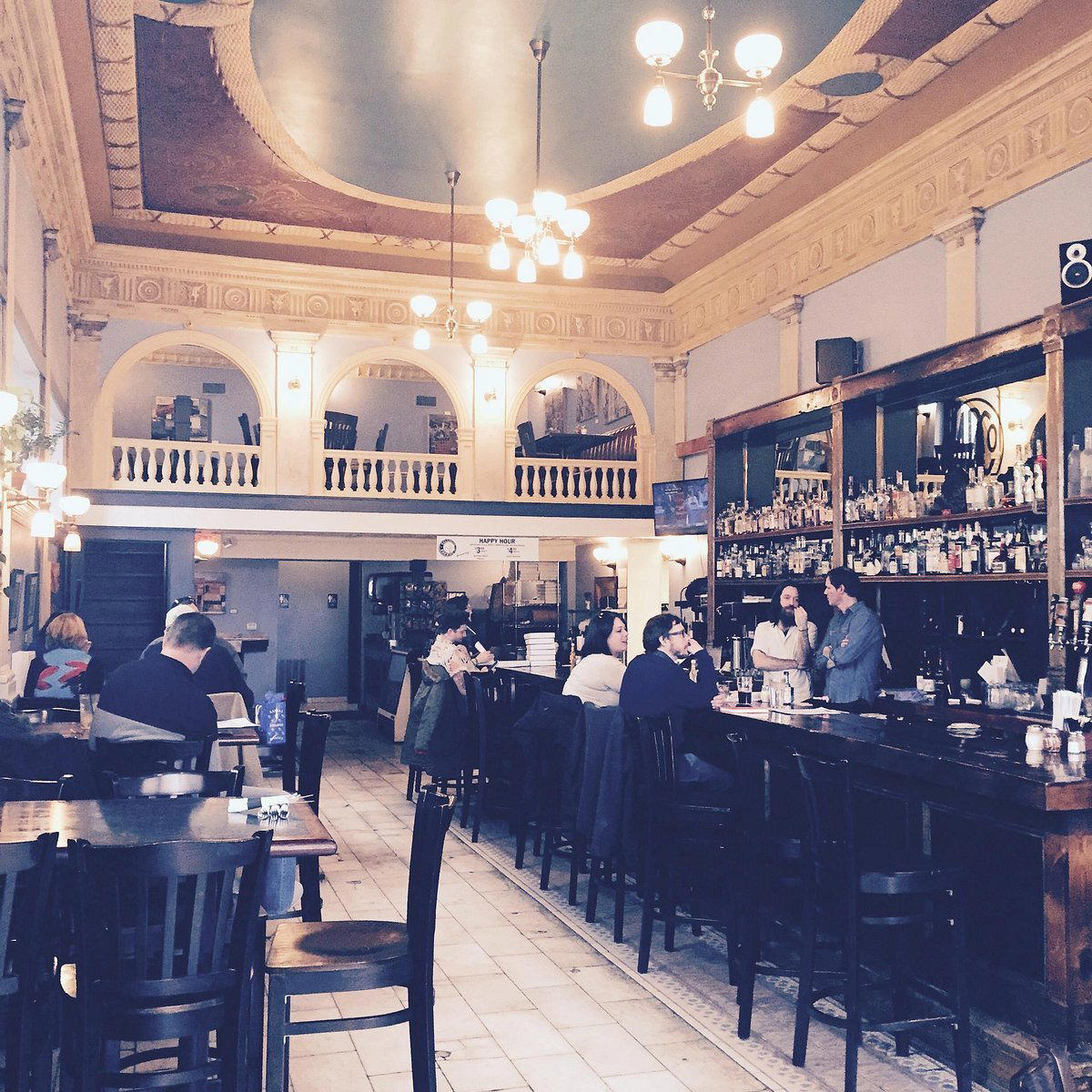
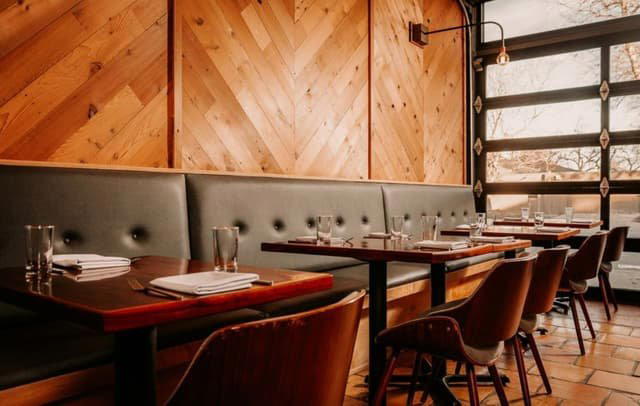
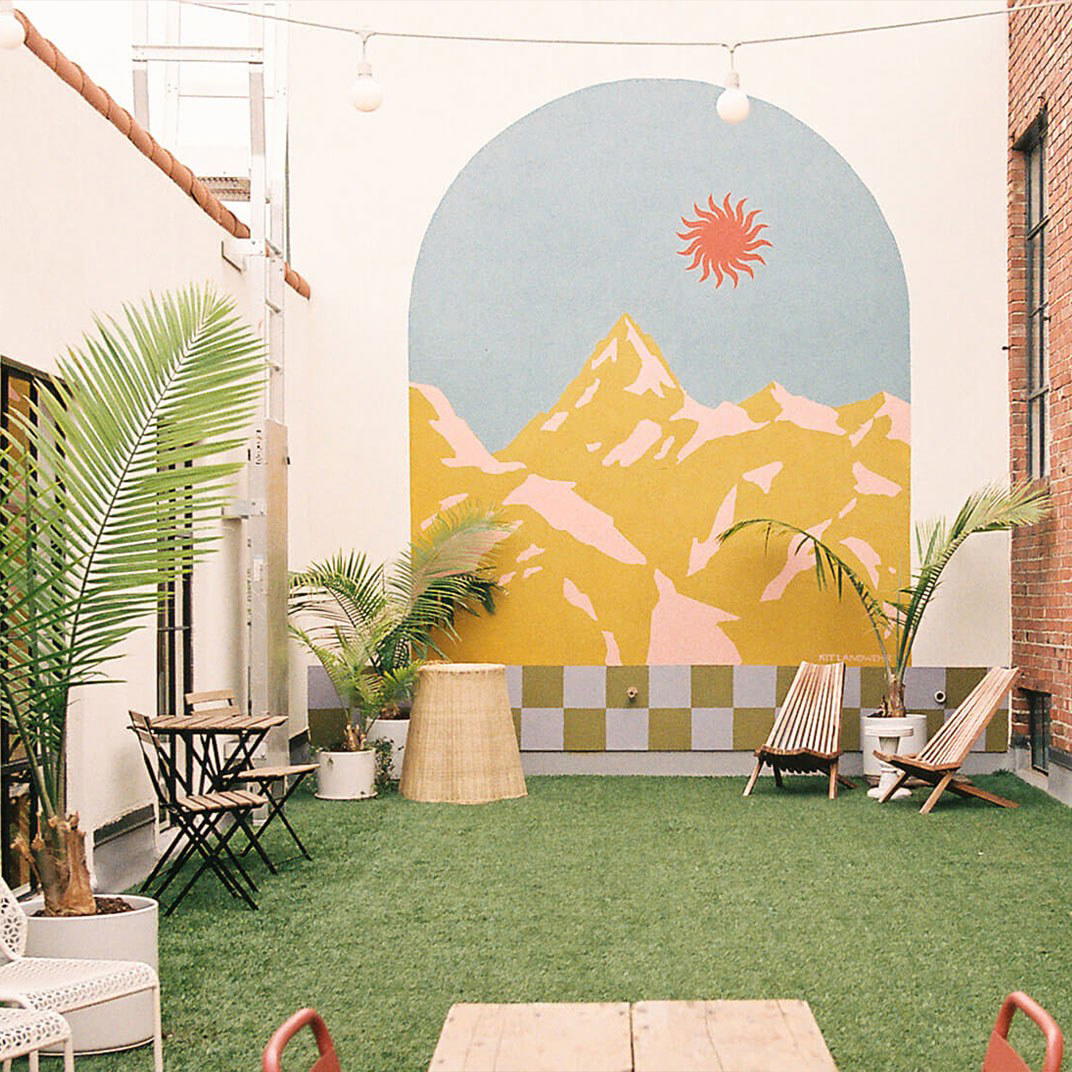
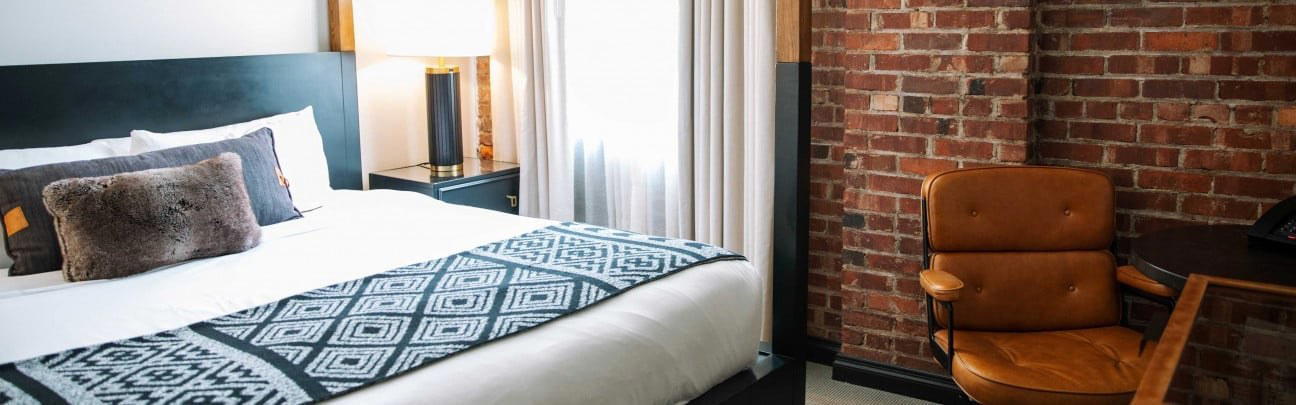
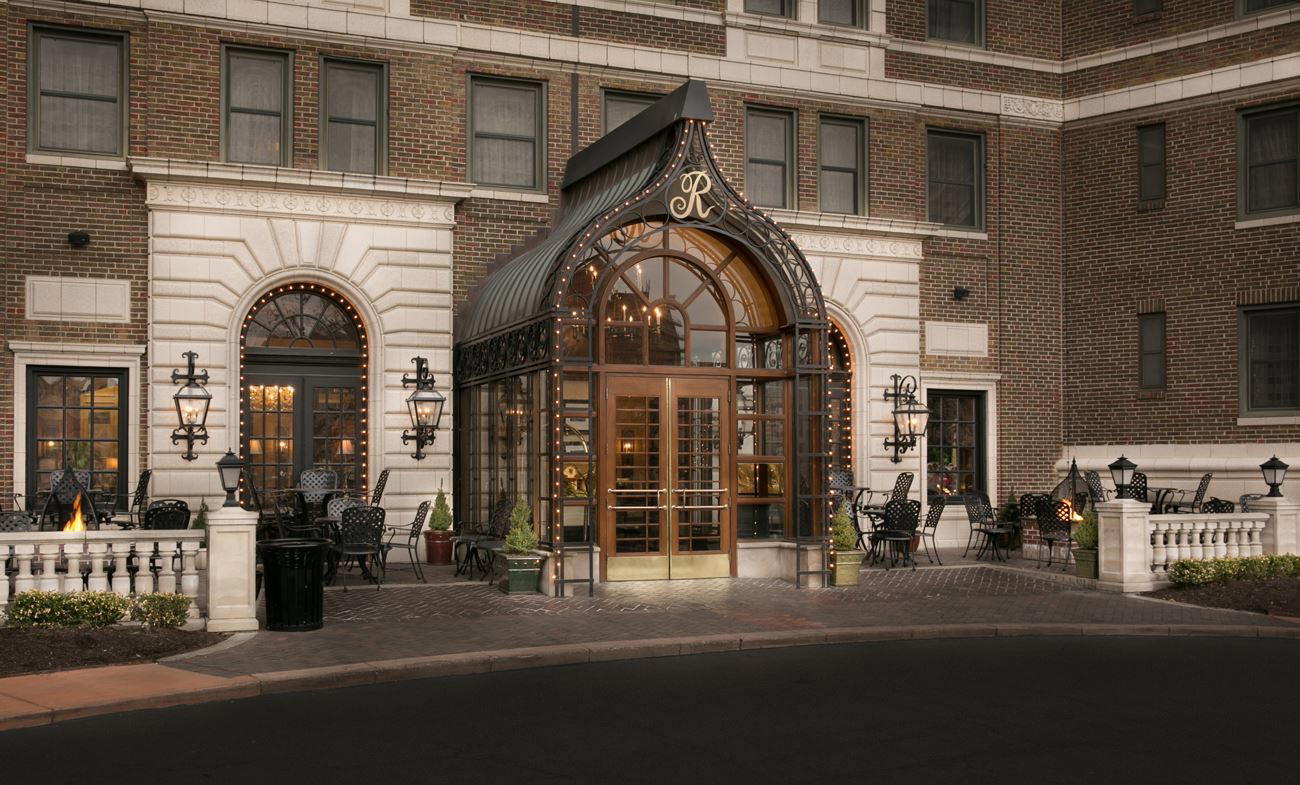
Casual historic atmosphere with reclaimed wood bar, evoking old-school deli charm amid downtown energy.