CORVINO
Our verdict
Corvino at 1830 Walnut Street occupies a position in Kansas City's fine-dining tier that the city's barbecue reputation tends to obscure from outside view. The kitchen works within a sourcing-conscious framework that connects the plate to regional producers, placing it in conversation with the broader American farm-to-table movement rather than local steakhouse tradition. For visitors arriving with only smoke and burnt ends on their itinerary, Corvino makes a case for a different kind of Kansas City meal.
The menu
What to order
- Seaweed donuts
- Sablefish brandade
Where Kansas City's Fine Dining Conversation Actually Happens
Walk south from the Power and Light District toward the Crossroads Arts District and the city starts to reveal a different version of itself. The blocks around Walnut Street have drawn independent restaurants, galleries, and design studios in the way that post-industrial neighbourhoods in Chicago or Kansas City's Midwestern peers often do: gradually, then all at once. Corvino at 1830 Walnut sits within that shift, occupying a stretch of the Crossroads where the dining conversation has moved beyond the barbecue-and-steakhouse shorthand that defines the city in national food media.
Kansas City's relationship with its own food identity is complicated. The barbecue tradition, anchored by institutions like Arthur Bryant's Barbeque, is historically documented and genuinely significant. But it has also flattened outside perception of what the city produces at its more ambitious end. Corvino operates in the register that tends to get less national coverage: sourcing-led, produce-forward, attentive to the regional supply chain that runs through Missouri and the surrounding Great Plains.
The Sourcing Framework That Shapes the Plate
Across American fine dining, the shift toward named-farm sourcing and regional ingredient networks has separated a tier of restaurants from the broader field. Operations like Blue Hill at Stone Barns in Tarrytown or Single Thread Farm in Healdsburg have built entire identities around controlling the ingredient chain from soil to plate. That model requires either on-site agriculture or deep, sustained relationships with specific producers, and it changes what ends up on the menu in ways that price lists and cuisine labels cannot communicate.
Corvino works within a version of that framework, drawing on the agricultural depth of Missouri and the broader Midwest. The Great Plains states produce grain-finished beef, heritage pork, and seasonal vegetables in varieties that rarely reach coastal markets, and restaurants with direct producer relationships access cuts, breeds, and growing practices that sit outside the commodity supply chain. That sourcing specificity shapes what a kitchen can credibly put on the plate. It is the difference between describing an ingredient and being able to trace it.
This matters more at the Crossroads tier of Kansas City dining than it might in a city with denser fine-dining competition. At comparable addresses in Chicago, say, Smyth in the West Loop, the sourcing story is one signal among many. In Kansas City, where the fine-dining tier is smaller, a kitchen's relationship with its supply chain becomes a clearer point of differentiation from the broader restaurant field.
Positioning Within Kansas City's Independent Restaurant Scene
The Crossroads Arts District has become the primary address for Kansas City's independent fine-dining tier, and Corvino shares that geography with a cohort of restaurants that have pushed the city's culinary ambition in different directions. Antler Room works at a similar scale with European technique applied to Midwestern ingredients. Affäre brings German-Austrian framing to the same regional pantry. Aixois pulls the conversation toward French bistro tradition.
What that concentration of independent, chef-driven addresses means for a visitor is that the Crossroads can absorb an evening that starts with drinks at Beer Kitchen and ends at a table that requires advance booking. Corvino sits in that progression at the more considered end, where the format rewards attention rather than casual drop-in dining.
For a broader read on where Corvino sits in the full Kansas City dining picture, our full Kansas City restaurants guide maps the independent scene against the barbecue institutions and the mid-tier options that complete the city's range.
The Wider American Frame
Kansas City's fine-dining tier is often assessed against its own regional peers rather than against the national field. But the sourcing-led model that Corvino represents is the same one driving recognition at addresses with much higher national profiles: Le Bernardin in New York City for its sourcing precision in seafood, The French Laundry in Napa for its on-site kitchen garden, Providence in Los Angeles for its direct fishing relationships, and Addison in San Diego for its California produce network. The principle is consistent across those addresses: knowing the origin of the ingredient changes what the kitchen can honestly claim about the dish.
Closer in scale and ambition, Lazy Bear in San Francisco, Emeril's in New Orleans, The Inn at Little Washington, Atomix in New York City, and Atelier Moessmer Norbert Niederkofler in Brunico all demonstrate that ingredient provenance and regional identity can drive a restaurant's positioning as clearly as technique or format. Corvino is making a version of that argument from the Midwest, which is a harder geography to make it from, the agricultural depth is there, but the national food media attention is not.
Planning a Visit
Corvino's address at 1830 Walnut Street places it in the heart of the Crossroads, walkable from the main gallery district and accessible from the downtown hotel cluster. The Crossroads format rewards arriving with time: the neighbourhood's concentration of independent addresses means there is material both before and after the meal. Booking ahead is the practical approach for a destination-level dinner at this end of the Kansas City fine-dining tier, particularly on weekend evenings when demand from both locals and visitors converges on a relatively small number of serious independent tables.
The restaurant functions as an anchor for visitors whose itinerary is built around eating rather than sightseeing, and it reads differently from the barbecue trail that most out-of-town visitors follow. Both are worth doing; they are simply addressing different questions about what Kansas City produces at the table.
Frequently asked questions
What should I expect atmosphere-wise at CORVINO?
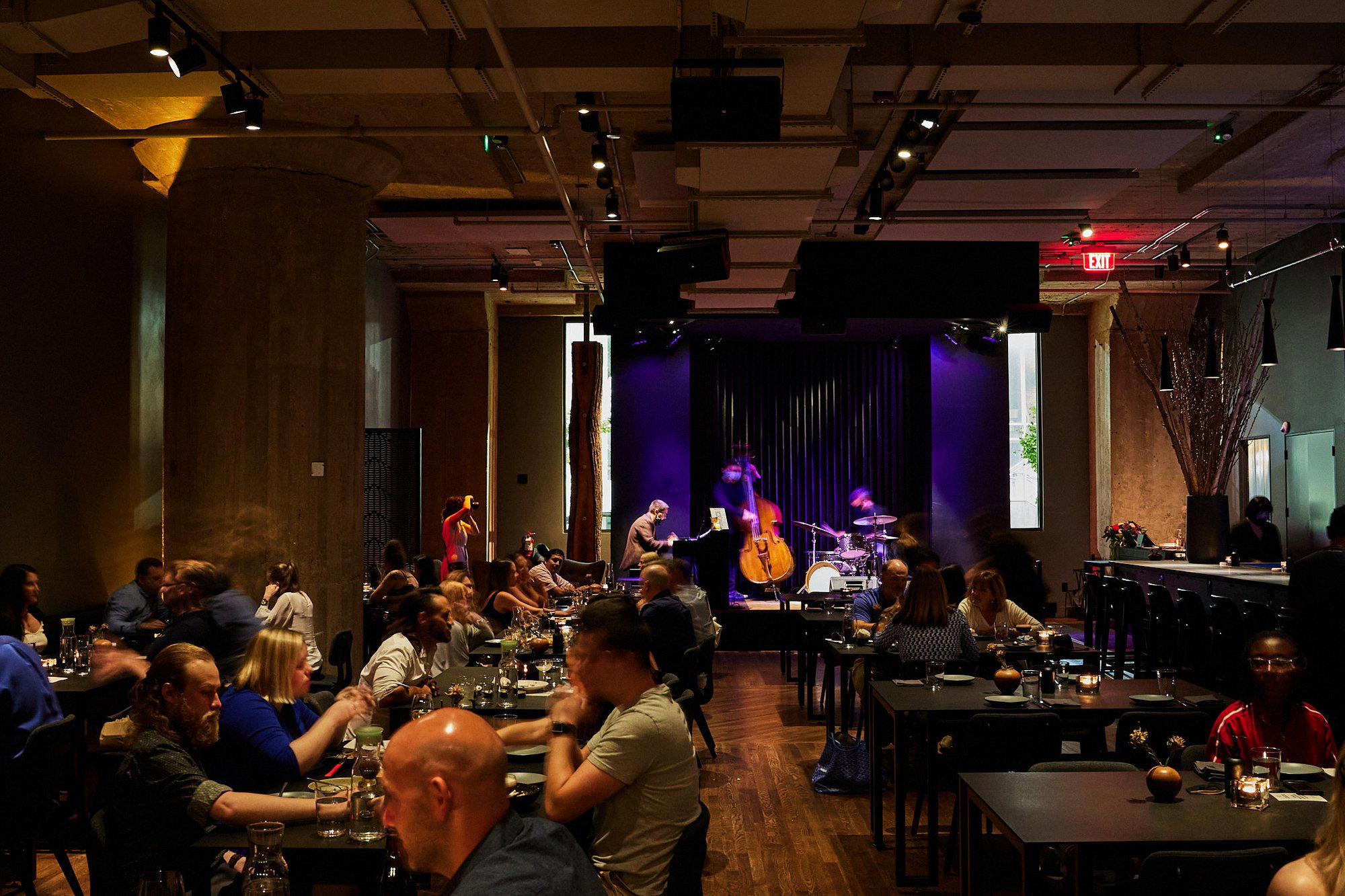
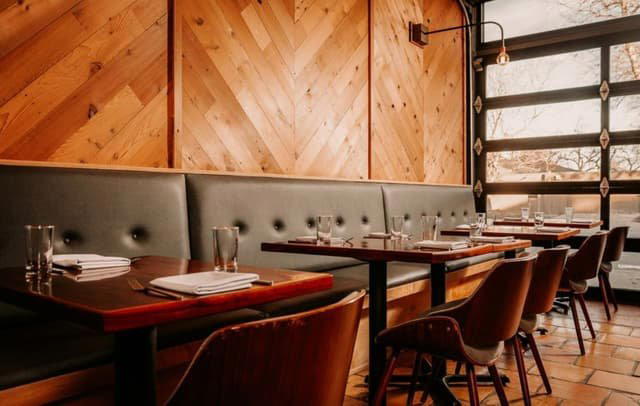
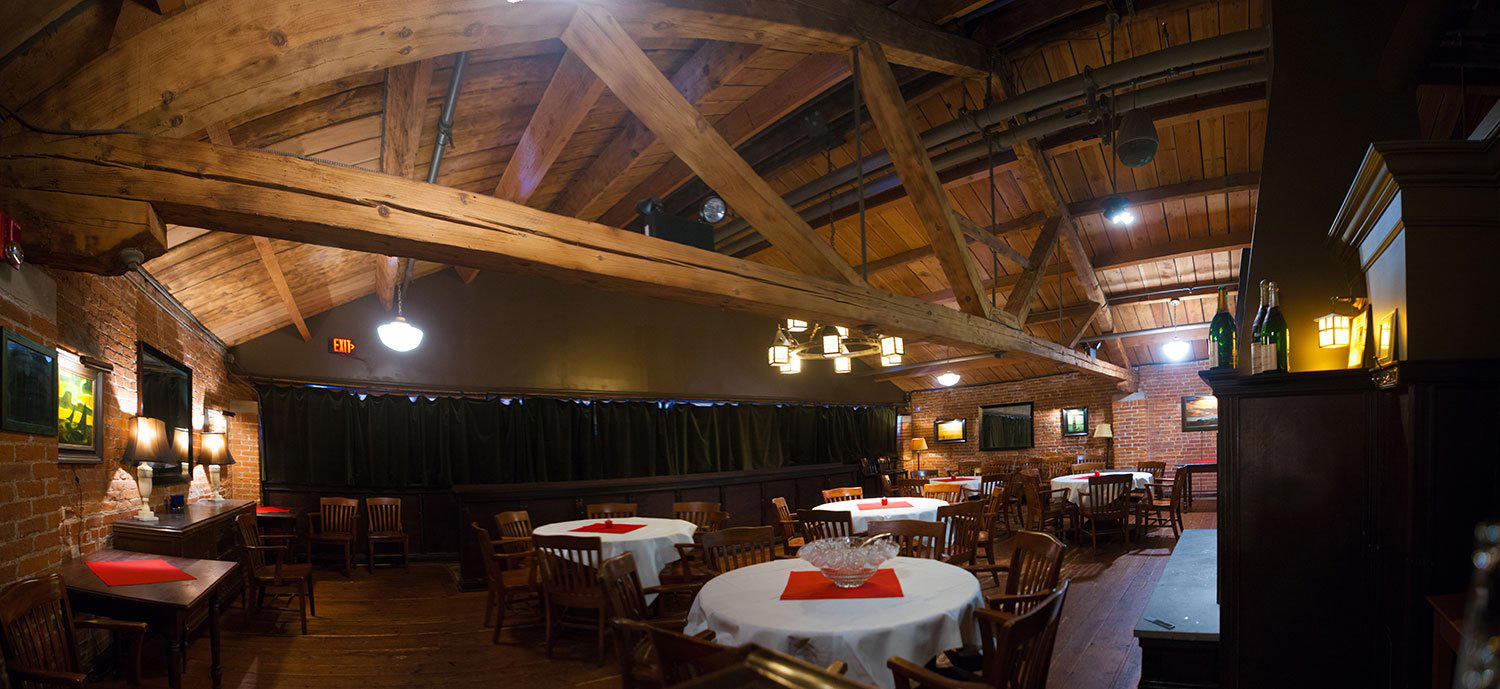
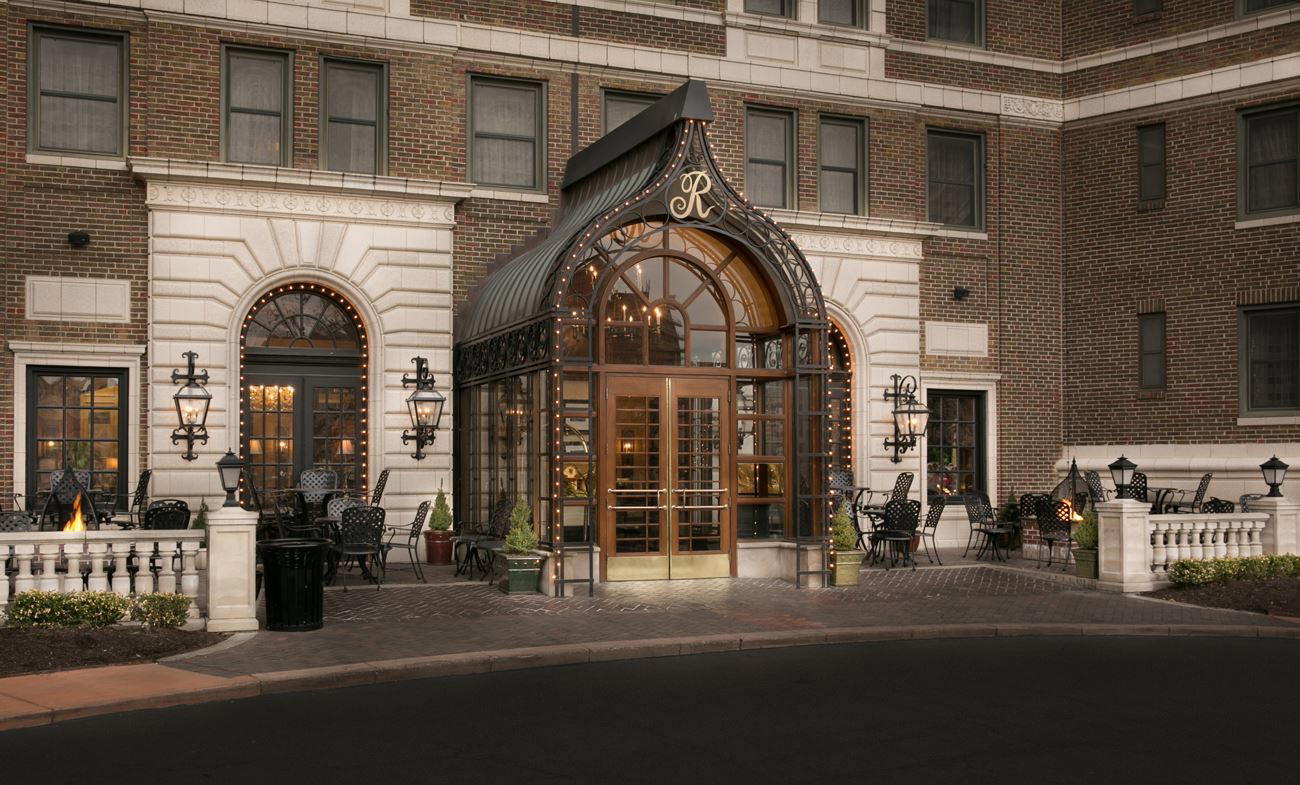
The Crossroads Arts District address at 1830 Walnut Street signals the register before you walk in: converted industrial architecture, independent gallery proximity, and a room that skews considered rather than casual. This is the neighbourhood where Kansas City's independent fine-dining conversation concentrates, and Corvino's positioning within it reflects that seriousness of intent.
Where is CORVINO located?
CORVINO is located at 1830 Walnut St, Kansas City, MO 64108, Kansas City.
Is Corvino in Kansas City's Crossroads Arts District a good choice for a special occasion dinner?
Corvino at 1830 Walnut Street occupies the more deliberate end of the Crossroads restaurant cluster, which makes it the natural address in the neighbourhood for occasions that call for something beyond a casual meal. Plan ahead, this is not a walk-in destination on a weekend.
What do regulars order at CORVINO?
Confirmed dish data isn't available, but Corvino's placement in the sourcing-led tier of Kansas City fine dining points toward a menu shaped by regional ingredient networks and named-farm relationships. That framework typically produces plates where the primary produce does the work rather than heavy saucing or theatrical flourish, the kind of cooking that rewards repeat visits as the sourcing shifts seasonally.
In Context: Similar Options
| Venue | Cuisine | Price | Awards | Notes |
|---|---|---|---|---|
| CORVINOThis venue (the venue you are viewing) | Modern American Fine Dining | Not listed | Not listed | Not listed |
| Joe’s (formerly Oklahoma Joe’s) | Kansas City Barbecue | $20–30 | Not listed | Barbecue |
| Antler Room | Modern New American Small Plates | Not listed | Not listed | United States |
| LC’s | Kansas City BBQ | $10–20 | Not listed | Barbecue |
| KC Turkey Leggman | Turkey-Leg Barbecue | $10–20 | New York Times America's Best Restaurants | Barbecue |
| Char Bar Barbecue KC | Southern-Inspired Kansas City BBQ | $20–30 | Not listed | Not listed |
Continue exploring
More in Kansas City
Restaurants in Kansas City
All restaurants in Kansas City →



Details
- Elegant
- Sophisticated
- Lively
- Modern
- Date Night
- Special Occasion
- Group Dining
- Live Music
- Open Kitchen
- Craft Cocktails
- Extensive Wine List
- A La Carte
- Small Plates
- Tasting Menu
- Vegetarian Friendly
- Vegan Options
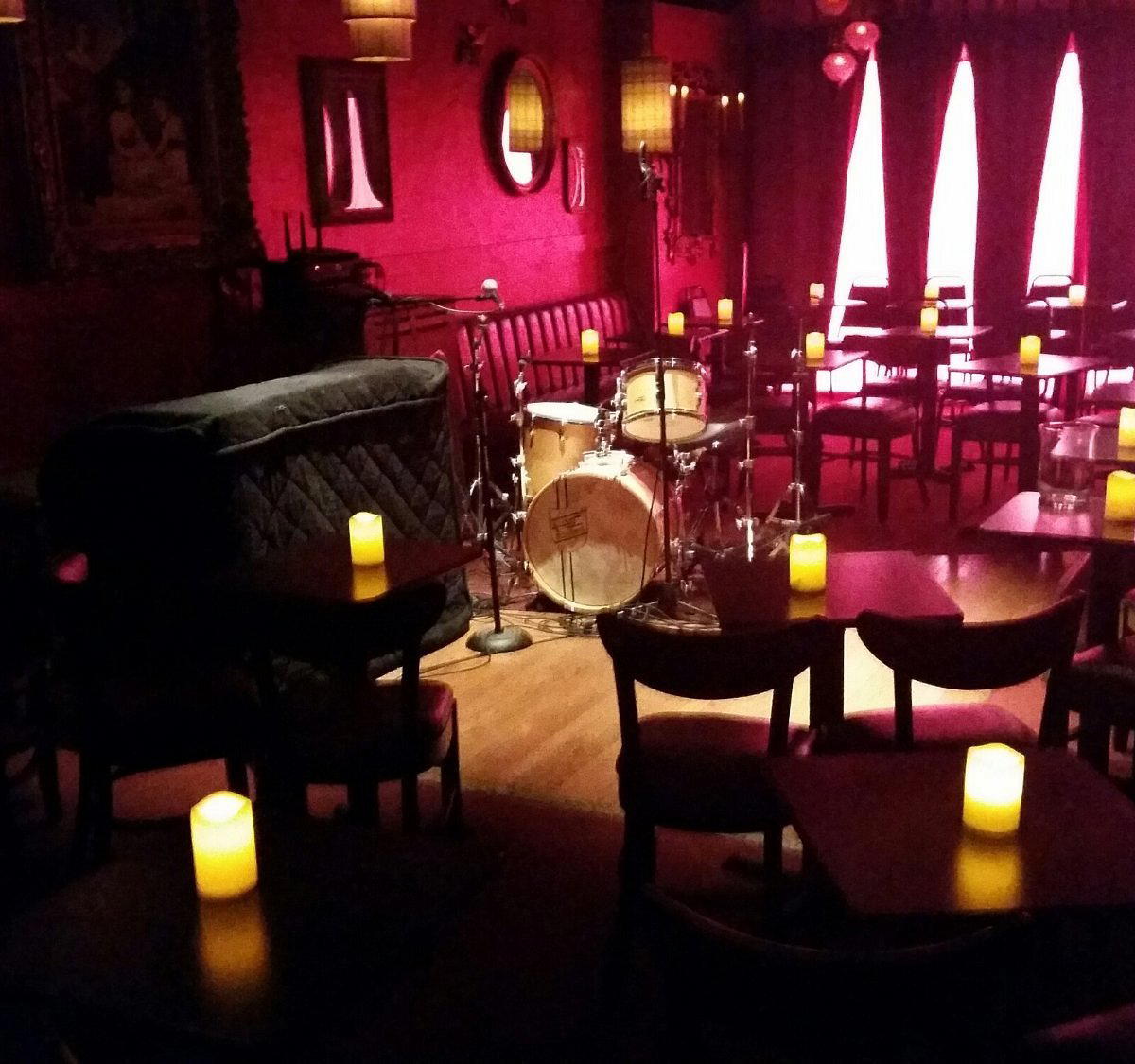
Sleek and dazzling with intimate lighting in the tasting room, trendy-casual supper club atmosphere, and live jazz, soul, and Latin music creating an elegant yet energetic vibe.