Milano
Our verdict
Milano sits on Loudon Road in Latham, NY, representing the kind of Italian-American dining tradition that has anchored suburban Albany's restaurant scene for decades. The kitchen draws on familiar regional Italian influences adapted for a loyal local audience. For Latham dining options across cuisines and price points, see our full Latham restaurants guide.

Pearl is the En Primeur Club membership app, where members save venues, book tables and use the concierge.
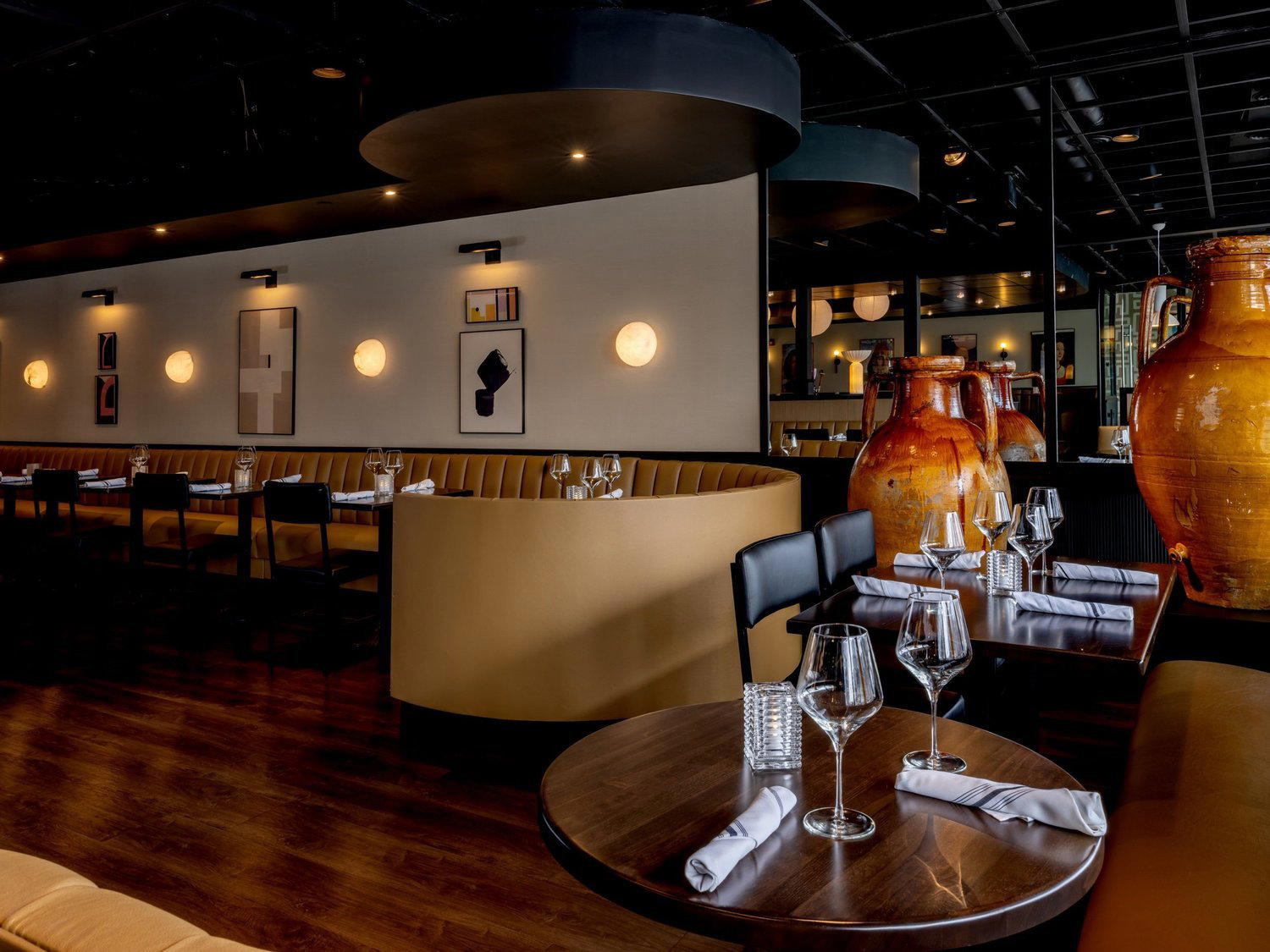
Italian-American Dining in the Albany Suburbs: Where Latham Fits
Suburban dining corridors outside mid-sized American cities follow a recognizable pattern: a stretch of road accumulates restaurants over decades, each finding its niche through consistency rather than reinvention. Loudon Road in Latham, just north of Albany, operates on exactly that logic. The strip draws from a broad residential catchment across Albany County, and the restaurants that survive there tend to do so by becoming fixtures, places where regulars know the menu well enough to order without opening it. Milano, at 594 Loudon Rd, sits inside that tradition. It is an Italian-American establishment in a corridor where Italian food has long been a baseline expectation, and where the question is less whether to offer it than how faithfully to execute it. For broader context on where Milano sits within the local dining scene, see our full Latham restaurants guide.
The Cultural Weight of Italian-American Cooking
Italian-American cuisine is frequently misread as a lesser version of regional Italian cooking. That framing misses the point. What developed in cities like New York, Boston, and Philadelphia, and filtered outward into suburban dining rooms across the Northeast, is a distinct culinary tradition shaped by immigration, ingredient substitution, and the practical demands of feeding large families from limited budgets. Dishes like baked ziti, chicken parmigiana, and eggplant rollatini are not approximations of anything. They are the product of a specific cultural moment, codified over generations and now so familiar that their execution, not their concept, is what separates one kitchen from another.
The Albany region absorbed that tradition early. Italian immigrant communities settled across upstate New York through the late nineteenth and early twentieth centuries, and their culinary influence became embedded in the area's food culture in ways that persist. A restaurant named Milano, referencing northern Italy's largest city, positions itself within the more refined end of that Italian-American spectrum, a gesture toward the cooking traditions of Lombardy and the Po Valley rather than the red-sauce vernacular of southern Italian immigration. Whether that positioning holds in the kitchen is the relevant question for any diner making a decision.
For comparison, the Italian culinary tradition surfaces across American fine dining at very different price points and ambition levels. 8½ Otto e Mezzo Bombana in Hong Kong represents the export of northern Italian technique to an international luxury context. Frasca Food & Wine in Boulder takes a scholarly approach to Friulian cuisine. Milano in Latham operates in a different register entirely, community-facing, familiar, and anchored in the expectations of its local audience rather than a national critical conversation.
Latham's Restaurant Tier and Milano's Position in It
Latham is not a dining destination in the way that the Hudson Valley or downtown Albany draws visitors specifically for restaurants. It functions as a service corridor, and its restaurants compete primarily for repeat local business rather than destination traffic. That context shapes what any restaurant there needs to do well: reliability, portion value, and a room that feels comfortable for a Tuesday dinner with family as much as a weekend celebration. Italian-American cooking suits that mandate particularly well, it is format-flexible, crowd-friendly, and carries enough cultural familiarity that most diners arrive with a reasonable set of expectations.
Within the broader upstate New York dining context, Latham's Italian options sit well below the ambition tier of something like Blue Hill at Stone Barns in Tarrytown, which operates as a serious destination restaurant with farm-to-table credentials and a national profile. Milano's relevant comparisons are other suburban Italian-American establishments serving the Albany metro, not the progressive American restaurants that draw national attention. Across the country, that same neighborhood-anchor role is played by restaurants in cities from Atlanta, where Bacchanalia anchors the upscale end of a very different market, to Denver, where Brutø represents a newer, more experimental impulse. Latham's dining culture sits closer to the community-institution model than either of those.
Other Latham options worth considering alongside Milano include Karavalli, which brings a different culinary tradition to the same corridor and offers a useful contrast for diners whose appetite runs toward South Asian cooking.
What Italian-American Kitchens in This Tier Do Well
The strongest Italian-American restaurants in suburban northeastern corridors tend to share certain characteristics: house-made pasta in at least some form, a veal preparation that tests the kitchen's classical knowledge, a wine list weighted toward familiar Italian and domestic options, and a room designed for volume without sacrificing comfort. Bread service, portion size, and the generosity of sauce are signals regulars read immediately. These are not trivial details, they are how a kitchen communicates whether it respects the tradition it is working in.
At the national level, the Italian culinary tradition in America has produced remarkable range. Le Bernardin in New York City is a French seafood institution, but the broader New York fine dining scene in which it operates has always been shaped partly by Italian influence. Atomix in New York City and Causa in Washington, D.C. demonstrate how cuisines from other traditions have built serious critical profiles in American cities. Italian-American cooking in the suburban Northeast operates without that critical attention, which means its quality signals come from longevity, word of mouth, and the kind of occupancy that survives economic cycles rather than from awards or press coverage.
Restaurants like The Inn at Little Washington or Single Thread Farm in Healdsburg occupy a tier where the critical apparatus, Michelin inspectors, national food publications, awards bodies, actively weighs in. Milano operates outside that apparatus. Its standing is measured differently, and that is not a criticism. Community restaurants that survive in suburban corridors for extended periods have cleared a meaningful filter, just a different one.
Planning Your Visit
Milano is located at 594 Loudon Rd, Latham, NY 12110, accessible by car from downtown Albany in under fifteen minutes. Latham has no commuter rail stop, so personal transport is the practical approach. Italian-American establishments in this corridor typically do not require advance booking on weeknights, though weekend evenings, particularly Friday and Saturday, can see fuller rooms and longer waits without a reservation. Dress is generally casual to smart-casual; the Loudon Road corridor skews toward comfort rather than formality.
Frequently asked questions
Where is Milano located?
Milano is located at 594 Loudon Rd, Latham, NY 12110, Latham.
Is Milano in Latham a good option for group dining near Albany?
Loudon Road's dining corridor, situated under fifteen minutes from downtown Albany by car, has historically suited group meals: Italian-American format and room configurations in this category tend to accommodate shared plates and larger parties without the friction of more intimate, counter-driven concepts. Milano at 594 Loudon Rd fits that suburban dining logic.
What's the must-try dish at Milano?
Without a current menu on record, the safest guide is the Italian-American tradition itself: pasta and classical preparations like chicken parmigiana are the benchmark tests in kitchens of this type. At a Loudon Road address serving a community dining corridor, those are the dishes that define a restaurant's standing with regulars over time.
Should I book Milano in advance?
For a weeknight visit to 594 Loudon Rd, a reservation is unlikely to be necessary. Weekend evenings in suburban Albany-area corridors tend to draw consistent local traffic, so calling ahead is a practical precaution if your party is larger than four.
What has Milano built its reputation on?
Italian-American restaurants that hold their ground in suburban corridors like Latham's Loudon Road typically do so through repeat business and neighborhood loyalty rather than award cycles or press coverage. Longevity at a single address is itself a signal: it means the kitchen is meeting a consistent local expectation.
Pricing, Compared
Comparable venues nearby, for context on price, style, and recognition.
| Venue | Cuisine | Price | Notes |
|---|---|---|---|
| MilanoThis venue (the venue you are viewing) | Northern Italian | $30–50 | Not listed |
| Karavalli | Authentic South Indian | $20–30 | Latham, Authentic South Indian |
| Paulie Gee’s | Neapolitan Pizza | $20–30 | East Village, Wood-Fired Neapolitan Pizza |
| Pizza Studio Tamaki | Tokyo-Neapolitan Pizza | $20–30 | East Village, Tokyo-Neapolitan Pizza |
| Trattoria 141 | Modern Italian Trattoria | $30–50 | Larchmont, Modern Italian Trattoria |
Milano
Featured Guides

Continue exploring
More in Latham
Restaurants in Latham
All restaurants in Latham →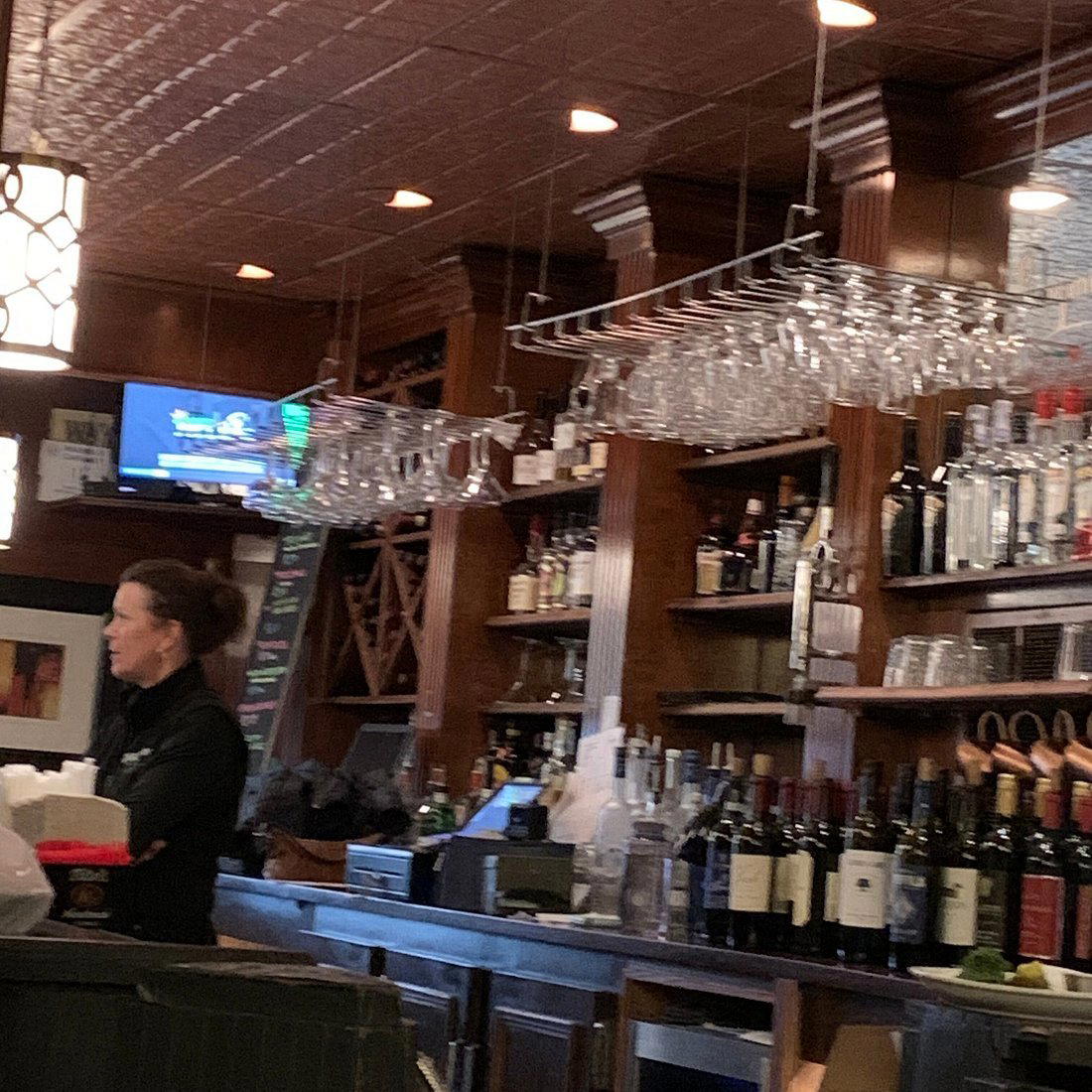

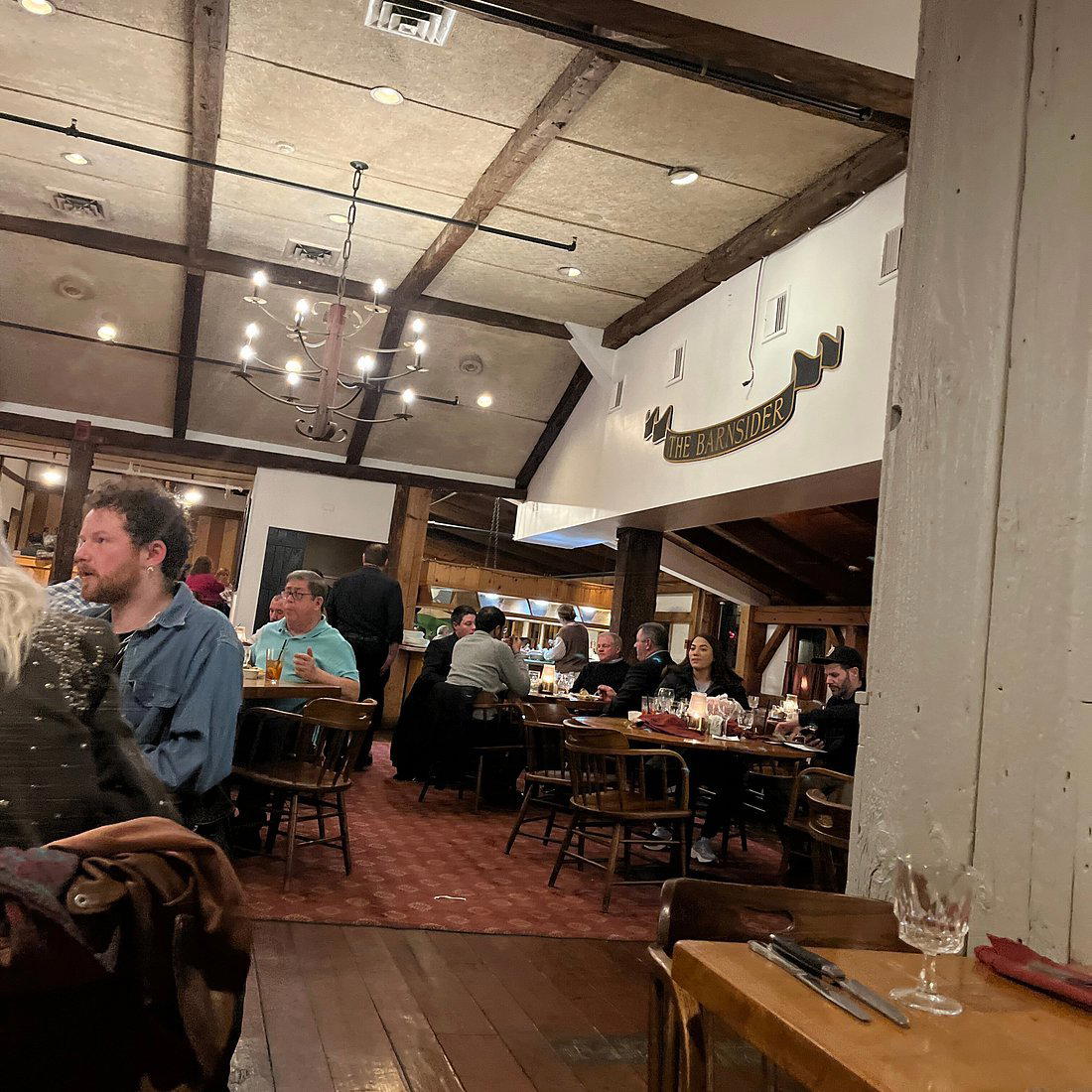
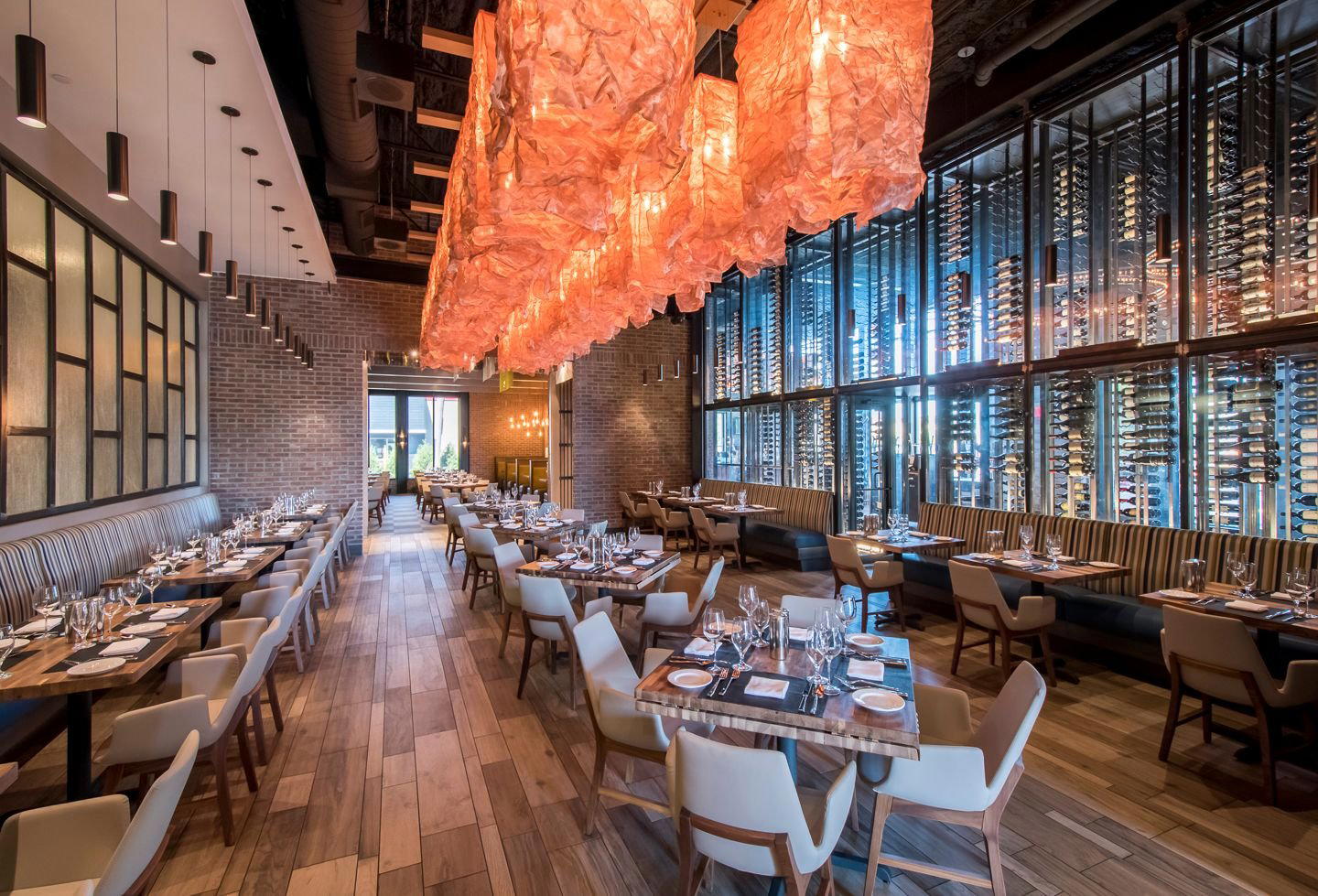
Bars in Latham
Browse all →


Details
- Elegant
- Cozy
- Date Night
- Business Dinner
- Open Kitchen
- Extensive Wine List
- A La Carte
- Vegetarian Friendly
- Gluten Free Options
Current opening hours
- Monday
- 11:30 AM–9 PM
- Tuesday
- 11:30 AM–9 PM
- Wednesday
- 11:30 AM–9 PM
- Thursday
- 11:30 AM–9 PM
- Friday
- 11:30 AM–9:30 PM
- Saturday
- 5–9:30 PM
- Sunday
- Closed
Hours can change for holidays and private events. Hours as of .
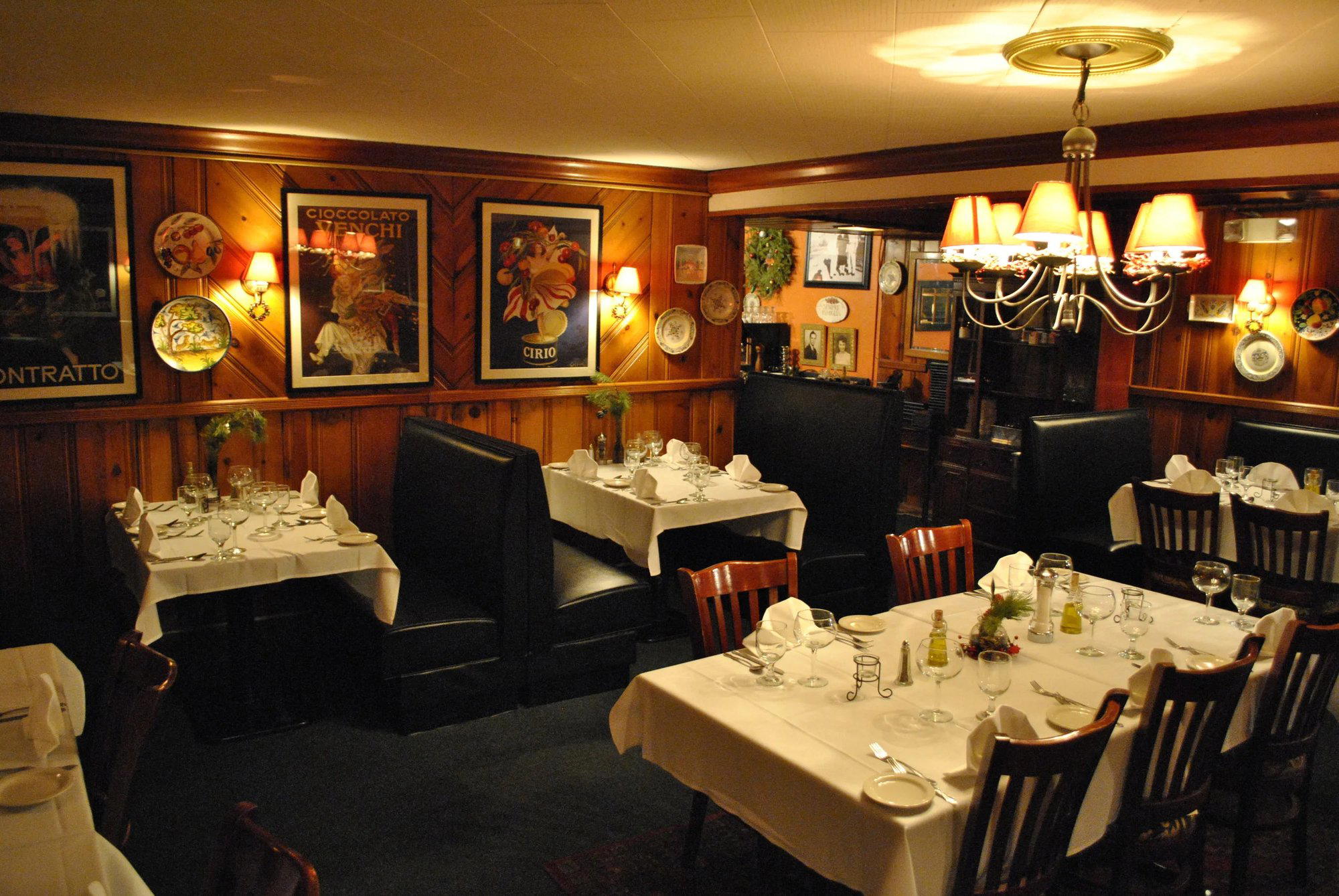
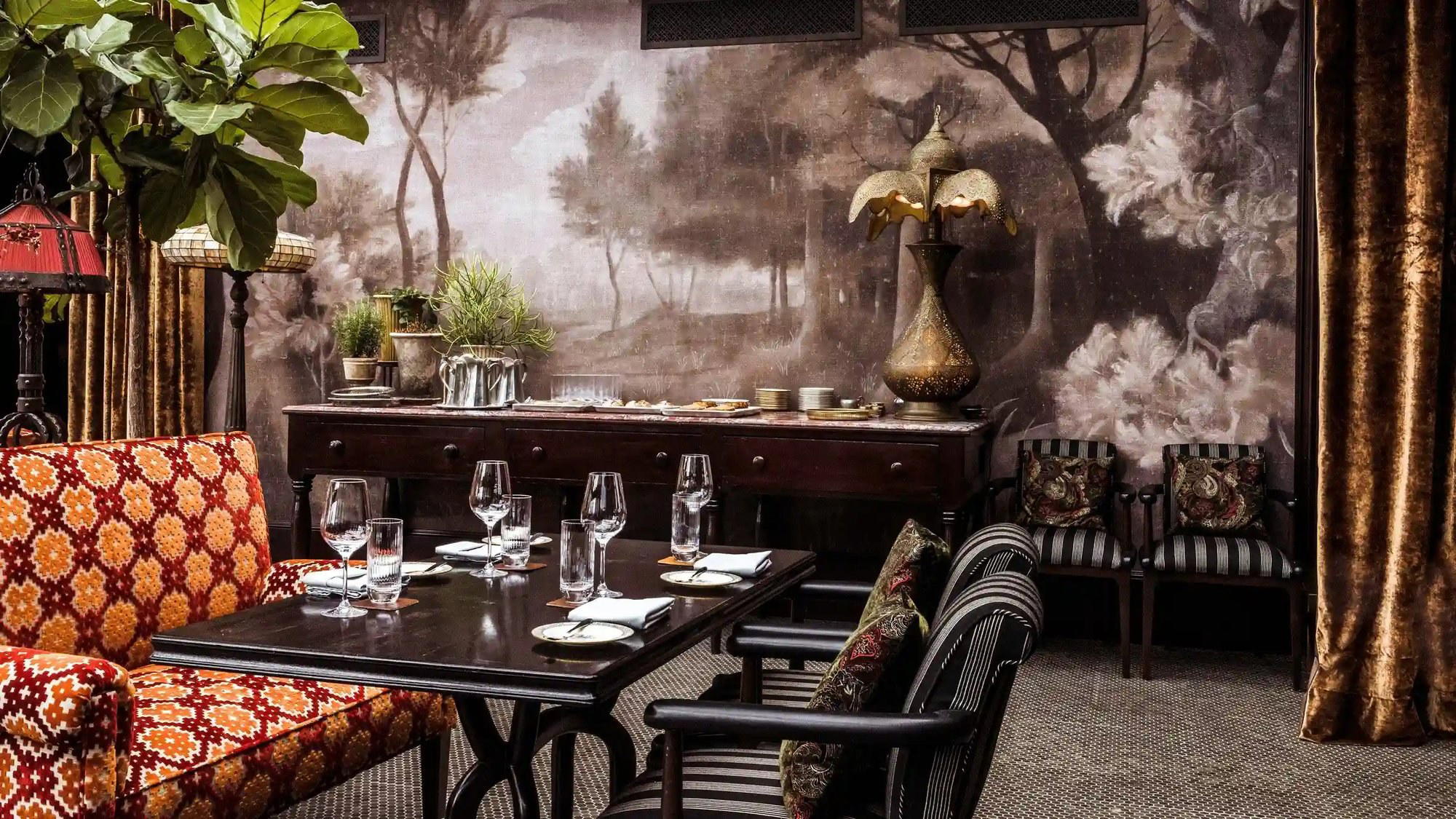
Casual elegance in a bistro setting with moderate noise levels.