Milanezza Key Biscayne
Our verdict
Positioned on Crandon Boulevard in Key Biscayne, Milanezza brings an Italian-Argentine dining tradition to one of Miami's most quietly residential barrier islands. The address places it within a compact dining corridor where the island's unhurried pace sets the tone for the table. For visitors moving between the beach and the village, it functions as a reliable anchor in a neighborhood that rewards those who slow down.

Pearl is the En Primeur Club membership app — saves, bookings, and concierge access live there. Same editors, same standards.
- Address
- 700 Crandon Blvd, Key Biscayne, FL 33149
- Phone
- (305) 646-1001
- Hours
- Mon–Thu 11 AM–11 PMFri–Sat 11 AM–12 AMSun 11 AM–11 PM
- Website
- milanezza.com
- Directions
- Get directions
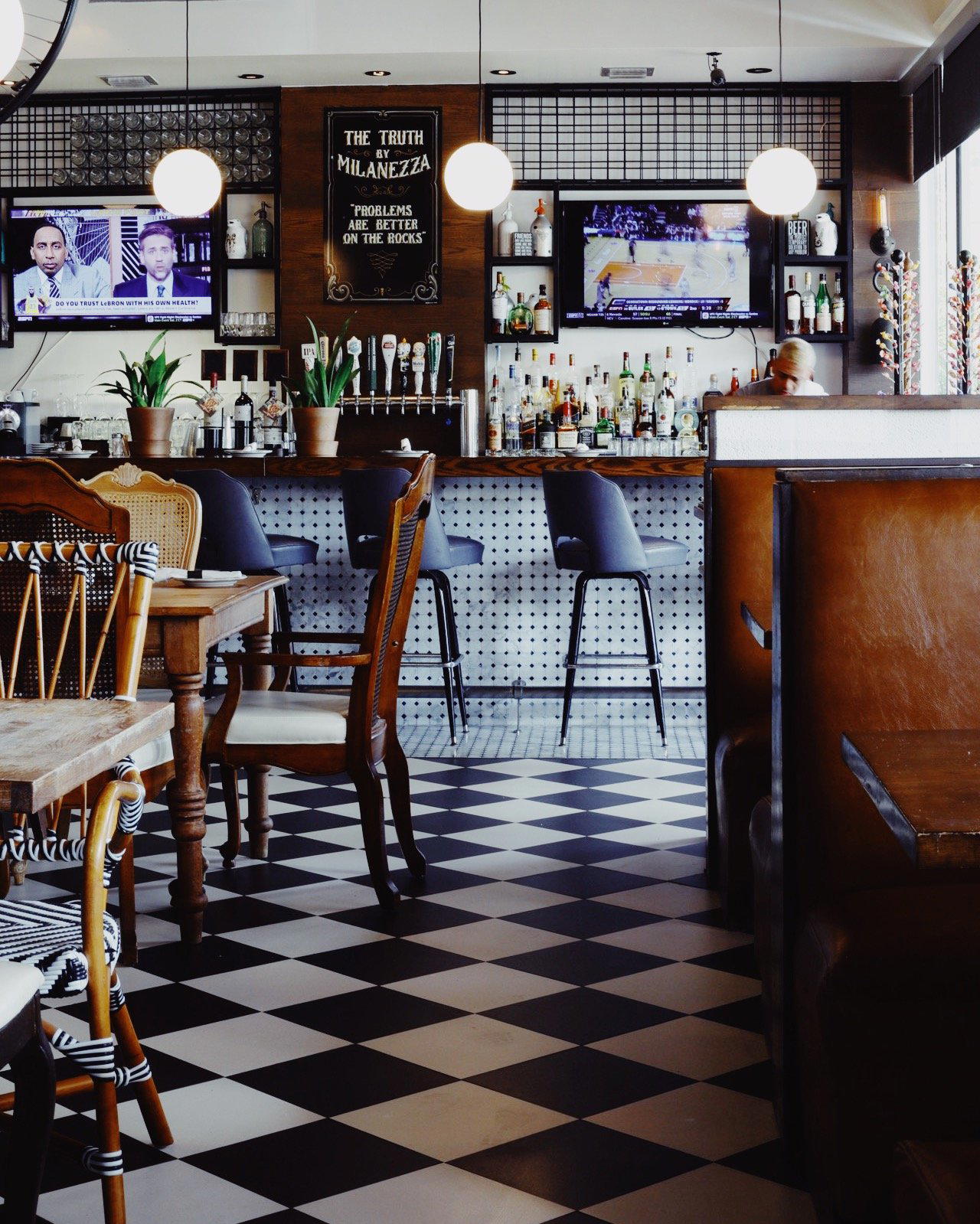
Key Biscayne's Dining Rhythm and Where Milanezza Fits
Key Biscayne operates on a different clock than the Miami mainland. The causeway crossing is brief in distance but significant in character — once across, the density drops, the canopy thickens, and the commercial strip along Crandon Boulevard settles into a pace more village than city. Restaurants here do not compete on spectacle. They compete on reliability, on the kind of neighborhood permanence that earns a table its regulars. Milanezza Key Biscayne, at 700 Crandon Blvd, sits inside that rhythm rather than against it.
The Italian-Argentine tradition Milanezza represents is not a fusion concept in the contemporary sense. It is a historically grounded culinary crossover: the large Italian immigrant community that shaped Buenos Aires over the late nineteenth and early twentieth centuries left a durable imprint on Argentine cooking, producing a cuisine where pasta, milanesas, and wood-fired technique sit comfortably alongside South American produce and grilling culture. When that tradition travels to South Florida, it finds a receptive audience in a region already fluent in Latin American dining codes.
Along Crandon Boulevard, the dining options span a range of registers. Artisan Kitchen & Bar anchors the American casual end of the spectrum, while Ayesha Indian Fine Dining and Ayesha Saffron represent South Asian fine dining in the same compact corridor. Ceviche Bar by Mixtura pulls the conversation toward Peruvian-inflected seafood, and Costa Med covers the Mediterranean side. In that context, Milanezza occupies a specific lane: the Argentine-Italian table, where the milanesa and the pasta dish share the menu without apology.
The Sensory Register of an Argentine-Italian Table in South Florida
Argentine-Italian restaurants carry a particular atmospheric signature. The sound profile tends toward the convivial rather than the hushed — tables run close, conversation carries, and the rhythm of service is measured by attentiveness rather than ceremony. In Buenos Aires, the great Italian-influenced restaurants of Palermo and San Telmo operate with that same studied informality: the bread arrives without ceremony, the wine list skews heavily toward Malbec and Torrontés, and the kitchen's confidence shows in restraint rather than flourish.
In Key Biscayne, that register translates into something appropriate to the island's character. The outdoor air carries salt from Biscayne Bay, and the light through the afternoon hours softens considerably compared to the hard glare of Miami Beach. A table here in the early evening, before the sky fully transitions, sits in a particular South Florida light that the architecture of the Crandon corridor frames rather than fights. That atmospheric specificity is part of what distinguishes dining on the island from dining in Brickell or Coconut Grove, and it shapes the experience before a dish arrives.
The milanesa itself, the breaded, pan-fried cutlet that gives the restaurant its name, is one of the most traveled dishes in the Argentine canon. Its Italian origins are visible in both name and technique: the cotoletta alla milanese crossed the Atlantic with Genovese and Neapolitan immigrants in the late 1800s and was absorbed so completely into Argentine daily life that it now reads as a national staple. In a South Florida context, the dish lands between comfort food and cultural marker, familiar enough to require no explanation, specific enough to signal a kitchen with a clear point of view.
Placing Key Biscayne in a Broader Dining Conversation
Key Biscayne does not operate in the same tier as the major destination restaurant cities. It is not running the kind of tasting-menu programs associated with venues like Le Bernardin in New York City, The French Laundry in Napa, or Smyth in Chicago. Nor does it compete with the produce-driven destination formats of Blue Hill at Stone Barns or the precision counter experiences of Atomix in New York City. The island functions instead as a residential dining destination, one where the measure of a good restaurant is less about transformation and more about consistency and fit.
That positioning is not a concession. Some of the most durable dining rooms in the United States operate precisely in this register. Emeril's in New Orleans built its reputation on a version of this neighborhood authority. The same logic applies at the local level: a restaurant that serves a specific community well, over years, earns a kind of trust that is harder to manufacture than a Michelin star. In Key Biscayne, that trust is the primary currency.
For visitors arriving from the mainland, the comparison set shifts. Against the high-volume Italian restaurants of Brickell or the tourist-facing operations along Ocean Drive, an Argentine-Italian kitchen on Key Biscayne reads as a quieter, more considered choice. The distance from the spectacle is part of the point. Restaurants such as Providence in Los Angeles, Addison in San Diego, Single Thread Farm in Healdsburg, Lazy Bear in San Francisco, The Inn at Little Washington, and Atelier Moessmer Norbert Niederkofler in Brunico represent the upper tier of destination dining globally. Milanezza operates in a different register entirely, but within its register the proposition is coherent: Argentine-Italian cooking in a residential island setting, positioned for the table that wants substance over theatre.
Planning the Visit
Key Biscayne is accessible via the Rickenbacker Causeway from the mainland, a toll crossing that takes approximately ten minutes under normal traffic conditions. The Crandon Boulevard corridor is walkable once you are on the island, and parking along the strip tends to be more manageable than in central Miami. The leading window for visiting is the winter season, roughly November through April, when South Florida's weather is at its most temperate and the island draws both residents and visitors without the humidity of the summer months. For current hours, reservation availability, and any menu specifics, the address at 700 Crandon Blvd is the practical starting point. See our full Key Biscayne restaurants guide for a broader picture of the island's dining options across cuisine types and price points.
Frequently asked questions
What's the address for Milanezza Key Biscayne?
Milanezza Key Biscayne is located at 700 Crandon Blvd, Key Biscayne, FL 33149, Key Biscayne.
Is Milanezza Key Biscayne a good option for a waterside dining experience near Miami?
Milanezza is located at 700 Crandon Blvd on Key Biscayne, an island community roughly ten minutes from the Miami mainland via the Rickenbacker Causeway. The island's geography places it near the water in a way the urban mainland cannot replicate, making it a different kind of evening than dining in Brickell or Wynwood. For visitors specifically seeking to combine Argentine-Italian cuisine with the quieter pace of island dining, the location makes Milanezza a practical and atmospheric choice.
What should I eat at Milanezza Key Biscayne?
Milanezza follows the Argentine-Italian tradition, which typically centres on housemade pastas, grilled meats, and the kind of portion generosity the Buenos Aires dining room perfected. Given the island setting at 700 Crandon Blvd, the menu likely skews toward the comfort end of that tradition rather than avant-garde plating. Confirm current dishes directly with the restaurant, as seasonal rotation can shift the lineup considerably.
How hard is it to get a table at Milanezza Key Biscayne?
Key Biscayne has a contained dining scene — far fewer restaurants than the Miami mainland — which concentrates local demand at the spots that deliver consistently. Milanezza at 700 Crandon Blvd sits in that concentrated pool. Weekend reservations, particularly Friday and Saturday evenings, are the pressure points; weeknight tables are generally more accessible. check the venue's official channels to confirm current booking lead times.
What do critics highlight about Milanezza Key Biscayne?
What the Argentine-Italian format tends to draw attention to in peer reviews elsewhere is the combination of convivial atmosphere and pasta or grill execution. As the Key Biscayne dining scene receives less major press coverage than South Beach or Brickell, dedicated critical assessments are sparse rather than absent.
How does Milanezza Key Biscayne handle allergies?
Argentine-Italian kitchens commonly work with gluten-heavy pasta preparations and dairy-forward sauces, which are relevant considerations for diners with those restrictions. Contact the restaurant at 700 Crandon Blvd, Key Biscayne, FL 33149 ahead of your visit to confirm what accommodations the kitchen can make.
Is eating at Milanezza Key Biscayne worth the cost?
Price range data for Milanezza is not currently on record, so a direct cost-to-value assessment isn't possible here. What the Key Biscayne context does tell you is that dining on the island carries a modest premium over comparable mainland spots, partly due to the limited supply of tables and partly because the causeway crossing filters the crowd. Argentine-Italian format restaurants in South Florida generally occupy the mid-to-upper-mid price tier.
Same-City Peers
Comparable venues nearby, for context on price, style, and recognition.
| Venue | Cuisine | Price | Notes |
|---|---|---|---|
| Milanezza Key BiscayneThis venue — the venue you are viewing | Italian-Argentine Fusion | $30–50 | Not listed |
| FULANO | Argentine Grill & Contemporary Latin | $50–100 | Key Biscayne |
| Ceviche Bar by Mixtura | Peruvian Ceviche Bar | $20–30 | Key Biscayne |
| Artisan Kitchen & Bar | Venezuelan Latin Fusion | $20–30 | Key Biscayne |
| Ayesha Saffron | Authentic Indian Tandoori | $30–50 | Key Biscayne |
| Donut Gallery Diner | Classic American Diner | $10–20 | Key Biscayne |
Continue exploring
More in Key Biscayne
Restaurants in Key Biscayne
Browse all →
Bars in Key Biscayne
Browse all →
Milanezza Key Biscayne
The wine
- Wine program
- Curated wine list
- Craft cocktails
Details
- Casual
- Cozy
- Family
- Group Dining
- Casual Hangout
- Open Kitchen
- Craft Cocktails
- A La Carte
- Vegetarian Friendly
- Vegan Options
- Gluten Free Options
Current opening hours
- Monday
- 11 AM–11 PM
- Tuesday
- 11 AM–11 PM
- Wednesday
- 11 AM–11 PM
- Thursday
- 11 AM–11 PM
- Friday
- 11 AM–12 AM
- Saturday
- 11 AM–12 AM
- Sunday
- 11 AM–11 PM
Hours can change for holidays and private events. Last verified .
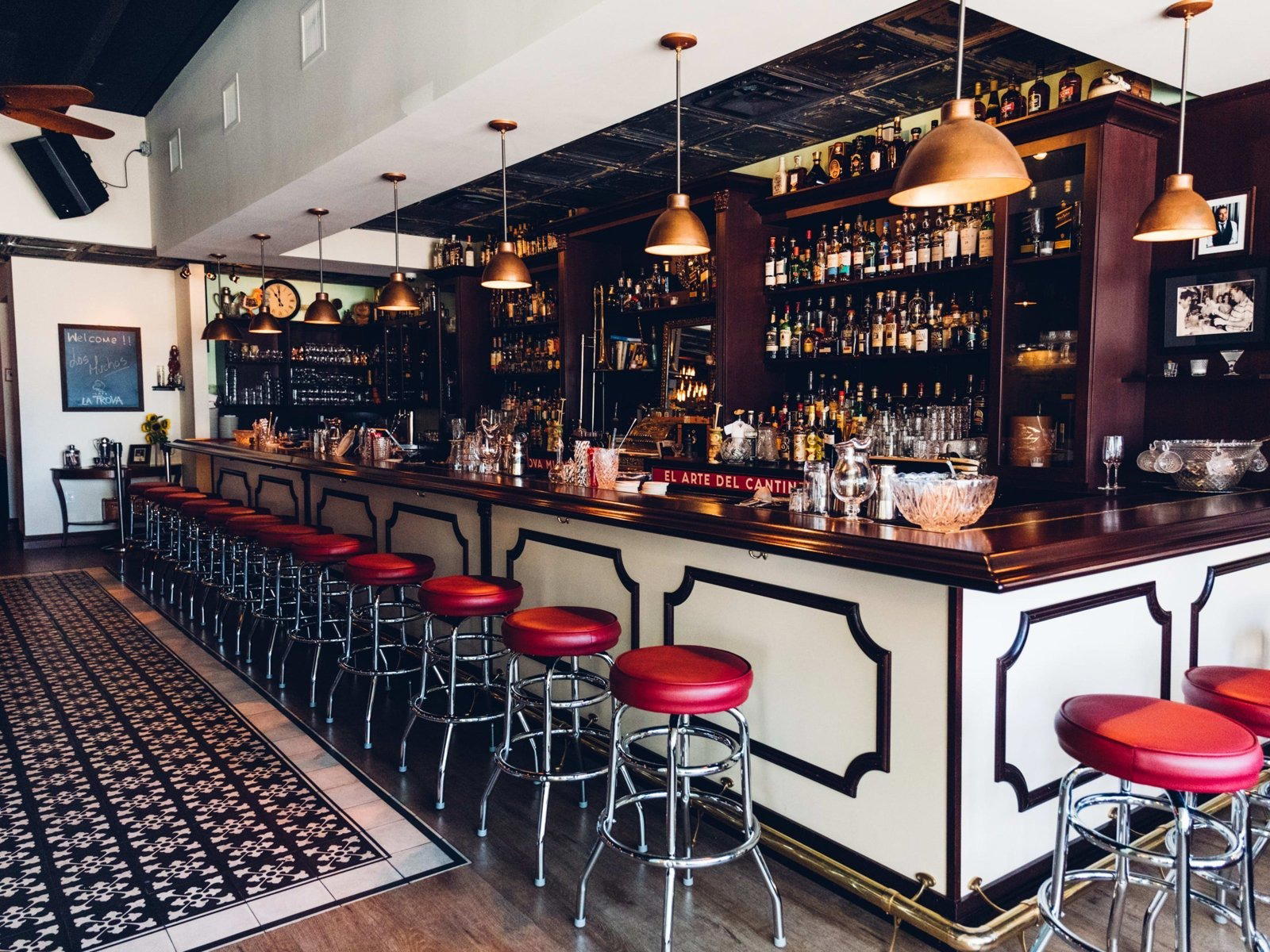
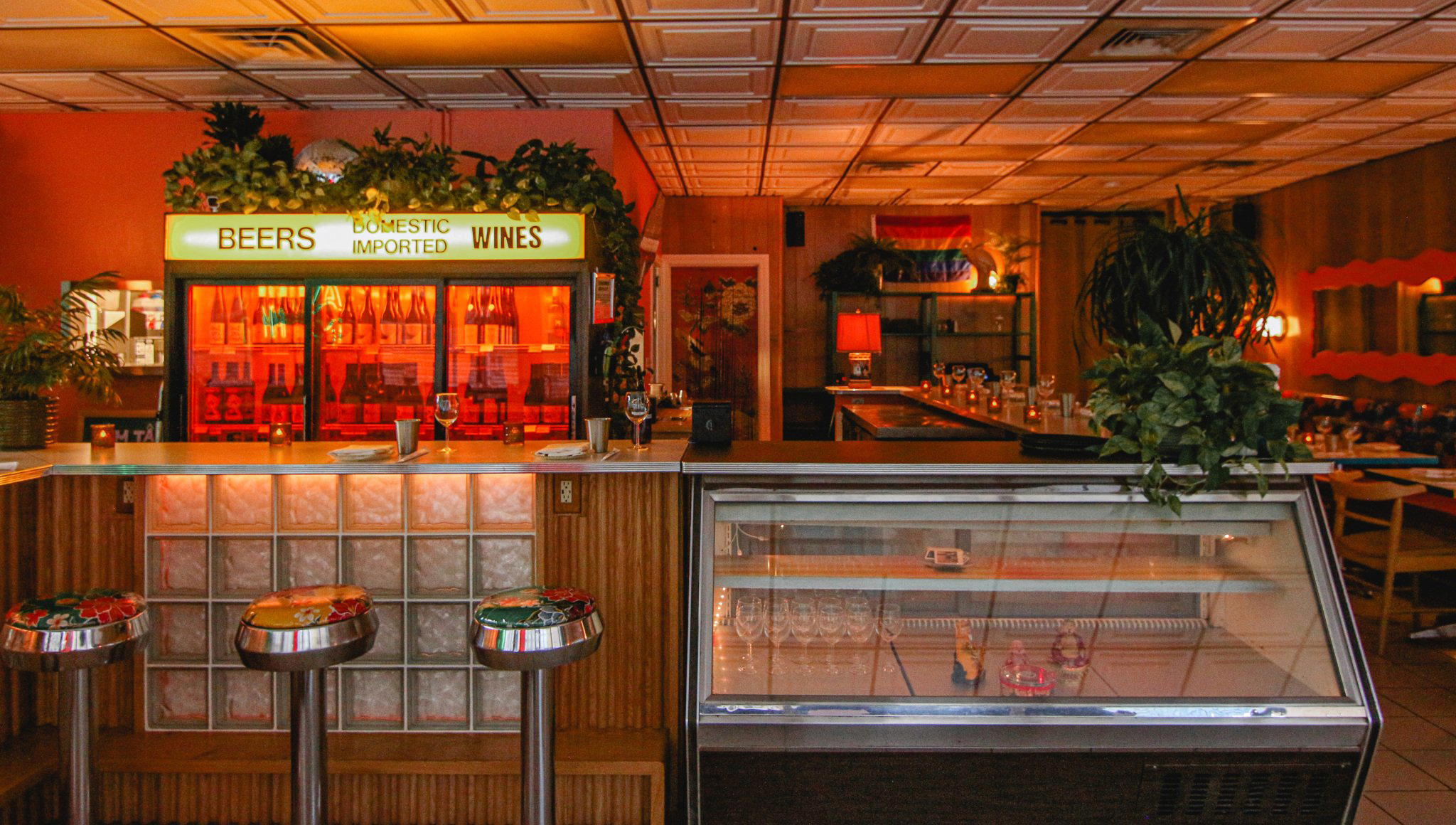
Casual restaurant with cool vintage atmosphere, well-suited for family and friends gatherings.