Ceviche Bar by Mixtura
Our verdict
Ceviche Bar by Mixtura brings Peruvian-inflected coastal cooking to Key Biscayne's Crandon Boulevard, a strip better known for beach traffic than serious seafood. The format centers on ceviche and related preparations, fitting neatly into a Florida dining culture where acid-forward, citrus-driven dishes have long found a receptive audience. It sits among a compact set of neighborhood restaurants that serve both island residents and visitors crossing the Rickenbacker Causeway.

Pearl is the En Primeur Club membership app — saves, bookings, and concierge access live there. Same editors, same standards.
- Address
- 328 Crandon Blvd, Key Biscayne, FL 33149
- Phone
- (786) 615-2468
- Hours
- Mon–Wed 11:30 AM–9 PMThu–Sat 11:30 AM–10 PMSun 11:30 AM–7:30 PM
- Website
- cevichebarkb.com
- Directions
- Get directions
- Booking
- Book on the venue's website
The menu
What to order
- Ceviche trio
- Tropical ceviche
- Octopus ceviche
Where Peruvian Acid Meets Florida Salt Air
Key Biscayne occupies a particular position in Miami's dining geography. Separated from the mainland by the Rickenbacker Causeway, it functions less like a Miami neighborhood and more like a self-contained village that happens to sit inside one of the country's most food-saturated metro areas. The restaurants along Crandon Boulevard serve a resident base that skews toward long-term locals and international families who value consistency over novelty. That context matters when assessing Ceviche Bar by Mixtura, because the format it deploys, acid-forward Peruvian-style seafood preparations, is not a calculated trend play for this zip code. It reads instead as a practical fit: Florida's coastal ingredient supply and its heat-season appetite for cold, citrus-driven food make ceviche a natural anchor for any restaurant serious about the category.
The Ritual of the Cold Plate
Peruvian ceviche culture carries a dining ritual that differs markedly from the tableside-service model common to European-influenced fine dining. The meal moves quickly and is structured around a logic of acid, heat, and freshness rather than a progression from light to rich. Leche de tigre, the curing liquid of lime juice, fish stock, and chili that gives Peruvian ceviche its backbone, is consumed as both a marinade and a finish. Traditionally, diners in Lima drink what remains in the bowl. The ritual is participatory in a way that slower tasting menus are not: the food is designed to be eaten at pace, cold and vivid, before citric acid continues to denature the protein past its intended texture.
At a venue positioned around this tradition, the pacing of service follows accordingly. Dishes arrive when ready rather than in a choreographed sequence tied to kitchen theater. That informality is not a shortcut; it is baked into the format's DNA. Restaurants operating in this register, whether in Lima's Miraflores district or along a Florida barrier island, depend on product quality and the cook's calibration of acidity far more than on elaborate tableside presentation. The margin for error is narrow precisely because the preparations are spare.
For diners accustomed to the tasting-menu cadence of places like The French Laundry in Napa or the ingredient-forward intensity of Blue Hill at Stone Barns in Tarrytown, a well-executed ceviche bar operates on a different register entirely. The pleasures are immediate and sensory rather than cumulative and architectural. That is not a lesser ambition; it is a different one.
The Key Biscayne Setting
Crandon Boulevard is the island's main commercial artery, running parallel to the Atlantic-facing shore. The dining options along its length are compact by Miami standards, with a mix of casual neighborhood staples and a handful of more considered addresses. Artisan Kitchen & Bar and CRAFT Key Biscayne represent the more American-leaning side of the local dining mix, while Ayesha Indian Fine Dining and Ayesha Saffron anchor a different corner of the neighborhood's appetite. Costa Med brings Mediterranean influence into the mix.
The island's demographic profile, which includes a significant Latin American resident base alongside an older, established local community, creates a natural audience for Peruvian cooking. Miami's broader relationship with Peruvian cuisine is well-documented: the city has supported Peruvian restaurants at multiple price points for decades, with communities in Doral and Kendall sustaining both casual and more serious operations. Bringing that tradition to Key Biscayne, rather than requiring residents to cross back over the causeway, is a direct act of neighborhood service.
Peruvian Seafood in American Context
Peru's coastal cuisine is increasingly recognized internationally as one of the most sophisticated seafood traditions in the Americas. The country's Pacific-facing geography, combined with the Humboldt Current's cold, nutrient-rich waters, produces fish that Peruvian cooks have developed centuries of technique around. The crossover with Japanese immigration in the late nineteenth and early twentieth centuries produced Nikkei cuisine, a fusion of Peruvian ingredient tradition and Japanese knife discipline that now appears on menus well beyond Lima.
In the United States, Peruvian restaurants have historically clustered in cities with large Peruvian immigrant populations. Miami fits that profile, which gives venues like Ceviche Bar by Mixtura an informed local audience rather than a novelty-seeking tourist one. That distinction shapes the dining ritual: regulars arrive knowing what to order and how to eat it, which in turn raises the floor on kitchen consistency. A room that includes experienced eaters of the cuisine is less forgiving of poorly calibrated acidity or protein that has been marinated too long.
For a broader look at how Miami-area and Florida coastal dining compares to other serious American seafood programs, the range runs from the refined seafood focus of Le Bernardin in New York City and the produce-led discipline of Single Thread Farm in Healdsburg to the more casual regional intensity of Emeril's in New Orleans. The ceviche format operates closest to the casual end of that range while drawing on culinary technique that demands genuine precision.
Planning Your Visit
Ceviche Bar by Mixtura is located at 328 Crandon Boulevard, Key Biscayne, FL 33149, on the island's main commercial strip. Reaching Key Biscayne requires crossing the Rickenbacker Causeway from the Brickell or Coconut Grove side of Miami, a drive that adds context to the visit: the island's relative remove from central Miami is part of what keeps its dining scene focused on neighborhood function rather than destination theater. Given the informal, quick-service nature of ceviche dining, walk-in capacity is likely but not guaranteed during peak hours.
For a broader orientation to what the island offers across dining formats, the full Key Biscayne restaurants guide maps the available options across cuisine types and price points.
Frequently asked questions
Where exactly is Ceviche Bar by Mixtura?
Ceviche Bar by Mixtura is located at 328 Crandon Blvd, Key Biscayne, FL 33149, Key Biscayne.
Is Ceviche Bar by Mixtura the only Peruvian ceviche-focused restaurant on Key Biscayne?
Key Biscayne's dining corridor along Crandon Boulevard is compact, and Peruvian cuisine with a dedicated ceviche format is a narrow category anywhere outside Miami's mainland neighborhoods like Doral or Westchester, where larger Peruvian communities have driven restaurant density. Mixtura's positioning on the island at 328 Crandon Blvd gives it a distinct role in local dining — Peruvian seafood tradition in a setting that otherwise has few direct equivalents in its immediate geography.
What do regulars order at Ceviche Bar by Mixtura?
The focus at Mixtura is Peruvian ceviche in its traditional forms, which means regulars gravitate toward the cold preparations built around citrus-cured fish and leche de tigre. Peru's ceviche canon is narrow by design — the acid, the fish, the ají — so the ordering logic here follows that discipline rather than a sprawling menu.
Do they take walk-ins at Ceviche Bar by Mixtura?
Walk-in policy isn't documented for Ceviche Bar by Mixtura at 328 Crandon Blvd, Key Biscayne. Given the island's limited commercial strip and the venue's position as one of the few Peruvian-focused spots in the area, demand can concentrate quickly, particularly on weekends when Key Biscayne draws visitors from the mainland across the Rickenbacker Causeway. Contacting the restaurant directly before arriving is the safer approach.
What makes Ceviche Bar by Mixtura worth seeking out?
Ceviche Bar by Mixtura occupies a gap in Key Biscayne's dining options: Peruvian coastal cuisine, one of the Americas' most technically developed seafood traditions, delivered on an island that otherwise leans toward casual American and generic Latin formats. The Crandon Boulevard address places it within the island's main commercial corridor, making it accessible without the drive into central Miami. For anyone crossing the Rickenbacker Causeway with seafood in mind, Mixtura presents a more culturally specific alternative than most of what the island offers.
Can Ceviche Bar by Mixtura handle vegetarian requests?
The restaurant's identity is built around ceviche, which is fish-centric by tradition. Reaching out to the team at 328 Crandon Blvd, Key Biscayne before visiting will give you the clearest answer on current options.
Cuisine and Credentials
Comparable venues nearby, for context on price, style, and recognition.
| Venue | Cuisine | Price | Notes |
|---|---|---|---|
| Ceviche Bar by MixturaThis venue — the venue you are viewing | Peruvian Ceviche Bar | $20–30 | Not listed |
| Milanezza Key Biscayne | Italian-Argentine Fusion | $30–50 | Key Biscayne |
| Donut Gallery Diner | Classic American Diner | $10–20 | Key Biscayne |
| Ayesha Saffron | Authentic Indian Tandoori | $30–50 | Key Biscayne |
| CRAFT Key Biscayne | American Comfort with Neapolitan Pizza | $20–30 | Key Biscayne |
| Tutto Pizza & Pasta | Authentic Italian Pizza & Pasta | $20–30 | Key Biscayne |
Continue exploring
More in Key Biscayne
Restaurants in Key Biscayne
Browse all →
Bars in Key Biscayne
Browse all →
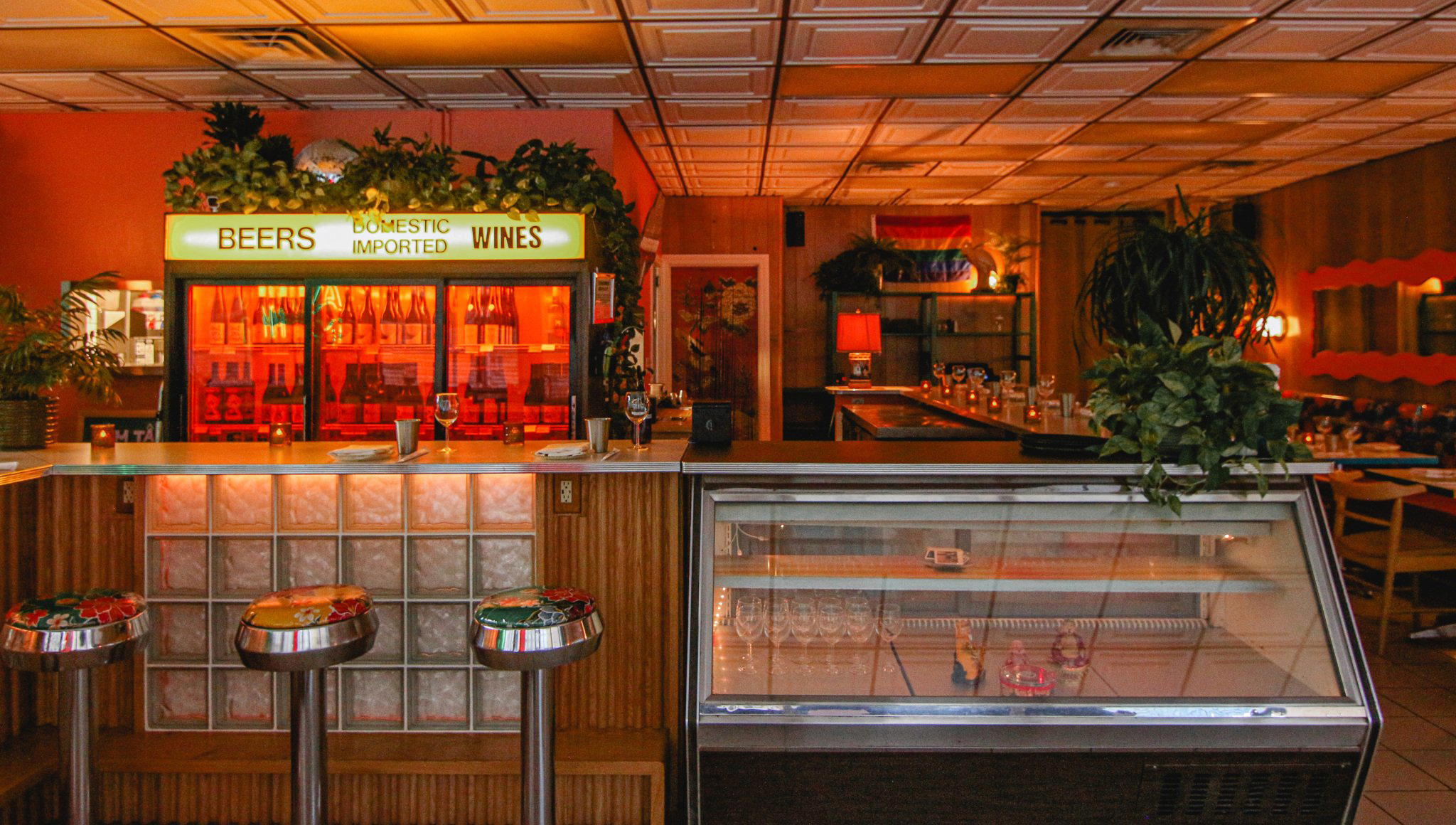
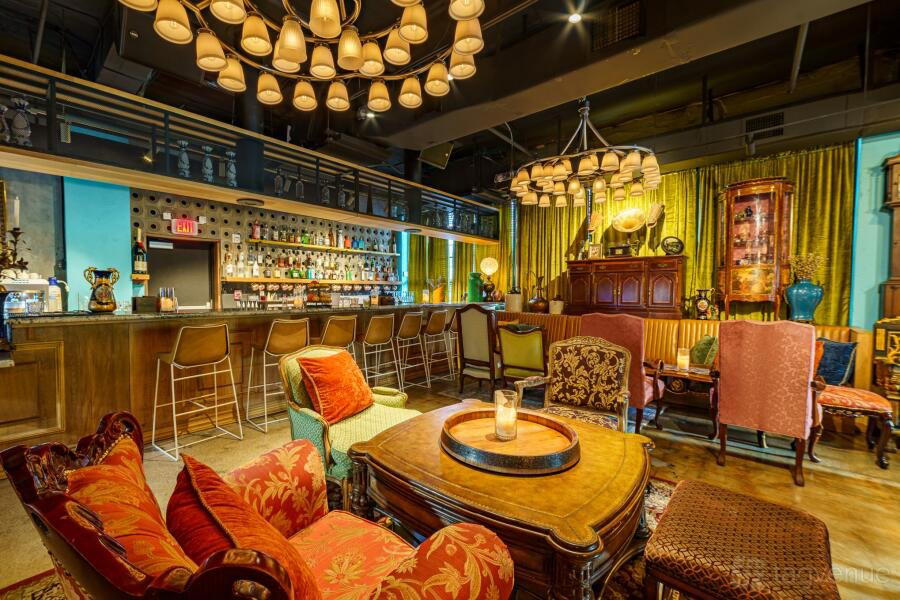
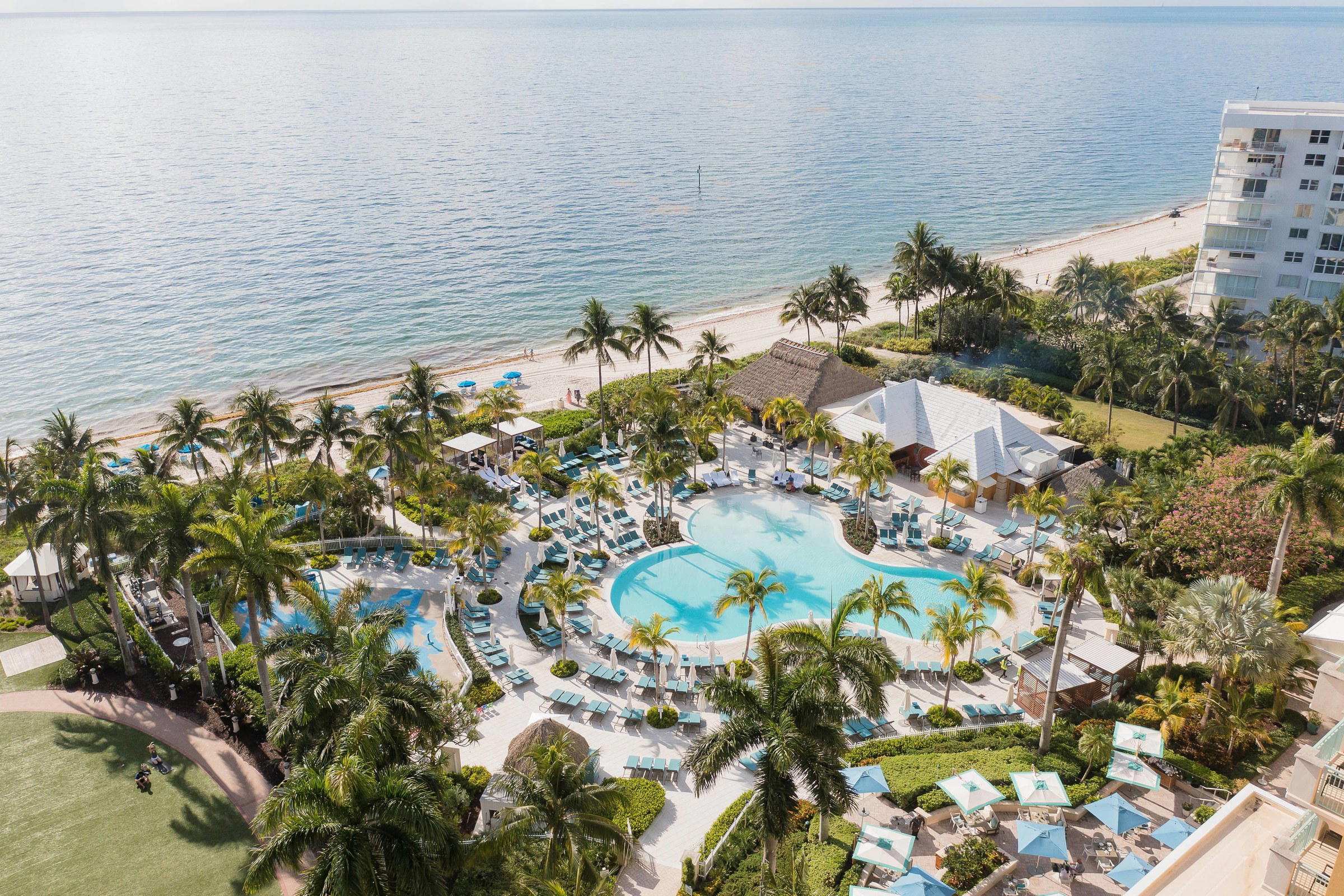
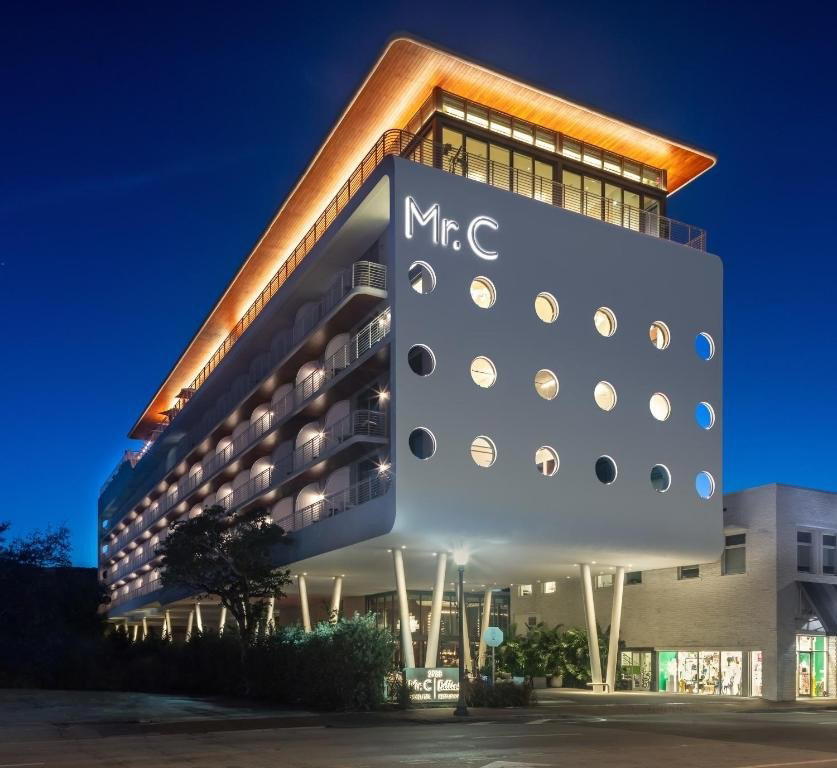

Ceviche Bar by Mixtura
The wine
- Wine program
- Curated wine list
- Craft cocktails
Details
- Trendy
- Lively
- Casual Hangout
- Date Night
- Open Kitchen
- Craft Cocktails
- Sustainable Seafood
- A La Carte
- Small Plates
- Pescatarian Friendly
Current opening hours
- Monday
- 11:30 AM–9 PM
- Tuesday
- 11:30 AM–9 PM
- Wednesday
- 11:30 AM–9 PM
- Thursday
- 11:30 AM–10 PM
- Friday
- 11:30 AM–10 PM
- Saturday
- 11:30 AM–10 PM
- Sunday
- 11:30 AM–7:30 PM
Hours can change for holidays and private events. Last verified .
Casual outdoor seating in a shopping center with fresh, flavorful Peruvian dishes and friendly service.