Mikuni
Mikuni on J Street occupies Sacramento's mid-to-upper tier for Japanese-influenced dining, where the question of what to drink is taken as seriously as what to eat. The wine and sake program positions it apart from the city's other destination restaurants, and its downtown address makes it particularly accessible of Sacramento's serious tables for visitors navigating the grid.
Pearl is the En Primeur Club membership app — saves, bookings, and concierge access live there. Same editors, same standards.
- Address
- 1530 J St STE 150, Sacramento, CA 95814
- Phone
- +19164472112
- Website
- mikunisushi.com
- Directions
- Get directions
 Saves & bookings on Pearl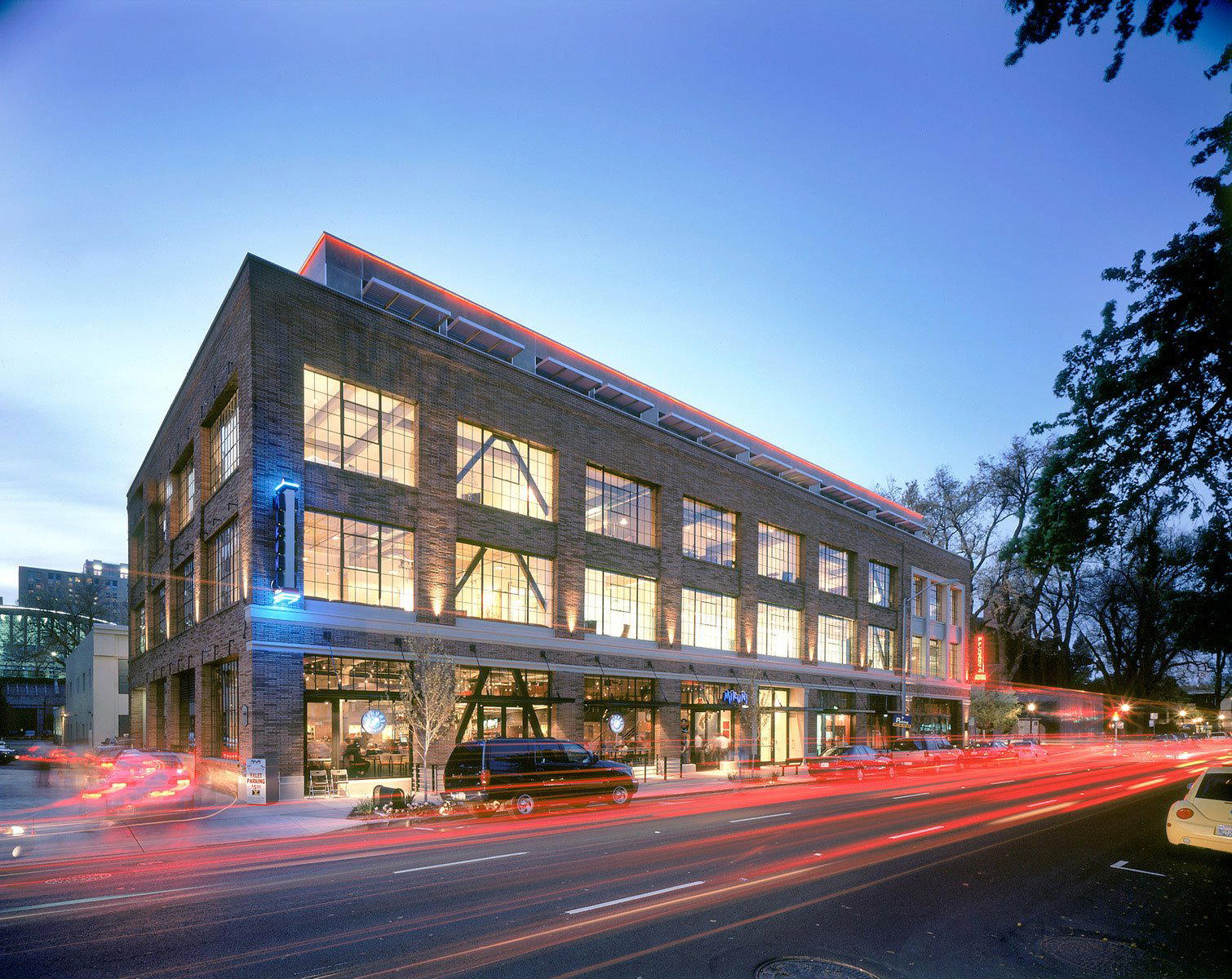
Downtown Sacramento and the Question of Where the Serious Restaurants Go
Sacramento's restaurant geography has consolidated around a recognizable pattern: the destination addresses cluster along or near J Street in Midtown and Downtown, close enough to the Capitol that power-lunch logic applies but far enough from tourist corridors that the crowd leans local. Mikuni at 1530 J Street sits in that zone, in a format that positions it squarely among the city's tier of restaurants where the check reflects considered sourcing and a kitchen with something to prove. In a city increasingly recognized for farm-to-table dining, that's a meaningful bracket to occupy.
The broader Sacramento dining scene has matured considerably in the past decade. Localis has made a case for hyper-local Californian tasting menus; The Kitchen runs a participatory chef's table format at the summit of the price spectrum; Allora anchors the Italian end of the upper tier; and Adamo's Kitchen and Aioli Bodega Espanola round out the range with different register and price points. Mikuni enters this conversation with a Japanese-influenced identity that, in a market less saturated with serious Japanese dining than San Francisco or Los Angeles, gives it a reasonably clear lane.
What the Beverage Program Signals About a Restaurant's Ambition
In cities where dining ambition is measured partly by cellar depth, a restaurant's approach to wine and sake reveals more about its competitive positioning than almost anything else. The decision to build a list that takes Japanese rice wine seriously alongside a considered Western wine selection is a design choice that signals intent. It requires a buyer with actual expertise in both categories, which narrows the field quickly.
Restaurants with notable beverage programs tend to hire specialists, rotate seasonally, and make allocation-level purchases that reflect industry relationships. Le Bernardin in New York City built its reputation in part on a seafood-forward wine list calibrated with surgical precision to the kitchen's output. Alinea in Chicago and Lazy Bear in San Francisco both treat the drink pairing as structurally equal to the food program, not supplementary to it. At the farm-focused end of the spectrum, Single Thread Farm in Healdsburg and Blue Hill at Stone Barns in Tarrytown have shown how a beverage program rooted in regional provenance can reinforce rather than distract from a kitchen's identity. The comparison sets the standard against which Sacramento's more ambitious programs are measured.
For a Japanese-influenced concept, the sake dimension is particularly instructive. Sake selection at this level requires knowledge of brewery regions across Japan, rice polishing ratios, the difference between junmai daiginjo and aged koshu styles, and an understanding of which styles pair with raw preparations versus cooked. A list that handles this with any seriousness is a proxy for genuine investment in the full dining experience. At Mikuni, the presence of both wine and sake as categories worth taking seriously places it in a different conversation from Sacramento's more broadly positioned casual Japanese restaurants.
The Format and the Crowd It Attracts
Downtown Sacramento restaurants that occupy a mid-to-upper price bracket tend to draw a different weekly rhythm than their counterparts in more tourist-dense California cities. The lunch trade skews toward government and legal professionals; dinner shifts toward celebratory bookings and the kind of regular clientele that returns because the kitchen knows what they drink. This pattern, visible across American state-capital cities from New Orleans to Washington, creates a specific service expectation: the staff needs to read the table's mode quickly, because the power-lunch crowd and the anniversary dinner crowd require fundamentally different pacing.
The suite-format address at 1530 J Street STE 150 suggests a footprint that is self-contained, which typically correlates with a more controlled dining environment and a crowd that has made a deliberate reservation. That distinction shapes the entire experience, from the ambient volume to the specificity of the service interaction.
How Mikuni Sits in the Wider Japanese Dining Conversation
Japanese cuisine in the United States has undergone a significant differentiation in the past fifteen years. The market has separated into at least three distinct tiers: omakase counter formats at the high end, often running $200 or more per person before drinks, as seen at particularly serious addresses in New York and Los Angeles; mid-range izakaya and robatayaki concepts that prioritize sharing plates and Japanese whisky lists; and the broader sushi-restaurant category that covers an enormous range of quality and ambition. Atomix in New York City operates at the far end of the premium spectrum with a Korean-Japanese hybrid tasting menu that has attracted sustained critical attention. 8½ Otto e Mezzo Bombana in Hong Kong demonstrates how Asian-market fine dining has developed its own logic around wine lists and service formality.
Sacramento, without the density of Japanese dining options found in the Bay Area or Los Angeles, gives a concept like Mikuni room to operate at a level that would face much stiffer direct competition in those markets. Venues like Providence in Los Angeles, Addison in San Diego, and The French Laundry in Napa represent the calibration point for California fine dining at its most formally ambitious; Mikuni operates below that tier in terms of format and price signal but within a Sacramento context where that positioning reads as the city's serious Japanese address.
Planning a Visit
The J Street address puts Mikuni within walking distance of Downtown Sacramento's major hotels and a short ride from the Midtown neighborhoods where the city's other destination restaurants cluster. For visitors arriving by train, Sacramento's Amtrak station is accessible enough that a dinner booking here works logically alongside an afternoon spent in the grid. Reservations are recommended. For diners who want to build a multi-stop Sacramento itinerary around the city's broader dining options, pairing an early dinner here with drinks afterward at one of Midtown's cocktail-focused bars makes geographic sense given the central location.
A Quick Peer Check
Comparable venues nearby, for context on price, style, and recognition.
| Venue | Cuisine | Price | Notes |
|---|---|---|---|
| MikuniThis venue — the venue you are viewing | Japanese Sushi Fusion | $$$ | Not listed |
| Oak Room | Modern American Bistro | $$$ | J Street |
| Ryujin Ramen House | Japanese Ramen House | $$ | Richmond Grove |
| Scott's Seafood on the River | Seafood & Steakhouse | $$$ | |
| Morgan's | Modern American | $$$ | Mansion Flats |
| Chef Frank Japanese Cuisine | Authentic Japanese Sushi & Omakase | $$ | South Natomas |
Continue exploring
More in Sacramento
Restaurants in Sacramento
Browse all →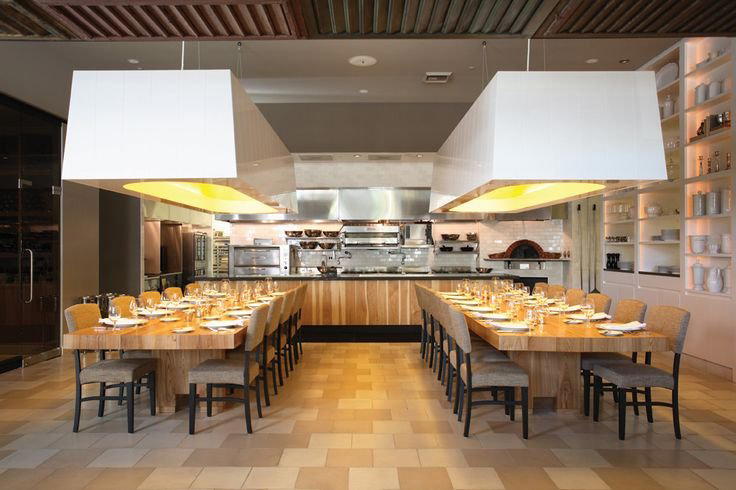
Bars in Sacramento
Browse all →

Hotels in Sacramento
Browse all →
Wineries in Sacramento
Browse all →
At a Glance
- Lively
- Trendy
- Modern
- Energetic
- Date Night
- Group Dining
- Casual Hangout
- Open Kitchen
- Sake Program
- Craft Cocktails
Current opening hours
- Monday
- 11:30 AM–9 PM
- Tuesday
- 11:30 AM–9 PM
- Wednesday
- 11:30 AM–9 PM
- Thursday
- 11:30 AM–9 PM
- Friday
- 11:30 AM–10 PM
- Saturday
- 11:30 AM–10 PM
- Sunday
- 11:30 AM–9 PM
Hours can change for holidays and private events. Last verified .
Lively and energetic atmosphere with cosmopolitan flair in a historic building.