Mi Mi Sa
Our verdict
On a quiet residential street in Zurich's Höngg district, Mi Mi Sa operates at a remove from the city's better-known dining corridors. The address at Bahnhaldenstrasse 2 draws a neighbourhood clientele that returns with the kind of regularity that tells you more than any award. For those willing to look beyond the inner city's main circuits, it represents a different register of Zurich dining.

Pearl is the En Primeur Club membership app — saves, bookings, and concierge access live there. Same editors, same standards.
- Address
- Bahnhaldenstrasse 2, 8052 Zürich, Switzerland
- Phone
- +41432999267
- Hours
- Mon–Tue 11 AM–2 PM, 6–9 PMWed ClosedThu–Sat 11 AM–2 PM, 6–9 PMSun Closed
- Website
- m.facebook.com
- Directions
- Get directions
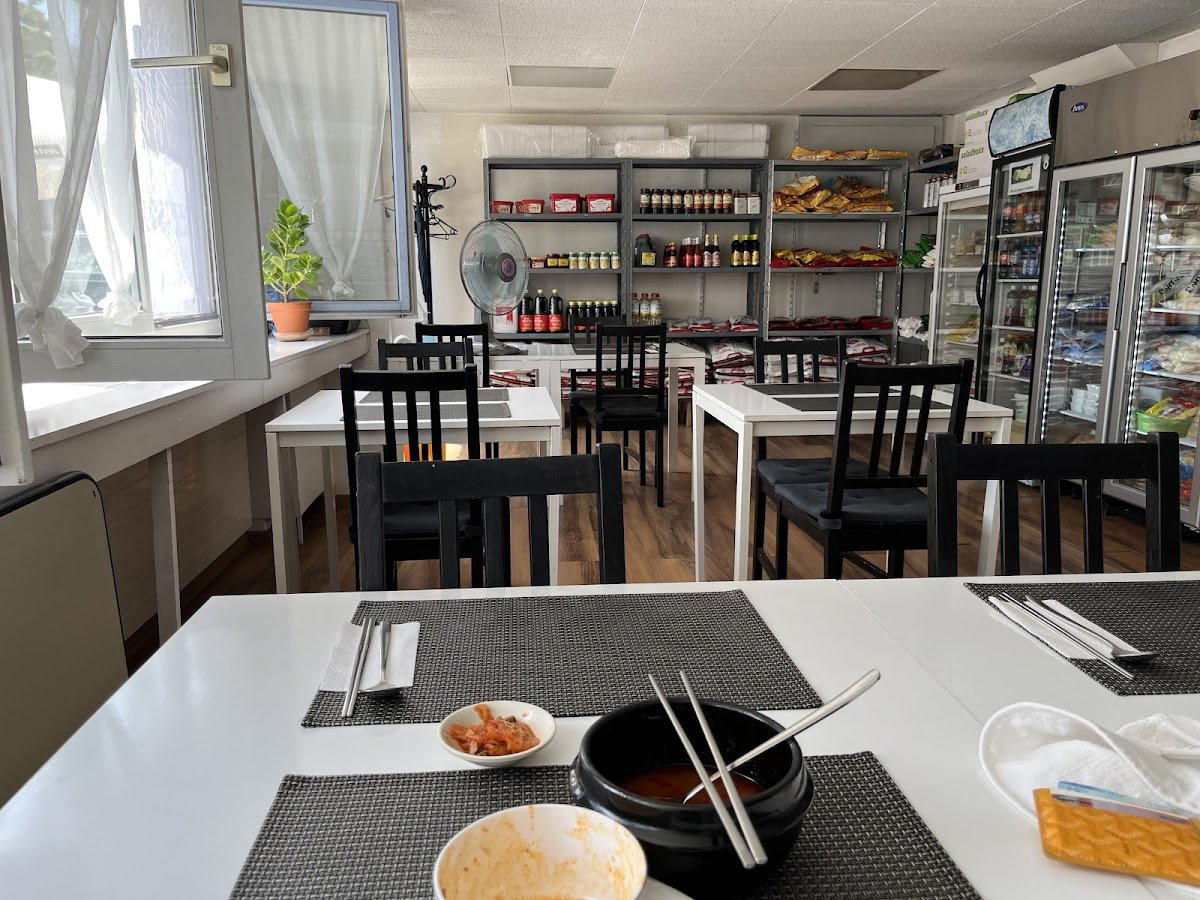
The menu
What to order
- Yukgaejang
- Kimchi Jjigae
- Bulgogi
- Bibimbap
- Mandu
A Neighbourhood Address That Earns Its Repeat Business
Zurich's dining reputation is built largely on its centre: the Michelin-studded rooms of the Kreis 1 hotels, the creative kitchens along the lake, the expense-account tables where deal-making and gastronomy have coexisted for decades. But the city has always had a parallel circuit, less visible to visitors, sustained by the kind of regulars who don't need a press release to tell them where to eat. Mi Mi Sa, on Bahnhaldenstrasse in the residential district of Höngg, operates firmly in that second register. The address itself is a signal: this is not a restaurant positioned to catch foot traffic from Paradeplatz or Bellevue. It is positioned, instead, for the people who live nearby and have decided, over time, that this is where they want to be.
Höngg sits on the western hillside above the city, a district that reads as genuinely local rather than strategically positioned. The approach to Bahnhaldenstrasse 2 runs through streets where the architecture is mid-century practical rather than belle époque decorative, where there are few reasons for a tourist to turn off the main road. That insularity is, for the regulars, precisely the point. Zurich's most interesting neighbourhood restaurants tend to share this quality: they are not trying to be discovered. They are trying to be good enough that the people who already know them keep coming back.
What Regulars Come Back For
The regulars' perspective is the most reliable editorial instrument available for a restaurant of this type. In Zurich's upper tiers, where IGNIV Zürich by Andreas Caminada operates its sharing format at the €€€€ level, or where The Counter and The Restaurant compete for the creative dining audience, the conversation is often about innovation cycles, seasonal menu changes, and the mechanics of tasting-menu construction. At the neighbourhood level, the conversation is different. It is about consistency, about whether the kitchen performs as well on a Tuesday as on a Saturday, about whether the person who takes your coat remembers your preference from six months ago.
These are the unwritten criteria by which a place like Mi Mi Sa gets evaluated by its core clientele. The written record is thin by design: no awards in the public record, no celebrity chef affiliation to generate press, no social media campaign to drive first-time visitors. What exists instead is the evidence of continued operation at a specific address, drawing a neighbourhood that has enough alternatives to make a genuine choice. That is a form of endorsement, even if it doesn't translate into a Michelin symbol or a ranking on a global list.
Swiss dining at this neighbourhood level sits in an interesting position relative to the country's formal recognition system. Switzerland carries a concentration of Michelin-starred tables that is high relative to its population: Schloss Schauenstein in Fürstenau, Hotel de Ville Crissier, Cheval Blanc by Peter Knogl in Basel, and Memories in Bad Ragaz all operate at or near the best of the European fine dining hierarchy. Zurich itself has Widder and Eden Kitchen & Bar among its recognized rooms. But below that tier, and outside the city centre's main corridors, there is a larger category of restaurants that exist on neighborhood terms alone, judged by different standards and visited for different reasons.
The Context of Zurich's Wider Dining Scene
Understanding where Mi Mi Sa sits requires a clear picture of how Zurich's restaurant economy stratifies. At the leading, a relatively small number of tables compete in an international frame: guests who are also considering 7132 Silver in Vals, focus ATELIER in Vitznau, or even Le Bernardin in New York City or Atomix when planning a broader travel itinerary. Below that, a substantial mid-market operates on local and business-district demand. And then there is the neighbourhood tier, where the competition is the restaurant two streets over, the decision is often made on a weeknight with thirty minutes' notice, and the measure of success is whether people return without being prompted.
Mi Mi Sa competes at that neighbourhood tier. The Höngg address keeps it outside the natural orbit of most out-of-town visitors, which means the clientele is self-selecting in a specific way: these are people who have either moved to the area or who have been brought here by someone who already knows it. That pattern of discovery, by recommendation rather than by proximity to a tourist circuit, tends to produce a more consistent and more loyal customer base than high-footfall locations generate. It also tends to produce restaurants that are calibrated to repeat visits rather than first impressions.
Switzerland's broader restaurant geography is relevant here. From Zurich, the concentration of recognized dining extends outward in most directions: Colonnade in Lucerne, Einstein Gourmet in Sankt Gallen, Da Vittorio in St. Moritz, and L'Atelier Robuchon in Geneva all sit within a train or car journey that is manageable as a day or evening excursion. The existence of that wider network means that anyone willing to travel for a formal dining experience has options well beyond the city limits. Mi Mi Sa is not competing in that category. Its draw is local, its evaluation criteria are local, and its success depends on meeting those local standards consistently over time.
Planning a Visit
The address, Bahnhaldenstrasse 2 in Höngg, is accessible from central Zurich by tram and takes visitors through a residential quarter that gives little visual indication of what lies ahead. For visitors who want a broader picture of where Mi Mi Sa sits relative to Zurich's full range of options, our full Zurich restaurants guide maps the city's dining tiers from the leading formal rooms down to the neighbourhood-level tables worth seeking out.
Frequently asked questions
How far ahead should I plan for Mi Mi Sa?
Booking lead times for Mi Mi Sa are, and without award recognition or a high-profile critical profile driving demand spikes, the pattern is likely to differ from Zurich's most sought-after tables, where reservations at places like IGNIV Zürich require planning weeks or months ahead.
Is Mi Mi Sa suitable for a special occasion dinner in Zurich?
Mi Mi Sa's neighbourhood positioning in Höngg, away from Zurich's formal dining corridors, makes it a better fit for occasions that call for a locally embedded, repeat-visitor atmosphere rather than the ceremonial format of the city's award-level rooms. Guests looking for that more formal register in Zurich are better directed toward venues with confirmed tasting-menu structures and awards documentation. For occasion dining with full critical context across Switzerland, the EP Club guides to Schloss Schauenstein and Cheval Blanc by Peter Knogl provide the most detailed planning information available.
How It Stacks Up
Comparable venues nearby, for context on price, style, and recognition.
| Venue | Cuisine | Price | Notes |
|---|---|---|---|
| Mi Mi SaThis venue — the venue you are viewing | Authentic Korean Home Cooking | $20–30 | Not listed |
| Chiang Mai | Authentic Thai Street Food | $10–20 | Oberstrass |
| Rosita's Food & Drinks | Portuguese-Inspired Sandwiches | $10–20 | Aussersihl |
| Transylvanian Street Food | Romanian Street Food | $20–30 | Aussersihl |
| Da Michelangelo | Authentic Italian Pizzeria | $20–30 | Aussersihl |
| Lebewohlfabrik | Swiss Snacks | Not listed | Riesbach |
Continue exploring
More in Zürich
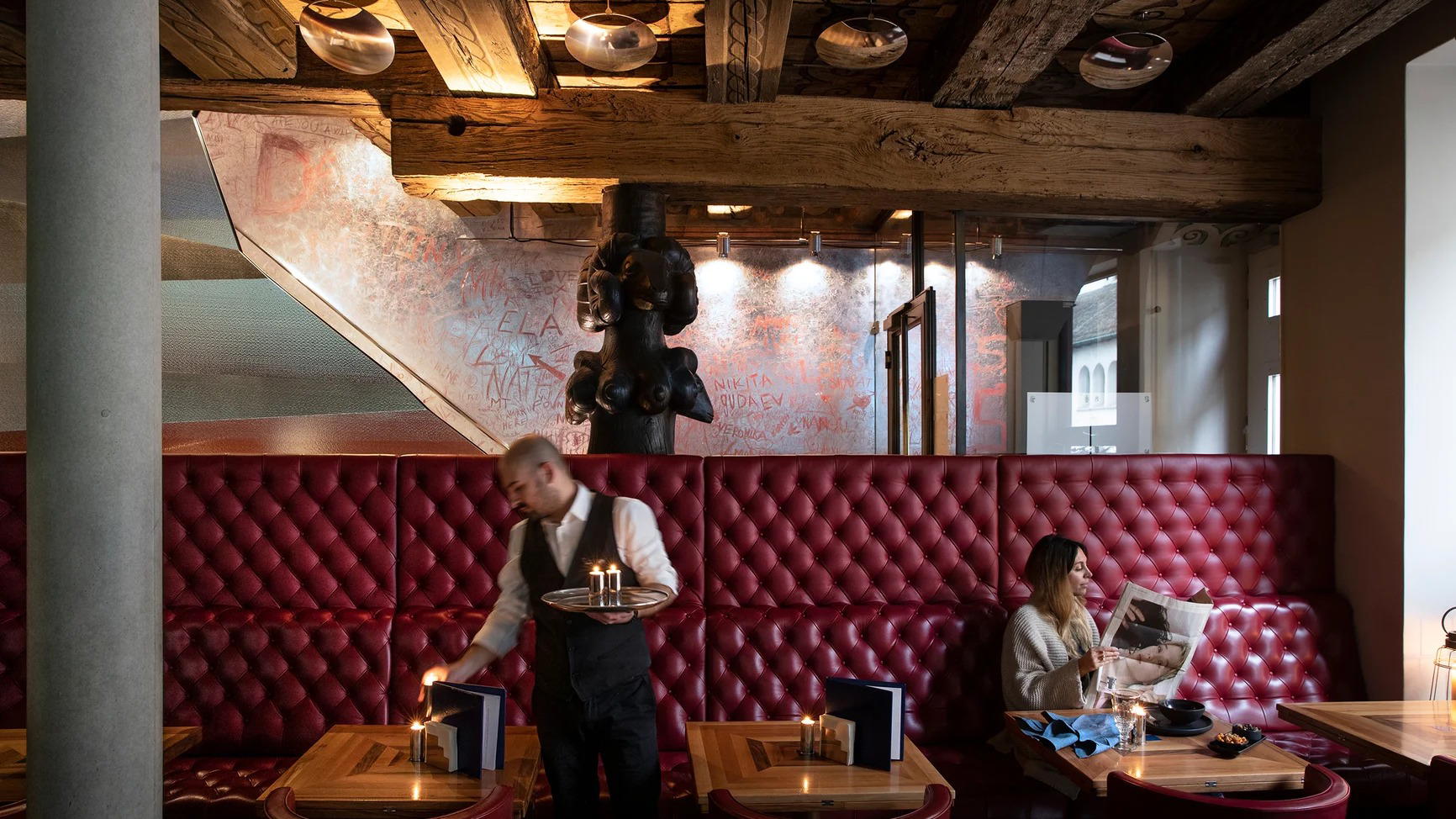
Restaurants in Zürich
Browse all →
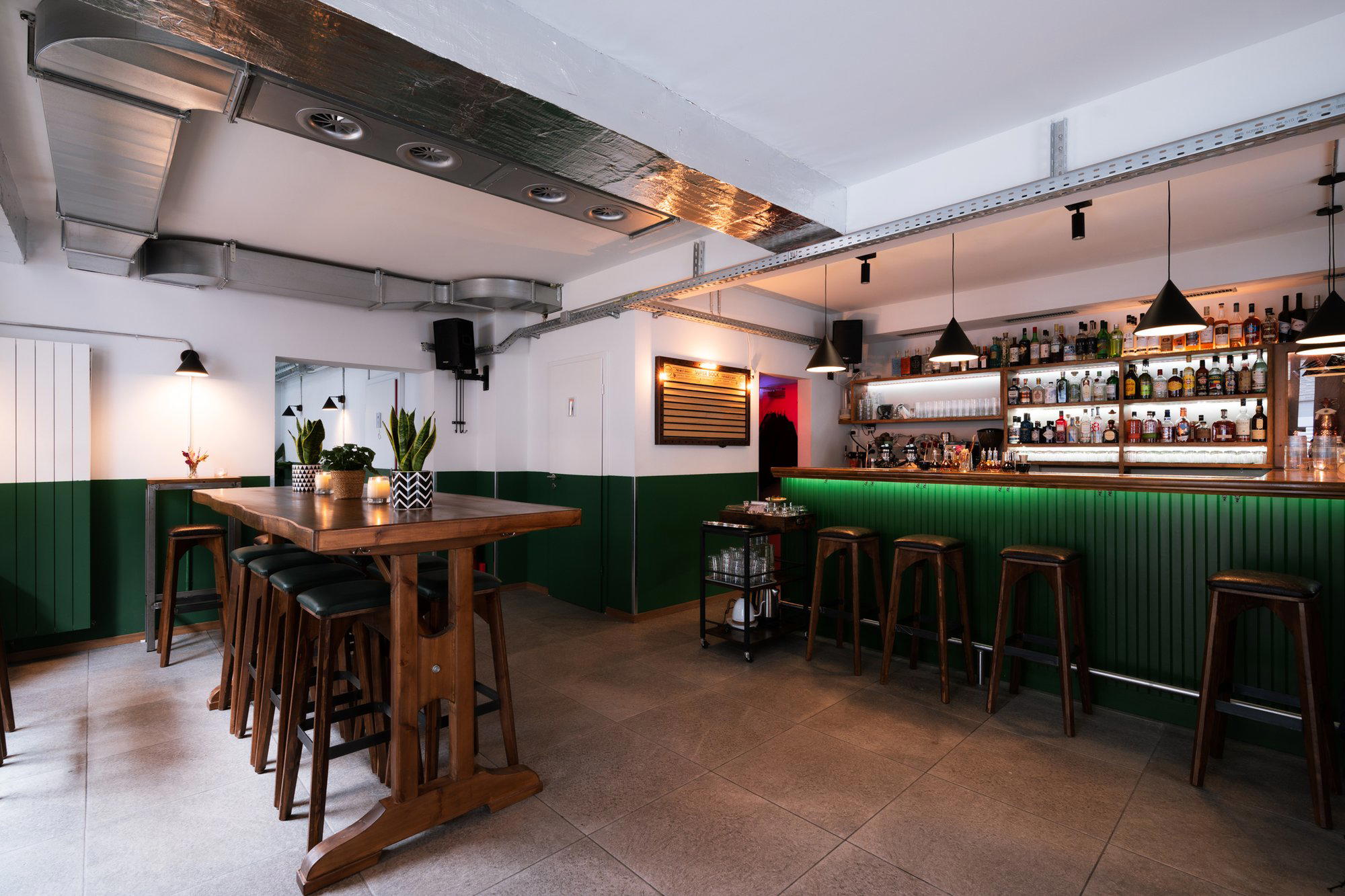
Bars in Zürich
Browse all →
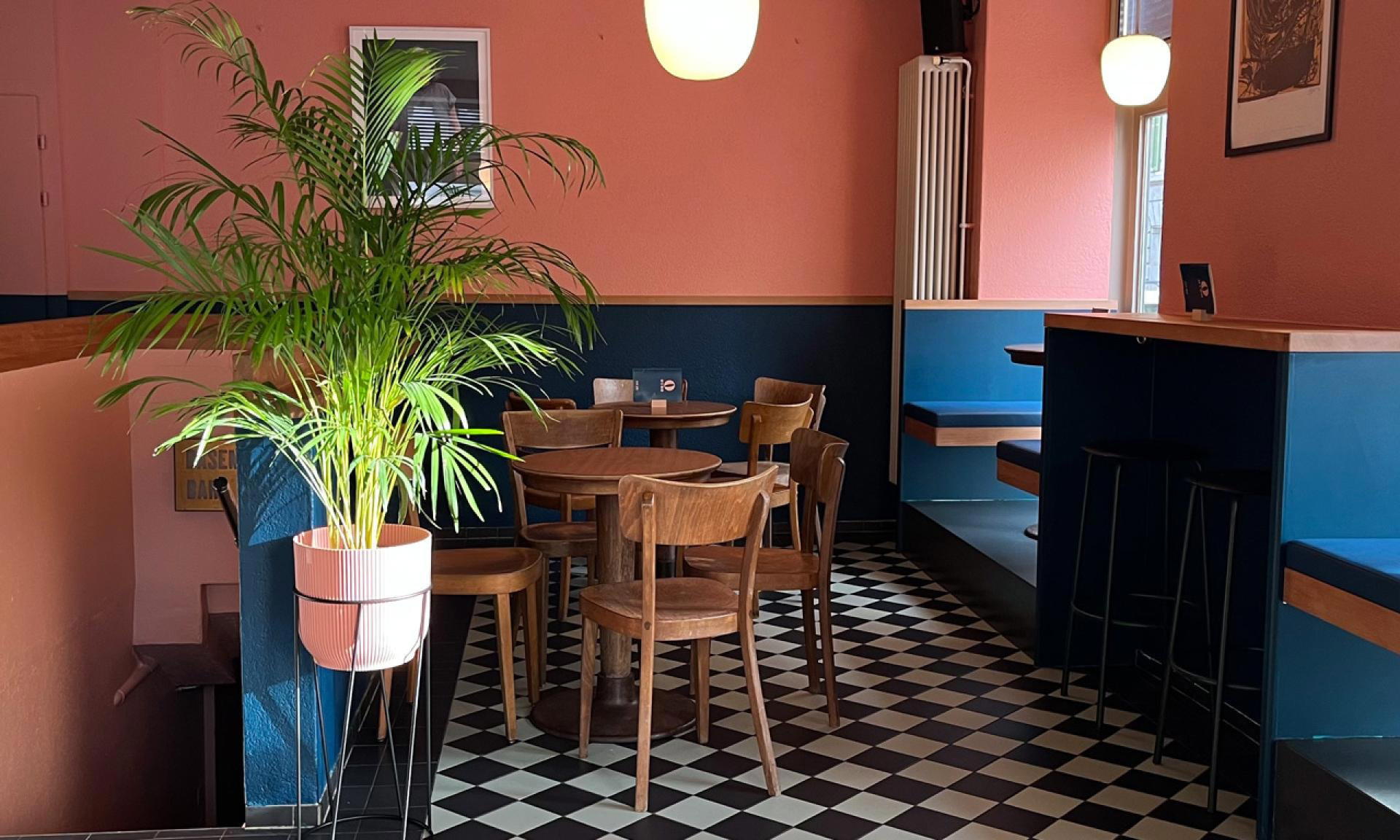
Hotels in Zürich
Browse all →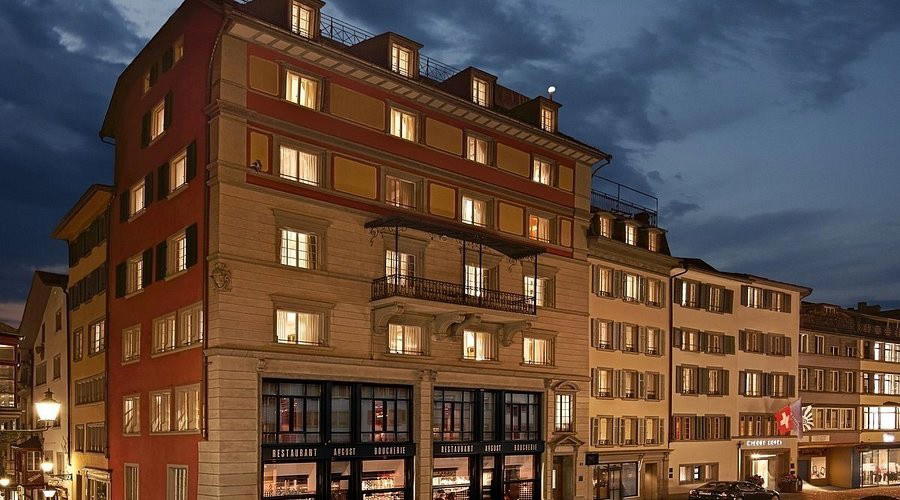

Details
- Cozy
- Quiet
- Casual Hangout
- Solo
- Family
- Standalone
- Local Sourcing
- A La Carte
- Family Style
- Vegetarian Friendly
Current opening hours
- Monday
- 11 AM–2 PM, 6–9 PM
- Tuesday
- 11 AM–2 PM, 6–9 PM
- Wednesday
- Closed
- Thursday
- 11 AM–2 PM, 6–9 PM
- Friday
- 11 AM–2 PM, 6–9 PM
- Saturday
- 11 AM–2 PM, 6–9 PM
- Sunday
- Closed
Hours can change for holidays and private events. Last verified .
Simple, clean, and intimate mom-and-pop atmosphere with minimal decor; calm and welcoming vibe in a small space with 5-15 tables integrated within a Korean grocery store.