Mexican Sugar
Mexican Sugar sits in Dallas's Uptown corridor at 2355 Olive Street, where the city's appetite for refined Mexican cooking meets a bar program built around agave spirits. The format draws on regional Mexican traditions filtered through contemporary technique, placing it in a competitive set that takes the cuisine seriously rather than treating it as a backdrop for frozen margaritas. A strong choice for those tracking how Dallas handles Latin American culinary ambition.
Pearl is the En Primeur Club membership app — saves, bookings, and concierge access live there. Same editors, same standards.
- Address
- 2355 Olive St #155, Dallas, TX 75201
- Phone
- +12146131796
- Website
- mexicansugarcocina.com
- Directions
- Get directions
 Saves & bookings on Pearl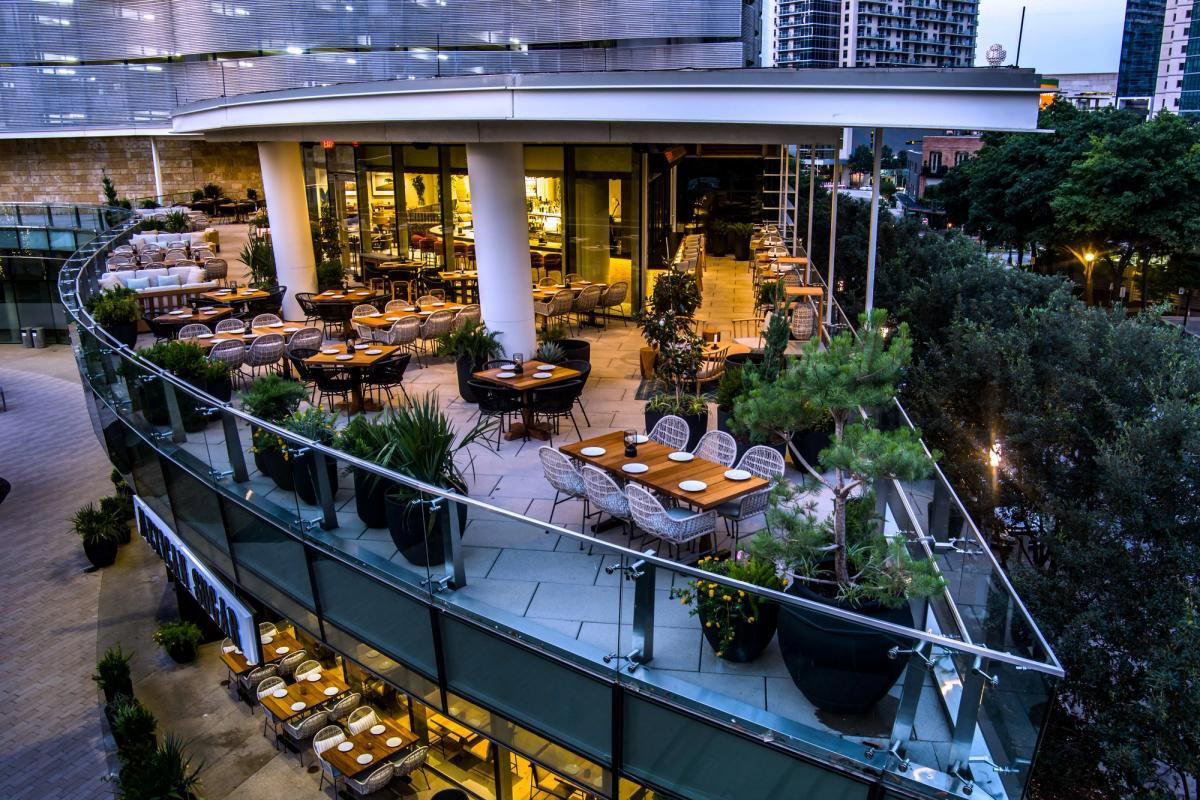
Uptown Dallas and the Case for Taking Mexican Cuisine Seriously
Dallas has spent the better part of a decade arguing, sometimes convincingly, that it deserves a seat at the table alongside Chicago, New York, and Los Angeles when the conversation turns to ambitious American dining. The city's Uptown corridor, anchored along Olive Street, has become one of the more credible testing grounds for that argument. Among the venues that have taken root there, Mexican Sugar operates in a register that reflects a broader shift in how American restaurants are treating Mexican cuisine: less as a casual, price-accessible category and more as a tradition with regional specificity, ingredient depth, and technique worth taking seriously. For context on how Dallas's wider restaurant scene positions itself, our full Dallas restaurants guide maps the competitive landscape across categories and price tiers.
The Intersection of Indigenous Ingredients and Contemporary Method
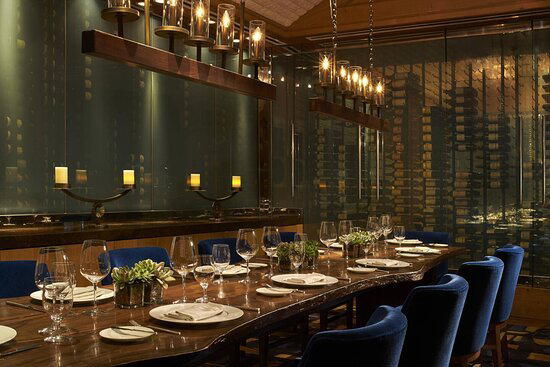
The most consequential development in Mexican-American fine dining over the past fifteen years has not been the arrival of more expensive venues, but the gradual displacement of Tex-Mex convention by cooking that treats indigenous Mexican ingredients as primary rather than incidental. Chiles, heirloom corn varieties, epazote, hierba santa, and regional mole traditions have moved from the margins of Mexican-American menus into positions of structural importance. Mexican Sugar sits within that current, operating in the Uptown market where the guest demographic expects a bar program to match the food and where the room itself is expected to carry visual weight.
This approach has parallels in how other American cities have recalibrated their relationship to non-European culinary traditions. At the technical ambition end of the American dining spectrum, restaurants like Alinea in Chicago and Le Bernardin in New York City have demonstrated what it looks like when technique is used in service of a culinary tradition rather than as an end in itself. The same logic, applied to Mexican regional cooking, produces something quite different from the category norms that dominated American Mexican dining through the 1990s.
Where Mexican Sugar Sits in the Dallas Mexican Dining Picture
Dallas has a large and stratified Mexican dining market. At the accessible end, the city's deep population of Mexican-heritage residents sustains neighborhood taquerias and regional specialists that operate with no interest in the Uptown demographic. In the middle tier, fast-casual formats have expanded aggressively. Mexican Sugar occupies a distinct position: a full-service, Uptown-addressed operation with a cocktail program centered on agave spirits, which places it in competition not with neighborhood tacos but with venues like Mamani and the broader set of Dallas restaurants that pitch to guests choosing between multiple dinner options in the same evening.
For comparison, Fearing's at the Ritz-Carlton operates at the $$$$ tier with a Southwestern focus that treats Texas ingredients through a fine-dining framework. Lucia, in the $$$ bracket, applies similar rigor to Italian cooking. Mexican Sugar works in a register that shares the ambition of those venues while applying it to a culinary tradition that is geographically closer to Dallas's own history. The city's proximity to Mexico and its large Mexican-American population give the category a particular resonance here that it does not carry in the same way in, say, a city like New York.
For guests tracking Japanese-leaning options in the same Uptown zone, Tatsu Dallas operates at the $$$$ tier with a format that places similar emphasis on ingredient quality and technique. The contrast between these two venues illustrates how Dallas's higher-end dining market is diversifying away from its traditional steakhouse and Southwestern anchors.
Agave, the Bar, and Why It Matters
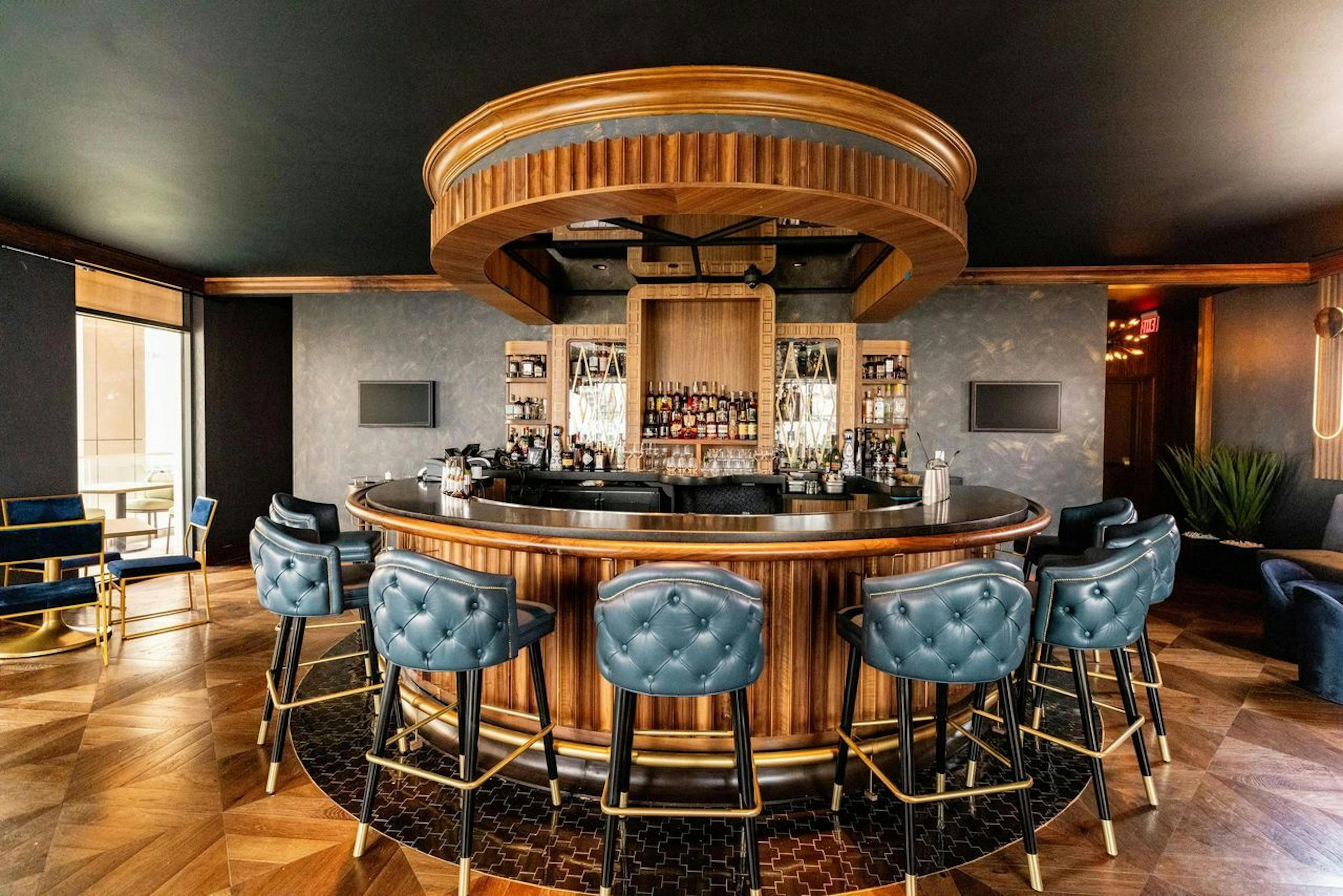
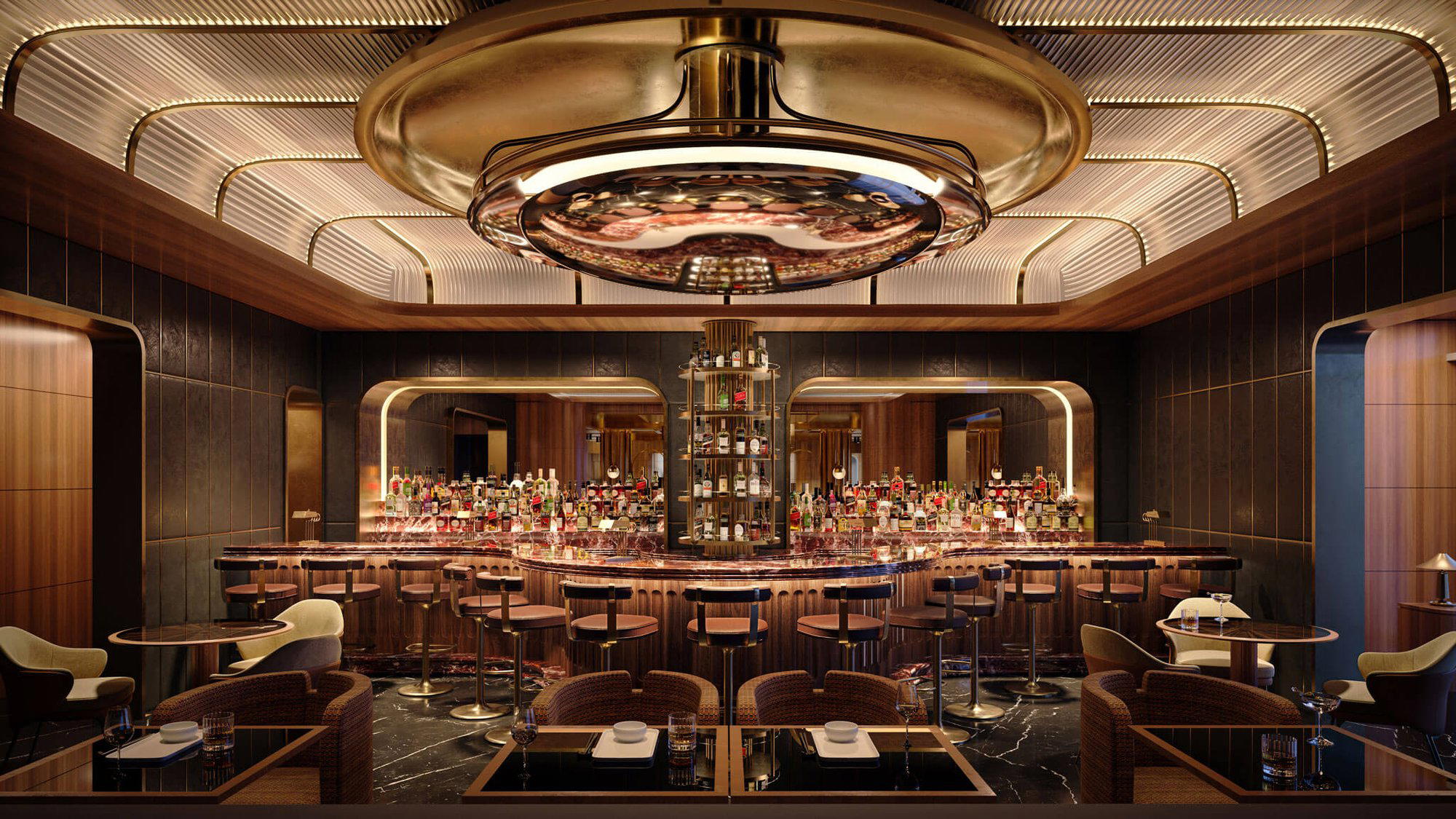
Any serious Mexican restaurant operating at the upper tier of the market in 2024 is expected to have a credible agave spirits program. The category has matured considerably: mezcal has moved from novelty to a spirit with established appellations and production standards; tequila's premium end has fragmented into blanco, reposado, añejo, and extra-añejo tiers that reward attention. A bar program built around these spirits requires sourcing knowledge and staff training that represents a genuine operational commitment. It also signals to a particular guest that the venue is not treating the bar as an afterthought to the food, but as a parallel argument for why the evening is worth what it costs.
This mirrors developments at venues across the country where the bar program has become a co-equal selling point. Lazy Bear in San Francisco and Single Thread Farm in Healdsburg have both demonstrated that a beverage program with genuine specificity changes the nature of the guest's decision about where to spend the evening. The principle applies differently in the context of Mexican cuisine, but the underlying logic is identical.
The Room and the Uptown Context
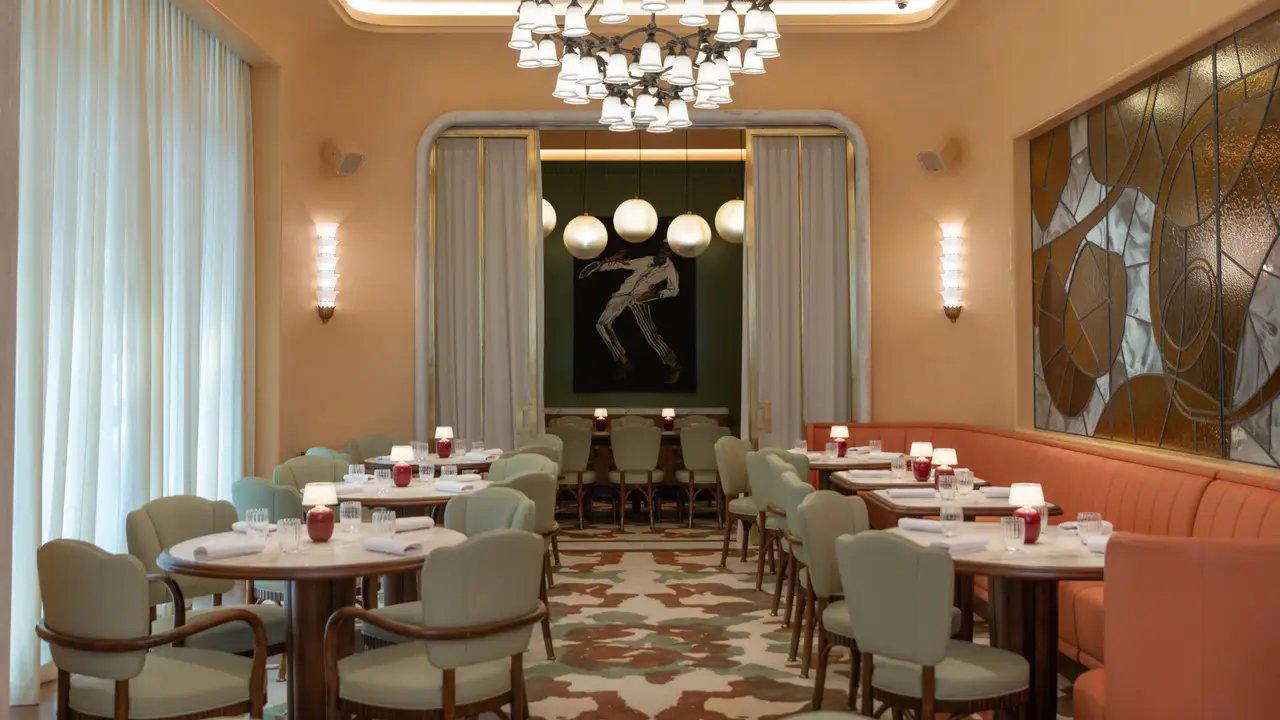
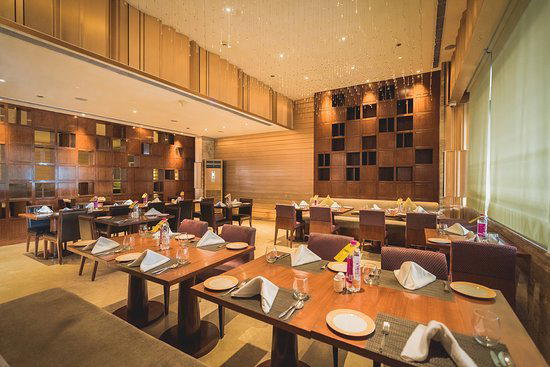
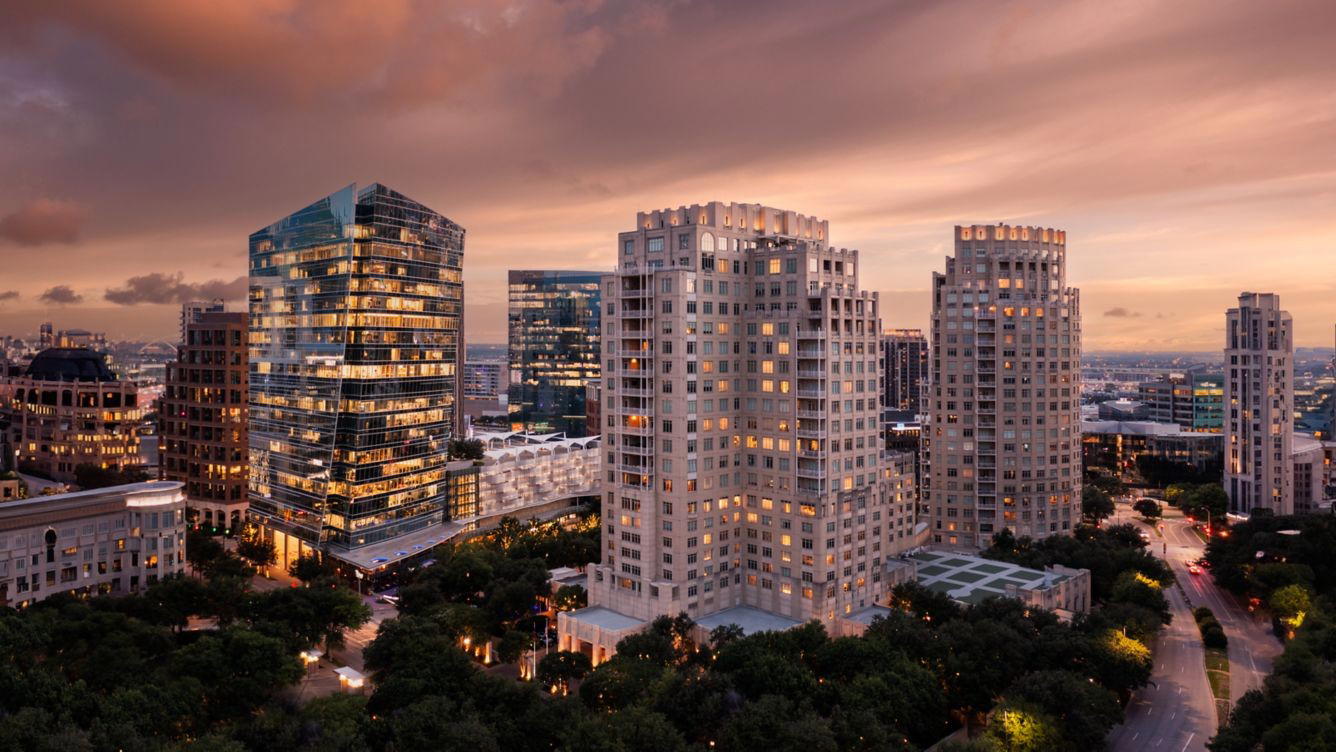
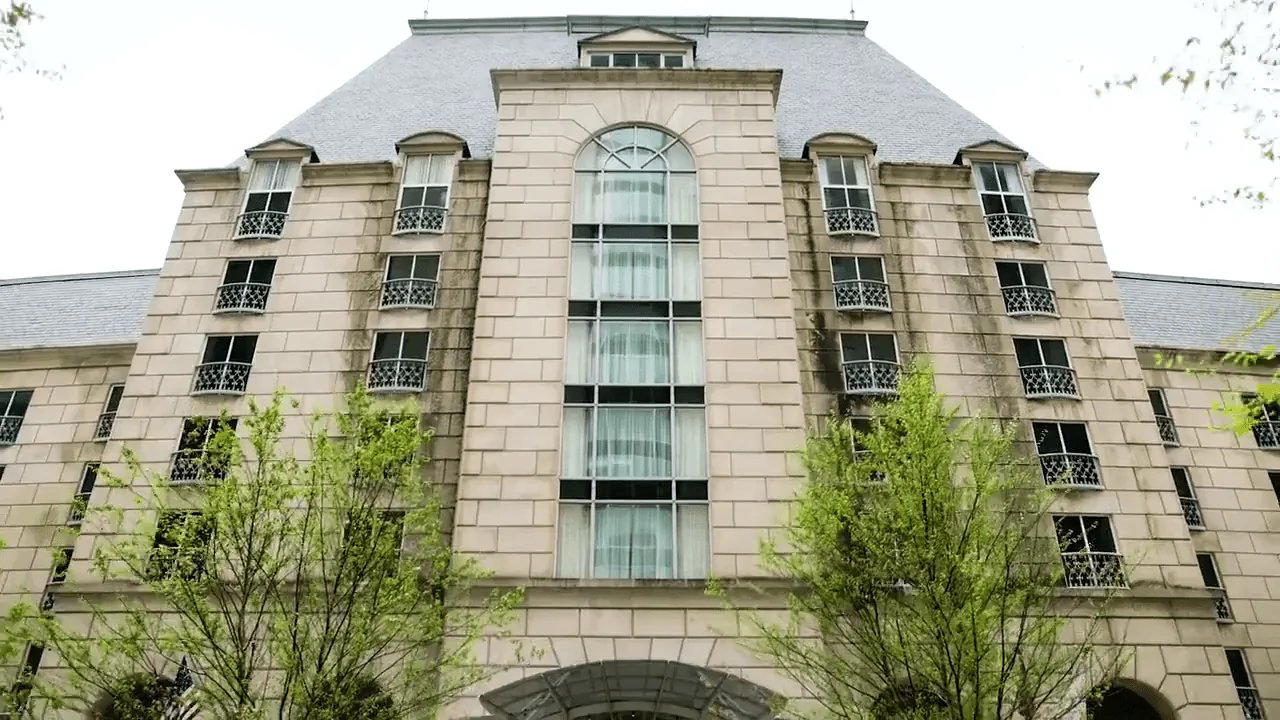
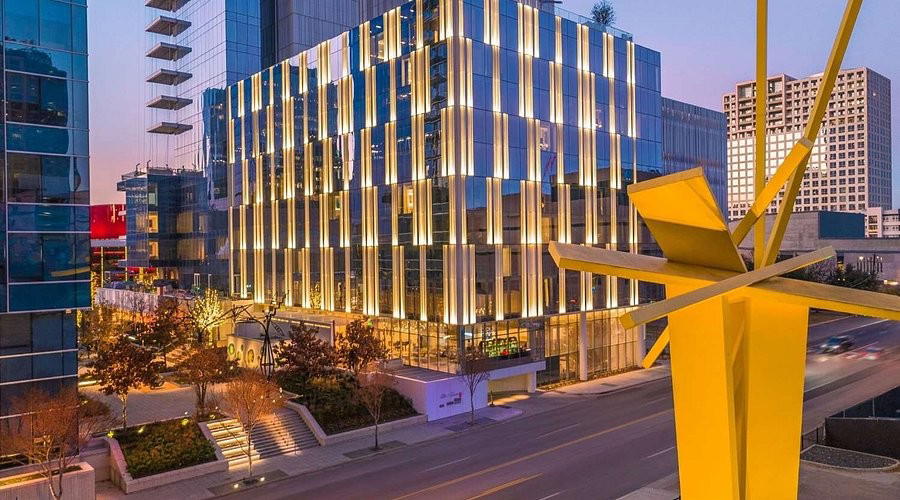
The Olive Street address places Mexican Sugar within walking distance of the concentration of hotels, apartments, and office conversions that define Uptown Dallas. The neighborhood draws a post-work crowd on weekday evenings and a longer, more deliberate dinner crowd on weekends. A venue operating at this address with this format is pitching to guests who have already decided they want a full evening rather than a quick meal, which shapes how the room and the pacing need to work.
Other Dallas venues that operate in adjacent formats and address similar guest expectations include 360 Brunch House, 3Eleven Kitchen and Cocktails, and 12 Cuts Brazilian Steakhouse, each of which anchors a specific culinary tradition in the full-service, Uptown-adjacent format. The comparison is instructive: Dallas's upper-mid dining market has become genuinely varied in its culinary reference points, and Mexican Sugar is part of the reason that variety now includes a serious Mexican option rather than treating the category as exclusively casual.
Know Before You Go
- Address: 2355 Olive St #155, Dallas, TX 75201
- Neighborhood: Uptown Dallas
- Bar focus: Agave-forward cocktail program alongside the food menu
- Leading for: Guests wanting a full-service Mexican dining experience in the Uptown corridor
How Mexican Sugar Dallas compares with similar nearby venues.
| Venue | Cuisine | Price |
|---|---|---|
| Fearing's | Southwestern, American | $$$$ |
| Avra Dallas | Greek / Mediterranean | Not listed |
At a Glance
- Lively
- Trendy
- Modern
- Date Night
- Brunch
- Group Dining
- Open Kitchen
- Craft Cocktails
- Local Sourcing
Current opening hours
- Monday
- 11 AM–10 PM
- Tuesday
- 11 AM–10 PM
- Wednesday
- 11 AM–10 PM
- Thursday
- 11 AM–10 PM
- Friday
- 11 AM–11 PM
- Saturday
- 10 AM–11 PM
- Sunday
- 10 AM–10 PM
Hours can change for holidays and private events. Last verified .
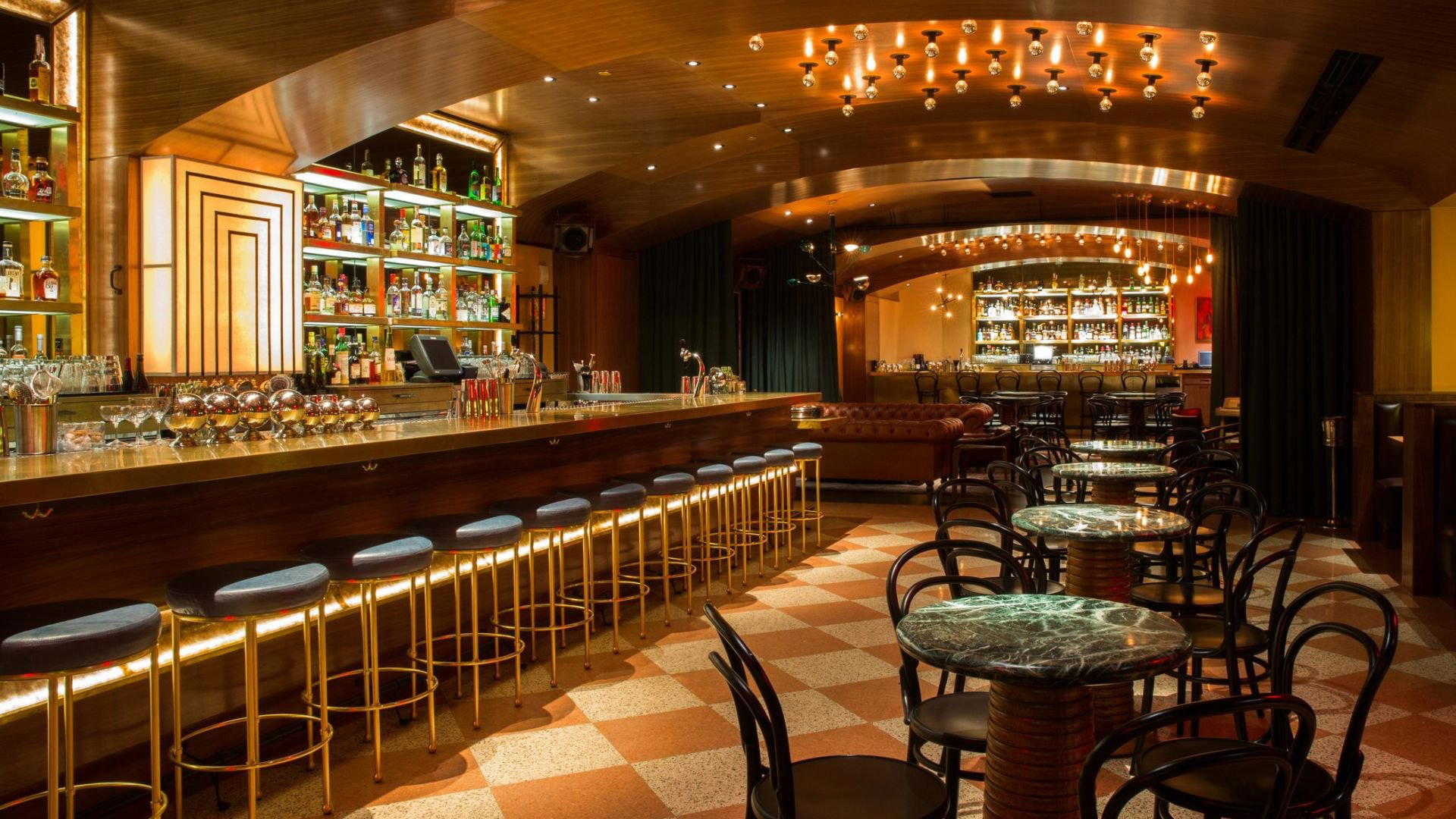
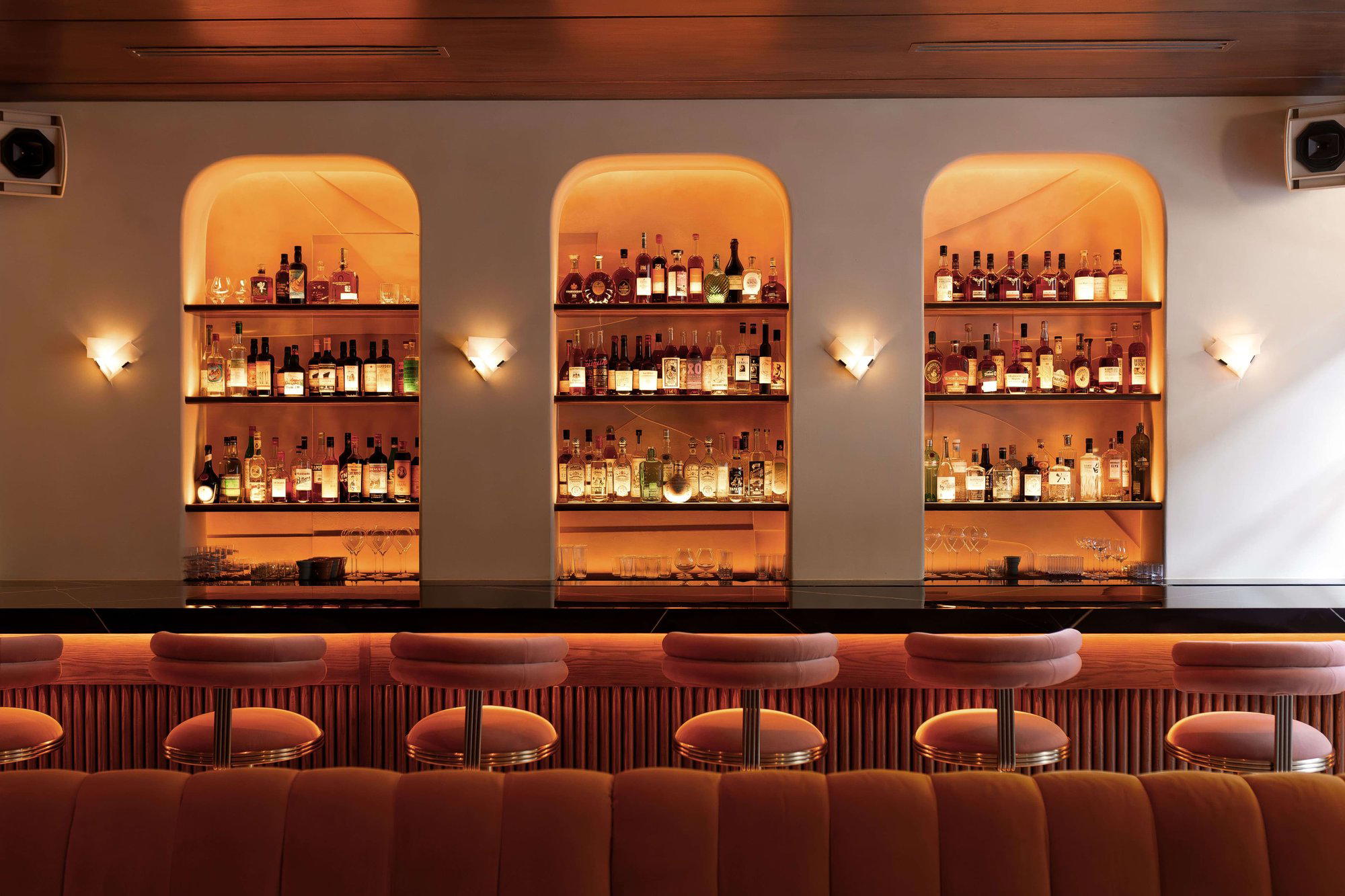
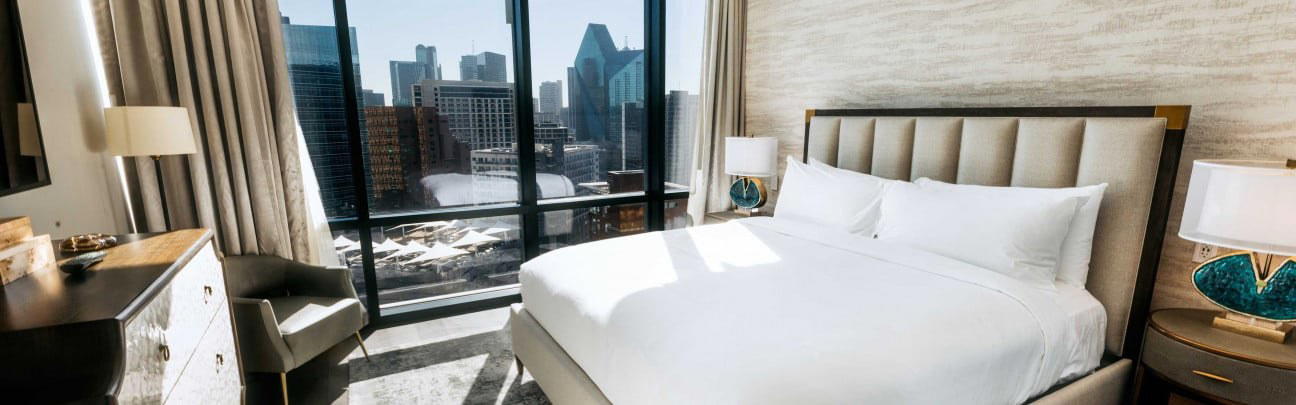
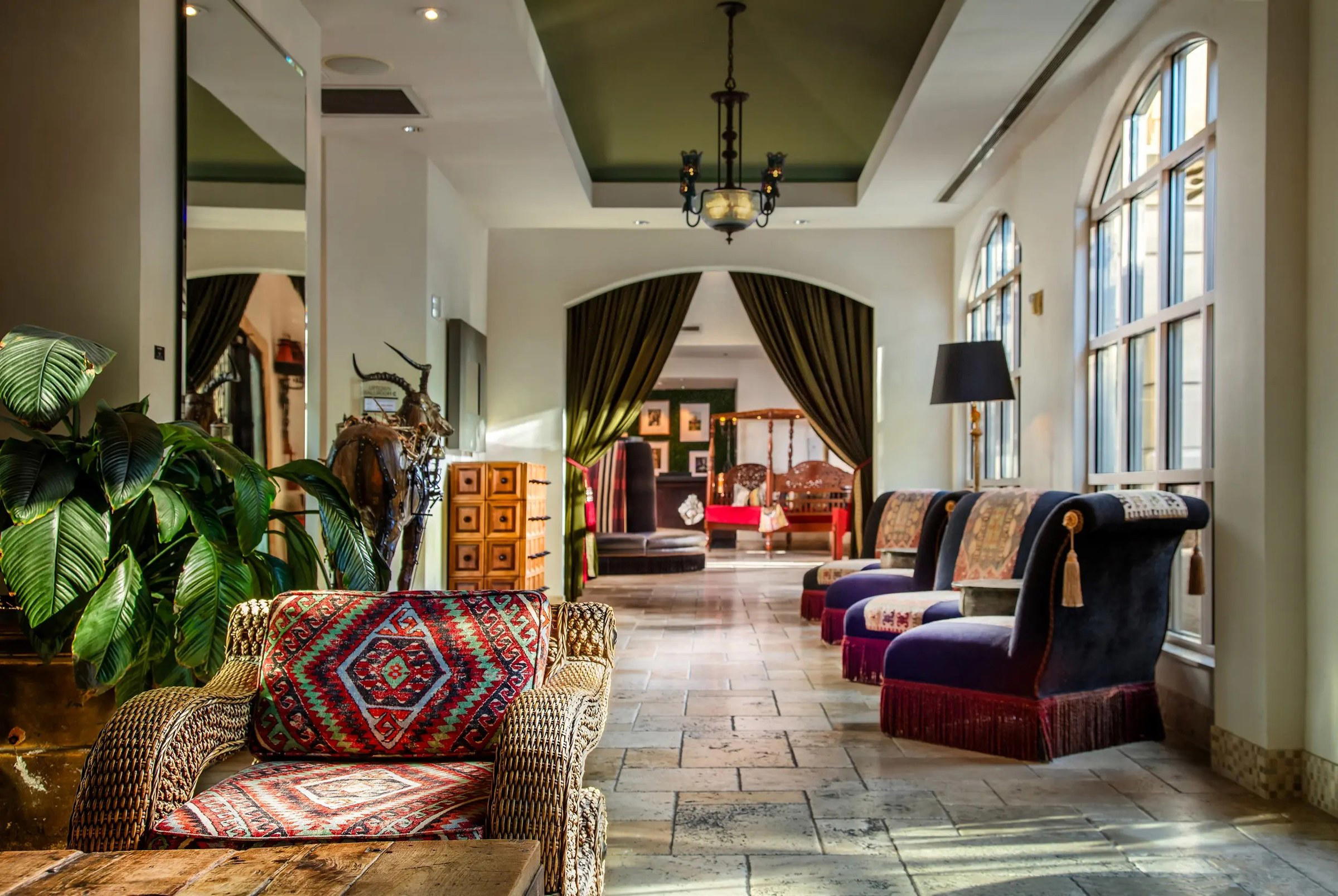
Warm and sultry atmosphere with soft candlelight, intoxicating Latin rhythms, and a modern sanctuary feel.
Know Before You Go
- Getting there
- 2355 Olive St #155, Dallas, TX 75201