
Guía Repsol 1 Sol
Our verdict
Mesón El Granaíno belongs to the Elx end of Alicante dining: produce-led, regional, and more interested in sourcing than spectacle. Its 1 Sol recognition in the Guía Repsol Soles 2026 places it in a serious Spanish restaurant tier while keeping the focus on the city’s market, coast, and inland pantry.

Pearl is the En Primeur Club membership app — saves, bookings, and concierge access live there. Same editors, same standards.
- Address
- José Mª, Carrer Josep Maria Buck, 40, 03201 Elx, Alicante, Spain
- Hours
- Mon ClosedTue–Sat 12:30–4 PM, 8 PM–12 AMSun Closed
- Directions
- Get directions
The menu
What to order
- Marisco
- Pescado del día
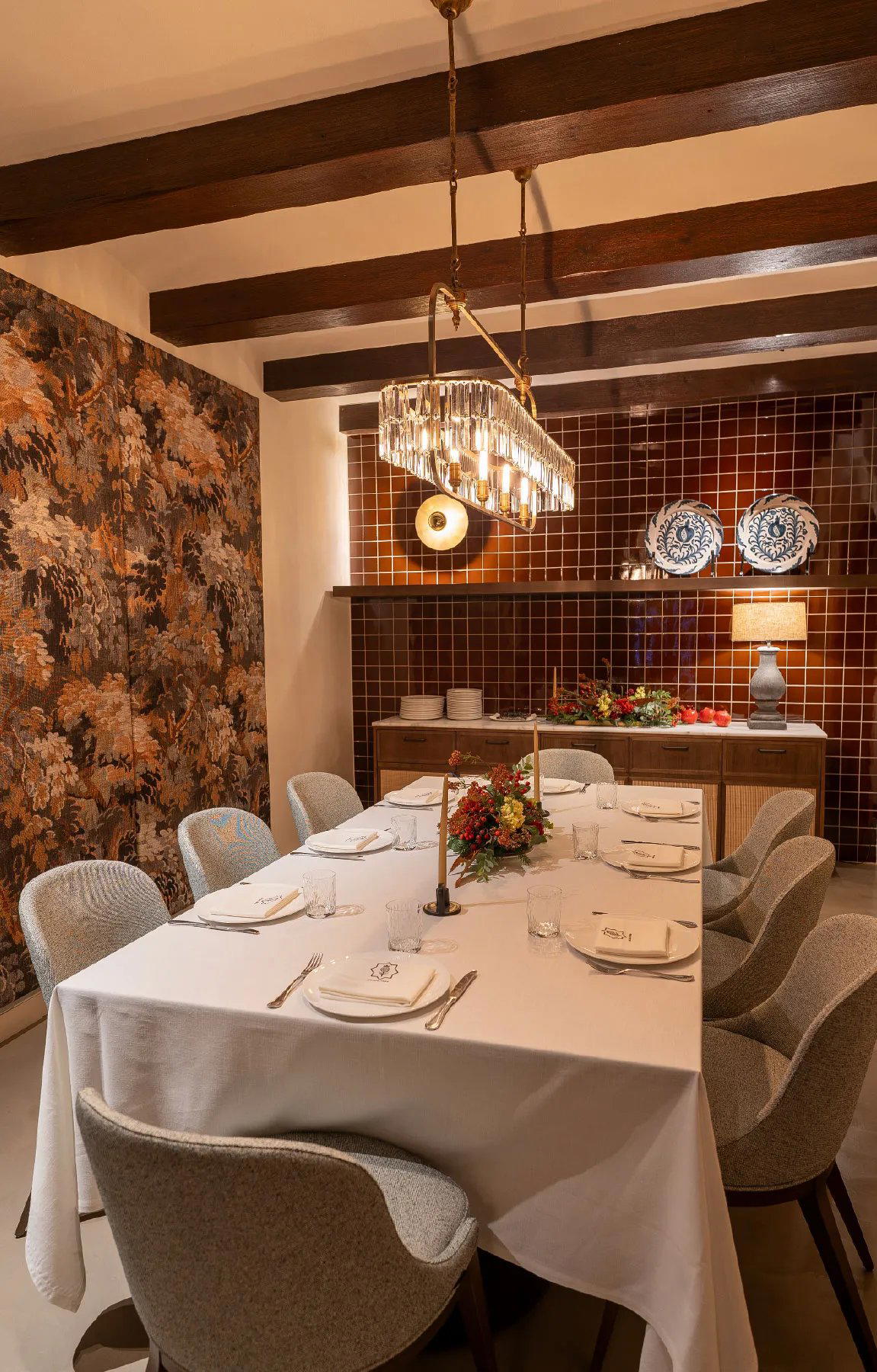
Elx does not announce itself through grand dining theatre. The city’s food culture is closer to the local landscapes and everyday commerce that shape it: practical, seasonal, and built around ingredients that do not need decorative handling. Mesón El Granaíno fits that register. The room reads as a mesón rather than a stage set, and that matters in a city where the stronger meals tend to feel rooted in local supply rather than designed for international signaling.
The relevant context is not a single chef narrative or a tasting-menu arms race. It is the way local cooking negotiates proximity: produce, regional habits, and a Spanish instinct for letting product define the table. In that setting, a 1 Sol distinction from Guía Repsol Soles 2026 is a useful marker. Repsol tends to reward restaurants that understand place as much as polish, which makes the recognition more meaningful here than a generic badge of prestige.
Elx cooking is strongest when the supply chain stays visible
Ingredient sourcing is the central lens for reading the restaurant. Elx sits within a province where different dining expectations meet: local produce, regional staples, and the broader habits of Spanish restaurant culture all shape how a table is read. That mix creates a different mood from more beach-facing dining or the high-design restaurants clustered around larger Spanish destinations. The table is usually judged by whether the kitchen respects produce, timing, and regional proportion.
That is why the mesón format still matters. In Spain, the word can signal rustic cliché when handled lazily, but in stronger hands it gives a kitchen permission to be direct: fewer conceptual detours, more attention to raw material, pacing, and the sequence of shared dishes. Mesón El Granaíno’s Repsol recognition places it above a casual local fallback without pushing it into the more formal modern-cuisine lane occupied by restaurants such as Monastrell in Alicante province. The comparison is useful because it clarifies the decision: this is not the address to choose for architectural plating or avant-garde pacing; it belongs to the regional-product side of the spectrum.
Alicante province has several competing dining dialects. Piripi in Alicante and La Taberna del Gourmet sit in a more urban provincial conversation, while Frisone points toward another traditional register outside the immediate Elx frame. Elx adds its own emphasis: less coastal gloss, more market-town clarity. For travelers building a wider Spain itinerary, that makes the restaurant a useful counterpoint to other dining rooms in larger cities and different regions, where city scale and dining expectations change the meal before the first plate arrives.
The Repsol signal points to regional confidence, not luxury theatre
Spain’s restaurant awards can distort expectations when diners read every distinction as a promise of luxury. A Sol from Guía Repsol works differently. It often rewards a restaurant’s relationship with local appetite, regional identity, and consistency. In Elx, that distinction carries particular weight because the city is not saturated with international culinary attention. Recognition here suggests a kitchen operating with enough precision to register nationally while staying intelligible to local diners.
That balance is the restaurant’s editorial appeal. The stronger Spanish regional tables are rarely about novelty for its own sake; they are about knowing when a dish needs restraint, when a central ingredient should be the anchor, and when produce should be allowed to set the tone. Without verified dish-level detail, the safer reading is categorical rather than itemized: expect a restaurant shaped by place and the Alicante context, not a chef’s autobiographical manifesto.
The broader Elx meal plan should follow the same logic. Use our full Elx restaurants guide for the city’s dining spread, then pair the table with the wider travel frame through our full Elx hotels guide, our full Elx bars guide, our full Elx wineries guide, and our full Elx experiences guide. Elx rewards that kind of planning because its appeal is cumulative: local history, everyday commerce, and a food culture that feels more convincing when treated as part of the city rather than a detached reservation.
How it fits into a serious Spain dining route
For a Spain-focused traveler, the restaurant is less about ticking off a famous name than understanding how regional recognition works outside the country’s largest and most internationally discussed dining centers. The same trip can hold radically different restaurant languages: capital-city dining, Andalusian small-plate culture, Basque interior cooking, island dining, and wine-country tradition all ask to be read on their own terms rather than through one national template.
Seen against that map, Mesón El Granaíno gives Elx a credible regional anchor. It is the kind of restaurant to choose when the point is provenance, local rhythm, and a kitchen validated by a national Spanish guide rather than the performance codes of haute cuisine. Travelers extending the route can compare it with other Spanish restaurants in different regions, each of which sits in a separate local conversation. Even broader international contrasts underline the point: format only makes sense when read through place.
Frequently asked questions
Is Mesón El Granaíno suitable for children?
Mesón El Granaíno is a restaurant in Elx, and its mesón format suggests a more traditional dining rhythm. For families, the safest approach is to confirm current service details directly with the restaurant before planning around children.
What should I expect atmosphere-wise at Mesón El Granaíno?
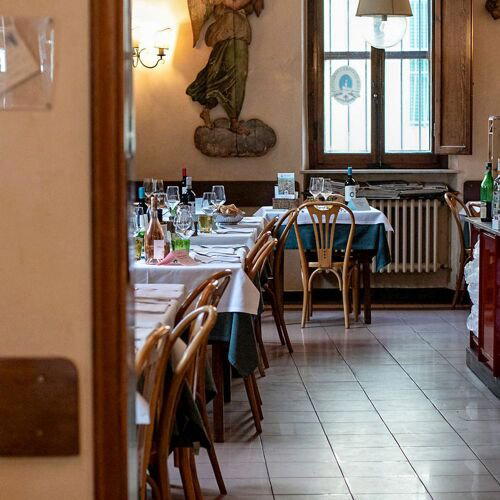
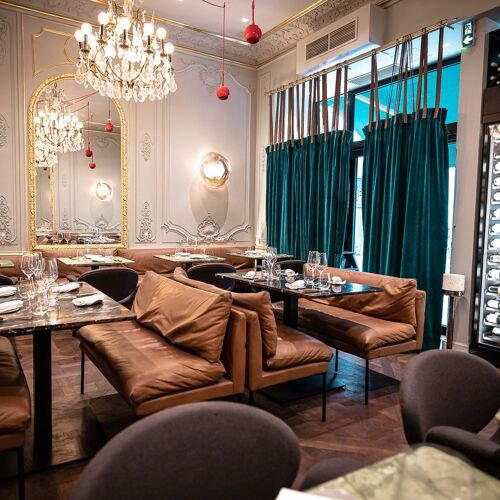
Expect a traditional restaurant rhythm rather than a staged dining room. Its identity in Elx points to a place that works as a steady local dining room rather than a special-occasion set piece.
When is Mesón El Granaíno open?
Check directly with Mesón El Granaíno for current opening hours before visiting, as service times can change.
Where exactly is Mesón El Granaíno?
Elx.
What has Mesón El Granaíno built its reputation on?
Its clearest credential is the Guía Repsol 1 Sol for 2026, which gives it national guide recognition in Spain. In practical terms, that signals a restaurant with regional standing in Elx, not a place trading on decoration or hype.
Fast Comparison
Comparable venues by cuisine and price in the same metro.
| Venue | Cuisine | Awards |
|---|---|---|
| Mesón El GranaínoThis venue — the venue you are viewing | Traditional Spanish Tapas | Guía Repsol 1 Sol |
| Frisone | Traditional Cuisine | Not listed |
| Piripi | Rice Dishes | Not listed |
| Monastrell | Modern Cuisine | Not listed |
| La Taberna del Gourmet | Gastrobar-Seafood, Regional Cuisine | Not listed |
Recognition history
Dated appearances from independent guides and award organizations, with the underlying list record or original source where available.
Guía Repsol 1 Sol
Guía Repsol


Mesón El Granaíno
The wine
- Wine program
- Curated wine list
- Extensive wine list
Details
- Classic
- Cozy
- Rustic
- Family
- Group Dining
- Casual Hangout
- Standalone
- Extensive Wine List
- Local Sourcing
- Street Scene
- A La Carte
- Set Menu
- Wine
- Vegetarian Friendly
- Vegan Options
- Gluten Free Options
Current opening hours
- Monday
- Closed
- Tuesday
- 12:30–4 PM, 8 PM–12 AM
- Wednesday
- 12:30–4 PM, 8 PM–12 AM
- Thursday
- 12:30–4 PM, 8 PM–12 AM
- Friday
- 12:30–4 PM, 8 PM–12 AM
- Saturday
- 12:30–4 PM, 8 PM–12 AM
- Sunday
- Closed
Hours can change for holidays and private events. Last verified .
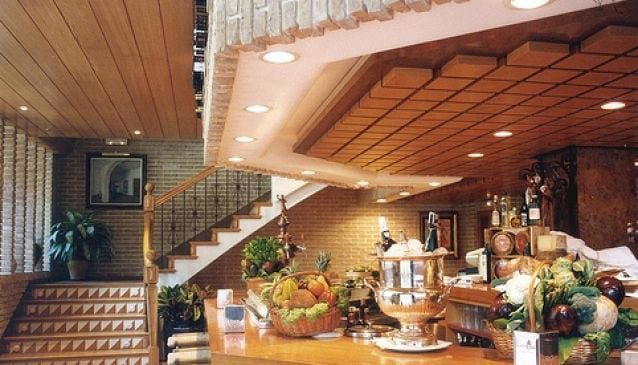
Traditional and renewed, with a lively but comfortable dining-room-and-bar atmosphere that feels classic and welcoming.