
Falstaff Winery - 1 Stars
La Bodega de Pinoso is a cooperative winery in Pinoso tied to the warm Alicante D.O., with a cellar-and-shop format focused on organic Monastrell alongside Airén and Sauvignon Blanc. The draw is not luxury theatre but a grounded look at how an inland Mediterranean growing area translates heat, scale, and cooperative farming into accessible still wines.

Pearl is the En Primeur Club membership app — saves, bookings, and concierge access live there. Same editors, same standards.
- Address
- Pinoso, Valenciana, Comunitat *, Spanien
- Directions
- Get directions

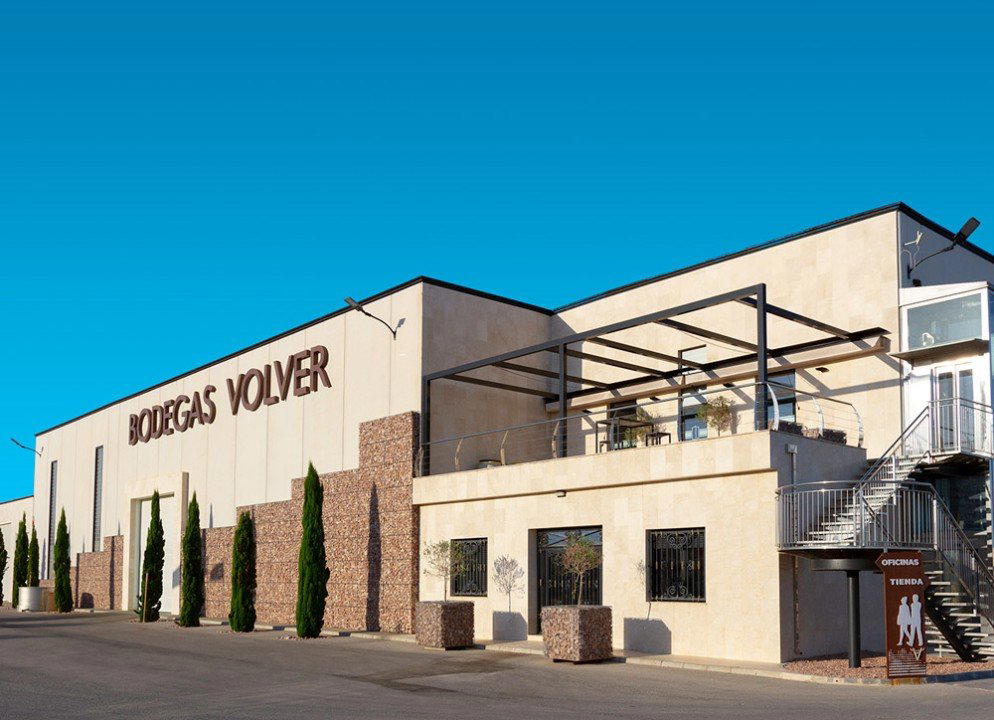
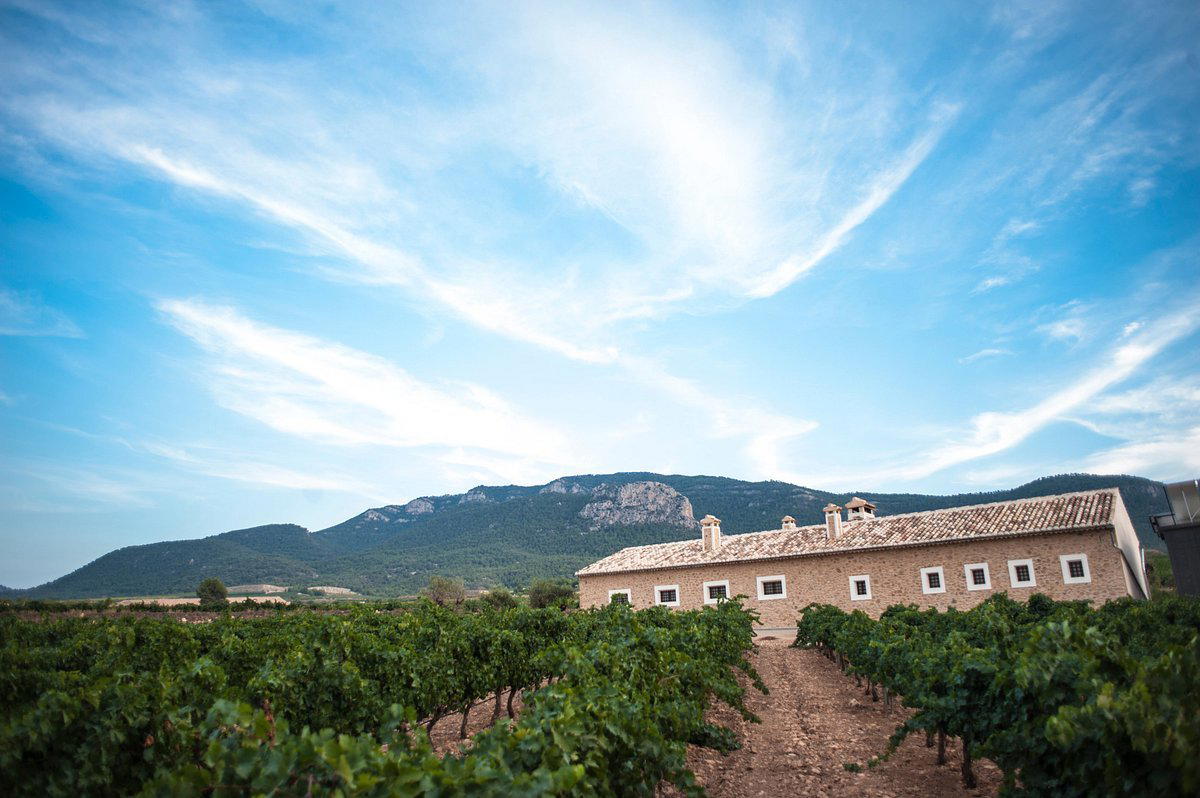
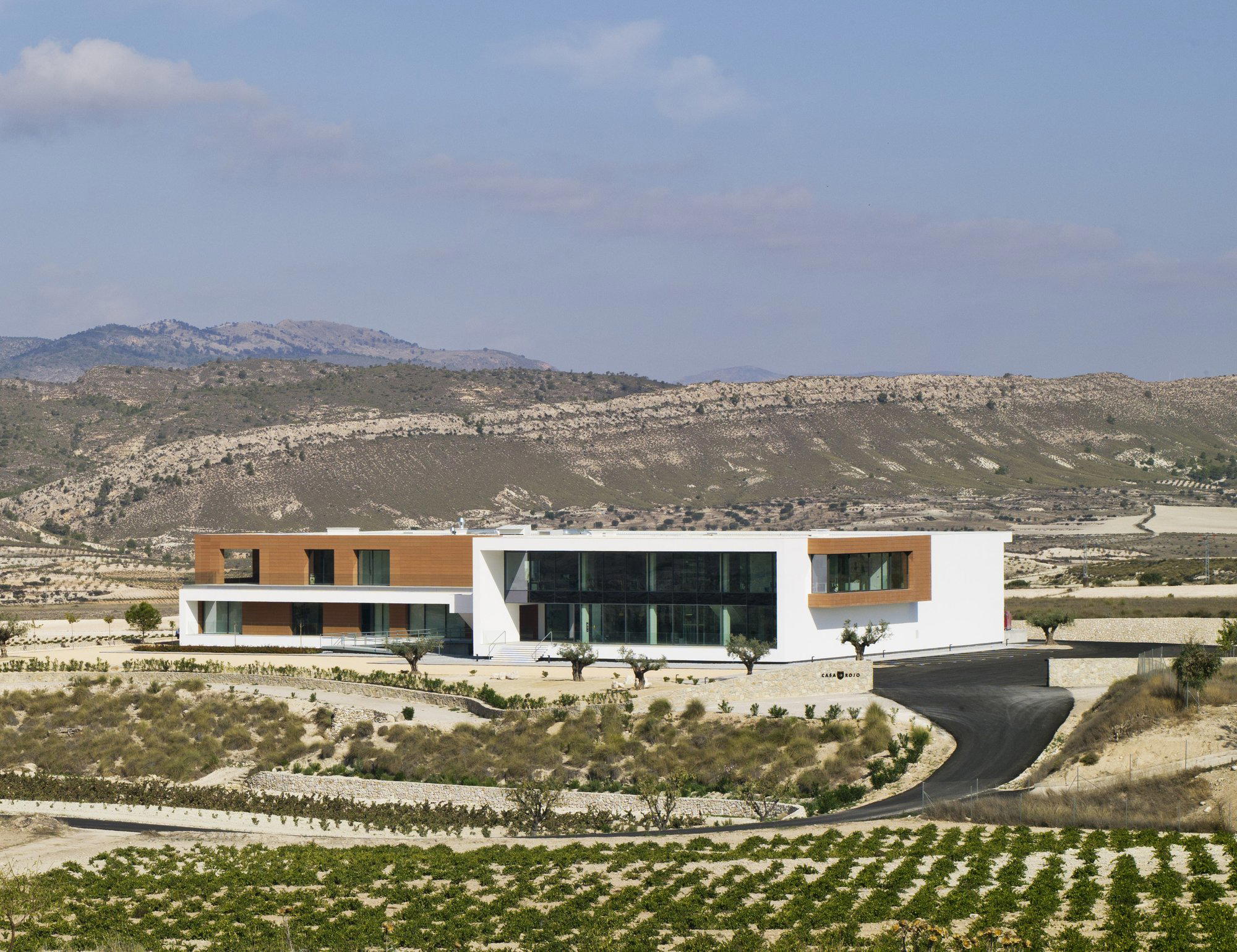
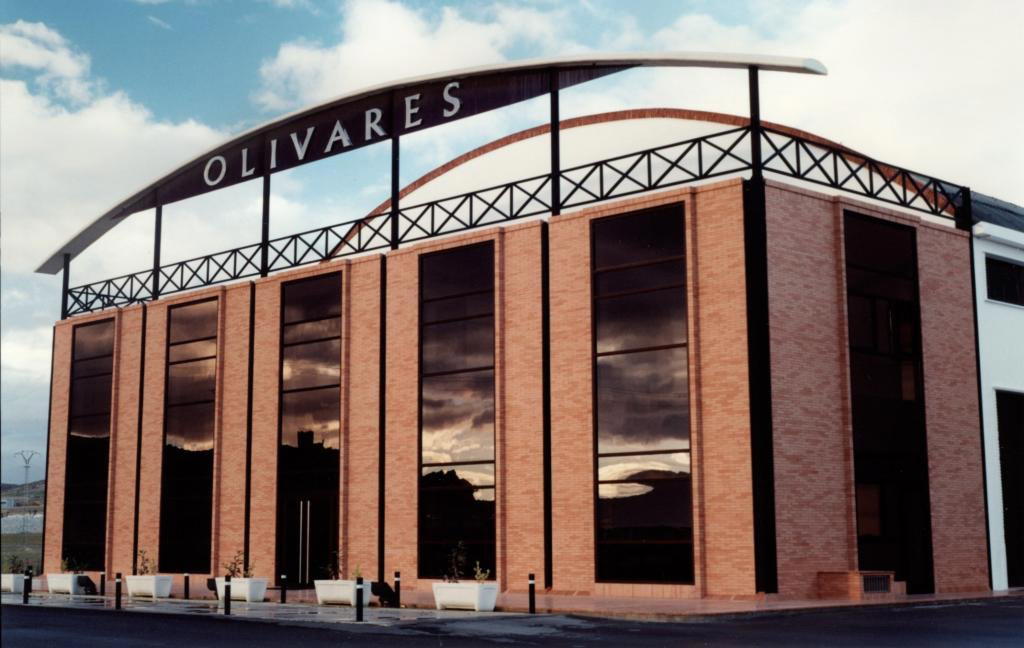
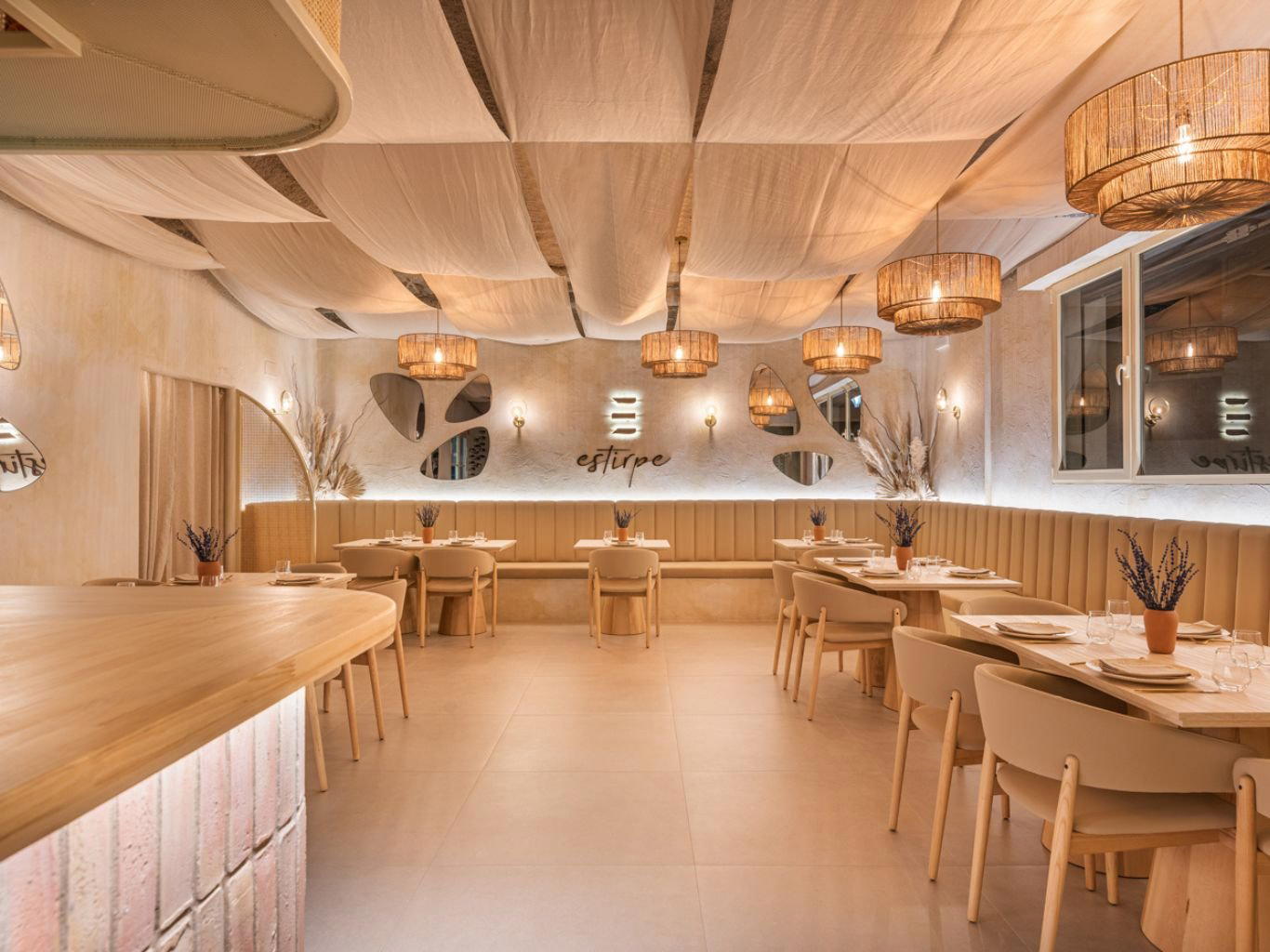
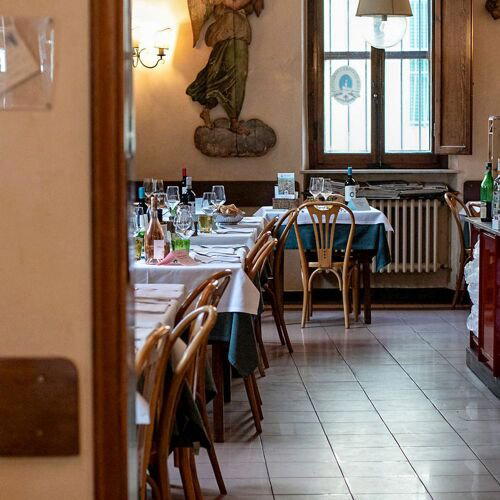
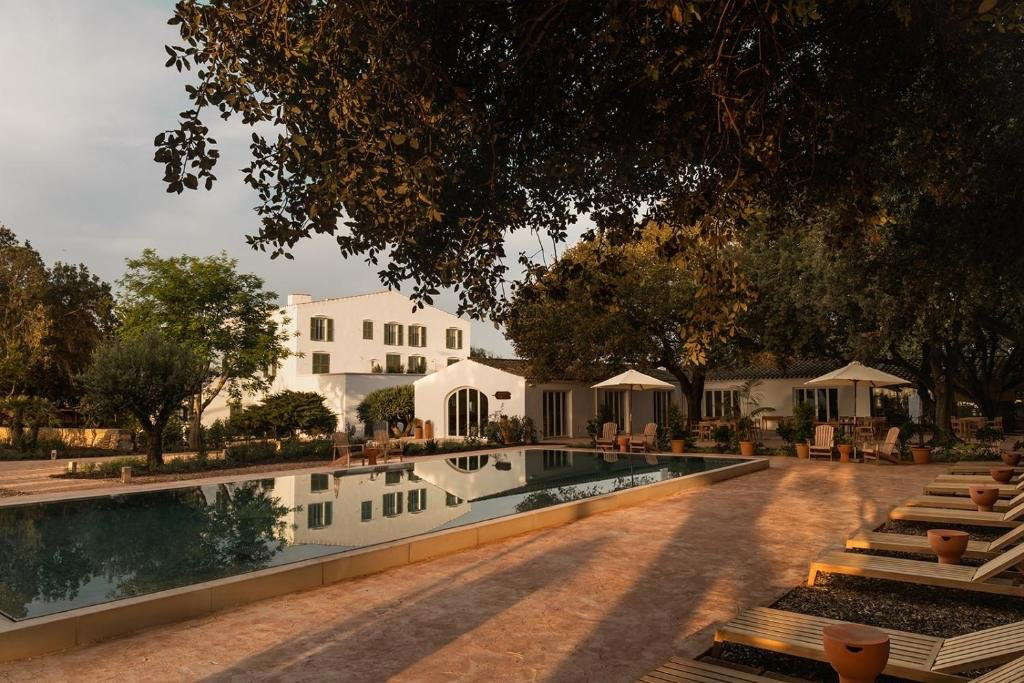
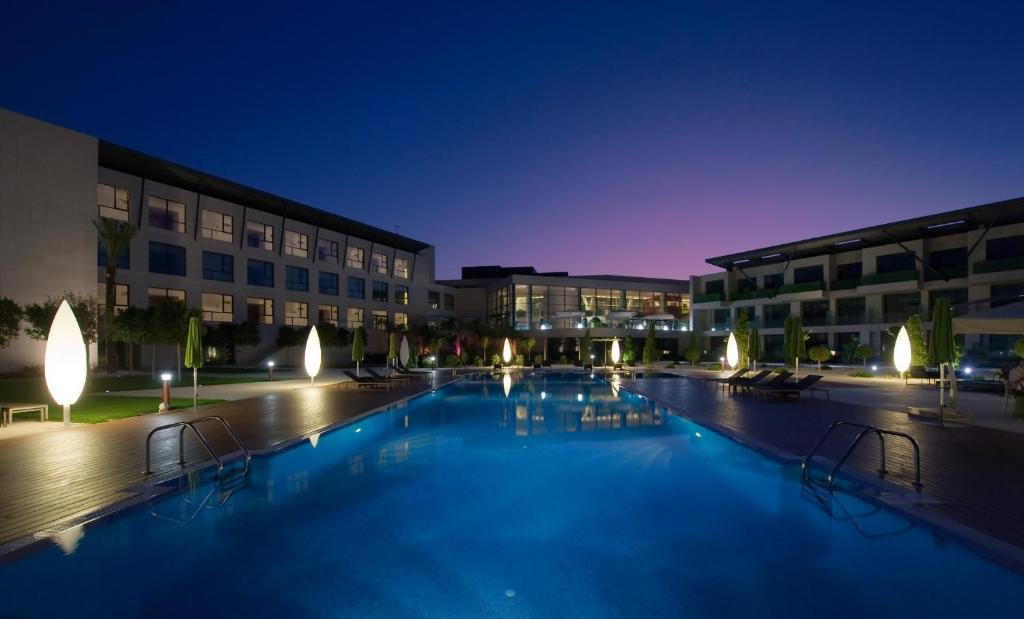
La Bodega de Pinoso is best understood as a practical winery visit rather than a luxury hospitality setting. Its atmosphere is rooted in a traditional cooperative winery environment, with a functional cellar and shop context focused on showcasing organic Monastrell-based wines from the warm Alicante D.O. The appeal is not in theatrical polish, but in the sense of a working local wine address where the cellar, the bottles, the tasting element, and the surrounding local products all point back to place.
The picture is intentionally direct: Pinoso, organic Monastrell-based wines, tours, tastings, and local products. That makes the venue useful for visitors who want a grounded introduction to the local wine identity without expecting a resort-style estate or restaurant-led experience. It is the kind of stop where expectations should be shaped around clarity and regional context rather than elaborate service rituals or a destination-dining frame.
Warm Alicante D.O. context, cooperative scale, and an organic Monastrell signal
The defining register here is Alicante rather than luxury wine tourism. Monastrell is the anchor in the description, and the warm Alicante D.O. context matters because it gives the visit a clear regional frame. La Bodega de Pinoso presents itself through cellar, shop, tasting, and local-product touchpoints rather than through elaborate dining or high-design hospitality. That combination makes the winery easier to understand as a place for orientation: visitors are being pointed toward the local grape identity, the cooperative setting, and the practical culture of the area.
Organic emphasis is the useful signal. On the information available, La Bodega de Pinoso should be read as a traditional cooperative winery atmosphere focused on organic Monastrell-based wines, with the visit built around understanding that local wine context in Pinoso. The organic point gives the venue a clear identity without needing to overstate what happens on site. It helps define the bottle range at a broad level, while the cooperative atmosphere keeps the experience grounded in the everyday realities of local production and sales.
Specific bottle names, vintages, grape blends beyond the Monastrell-based focus, and tasting-note claims are not part of available information here. The safer way to frame the winery is as a Pinoso stop for organic Monastrell-based Alicante D.O. wines, tours, tastings, and local products. That restraint matters: rather than filling the page with flavour descriptors or bottle-by-bottle recommendations, the stronger editorial line is to describe the confirmed shape of the visit and let the winery itself provide current detail.
The visit is cellar-led rather than resort-led
The experience is cellar-led: a functional cellar and shop environment oriented toward tours, tastings, and local products. The tone is traditional and practical, not luxury-driven. That distinction is important for setting expectations before a visit. A cellar-led stop asks the visitor to engage with the winery on its own terms: as a place where production context, bottle selection, tasting, and local goods sit closer to the centre than décor, leisure facilities, or a restaurant-style arc.
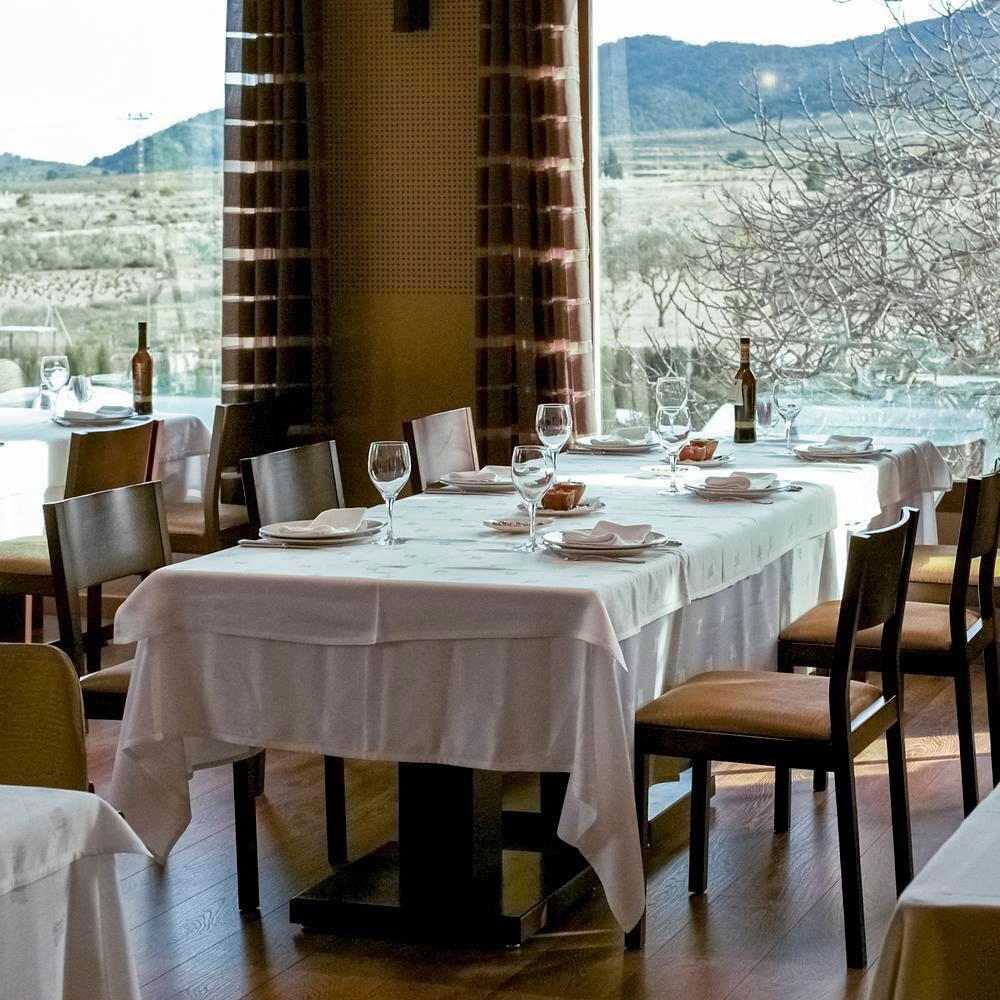
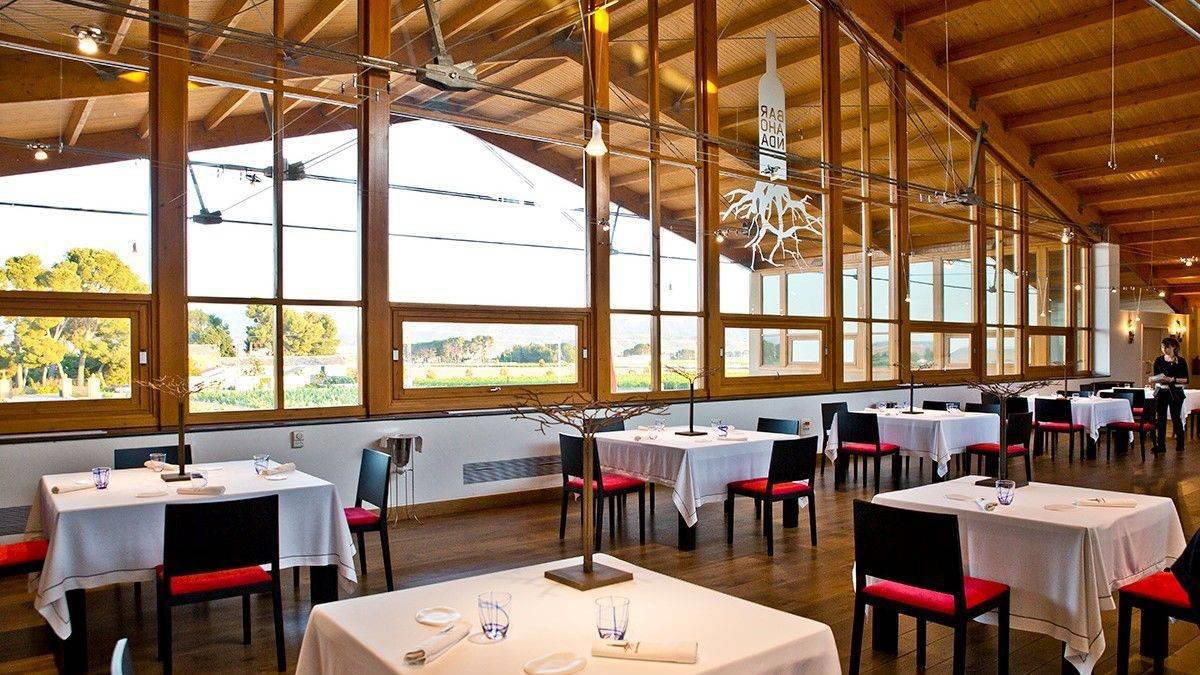
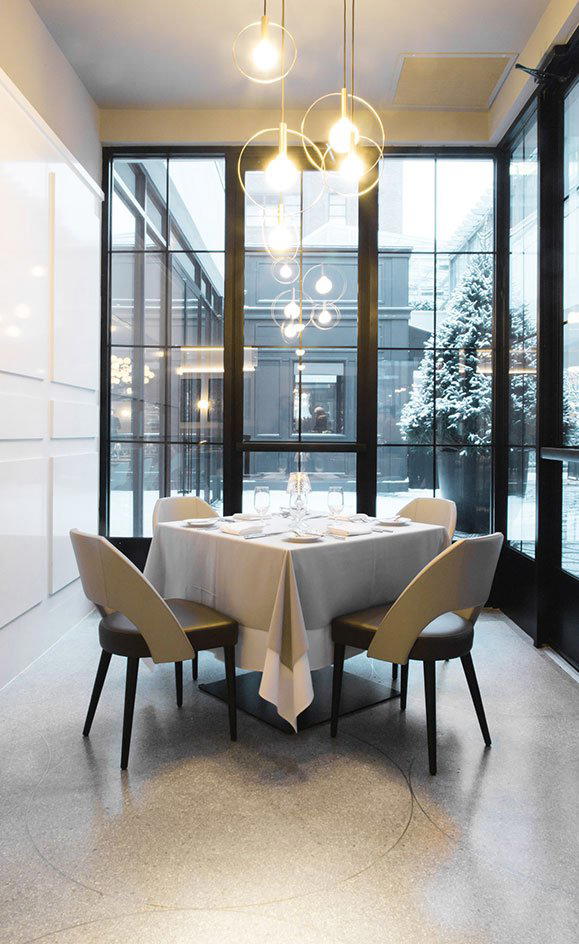
The available facts support a winery context, not a dining-room description, menu format, chef profile, or detailed food-pairing program. Visitors should think in terms of tasting and local products rather than a full restaurant experience. In practical terms, that means the value of the visit is likely to be strongest for people who want to understand the local wine setting, browse the shop context, and connect the tasting element with Pinoso’s broader identity, rather than for those seeking a long, formal meal.
Price is $7 per person. That direct confirmation is especially sensible for anyone building a timed itinerary, travelling with a group, or relying on a tasting as the central wine component of the day.
How to place it within a Pinoso wine day
For a Pinoso itinerary, La Bodega de Pinoso works as a grounded winery stop: traditional cooperative atmosphere, functional cellar and shop setting, organic Monastrell-based wines, and a focus on tours, tastings, and local products. It is practical in spirit, with the emphasis on the Alicante D.O. wine context rather than polished luxury. Placed within a day, it is best approached as an anchoring reference point for understanding the local wine language: warm-climate Alicante, Monastrell-based wines, and a cooperative winery setting that keeps the visit direct.
Readers mapping the wider area can treat La Bodega de Pinoso as a Pinoso reference point and consider other dining or travel plans in Pinoso generically around it. The key hook remains simple: organic Monastrell-based wines from the warm Alicante D.O. in a practical cooperative winery setting. That simplicity is part of the venue’s usefulness. It gives visitors a clear reason to include it without requiring them to treat it as a luxury estate, a restaurant booking, or a comprehensive hospitality destination.
For broader context, compare La Bodega de Pinoso with other winery visits by looking at how each place handles scale, cellar setting, tastings, and the relationship between local products and regional wine identity. In that comparison, La Bodega de Pinoso’s position is clear: a traditional, functional Pinoso stop where the confirmed strengths are cooperative atmosphere, organic Monastrell-based Alicante D.O. wines, tasting access, and a shop-and-local-products frame.
Recognition history
Dated appearances from independent guides and award organizations, with the underlying list record or original source where available.
Falstaff Winery - 1 Stars
Falstaff

Details
- Rustic
- Classic
- Cozy
- Lively
- Group Outing
- Celebration
- Solo Exploration
- Wine Education
- Special Occasion
- Corporate Event
- Vineyard Tour
- Estate Grounds
- Private Tasting
- Organic
- Sustainable
- Vineyard
- Monastrell
- Airén
- Sauvignon Blanc
- Still Red
- Still White
- Guided Tour With Tasting
- Group Tasting
- Special Wine & Cheese Tasting
- Spanish
- English
Traditional cooperative winery atmosphere focused on showcasing organic Monastrell-based wines from the warm Alicante D.O., with a functional cellar and shop environment oriented toward tours, tastings, and local products rather than luxury design.