Mesh
On Brownsboro Road in Louisville's Crescent Hill corridor, Mesh operates in the tier of independent neighborhood restaurants that build their following through consistency and regional connection rather than awards visibility. The address places it among a cluster of locally-rooted venues that serve the city's informed dining public. Confirmed details on hours, pricing, and current menu focus are best verified directly with the restaurant.
Pearl is the En Primeur Club membership app — saves, bookings, and concierge access live there. Same editors, same standards.
- Address
- 3608 Brownsboro Rd, Louisville, KY 40207
- Phone
- +15026324421
- Website
- meshrestaurants.com
- Directions
- Get directions
 Saves & bookings on Pearl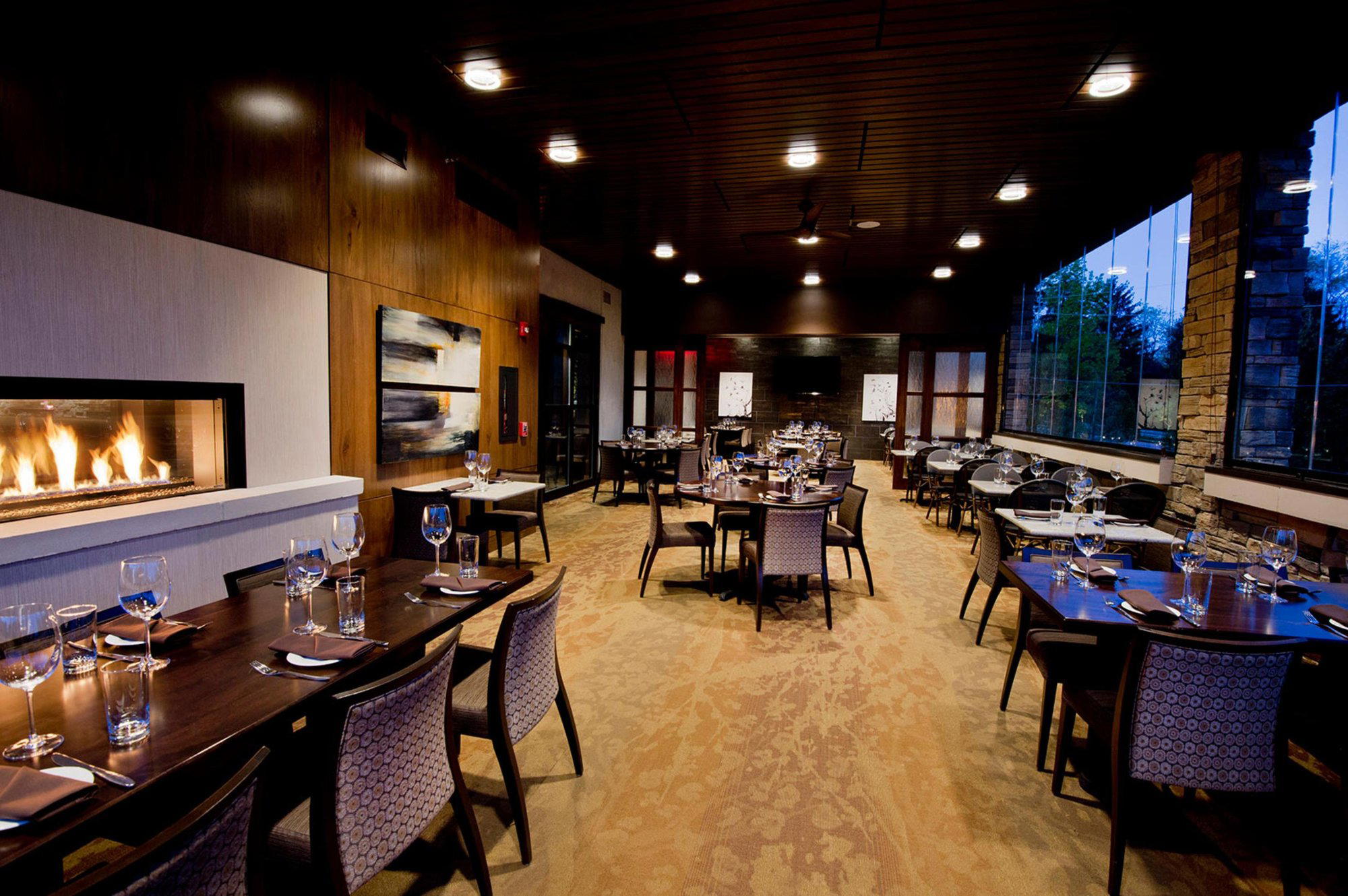
Brownsboro Road and the Question of Conscious Cooking
Along Brownsboro Road in the Crescent Hill corridor, Louisville's dining character shifts from downtown formality toward something more neighborhood-rooted. The strip has developed a reputation for independent restaurants that earn their regulars through consistency rather than spectacle, and Mesh occupies that register. The address, 3608 Brownsboro Rd, places it in a part of the city where locals eat rather than where tourists are directed.
Louisville sits at an interesting intersection in the American restaurant conversation. The city is large enough to sustain serious culinary ambition but compact enough that restaurants must earn repeat business from a finite pool of informed diners rather than surviving on tourist throughput. That context rewards restaurants that build genuine relationships with their sourcing, their neighborhood, and their regulars. Across American dining, this model has produced notable work, from Blue Hill at Stone Barns in Tarrytown to Single Thread Farm in Healdsburg, where the farm-to-table premise is treated as infrastructure rather than marketing copy.
Where Ethical Sourcing Becomes a Structural Commitment
The sustainability conversation in American dining has matured considerably. The earlier phase, roughly 2005 to 2015, was dominated by rhetorical positioning: menus featured the word "local" like a certification stamp, and sourcing stories were deployed for marketing lift rather than operational discipline. The more recent and more credible version treats ethical sourcing as a constraint that shapes the whole menu, not a talking point attached to one or two hero ingredients.
Restaurants that operate this way tend to share certain characteristics. Menus change frequently because they follow what suppliers actually have rather than imposing a fixed template. Waste reduction becomes a genuine kitchen discipline, with trim and secondary cuts finding uses rather than the bin. Relationships with farmers and producers become long-term and often exclusive, meaning the restaurant's supply chain is actually differentiated from competitors rather than drawing from the same regional distributors as everyone else.
In Louisville's dining tier, this approach places a restaurant in a distinct competitive set. Venues like 610 Magnolia (New American) operate at the formal end of Louisville's restaurant spectrum, where the sourcing story is embedded in a tasting-menu format with corresponding price architecture. 740 Front and 80/20 at Kaelin's represent other points on the spectrum. Mesh's position on Brownsboro Road suggests a neighborhood-scale operation where sustainability practices are woven into day-to-day execution rather than framed as a premium-tier differentiator.
The National Frame: Sustainability at Scale and at Neighborhood Level
The restaurants that have most rigorously pursued farm-to-table integrity at the national level offer a useful frame for understanding what this commitment actually requires. The French Laundry in Napa maintains on-site gardens that feed directly into its kitchen, treating seasonal constraint as a creative driver. Lazy Bear in San Francisco has built a program around community and sourcing transparency that extends well beyond menu language. Alinea in Chicago approaches waste reduction from a technical precision angle, using every component of an ingredient across multiple applications.
These are destination restaurants operating at a different scale and price point than a Brownsboro Road neighborhood spot. But the underlying discipline, the commitment to treating sourcing and waste as genuine operational constraints rather than brand assets, translates across tiers. It is in fact often more visible and more meaningful at the neighborhood restaurant level, where margins are tighter and the commitment has to be real to survive.
Nationally, the restaurants that have done this most credibly, including Providence in Los Angeles on the seafood sustainability side and Addison in San Diego on the locally-sourced luxury tier, demonstrate that environmental consciousness can coexist with serious cooking ambition. The question for any restaurant in this frame is whether the commitment is structural or decorative.
Louisville's Dining Ecosystem and Where Mesh Fits
Louisville's restaurant scene has developed genuine depth over the past fifteen years. The city's food culture has always been shaped by its position at the border of Southern and Midwestern food traditions, with access to excellent regional producers: Kentucky lamb, country ham, river fish, and a bourbon industry that creates natural ingredient adjacencies for anyone paying attention. That agricultural and culinary raw material is real, and the city's better restaurants have learned to use it seriously.
The Crescent Hill and Brownsboro Road corridor specifically hosts a cluster of independent restaurants that have built loyal followings without relying on the downtown dinner-and-event traffic that sustains a different category of Louisville dining. Al's Table and 8UP refined Drinkery & Kitchen represent other nodes in the city's independent dining fabric.
Internationally, the sustainability-led neighborhood restaurant model has found strong footing in cities where food culture is both sophisticated and grounded. Atomix in New York City demonstrates how sourcing integrity can operate within a highly technical culinary program. Emeril's in New Orleans and Le Bernardin in New York City both carry long track records of taking ingredient sourcing seriously as a quality discipline. Even further afield, 8 1/2 Otto e Mezzo Bombana in Hong Kong shows how ingredient provenance can anchor a dining identity across cultural contexts. The Inn at Little Washington in Washington has maintained a kitchen garden for decades, treating local sourcing as foundational rather than fashionable.
Planning a Visit
Mesh is located at 3608 Brownsboro Rd in Louisville's Crescent Hill neighborhood, accessible by car and reasonably connected to the rest of the city's East End.
The Quick Read
Comparable venues nearby, for context on price, style, and recognition.
| Venue | Cuisine | Price | Notes |
|---|---|---|---|
| MeshThis venue — the venue you are viewing | Not listed | $$$ | Not listed |
| The Fat Lamb | Not listed | $$$ | Cherokee Triangle, New American Farm-to-Table |
| Bourbons Bistro | Not listed | $$$ | Clifton, Bourbon-Inspired American Bistro |
| Uptown Cafe | Bonnycastle, American Fusion | $$ | Not listed |
| Ditto's Grill | Not listed | $$ | The Highlands, American Grill with Global Flavors |
| Goodwood Whiskey Row | Not listed | $$ | East Main, Southern Comfort with Whiskey Influence |
Continue exploring
More in Louisville
Restaurants in Louisville
Browse all →

Bars in Louisville
Browse all →
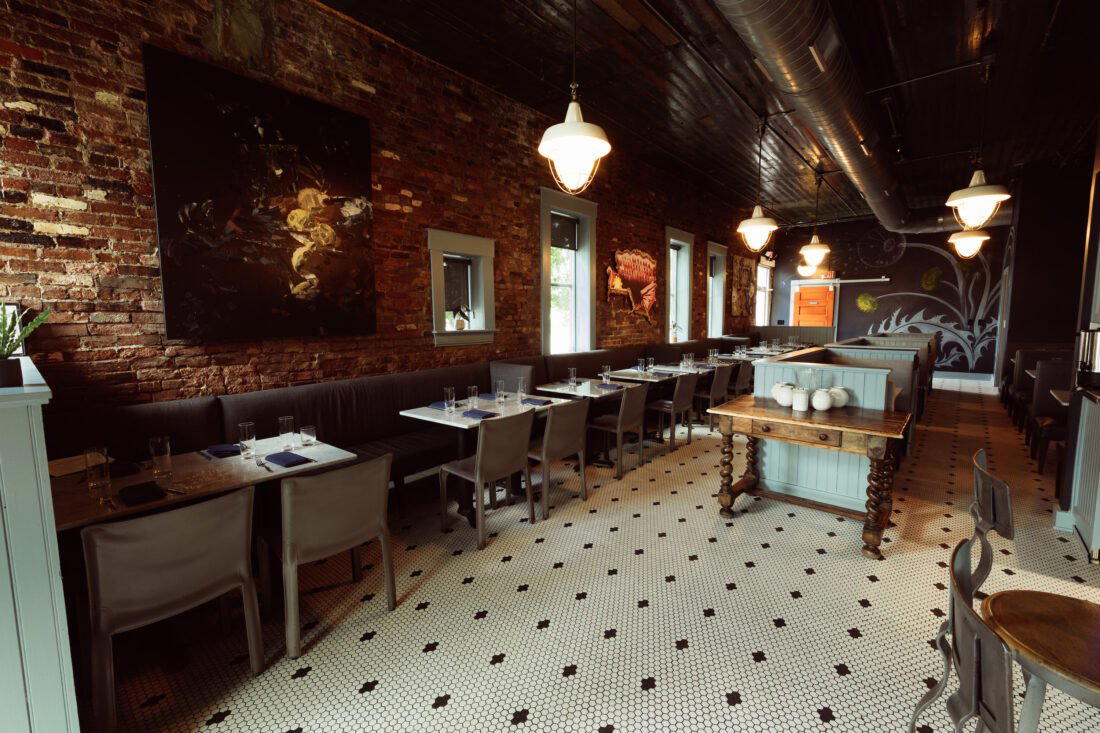
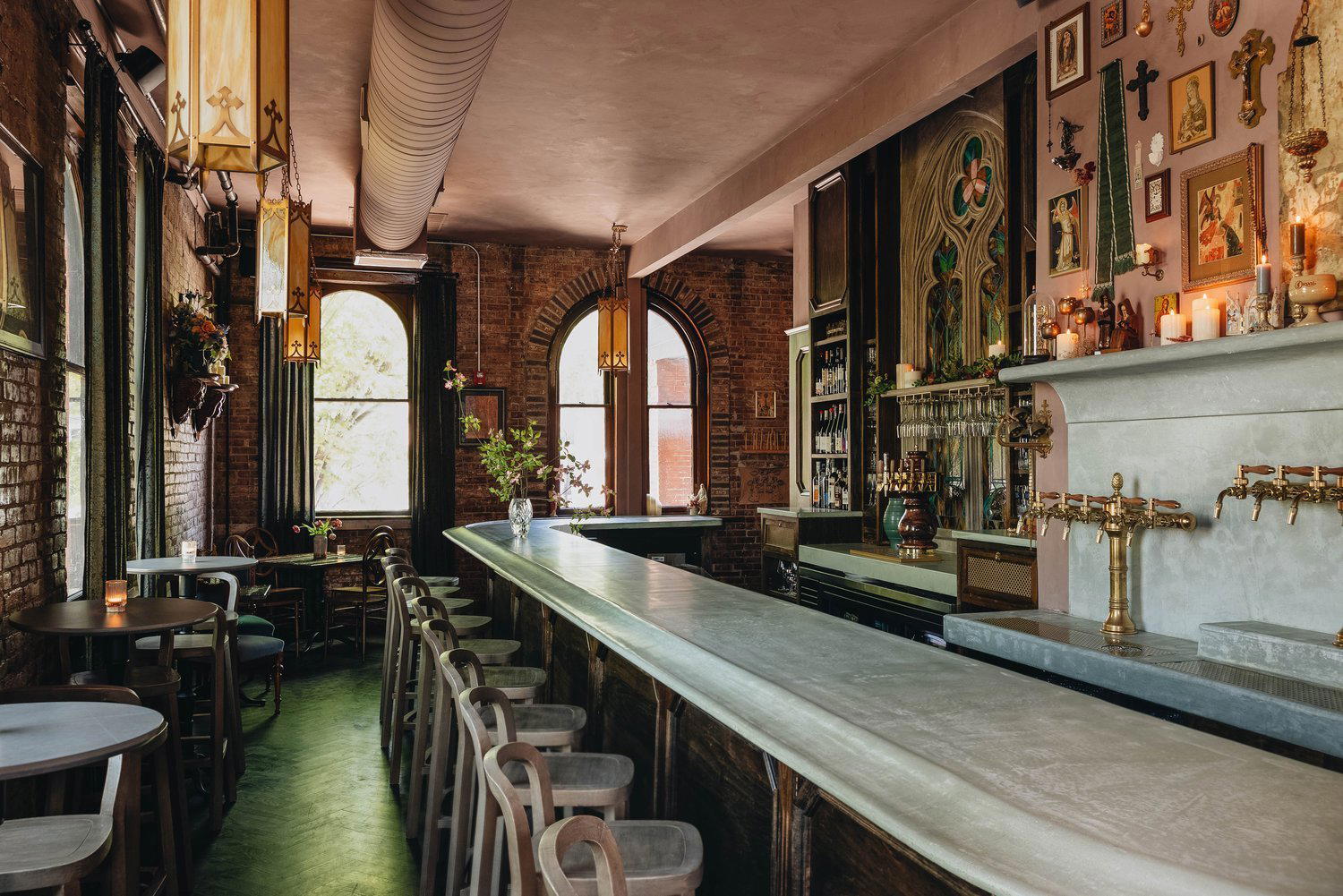
Hotels in Louisville
Browse all →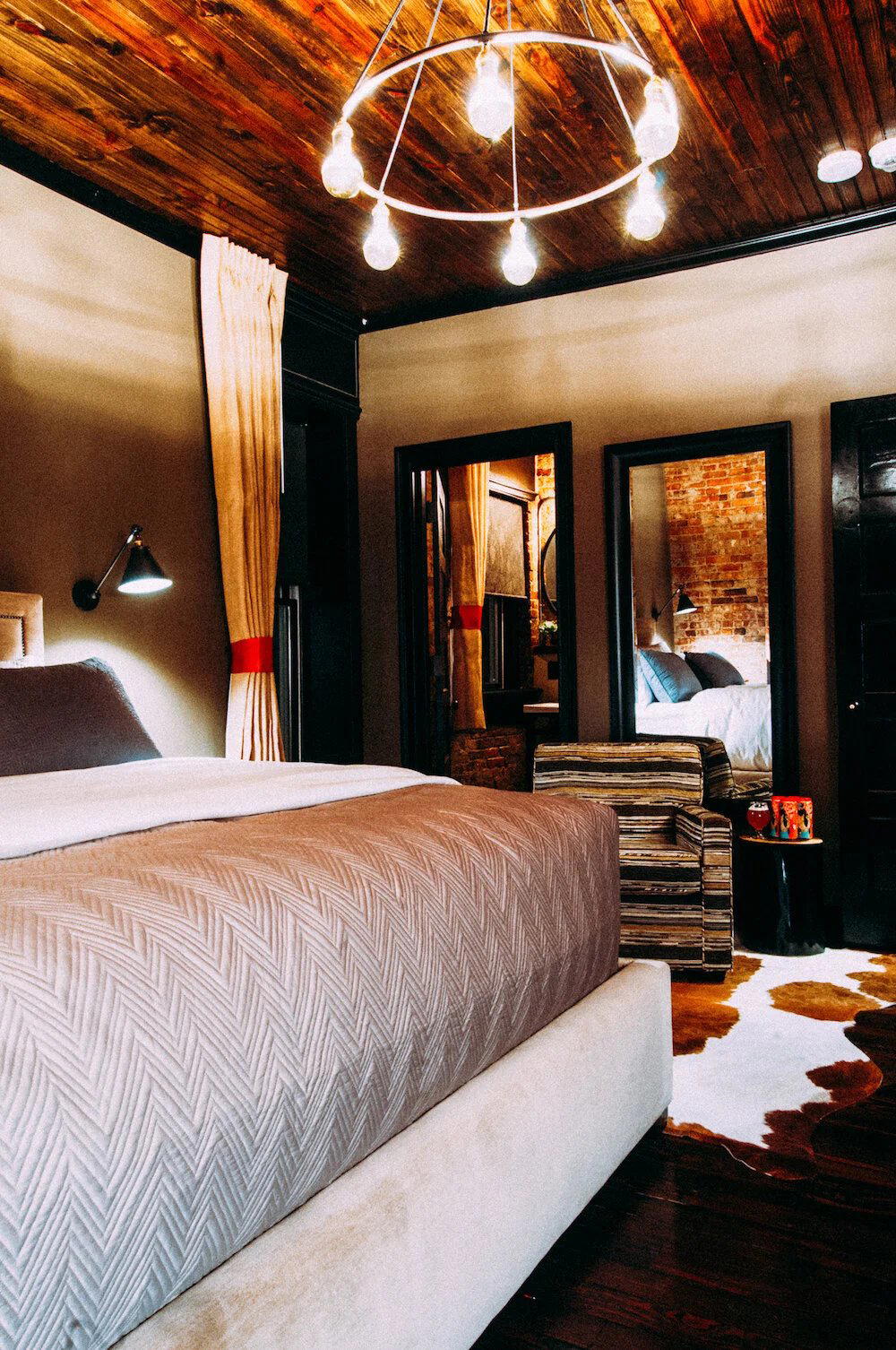
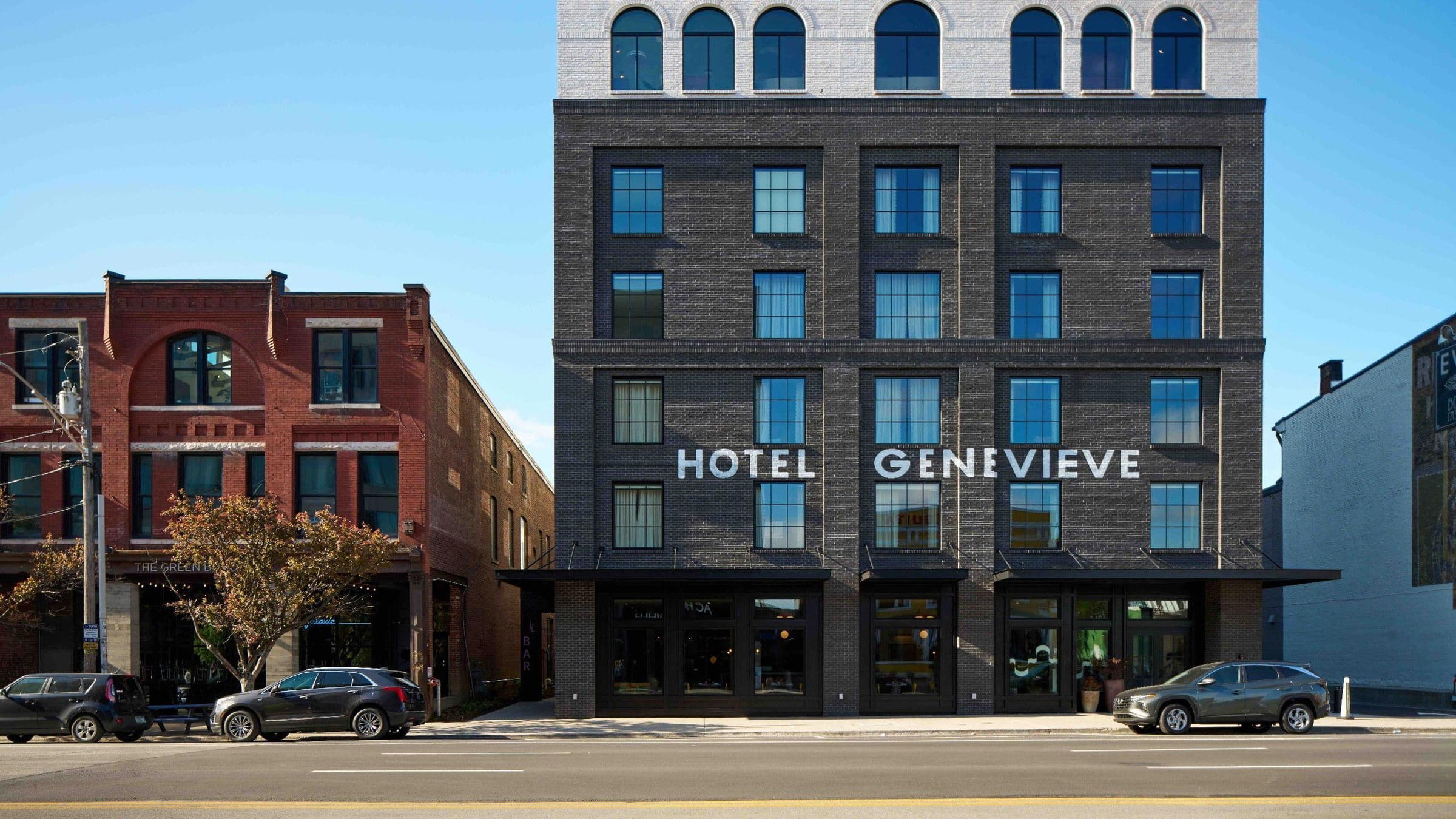
At a Glance
- Elegant
- Modern
- Sophisticated
- Date Night
- Business Dinner
- Group Dining
- Open Kitchen
- Craft Cocktails
- Local Sourcing
Current opening hours
- Monday
- 11 AM–9 PM
- Tuesday
- 11 AM–9 PM
- Wednesday
- 11 AM–9 PM
- Thursday
- 11 AM–9 PM
- Friday
- 11 AM–10 PM
- Saturday
- 11 AM–10 PM
- Sunday
- 11 AM–9 PM
Hours can change for holidays and private events. Last verified .
Contemporary elegance blending comfort with distinctive decor, artfully prepared dishes, and upscale casual atmosphere.