
We're Smart World 3 Radishes
Our verdict
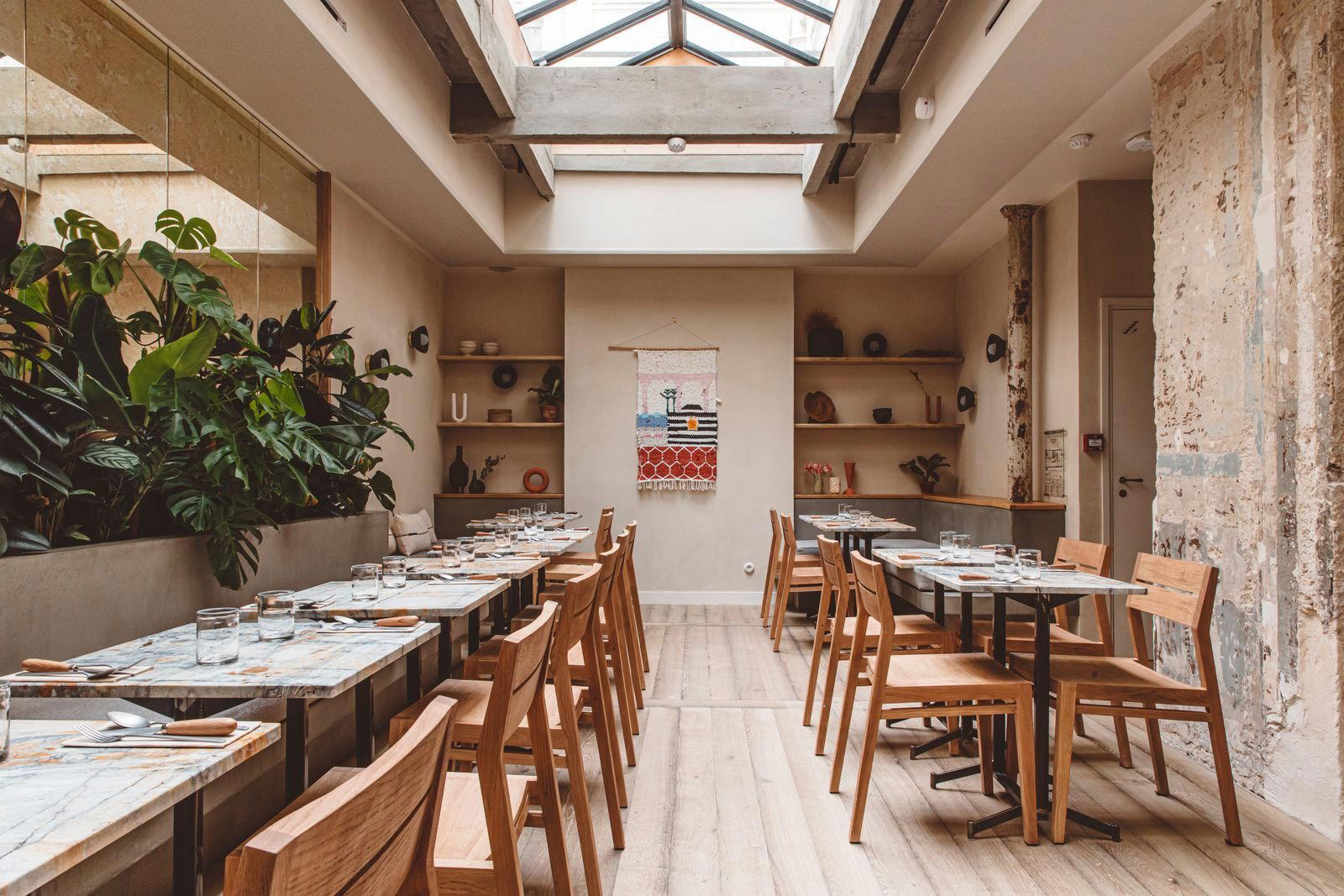
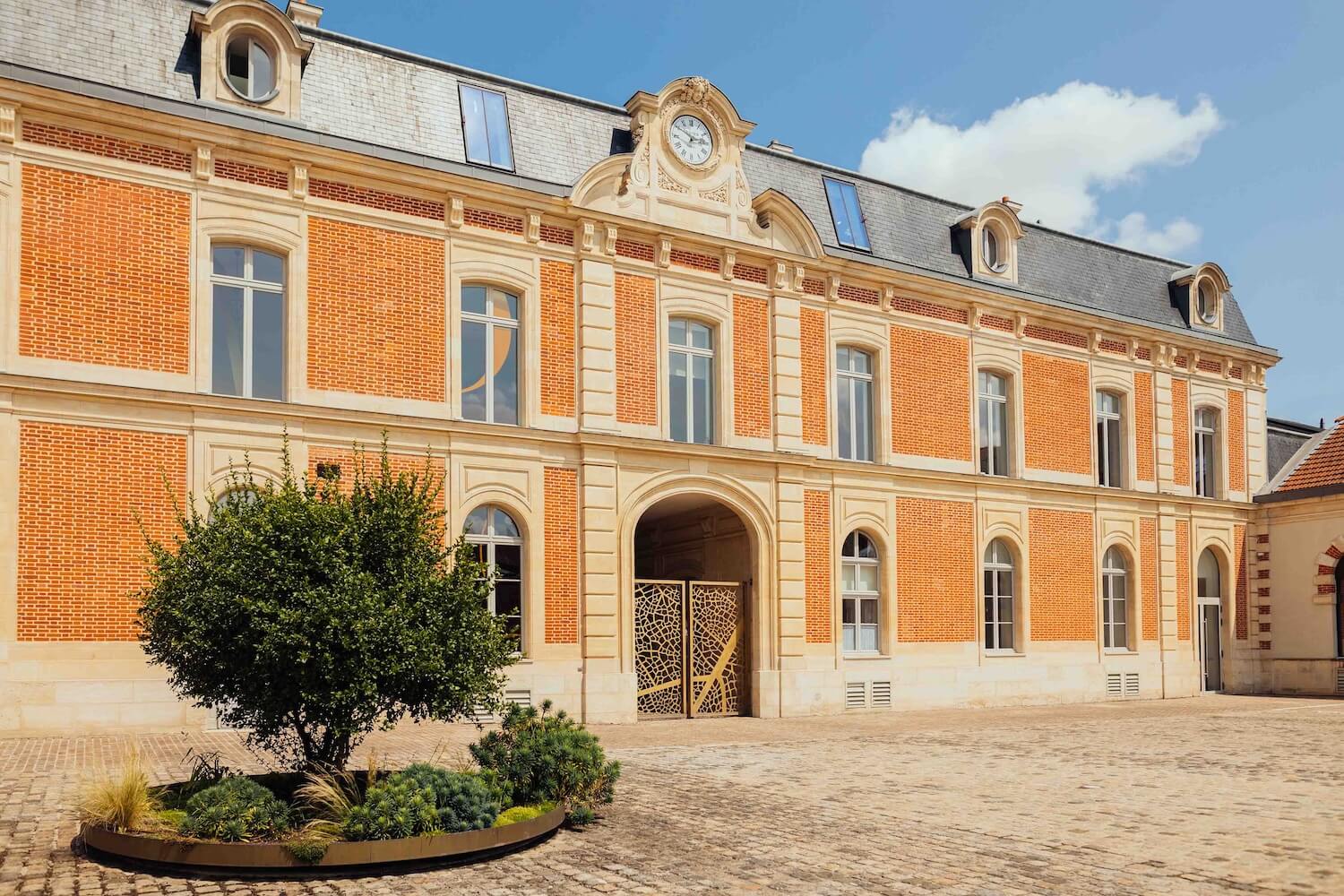
Mesa sits within Hoy, a plant-forward hotel concept on Rue des Martyrs in the 9th arrondissement, where the kitchen runs a strictly seasonal, ingredient-led menu with no animal products. The space connects dining to a broader hospitality philosophy that includes massage and yoga, positioning it firmly outside Paris's conventional restaurant circuit. It is the kind of address that draws those already committed to a particular way of eating rather than the curious omnivore.

Pearl is the En Primeur Club membership app, where members save venues, book tables and use the concierge.
The menu
What to order
- Purple Corn Pancakes
- Socca
- Mushroom Ceviche
- Carrot Lox
- Smoked Winter Squash with Mole
A Different Register on Rue des Martyrs
The 9th arrondissement has long operated as one of Paris's most texture-rich neighbourhoods for independent dining. Rue des Martyrs, specifically, carries a reputation built on small producers, market culture, and the kind of address that rewards repeat visits over destination spectacle. Mesa sits at number 68, inside the Hoy hotel, and it reads as a logical extension of that street's character: considered, ingredient-focused, and allergic to the kind of theatrical presentation that dominates the grand dining rooms of, say, Le Cinq at the Four Seasons George V or Alléno Paris au Pavillon Ledoyen.
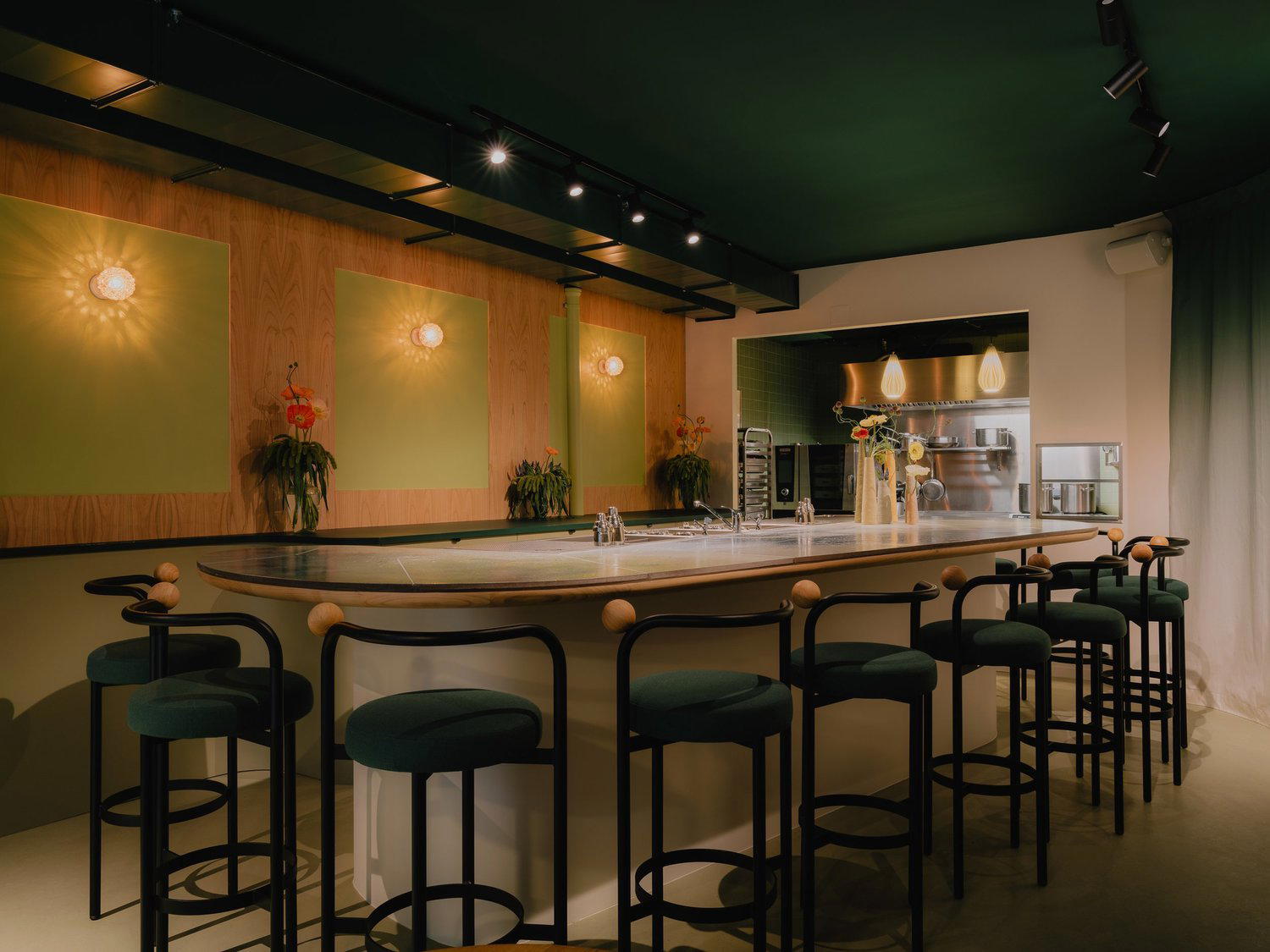
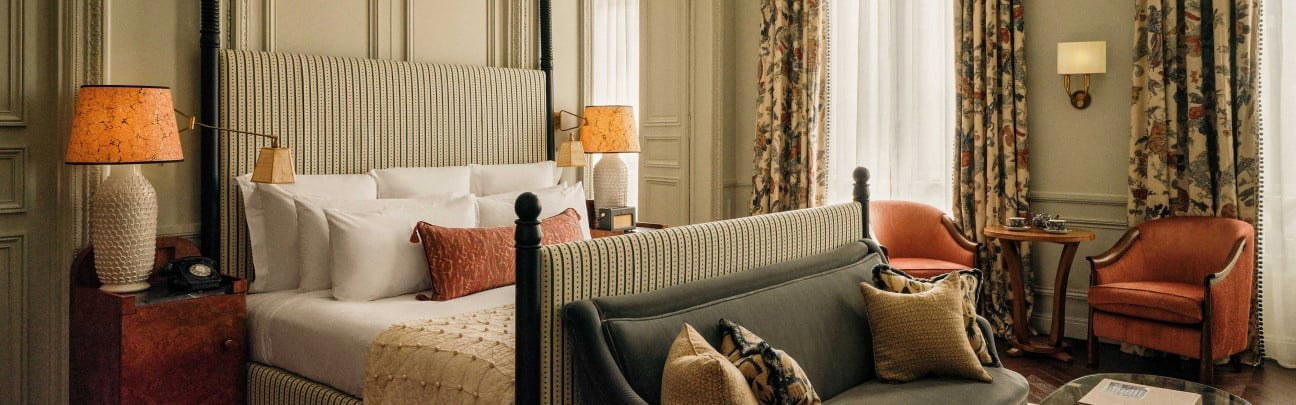
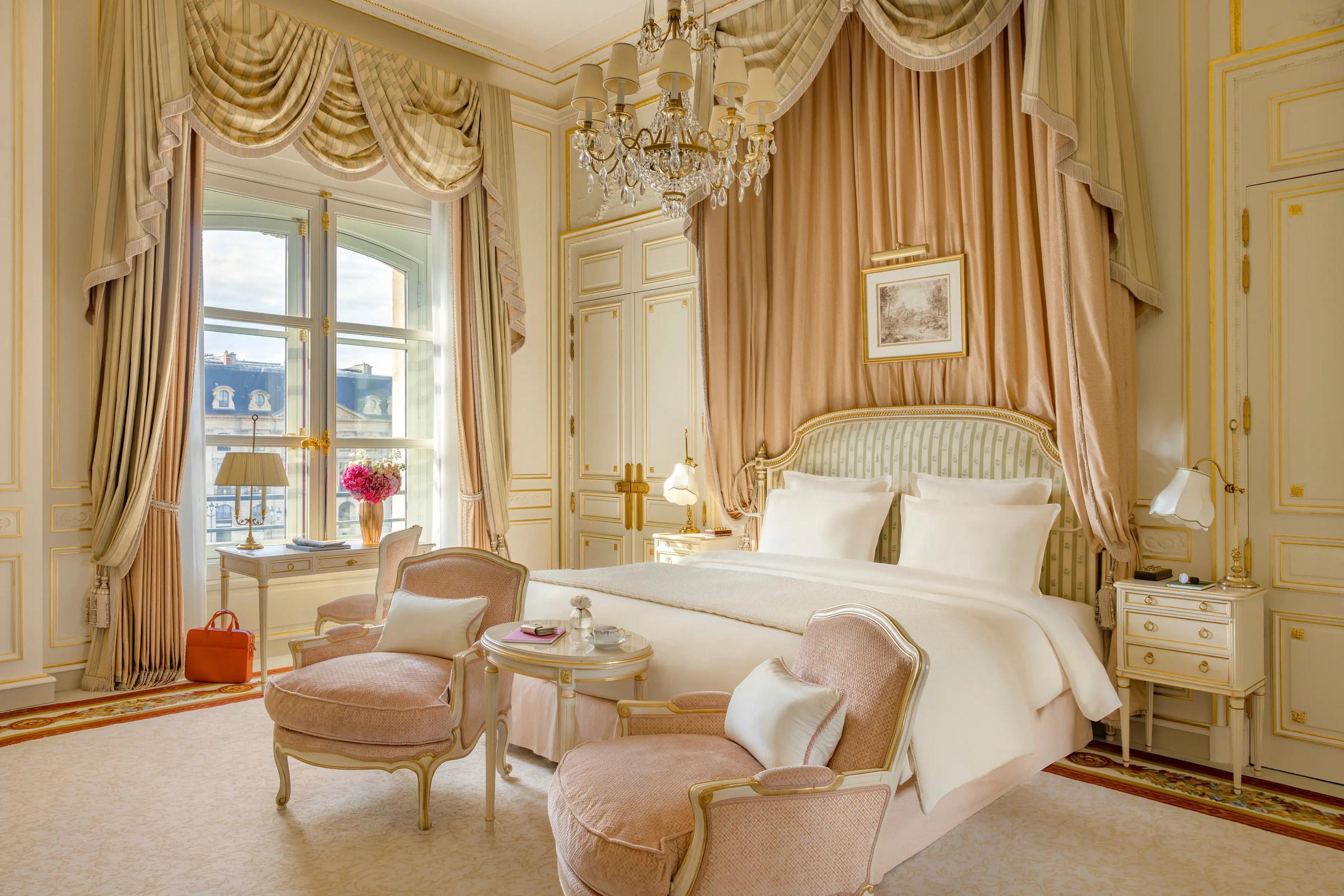
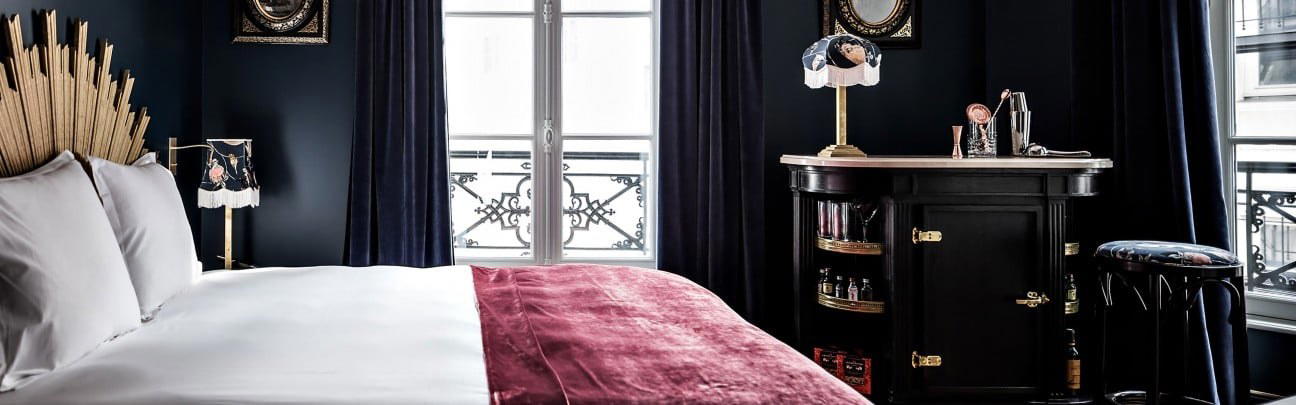
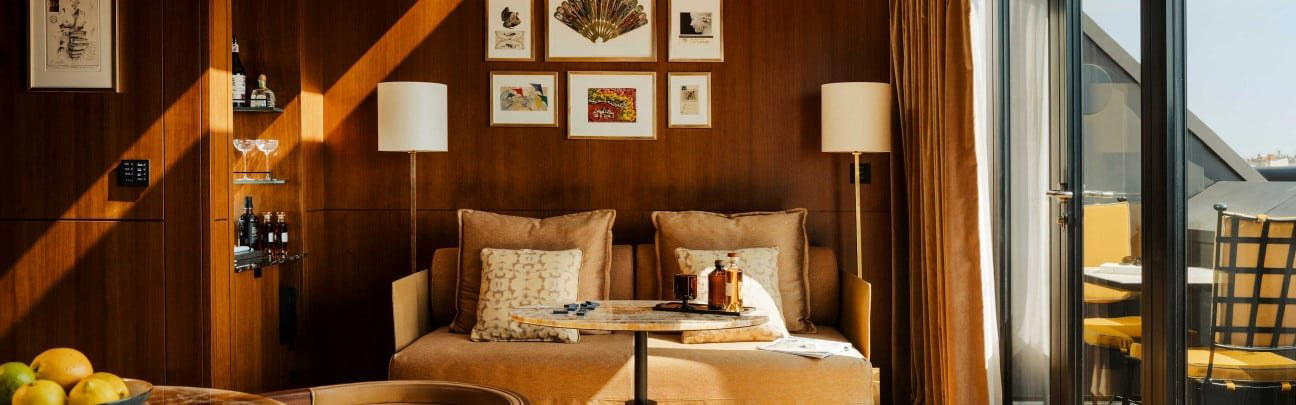
The physical container matters here. Hoy is conceived as a wellness-oriented hotel, and Mesa's dining room reflects that: the space is designed to feel calm rather than charged, with the kind of material palette and light management you associate with properties that take wellbeing seriously as an architectural brief rather than a marketing tag. In a city where the prestige dining experience tends toward formality, high ceilings, and the accumulated weight of history, Mesa occupies a quieter register.
The Logic of the Plant Menu
Paris's fine dining identity has been built almost entirely on animal protein. From L'Ambroisie on the Place des Vosges to Arpège in the 7th, the classic French canon runs through butter, cream, and meat with a confidence that has defined the city's reputation for generations. Even the modernist and crossover addresses, including Kei, tend to treat vegetables as accompaniment rather than architecture.
Mesa operates from a different premise. The kitchen runs a pure plant menu, seasonal and produce-led, with the explicit philosophical position that this approach reflects respect for the body and for the planet. This is not the compromise plant menu that a traditional French kitchen might reluctantly offer. It is the whole point. The menu follows seasonal availability, which means the cooking discipline depends entirely on sourcing quality and technical restraint rather than the rich flavor scaffolding that protein and fat typically provide.
That constraint, when applied seriously, produces cooking that is either genuinely compelling or quietly disappointing depending on execution. The framework here, ingredient freshness as the primary driver and simplicity as the aesthetic, is the same logic that drives the vegetable-forward programs at addresses like Bras in Laguiole, where Michel Bras built a vocabulary for plant cooking long before plant-based dining became a broadly discussed category.
Space, Ritual, and the Hotel Frame
Eating inside a hotel in Paris has a specific set of associations, most of them tied to the palace hotel tradition and the kind of service formality that comes with it. Hoy dismantles that association deliberately. The hotel's stated philosophy positions life as a celebration and frames the guest experience around hospitality and wellbeing together, not as separate departments but as a continuous offering. Mesa is the dining expression of that position, which means the room is designed to feel like part of a coherent whole rather than a standalone restaurant that happens to share a building with bedrooms.
The availability of massage and yoga alongside dining is not incidental. It signals the intended guest: someone for whom the meal is one element of a broader practice rather than the sole purpose of the visit. In the context of Paris's dining geography, this places Mesa in a niche that has grown steadily across European cities over the past decade, where the hospitality offer integrates physical and dietary wellness into a single spatial experience. The design language of such spaces tends to favour natural materials, restrained colour palettes, and an absence of the visual noise that drives energy in more conventionally ambitious restaurants.
For the EP Club reader oriented around the classic prestige dining circuit, including the heavy-hitter tasting menus of Troisgros, Mirazur, or the historical anchors like Paul Bocuse, Mesa represents a deliberate pivot away from that framework. It does not compete in that tier and does not position itself to.
Where Mesa Sits in the 9th
The 9th arrondissement, and Rue des Martyrs in particular, has a food culture built on accessible provenance rather than white-tablecloth occasion. The street hosts fromageries, boulangeries, small wine bars, and a farmers' market that draws from the same ethos of proximity and seasonality that Mesa applies to its kitchen. In that sense, the address is coherent. A plant menu driven by super-fresh, seasonal ingredients sits naturally in a neighbourhood where the broader retail food culture already prioritises sourcing quality over format ambition.
For visitors staying in the area or those already exploring the 9th's dining scene, the neighbourhood context matters. This is not a destination address in the way that the Michelin-heavy rooms of Paris's 1st, 6th, or 8th arrondissements function. It is a neighbourhood address with a specific dietary and philosophical commitment, and it rewards visitors who arrive with that context already understood.
Planning Your Visit
Mesa is located at 68 Rue des Martyrs, 75009 Paris, inside the Hoy hotel. The address is accessible from multiple metro lines serving the 9th. Given the hotel's wellness orientation, booking in advance is advisable, particularly for those wanting to combine dining with other Hoy programming. Those with specific dietary requirements beyond plant-based should contact the hotel directly, as the kitchen works from a strictly defined menu framework. The address is a sensible addition to a broader Paris stay that takes in the full range of the city's dining culture; for a complete view of what Paris offers across formats and price tiers, consult our full Paris restaurants guide.
Visitors wanting to extend their stay in the area or explore the city's hospitality offer more broadly can find curated options in our Paris hotels guide, while those interested in the city's cocktail and wine culture should consult our Paris bars guide and our Paris wineries guide. For experiences beyond dining, our Paris experiences guide covers the full spectrum.
Frequently asked questions
What dish is Mesa famous for?
Is Mesa reservation-only?
What do critics highlight about Mesa?
Is Mesa allergy-friendly?
Where the Accolades Land
Comparable venues nearby, for context on price, style, and recognition.
| Venue | Cuisine | Price | Awards | Notes |
|---|---|---|---|---|
| MesaThis venue (the venue you are viewing) | Vegan Fine Dining with Latin American & French Influences | $50–100 | We're Smart World 3 Radishes | Not listed |
| Le Grenier de Notre-Dame | Organic French Vegetarian | $20–30 | Not listed | Latin Quarter (5th arrondissement) |
| Bien Élevé | French Steakhouse with Aged Meats | $50–100 | Not listed | 9th Arr. |
| La Belle Maison | Classic French Bistro | $50–100 | Not listed | Montmartre |
| La Traversée | Modern French Bistro | $30–50 | Not listed | 18th Arrondissement |
| Sacrée Fleur Montmartre | Traditional French Steakhouse | $50–100 | Not listed | Montmartre |
Recognition history
Dated appearances from independent guides and award organizations, with the underlying list record or original source where available.
We're Smart World 3 Radishes
We're Smart World
Mesa
Featured Guides
Continue exploring
More in Paris
Restaurants in Paris
All restaurants in Paris →
Bars in Paris
All bars in Paris →




Details
- Elegant
- Modern
- Cozy
- Trendy
- Sophisticated
- Special Occasion
- Date Night
- Celebration
- Hotel Restaurant
- Design Destination
- Garden
- Extensive Wine List
- Natural Wine
- Farm To Table
- Organic
- Local Sourcing
- Prix Fixe
- A La Carte
- Tasting Menu
- Natural Wine
- Kombucha
- Vegan Options
- Vegetarian Friendly
- Organic Focus
- Gluten Free Options
- Allergy Accommodating
Current opening hours
- Monday
- 7:30 AM–6:30 PM
- Tuesday
- 7:30 AM–10 PM
- Wednesday
- 7:30 AM–10 PM
- Thursday
- 7:30 AM–10 PM
- Friday
- 7:30 AM–10 PM
- Saturday
- 7:30 AM–10 PM
- Sunday
- 7:30 AM–6:30 PM
Hours can change for holidays and private events. Hours as of .
Beautifully decorated with natural elements, plants, and soft lighting creating a calm, elegant oasis; described as stylish and character-filled without being cluttered, with forest-like elements and refined aesthetic.