MeroToro Cancún brings the genre-bending Baja-meets-Mexico-City cooking ethos to Puerto Cancún's marina district, occupying a position in the resort corridor that few restaurants manage: serious culinary intent without the performance of fine dining formality. Set at Blvd. Kukulcán Km 1.5, it operates a tier above the hotel-strip defaults while remaining accessible in format and spirit.
Pearl is the En Primeur Club membership app — saves, bookings, and concierge access live there. Same editors, same standards.
- Address
- Blvd. Kukulcán Km 1.5, Puerto Cancún, Zona Hotelera, 77500 Cancún, Q.R., Mexico
- Phone
- +52 998 868 5116
- Directions
- Get directions
 Saves & bookings on Pearl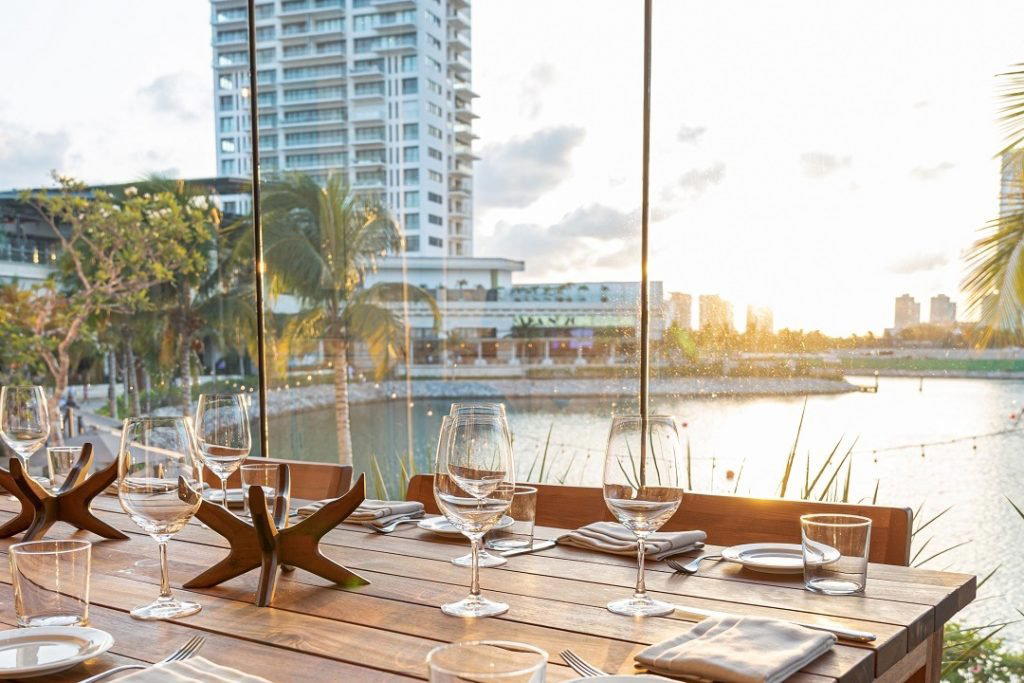
A Different Register for Cancún Dining
The Zona Hotelera runs on a well-worn formula: oceanfront terraces, frozen drinks, and menus engineered for tourists who want familiarity with a tropical backdrop. MeroToro Cancún at Blvd. Kukulcán Km 1.5 in Puerto Cancún occupies a noticeably different position in that ecosystem. The restaurant draws from the same culinary lineage as the original MeroToro in Mexico City's Condesa neighbourhood, a venue that established its reputation by threading Baja California's fire-and-smoke sensibility through a Mexico City urban dining frame. Transplanting that approach to Cancún places it in a competitive tier that sits above the hotel-strip defaults — restaurants like Asador La Vaca Argentina and Bodega Argentina occupy adjacent price and format territory — but below the white-tablecloth formality of Le Basilic or The Club Grill's steakhouse mode.
Within the broader Mexican fine-casual scene, this positioning matters. Restaurants like Pujol in Mexico City and Alcalde in Guadalajara have demonstrated that serious Mexican cooking can shed both the folkloric decoration and the tasting-menu rigidity that once bracketed the category. MeroToro's Cancún outpost belongs to that same current, even if it operates with a different scale and context than those city-based landmarks.
The Physical Container
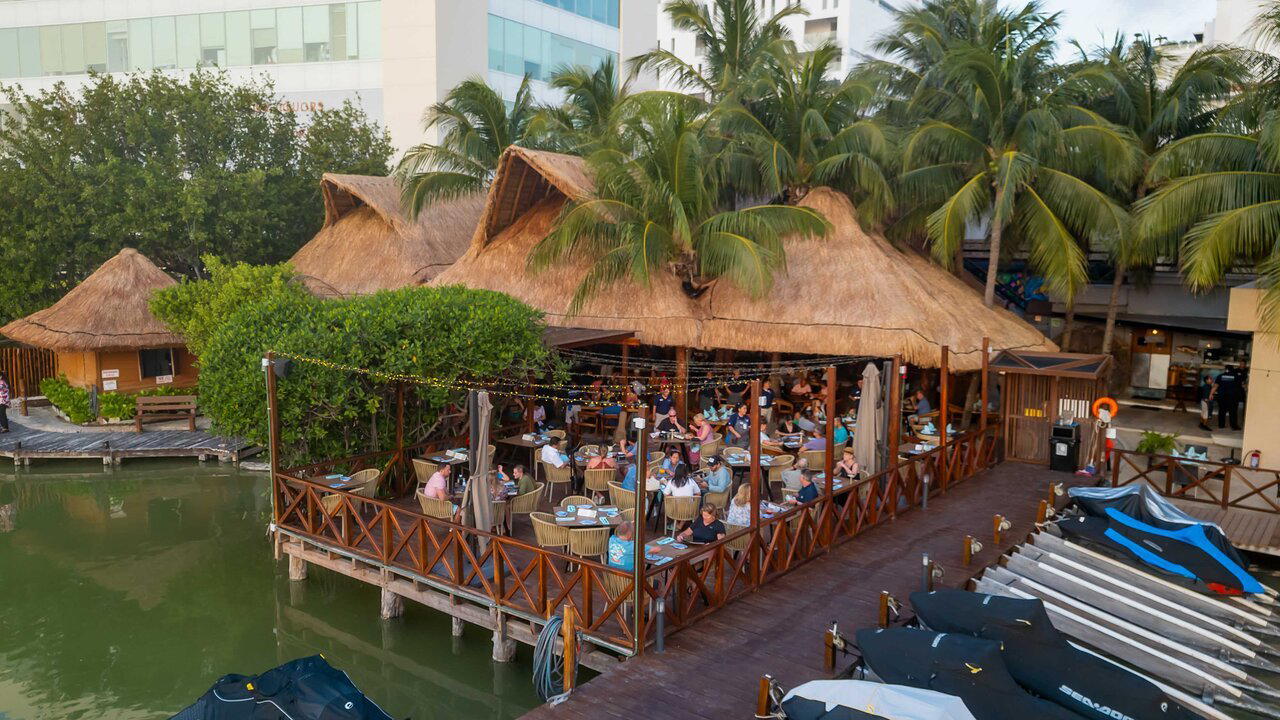
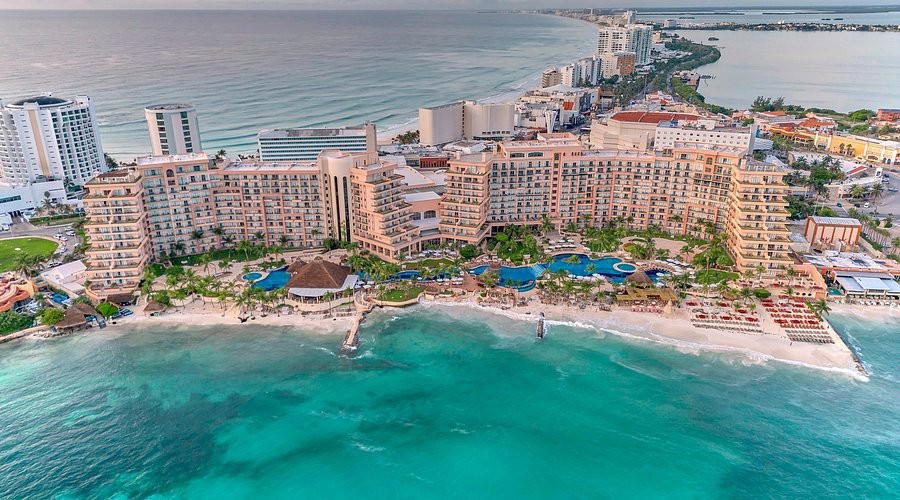
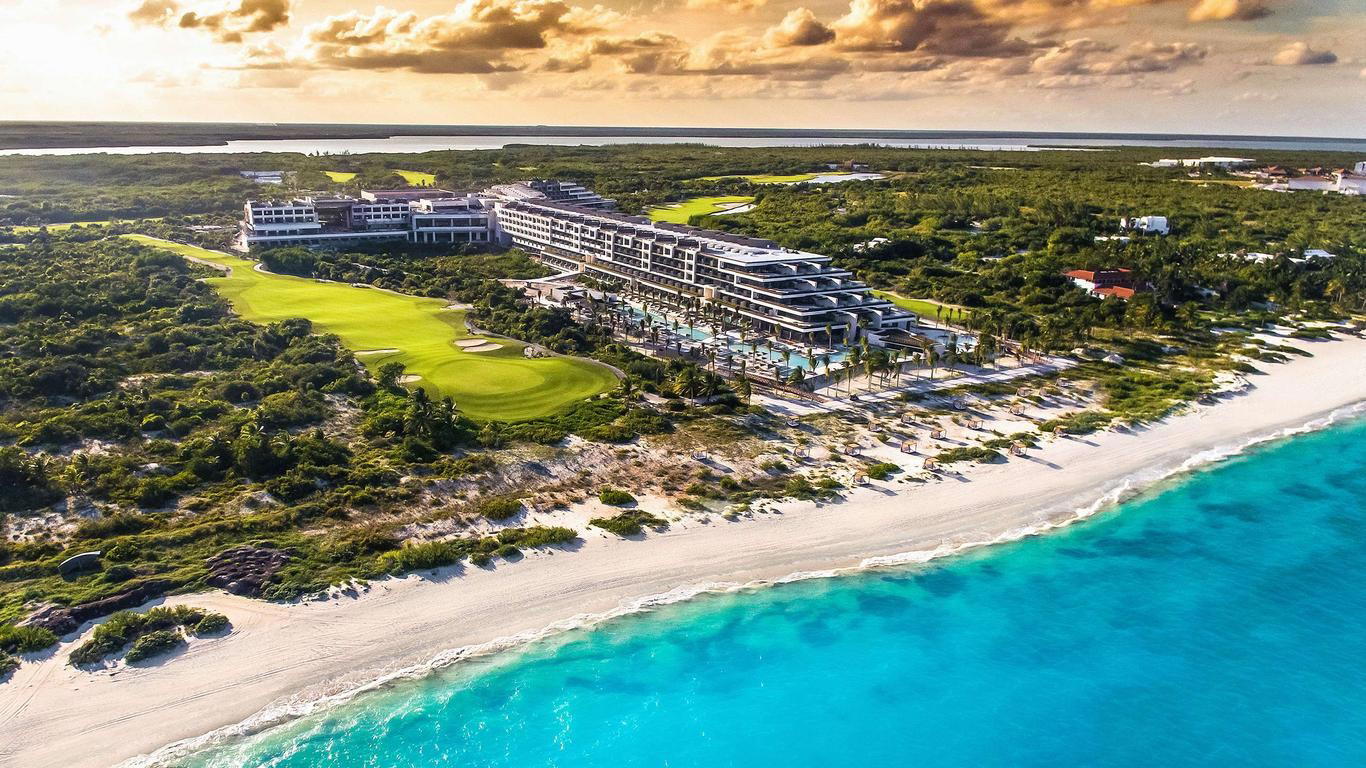
Puerto Cancún's marina district is a quieter zone than the main hotel strip, with a geometry shaped more by water views and low-rise development than by the tower blocks that define Km 9 through Km 14. Restaurants that land here tend to benefit from that relative calm, and MeroToro reads within that context: the space is designed to let the food and the conversation occupy the foreground rather than competing with a spectacle exterior.
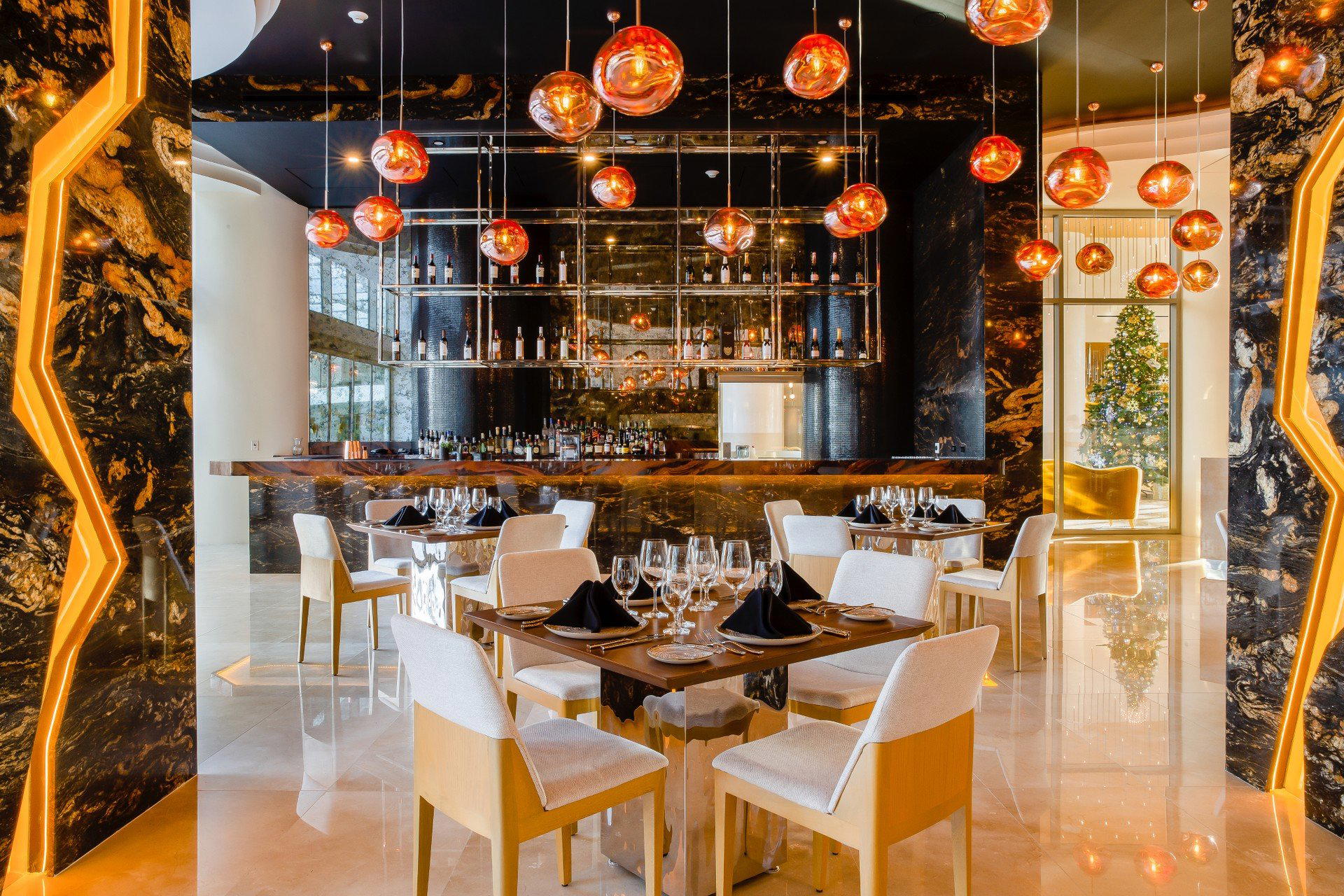
The MeroToro aesthetic, consistent across its locations, favours raw materials and spare geometry over the layered decoration common in Cancún's resort dining rooms. Exposed structural elements, open kitchen sight lines, and a seating arrangement that prioritises the table rather than the view are characteristic of how the brand positions its spaces. In a city where many dining rooms are built primarily as visual backgrounds for social media, that restraint functions as a deliberate contrast. The interior works as a signal about what kind of meal you are committing to: one where the cooking carries the weight, not the setting.
For context in the region's design-led dining tier, Le Chique in Puerto Morelos and HA' in Playa del Carmen represent the more theatrical end of the Riviera Maya spectrum, where space and service choreography are as considered as the kitchen output. MeroToro Cancún operates with less ceremony and more directness, which suits the fire-forward, ingredient-led cooking it serves.
The Cooking Tradition Behind the Menu
Baja California's culinary identity has been increasingly exported across Mexico over the past decade. The region's combination of Pacific seafood, cattle-ranching culture, open-fire technique, and proximity to California wine country produced a set of cooking instincts that travel well: bold, smoke-touched, seafood-literate, and relatively unconcerned with elaborate plating conventions. Animalón in Valle de Guadalupe and Lunario in El Porvenir represent the tradition at its most rooted, where the cooking is inseparable from the Baja landscape itself.
MeroToro's version of that tradition is more urban and more portable. The Mexico City original built its reputation on wood-fire cooking applied to both Baja ingredients and broader Mexican produce, served in a format that felt relaxed enough for a weeknight but considered enough to hold serious attention. That format translates to Cancún in a way that addresses a gap in the local offer: the resort corridor has plenty of seafood restaurants, but relatively few that apply a genuine fire-cooking discipline and a Mexican-first ingredient perspective to the category. Kiosco Verde handles the casual seafood tier; La Casa De Las Mayoras serves traditional Mexican; Café con Gracia and Capri Pizza Moderna occupy different flavour registers entirely. MeroToro's combination of fire technique and Baja-coastal DNA is genuinely less replicated locally.
For visitors who have eaten across Mexico's serious restaurant circuit, the frame of reference is clear. KOLI Cocina de Origen in Monterrey, Levadura de Olla Restaurante in Oaxaca, and Pangea in San Pedro Garza Garcia each represent how Mexico's regional restaurant culture has developed strong local roots. MeroToro's Cancún presence suggests that same seriousness can function in a resort context without being diluted by it.
Where It Sits Among Cancún's Dining Options
The honest assessment of dining in Cancún's Zona Hotelera is that the bar for serious cooking has historically been low. The tourist volume, the captive-audience hotel economics, and the expectation of familiar comfort food have all worked against the development of a genuinely ambitious local restaurant scene. That makes MeroToro's positioning relatively direct to read: it is addressing a demand that exists among the travellers who arrive in Cancún with a working knowledge of Mexico's restaurant culture and want continuity with what they eat in Mexico City, Guadalajara, or the Baja wine country.
For the full range of what Cancún's dining scene currently offers, our full Cancun restaurants guide maps the options across format, cuisine, and price point. And for those extending their trip along the Riviera Maya or into Mexico City, the contrast with destinations like Olivea Farm to Table in Ensenada, Le Bernardin in New York City, or Lazy Bear in San Francisco illustrates how fire-forward, ingredient-led restaurants operate across very different city contexts. Bombay Cancún handles the Indian-cuisine niche locally, completing a picture of a resort corridor that is slowly adding genuine culinary range.
Planning a Visit
MeroToro Cancún sits at Blvd. Kukulcán Km 1.5 in the Puerto Cancún marina area, which places it at the northern end of the hotel zone, closer to downtown than the main resort cluster. That location makes it a reasonable choice for travellers staying in central Cancún or arriving from the airport. Given the restaurant's profile and the general pattern of demand for higher-quality dining in the corridor, booking ahead is advisable, particularly for weekend evenings and holiday periods when the marina district draws both tourists and Cancún residents.
A Tight Comparison
| Venue | Cuisine | Price |
|---|---|---|
| MeroToro CancúnThis venue — the venue you are viewing | Not listed | Not listed |
| Lorenzillo's | Seafood | Not listed |
| Kiosco Verde | Seafood | $$ |
| La Casa De Las Mayoras | Mexican | $$ |
| Le Basilic | French Seafood | Not listed |
| The Club Grill | Mexican Steakhouse | Not listed |


At a Glance
- Elegant
- Sophisticated
- Rustic
- Date Night
- Special Occasion
- Waterfront
- Hotel Restaurant
- Extensive Wine List
- Local Sourcing
- Waterfront
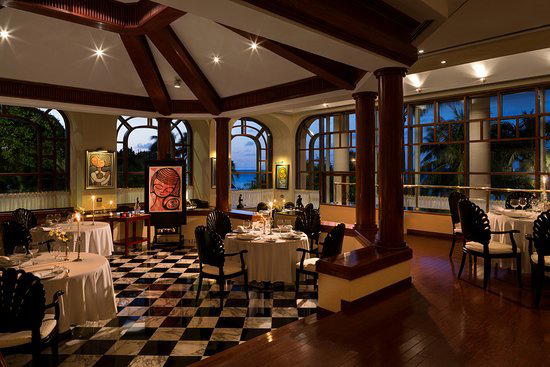
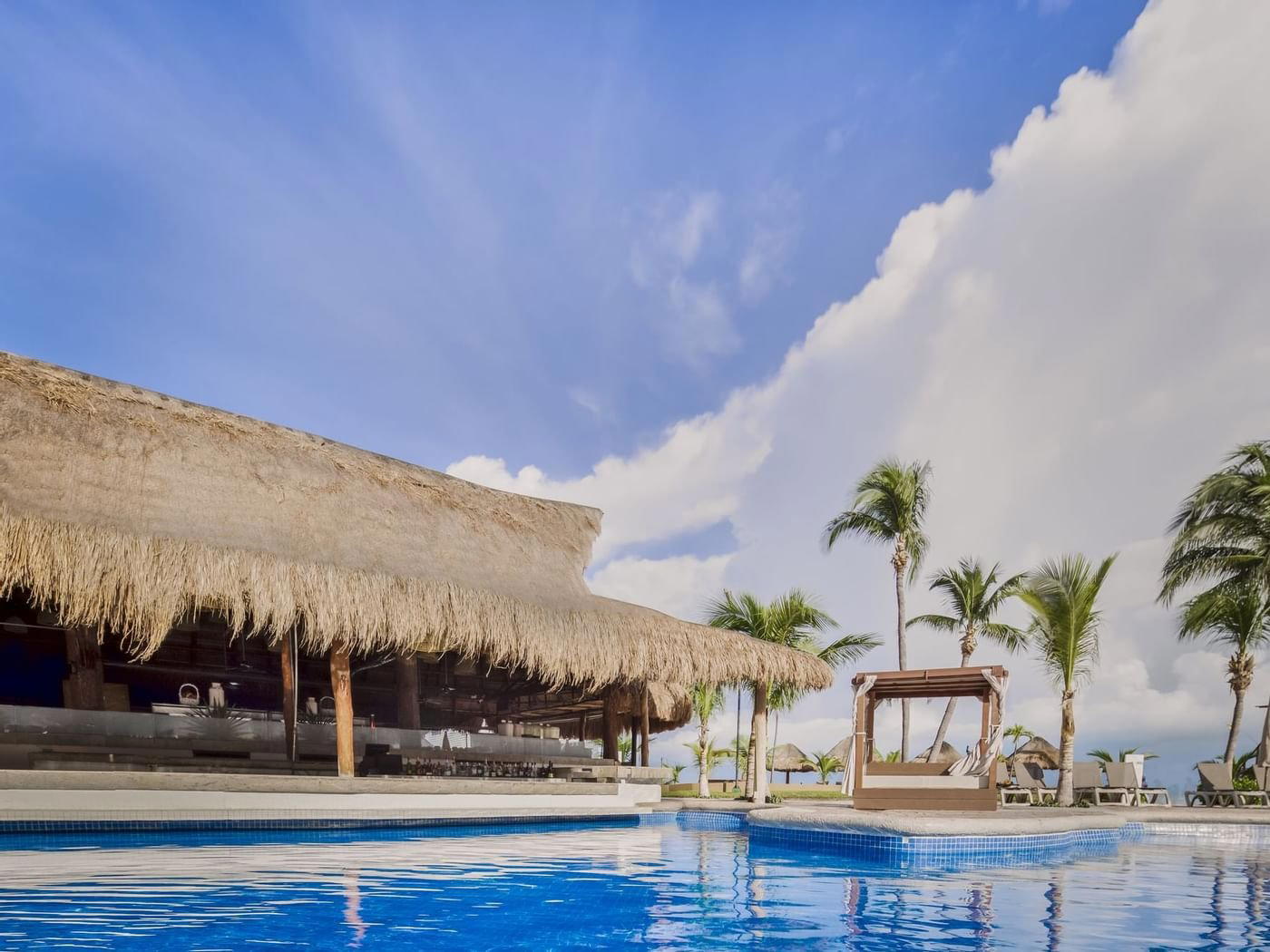
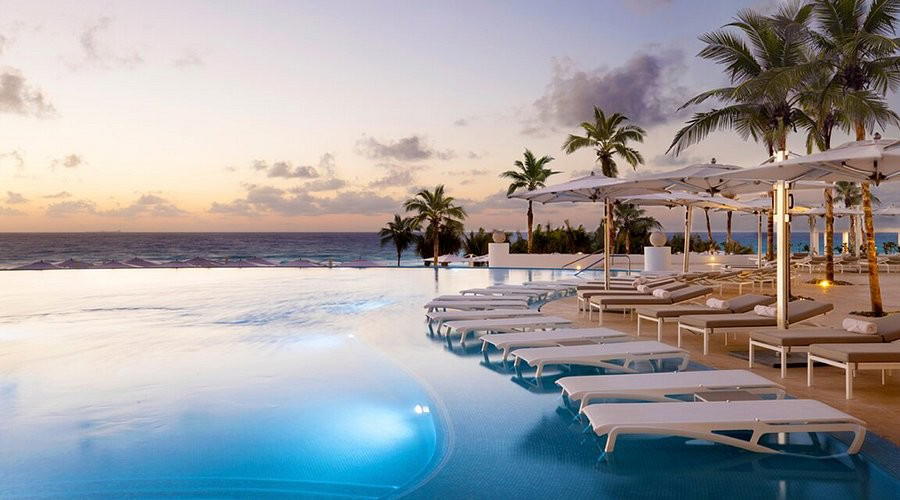
Relaxed yet attentive service in a fine dining setting overlooking the marina with dramatic views.
Know Before You Go
- Getting there
- Blvd. Kukulcán Km 1.5, Puerto Cancún, Zona Hotelera, 77500 Cancún, Q.R., Mexico