Merkles Restaurant

1 Michelin Star
Our verdict
A Michelin-starred address on Endingen am Kaiserstuhl's main street, Merkles Restaurant operates from a converted historical vicarage where regional Baden ingredients meet cosmopolitan technique. Thomas Merkle's kitchen bridges local terroir and broader flavour reference points, backed by accomplished service and a considered wine-by-the-glass selection.

Pearl is the En Primeur Club membership app, where members save venues, book tables and use the concierge.
The menu
What to order
- Foie gras with cherries
- Sepia in bouillon
- Sea devil with veal cheek
- Onion soup
A Vicarage Reimagined on Hauptstraße
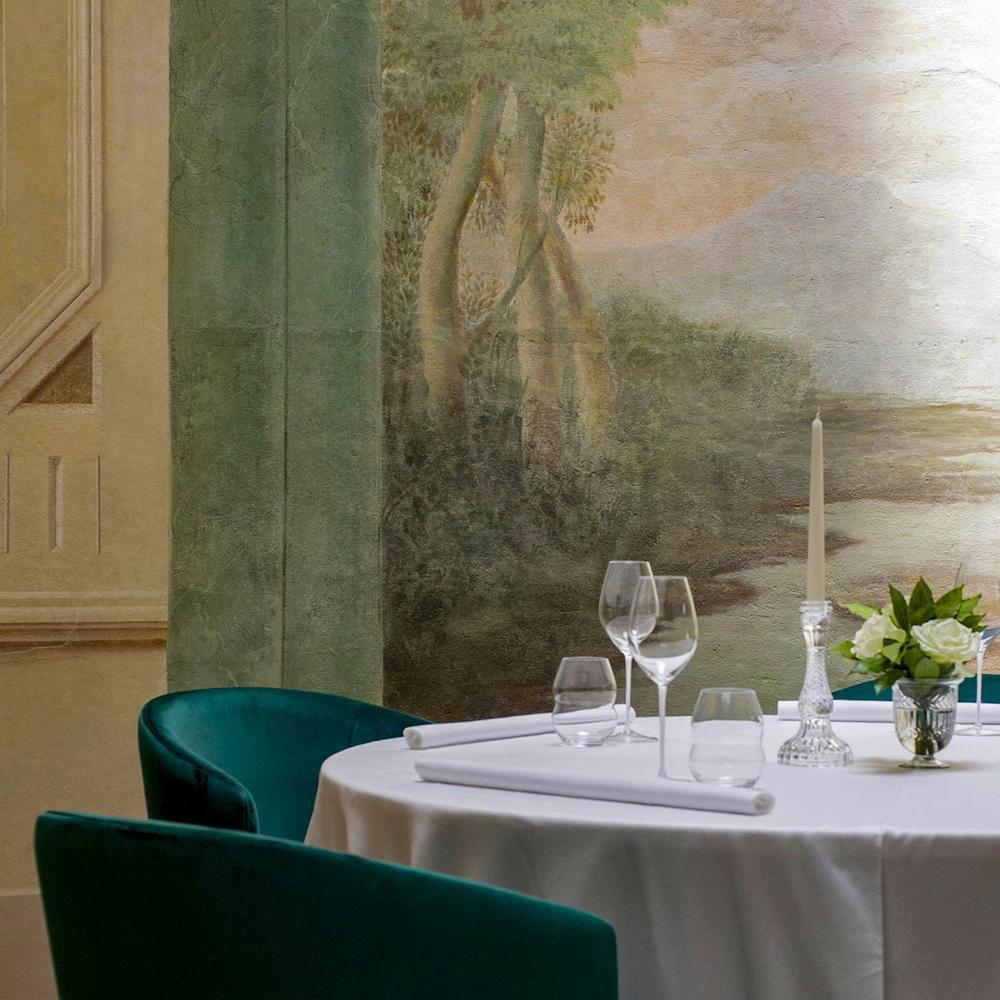
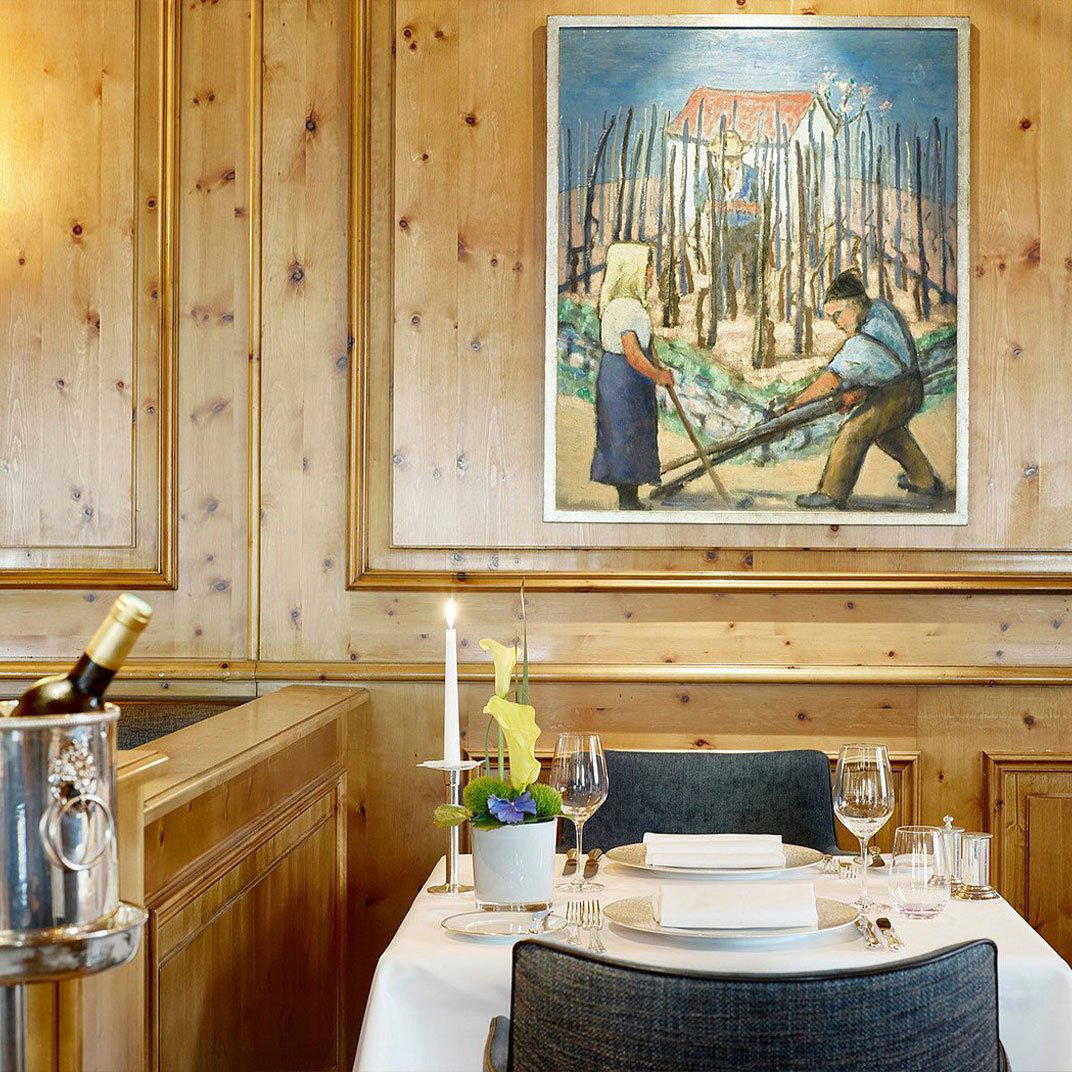
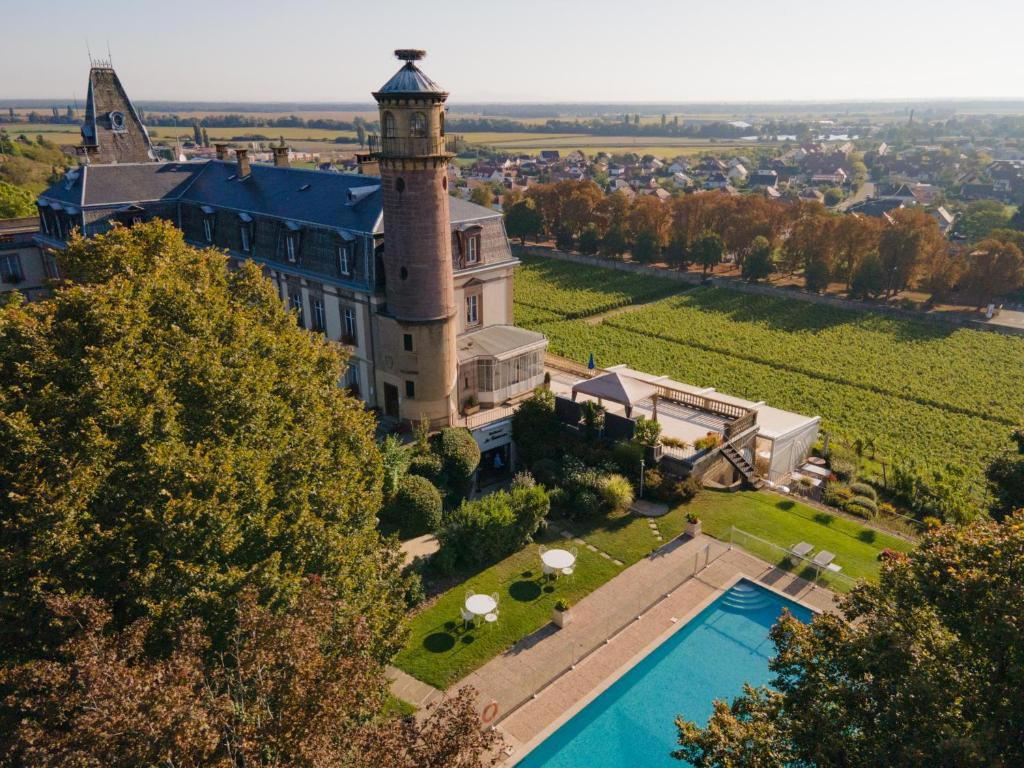
The Kaiserstuhl is wine country first, and its villages carry that identity in their architecture as much as their cellars. Endingen am Kaiserstuhl sits at the northern edge of this volcanic outcrop in Baden, a small market town whose Hauptstraße mixes medieval stonework with the practical buildings of a regional agricultural centre. At number two on that street, a former vicarage has been stripped back to something leaner: the historical bones remain, but the interior reads as sleek and contemporary, the kind of renovation that signals seriousness of purpose without erasing the building's character. The setting alone announces that this is not a conventional wine-village Gasthaus, even before a menu arrives.
That distinction matters in a region where the dominant dining format trends toward hearty Baden country cooking, a tradition represented locally by places like Die Pfarrwirtschaft and Dutters Stube. Merkles Restaurant occupies a different register: one Michelin star awarded in 2025, a price tier of €€€€, and a kitchen philosophy that uses the Kaiserstuhl's exceptional local produce as foundation while reaching outward for technique and flavour reference. It is a combination that has become increasingly legible in contemporary German fine dining, but it remains relatively rare at this level of ambition in a town of Endingen's scale.
Regional Ingredients, Cosmopolitan Reference
The broader story of German fine dining over the past decade has been a negotiation between two impulses: deep rootedness in local produce and landscape, and an outward-facing willingness to absorb influences from France, Japan, Scandinavia, and beyond. The kitchens that have resolved this tension most credibly are those where the local ingredient is genuinely the anchor, with outside technique appearing as seasoning rather than imposition. Michelin's current German recommendations, from Schwarzwaldstube in Baiersbronn to Aqua in Wolfsburg and Vendôme in Bergisch Gladbach, reflect this in different ways, but the thread connecting them is a specificity of place that distinguishes German cooking at this level from more internationally generic fine dining.
At Merkles, the Michelin citation frames the kitchen's approach around regional ingredients combined with flavours from elsewhere. The Kaiserstuhl itself makes that sourcing direct in one sense: the volcanic basalt soil produces vegetables, herbs, and fruit of notable intensity, and the surrounding Baden region adds livestock, dairy, and forest produce that underpin classical southwestern German cooking. What the kitchen adds to that foundation, the cosmopolitan dimension referenced in Michelin's write-up, places Merkles in a peer group that includes ambitious regional tables across Germany rather than the village dining rooms of the immediate area.
The result is a menu category Michelin designates as Modern Cuisine, a broad label that in practice describes dishes where the primary identity is still recognisably rooted in place, but where the preparation draws on a wider technical and flavour vocabulary. This is a different approach from the hyper-regional purism of some Nordic-influenced kitchens, and equally different from the French classicism that shaped an earlier generation of starred German restaurants. It is a mode that gives a kitchen like Merkles considerable expressive latitude while keeping the guest anchored to where they actually are, in a wine village in Baden, not in a stylistically placeless tasting-menu format.
The Dining Room and How It Functions
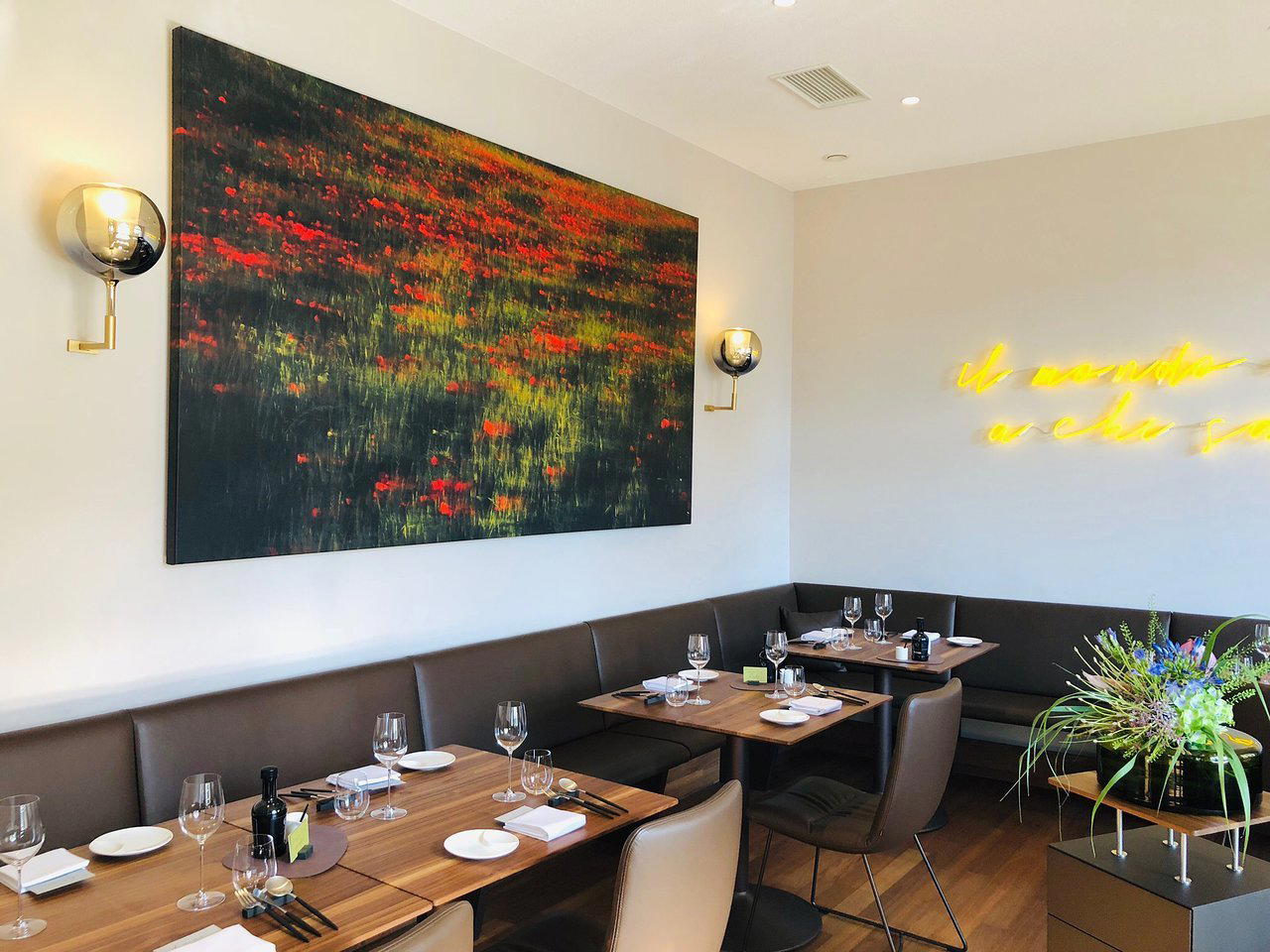
The converted vicarage format gives Merkles a sense of occasion that is harder to manufacture in purpose-built restaurant spaces. Historical buildings carry accumulated weight, and when the interior treatment is disciplined rather than decorative, that weight works in the kitchen's favour: it grounds the meal without pretension. The Michelin description characterises the interior as sleek and elegant, a combination that in Baden fine dining suggests clean lines and quality materials rather than the folksy warmth of regional Gasthaus design.
Service at this level in Germany has moved toward a more engaged and less ceremonial register over the past decade, and Merkles aligns with that shift. The kitchen team's presence in the dining room, noted specifically in the Michelin citation as a deliberate practice, reflects a broader trend at starred German tables where the separation between kitchen and front-of-house has become less absolute. At restaurants like ES:SENZ in Grassau or Schanz in Piesport, that kind of direct chef-guest engagement has become part of the value proposition rather than an anomaly. At a restaurant of this size and character in Endingen, it reinforces the sense that the meal is contextualised, not merely delivered.
The wine programme's emphasis on wines by the glass is notable for a €€€€ venue. In a region where cellars are plentiful and the Kaiserstuhl's own producers, working primarily with Spätburgunder and Grauburgunder, represent some of Germany's most compelling red and white wines, a thoughtful by-the-glass list allows a table to track the meal through local Baden producers without committing to full bottles at every course. For visitors to the region using Endingen as a base, the complementary relationship between the restaurant's sourcing and its wine list creates a coherent sense of place across the full meal.
Merkles in the Kaiserstuhl Context
A one-star restaurant of this type in a town of around 9,000 people occupies an unusual position in its local ecosystem. It serves a different function from the broader Endingen dining scene, less a neighbourhood anchor than a destination table for visitors to the Kaiserstuhl wine region and for residents of Freiburg and the Upper Rhine corridor willing to travel for a specific meal. That positioning connects it to a small number of similarly-scaled ambitious restaurants in German wine villages, where the star operates as both a quality marker and a regional draw.
The family continuity dimension at Merkles, three-plus decades of hospitality on the same site across generations, also places it in a specifically German tradition of family-run Michelin tables that persists at a scale now unusual in France or the UK. Restaurants like Waldhotel Sonnora in Dreis or Restaurant Haerlin in Hamburg embody different versions of this continuity model, where institutional memory and consistent ownership create a particular kind of reliability that newer openings take years to develop. At Merkles, that history grounds the kitchen's regional identity in something more than a positioning choice.
For those approaching the Kaiserstuhl from a broader European fine dining perspective, the relevant comparisons extend well beyond Germany. Modern Cuisine kitchens at the starred level that negotiate local identity with international technique are a shared European project, visible from Frantzén in Stockholm to CODA Dessert Dining in Berlin and beyond. What distinguishes the Kaiserstuhl variant is the specific ingredient richness of the region, a volcanic terroir that produces produce of unusual concentration, and the density of serious wine producers within a short radius of the table.
Planning a Visit
Merkles Restaurant sits at Hauptstraße 2 in the centre of Endingen am Kaiserstuhl, accessible by road from Freiburg im Breisgau in under 30 minutes and from Basel in roughly 45. The town connects to the regional rail network, with Endingen station a short walk from the restaurant. At the €€€€ price point with a Michelin star awarded in 2025, advance booking is advisable, particularly for weekend sittings when Kaiserstuhl wine tourism adds to local demand. The restaurant's take-away retail, house-made sauces, oils, and salts, offers a way to extend the meal's reference points beyond the table itself.
Visitors building a longer Kaiserstuhl stay should use our full Endingen am Kaiserstuhl restaurants guide to map the full range, from Merkles at the starred tier to the region's country cooking options. Accommodation options are covered in our Endingen am Kaiserstuhl hotels guide, while the region's drinking and winery culture, central to any serious visit, is covered in our bars guide, our wineries guide, and our experiences guide.
Frequently asked questions
Is Merkles Restaurant expensive?
Pricing at Merkles Restaurant is listed as €€€€.
Where exactly is Merkles Restaurant?
Merkles Restaurant is located at Hauptstraße 2, 79346 Endingen am Kaiserstuhl, Germany, Endingen am Kaiserstuhl.
Cuisine and Credentials
| Venue | Cuisine | Price | Awards | Notes |
|---|---|---|---|---|
| Merkles RestaurantThis venue (the venue you are viewing) | Modern German Fine Dining | $100–150 | 1 Michelin Star | Not listed |
| Schwarzwaldstube | Modern French Fine Dining | $150–200 | 3 Michelin Stars · World's 50 Best #47 | French, Classic French |
| Aqua | Contemporary German, Italian/Japanese, Creative | Not listed | Michelin 3 Star | Not listed |
| CODA Dessert Dining | Dessert-Inspired Fine Dining | $200–300 | 2 Michelin Stars · World's 50 Best #79 | Creative |
| Tantris | Modern French, French Contemporary | Not listed | Michelin 2 Star | Not listed |
| Vendôme | Modern German Haute Cuisine | $200–300 | 2 Michelin Stars · World's 50 Best #47 | Modern European, Creative |
Recognition history
Dated appearances from independent guides and award organizations, with the underlying list record or original source where available.
Michelin 1 Star
Michelin
Full recognition history (3 entries)
Michelin 1 Star
Michelin
Michelin 1 Star
Michelin
Continue exploring
More in Endingen am Kaiserstuhl
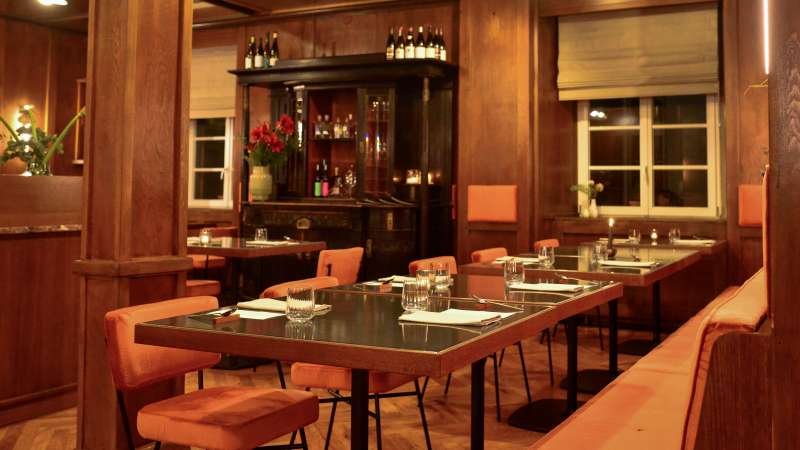
Restaurants in Endingen am Kaiserstuhl
All restaurants in Endingen am Kaiserstuhl →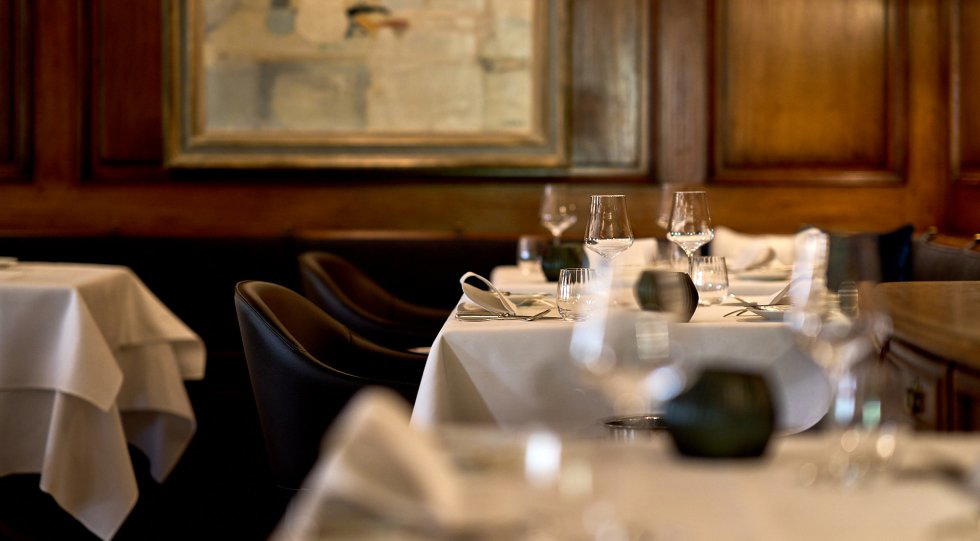
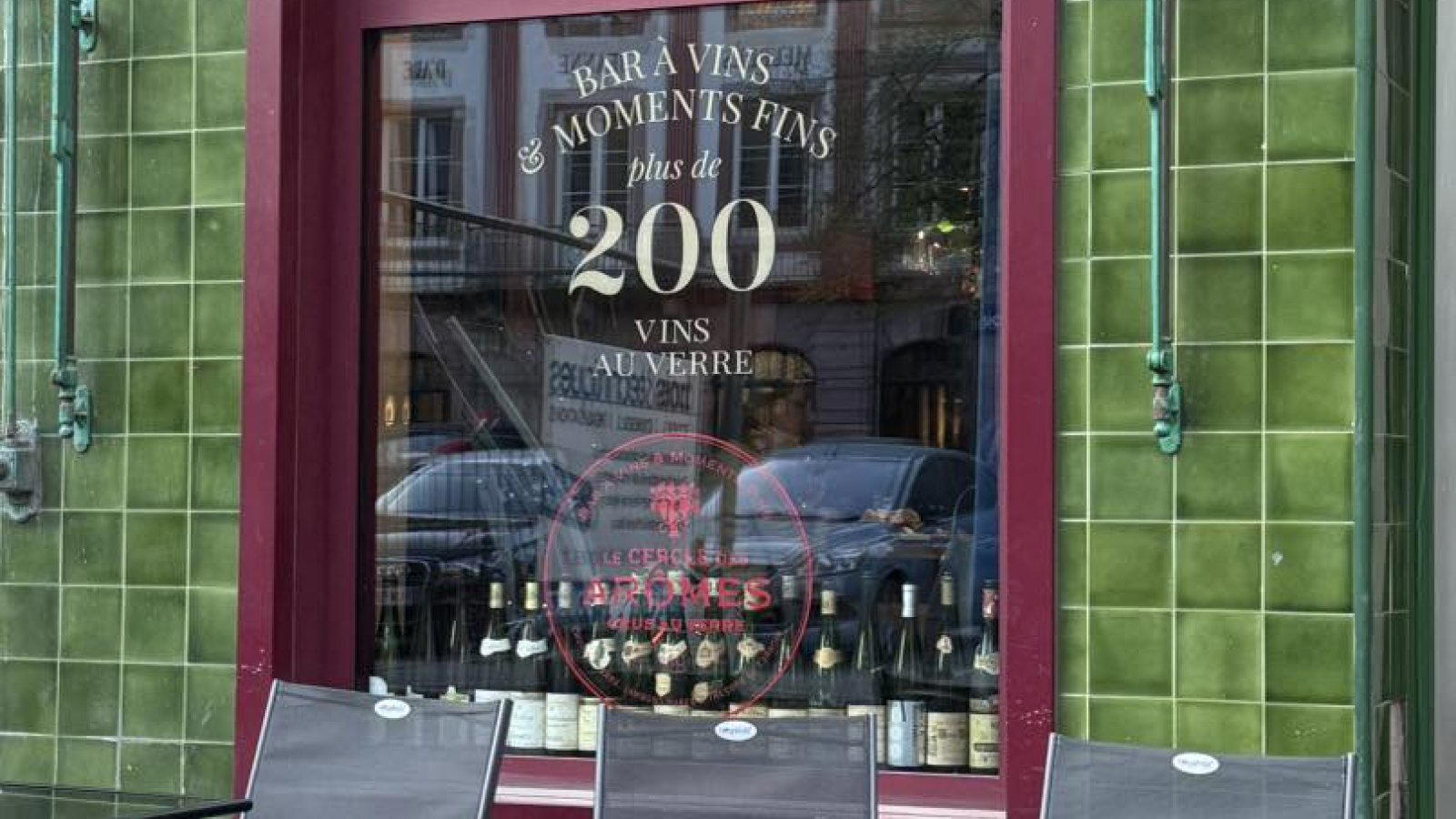
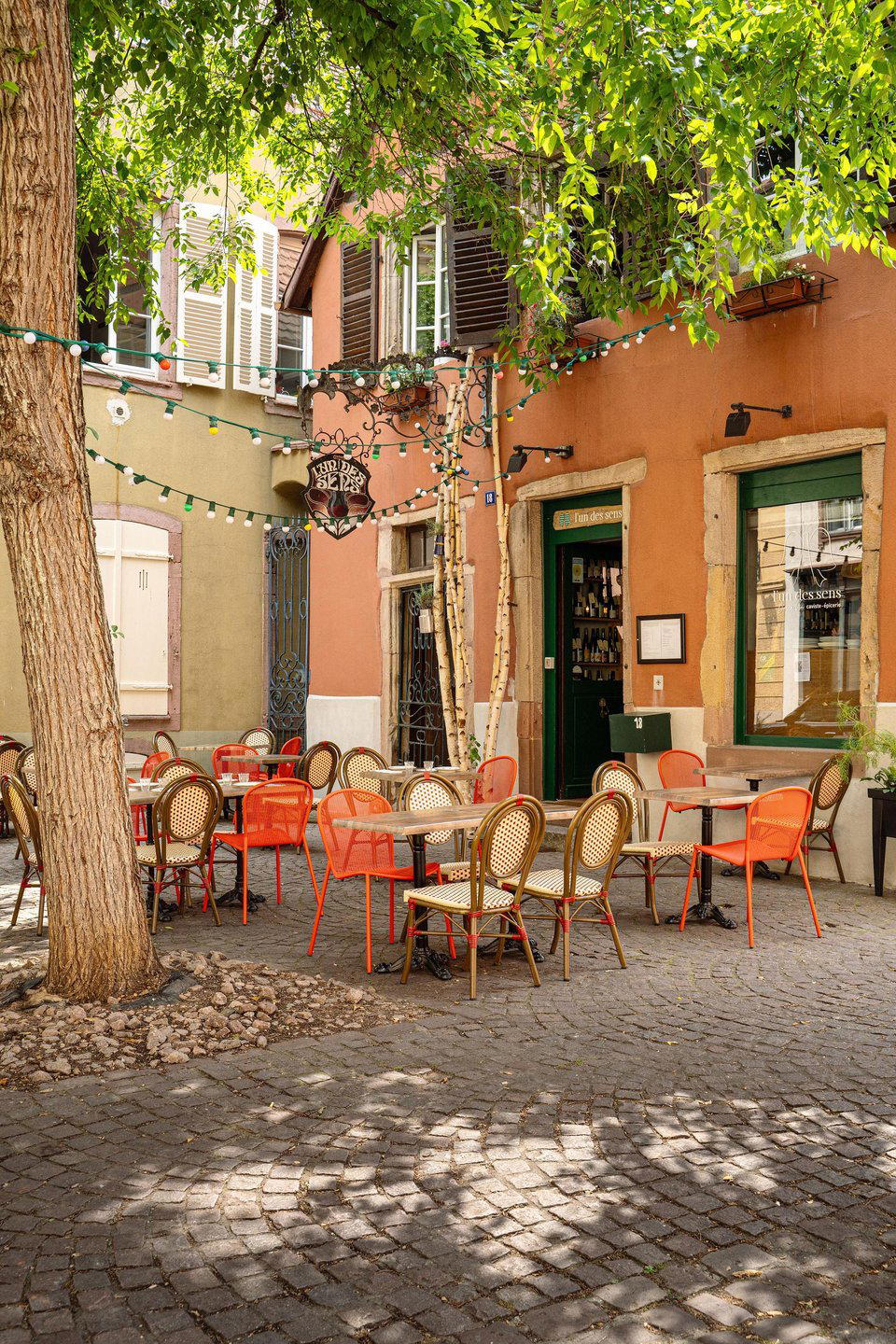
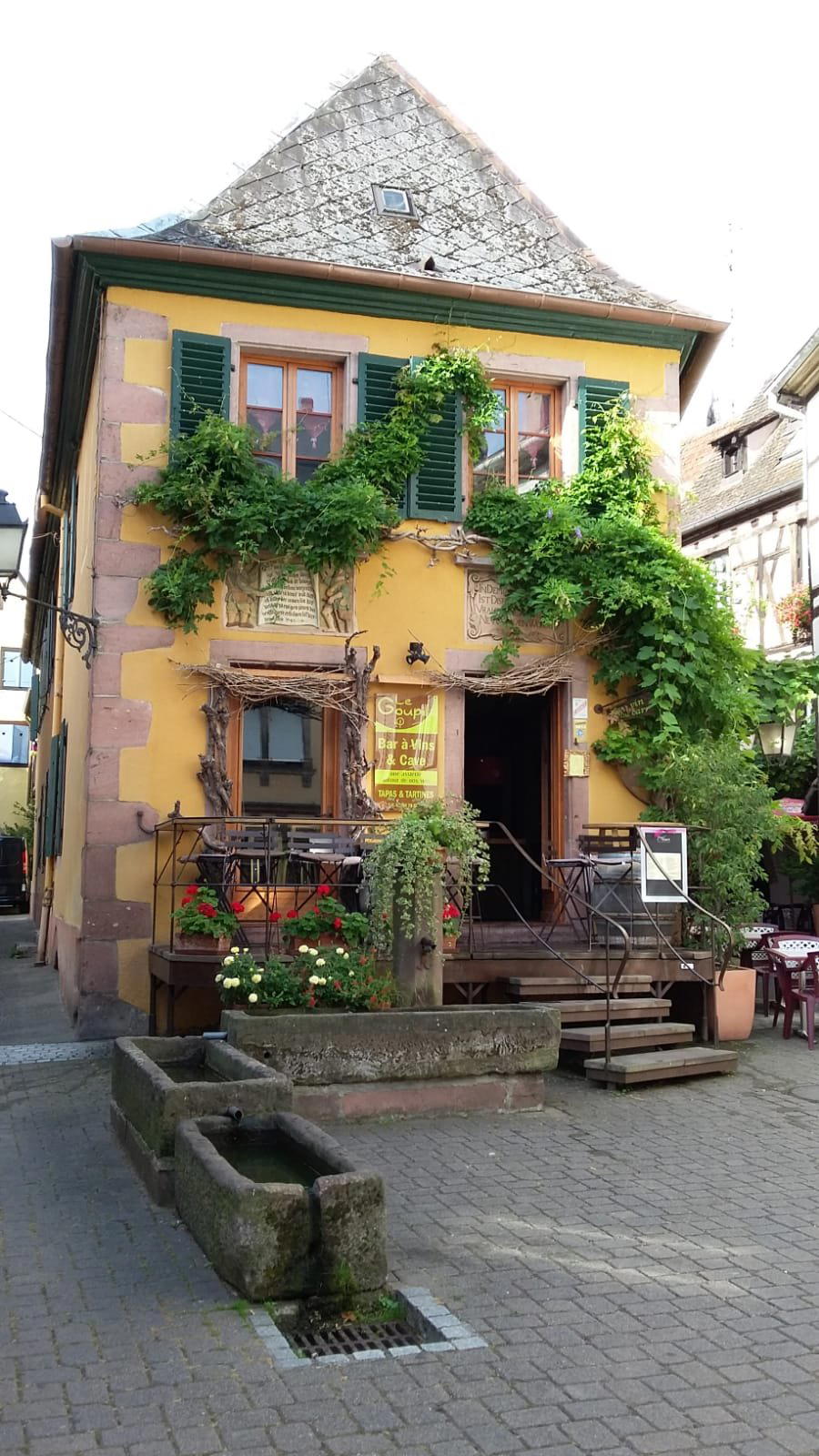
Bars in Endingen am Kaiserstuhl
Browse all →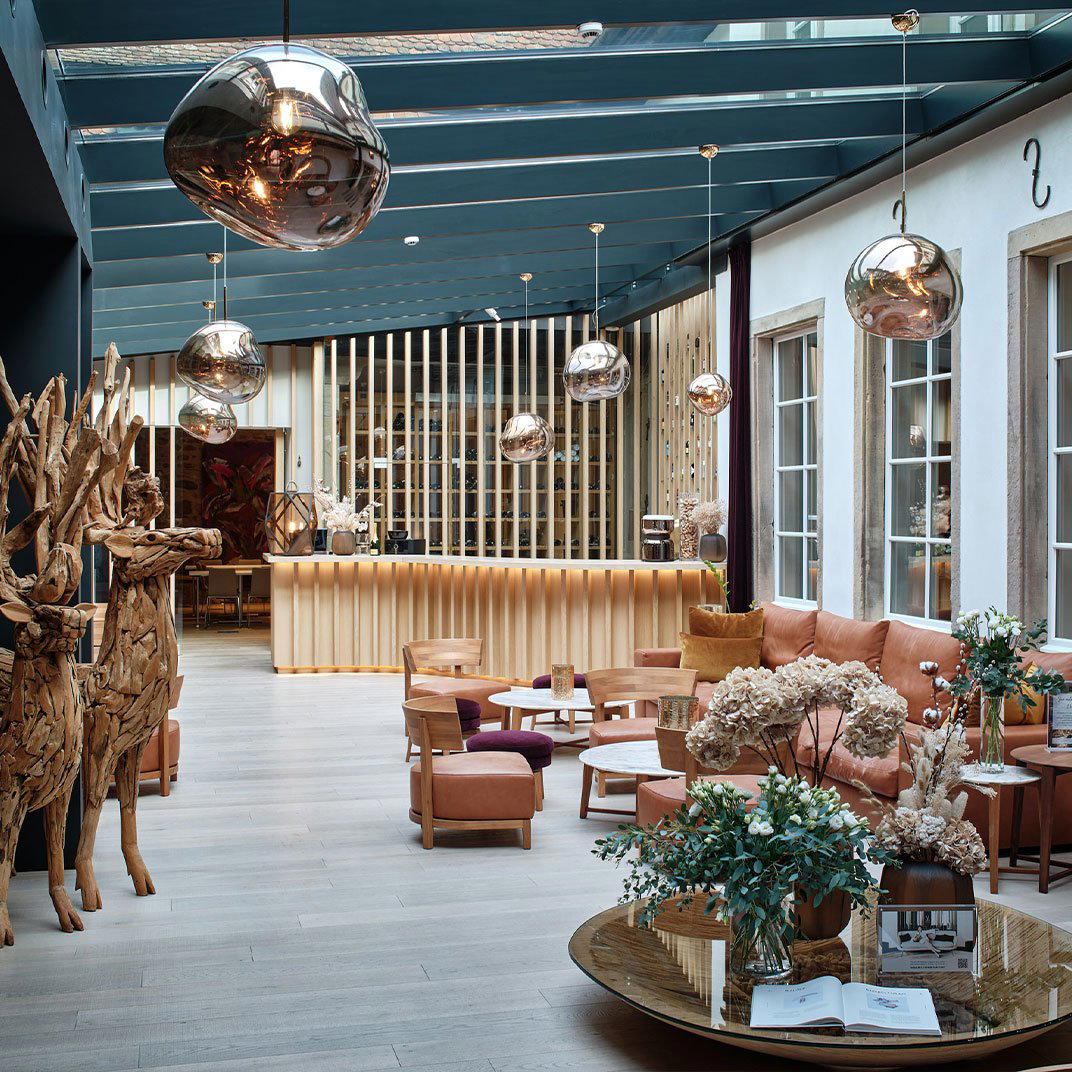
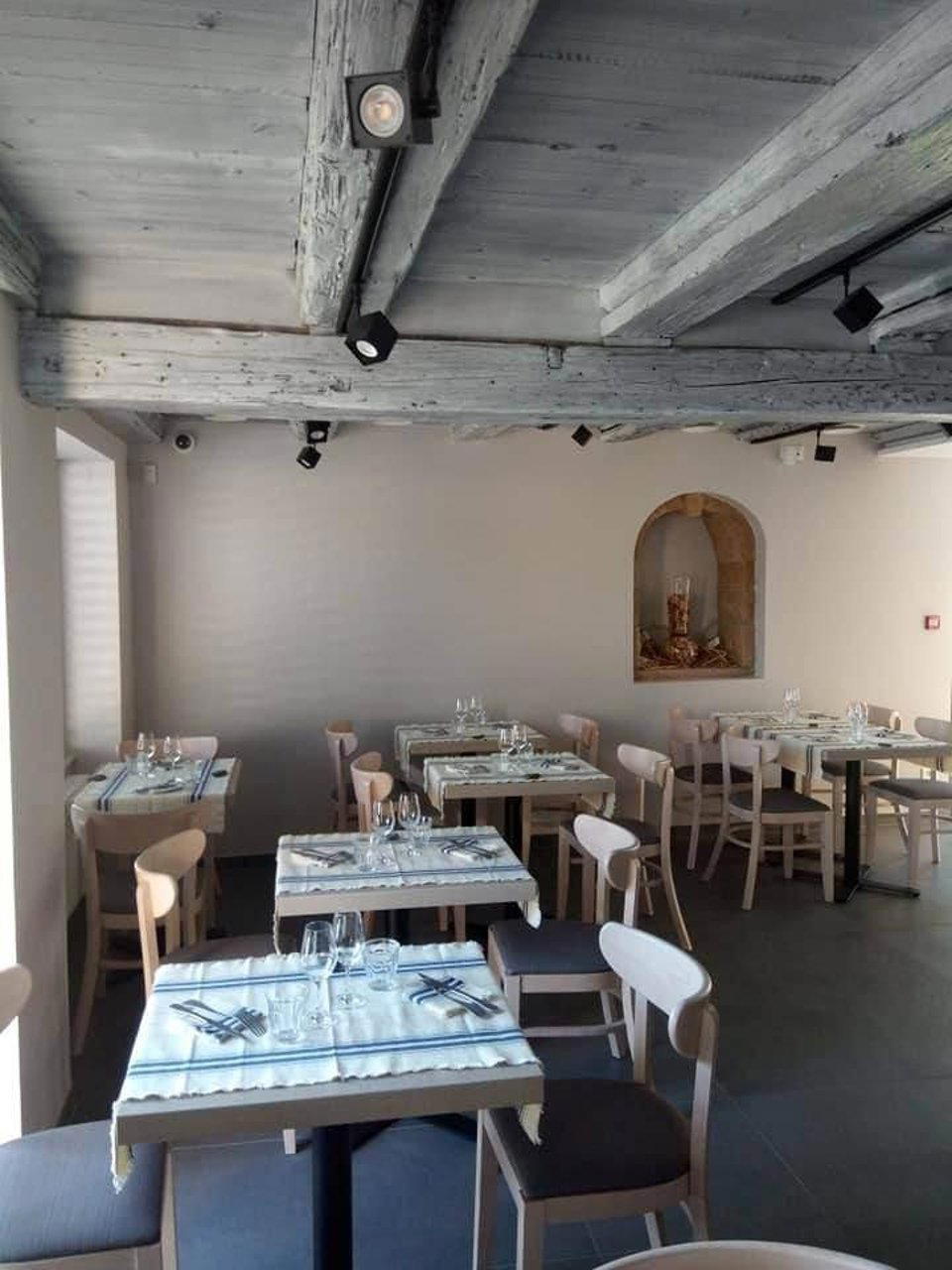
Hotels in Endingen am Kaiserstuhl
Browse all →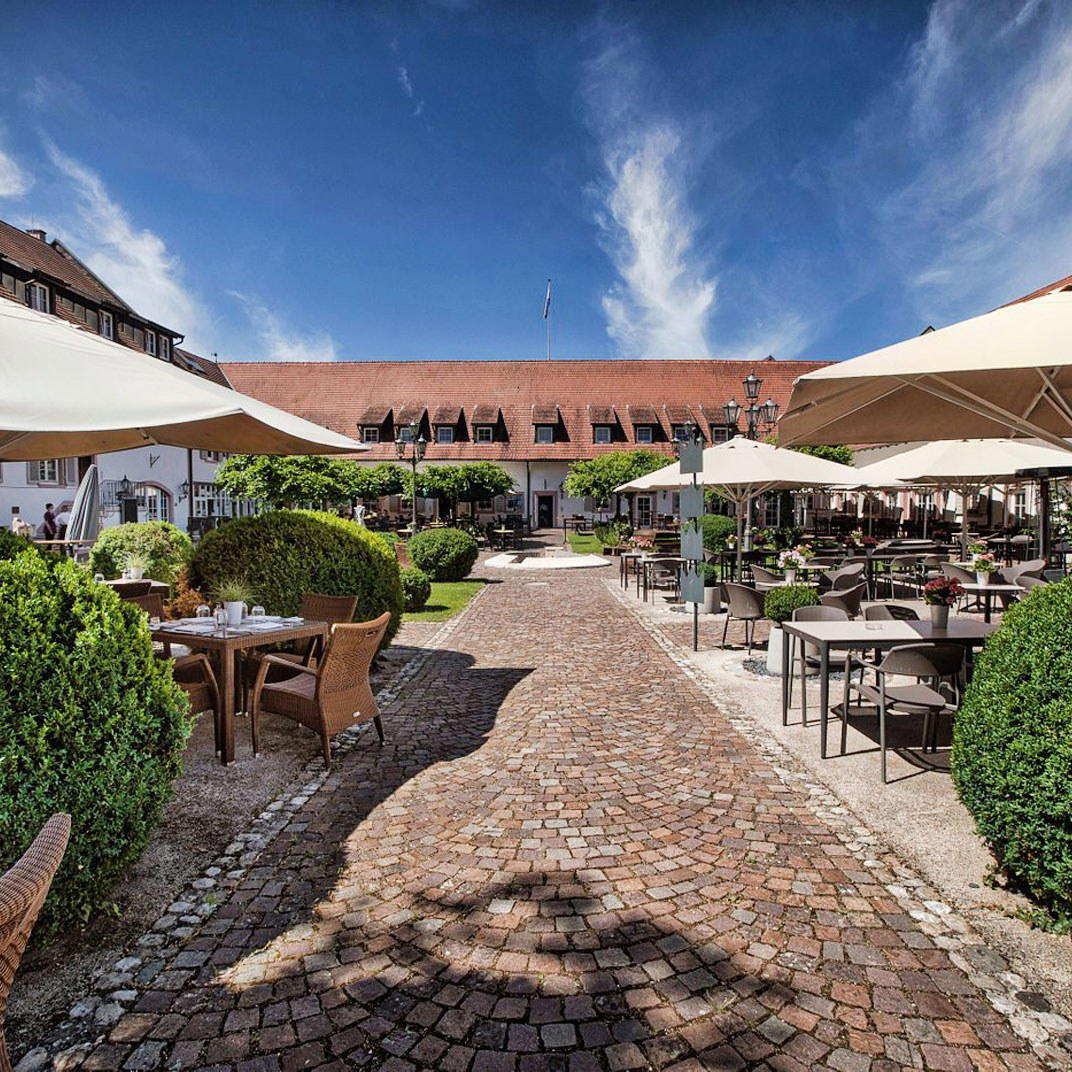
Merkles Restaurant
The wine
- Wine program
- Deep wine list
- Extensive wine list
Details
- Elegant
- Cozy
- Sophisticated
- Classic
- Special Occasion
- Date Night
- Group Dining
- Family
- Historic Building
- Terrace
- Extensive Wine List
- Local Sourcing
- Street Scene
- A La Carte
- Prix Fixe
- Wine
Current opening hours
- Monday
- Closed
- Tuesday
- Closed
- Wednesday
- 6–11 PM
- Thursday
- 6–11 PM
- Friday
- 6–11 PM
- Saturday
- 6–11 PM
- Sunday
- Closed
Hours can change for holidays and private events. Hours as of .
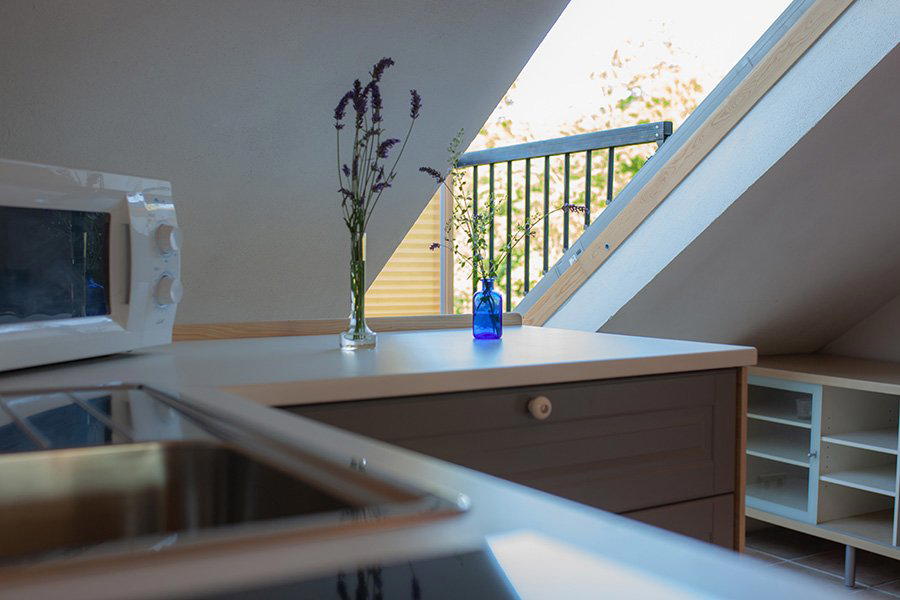
Sleek and elegant interior in a historical vicarage with warm, inviting, and cozy atmosphere enhanced by attentive service.