
Mercantel sits canal-side opposite the Moliceiro docks, serving rice-focused cooking that draws on Aveiro's lagoon and salt-flat heritage. The kitchen centers local algae, bacalhau, and house-baked bread within a contemporary dining room that balances half a century of operation with urban, current design. Lunch menus run simpler; evening service expands the repertoire.
Pearl is the En Primeur Club membership app — saves, bookings, and concierge access live there. Same editors, same standards.
- Address
- Cais dos Mercanteis 13, Aveiro, Aveiro, 3800-226, PRT
- Phone
- +351 969 673 984
- Website
- mercantel.pt
- Directions
- Get directions
 Saves & bookings on Pearl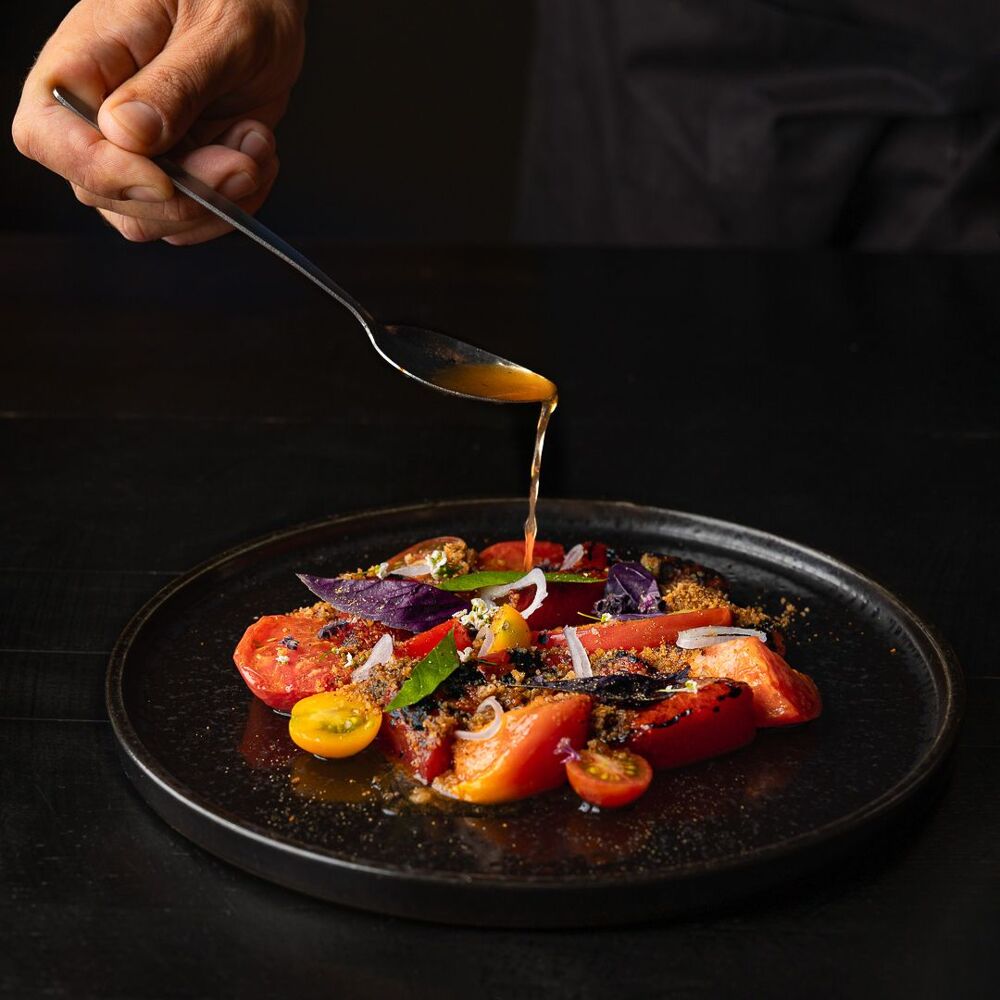
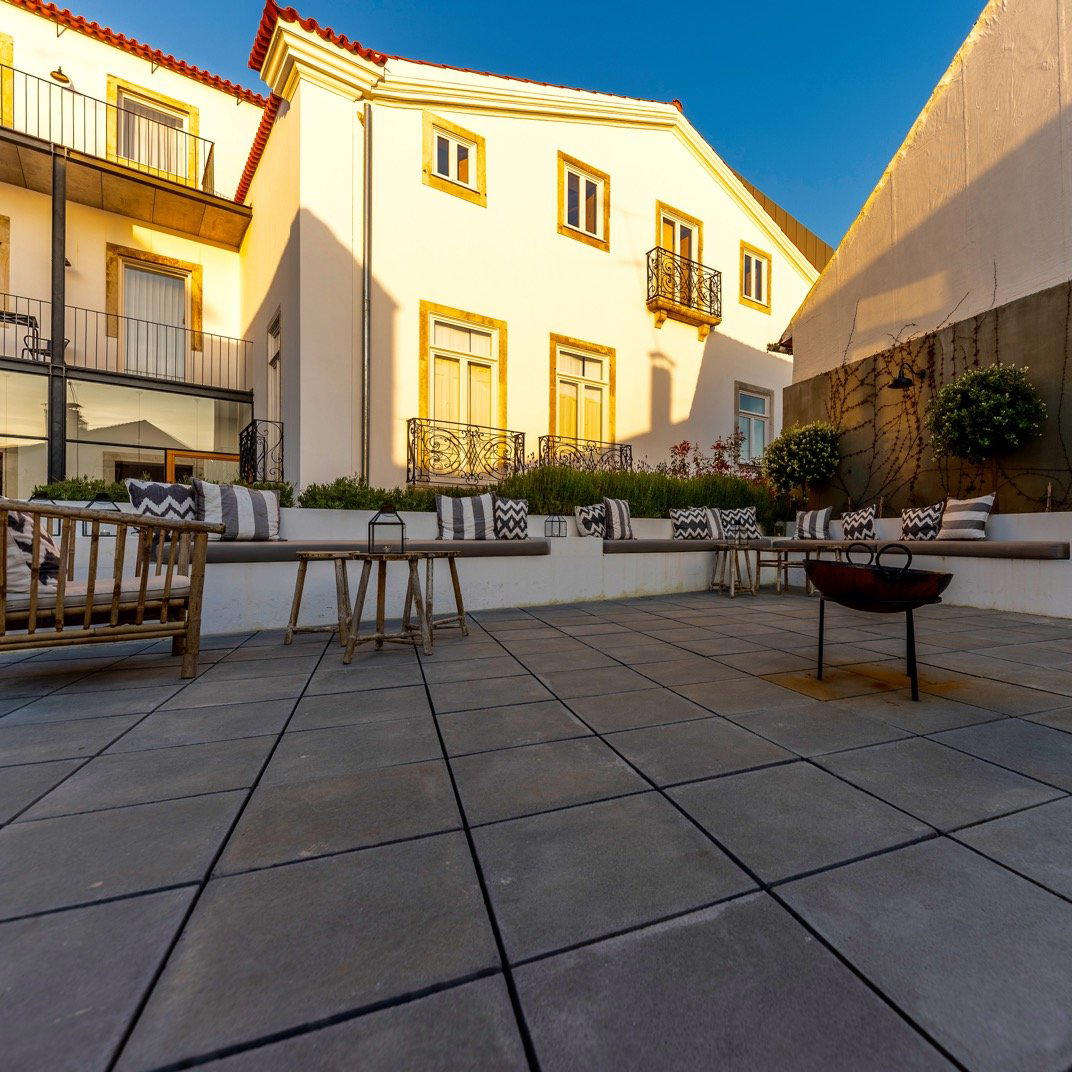
The dining room at Mercantel opens directly onto Cais dos Mercanteis, the quay where Aveiro's flat-bottomed Moliceiros depart for lagoon tours. The restaurant takes its name from another traditional vessel, the Mercantel itself, a larger cargo boat once used to haul fish and salt from the Ria de Aveiro into the city center. That maritime-industrial heritage still structures the way Aveiro eats: rice, cod, and salt remain the foundation of the local larder, and kitchens here compete less on novelty than on how intelligently they handle those staples. Mercantel has been operating for more than fifty years, and the current iteration threads urban-contemporary design through that longevity without erasing it.
Ria de Aveiro Algae and the Contemporary Portuguese Rice Tradition
Aveiro's culinary identity rests on its lagoon. The Ria produces seaweed varieties, including edible algae, that were historically harvested for fertilizer and livestock feed but have moved into gastronomy over the past two decades as Portuguese chefs began treating them as vegetables rather than novelty. Mercantel's kitchen uses Ria algae as a core ingredient rather than a garnish, most visibly in its rice dishes. The Arroz de Algas de Aveiro e Bacalhau pairs rehydrated local algae with salt cod, a combination that layers umami from the bacalhau against the mineral salinity of the seaweed and the starch of the rice. The dish reads as regional rather than experimental: algae have been part of the Ria's ecosystem for centuries, and the kitchen's technique is calibration rather than invention. The rice itself follows the Portuguese arroz de caldeirada tradition, wetter and looser than Spanish paella, closer to Italian risotto but without the Arborio starch or constant stirring. Mercantel offers multiple rice preparations, and the format dominates the menu in a way that aligns it with Salpoente and Prosa, both of which anchor their menus around rice and lagoon ingredients, though each interprets the tradition differently.
Canal-Side Setting and Urban Design Overlay
The physical space balances heritage infrastructure with contemporary furniture and lighting. The building retains its original facade and opens onto the canal, where passing Moliceiros and foot traffic create ambient noise during peak afternoon hours. Inside, the design avoids nostalgic pastiche: seating is modern, the bar and service counter run clean lines, and lighting is restrained rather than atmospheric. The effect is functional rather than theatrical, and the room reads as a working restaurant rather than a preservation project. Proximity to the Moliceiro docks brings tourist volume during daylight hours, particularly between April and October when lagoon tours run most frequently. The kitchen responds by running a streamlined lunch menu, fewer courses, faster service, lower price points, while reserving the fuller repertoire for evening service. That two-speed format is common across Aveiro's canal-facing restaurants; Zeca and Forum Aveiro operate similarly, trading accessibility at midday for depth at night. The trade-off matters: if you arrive for lunch expecting the full range of rice preparations and evening specials, the menu will feel abbreviated. For a broader view of how Aveiro's dining scene splits between canal-side accessibility and more insular kitchens, our full Aveiro restaurants guide maps the city's competitive tiers.
House Bread and the Local Ingredient Chain
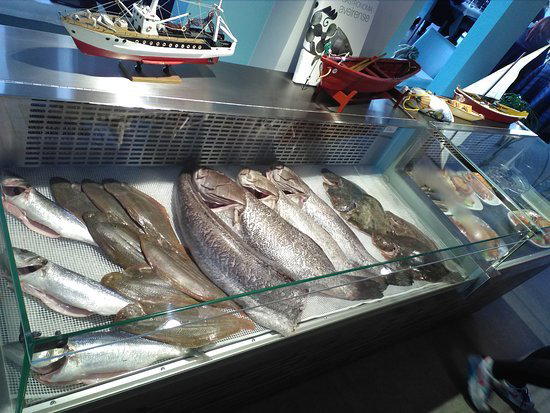
Mercantel bakes its own bread daily, a detail that sounds minor but signals a broader approach to ingredient sourcing. Portuguese restaurants, particularly outside Lisbon and Porto, often rely on industrial bakeries for bread service, and house production marks a commitment to control and quality that extends through the rest of the kitchen. The loaves arrive warm, with a tight crumb and a crust that holds structure without hardness. Bread service in Portugal functions as a cover charge in most restaurants, and Mercantel follows that convention; the difference is that the bread justifies the cost. The kitchen sources bacalhau from regional suppliers who cure and dry the cod according to traditional methods, and the salt used in both preservation and seasoning comes from the nearby Aveiro salt flats, which still operate as working production sites rather than heritage museums. That ingredient chain, local salt, regional cod, house-milled flour, positions Mercantel within the growing cohort of Portuguese restaurants that treat provenance as a structural rather than decorative choice. The approach overlaps with what 100 Maneiras in Lisbon and 1638 Restaurant & Wine Bar in Porto pursue at a more conceptual register, though Mercantel's execution is less elaborate and more ingredient-forward.
Aveiro's dining landscape splits between lagoon-focused kitchens and restaurants that operate more generically within Portuguese tradition. Mercantel sits firmly in the former category, and its rice repertoire and algae work place it in direct comparison with Salpoente, which holds a Michelin recommendation and a slightly higher price tier, and Prosa, which skews more contemporary in presentation but draws from the same lagoon ingredients. The distinction between these three comes down to price, formality, and technique rather than philosophy: all three treat the Ria as a defining resource, and all three emphasize rice over protein. Mercantel's edge is location, its canal-side position offers one direct visual connection to the Moliceiro tradition, and accessibility, with lunch service that accommodates walk-ins and a lower entry price than its peers. For visitors structuring a stay around Aveiro's lagoon culture, the restaurant functions as both dining venue and geographic anchor. To explore the city's broader hospitality and cultural infrastructure, see our full Aveiro hotels guide, our full Aveiro bars guide, and our full Aveiro experiences guide.
Fast Comparison
Comparable venues by cuisine and price in the same metro.
| Venue | Cuisine | Price | Awards |
|---|---|---|---|
| Mercantel | Este restaurante, com mais de meio século de vida, mas bem atualizado com um estilo urbano-atual, está situado em frente ao canal de onde partem os populares Moliceiros, as pequenas embarcações que passeiam os turistas pela ria (de facto, o próprio nome do local evoca outra embarcação típica, um pouco maior, que era utilizada para transportar peixe e sal). O que encontrará? A ementa contempla pratos atuais de base local, com um bom pão caseiro e diversos arrozes (gostámos especialmente do Arroz de algas de Aveiro e bacalhau). A oferta, que ao meio-dia é complementada com um menu simples, é mais rica e variada à noite! | This venue | Not listed |
| Prosa | Contemporary | €€€ | Contemporary, €€€ |
| Salpoente | Modern Cuisine | €€ | Modern Cuisine, €€ |
| Dóri | Seafood | €€ | Seafood, €€ |
Recognition history
Dated appearances from independent guides and award organizations, with the underlying list record or original source where available.
Michelin Plate
Michelin
Continue exploring
More in Aveiro
Restaurants in Aveiro
Browse all →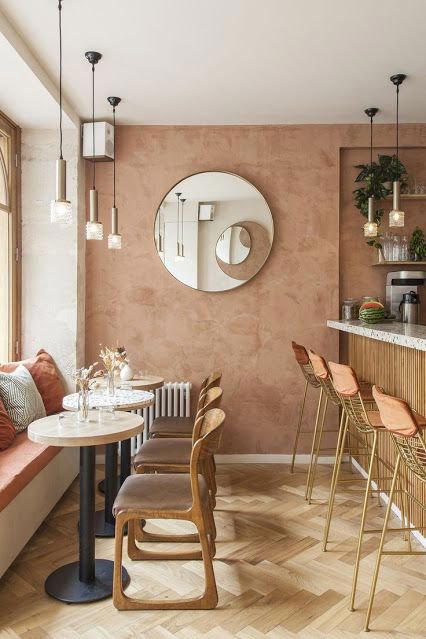
Bars in Aveiro
Browse all →
Hotels in Aveiro
Browse all →

At a Glance
- Modern
- Cozy
- Lively
- Sophisticated
- Group Dining
- Casual Hangout
- Date Night
- Special Occasion
- Waterfront
- Open Kitchen
- Standalone
- Craft Cocktails
- Local Sourcing
- Waterfront
- Street Scene
A contemporary urban space with a modern yet warm atmosphere, designed for sharing and social dining, with views onto Aveiro’s canal area.