
Tabelog 100 #54
Our verdict
Menya Rei is a Chitose ramen and tsukemen counter with repeated Tabelog 100 recognition, including Ramen HOKKAIDO 2025, and a JPY 1,000 - JPY 1,999 spend range. The draw is not luxury theater but Hokkaido’s practical noodle culture: a compact, low-cost format where local demand, counter seating, and award-list consistency matter more than polish.

Pearl is the En Primeur Club membership app, where members save venues, book tables and use the concierge.
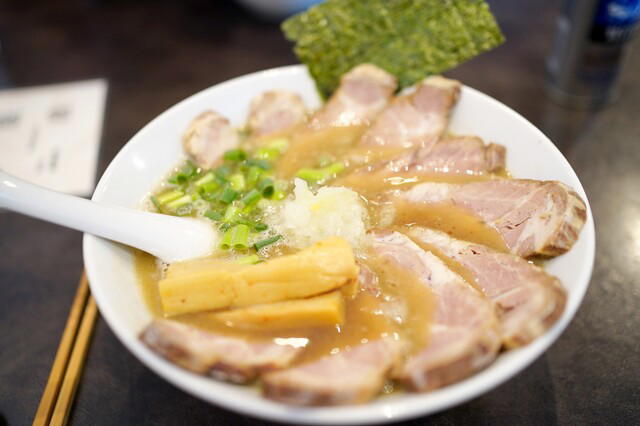
The menu
What to order
- Miso ramen
- Shio ramen
- Miso tsukemen
- Shoyu tsukemen
Approaching a serious Hokkaido ramen shop rarely needs ceremony. The signal is simpler: a focused category, clear menu logic, and bowls judged on fundamentals. Menya Rei belongs to that school, built for concentration rather than spectacle, with value framed by the bowl, the pace of the meal, and its place in Sapporo dining.
Hokkaido’s noodle culture is often reduced to Sapporo miso ramen, but the island’s ramen scene is broader. In Sapporo, ramen can function as more than a nightlife ritual: it can be a focused meal stop, a quick lunch, or a destination for diners who care about the details of noodles and broth. A ramen and tsukemen shop here is not competing with tasting-menu restaurants; it is competing with speed, repeat custom, and a regional expectation that a bowl should carry enough identity to justify attention.
Hokkaido ramen discipline, without the downtown Sapporo gloss
Read Menya Rei through format. Ramen and tsukemen are the core categories, placing the shop inside a Japanese noodle tradition shaped by precision, turnover, and narrow product focus. Tsukemen changes the meal’s rhythm: noodles and broth are separated, texture carries more responsibility, and the diner controls pace differently from soup ramen. That dual category gives the kitchen a wider technical field without turning the meal into a chef-led performance.
The award listing sharpens the point. Recognition in the Tabelog 100 Ramen HOKKAIDO 2025 context signals local relevance rather than a publicity spike. In Japan’s crowded, price-sensitive ramen culture, exposed to daily customer judgment, that kind of recognition matters. A shop cannot coast on décor or wine service; the format gives little cover.
The global-technique angle is quieter than at a fine-dining counter, but present in ramen itself: Chinese noodle ancestry, Japanese stock discipline, regional tare preferences, and, in Hokkaido, cold-weather appetite and local habits. Menya Rei is not importing spectacle. It shows how a Hokkaido noodle shop can work inside internationally recognizable ramen grammar while staying grounded in practical Sapporo eating.
For travelers using Sapporo as a base, the comparison helps. Sapporo has a wider spread of noodle and casual dining, from other ramen counters to curry specialists and broader everyday dining rooms. The decision is less about long evenings than about whether a direct, contained bowl belongs in the day’s plan. Menya Rei fits because the meal is direct, contained, and judged on fundamentals.
A focused meal with award-list credibility
The format shapes the experience. Menya Rei reads as a specialist ramen-and-tsukemen category rather than a large, destination-style dining room. Ramen service is choreography: ordering, waiting, eating while noodles hold texture, then making space for the next party. That sequence is central to the meal. The table is not the point; the bowl is.
Price defines the editorial decision. In the JPY 1,000 - JPY 1,999 band, the stakes are not extravagance but time allocation. The traveler’s question is whether to spend a meal slot on a Tabelog-recognized ramen shop in Sapporo. For ramen-focused visitors, the answer is stronger than for generalists sampling every Hokkaido category in two days; they may gain more by staying flexible and using Our full Sapporo restaurants guide for a broader itinerary.
Menya Rei sits in a distinct bracket within the region’s range. IOrI, Kita no Hana Hayashi, Sapporo Miso Ramen Senmon Ten Keyaki Shin chitose kuukou ten, Ajisai Shin chitose kuukou ten, and MIRTILLO all illustrate how varied the local dining map can be, from casual noodle stops to more specialized meals. The choice is clear: Menya Rei is not presented as a luxury meal, but as a focused ramen-and-tsukemen address with a clear recognition signal.
The absence of sprawling hospitality is part of the category, not a flaw. Ramen at this level rewards diners who understand the compact contract: arrive prepared, eat attentively, and treat the room’s pace as part of the format. Solo diners and small groups can both fit the rhythm. The format can be solitary without feeling formal, and practical without feeling generic.
How to place it in a Sapporo-area itinerary
Use Menya Rei selectively. It makes sense when ramen is a primary reason for the trip rather than incidental lunch. It is less efficient as a casual detour within a crowded schedule unless the traveler is building a Hokkaido ramen map. Balance the day with Our full Sapporo hotels guide for base selection, Our full Sapporo bars guide for evening drinking, Our full Sapporo experiences guide for non-restaurant time, and Our full Sapporo wineries guide for a wider drinks lens.
That distinction matters because Hokkaido rewards specialization. A traveler chasing bread, pastry, seafood, or café culture might weigh other Sapporo dining rooms differently from a ramen obsessive. Someone mapping Japanese casual dining across cities might compare compact specialty formats generically: noodle counters, small curry rooms, café-led meals, quick-service specialists, or casual grilling addresses. For a broader Japan-and-beyond casual-food lens, the same logic extends without needing every stop to play the same role.
The editorial case is clean: Menya Rei is for travelers who care about the difference between a convenient bowl and a recognized local ramen address. Its Tabelog 100 Ramen HOKKAIDO 2025 presence, ramen-tsukemen focus, and accessible price band give it a clear place in the Sapporo food map. Treat it as a specialist stop, not a general sightseeing meal, and its role is easy to understand.
Frequently asked questions
Is Menya Rei more mid-range or high-end?
Pricing at Menya Rei is listed as JPY 1,000 - JPY 1,999.
Where is Menya Rei in Sapporo?
Sapporo.
Can I walk in to Menya Rei?
Public details provided here do not confirm a reservation policy or service schedule. Plan flexibly and check the venue's official channels for the latest details before visiting.
What is Menya Rei known for?
Menya Rei is listed for ramen and tsukemen, and it was selected for Tabelog Ramen HOKKAIDO "Tabelog 100" 2025. The price range sits at JPY 1,000 to JPY 1,999, which keeps it in an accessible bracket for an award-listed noodle shop in Sapporo.
What if I have allergies at Menya Rei?
No allergy policy is listed in the provided public record, so the practical move is to check ingredients before ordering. Check the venue's official channels for the latest details.
Price Lens
Comparable venues to anchor price and recognition.
| Venue | Cuisine | Price | Awards | Notes |
|---|---|---|---|---|
| Menya ReiThis venue (the venue you are viewing) | Hokkaido Ramen & Tsukemen Shop | $10–20 | Tabelog 100 #54 | Not listed |
| Menya Nanabee Honten | Ramen | $10–20 | Tabelog 100 #82 | Shiroishi, Ramen |
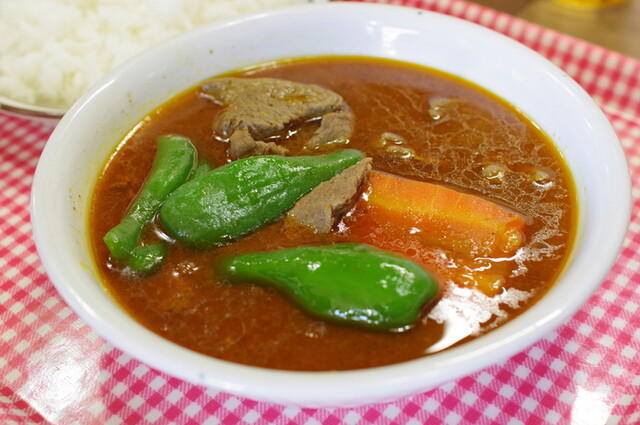
| Hot Spice Shop Hood Dog | Soup curry and hot dog diner | $10–20 | Tabelog 100 #86 | Chūō, Soup curry and hot dog diner |
| Sapporo Ramen Kifu Susukino ten | Japanese Ramen | $1–10 | Tabelog 100 #90 | Chūō, Japanese Ramen |
| Hige Danshaku | Hokkaido Soup Curry | $10–20 | Tabelog 100 #32 | Chūō, Hokkaido Soup Curry |
| TORA | Ramen shop | Not listed | Tabelog 100 #68 | Kiyota, Ramen shop |
Recognition history
Dated appearances from independent guides and award organizations, with the underlying list record or original source where available.
Tabelog 100 #54 · No. 54
Tabelog · Tabelog 100 - Ramen - HOKKAIDO - 2025
Continue exploring
More in Sapporo
Restaurants in Sapporo
All restaurants in Sapporo →
Bars in Sapporo
All bars in Sapporo →


Details
- Cozy
- Minimalist
- Lively
- Solo
- Family
- Casual Hangout
- After Work
- Standalone
- A La Carte
- Counter Dining
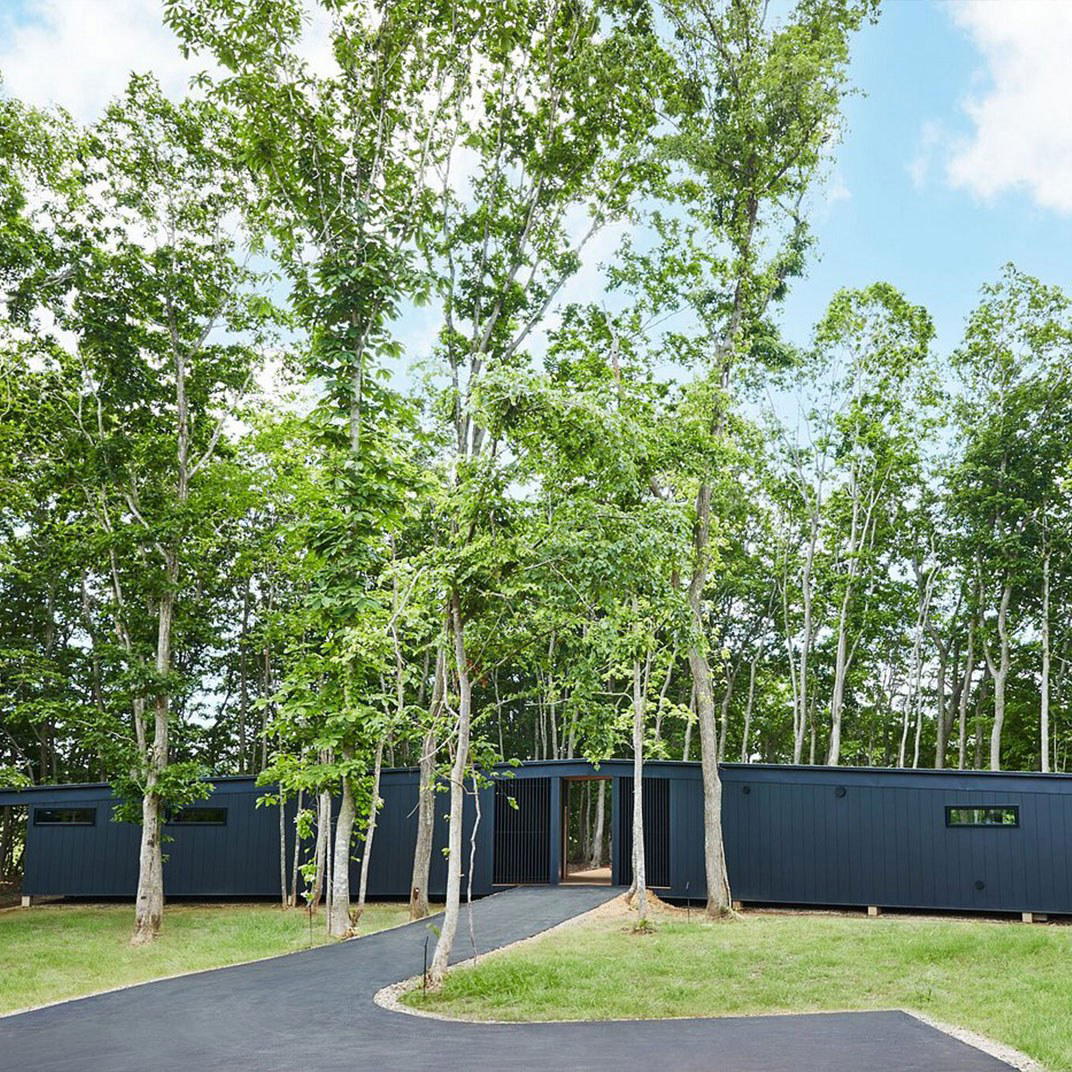
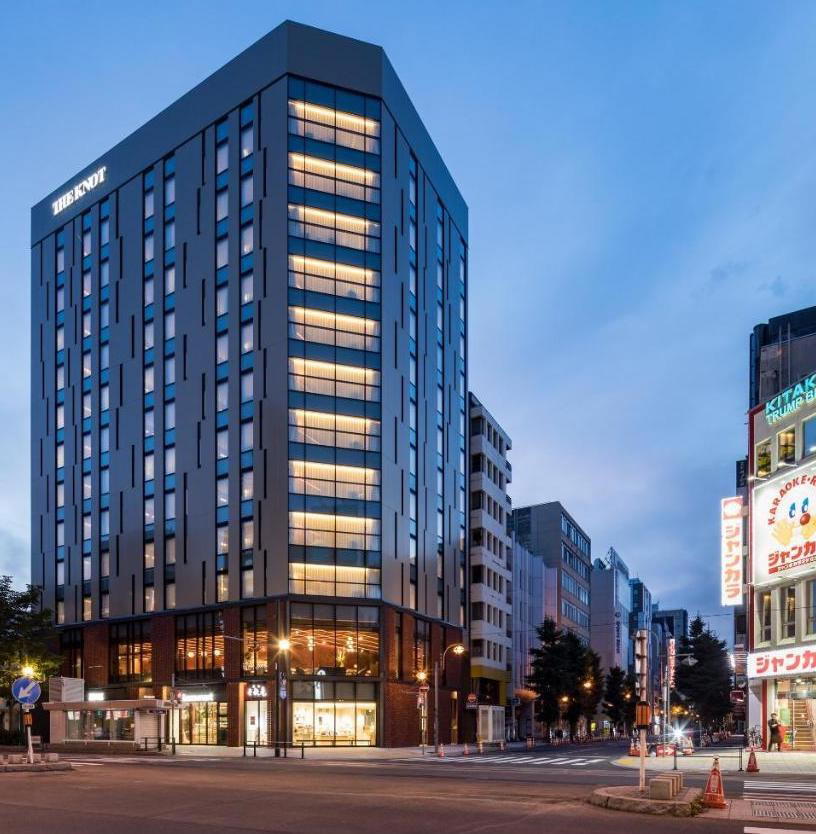
A small, non‑smoking neighborhood ramen shop with just 15 seats, counter‑focused and efficiently run, offering a bright, casual, minimalist setting that feels cozy and welcoming for solo diners and families alike.