Menya Nanabee
Sapporo's ramen identity runs deep, and Menya Nanabee sits within that tradition as a Hokkaido bowl worth tracking down. The city that gave the world miso ramen treats its noodle culture with the same seriousness other Japanese cities reserve for kaiseki or sushi, and this address reflects that local standard. For visitors building a serious eating itinerary through northern Japan, it belongs on the list.
Pearl is the En Primeur Club membership app — saves, bookings, and concierge access live there. Same editors, same standards.
- Address
- Hokkaido (Sapporo), Japan
- Directions
- Get directions
 Saves & bookings on Pearl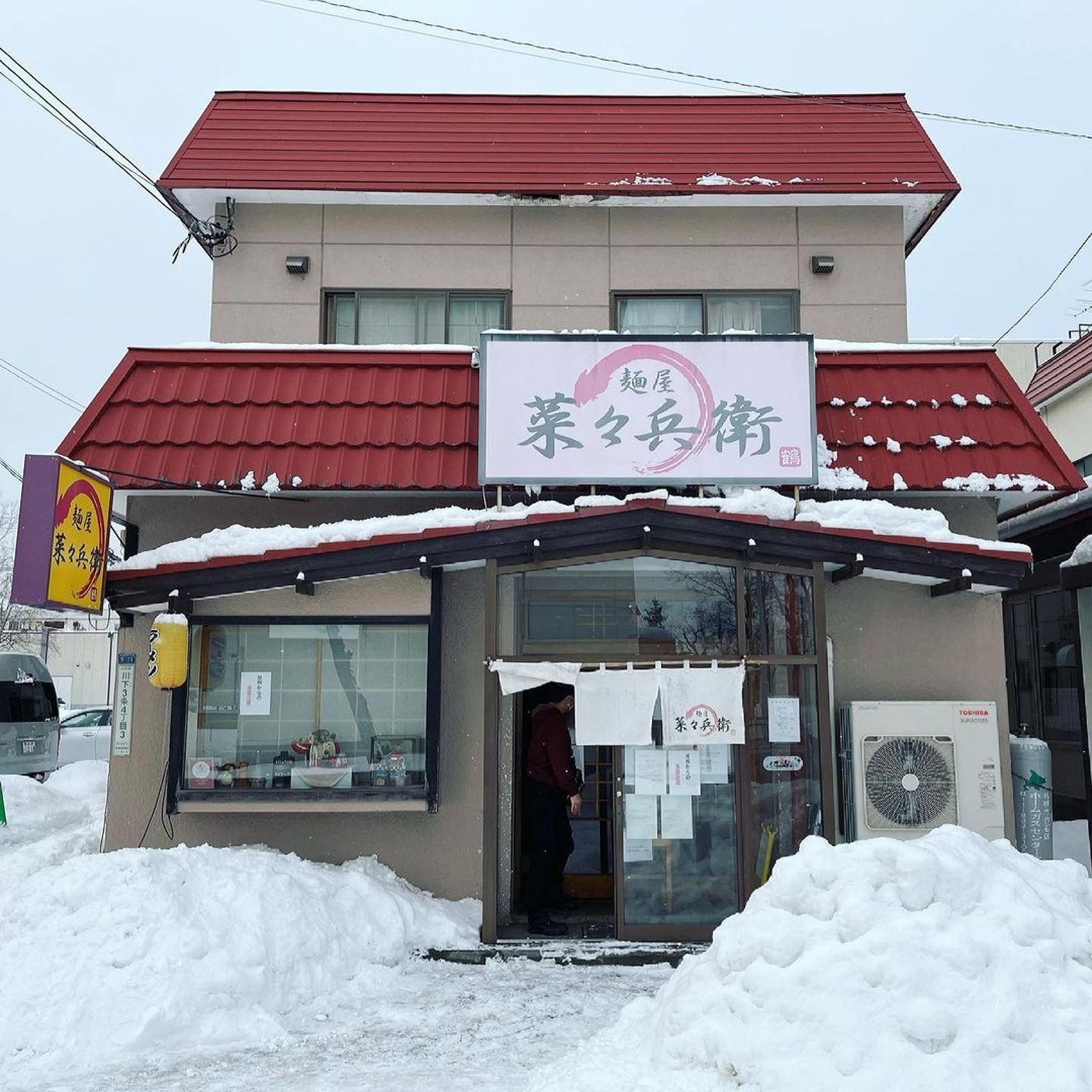
Hokkaido's Cold Climate and What It Does to a Bowl of Ramen
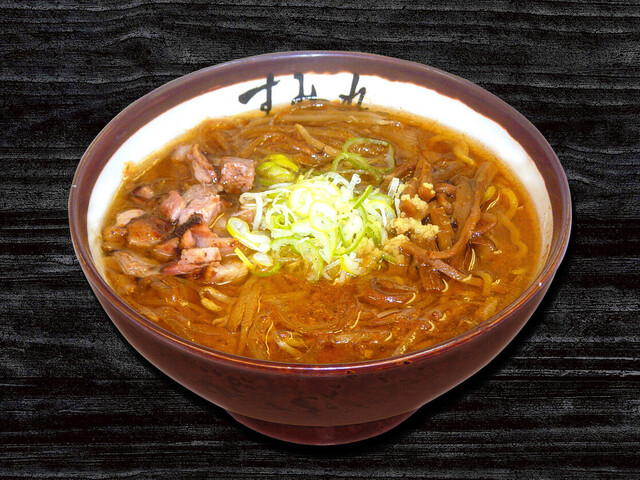
Sapporo's claim on ramen is not sentimental. The city's winters, which routinely push temperatures below minus ten Celsius, created a practical demand for bowls built around fat, depth, and heat retention. Miso ramen, the format Sapporo codified and exported, was engineered as much by geography as by any kitchen philosophy. The thick, fermented paste base holds warmth longer than shoyu or shio styles, the noodles are cut thicker to carry more broth per bite, and the toppings, often corn, butter, and chashu, add caloric weight suited to a city where people walk between buildings through genuine cold. Menya Nanabee operates inside that tradition, in a city where ramen is a casual lunch and a point of civic pride.
Hokkaido has a sourcing advantage across this many categories simultaneously. The island produces a significant share of Japan's dairy, wheat, pork, corn, and seafood. For a ramen kitchen, that means miso from local fermenters, pork from Hokkaido breeds raised on local feed, and butter and corn that arrive without the distance costs that dilute quality in warmer prefectures. When Sapporo ramen works at its leading, the ingredient chain is unusually short, and the flavour reflects that compression. The richness in a well-made Hokkaido miso broth is not manufactured through additives, it comes from fat-forward pork bones, quality miso paste, and the kind of corn sweetness that only makes sense when the corn was grown on the same island.
Where Menya Nanabee Sits in Sapporo's Ramen Scene
Sapporo's ramen options divide roughly into three tiers. At the leading sit a handful of counters with national reputations and lines that begin forming before opening. In the middle is a broader set of technically competent, locally trusted shops that Sapporo residents return to on rotation. Below that is the tourist-facing category, concentrated near the Susukino entertainment district and the city's designated Ramen Alley (Ganso Ramen Yokocho), where the format and the theatre matter more than the bowl itself. Menya Nanabee positions within the middle and upper registers of that structure, a shop where the product, rather than the location or the branding, carries the argument.
For visitors approaching Sapporo from a broader Japan itinerary that includes restaurants like Gion Sasaki in Kyoto or Harutaka in Tokyo, the register shift is significant. Ramen, even at its most serious, operates without the ceremony of kaiseki or omakase. There are no set courses, no tableside explanations, no pairing recommendations. The bowl arrives, and the bowl is the argument. That directness is part of what makes Sapporo's ramen culture worth engaging with seriously, and why it sits alongside, rather than below, the more elaborate formats covered in our full Hokkaido (Sapporo) restaurants guide.
The Ingredient Logic Behind a Hokkaido Miso Bowl
The sourcing case for Hokkaido ramen is easier to make than for almost any other Japanese noodle format. Tonkotsu in Fukuoka, for instance, leans on pork bones but imports much of its supporting ingredient chain from elsewhere in Kyushu or beyond. Sapporo's miso ramen, by contrast, draws on Hokkaido's own agricultural and aquaculture base at nearly every step. The miso paste itself, typically a blended red-and-white variety in Sapporo kitchens, comes from fermenters working with locally grown soybeans. The pork used for chashu and for broth-building often traces to Hokkaido farms. Corn, a fixture on the classic Sapporo bowl, grows abundantly in the prefecture's eastern agricultural plains. Butter, which appears either as a finishing fat or a table condiment, is Hokkaido dairy as a matter of routine rather than a premium gesture.
This ingredient density gives Sapporo ramen a coherence that is harder to achieve when components travel further. Shops in this category that take sourcing seriously, working directly with regional suppliers rather than through consolidated wholesale channels, tend to produce broths with more identifiable character. The fat in the broth tastes like specific pork, not generic richness. The miso has fermentation depth rather than just salt. That specificity is what separates the serious addresses from the competent ones, and it is the axis on which Sapporo's leading ramen shops earn their standing. Other strong Sapporo addresses in the broader fine-dining tier, including 夕佳山乃 in Sapporo, show how seriously Hokkaido kitchens treat local produce as a structural argument rather than a marketing note.
Planning Your Visit
Ramen shops in Sapporo rarely operate on the reservation systems that govern omakase counters or kaiseki rooms. Most run on a first-come basis, which means arrival timing matters more than any booking strategy. Popular shops fill quickly at lunch and dinner openings, and the gap between a short wait and a long one can be as little as fifteen minutes. Visiting outside peak meal windows, arriving at 11am rather than noon, or around 5:30pm rather than 7pm, tends to reduce queue time substantially without sacrificing the quality of the bowl, which is prepared fresh throughout service regardless of the hour.
Sapporo's ramen district concentration, particularly around Susukino and the Chuo-ku wards, means that several credible options cluster within walking distance of each other, which makes it practical to scout the area before committing to a specific shop. For visitors building a broader Hokkaido eating itinerary, pairing a ramen lunch with a dinner reservation at a more formal address, such as Missu House Fushimi, covers both registers of what the city does well without redundancy.
The price tier for serious ramen in Sapporo sits well below the ¥¥¥¥ bracket occupied by Japan's kaiseki and omakase rooms. A bowl at the restaurant typically lands around $10 per person, with toppings adding incrementally. That pricing makes ramen one of the few categories in Japan where quality and accessibility converge without compromise.
Side-by-Side Snapshot
Comparable venues nearby, for context on price, style, and recognition.
| Venue | Cuisine | Price | Notes |
|---|---|---|---|
| Menya NanabeeThis venue — the venue you are viewing | Sapporo Chicken Paitan Ramen | $$ | Not listed |
| Baby J Chicken | Buttermilk Fried Chicken Sandwiches | $$ | Central Ward |
| Missu House Fushimi | Handmade Hokkaido Ice Cream & Parfaits | $ | Fushimi |
| sake stand Ponshu Mania | Standing Japanese sake bar | $$ | Chūō |
| 米増 | Japanese Restaurant | Not listed | Kita |
| Shinsen Horumon Sambyakuya | Japanese Yakiniku & Horumon | $$ | Shibuya |
Continue exploring
More in Hokkaido (Sapporo)
Restaurants in Hokkaido (Sapporo)
Browse all →
Bars in Hokkaido (Sapporo)
Browse all →



At a Glance
- Cozy
- Casual Hangout
- Sake Program