
Menya Hanabusa belongs to Osaka’s compact counter-ramen culture rather than the city’s celebratory dining circuit. Its Tabelog 100 Ramen OSAKA 2025 selection, seven-seat counter format, and focus on ramen, abura-soba, and maze-soba make it a precise stop for travelers who treat a short lunch as seriously as a long tasting menu.
Pearl is the En Primeur Club membership app — saves, bookings, and concierge access live there. Same editors, same standards.
- Address
- 1 Chome-1-4 Honmachi, Chuo Ward, Osaka, 541-0053, Japan
- Website
- twitter.com
 Saves & bookings on Pearl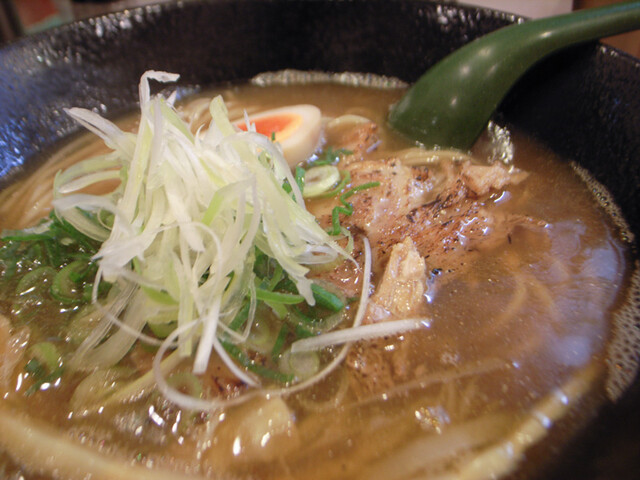
Approach the ramen counter in Honmachi and Osaka changes scale. The city’s larger dining rituals use private rooms, course pacing, and polished service; serious noodle shops strip that away. A short counter, narrow menu grammar, and quick-turnover room ask diners to focus, not linger. Menya Hanabusa fits that Osaka pattern: compact, counter-only, and defined by ramen, abura-soba, and maze-soba rather than ceremony.
That makes it an interesting occasion restaurant. Not every milestone meal needs white linen or a tasting menu. In Japan, an acclaimed ramen counter can mark a first day in a city, a last meal before the train, or a solo lunch remembered more sharply than a formal dinner. The seven-seat scale turns an everyday category into a focused experience, where occasion comes from concentration rather than expense.
Seven seats and a ramen category that rewards precision
Osaka’s dining identity is often flattened into street-food shorthand, but its stronger food culture is built on specialization. The city gives equal seriousness to takoyaki, kappo, izakaya cooking, bakeries, curry counters, and ramen shops, each with its own pacing and expectations. In that frame, a ramen counter is not a casual fallback but a technical format: broth, tare, noodle texture, oil, toppings, and timing must align within minutes, not across a long tasting sequence.
Menya Hanabusa’s recognition on Tabelog 100 Ramen OSAKA 2025 places it inside a curated Osaka ramen cohort rather than a general restaurant ranking. The distinction matters: ramen evaluation in Japan rewards repeatable craft, local following, and category-specific execution, not the broad hospitality signals of fine-dining awards. The shop has also appeared in earlier Tabelog Ramen 100 selections across WEST and OSAKA editions, with listed selections in 2017, 2019, 2020, 2021, 2022, 2023, 2024, and 2025. That history points to consistency in a category where new openings compete aggressively for attention.
The menu categories shape the counter. Ramen anchors it, while abura-soba and maze-soba move toward brothless or mixed-noodle formats, where seasoning and noodle coating carry more of the burden. For travelers used to ramen as one genre, Osaka’s better counters show how wide the form can be without leaving the noodle-shop idiom. A bowl can read as soup, sauce, or dressed noodle composition, changing the meal’s rhythm.
Compared with the city’s higher-spend special-occasion rooms, the appeal here is compression. É nye occupies a far more formal price tier, while Sugimachi sits in a Japanese dining bracket with different pacing and expectations. Benikurage belongs to the izakaya lane, and wapiti operates at a mid-range level. Zeroku Honmachi ten is closer on price, but the comparison underlines how Osaka’s casual categories splinter into distinct rituals. A ramen counter is not a lesser dinner; it is a different social contract.
Honmachi makes a serious noodle stop feel local, not theatrical
Honmachi suits this meal because it is not primarily a spectacle district. Between office blocks, subway exits, and practical lunch routes, the neighborhood supports restaurants that must work for regulars as much as visitors. The meal is judged quickly, the counter has little tolerance for drift, and value must be clear without explanation.
For celebration travel, that restraint is a strength. Osaka already supplies obvious ways to spend a night: bar-hopping, private dining, hotel restaurants, and late izakaya runs. A small Honmachi ramen counter gives the trip a different marker, especially for diners who collect craft formats rather than luxury signals. It fits a focused lunch, a low-key birthday meal for a ramen obsessive, or a pared-down stop before a formal evening. It is less suited to groups wanting a long table, extended drinking, or lingering conversation.
The counter-only setup favors solo diners. Japan’s serious ramen culture has long made room for eating alone without awkwardness, and Osaka is especially good at keeping that efficient without making it transactional. Children are welcomed, which broadens the occasion slightly, though the format remains compact. Treat the meal as a short, concentrated appointment rather than a flexible hangout.
Planning an Osaka food day around categories rather than neighborhoods makes the city easier to understand. A ramen counter like this can sit alongside bakery stops such as 52CHO-ME BAKERY, casual local staples such as 551 Horai (551蓬莱), Italian cooking at a canto (Italian), or the contemporary pizza lane represented by 99 Pizza Napoletana Gourmet. For a softer daytime pause, .cafe maps another side of the city’s casual dining range.
How to place it in an Osaka itinerary
The strongest use case is a traveler who wants one serious ramen stop without turning the trip into queue-chasing. The award signal gives confidence, the small counter gives intensity, and the category spread offers choice for diners who know the difference between soup ramen and mixed noodles. This is not the grand anniversary dinner; it is the meal that gives a celebratory trip texture between grander bookings.
Osaka rewards that alternation. A polished hotel stay, craft cocktail night, market morning, and counter lunch each explain a different part of the city. For broader planning, Our full Osaka restaurants guide covers the dining field, while Our full Osaka hotels guide, Our full Osaka bars guide, Our full Osaka wineries guide, and Our full Osaka experiences guide help place the meal within the wider trip.
Travelers comparing Japanese casual formats beyond Osaka can see regional specialization shift from place to place: [Curry Senmon Ten] Maruyama Kyoju. in Sapporo for curry focus, [ki:] in Kyoto for a different city tempo.know in Kumamoto for regional contrast, and (Shoku) Vietnam in Kawasaki for Japan’s broader casual dining range. The same category lens extends overseas through Japanese-adjacent formats such as Jōdo Saké Bar in Los Angeles and Onigiri Time in Pasadena. For wider Japan routes, contrasts such as -Grilled beef Sukiyaki- KAMAKURA TANUKIAN 鎌倉 たぬき庵 in Kamakura and. 鮪と炭火焼き うお炭 秋葉原店 in Tokyo show how occasion dining can shift from beef, seafood, and sake to a single bowl at a counter.
Ramen does not replace a milestone restaurant. It sharpens the itinerary. Menya Hanabusa works when the occasion is less about display and more about choosing a format Osaka takes seriously: a small counter, defined noodle vocabulary, and award history among the city’s recognized ramen specialists.
Reputation First
Comparable options at the same price tier.
| Venue | Cuisine | Price | Notes |
|---|---|---|---|
| Menya HanabusaThis venue — the venue you are viewing | Nagoya Cochin chicken ramen & chuka soba | $ | Not listed |
| Chiikawa Bakery | Chiikawa-themed Japanese bakery café | $ | Umeda |
| Yotsubashi Cafe | Japanese yoshoku-style cafe specializing in hamburg steak | $ | Nishi |
| Osaka Mentetsu | Osaka-style ramen counter | $ | Kita |
| SOMA | Spice-focused Japanese curry | $ | Kita |
| Sanuki Teuchi Udon Zenigata | Sanuki hand‑made udon and curry udon | $ | Toyonaka (Hattori Tenjin) |
Recognition history
Dated appearances from independent guides and award organizations, with the underlying list record or original source where available.
Tabelog 100 #29 · No. 29
Tabelog · Tabelog 100 - Ramen - OSAKA - 2025
Continue exploring
More in Osaka
Restaurants in Osaka
Browse all →




Bars in Osaka
Browse all →

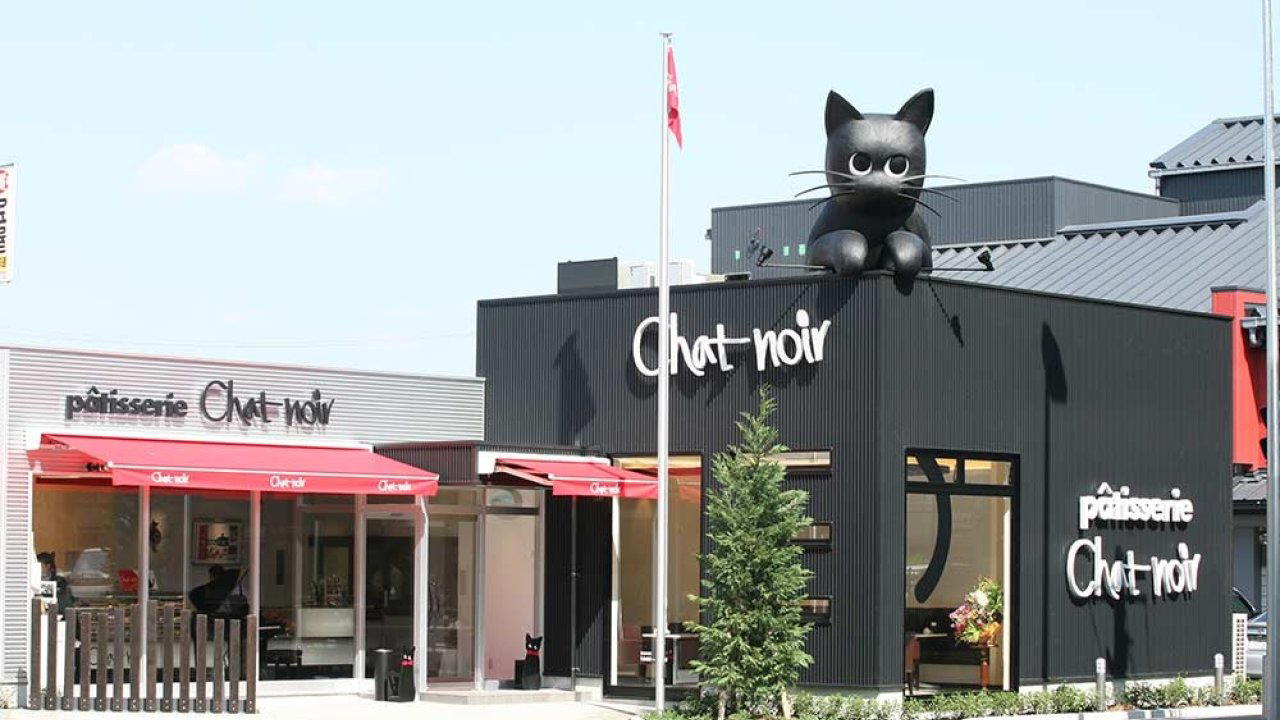
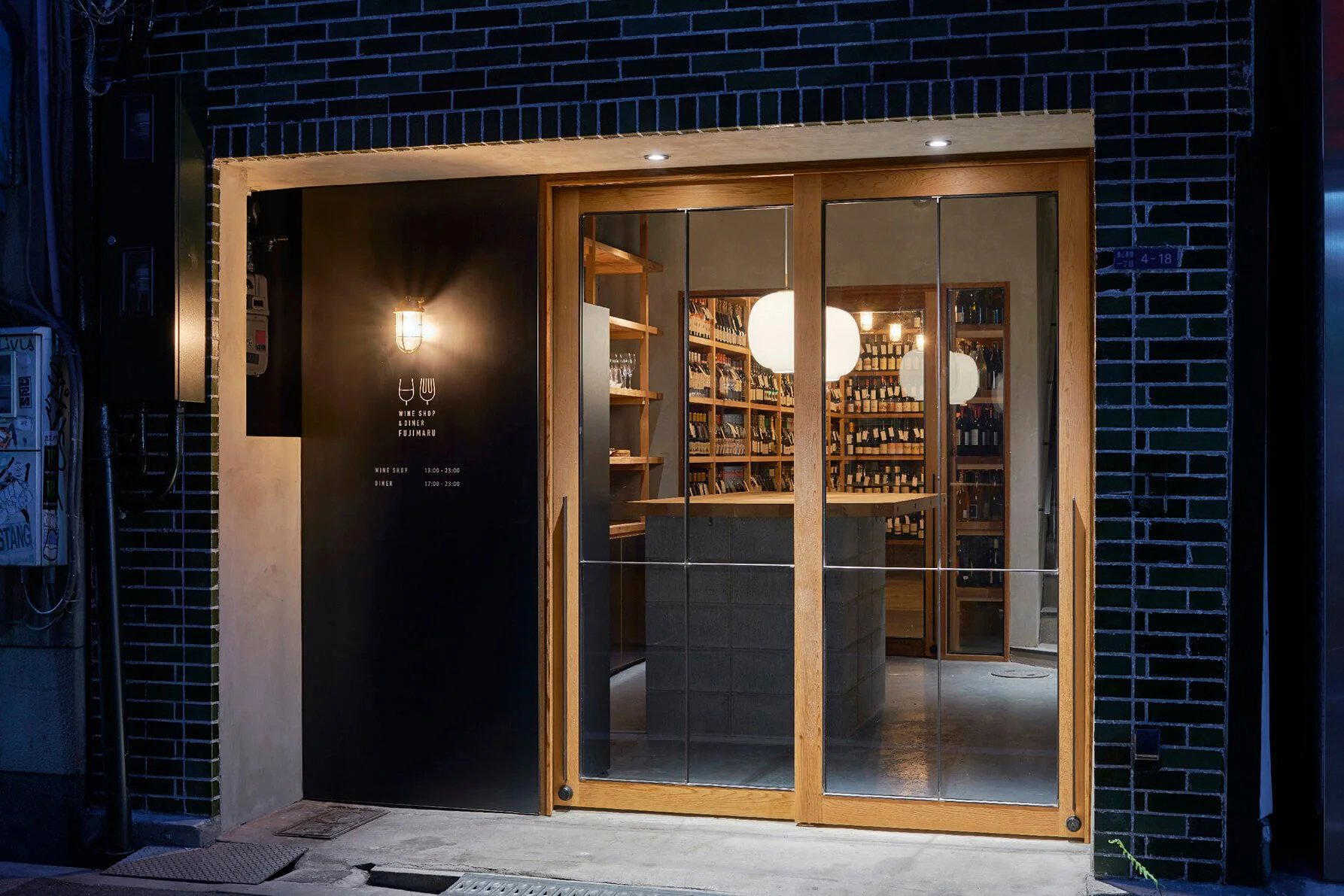
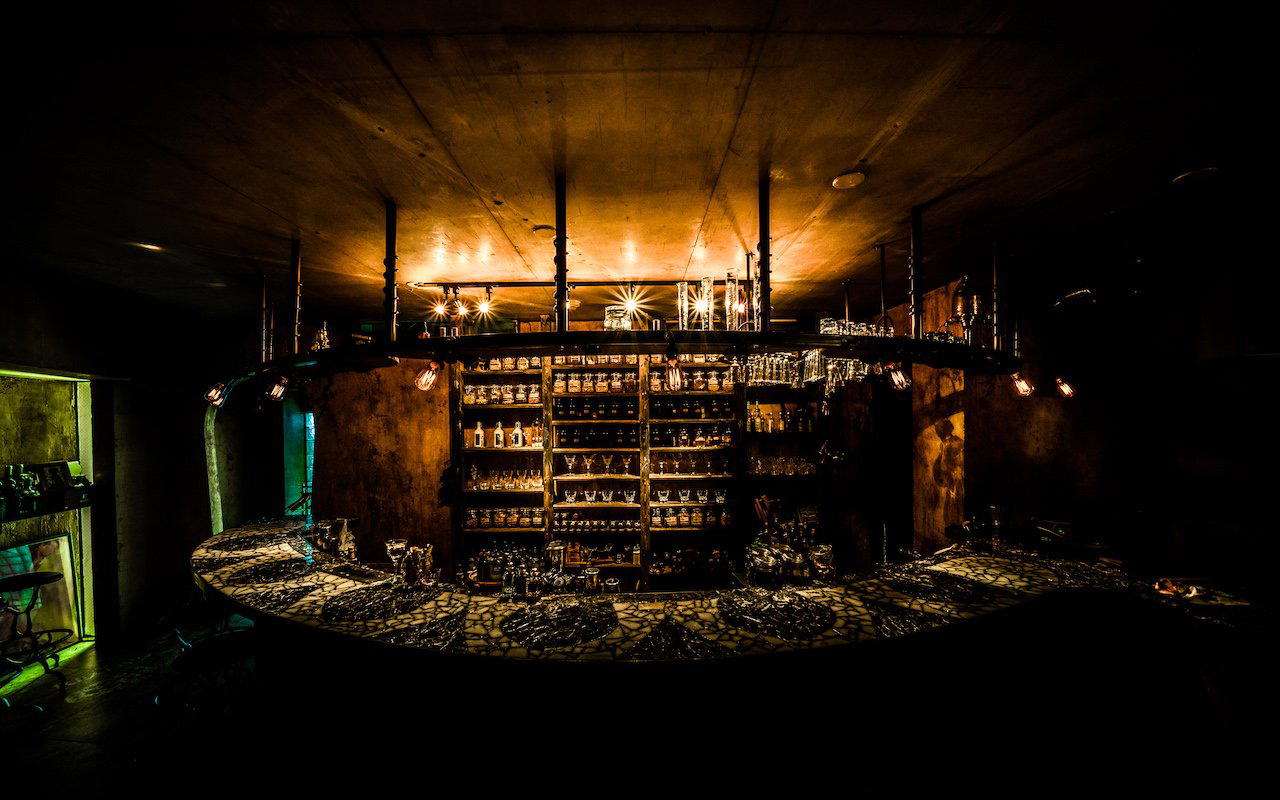
Hotels in Osaka
Browse all →



Wineries in Osaka
Browse all →
At a Glance
- Cozy
- Lively
- Solo
- After Work
- Casual Hangout
- Chefs Counter
- Standalone
- Local Sourcing
Current opening hours
- Monday
- 11 AM–2:30 PM, 6–9 PM
- Tuesday
- 11 AM–2:30 PM, 6–9 PM
- Wednesday
- 11 AM–2:30 PM
- Thursday
- 11 AM–2:30 PM, 6–9 PM
- Friday
- 11 AM–2:30 PM, 6–9 PM
- Saturday
- 11 AM–2:30 PM
- Sunday
- Closed
Hours can change for holidays and private events. Last verified .
A small, counter-only ramen shop with an intimate, casual feel and a buzzy but relaxed atmosphere typical of central Osaka noodle counters.