
Tabelog 100 #9
Our verdict
Ginza’s ramen culture is not only late-night bowls and salaryman speed; it also has a quieter lunch-led register shaped by Japanese dining technique. Mentokoro Ginzasa belongs to that camp, combining ramen and tsukemen with the discipline suggested by repeated Tabelog Ramen TOKYO 100 selections from 2017 through 2025.

Pearl is the En Primeur Club membership app, where members save venues, book tables and use the concierge.
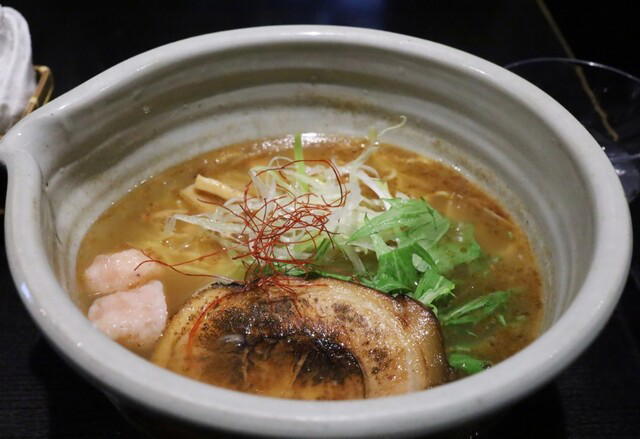
Tokyo changes character block by block: department-store polish gives way to office backstreets, then to small ground-floor rooms where lunch can feel more serious than dinner. Here, ramen is not Tokyo noodle culture as neon caricature or maximalist queue spectacle. The more interesting Tokyo ramen rooms borrow from adjacent Japanese traditions: controlled broths, restrained service rhythms, and rooms that turn quickly without feeling careless.
Mentokoro Ginzasa sits in that quieter category. Its recognition in Tabelog’s Hyakumeiten context for 2025 matters in a crowded Tokyo ramen field where novelty rarely sustains attention. The signal is consistency within the category: ramen and tsukemen judged against a broad peer group, not just a convenience stop. In a city that can tilt toward formal Japanese dining, sushi counters, steak rooms, and business entertaining, a serious noodle shop at this scale gives Tokyo another kind of precision.
Tokyo ramen shaped by Japanese meal discipline
Read this venue through cross-category influence, not ramen taxonomy alone. The appeal is in how the shop sits apart from louder ramen idioms. Japanese noodle culture prizes broth, seasoning, texture, and temperature as a complete small meal; that sensibility translates to ramen when the bowl is treated as composition rather than volume.
Tokyo ramen has long split between high-impact bowls, regional revival, and careful refinement. The city rewards control as much as novelty. Comparison points show the spread: Ginza Asami belongs to a Japanese dining register, Choyo points toward Chinese cooking, Gorio covers steak, and Teuchi Soba Narutomi shows how noodle craft can operate at a different price and formality level. Against that mix, Mentokoro Ginzasa occupies a compact ramen-and-tsukemen lane, closer to a disciplined lunch counter than a long-form restaurant.
The team dynamic is less about named personalities than handoff. In small ramen rooms, kitchen, service path, and table turnover must work as one: bowls leave the pass in sequence, diners understand the tempo, and front-of-house keeps the room moving without tasting-menu ceremony. That coordination is part of higher-tier Tokyo ramen’s appeal. The experience depends on repetition and timing as much as recipe.
Recognition without fine-dining theatre
Tabelog’s Hyakumeiten format suits ramen because it separates specialist credibility from luxury cues. A place can earn attention without linen, wine pairing, or a chef’s counter narrative. The 2025 recognition places Mentokoro Ginzasa inside a selective ramen and tsukemen context, while its listed score of 3.78 suggests a strong specialist audience. For readers used to Michelin-style signals, this is a different grammar: crowd fluency, category depth, and recognition within a focused dining field carry weight.
That matters in Tokyo, where price and status can distort expectations. Ramen remains democratic by Tokyo standards, and Mentokoro Ginzasa is listed in the JPY 1,000–1,999 range for both lunch and dinner budgets. Serious ramen is still not casual in execution. The format compresses decision-making into a short meal: noodle texture, broth clarity or density, tare balance, and service timing all need to land quickly. Tsukemen adds another test because dipping noodles expose temperature management and concentration in a way standard soup ramen can soften. Serving both ramen and tsukemen puts the kitchen in a technical conversation familiar across Tokyo noodle culture.
There is also a city lesson. Tokyo’s dining reputation is often reduced to luxury sushi, department-store restaurants, and expense-account rooms. A ramen shop with specialist recognition complicates that map, showing how the city’s strongest food districts stack formats rather than rely on one category. A visitor can move from soba to ramen, Japanese set meals to steak, cocktail bars to cafés, within the same city. For wider planning, Our full Tokyo restaurants guide gives that spread more context, while Our full Tokyo bars guide, Our full Tokyo hotels guide, Our full Tokyo wineries guide, and Our full Tokyo experiences guide map the city beyond the bowl.
How to place it in a Tokyo food day
This ramen stop works better as a deliberate daytime anchor than an afterthought between appointments. The Tokyo setting puts it within a city where ramen is often about timing as much as appetite, and a compact specialist room rewards diners who treat the meal as the plan, not a gap-filler.
Tokyo ramen culture changes the social contract. The meal is short, the room compact, and the value lies in execution rather than lingering. The format can suit diners who understand the pace, but this is not a sprawling dining room for long stays. The point is public, efficient Tokyo dining, not a secluded business meal.
For a Tokyo itinerary built around contrast, pair this style of ramen with other formats rather than more of the same. Casual city eating might point toward unnamed curry counters, cafés, and grilled seafood rooms. A more structured night could sit closer to Tokyo’s yakitori, Japanese dining, or steak traditions. Beyond that, Japan’s regional breadth runs through countless local formats, from casual noodle shops to compact specialist counters. For a wider echo of Japanese casual formats, other dining rooms outside Japan show how these ideas travel without changing the appeal of the original Tokyo setting.
The editorial case for Mentokoro Ginzasa is not excess. It is Tokyo’s ability to make a short lunch format carry craft, hierarchy, and city intelligence. In that restraint, the shop can be more revealing than another expensive room.
Nearby-ish Comparables
Comparable venues to anchor price and recognition.
| Venue | Cuisine | Price | Awards | Notes |
|---|---|---|---|---|
| Mentokoro GinzasaThis venue (the venue you are viewing) | Japanese Ramen | $10–20 | Tabelog 100 #9 | Not listed |
| Ginza Asami | Traditional Japanese Kaiseki | $20–30 | Michelin Plate | Japanese |
| Choyo | Authentic Sichuan Chinese | $50–100 | Not listed | Chinese |
| Ogami Shabu Shabu | Premium Shabu-Shabu | $50–100 | Not listed | Not listed |
| Gorio | Traditional Japanese Charcoal-Grilled Tajima Beef Steakhouse | $200–300 | Tabelog 100 #3 | Steak |
| Teuchi Soba Narutomi | Traditional Ginza soba & tempura | $20–30 | Tabelog 100 #51 | JPY 6,000 - JPY 7,999 JPY 1,000 - JPY 1,999 |
Recognition history
Dated appearances from independent guides and award organizations, with the underlying list record or original source where available.
Tabelog 100 #9 · No. 9
Tabelog · Tabelog 100 - Ramen - TOKYO - 2025
Continue exploring
More in Tokyo
Restaurants in Tokyo
All restaurants in Tokyo →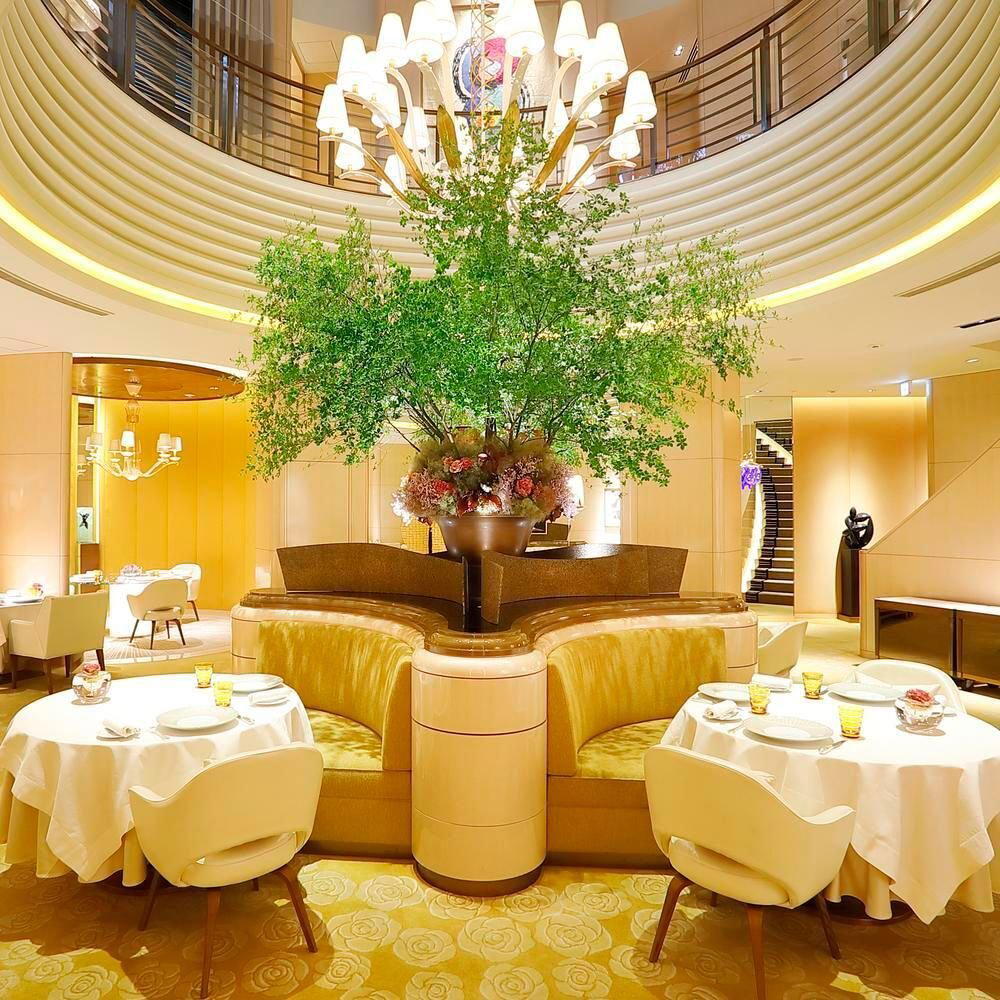
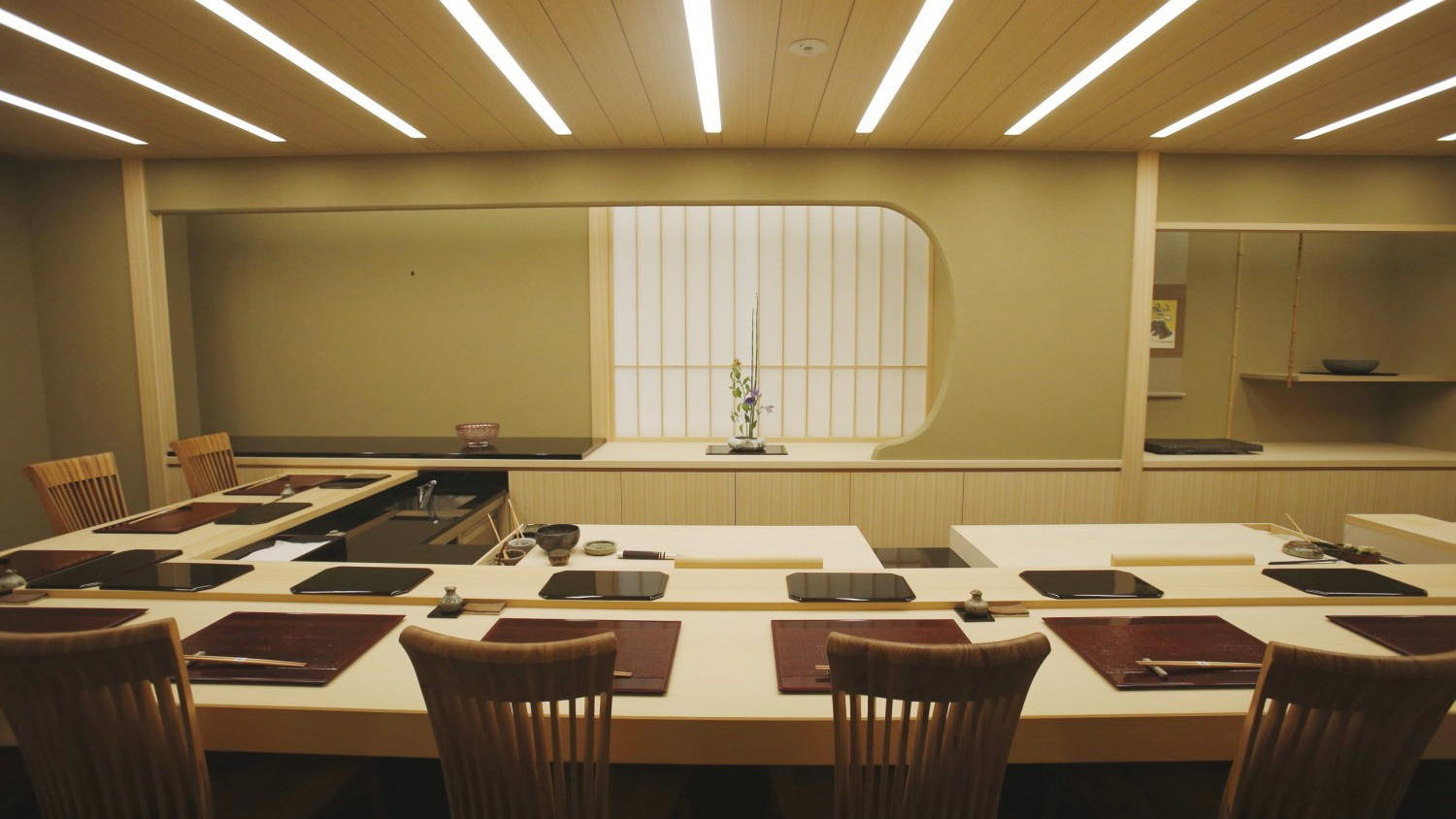

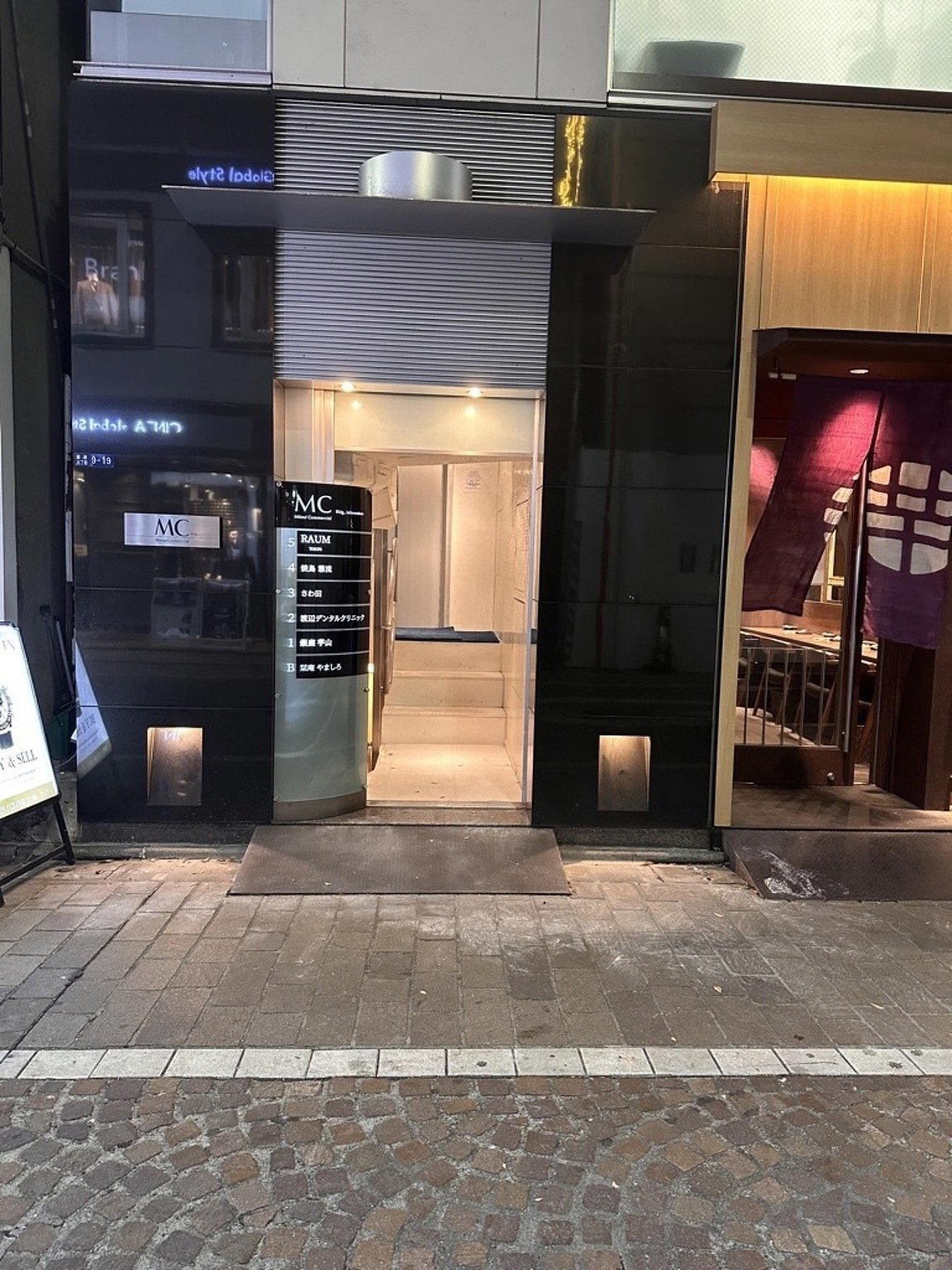

Details
- Classic
- Cozy
- Solo
- Casual Hangout
- Standalone
- Beer Program
- A La Carte
- Beer
- Pescatarian Friendly
Current opening hours
- Monday
- 11:15 AM–3 PM
- Tuesday
- 11:15 AM–3 PM
- Wednesday
- 11:15 AM–3 PM
- Thursday
- 11:15 AM–3 PM
- Friday
- 11:15 AM–3 PM
- Saturday
- 11:15 AM–3 PM
- Sunday
- Closed
Hours can change for holidays and private events. Hours as of .
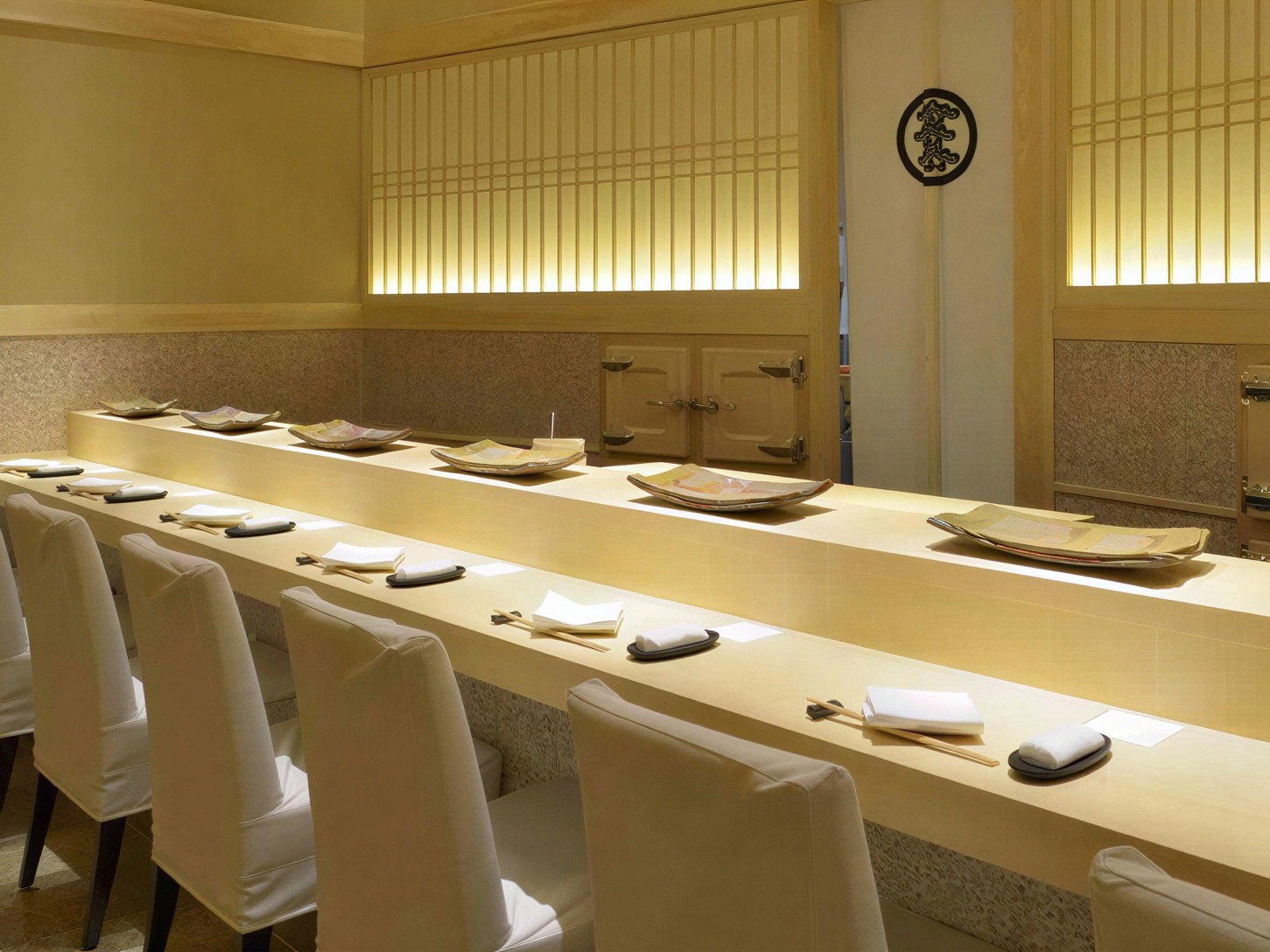
A compact, tucked-away ramen house with a focused, no-frills atmosphere that feels like a local Ginza hideout.