
Mendokoro Wataya Marugame ten belongs to Kagawa’s serious udon circuit: inexpensive, functional, and judged by noodle quality rather than ceremony. Its Tabelog 100 - Udon - KAGAWA - 2024 selection, 130-seat scale, cash-only setup, and unusually large 350-gram udon ball make it a useful reference point for understanding how Marugame eats udon at volume.
Pearl is the En Primeur Club membership app — saves, bookings, and concierge access live there. Same editors, same standards.
- Address
- 2 Chome-6-18 Kitahirayamacho, Marugame, Kagawa 763-0015, Japan
- Phone
- +81 877-21-1955
- Website
- maruwa-wataya.com
 Saves & bookings on Pearl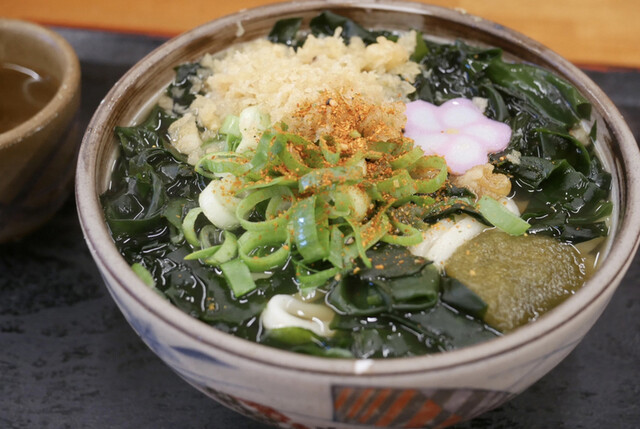
Marugame’s udon rooms announce themselves less through design than rhythm: trays moving, condiments being added, tables turning, and wheat noodles treated as daily infrastructure rather than occasion dining. In Kagawa, the craft is not separated from speed. The serious shops are built for repeat use, and the measure is whether the noodle carries enough character to survive a high-throughput format.
Mendokoro Wataya Marugame ten sits inside that practical Sanuki udon culture, where the ingredient story begins with flour, water, salt, kneading, resting, cutting, and boiling rather than garnish or theatrical plating. Its selection for Tabelog 100 - Udon - KAGAWA - 2024 places it among a tight group of local udon specialists, but the more telling detail is scale: 130 seats, counter and table formats, and an udon ball listed at 350 grams, against a stated average of 210 to 240 grams. That figure says more about the house style than any adjective could.
Sanuki udon judged by weight, texture, and pace
Kagawa’s udon tradition rewards clarity. Noodles are expected to be elastic, filling, and direct; the supporting elements should not bury the wheat. This is why sourcing and handling matter here in a different way than they do in luxury dining. The raw material is humble, but the margin for error is narrow because there are few places to hide. A larger noodle portion also changes the meal’s center of gravity: the bowl becomes a proper lunch rather than a snack between sightseeing stops.
The format aligns with Marugame’s broader dining pattern. Compared with chicken specialist Honetsukidori Ikkaku Marugame honten, where the city’s bone-in chicken tradition moves into a higher casual spend, the udon circuit remains low-cost and fast-moving. Comparison venues such as Nakamura Udon, Yamato, and Kamaage Udon Okajima Marugame ten occupy the same under-¥1,000 bracket, which makes judgment sharper: recognition has to come from consistency, noodle character, and how well a shop handles volume.
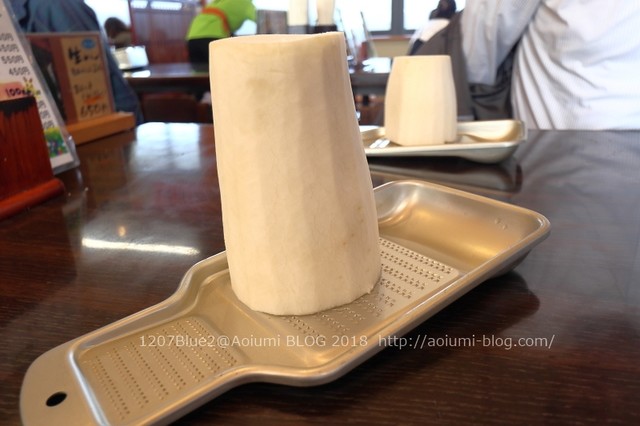
The menu category also matters. Udon, soba, and curry udon appear under the same roof, a spread that suits everyday local use rather than destination tasting-menu behavior. The condiments listed for self-addition, ginger, sesame, shichimi, tempura flakes, and wasabi, place control partly in the diner’s hands. That is a recurring feature of Kagawa udon culture: the house provides the noodle and base structure; the table finishes the bowl according to appetite and habit.
A Marugame udon stop built for throughput, not ceremony
High-capacity udon shops can look deceptively simple to visitors used to chef-led counters. The craft is front-loaded into preparation and repetition, then tested during service. A 130-seat room with counter seating and tables suggests a place designed for families, workers, and udon pilgrims moving through Marugame rather than a small room engineered for scarcity. Recognition from Tabelog’s regional udon list gives the venue a clear trust signal, but the point is not exclusivity; it is whether a popular local format can keep standards steady.
That distinction is useful when mapping a Marugame food day. Udon houses such as Ayauta Seimen, Iinoya, Jun Teuchi na Manpuku Udon, and Jun Teuchi Udon Yoshiya help explain why the city is better read through repeated bowls than a single marquee meal. Each shop sits within a local grammar of wheat texture, broth restraint, self-seasoning, and morning-to-lunch timing. Mendokoro Wataya Marugame ten belongs to that grammar, with portion size and public recognition giving it a particularly legible role.
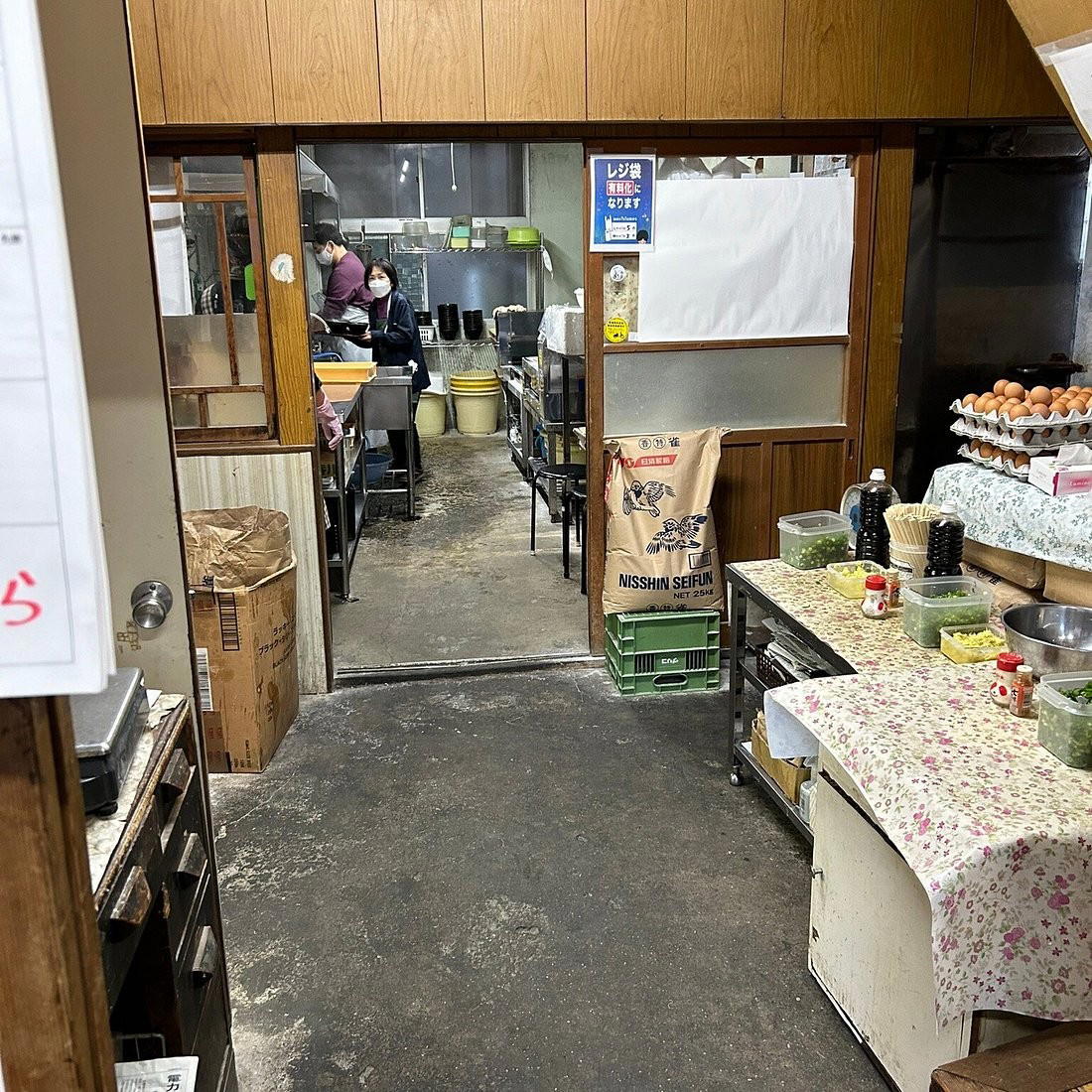
The setting is casual and utilitarian, which is exactly the point. There are no private rooms, and the seating is built around counters and tables rather than tatami-style lingering. The family-friendly note comes with practical boundaries: school-age children are welcomed, but high chairs and stroller space are not part of the setup. That kind of detail is common in high-volume Japanese casual dining, where accessibility and speed coexist with tight spatial discipline.
How to place it in a Marugame itinerary
For travelers, the smarter move is to treat this as part of a local food sequence rather than a lone trophy stop. Marugame’s appeal lies in comparing categories: an udon lunch, a chicken dinner, and, if time allows, a look at how smaller regional cities structure drinking and lodging around transport rather than nightlife density. Start with our full Marugame restaurants guide for the food map, then use our full Marugame hotels guide, our full Marugame bars guide, our full Marugame wineries guide, and our full Marugame experiences guide to decide whether the city is a meal stop or a short stay.
Seen from outside Kagawa, the value is comparative. Japan has polished counters, regional comfort food, specialist curry shops, and global Japanese-adjacent formats, but Sanuki udon occupies its own lane: inexpensive, ingredient-led, and resistant to over-decoration. For contrast, EP Club readers can compare the category discipline here with -Grilled beef Sukiyaki- KAMAKURA TANUKIAN 鎌倉 たぬき庵 in Kamakura. 鮪と炭火焼き うお炭 秋葉原店 in Tokyo.cafe in Osaka.know in Kumamoto, (Shoku) Vietnam in Kawasaki, and [Curry Senmon Ten] Maruyama Kyoju. in Sapporo. Abroad, Jōdo Saké Bar in Los Angeles and Onigiri Time in Pasadena show how Japanese food categories change when they leave their regional systems.
The editorial case is clear: Mendokoro Wataya Marugame ten is not a luxury detour, and that is its strength. It is a Kagawa udon address where low price, large portions, public recognition, and practical service all point back to the same idea: in Marugame, wheat noodles are not a side note to the trip. They are the city’s most useful lens.
At-a-Glance Comparison
Comparable venues by cuisine and price in the same metro.
| Venue | Cuisine | Price | Notes |
|---|---|---|---|
| Mendokoro Wataya Marugame tenThis venue — the venue you are viewing | Traditional Udon Noodle Shop | $ | Not listed |
| Yamato | Japanese Udon | $ | Doki-cho, Marugame |
| Maeba Udon | Traditional Sanuki udon | $ | Ayauta-cho Kurikuma |
| Kamaage Udon Okajima Marugame ten | Traditional Sanuki kamaage udon | $ | . Marugame |
| Teuchi Udon Ayumi | Traditional Sanuki udon shop | $ | Utazu / Marugame |
| Ayauta Seimen | Sanuki Udon | $ | Ayautacho Okadanishi |
Recognition history
Dated appearances from independent guides and award organizations, with the underlying list record or original source where available.
Tabelog 100 #99 · No. 99
Tabelog · Tabelog 100 - Udon - KAGAWA - 2024
Continue exploring
More in Marugame
Restaurants in Marugame
Browse all →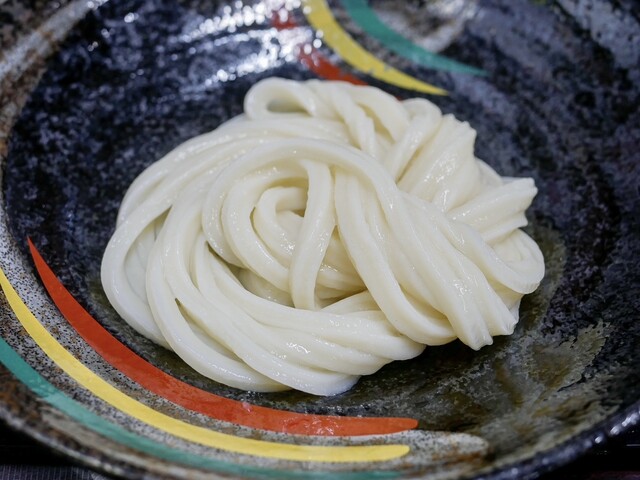
At a Glance
- Cozy
- Classic
- Family
- Casual Hangout
- Solo
- Group Dining
- Standalone
Current opening hours
- Monday
- 8:30 AM–2 PM
- Tuesday
- 8:30 AM–2 PM
- Wednesday
- 8:30 AM–2 PM
- Thursday
- 8:30 AM–2 PM
- Friday
- 8:30 AM–2 PM
- Saturday
- 8:30 AM–2 PM
- Sunday
- Closed
Hours can change for holidays and private events. Last verified .
Casual, house-like noodle-shop atmosphere with a local, unfussy feel and a focus on quick, filling meals.