
Maeba Udon belongs to Kagawa’s serious udon circuit, where flour, water, kneading, and speed matter more than ornament. Its Tabelog 100 - Udon - KAGAWA - 2024 selection, sub-¥999 pricing, counter seating, take-out, and no-reservations format place it squarely in Marugame’s everyday noodle culture rather than destination dining theatre.
Pearl is the En Primeur Club membership app — saves, bookings, and concierge access live there. Same editors, same standards.
- Address
- 420-2 Ayautacho Kurikumahigashi, Marugame, Kagawa 761-2406, Japan
- Phone
- +81 877-86-2014
- Website
- maeba-udon.jp
 Saves & bookings on Pearl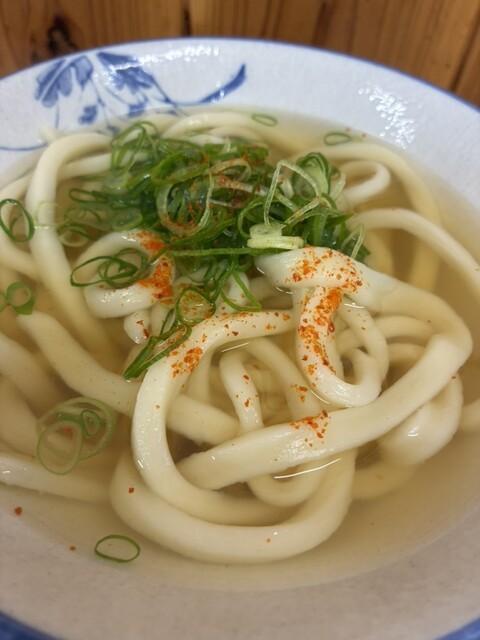
Approaching a Kagawa udon shop is rarely about ceremony. The signal is functional: a modest building, quick turnover, steam from the kitchen, and a room built around noodles rather than lingering. Maeba Udon fits that Marugame grammar. This is Sanuki udon country, where the measure of a shop is not luxury but whether the wheat, kneading, boiling, and serving rhythm land with enough clarity to justify a detour from the city’s broader noodle circuit.
Kagawa’s udon culture is unusually democratic for a regional food tradition with serious critical attention. A bowl can sit below JPY 999 and still compete in a field watched closely by Japanese diners, guide editors, and local regulars. Maeba Udon’s selection for Tabelog 100 - Udon - KAGAWA - 2024 matters because that list is not built around formal dining polish; it rewards shops that hold their place in a prefecture where udon is judged with unusual precision.
Sanuki udon is a wheat-and-water argument, not a luxury format
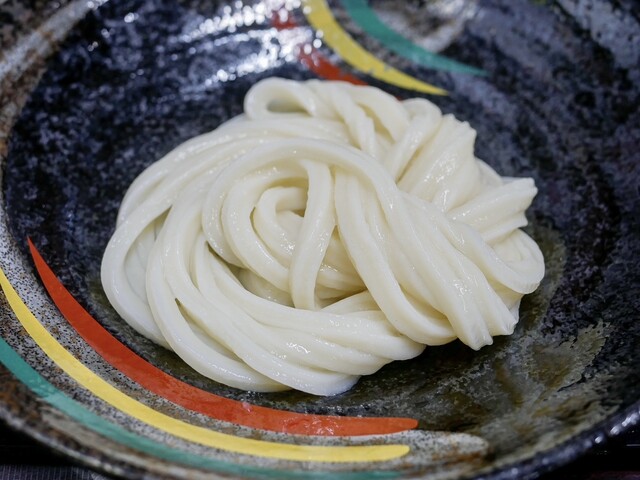
The ingredient story in Marugame starts with restraint. Sanuki udon depends on wheat noodles with firmness, elasticity, and clean broth or dipping formats that leave little room for disguise. In this tradition, sourcing and handling are inseparable: flour quality matters, but so do hydration, resting, cutting, and the short window between boiling and serving. A shop with counter seating and take-out belongs to the practical side of that ecosystem, where speed is part of the craft rather than a compromise.
That explains why Maeba Udon reads differently from a restaurant built around a chef’s authorship. The interest is the local system: low prices, short hours, family use, solo dining, and noodles treated as daily infrastructure. Nearby Marugame comparisons sharpen the point. Ayauta Seimen, Iinoya, Jun Teuchi na Manpuku Udon, and Jun Teuchi Udon Yoshiya all sit within a regional field where the price ceiling is low and the scrutiny is high. The comparison is less about décor than about how each shop interprets the same raw materials.
Marugame also makes room for other local staples, which helps explain why udon here does not need to perform as a full evening production. Honetsukidori Ikkaku Marugame honten points toward the city’s chicken tradition, while udon shops occupy the daytime lane: faster, cheaper, and more tightly linked to routine. For a broader read on the city’s dining map, Our full Marugame restaurants guide is the logical next frame; the surrounding travel scaffolding sits in Our full Marugame hotels guide, Our full Marugame bars guide, Our full Marugame wineries guide, and Our full Marugame experiences guide.
The critical signal is discipline at a low price point
Cheap food is often written about lazily, as if low cost removes the need for judgment. Kagawa proves the opposite. When many bowls sit in the same narrow price band, distinctions come from noodle texture, broth balance, ordering flow, and consistency across service. The restaurant’s Tabelog score of 3.71 and its 2024 Kagawa udon selection put it inside a competitive regional conversation, not above it. That distinction matters: the appeal is not rarity, but credibility in a prefecture that has made udon a public standard.
The room’s format reinforces that reading. Counter seating suits solo diners and fast meals; take-out broadens the use case; children are welcome, which keeps the place connected to ordinary local eating rather than special-occasion ritual. Reservations are unavailable, a common enough signal in this category: planning depends less on securing a table than on respecting the lunch-focused rhythm and closed days. In Marugame, that is part of the bargain. The reward is direct access to the craft without the choreography attached to tasting-menu dining.
For travellers building a Japan food itinerary, the restaurant also offers a useful corrective. Not every serious meal in Japan is in Tokyo, Kyoto, or Osaka, and not every worthwhile table is expensive. The national dining map includes polished urban rooms such as. 鮪と炭火焼き うお炭 秋葉原店 in Tokyo, café-led formats like.cafe in Osaka, regional city addresses such as.know in Kumamoto, casual international kitchens including (Shoku) Vietnam in Kawasaki, curry specialists like [Curry Senmon Ten] Maruyama Kyoju. in Sapporo, and focused destination meals such as -Grilled beef Sukiyaki- KAMAKURA TANUKIAN 鎌倉 たぬき庵 in Kamakura. Kagawa’s contribution is different: a regional noodle culture where the benchmark remains accessible and technically unforgiving.
How to read Maeba Udon within a Marugame itinerary
The practical move is to treat the restaurant as part of a daytime udon crawl rather than a stand-alone grand meal. Its location near Kurikuma Station on the Kotoden Kotohira Line makes it a viable stop for travellers moving through the wider Marugame area, and parking availability helps those driving between rural noodle shops. The shop reopened on March 16, 2021, a small temporal marker in a category where continuity and local trust carry weight.
Payment details also say something about the format. Credit cards and electronic money are not accepted, while QR code payments are accepted, so the experience remains closer to a local canteen than a tourism-facing restaurant. Non-smoking status and family-friendly use make it easier to fold into a mixed itinerary. The editorial case is simple: for diners who care about where food traditions come from, this is a low-cost way to understand why Kagawa udon has a reputation that exceeds its price.
Outside Japan, Japanese casual formats often travel through specialization: sake bars, rice-ball shops, and single-category counters. Jōdo Saké Bar in Los Angeles and Onigiri Time in Pasadena show how focused Japanese foodways can adapt abroad. Marugame’s udon scene is the source-side lesson: a bowl built on wheat, water, and repetition can carry as much cultural information as a longer, pricier meal.
- kake udon
- zaru udon
- bukkake udon
- niku udon
- niku bukkake udon
- seasonal hiyashi udon
Snapshot
Comparable venues by cuisine and price in the same metro.
| Venue | Cuisine | Price | Notes |
|---|---|---|---|
| Maeba UdonThis venue — the venue you are viewing | Traditional Sanuki udon | $ | Not listed |
| Teuchi Self Udon Kaiji Sonoichi iiyama ten | Self-service Sanuki udon | $ | Iiyama-cho |
| Teuchi Udon Ayumi | Traditional Sanuki udon shop | $ | Utazu / Marugame |
| Yamato | Japanese Udon | $ | Doki-cho, Marugame |
| Jun Teuchi Udon Yoshiya | Sanuki Udon | $ | Iino-cho |
| Ikkaku (骨付鳥 一鶴 土器川店) | Traditional Japanese Bone-in Chicken (Honetsukidori) | $$ | 土居町 |
Recognition history
Dated appearances from independent guides and award organizations, with the underlying list record or original source where available.
Tabelog 100 #78 · No. 78
Tabelog · Tabelog 100 - Udon - KAGAWA - 2024
Continue exploring
More in Marugame
Restaurants in Marugame
Browse all →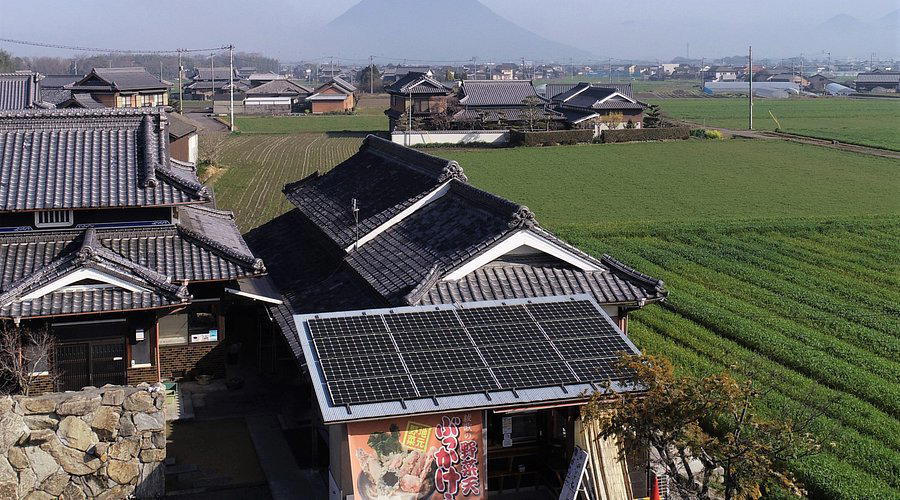
At a Glance
- Classic
- Rustic
- Solo
- Family
- Casual Hangout
- Standalone
- Local Sourcing
Current opening hours
- Monday
- 10:30 AM–2 PM
- Tuesday
- 10:30 AM–2 PM
- Wednesday
- Closed
- Thursday
- Closed
- Friday
- 10:30 AM–2 PM
- Saturday
- 10:30 AM–2 PM
- Sunday
- 10:30 AM–2 PM
Hours can change for holidays and private events. Last verified .
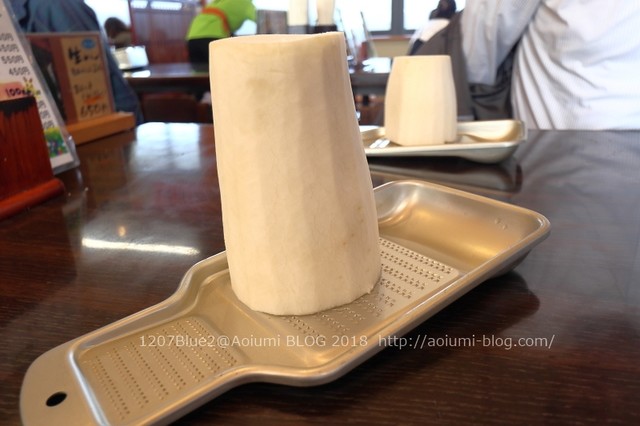
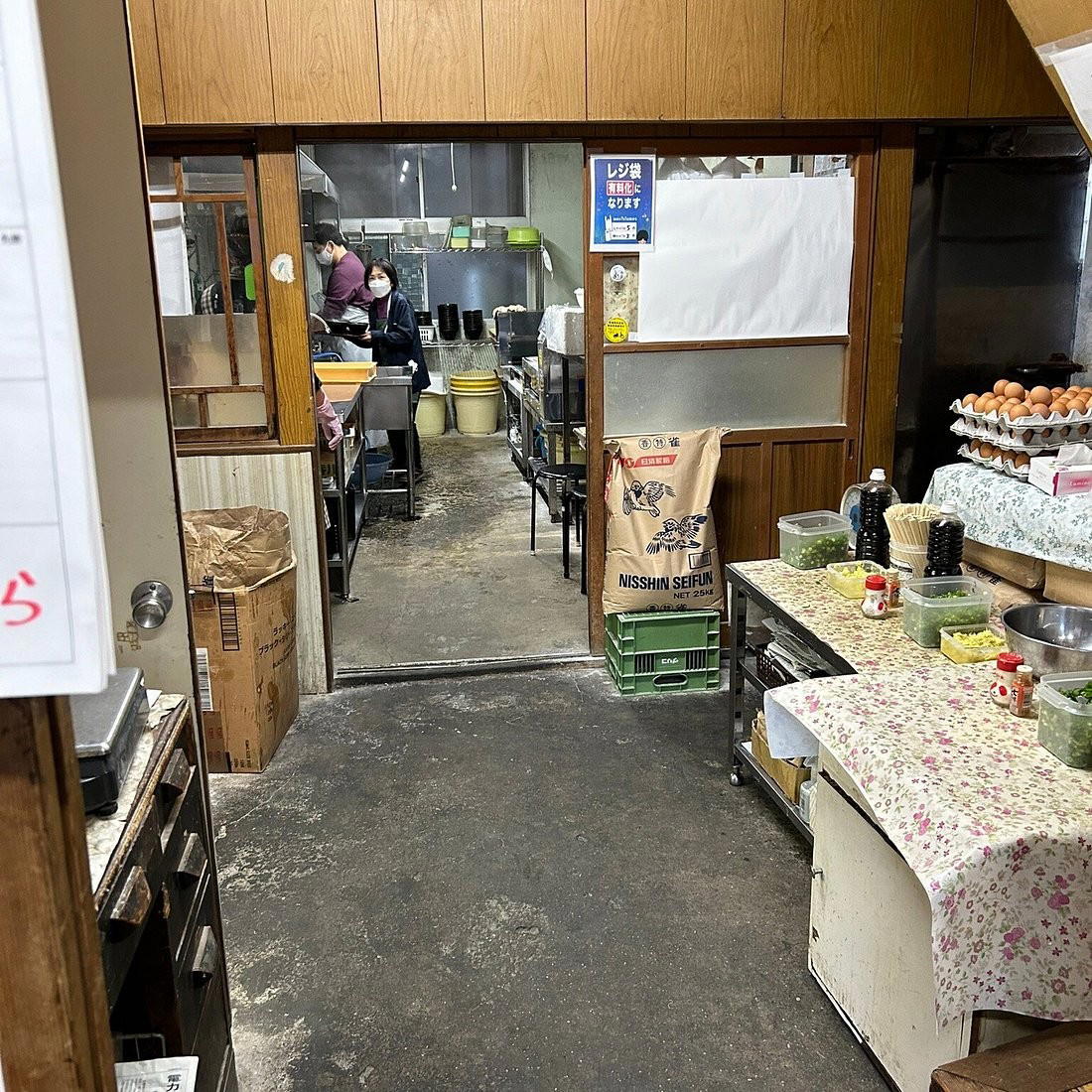
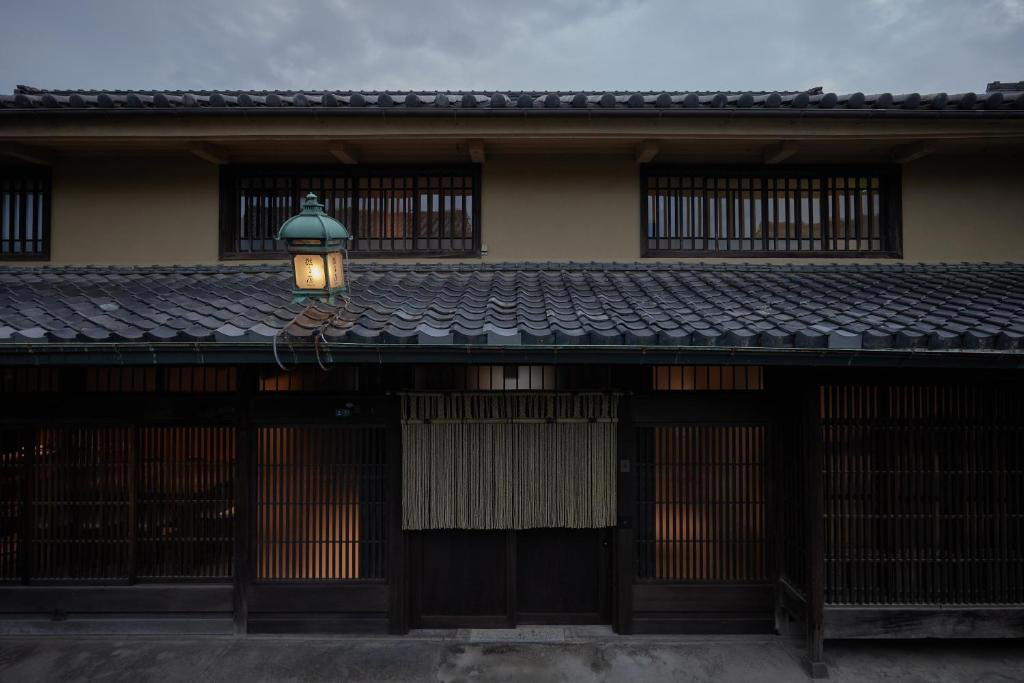
Simple, traditional udon-ya atmosphere in a standalone house-like building attached to the Maeba noodle factory, focused on the noodles rather than decor, with a quiet, local, everyday feel.