Our verdict
Mélange Bistro brings a global menu to Changzhou, a city where international dining formats remain less common than in coastal tier-one neighbours. The restaurant operates within a growing local appetite for cuisine that moves across borders on a single menu, positioning it as a point of reference for the city's emerging cross-cultural dining scene.

Pearl is the En Primeur Club membership app, where members save venues, book tables and use the concierge.
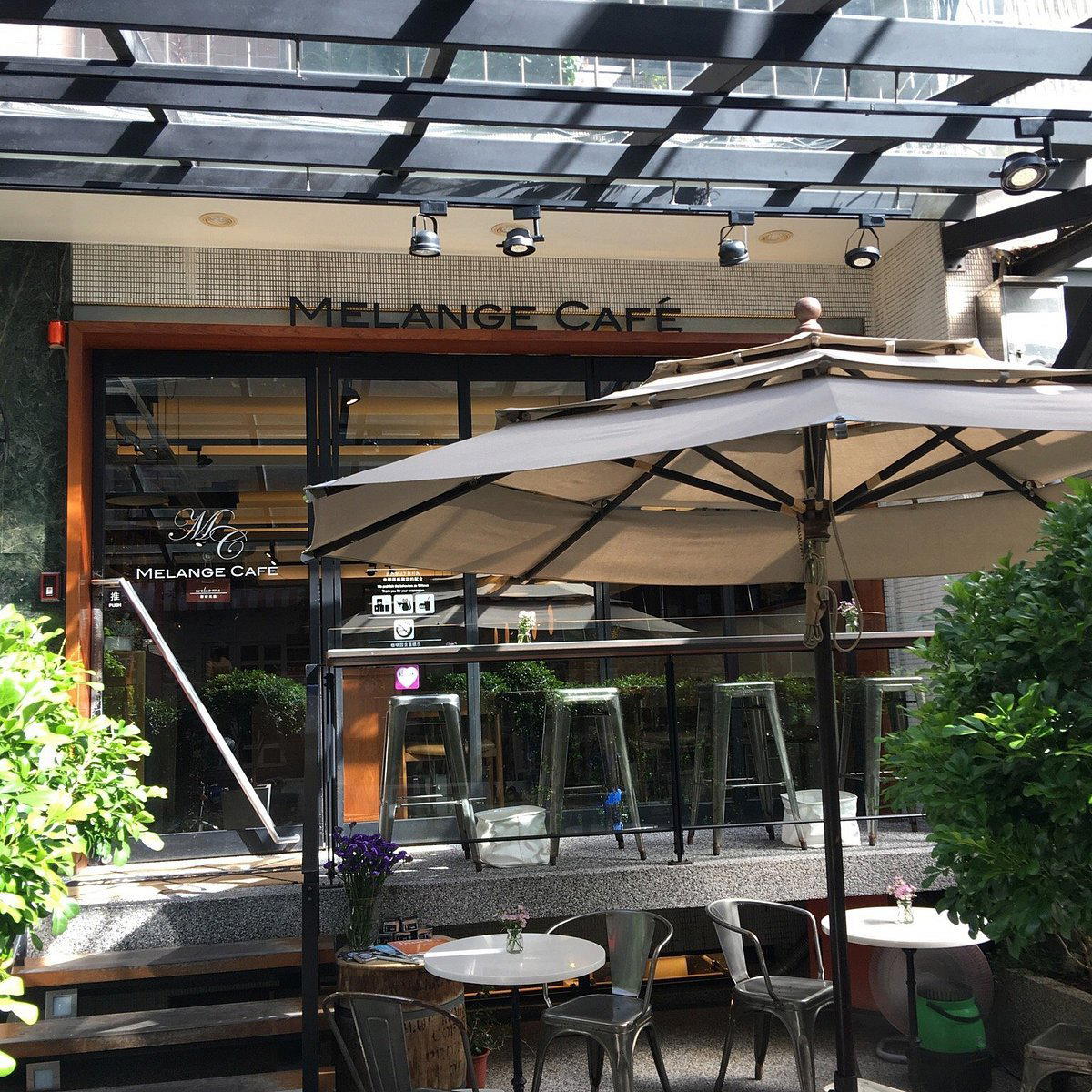
The menu
What to order
- Sichuan classics
- Asian specialties
- Western dishes
Where Changzhou's International Dining Ambitions Land
Changzhou sits in a productive tension: close enough to Shanghai and Nanjing to absorb their cosmopolitan dining cues, yet far enough removed that genuine international restaurant formats remain sparse. In cities like Shanghai, global menus have fragmented into hyper-specialised niches, a single prefecture's Japanese ramen, a particular French region's wine-paired tasting counter. In Changzhou, the appetite for that breadth exists, but the market hasn't yet stratified to the same degree. Mélange Bistro operates in that gap, offering a menu that draws across culinary traditions rather than anchoring to one. The format itself is a statement about where the city's dining culture is heading.
What the Menu Architecture Reveals
A restaurant that calls itself global and international is making a structural commitment that carries real editorial weight. A single-cuisine kitchen can organise itself around sourcing logic, regional authenticity, or a chef's heritage. A cross-cultural menu demands a different discipline: the kitchen must hold coherent technique across wildly different registers, and the menu must signal a selection logic that reads as intentional rather than arbitrary.
The restaurants that manage this well 102 House in Shanghai is a useful reference point, tend to impose an internal structure that reflects geography, season, or a clear editorial hand in the sourcing. The ones that don't tend to read as hotel all-day dining dressed in bistro language. What Mélange Bistro's menu architecture suggests, given its placement in Changzhou's dining market, is a kitchen oriented toward accessibility and range rather than deep specialisation. That's a deliberate positioning, and it's one that serves the city's current moment.
For comparison, consider how Changzhou's other international-leaning venues handle the same challenge. La Strada Italian Restaurant commits fully to a single culinary identity, while L'avenue Lobby Lounge narrows its scope to afternoon tea with French inflection. Mélange Bistro's broader mandate places it in a different category, and a different conversation, from both.
Changzhou as a Context for Global Dining
Understanding Mélange Bistro requires understanding Changzhou's dining geography. The city's food culture is anchored in Jiangnan tradition, delicate, freshwater-forward, seasonally attentive. Astral Lake Chinese Restaurant, which focuses on Jiangnan and Shunde specialties, and Songyun both work within that established local register. Croissanterie, with its French pastry format and Jiangnan seasonal references, represents a hybrid approach that uses international form to frame local ingredients.
Mélange Bistro takes a different path: it doesn't attempt to hybridise with local tradition but rather to present international cooking as a category in its own right for a Changzhou audience. That's a harder sell in a city with deep culinary roots, and it requires the kitchen to deliver on range rather than on terroir. The restaurant exists, in effect, as a proof-of-concept for whether Changzhou's dining public will support genuinely international formats without the scaffold of a luxury hotel group or a Michelin brand to anchor credibility.
For context on how similar concepts perform across the wider region, Fleurs Et Festin in Xiamen offers a useful parallel, a cross-cultural dining format working in a second-tier city with a cosmopolitan edge. Further along the prestige spectrum, Chef Tam's Seasons in Macau and Imperial Treasure Fine Chinese Cuisine in Guangzhou show how institutional credibility and award recognition can anchor a restaurant's identity in markets where diners are making regular decisions about whether to spend up on international or regional cuisine.
The Bistro Format in a Chinese City Context
The word bistro carries specific connotations when used in a Chinese city context. In Paris, a bistro implies informality, a short rotating menu, accessible pricing, and neighbourhood regularity. Transplanted to Changzhou, it signals something closer to casual-premium: a dining room that wants to feel approachable but serves a clientele with some international dining literacy. The French-language name reinforces a positioning, not fine dining, not fast casual, but a middle register that appeals to professionals, returning expatriates, and local diners who have travelled enough to have a frame of reference.
That middle register is increasingly where the action is in Chinese tier-two cities. In destinations like Hangzhou, where Ru Yuan operates, and Nanjing, where Dai Yuet Heen anchors a different premium register, the market has developed enough to sustain multiple international dining formats simultaneously. Changzhou is slightly earlier on that curve, which means a restaurant like Mélange Bistro is in a position to shape local expectations rather than simply respond to them.
For readers who have used a restaurant like Atomix in New York City as a benchmark for what focused, credentialled international dining looks like, or who know the disciplined seafood-first menu logic at Le Bernardin in New York City, Mélange Bistro operates in a very different mode, less about singular technical depth and more about accessible range. Neither approach is inherently weaker; they serve different reader purposes. The question is which one Changzhou's market is ready to reward.
Planning Your Visit
Visitors planning a trip should cross-reference local platforms or contact the restaurant through Changzhou hospitality channels before arriving. Given the bistro format and its position in the market, walk-in access is likely more flexible than at a formal tasting-menu counter, but confirming availability in advance is advisable, particularly for weekend sittings when Changzhou's dining-out traffic concentrates. For a fuller picture of the city's restaurant range, see our full Changzhou restaurants guide.
Readers building a wider Jiangnan dining itinerary should note that Dingshan·Jiangyan (Xiangcheng) in Suzhou and Jiangnan Wok·Rong in Fuzhou represent contrasting approaches to the regional culinary tradition. And for those interested in how Sichuan's international dining scene handles the global-versus-regional tension, Xin Rong Ji in Chengdu and Xin Rong Ji (Xinyuan South Road) in Beijing offer instructive reference points in how a strong regional identity can coexist with international dining ambitions.
Frequently asked questions
Is Mélange Bistro a good option for international visitors or expats based in Changzhou?
Mélange Bistro's global and international cuisine classification makes it one of the few venues in Changzhou explicitly oriented around cross-cultural cooking rather than the city's deep-rooted Jiangnan tradition. For international visitors or professionals based in Changzhou who want a departure from regional Chinese formats, a bistro with this stated scope is a practical reference point.
What do regulars order at Mélange Bistro?
What the global and international cuisine classification signals is a kitchen built around cross-cultural range rather than a single-country template, regulars at venues of this format typically return for whatever changes, not a fixed signature item. Contacting the bistro directly before visiting is advisable. Check the venue's official channels for the latest details.
Can I walk in to Mélange Bistro?
In Changzhou's mid-to-upper dining tier, international-format bistros with limited seating tend to reward advance contact over walk-in optimism, particularly on weekends. Reaching the venue directly to confirm availability is the practical first step.
What do critics highlight about Mélange Bistro?
Within Changzhou's dining context, a city that sits in the orbit of both Shanghai and Nanjing without simply mirroring either, a globally oriented bistro occupies an editorially interesting position, serving a local audience that increasingly expects cosmopolitan range without the commute. That positioning is itself worth tracking.
Does Mélange Bistro justify its prices?
In Changzhou, where operating costs run below Shanghai levels, international-format restaurants often offer stronger value per plate than equivalent venues in Tier 1 cities, though that equation depends entirely on kitchen execution. Confirming current pricing directly with the venue before booking is recommended.
Where the Accolades Land
Comparable venues nearby, for context on price, style, and recognition.
| Venue | Cuisine | Price | Awards | Notes |
|---|---|---|---|---|
| Mélange BistroThis venue (the venue you are viewing) | Global Fusion Bistro | $30–50 | Not listed | Not listed |
| Croissanterie | French Croissant Bakery with Jiangnan Fusion | Not listed | Not listed | Hi-Tech District |
| L’avenue Lobby Lounge | Lobby Lounge | Not listed | Not listed | Xinbei District |
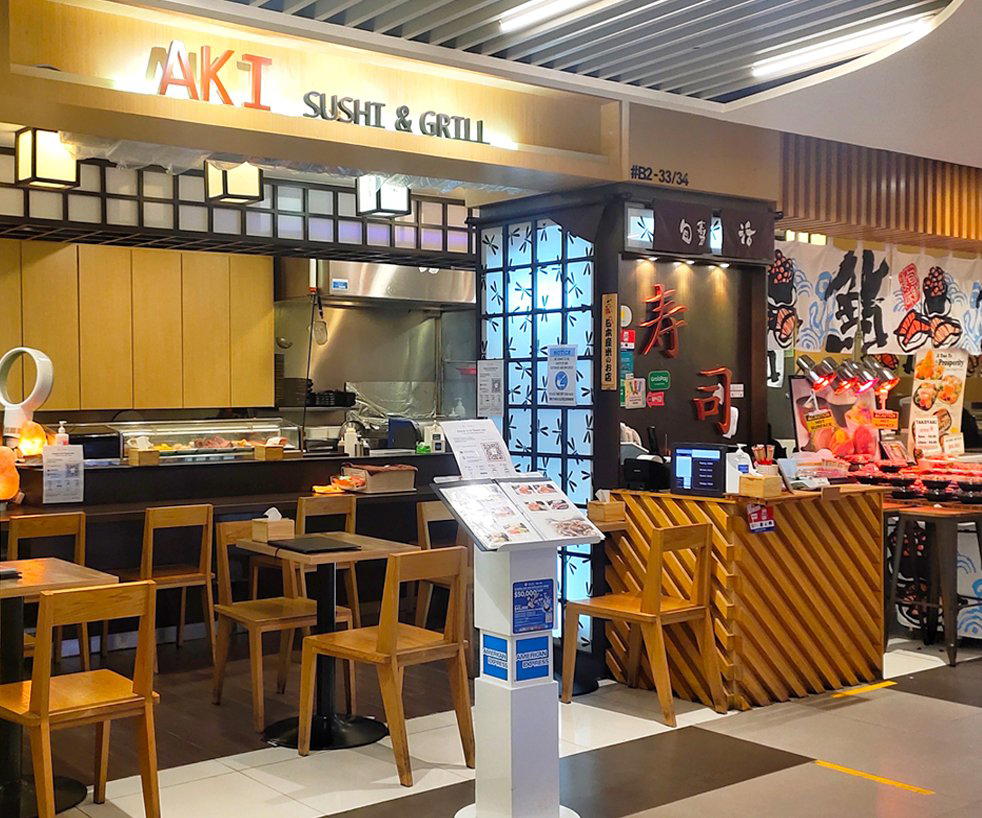
| Sushi Aki | Sushi restaurant | Not listed | Black Pearl 1 Diamond | Not listed |
| Astral Lake Chinese Restaurant | Changzhou-Shunde Chinese | Not listed | Not listed | Xinbei District |
| Songyun | Contemporary Chinese Fine Dining | Not listed | Black Pearl 1 Diamond | Tianning District |
Continue exploring
More in Changzhou
Details
- Romantic
- Elegant
- Modern
- Date Night
- Business Dinner
- Group Dining
- Casual Hangout
- Rooftop
- Open Kitchen
- Garden
- Hotel Restaurant
- Craft Cocktails
- Local Sourcing
- Garden
- A La Carte
- Small Plates
- Cocktails
- Wine
- Vegetarian Friendly
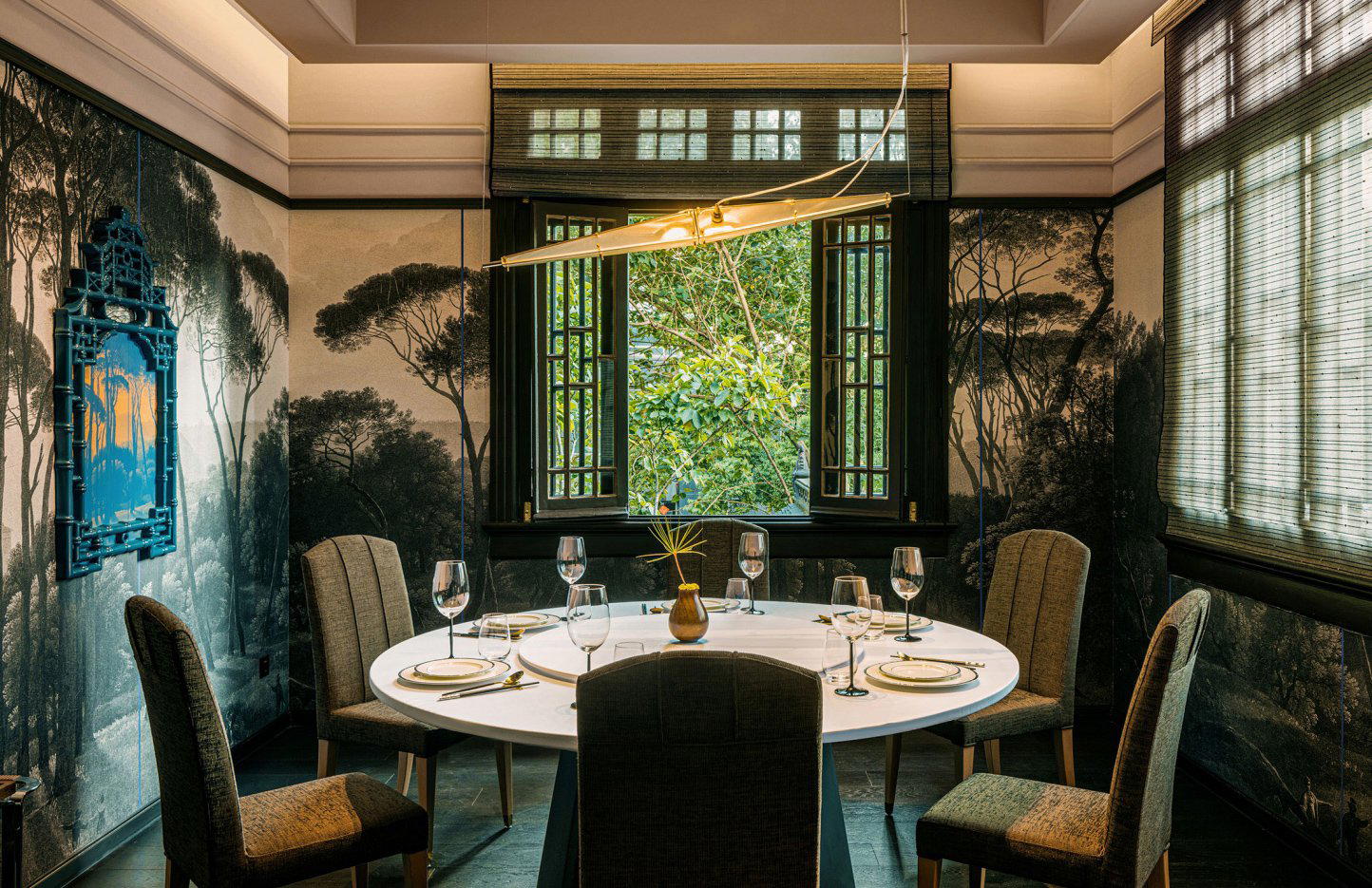
Retro French-inspired decor with an open kitchen concept and relaxed yet refined atmosphere, enhanced by natural light from the rooftop garden.