
Michelin Plate
Our verdict
Jia Yuan Xiao Guan brings Changzhou dining back to the scale of the lane-side room: historic fabric, local cooking logic, and a slower read on Jiangnan ingredients. Its value is not spectacle but context, especially for travelers comparing the city’s older food culture with its hotel dining rooms and international formats.

Pearl is the En Primeur Club membership app, where members save venues, book tables and use the concierge.
The menu
What to order
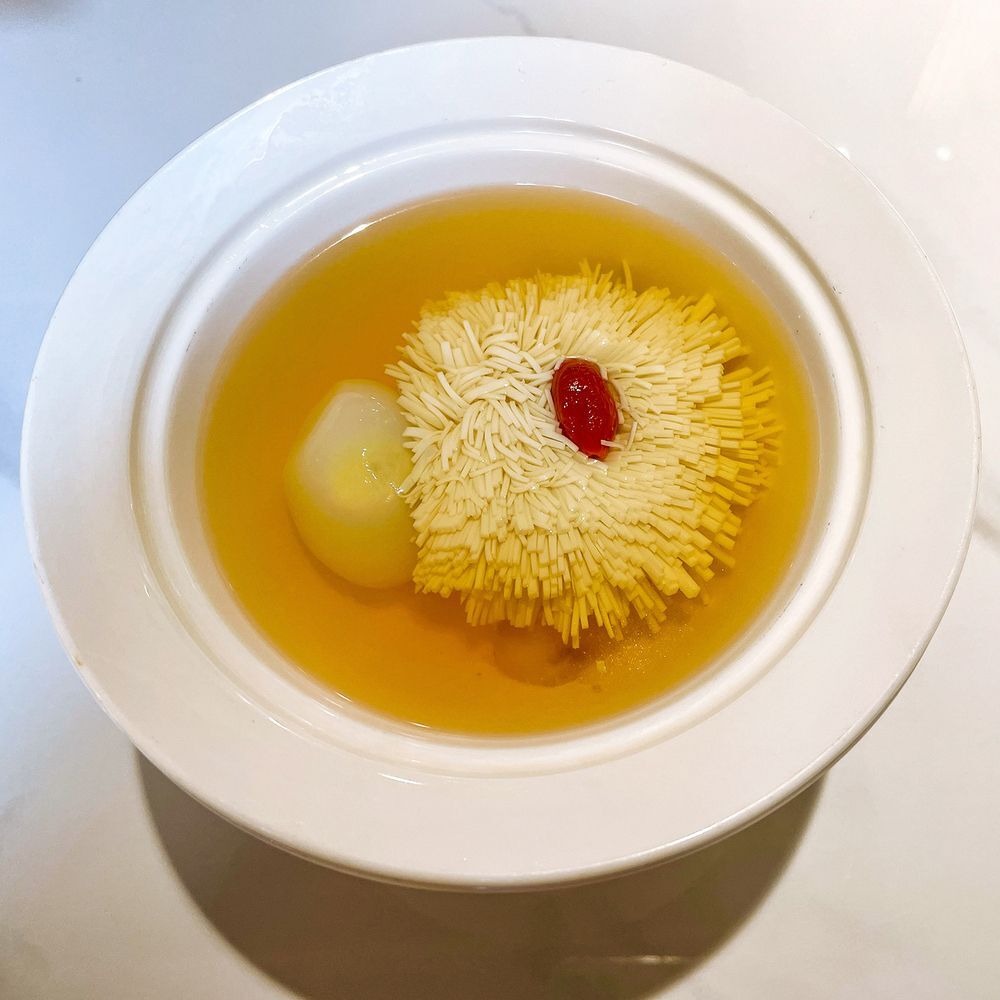
- Chrysanthemum tofu soup with matsutake mushroom
Changzhou gives the approach a useful preface: a slower urban rhythm, everyday street life, and the kind of city texture that makes a meal feel tied to place rather than dropped into it. In a city often read through canals, industry, and fast redevelopment, Jia Yuan Xiao Guan matters because it offers a focused local dining stop rather than an experience built around spectacle. The point is not nostalgia for its own sake. The appeal is proximity: a restaurant whose value lies in how clearly it belongs to Changzhou, without needing a highly staged format to explain itself.
Changzhou cooking is strongest when sourcing stays close to the table
Changzhou sits within a wider regional food culture where the kitchen’s authority often comes from timing, familiarity, and the rhythms of ordinary restaurant life rather than luxury signaling. The city’s better everyday meals can privilege balance and preparations that let texture carry as much weight as seasoning. That local logic is why smaller rooms can be more revealing than banquet-style experiences: they show how the city eats when the brief is familiarity rather than display.
Jia Yuan Xiao Guan fits that reading by leaning into setting and locality rather than a public identity built around a chef-led tasting format. No named chef, fixed menu structure, formal price tier, or founding story defines the confirmed public profile here, which places the restaurant closer to Changzhou’s everyday dining culture than to a more formal destination-restaurant circuit. That distinction matters. In larger, more polished dining rooms, regional food can be translated for business or special-occasion use; in a local restaurant, the same impulse can read as direct, seasonal, and less polished in a productive way.
For comparison inside Changzhou, other dining rooms point toward more explicitly curated, hotel-style, pastry-led, lounge-oriented, or international formats. The contrast helps define the choice: Jia Yuan Xiao Guan is the table to consider when the aim is Changzhou specificity rather than imported format, and when the traveler wants a meal that feels anchored in the city’s everyday restaurant culture.
The local-room effect, and why it changes the meal
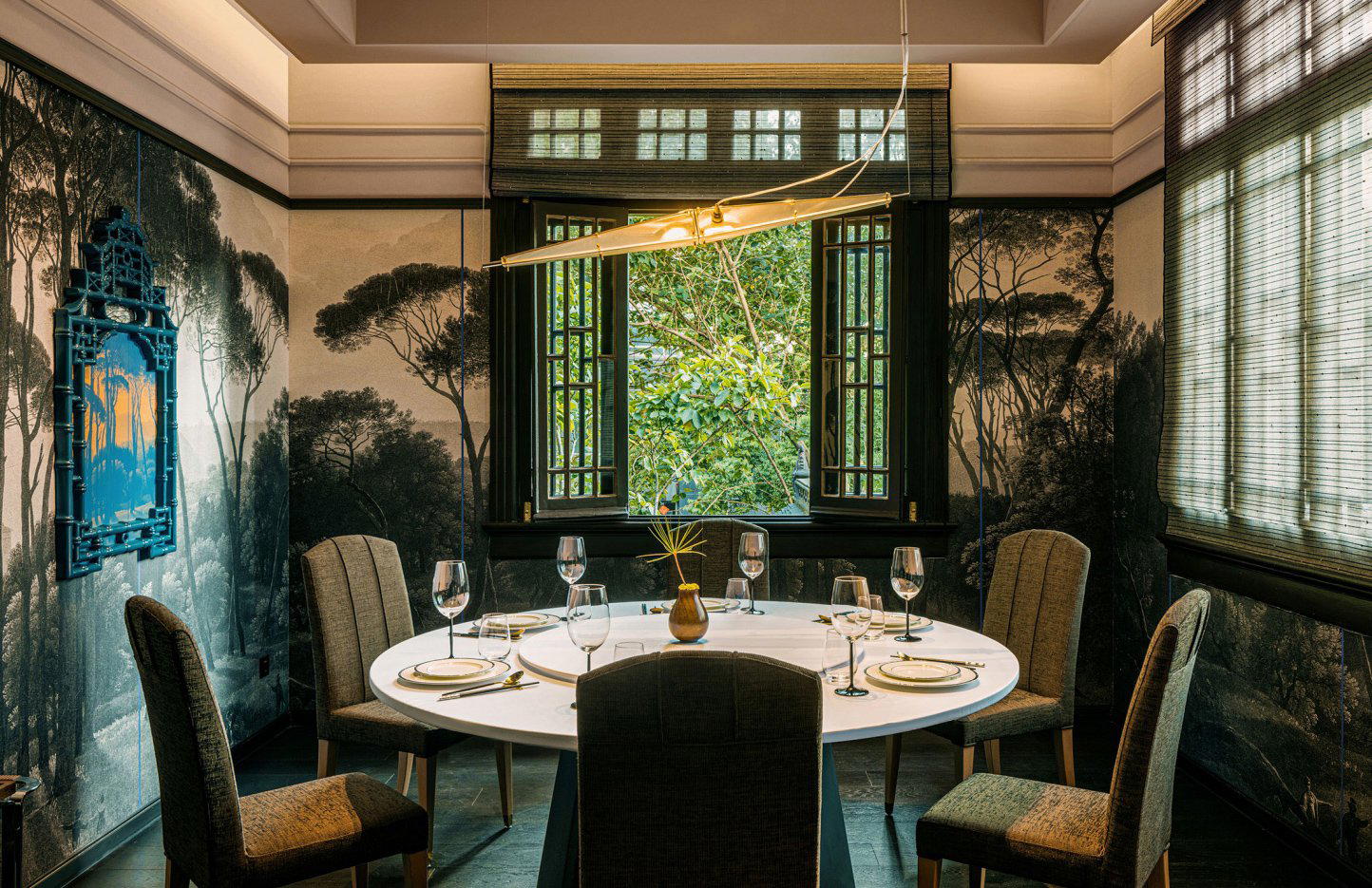
Restaurant rooms with a sense of local context do more than provide atmosphere. They set expectations for pacing, portioning, and social use. A straightforward local setting can invite shared ordering, conversation, and dishes that arrive as part of a table rhythm rather than a sequence engineered for a critic’s notebook. That format suits regional Chinese dining broadly, where the quality of a meal often depends on balance across the spread: something fresh, something slower-paced, something vegetable-led, something textural, something to anchor the table.
The recognition attached to Jia Yuan Xiao Guan includes a MICHELIN Plate, and that matters because it frames the restaurant as noteworthy without turning it into a trophy address. Here, the stronger editorial reading is that the setting and the local dining tradition reinforce each other. Travelers should treat the restaurant less as a destination built for ceremony and more as a lens on Changzhou’s dining grammar: how locality, modest scale, and place memory can shape a meal.
That makes it a useful counterpoint to larger Chinese restaurant models across the country. Readers tracking regional Chinese dining can compare the Changzhou table with other unnamed dining rooms in major Chinese cities, where the governing logic may shift toward seafood culture, capital-city ritual, hotel polish, or highly curated private-room formats. Those comparisons are not about ranking. They show how Chinese regional restaurants change when the setting, intended audience, and scale of service change.
How to place it in a Changzhou itinerary
Jia Yuan Xiao Guan is a stronger fit for travelers who want one meal that reads as local rather than international. It pairs naturally with a wider look at the city’s dining scene through our full Changzhou restaurants guide, especially if the trip also includes hotel dining or pastry stops for contrast. For planning beyond the table, the city’s hospitality and after-dark options sit separately in our full Changzhou hotels guide, our full Changzhou bars guide, our full Changzhou wineries guide, and our full Changzhou experiences guide.
The broader lesson is useful even outside Jiangsu. Smaller regional restaurants often say more about a city’s food culture than polished venues designed around global recognition. That is why a Changzhou meal here can sit in the same research path as compact specialist formats elsewhere: each rewards attention to format, sourcing, and scale. In Changzhou, the argument is quieter but no less clear. The city’s food identity is easiest to read when the room, the table, and the local restaurant culture are allowed to do the work.
Frequently asked questions
Is Jia Yuan Xiao Guan a family-friendly restaurant?
Its Changzhou setting may make it a practical choice for mixed-age groups. The restaurant reads as a local dining room rather than a formal chef’s counter, which can suit families more comfortably.
What is the atmosphere like at Jia Yuan Xiao Guan?
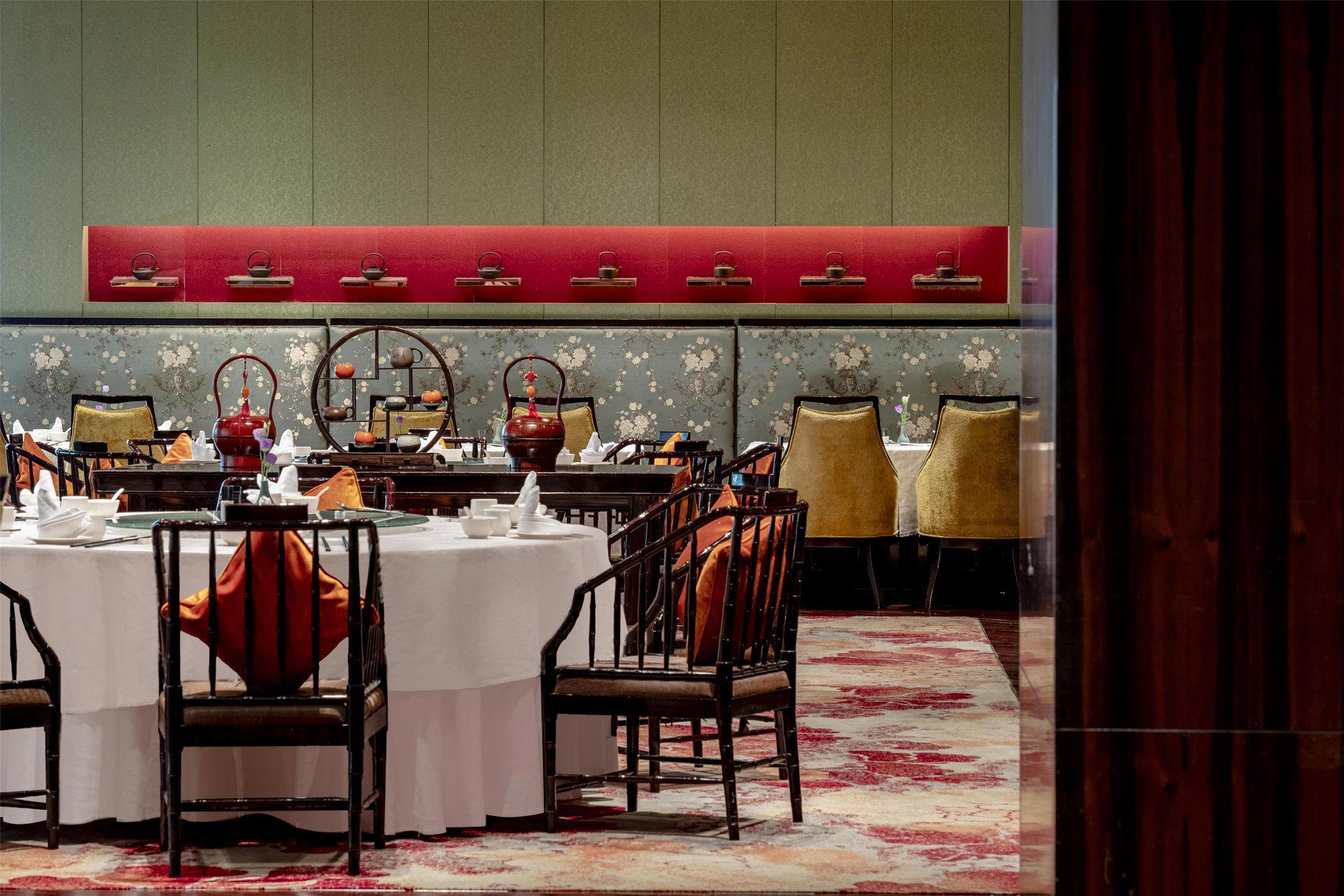
The atmosphere is grounded in Changzhou’s neighborhood dining culture. It feels more like a city restaurant with local context than a destination room built around ceremony.
What's Jia Yuan Xiao Guan known for in terms of accolades?
Jia Yuan Xiao Guan has received MICHELIN Plate recognition.
How do I find Jia Yuan Xiao Guan?
Changzhou.
Can I walk in to Jia Yuan Xiao Guan?
For a restaurant in Changzhou, a walk-in approach may be a sensible first try, especially if the plan is a casual meal. For certainty, check current operating details before setting out.
What do critics highlight about Jia Yuan Xiao Guan?
Critics focus on its Changzhou setting and the local character that comes with it. That gives it context as a restaurant tied to place, rather than one built around imported format or polish.
Comparison Snapshot
Comparable venues by cuisine and price in the same metro.
| Venue | Cuisine | Price | Awards |
|---|---|---|---|
| Jia Yuan Xiao GuanThis venue (the venue you are viewing) | Traditional Huaiyang Cuisine | Not listed | Michelin Plate |
| Songyun | Contemporary Chinese Fine Dining | Not listed | Black Pearl 1 Diamond |
| YuXiuFang | Elegant Chinese Fine Dining | Not listed | Black Pearl 1 Diamond |
| Yuxiu | Traditional Jiangsu with Changzhou specialities | Not listed | Michelin Plate |
| Yue Fu 65 | Modern Jiangsu Cuisine | $50–100 | Black Pearl 1 Diamond |
| Juna Hubin Hotel ·Top Yu's | Fine Wuxi Cuisine | Not listed | Black Pearl 1 Diamond |
Recognition history
Dated appearances from independent guides and award organizations, with the underlying list record or original source where available.
Michelin Plate
Michelin
Continue exploring
More in Changzhou
Details
- Classic
- Cozy
- Family
- Group Dining
- Casual Hangout
- Standalone
- A La Carte
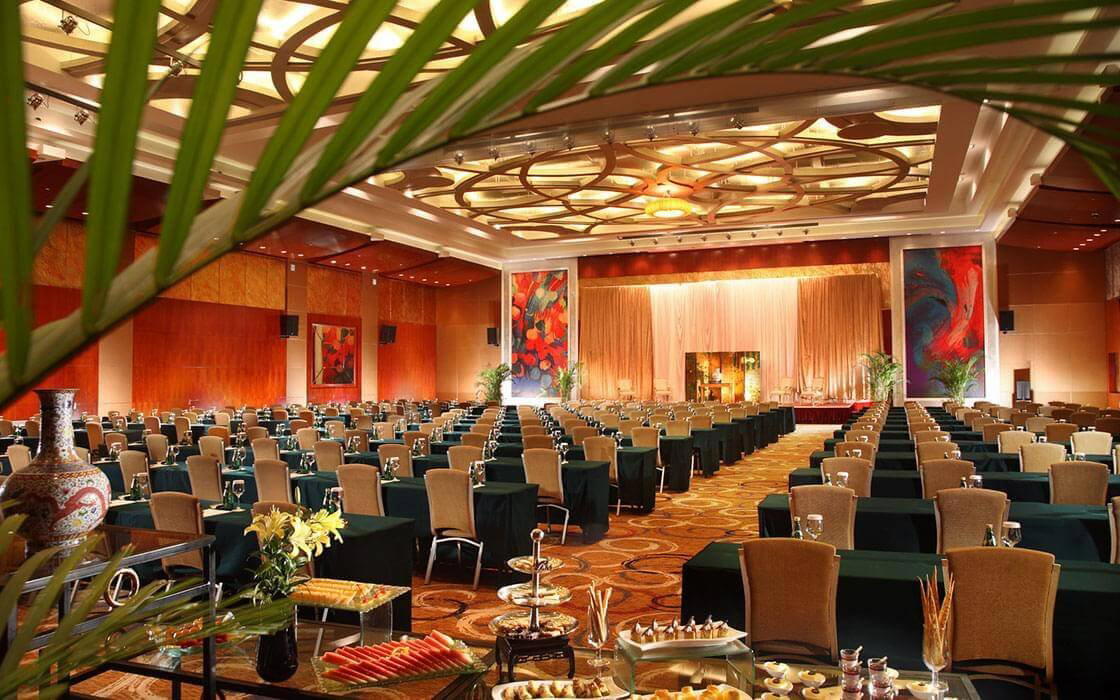
The atmosphere is relaxed and homey rather than luxurious, with a focus on comfort and family dining that matches its no-frills Huaiyang cooking and neighborhood feel.