Meadowlark
Meadowlark occupies a corner of Bucktown's residential grid at 2812 W Palmer St, where Chicago's neighborhood dining scene runs on a different clock than the Loop. Positioned among a cohort of serious independent restaurants rather than the downtown tasting-menu tier, it draws on the city's tradition of chef-driven neighborhood anchors that reward locals and reward repeat visits equally.
 Discover on Pearl
Pearl is the En Primeur Club membership app — saves, bookings, and concierge access live there. Same editors, same standards.
- Address
- 2812 W Palmer St, Chicago, IL 60647
- Phone
- +17736978070
- Website
- meadowlarkchicago.com
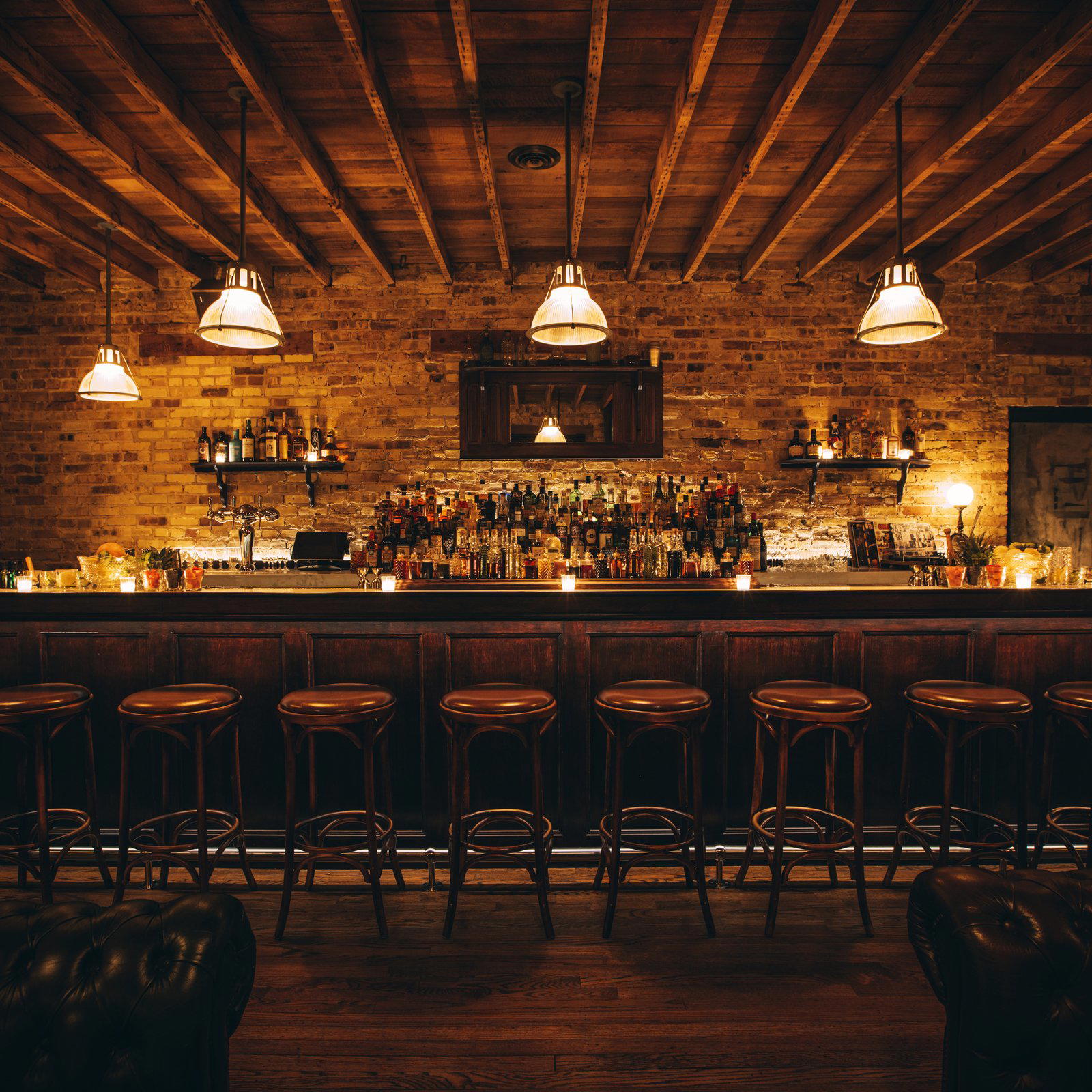
Bucktown's Neighborhood Anchor and Where It Sits in Chicago's Dining Geography
Chicago's most interesting dining decisions in recent years have not happened downtown. The westward drift of serious independent restaurants into neighborhoods like Bucktown, Logan Square, and Ukrainian Village has created a second tier of destination dining that operates on different economics and different rhythms than the tasting-menu flagships in the West Loop. Meadowlark, at 2812 W Palmer St in Bucktown, belongs to that cohort: a neighborhood restaurant that draws on the city's deep tradition of chef-driven independents rather than competing with the theatrical ambition of Alinea or the precision-led formats of Smyth and Oriole.
That distinction matters for how you approach a visit. The restaurant's address places it squarely in a residential pocket of Bucktown where the street grid is quiet and the competition for attention comes from corner bars and family-run taquerias rather than from Michelin-starred neighbors. That context shapes expectations in useful ways: this is a room built for regulars and for the kind of meal that earns repeat visits rather than a single occasion.
The Lunch and Dinner Divide in Neighborhood Dining
One of the more reliable tests of a serious neighborhood restaurant is how differently it performs across dayparts. In Chicago's independent dining scene, lunch service has become a meaningful differentiator. The West Loop tasting-menu houses, including Next Restaurant, rarely offer midday service at all, which means the lunch trade in neighborhoods like Bucktown belongs entirely to a different category of operator.
Daytime service in a room like Meadowlark's tends to trade on lighter formats, faster pacing, and a price point that makes a weekday visit feel proportionate rather than ceremonial. Evening service in the same room operates under different social logic: the same physical space carries more weight at dinner, when the lighting drops, the bar program takes on more importance, and the kitchen typically has more latitude to run dishes that require longer execution windows.
This split is not unique to Meadowlark. Across the broader American independent restaurant scene, from Lazy Bear in San Francisco to Bacchanalia in Atlanta, the restaurants that have figured out how to run genuinely different programs across lunch and dinner have tended to build more durable businesses than those treating the daytime service as a discounted version of the evening. The question worth asking of any neighborhood anchor in Bucktown is whether the kitchen has made that distinction deliberately.
How Bucktown Compares to Chicago's Other Dining Neighborhoods
Within Chicago's neighborhood dining map, Bucktown sits at an interesting inflection point. Logan Square to the west has attracted more critical attention in recent years, partly through the success of Kasama, which brought a Filipino-influenced tasting-menu format to the neighborhood and demonstrated that destination-level ambition could sustain itself far from the downtown circuit. Wicker Park to the east carries a denser commercial strip with higher foot traffic but also higher rents and more turnover.
Bucktown's residential character creates a slightly more stable environment for independent operators. The customer base skews toward local rather than destination, which means the restaurant needs to work as a neighborhood institution first. That dynamic favors cooking that rewards familiarity: dishes that improve on a second visit because you know what to order, a bar program that gives regulars something to return to, and a room that reads as a space where the staff know people by name.
For comparison, the restaurant's Palmer Street address is a different proposition than the downtown ambition of The French Laundry in Napa, the destination-weekend logic of Blue Hill at Stone Barns in Tarrytown, or the fine-dining formality of Le Bernardin in New York City. It is closer in spirit to the urban neighborhood anchor model represented by restaurants like Providence in Los Angeles or Addison in San Diego when those restaurants are evaluated against their neighborhood context rather than their fine-dining peers.
What You Can Expect
Meadowlark does not carry a public awards record in the major databases, and its pricing is not published here. That absence from the awards circuit places it in a large and respectable category of Chicago independents that operate outside the Michelin and 50 Best conversation entirely. For context, that circuit covers a narrow slice of the city's actual dining life: the vast majority of restaurants that Chicagoans return to week after week hold no formal recognition at all.
Restaurants in this position are evaluated on different signals: consistency across service, the quality of the bar program relative to the food, whether the kitchen's output justifies the neighborhood price point, and whether the room sustains genuine hospitality rather than the transactional service common to higher-volume operations. These are the questions worth bringing to a first visit at Meadowlark, and they are the same questions that apply across the broader Bucktown independent cohort.
For those building a broader itinerary around serious American independent dining, the comparison set extends beyond Chicago. Single Thread Farm in Healdsburg, The Inn at Little Washington, Atomix in New York City, and Emeril's in New Orleans each represent different answers to the question of what American restaurants owe their guests. Meadowlark's answer, if the Bucktown independent model holds, is grounded in the neighborhood rather than the national conversation, and that is a coherent position to hold.
The contrast with venues like 8 1/2 Otto e Mezzo Bombana in Hong Kong underlines how much of what makes American neighborhood restaurants interesting is precisely what they are not: they are not grand, not ceremonial, and not designed to signal anything beyond a commitment to the people who live nearby and eat there regularly.
Know Before You Go
- Address: 2812 W Palmer St, Chicago, IL 60647
- Neighborhood: Bucktown, Chicago
- Booking: Walk-in friendly
- Price range: $$
The Essentials
Comparable venues nearby, for context on price, style, and recognition.
| Venue | Cuisine | Price | Notes |
|---|---|---|---|
| MeadowlarkThis venue — the venue you are viewing | $$ | ||
| Glenn's Diner | $$ | Ravenswood, American Diner with Fresh Seafood | |
| Old Crow Smokehouse | Lakeview, Chicago BBQ Smokehouse | $$ | |
| Mirella's Tavern | Wicker Park, Modern American Tavern | $$ | |
| Professor Pizza - Old Town | Old Town, Chicago-Style Pizza | $$ | |
| Bub City | River North, American BBQ & Country Bar | $$ |


At a Glance
- Intimate
- Cozy
- Trendy
- Hidden Gem
- Date Night
- Casual Hangout
- Late Night
- Craft Cocktails
- Local Sourcing
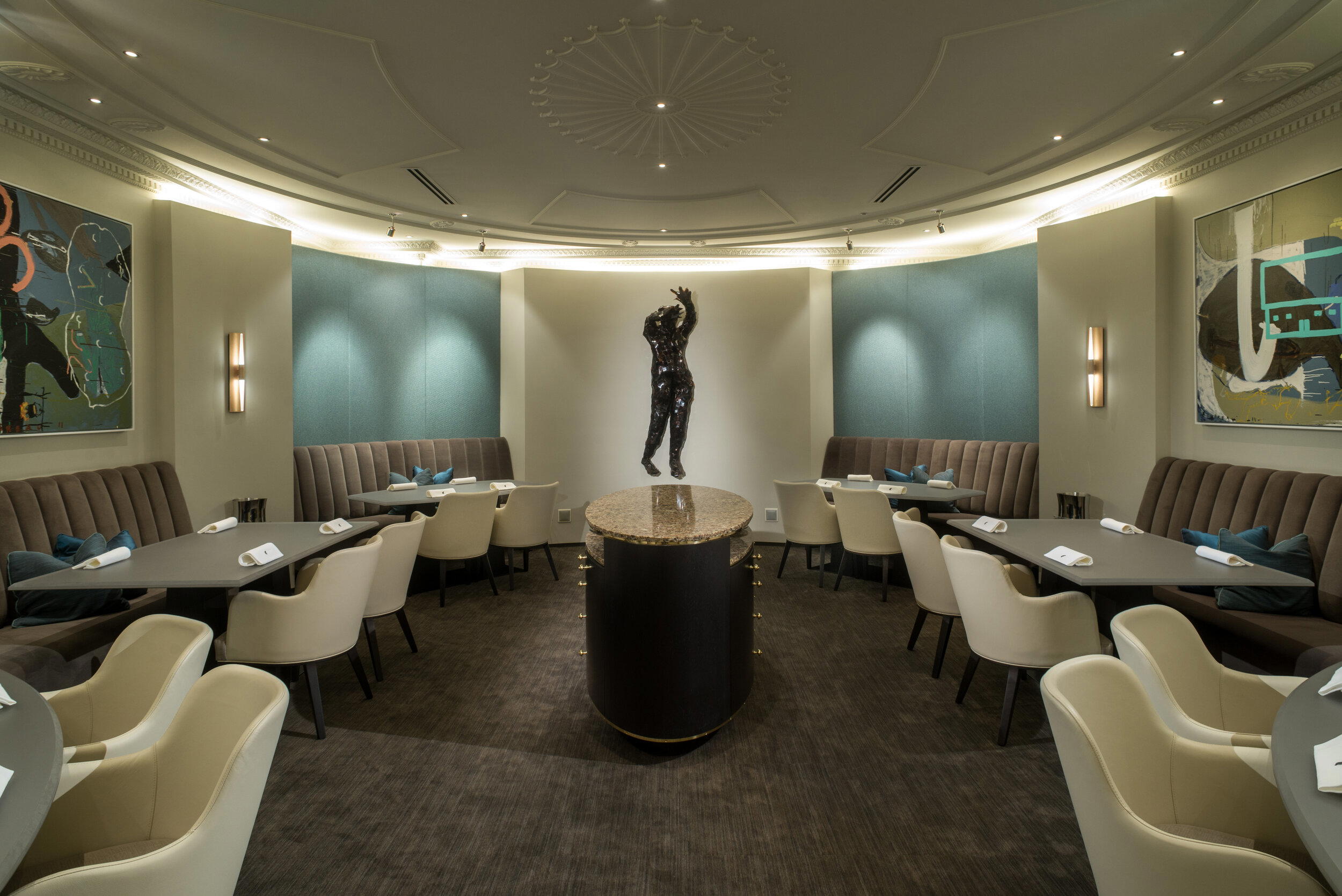
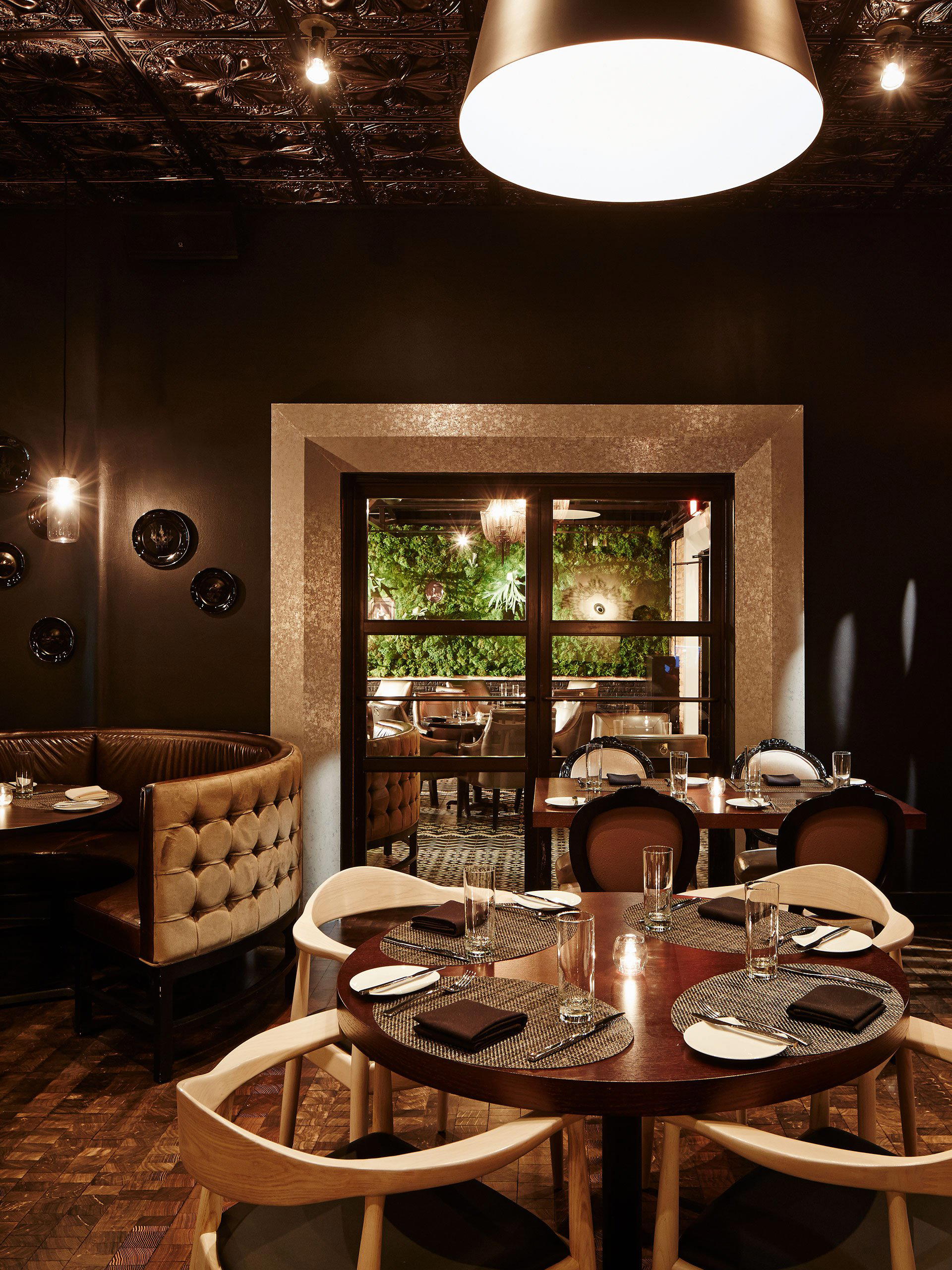
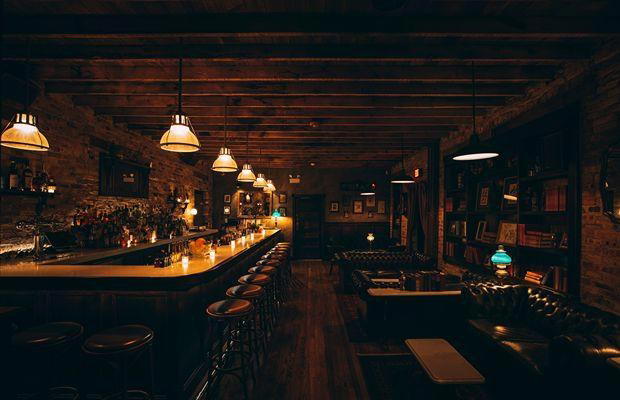
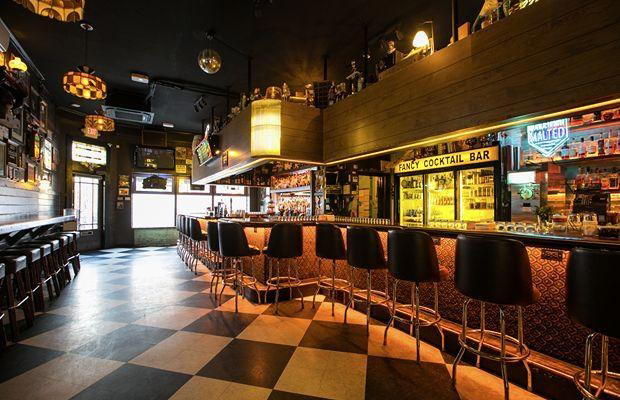
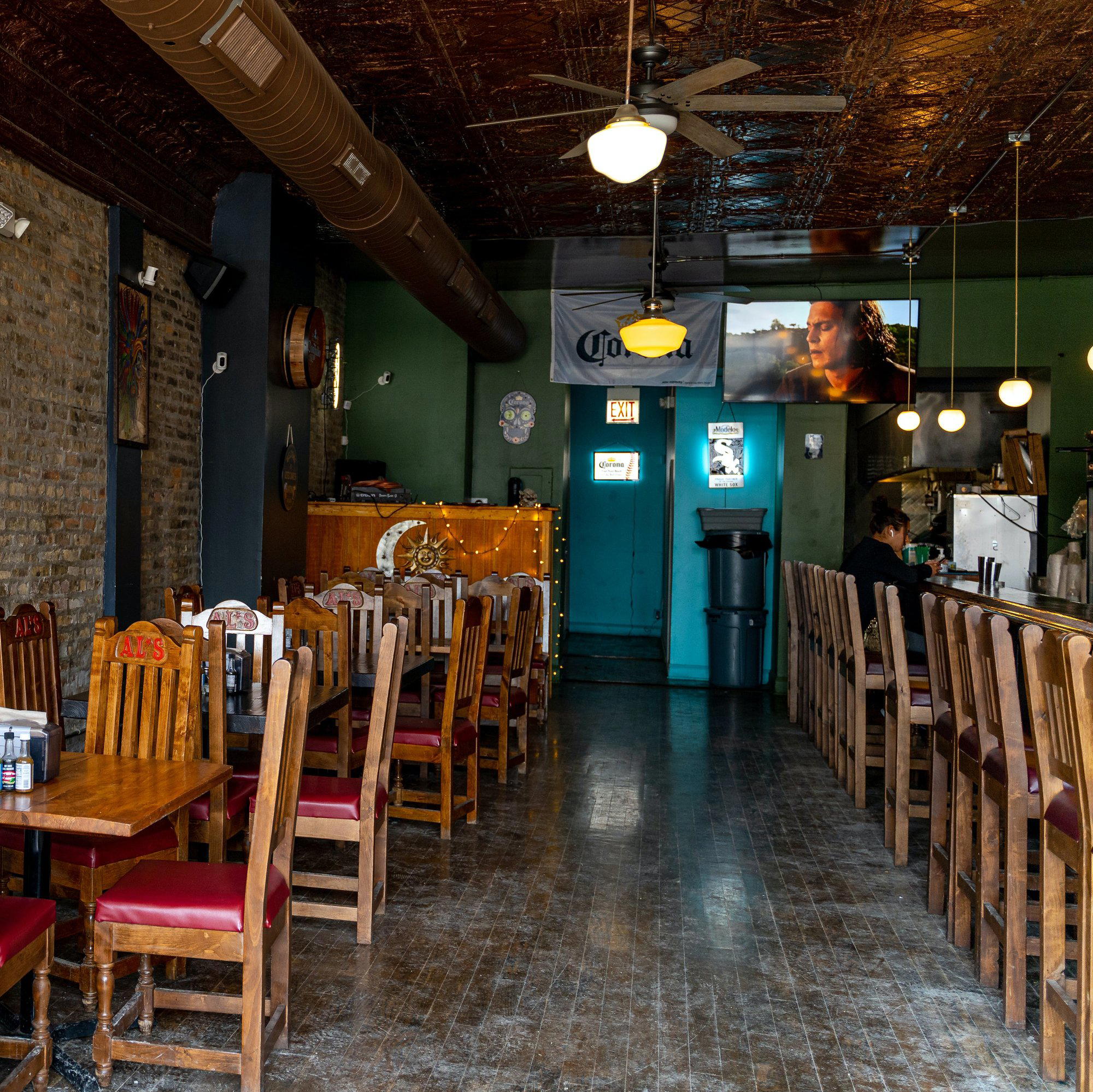
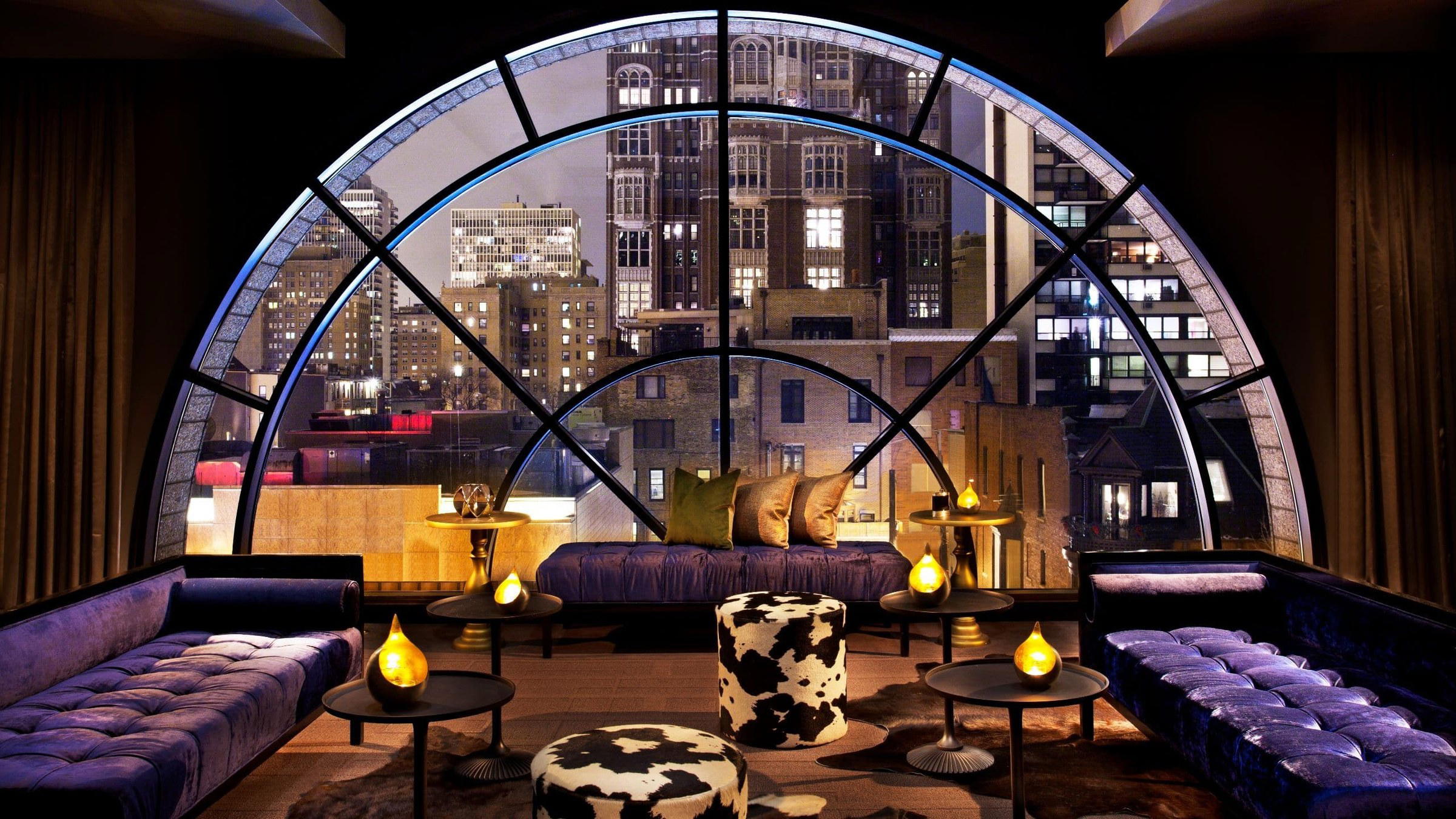
Dimly lit with a dark, sexy atmosphere reminiscent of classic vintage Chicago speakeasies.