.png)
At Matteo Ristorante, refined minimalism meets culinary modernity in a softly lit, intimate setting where technique and taste are expressed with quiet confidence. The kitchen’s contemporary lens shines across land and sea, precise meat and fish plates are complemented by a remarkable repertoire of risotti, many composed with innovative, distinctly modern ingredients. Aperitifs and postprandial coffee are elevated rituals in the nearby Laboratory at No. 10, where the experience lingers in a final, expertly choreographed flourish. This is where cultivated palates find calm, clarity, and the pleasure of detail.
 Discover on Pearl
Pearl is the En Primeur Club membership app — saves, bookings, and concierge access live there. Same editors, same standards.
- Address
- Piazza Duomo, 6, 13900 Biella BI, Italy
- Phone
- +39 015 355209
- Website
- matteocaffeecucina.it
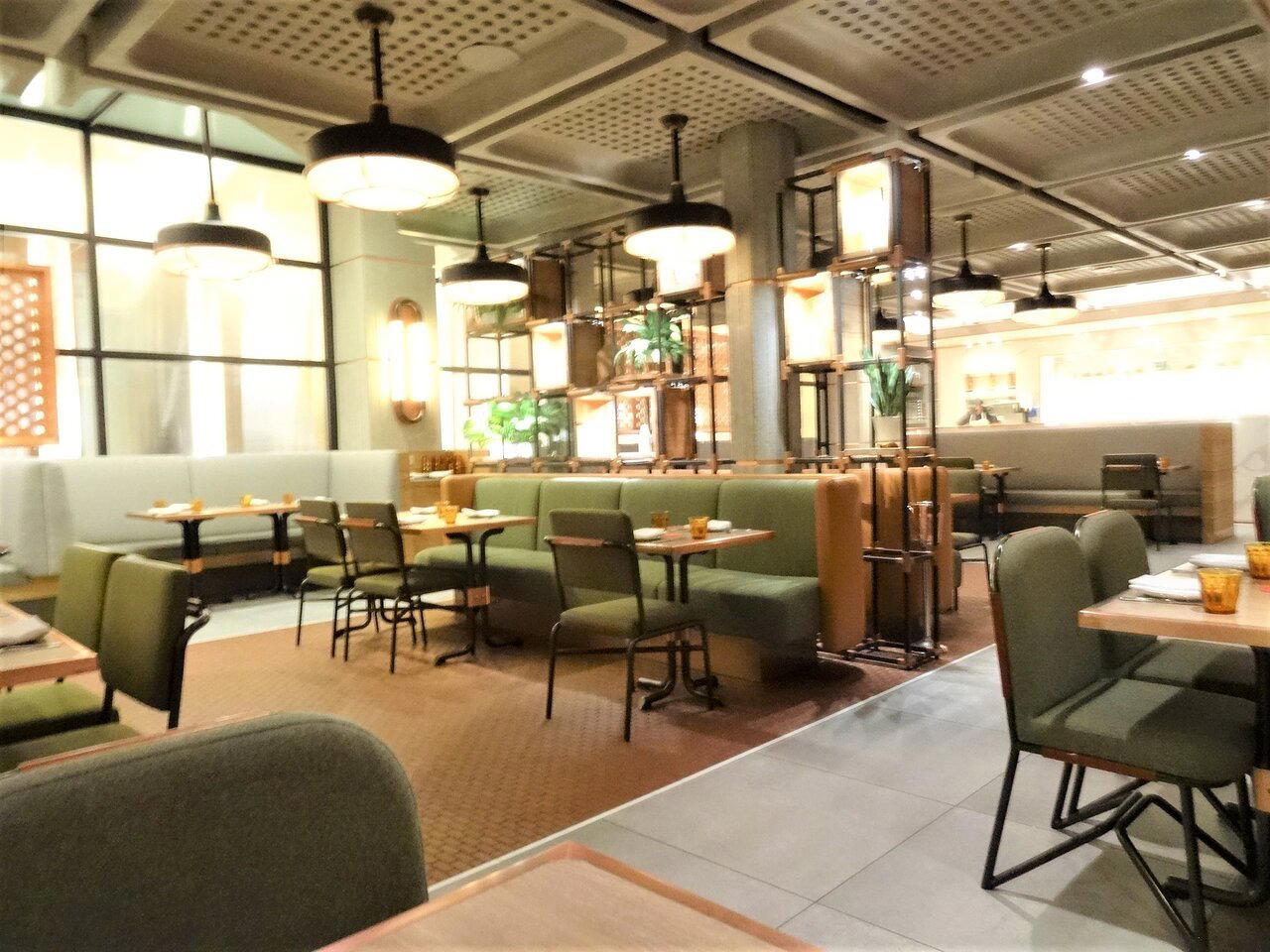
A Piazza Address With Something to Prove
Piazza Duomo in Biella is not a square that draws culinary pilgrims, not yet. The cathedral forecourt has the quiet authority of a Piedmontese civic space: stone underfoot, restrained facades, the kind of stillness that northern Italian towns preserve almost defensively. Step into Matteo Ristorante and the shift is deliberate: muted tones, considered lighting, a room scaled for conversation rather than spectacle. The outdoor tables beneath the portico carry that same composure, though they fill quickly once temperatures allow, and reservations for that terrace require more lead time than the interior during warmer months.
Biella sits at the foot of the Alps in a region better known for its textile mills than its restaurants. That context matters. Dining here has historically tracked the preferences of a local professional class rather than a tourist circuit, which means a restaurant that aims above the regional average must justify itself on merit rather than footfall. The Michelin Plate signals that the cooking here merits attention. For a city of Biella's scale and profile, it is a meaningful credential.
What the Kitchen Is Actually Doing
Modern Italian cuisine at the mid-premium tier tends to resolve into one of two camps: either a repertoire built around one dominant regional identity, or a broader platform where classical technique intersects with contemporary presentation. Matteo Ristorante sits in the second category. The menu runs across both meat and fish without privileging one over the other, which is less common than it sounds at this price point in Piedmont, a region where beef and game often crowd out seafood entirely. For the kitchen to maintain equity between land and sea, sourcing has to be active rather than passive.
The risotto programme is where the venue makes its most distinct statement. Multiple variations appear on the menu, and the details that distinguish them tend to lean modern: ingredients that do not belong to any single regional tradition, combinations assembled for contrast and texture rather than historical precedent. In Italian fine dining, the risotto is one of the most conservative benchmarks a kitchen can face, which makes deliberate modernism in this dish a genuine editorial choice rather than a marketing position. Venues such as Le Calandre in Rubano and Piazza Duomo in Alba have each defined their identity partly through how they handle this test; Matteo's approach places it in that broader conversation about where Italian kitchen discipline ends and contemporary freedom begins.
Presentation is treated as a structural element rather than decoration. The Michelin description references "spectacular presentations" specifically, a term used carefully. In this context it signals plating that the inspectors considered purposeful and accomplished, not merely ornate. That distinction separates kitchens that understand visual language from those that apply it as a reflex.
Where the Ingredients Come From, and Why It Registers
Biella's position matters geographically for a kitchen with sourcing ambitions. The surrounding Piedmontese foothills give access to mountain-pasture dairy, game, and seasonal fungi that define northern Italian autumn cooking. The Po plain to the south supplies rice, the foundation for the risotto programme, while proximity to Liguria opens a relatively short route to seafood, which explains how a landlocked mountain-fringe city can sustain a credible fish programme at a restaurant with this level of ambition.
The balance between meat and fish on the menu is an ingredient-sourcing decision as much as a culinary one. A kitchen that commits to both in equal measure is committing to dual supply chains, seasonal flexibility, and a broader range of technical demands. At the €€ price tier, that range is not guaranteed. Restaurants at this level in smaller Italian cities often simplify out of necessity. The fact that this menu does not simplify speaks to procurement discipline.
Contemporary Italian fine dining at the upper end, places like Uliassi in Senigallia or Quattro Passi in Marina del Cantone, builds identity around hyper-specific coastal sourcing. Biella cannot compete on that axis. What it can do, and what Matteo appears to do, is work the regional grid intelligently: matching each protein category to the supply chain most suited to it, rather than forcing a single sourcing identity onto the whole menu. This is a more honest approach for an inland address and it tends to produce more coherent cooking.
The Laboratorio Next Door
The adjacent Laboratorio at number 10 handles coffee and aperitifs, effectively functioning as a front-of-house extension. In Italian dining culture, the separation of the aperitivo and coffee moment from the main restaurant space is not unusual, but the institutional link here is explicit. It allows the main dining room to maintain a more focused atmosphere while giving guests a natural staging point before and after the meal. For visitors arriving from elsewhere in Piedmont or from further afield to dine along the piazza, the format creates a distinct rhythm to the evening that single-space restaurants rarely achieve.
How Matteo Fits Biella's Wider Scene
Biella is not a city with a deep bench of ambitious restaurants. Those seeking a different register in the city's seafood offer should consider Regallo, which approaches fish from a different editorial angle.
For context on what Michelin-calibre modern Italian cooking looks like at higher tiers, the reference points shift north and south: Enrico Bartolini in Milan, Osteria Francescana in Modena, Enoteca Pinchiorri in Florence, and Dal Pescatore in Runate all operate at the €€€€ tier and represent the upper ceiling of that tradition. Atelier Moessmer Norbert Niederkofler in Brunico offers a useful Alpine-region comparison. At the international end, Frantzén in Stockholm and FZN by Björn Frantzén in Dubai show how modern cuisine translates across formats and geographies. Reale in Castel di Sangro rounds out the Italian peninsula perspective.
Matteo operates at €€, below all of those reference points on price, and the comparison is not a criticism. It reflects a different proposition: Michelin-recognised ambition deployed in a smaller city, at a price that does not require the same level of financial commitment, in a room that prioritises intimacy over theatre. Google reviewers rate it 4.5 across 317 reviews, a signal of consistency that matters in a city where restaurant traffic is local and repeat visits are the norm rather than the exception.
Planning a Visit
The restaurant sits at Piazza Duomo 6, in the centre of Biella. Outdoor terrace tables under the portico require advance reservations during spring and summer; the interior is more accessible on shorter notice. The Laboratorio at number 10 on the same piazza is the natural choice for an aperitivo before the meal or an espresso after.
Side-by-Side Snapshot
Comparable venues nearby, for context on price, style, and recognition.
| Venue | Cuisine | Price | Awards | Notes |
|---|---|---|---|---|
| Matteo RistoranteThis venue — the venue you are viewing | Modern Italian | $$$ | Michelin Plate | |
| Regallo | Modern Italian Seafood | $$$$ | Michelin Plate | Biella |
| Casa Vicina | Modern Piedmontese | $$$ | Michelin Plate | Lingotto |
| SottoSopra | Italian Mediterranean | $$$ | Michelin Plate | village centre |
| Osteria Mercato | Modern Italian Seafood | $$$ | Michelin Plate | historical center |
| Carlo e Camillo | Piedmontese Italian Bistro | $$$ | Michelin Plate | Aurora |
Continue exploring
More in Biella
Restaurants in Biella
Browse all →
Bars in Biella
Browse all →
Hotels in Biella
Browse all →
At a Glance
- Elegant
- Intimate
- Modern
- Sophisticated
- Date Night
- Special Occasion
- Business Dinner
- Open Kitchen
- Extensive Wine List
- Street Scene
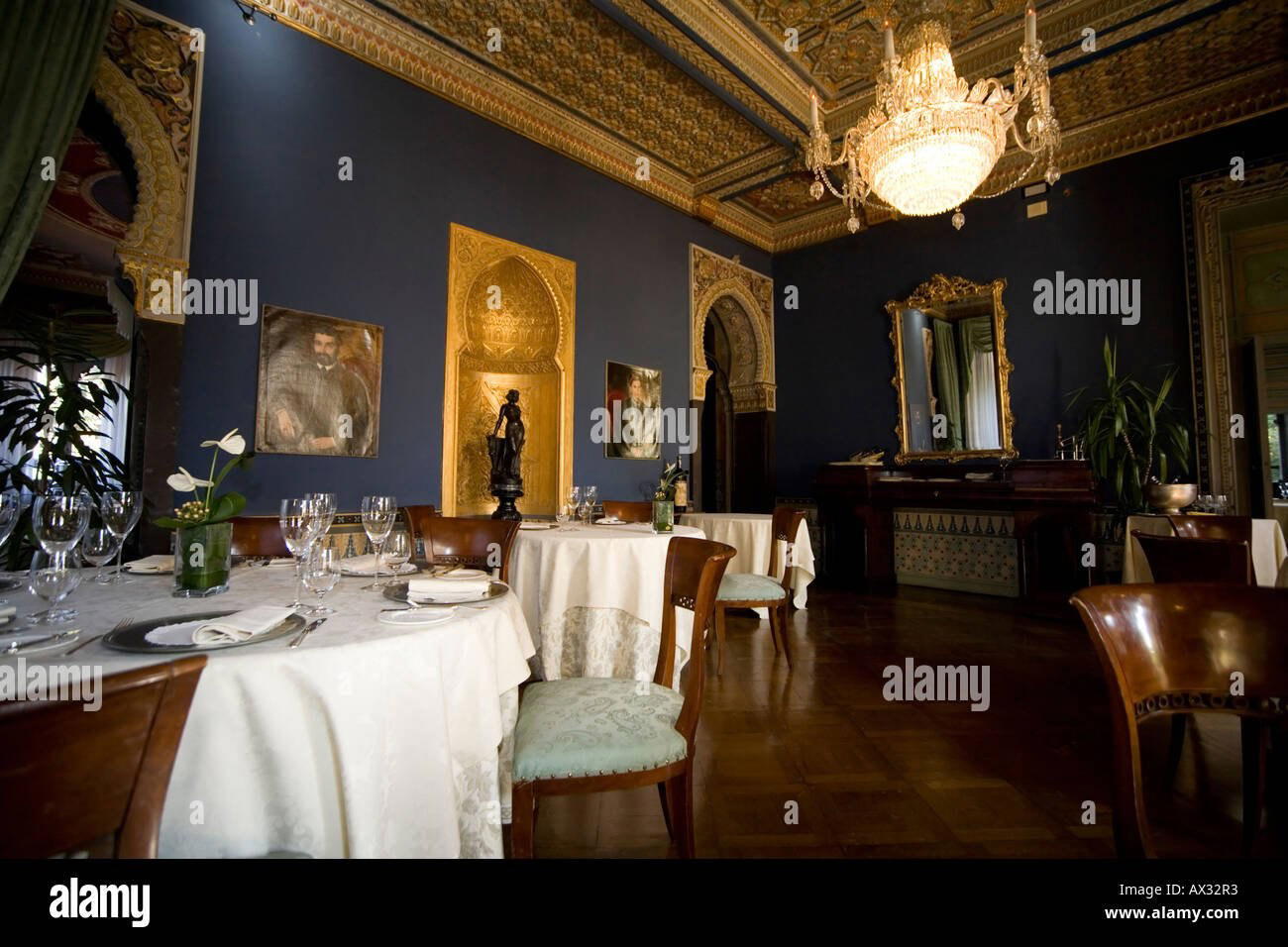
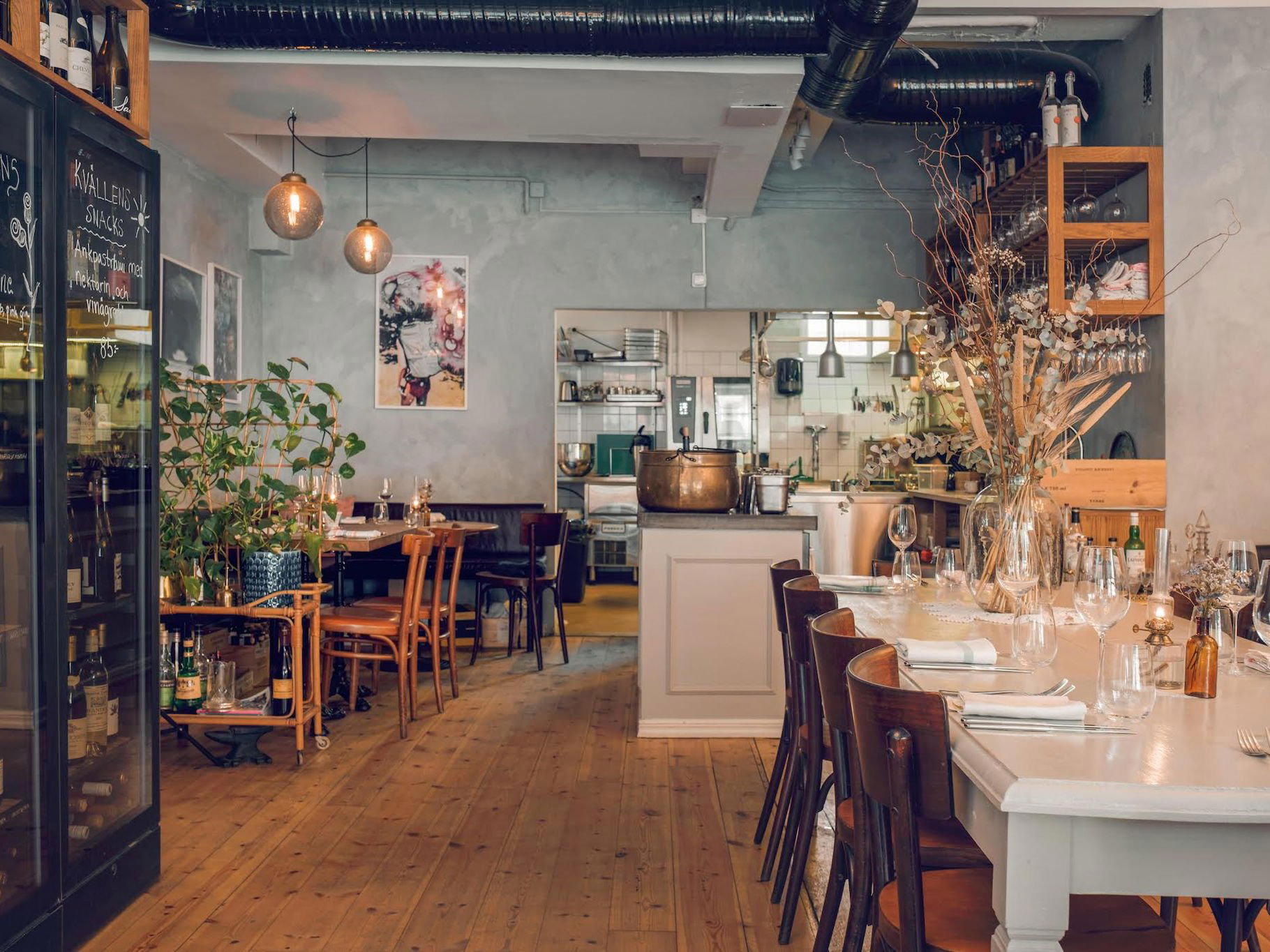
Soft-toned, modern, and intimate decor with a welcoming, relaxed atmosphere and well-spaced tables.