Masala Zone Piccadilly

Inside a grade-listed former grand brasserie on Piccadilly, the fourth London outpost of the Masala Zone group brings the same accessible, tradition-rooted Indian cooking that earned the wider group its reputation. The 180-seat dining room, with its gold mosaic ceiling and marble walls, sets a dramatic backdrop for a menu that moves from street-food snacks to regional curries and full thalis, all at prices that sit well below the area's typical spend.
Pearl is the En Primeur Club membership app — saves, bookings, and concierge access live there. Same editors, same standards.
- Address
- 224 Piccadilly, London W1J 9HP, United Kingdom
- Phone
- 020 7930 6622
- Website
- masalazone.com
- Directions
- Get directions
 Saves & bookings on Pearl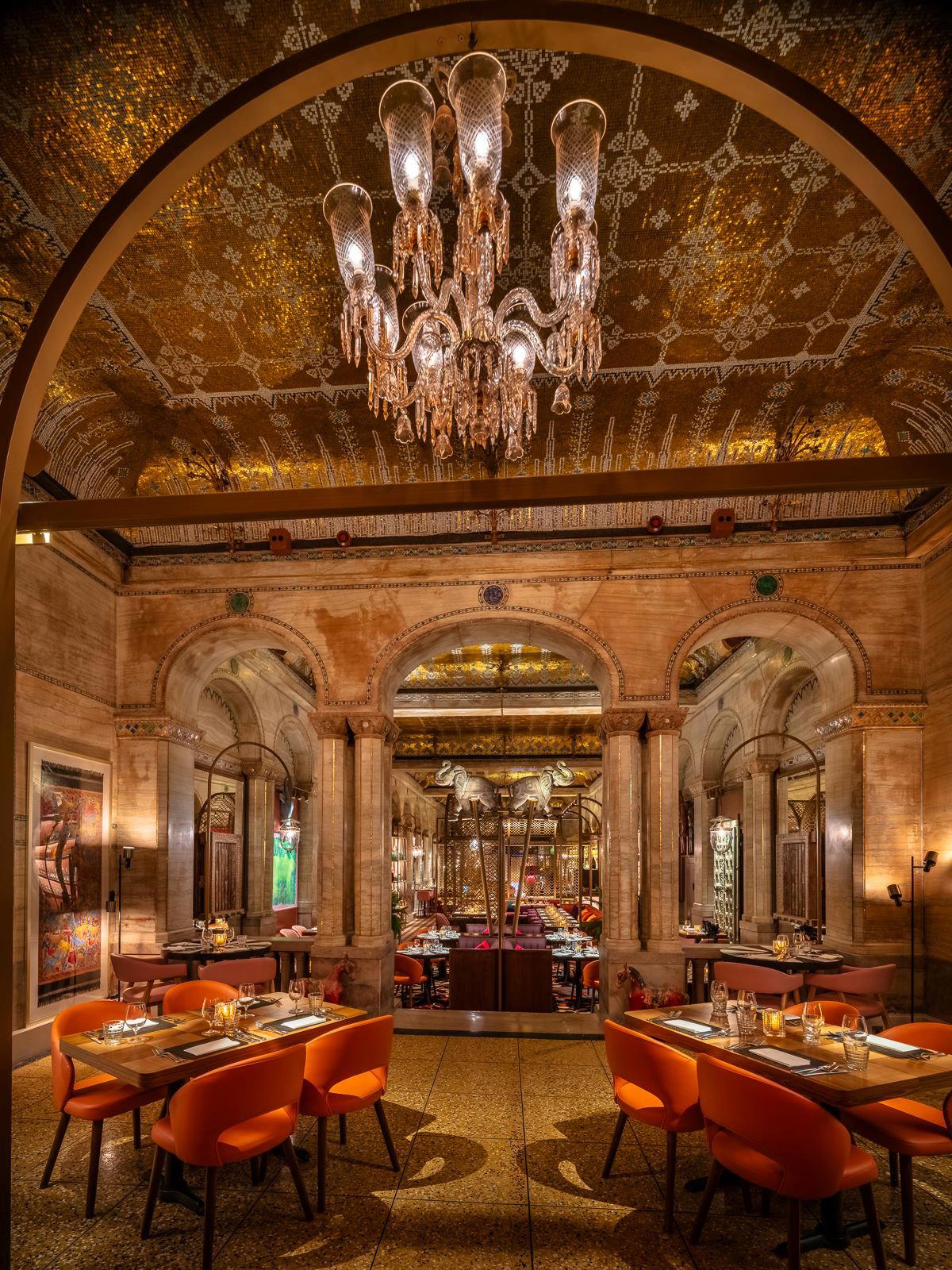
A Victorian Interior, an Indian Kitchen, and the Argument They Make Together
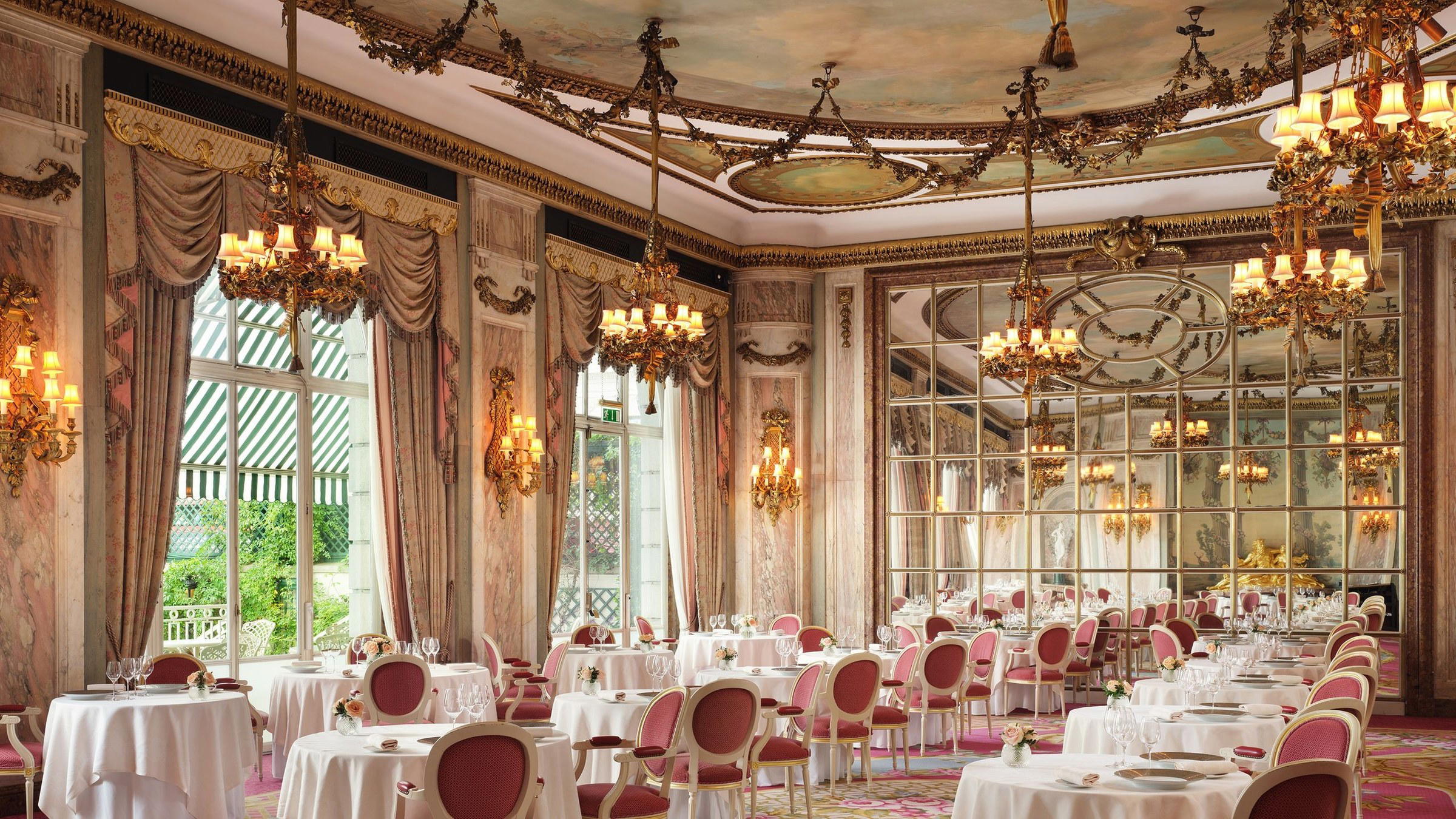
Masala Zone Piccadilly is an Authentic Indian Thali House at 224 Piccadilly, London W1J 9HP, serving approachable Indian cooking in the restored Criterion building. The gold mosaic ceiling, the marble walls set with semi-precious stones, the raised rear dining area that functions like a stage: these are not the bones of a casual canteen. They were designed to signal occasion. What makes the current tenant interesting is the deliberate tension between that inherited grandeur and a kitchen philosophy rooted in Indian street food and regional home cooking. The two registers do not cancel each other out. They sharpen each other.
London's Indian dining offer has long split along a fault line that rarely gets acknowledged directly. On one side sit the high-end tasting-menu operations, the kind of formal, multi-course Indian cooking that competes price-point with the city's French and Modern European rooms, including names like CORE by Clare Smyth, Sketch, The Lecture Room and Library, and Restaurant Gordon Ramsay. On the other sits a large middle tier of restaurants that treat Indian food as delivery or convenience. The Masala Zone group has always occupied a different position: approachable pricing, 180 seats, no tasting-menu format, but a kitchen discipline and sourcing standard borrowed from the family's upmarket portfolio, which includes Chutney Mary, Veeraswamy, and Amaya. The Piccadilly site carries all of that group DNA into a room that happens to be more architecturally significant than most of the city's high-priced competitors.
What the Kitchen Is Actually Doing
The kitchen pairs classical Indian technique with freshly prepared ingredients. The kitchen makes its paneer daily. The Alleppey prawn curry draws its depth from freshly stone-ground spices, not pre-blended powder, then uses coconut milk to moderate the heat of the coastal south Indian base. A chicken curry from Mangalore follows the same structural logic: fire first, then coconut milk and lime as counterweights. These are not museum pieces. They are dishes that use traditional technique to produce something that still reads as alive on the plate.
That distinction matters when you look at what the global Indian diaspora has done to Indian cooking in its adopted cities. The tendency has been to flatten regional specificity into a composite version of the cuisine, a greatest-hits format calibrated for broad acceptance. Masala Zone's approach pushes the other way. The Mangalore chicken and the Alleppey prawn curry are dishes with specific geographic addresses in India, and the kitchen appears to cook them with that specificity intact. The result is a menu that carries more information per dish than you typically encounter at this price band in London.
Small plates and snacks anchor the opening of the meal, including an onion bhaji prepared in a flower form and lamb sliders in home-baked caramelised onion pao bread. The pao bread signals a kitchen paying attention to the bread side of Indian cooking, which often goes under-invested in London's mid-market restaurants. Biryanis, listed separately, deserve attention as standalone dishes rather than as supporting cast. Thalis serve as the meal's most economical format, consolidating multiple components into a single plate at a price that undercuts most of what else is available in the W1 postcode.
The butter chicken also features across the group's properties. At a category level, butter chicken has become so widely replicated that it functions as a benchmark: a dish where kitchen quality reveals itself through what restraint looks like. A makhanwalla paneer, made from that daily-produced fresh cheese in a caramelised tomato base, extends the same test to vegetarian territory.
Room and Context: What the Criterion Building Adds
The Criterion space was restored after years of decline. Its current condition reflects a significant investment in a room that the Parisian grand brasserie tradition would have recognised: theatrical, dense with detail, designed for a specific kind of evening out in which the architecture is part of what you are paying for. The gold mosaic ceiling is not incidental decoration. It is the room's thesis. In most of the premises where London's mid-market Indian restaurants operate, there is no equivalent architectural argument.
For context against the city's most formal dining rooms, the comparison venues in this neighbourhood and price tier include The Ledbury and Dinner by Heston Blumenthal, both of which operate at a significantly higher price point and with a different format entirely. Masala Zone Piccadilly is not competing with those rooms on price or ambition of format. What the Criterion building adds is atmosphere. You do not need to commit to a multi-course tasting menu to sit in one of the more historically significant dining rooms in central London.
The Masala Zone group is also associated with a cocktail program described as snappy, alongside a wine list selected for compatibility with spiced food. Wine and Indian cooking remains an under-resolved pairing challenge across London's restaurant landscape. The group's attention to this is consistent with its broader positioning: the kind of operational detail that signals the kitchen and front-of-house are working from the same framework.
When to Go and How to Plan
The Piccadilly address puts this location inside walking range of several of London's major central destinations, which also means it operates in a high-footfall, high-competition dining corridor. Breakfast service and an afternoon high chai format extend the day-part range beyond dinner, which is worth knowing if you are building an itinerary around this part of the city. Advance booking is recommended.
Prices sit at about $63 per person, in line with the restaurant's accessible price tier.
For comparison against the broader register of premium British dining, it is worth knowing that properties such as The Fat Duck in Bray, L'Enclume in Cartmel, Moor Hall in Aughton, Gidleigh Park in Chagford, Hand and Flowers in Marlow, and Le Manoir aux Quat' Saisons in Great Milton define a different end of the country's dining range. Internationally, the same premium tier is represented by rooms such as Le Bernardin in New York City and Atomix in New York City. Masala Zone Piccadilly operates at a different price register from all of those, but the Criterion building and the Masala Zone group's track record give it a legitimacy in the broader London dining conversation that few venues at this price point can match.
The Short List
Comparable venues nearby, for context on price, style, and recognition.
| Venue | Cuisine | Price | Notes |
|---|---|---|---|
| Masala Zone PiccadillyThis venue — the venue you are viewing | Not listed | $$ | Not listed |
| Poppadom Indian Kitchen | Bloomsbury, Indian Fusion Kitchen | $$ | Not listed |
| Kaalika | Not listed | $$ | Mortlake, Authentic Indian with Indo-Chinese |
| Zan Zi Bar | Edgware, Punjabi Indian | $$ | Not listed |
| Dishoom Carnaby | Soho, Bombay Comfort Food | $$ | Not listed |
| Gandhi's | Kennington, Traditional Indian | $$ | Not listed |
Recognition history
Dated appearances from independent guides and award organizations, with the underlying list record or original source where available.
The Good Food Guide GFG Good
The Good Food Guide
Continue exploring
More in London
Restaurants in London
Browse all →
Bars in London
Browse all →
Hotels in London
Browse all →



At a Glance
- Lively
- Elegant
- Well Known
- Group Dining
- Family
- Celebration
- Special Occasion
- Historic Building
Current opening hours
- Monday
- 12–10 PM
- Tuesday
- 12–10 PM
- Wednesday
- 12–10 PM
- Thursday
- 12–10:30 PM
- Friday
- 12–11 PM
- Saturday
- 11 AM–11 PM
- Sunday
- 11 AM–10 PM
Hours can change for holidays and private events. Last verified .
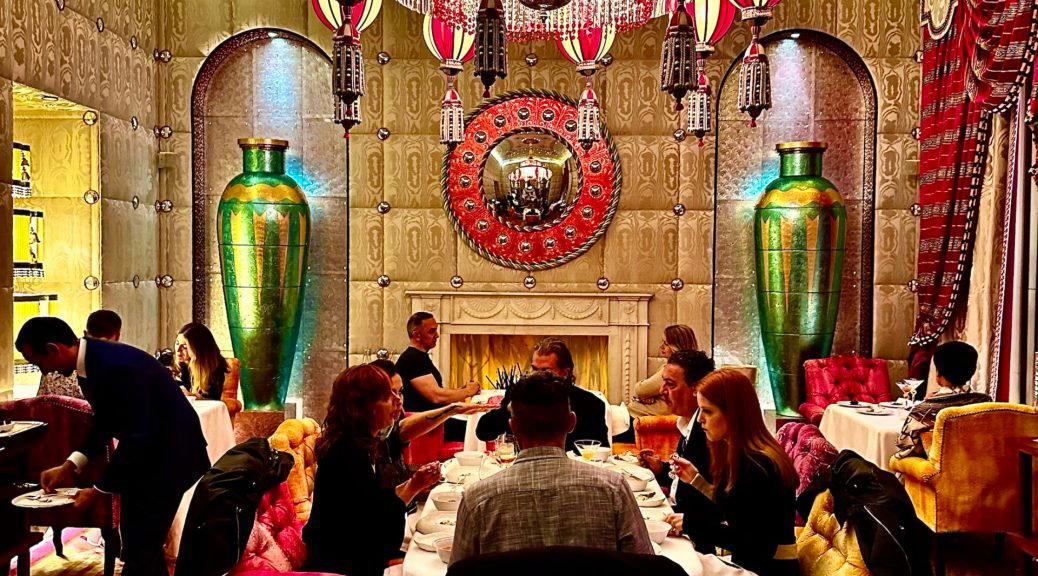
Lively and ornate with intricate decor resembling an Indian palace, featuring real candles, coordinating crockery, and a lively yet elegant atmosphere.