Our verdict
Mary's Castle Hill sits on Old Northern Road in Castle Hill, Sydney, serving the Hills District with a neighbourhood restaurant format that draws regulars from across Western Sydney. The menu positions itself within the casual-to-mid dining tier that defines suburban Sydney's most dependable local tables. For those exploring Sydney's broader dining geography, it represents the kind of address the inner-city food press rarely reaches but locals return to consistently.

Pearl is the En Primeur Club membership app — saves, bookings, and concierge access live there. Same editors, same standards.
- Address
- 7/250 Old Northern Rd, Castle Hill NSW 2154, Australia
- Hours
- Mon–Tue ClosedWed–Thu 5–10 PMFri–Sat 5 PM–12 AMSun 5–10 PM
- Website
- marys.wtf
- Directions
- Get directions
- Booking
- Book on OpenTable
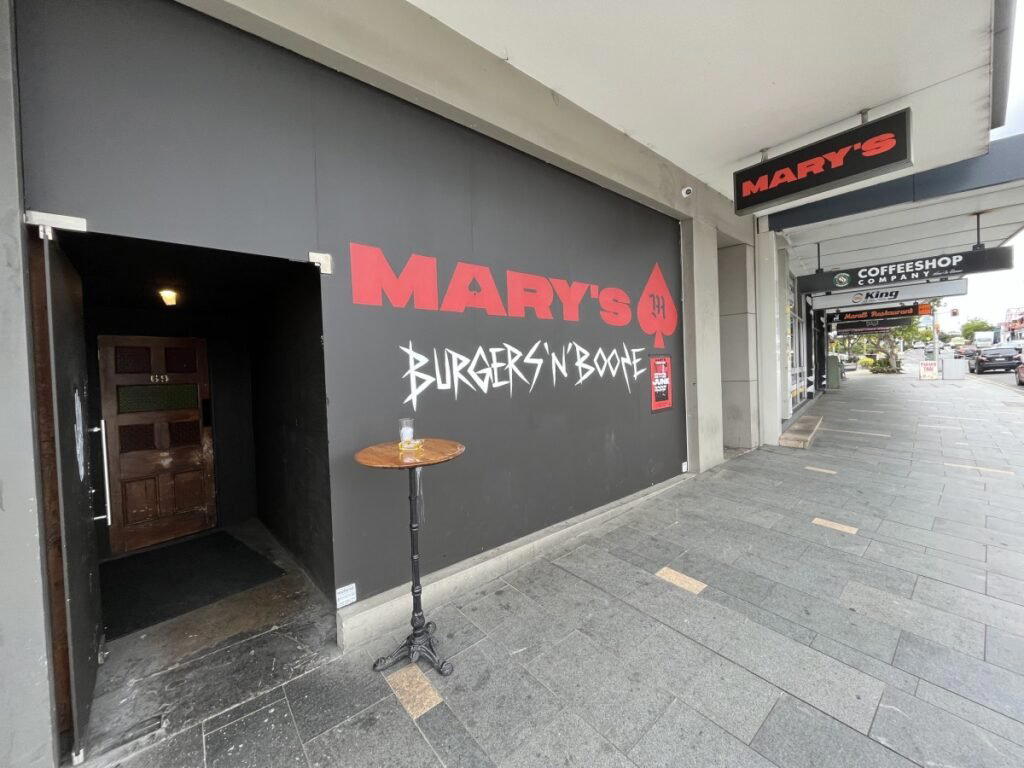
Where the Hills District Eats
Sydney's dining conversation tends to collapse inward, fixating on the harbour-adjacent postcodes while the broader metropolitan basin does its own quiet work. The Hills District, anchored by Castle Hill and its surrounds, operates on a different rhythm: longer distances between addresses, fewer walk-in crowds, and a dining culture built around regulars rather than passing reviewers. Old Northern Road is the kind of commercial strip where a restaurant earns its place not through press cycles but through consistency across the week. Mary's Castle Hill, at number 250, occupies that territory.
In that context, the suburban Sydney neighbourhood restaurant functions differently from its inner-city counterpart. Where a Surry Hills or Newtown address can trade on foot traffic and proximity to other attractions, a Hills District address means the restaurant is often the destination in itself. Guests drive, they plan ahead, and they tend to come back when the experience holds. That dynamic shapes how a menu gets built and how a room feels — there is less theatrical first-impression pressure and more expectation of reliable execution across multiple visits. For a fuller map of where Mary's Castle Hill sits within Sydney's dining geography, the EP Club Sydney restaurants guide offers a broader frame of reference.
Reading the Menu Structure
The editorial angle that matters most when assessing a suburban Australian restaurant is what its menu architecture reveals about the kitchen's intentions. In Sydney's mid-tier suburban bracket, menus tend to fall into one of two camps: the broad, cover-all-bases list designed to satisfy a diverse local demographic, or the tighter, more opinionated selection that signals kitchen discipline and a clearer point of view. The distinction matters because it tells you what a kitchen is actually good at versus what it has been pressured to offer.
Suburban menus that overreach — thirty-plus items spanning three or four culinary traditions, typically signal supply-chain complexity and execution spread too thin. The better suburban addresses in Sydney have learned, often over time, that a focused selection with rotating specials serves both kitchen and guest better than a laminated novel. How Mary's Castle Hill positions itself within that spectrum reflects the broader maturation of Western Sydney's dining offer, which has moved considerably in the last decade from purely comfort-driven formats toward something more considered.
That maturation is visible across the wider city. Restaurants like Saint Peter and Rockpool have set a standard for menu discipline in Sydney's premium tier, tight, seasonal, and built around sourcing logic. The influence of that approach filters down into the suburban mid-market over time, not in terms of price point but in terms of the expectation guests bring to the table. A neighbourhood restaurant in 2024 is being assessed, consciously or not, against a more sophisticated benchmark than a decade ago.
Castle Hill in Sydney's Wider Dining Geography
Sydney's restaurant geography is more dispersed than Melbourne's, with serious dining addresses appearing well outside the CBD and inner-ring suburbs. The Hills District sits roughly 35 kilometres northwest of the Sydney CBD, a drive that separates it meaningfully from the critical mass of reviewed restaurants along the eastern and inner-western corridors. That distance creates both a challenge and an opportunity: less competitive noise, but also less editorial attention and fewer walk-in customers who might become regulars.
Comparative context helps calibrate expectations. In Melbourne, neighbourhood-format restaurants operating outside the inner suburbs have received serious critical attention, Attica in Ripponlea and Brae in regional Victoria both demonstrate that geography need not limit ambition or recognition. Within Sydney's own network, addresses like bills in Bondi Beach and Bayly's Bistro in Kirribilli have built loyal followings at remove from the CBD dining cluster. The Hills District equivalent of that model is still developing, which means early-positioning restaurants in the area carry some first-mover advantage if the food holds up.
For Sydney readers interested in the broader suburban and regional picture, Johnny Bird in Crows Nest and 10 William St represent the kind of neighbourhood anchors that have established themselves through consistency rather than spectacle. 1021 Mediterranean and 10 Pounds offer further reference points for how Sydney's mid-market is evolving across different suburb types.
The Suburban Dining Experience: What to Expect
A restaurant at a suburban strip address in the Hills District occupies a specific social function. It is not the pre-theatre dinner, the business lunch, or the anniversary splurge of a city-centre establishment. It is the local table, the place where a neighbourhood's dining identity consolidates. The room tends toward relaxed: ambient noise that allows conversation, a service style that recognises regulars, and a pace that does not rush the table. That social contract between the restaurant and its community is what suburban dining, at its functional leading, is built on.
Comparing across Australian cities, this model has proven durable. Regional-adjacent and suburban Australian restaurants that read their communities well tend to outlast their more fashionable city-centre peers, precisely because they are not dependent on trend cycles or tourism influx. Hungry Wolfs in Newcastle, Kulcha in Wollongong, and Jaani Street Food in Ballarat all operate within this same logic: serve the local population well, and the local population sustains you. Bar Carolina in South Yarra and Barry Cafe in Northcote demonstrate how Melbourne's neighbourhood format has developed its own critical identity. Sydney's outer suburbs are catching up.
For those interested in how premium dining translates across dramatically different market contexts, it is worth noting that the structural logic of neighbourhood loyalty operates even at the highest tiers: Le Bernardin in New York and Atomix both built their reputations on a specific, consistent guest relationship, not broad-based appeal. The principles scale differently, but the foundation is the same.
Know Before You Go
Address: 7/250 Old Northern Rd, Castle Hill NSW 2154, Australia
Hours: Not confirmed at time of publication, verify directly before visiting, as suburban restaurants often adjust hours seasonally or by day of week.
Price range: Not confirmed. Castle Hill's mid-market suburban tier generally spans A$20–60 per head before drinks, though individual venue pricing will vary.
Getting there: Castle Hill is accessible via the Sydney Metro Northwest (Castle Hill station on the T9 line) or by car from the M2/Hills M2 motorway. Old Northern Road is the suburb's primary commercial spine.
Timing note: Weekend evenings at suburban Sydney restaurants in the Hills District tend to fill earliest, mid-week visits often allow more flexibility without advance planning.
Frequently Asked Questions
Similar Picks
Comparable venues nearby, for context on price, style, and recognition.
| Venue | Cuisine | Price | Notes |
|---|---|---|---|
| Mary's Castle HillThis venue — the venue you are viewing | American Burgers & Fried Chicken | $20–30 | Not listed |
| Mary's City | American Burgers and Fried Chicken | $20–30 | Central Business District |
| Wingboy Randwick | American Chicken Wings | $20–30 | Randwick |
| The Roosevelt | Americana-inspired with Seafood | Not listed | Potts Point |
| Storehouse Sydney Central | Modern Australian | $20–30 | Sydney |
| Basement Brewhouse | American Gastropub with Burgers and Craft Beer | $20–30 | Bankstown |
Continue exploring
More in Sydney
Restaurants in Sydney
Browse all →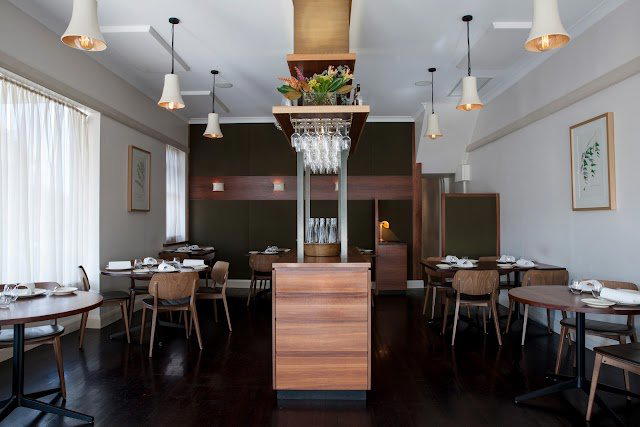
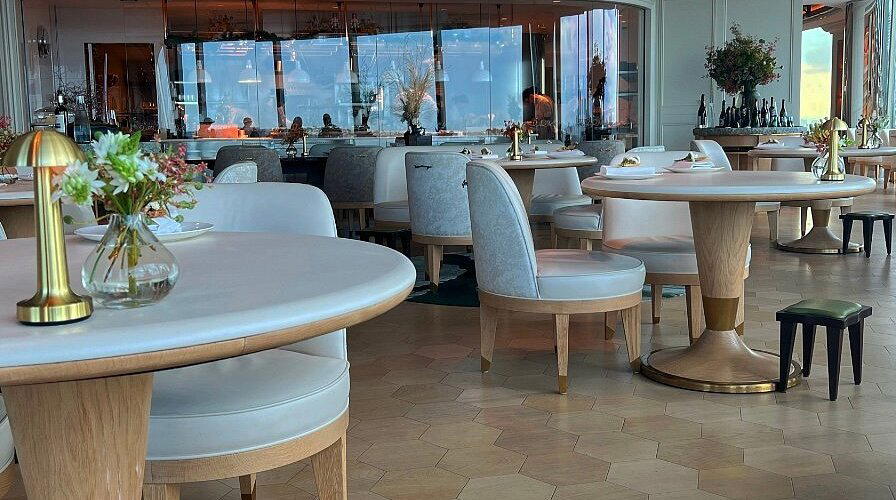
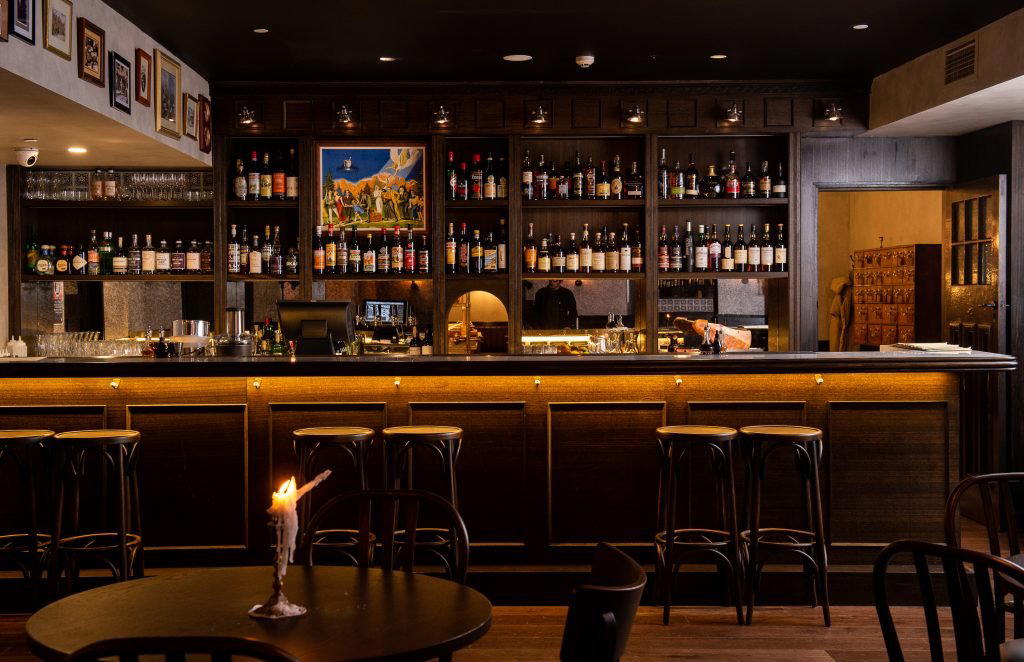
Bars in Sydney
Browse all →
Hotels in Sydney
Browse all →

Details
- Lively
- Trendy
- Energetic
- Group Dining
- Casual Hangout
- Celebration
- Open Kitchen
- Craft Cocktails
- A La Carte
- Vegan Options
Current opening hours
- Monday
- Closed
- Tuesday
- Closed
- Wednesday
- 5–10 PM
- Thursday
- 5–10 PM
- Friday
- 5 PM–12 AM
- Saturday
- 5 PM–12 AM
- Sunday
- 5–10 PM
Hours can change for holidays and private events. Last verified .
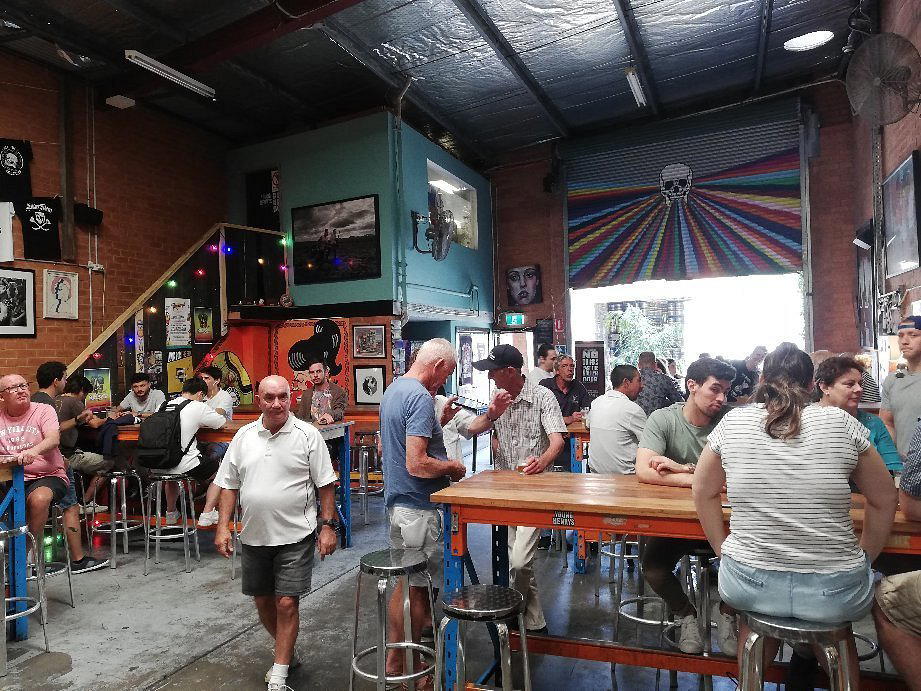
Energetic and loud atmosphere with candlelit tables, raw timber walls, and no-fuss hospitality well-suited for casual group hangs.