
Tabelog 100 #86
Our verdict
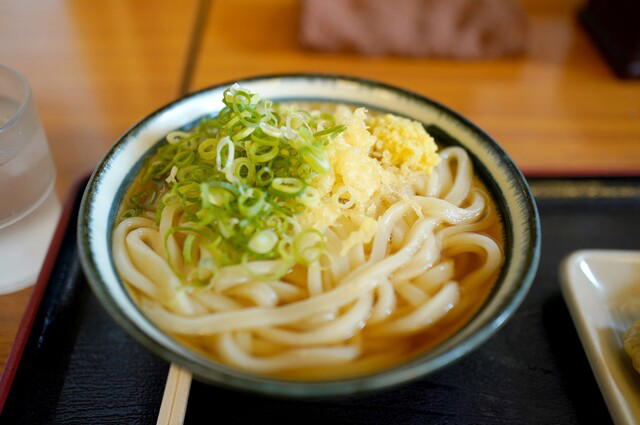
Maruike Seimenjo puts Itano-gun into the serious udon conversation without the ceremony of a destination counter. Its Tabelog Udon WEST 100 selection in 2024 and sub-¥1,000 positioning point to a regional style where wheat, broth, speed, and local routine matter more than luxury signals.

Pearl is the En Primeur Club membership app, where members save venues, book tables and use the concierge.
The menu
What to order
- Kamaage udon
- Kamatama udon
- Meat bukkake udon
- Kake udon
- Naruto wakame udon
- Shoyu udon with sudachi and dashi soy
The approach is casual Tokushima dining rather than polished city dining: a straightforward noodle-shop format and the plain confidence of a place built around wheat noodles rather than décor. In Itano-gun, udon is everyday food with a technical core, judged by texture, broth discipline, and how little fuss gets between the bowl and the diner.
Maruike Seimenjo belongs to that category of Japanese noodle shop where the format points back to the noodle itself. The word seimenjo matters. A noodle-making identity changes the emphasis from restaurant theatre to flour, water, kneading, cutting, boiling, and timing. That is the grammar of udon: the noodle carries the argument, while broth and toppings support rather than distract.
Tokushima udon, read through the noodle rather than the room
Tokushima is better known to many travelling eaters for ramen, but its udon culture also has a clear place in the region’s everyday dining. The area rewards shops that can turn inexpensive, high-frequency dining into a craft statement. Recognition from Tabelog Hyakumeiten in 2024 places Maruike Seimenjo inside a competitive field where casual price points do not mean casual standards.
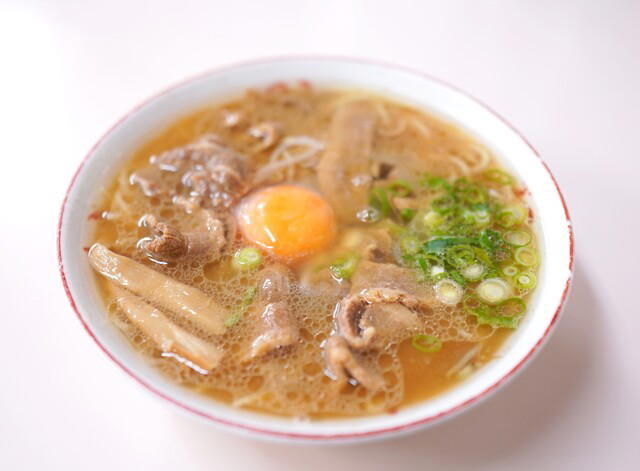
The useful comparison in Itano-gun is not a luxury restaurant but another low-cost local specialist. Shina Soba Wanwan Ken Honten operates in the same broad affordability bracket, though through a different noodle style. That contrast says much about the area: noodle shops here are not secondary options beneath formal dining. They are primary culinary infrastructure, where locals and travellers read regional taste through broth, wheat, soy, and speed.
At this level, price tells only part of the story. A noodle shop listed in the - JPY 999 - JPY 999 range that earns specialist platform recognition is operating in a different critical lane from a cheap meal chosen only for convenience. It is closer to the Japanese tradition of small-format mastery: limited category, high repetition, and a narrow set of variables sharpened over time. The Tabelog score of 3.87 gives the shop an additional signal of standing rather than flash attention.
For broader planning around the area, our full Itano-gun restaurants guide is the natural next stop. Travellers building a wider Tokushima itinerary can also scan our full Itano-gun hotels guide, our full Itano-gun bars guide, our full Itano-gun wineries guide, and our full Itano-gun experiences guide, since this is a food stop that fits better into a regional route than a single-venue pilgrimage.
Why the sourcing question starts with flour, not garnish
Ingredient-led dining is often discussed through rare seafood, brand beef, or luxury vegetables. Udon asks a quieter question: how much character can be drawn from wheat and water before anything else enters the bowl? In a seimenjo format, the source material is not decorative. Flour quality, hydration, rest, and boil timing shape chew and elasticity, which in turn decide whether the broth feels balanced or flat.
That is why the shop’s compact category matters editorially. Noodle houses can make repetition part of the craft, tightening the production loop around a narrow set of variables. The practical, unfussy edge is part of the appeal rather than a lifestyle flourish. This is not counter dining as performance; it is everyday-service logic applied to a food that punishes delay. Udon loses authority when it sits too long, so the format itself becomes part of quality control.
The category is strongest when eaten close to the kitchen. That is a general truth of udon rather than a romantic claim: hot noodles, cold noodles, dipping styles, and broth-led bowls all depend on timing. The better the noodle, the less forgiving the delay. For travellers used to sushi or kaiseki as the markers of Japanese technique, a shop like this offers a different lesson in precision at everyday scale.
The awards signal also has a useful boundary. Tabelog Hyakumeiten recognition is category-relevant recognition, not a general fine-dining medal. That makes it more relevant here. It evaluates the shop inside a noodle universe, where comparisons are made against other udon specialists rather than restaurants with broader menus, wine lists, or service rituals.
How to place it in a wider Japan itinerary
Maruike Seimenjo is a regional specialist, and that should shape expectations. It is not built around the pacing of a long, formal meal, and it does not need the apparatus of a chef’s counter to justify attention. The appeal is the compression of craft into a short meal: a narrow category, a clear local context, and enough external recognition to make the stop legible for travellers who do not already know Tokushima’s noodle map.
Japan’s dining culture has many ways to express seriousness. In larger cities, that seriousness may point toward more elaborate formats or atmosphere-led dining. Against those, Itano-gun’s udon scene reads as tighter and more elemental, with Maruike Seimenjo standing as the relevant stop for wheat noodles rather than dining-room theatre.
Other Japanese specialists sharpen the same point by contrast. Some frame regional appetite through different cuisines or narrower single-product formats, without needing formality. Maruike Seimenjo belongs to that wider Japanese habit of treating one category as worthy of repetition, discipline, and close attention.
For readers comparing Japanese food culture more broadly, simple formats can carry serious cultural information when the core product is handled with discipline. In Itano-gun, that product is udon. The case for stopping here rests on that clarity.
Frequently asked questions
Is Maruike Seimenjo suitable for children?
Maruike Seimenjo is a casual udon shop in Itano-gun, so it can be a practical stop for a straightforward noodle meal. Check the venue's official channels for the latest family and seating details.
What is the atmosphere like at Maruike Seimenjo?
Expect a casual noodle shop rather than a formal dining room. The focus is on udon and the everyday rhythm of a local wheat-noodle specialist.
What should I budget for a meal at Maruike Seimenjo?
Pricing at Maruike Seimenjo is listed as - JPY 999 - JPY 999 View spending breakdown.
What days is Maruike Seimenjo closed?
Specific opening days and closure details should be checked through the venue's official channels before visiting.
How do I find Maruike Seimenjo?
Maruike Seimenjo is located in Itano-gun.
In Context: Similar Options
Comparable venues by cuisine and price in the same metro.
| Venue | Cuisine | Price | Awards | Notes |
|---|---|---|---|---|
| Maruike SeimenjoThis venue (the venue you are viewing) | Traditional Sanuki Udon Shop | $1–10 | Tabelog 100 #86 | Not listed |
| Shina Soba Wanwan Ken Honten | Tokushima-style ramen (shina soba) | Not listed | Tabelog 100 #98 | Aizumi, Itano-gun |
| Umemura | Japanese Soul Food | Not listed | Tabelog 100 #44 | Koto |
| Muguruma | Traditional Sanuki Udon | $1–10 | Tabelog 100 #64 | Higashikagawa |
| ラーメン にっこう 本店 | Chicken Pottage Ramen | Not listed | Not listed | 宇尾町 |
| Koja Sobaya (古謝そば屋) | Authentic Miyako Soba | $1–10 | Not listed | Hirara, Miyakojima City |
Recognition history
Dated appearances from independent guides and award organizations, with the underlying list record or original source where available.
Tabelog 100 #86 · No. 86
Tabelog · Tabelog 100 - Udon - WEST - 2024
Continue exploring
More in Itano-gun
Details
- Lively
- Cozy
- Classic
- Solo
- Family
- Group Dining
- Casual Hangout
- After Work
- Standalone
- Local Sourcing
- A La Carte
- Counter Dining
Current opening hours
- Monday
- 11 AM–2 PM
- Tuesday
- 11 AM–2 PM
- Wednesday
- Closed
- Thursday
- 11 AM–2 PM
- Friday
- 11 AM–2 PM
- Saturday
- 10 AM–2:30 PM
- Sunday
- 10 AM–2:30 PM
Hours can change for holidays and private events. Hours as of .
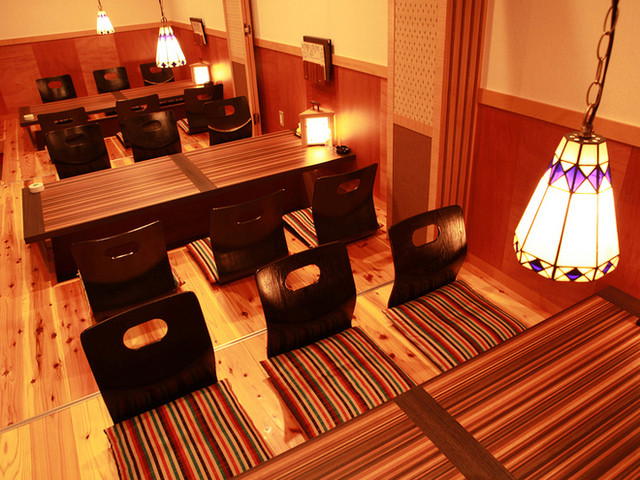
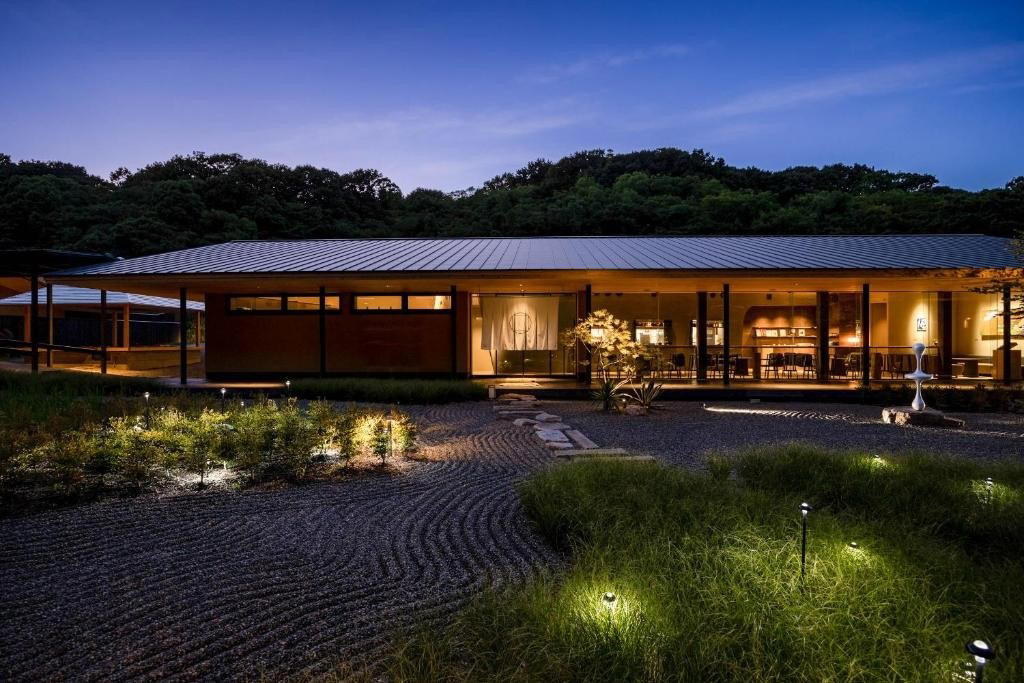
Bright, casual, and bustling udon shop atmosphere with a friendly team and efficient service; guests describe it as warm, welcoming, and pleasantly lively, with a focus on the craft of noodles rather than decor.