
Tabelog 100 #81
Our verdict
Kona Ya belongs to Takamatsu’s serious Sanuki udon circuit, where low prices, fast turnover, and noodle texture matter more than ceremony. Its selection for Tabelog 100 - Udon - KAGAWA - 2024 and 3.73 Tabelog score place it among Kagawa’s better-documented udon addresses, with a format suited to solo diners, families, and quick regional eating rather than destination theatrics.

Pearl is the En Primeur Club membership app, where members save venues, book tables and use the concierge.
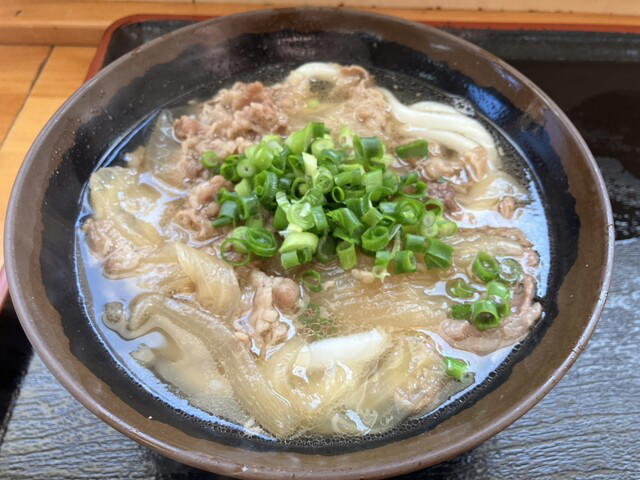
The menu
What to order
- Niku bukkake udon
- Niku udon
- Bukkake udon
- Shinshu soba
- Chikuwa tempura
Approaching an udon house in Takamatsu is not the same ritual as entering a city tasting counter. The clues are practical before they are decorative: a setting built for steady traffic, a room shaped around quick meals, and the quiet confidence of a region where wheat noodles are daily food rather than special-occasion cuisine. Kona Ya sits inside that Kagawa grammar. It is not asking diners to suspend disbelief; it is asking them to pay attention to noodle texture, broth discipline, and the speed at which a bowl can reveal whether a kitchen understands udon.
Kagawa’s udon culture is ingredient-led in a way that can look plain to outsiders. The noodle carries the meal. Wheat quality, hydration, kneading, resting, cutting, and boiling determine whether the bowl has the spring and chew associated with the region’s udon. Broth matters as structure rather than ornament, leaving room for the noodle to lead. That is why Takamatsu’s udon addresses are often judged less by decorative toppings than by consistency across a short service rhythm.
Sanuki udon, judged by texture before theatre
The value of Kona Ya is easier to read against Takamatsu’s wider noodle scene than as a standalone restaurant portrait. Kagawa has an unusually dense udon culture, and many respected shops sit in the same everyday bracket, including Teuchi Udon Shimizuya, Nakanishi Udon, Miyatake Udon, Yokokura Udon, and Marutani Seimen. That competitive set keeps the category honest. When a bowl is inexpensive and served quickly, reputation has to come from repeat local use and visible craft rather than luxury signals.
Selection for Tabelog 100 - Udon - KAGAWA - 2024 is the clearest external marker here. In a prefecture where udon is not a novelty but a civic habit, inclusion on a Kagawa-specific udon list signals a shop operating inside a demanding local field. The 3.73 Tabelog score adds another public benchmark, but the more useful reading is comparative: Kona Ya belongs to the group of Takamatsu udon houses that serious diners include when they want to understand the city through its most ordinary, exacting food form.
The house format also matters. An udon shop built for everyday use occupies a different dining category from a small chef-led counter. It can suit solo meals, family use, and quick group eating without turning the bowl into a performance. The point is regional infrastructure as much as restaurant culture. The experience is not stripped down because it lacks ambition; it is stripped down because udon rewards focus.
What ingredient discipline means in Kagawa
Ingredient sourcing is often discussed in luxury dining through farms, producers, and named suppliers. In Kagawa udon, the evidence is more fundamental. The flour has to become a noodle with resistance. The broth has to be clear in purpose. Seasoning has to support rather than bury the wheat. A diner used to Tokyo or Kyoto tasting menus may need to recalibrate the scale of judgment: the difference between a merely competent bowl and a memorable one can live in elasticity, temperature, salinity, and how cleanly the broth finishes.
That is the reason Takamatsu rewards repetition. A single udon stop gives a meal; several give context. Kona Ya makes sense alongside other local addresses rather than in isolation. For a broader route through the city’s noodle and casual-dining map, compare it with Marutani Seimen, Miyatake Udon, Nakanishi Udon, Teuchi Udon Shimizuya, and Yokokura Udon. To see how regional comfort food changes shape outside the udon lane, other Takamatsu dining rooms give different readings of everyday appetite.
The broader city guide helps frame the choice. A full Takamatsu restaurants guide is the useful starting point for mapping udon stops against other meals, while broader Takamatsu travel planning can place the bowl within a larger day. Takamatsu is not a city that needs every meal to be elaborate. Its strength is the ability to make a short, inexpensive lunch feel culturally specific.
How to read a low-cost regional specialist
The mistake with a place like Kona Ya is to ask it to behave like a destination restaurant. The better question is whether it helps explain why Kagawa takes udon so seriously. On that measure, the public signals are strong: category-specific Tabelog recognition, a defined udon identity, and a format designed for everyday use. The absence of a named chef narrative is not a weakness in this context. Udon culture is built around method, repetition, and local expectation more than biography.
For travellers building a Japan itinerary around regional food, this kind of stop can be more instructive than another polished multi-course meal. Compare the decision with other highly specific regional or specialist addresses elsewhere: some are about beef and hot-pan ritual, others point toward seafood, griddle heat, curry, rice snacks, or narrow bar formats. The shared lesson is that focused formats can define a meal more clearly than broad menus. Specificity often travels better than generality, especially when a dish is rooted in local habit rather than luxury performance.
The editorial case is simple. Kona Ya is worth seeking out for readers who want Takamatsu through the lens of udon rather than through a checklist of luxury cues. Its recognition places it within Kagawa’s serious udon conversation, but the real appeal is the category itself: a regional food culture where dough handling, broth restraint, and everyday speed carry the argument.
Frequently asked questions
When is Kona Ya open?
Current opening hours for Kona Ya are not provided here; check directly before visiting.
How much does it cost to eat at Kona Ya?
Pricing at Kona Ya is listed as - JPY 999.
What's the address for Kona Ya?
Takamatsu.
What makes Kona Ya worth seeking out?
Kona Ya matters because it sits in Tabelog 100 Udon KAGAWA 2024, which gives it clear regional credibility in a city where udon is judged on texture and economy as much as flavor. Its Tabelog score is listed as 3.73, and its price range is listed as - JPY 999.
Comparison Snapshot
Comparable venues by cuisine and price in the same metro.
| Venue | Cuisine | Price | Awards | Notes |
|---|---|---|---|---|
| Kona YaThis venue (the venue you are viewing) | Self-service Sanuki udon & soba | $1–10 | Tabelog 100 #81 | Not listed |
| Udon Ippuku | Traditional Sanuki Udon Shop | $1–10 | Tabelog 100 #43 | Takamatsu |
| Shinpei Udon | Sanuki udon noodle shop | $10–20 | Tabelog 100 #33 | Takamatsu |
| Teuchi Udon Fugetsu | Traditional Sanuki Udon | Not listed | Tabelog 100 #62 | Takamatsu |
| Nakanishi Udon | Sanuki udon noodle shop | $1–10 | Tabelog 100 #11 | Takamatsu |
| Oudon Setobare | Modern Sanuki Udon | $10–20 | Tabelog 100 #68 | Takamatsu |
Recognition history
Dated appearances from independent guides and award organizations, with the underlying list record or original source where available.
Tabelog 100 #81 · No. 81
Tabelog · Tabelog 100 - Udon - KAGAWA - 2024
Continue exploring
More in Takamatsu
Restaurants in Takamatsu
All restaurants in Takamatsu →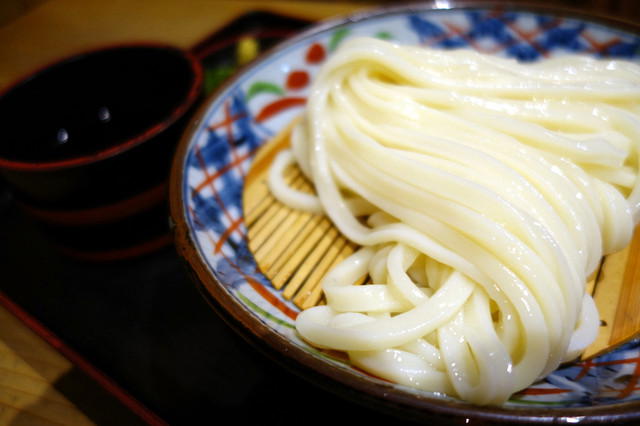
Bars in Takamatsu
Browse all →

Details
- Casual
- Lively
- Cozy
- Classic
- Family
- Casual Hangout
- Solo
- Group Dining
- Standalone
- Local Sourcing
- A La Carte
Current opening hours
- Monday
- 7 AM–3 PM
- Tuesday
- 7 AM–3 PM
- Wednesday
- 7 AM–3 PM
- Thursday
- 7 AM–3 PM
- Friday
- 7 AM–3 PM
- Saturday
- 7 AM–3 PM
- Sunday
- Closed
Hours can change for holidays and private events. Hours as of .
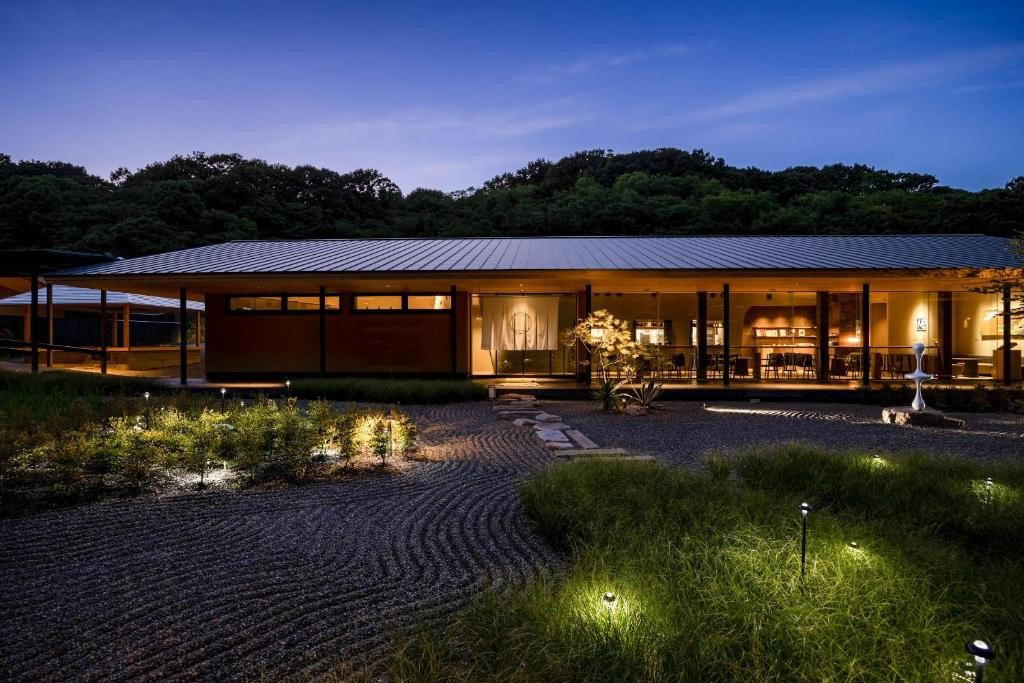
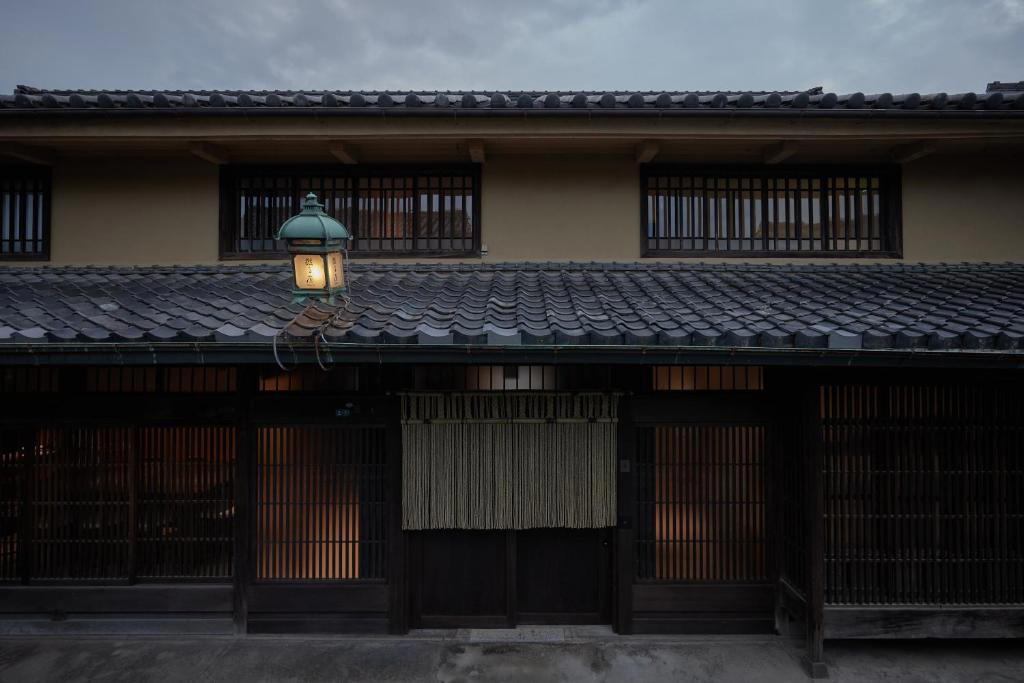
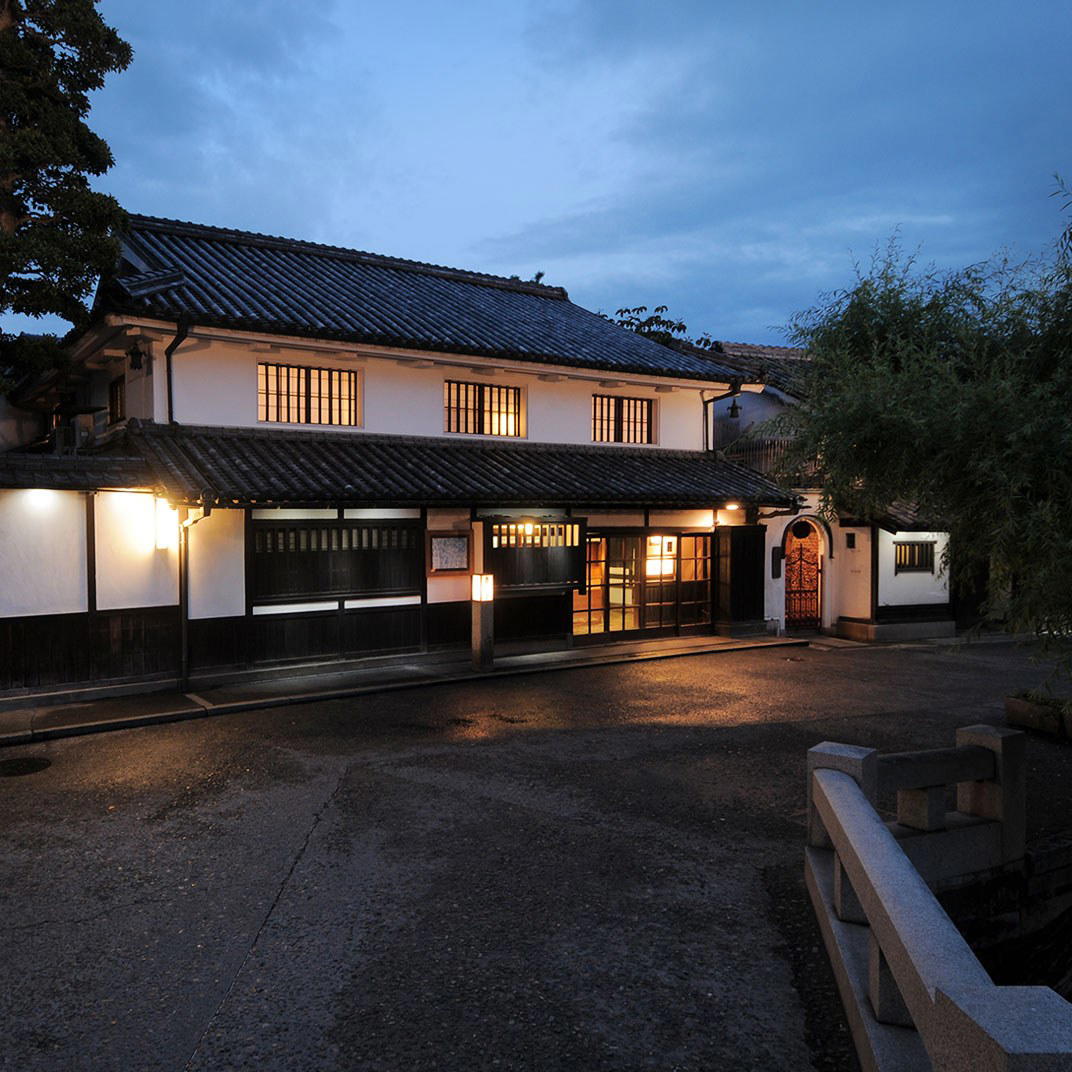
Bright, functional self-service udon shop attached to a transport company, with a casual, family-friendly atmosphere, simple tables and tatami seating, and the bustling feel of a popular local canteen.